Manori, located in the northern part of Mumbai, is a scenic coastal landscape where beaches, mangroves, scrub, grasslands, plantations, and village habitats come together to create a diverse natural environment. The area around Manori Hill and the surrounding coastal belt offers a good mix of habitats for resident birds as well as species associated with wetlands and coastal ecosystems. Its relatively open landscapes, vegetation, and proximity to the Arabian Sea make it an interesting destination for birdwatching, particularly during the early morning when bird activity is at its peak. The combination of natural and semi-urban habitats also allows visitors to observe how birds adapt to a changing coastal landscape.
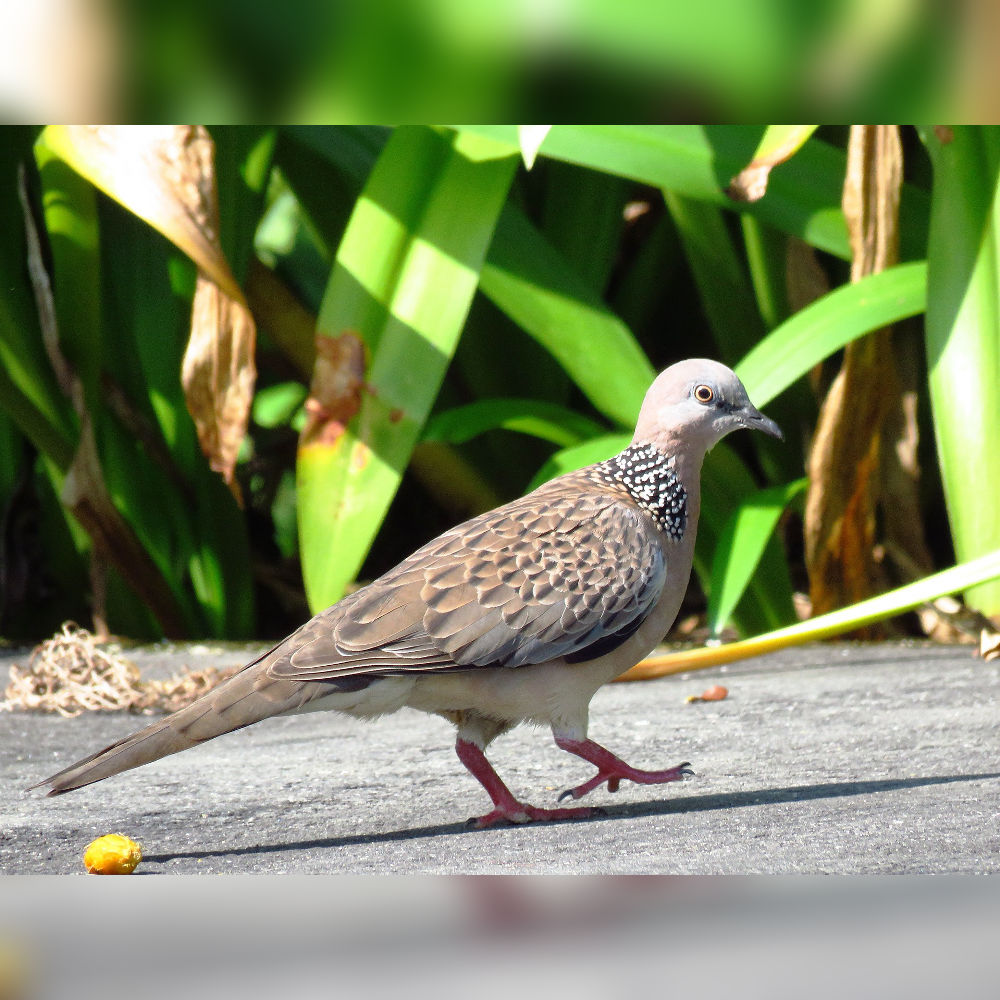
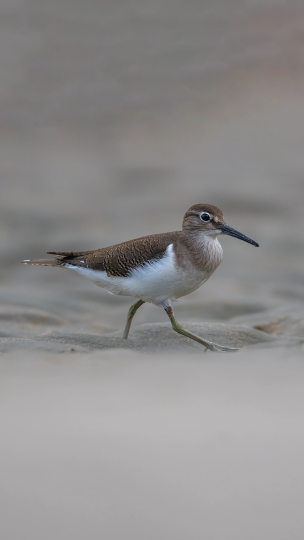
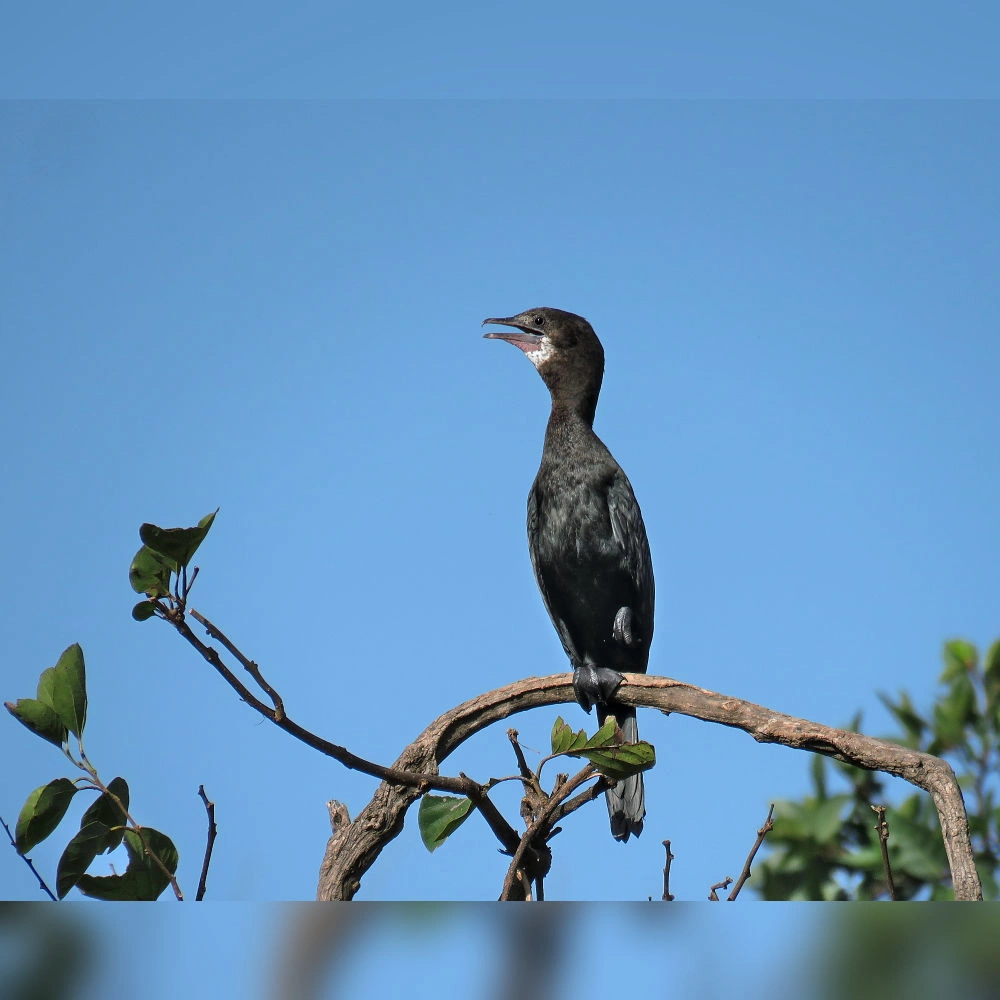
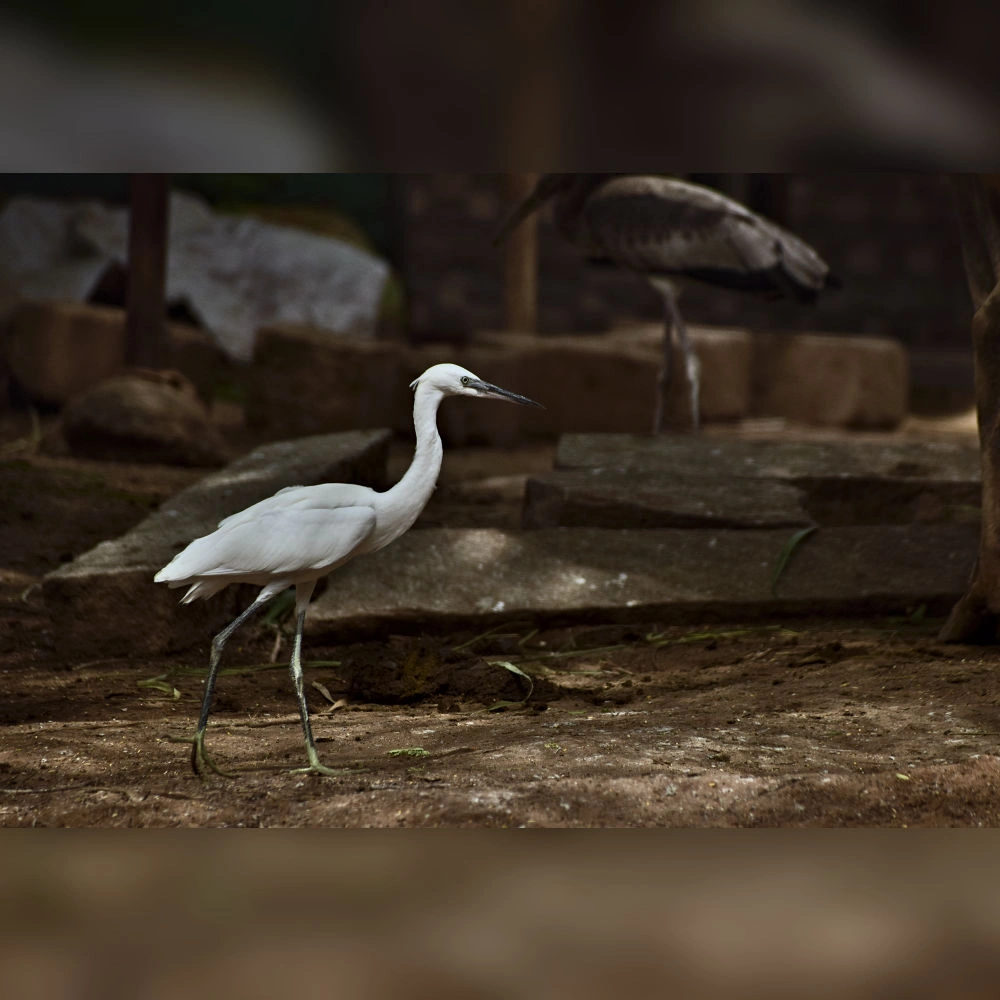
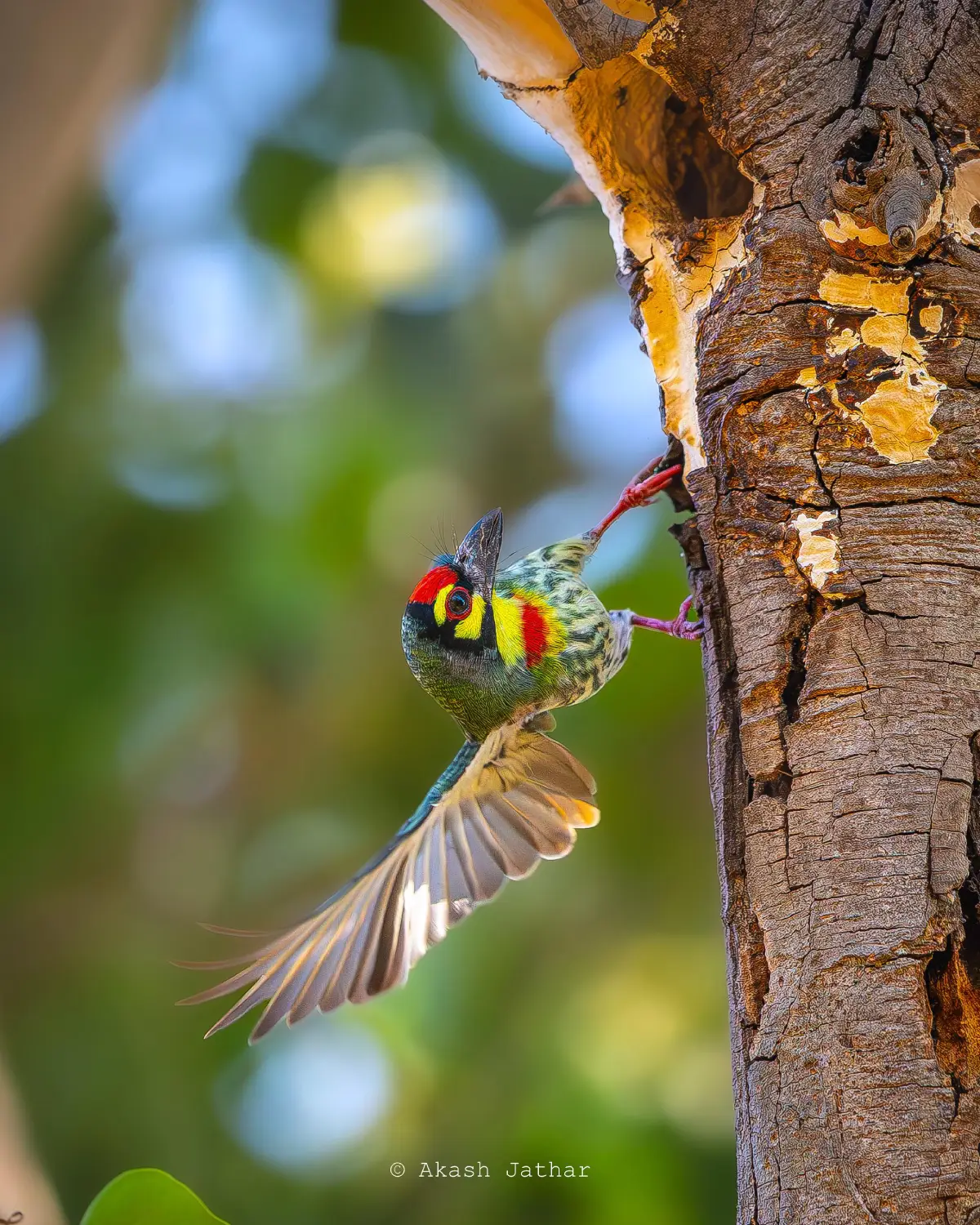
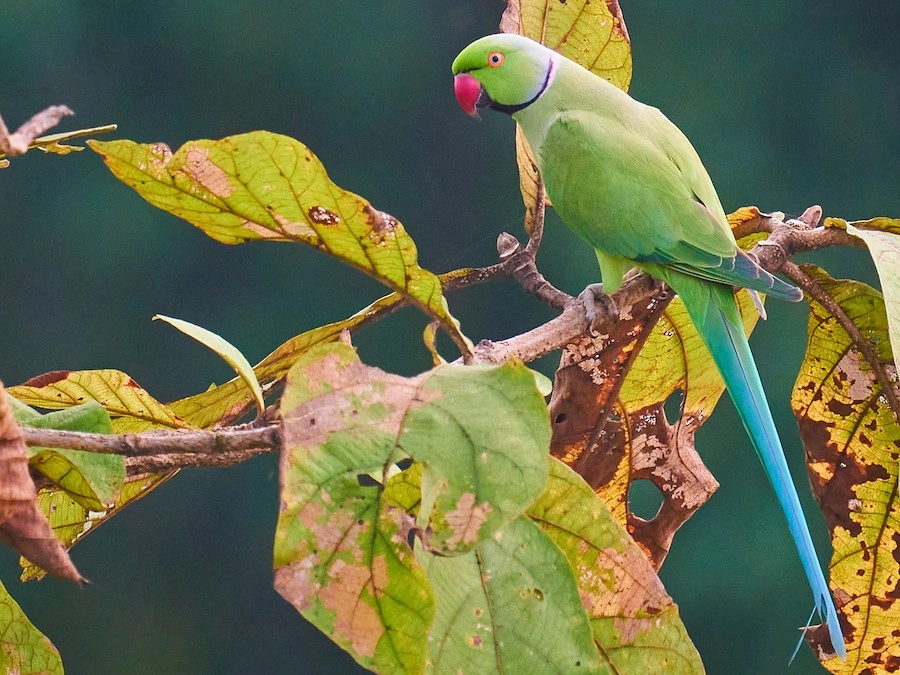
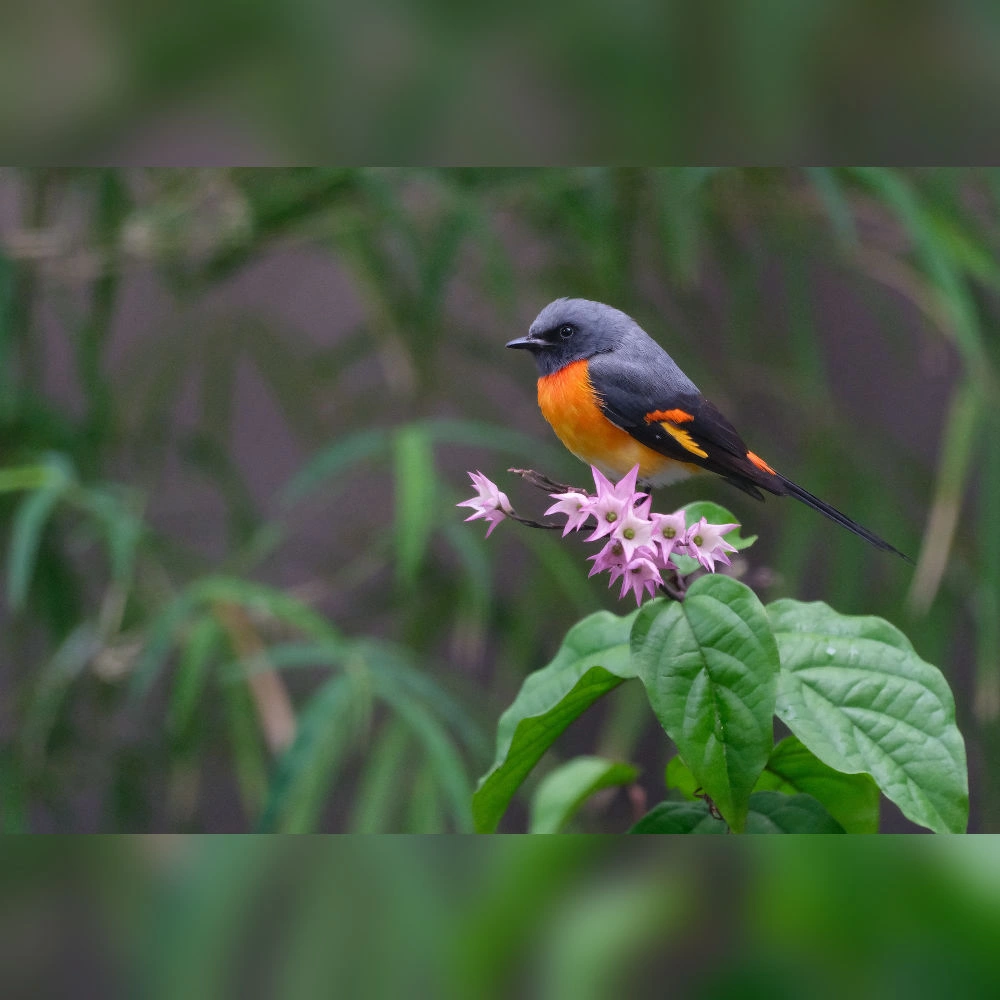
Manori is especially interesting for birdwatchers because of the variety of species that can be encountered across its different habitats. The area supports common urban and woodland birds such as Rock Pigeon, Spotted Dove, Asian Koel, Coppersmith Barbet, Rose-ringed Parakeet, Common Iora, Small Minivet, and Spot-breasted Fantail. Open areas attract Black Kites, Ashy Woodswallows, bee-eaters, swallows, and raptors such as the Red-necked Falcon. The nearby coastal and wetland habitats provide opportunities to observe Little Egret, Eastern Cattle-Egret, Little Cormorant, White-breasted Waterhen, Common Sandpiper, and Eurasian Whimbrel. This mixture of coastal, wetland, scrub, and woodland species makes Manori a rewarding birding landscape and an important green space within Mumbai’s wider urban environment.
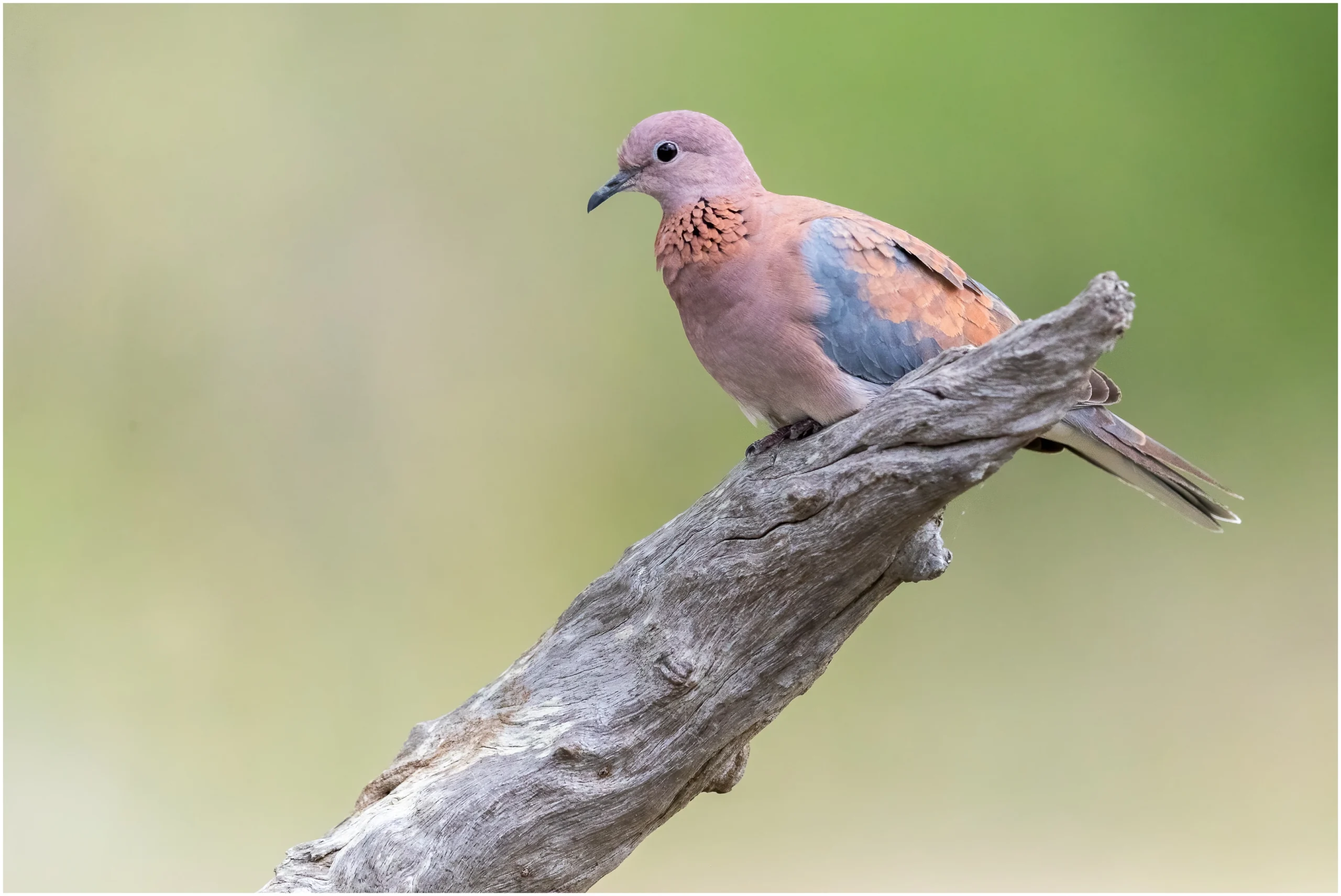
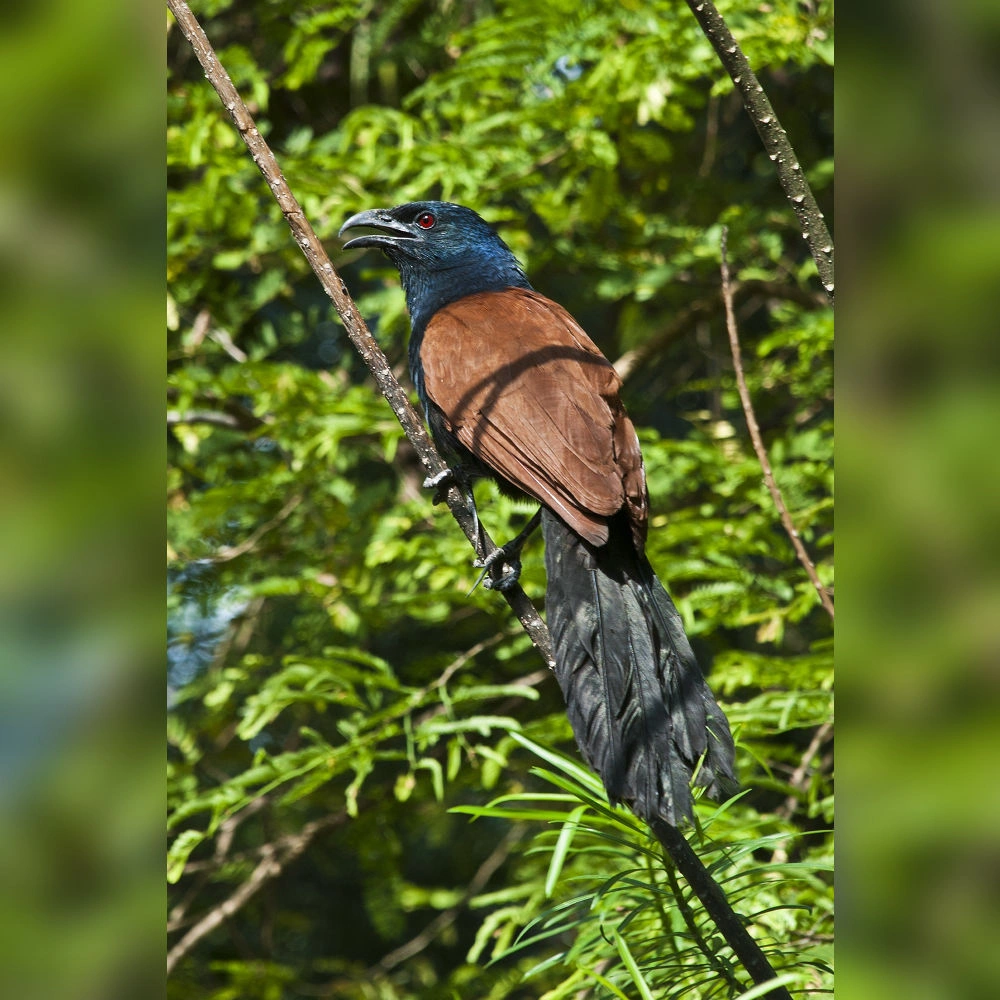
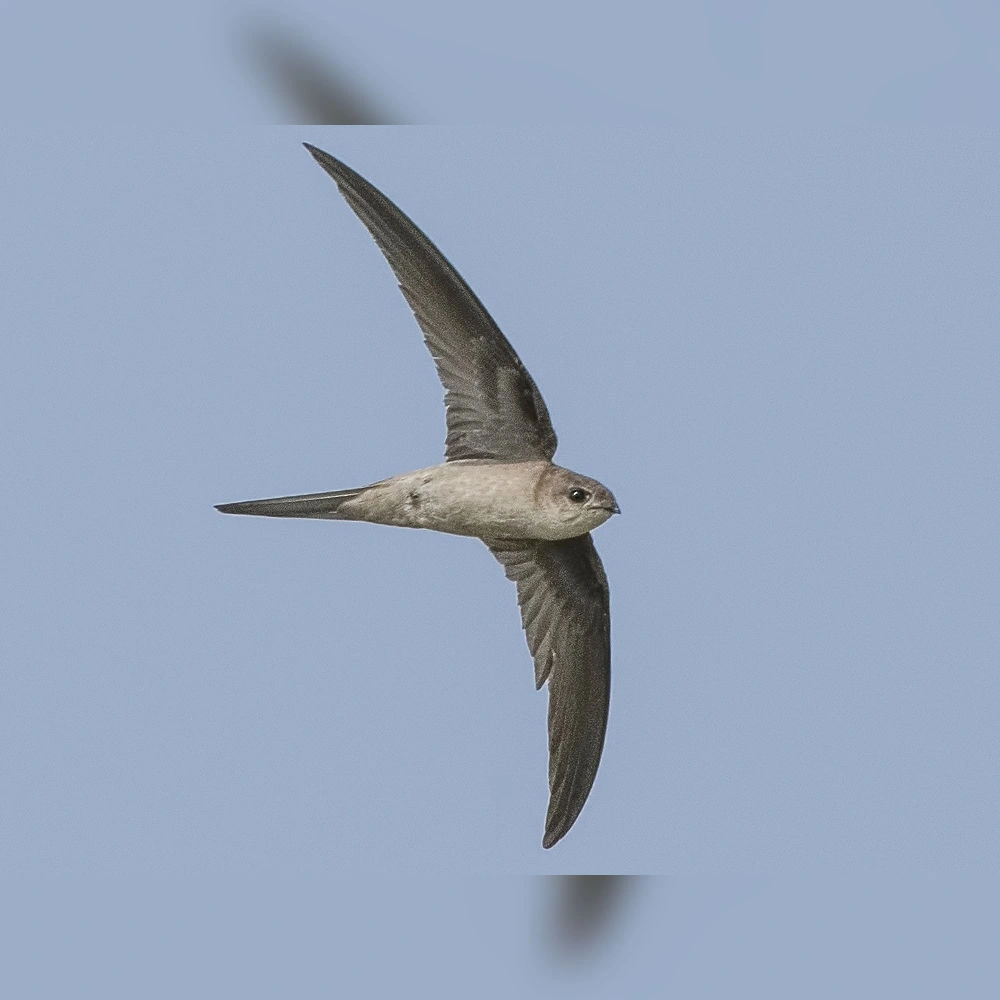
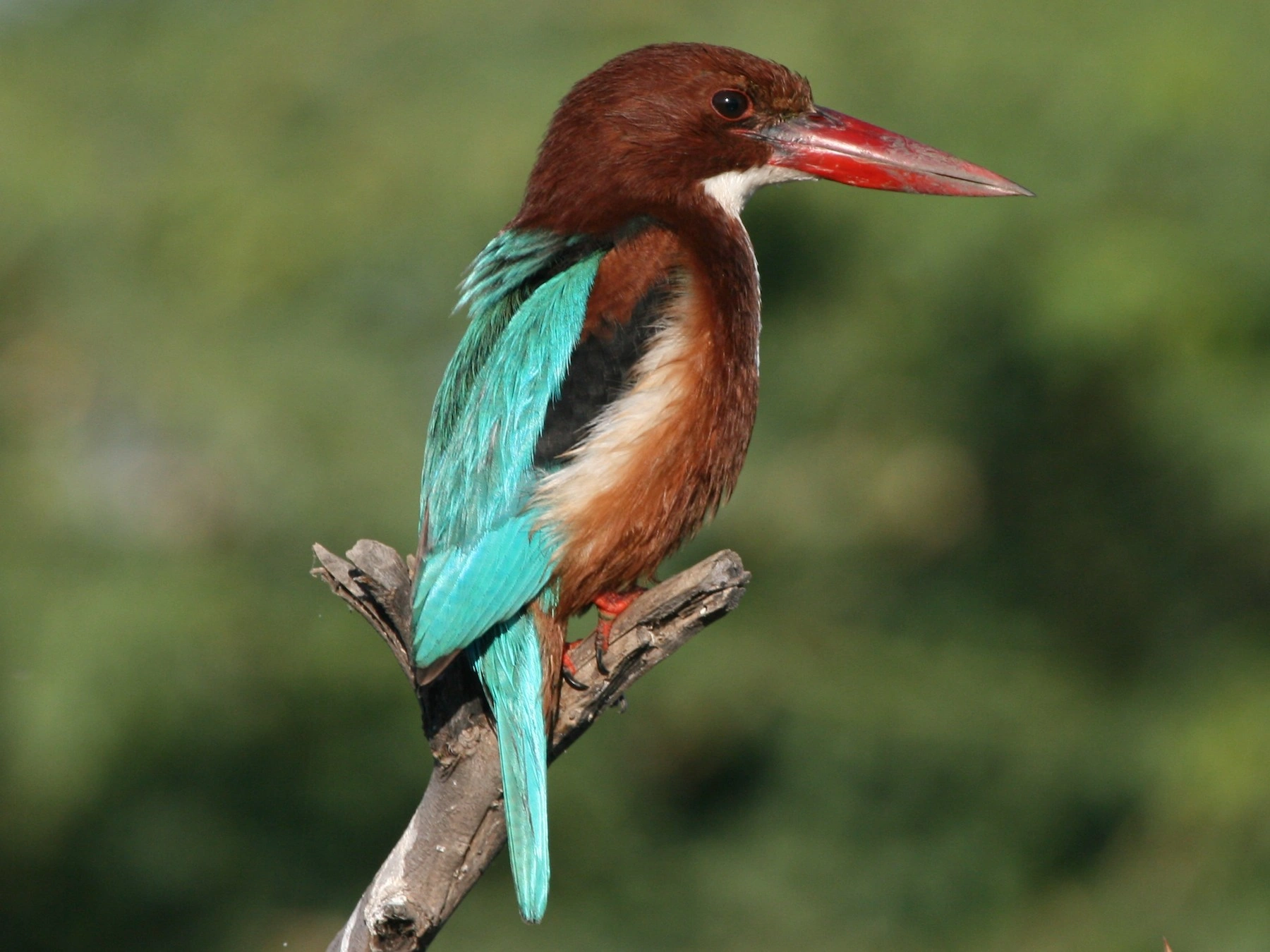
Manori offers an impressive variety of birdlife, with the recorded observations highlighting the diversity supported by its coastal, scrub, woodland, wetland, and open habitats. The birding experience ranges from familiar species such as Rock Pigeon, Spotted Dove, Laughing Dove, Asian Koel, Rose-ringed Parakeet, and Common Myna to more habitat-specific birds such as Barred Buttonquail, White-breasted Waterhen, Common Iora, Spot-breasted Fantail, and Small Minivet. The surrounding vegetation also supports Coppersmith Barbets, Asian Green Bee-eaters, Ashy Woodswallows, and kingfishers, while Black Kites and the Red-necked Falcon add raptors to the list. The presence of four Eurasian Whimbrels and a Common Sandpiper highlights the importance of the coastal landscape for shorebirds and passage migrants. Little Egrets and Eastern Cattle-Egrets, along with Little Cormorants, further reflect the availability of wetland and feeding habitats. Other notable observations include Greater Coucal, Asian Palm Swift, Long-tailed Shrike, and Chestnut-headed Bee-eater. Together, these records demonstrate how Manori’s mosaic of habitats can support a rich bird community and provide excellent opportunities for observing both common and interesting species in the Mumbai region.