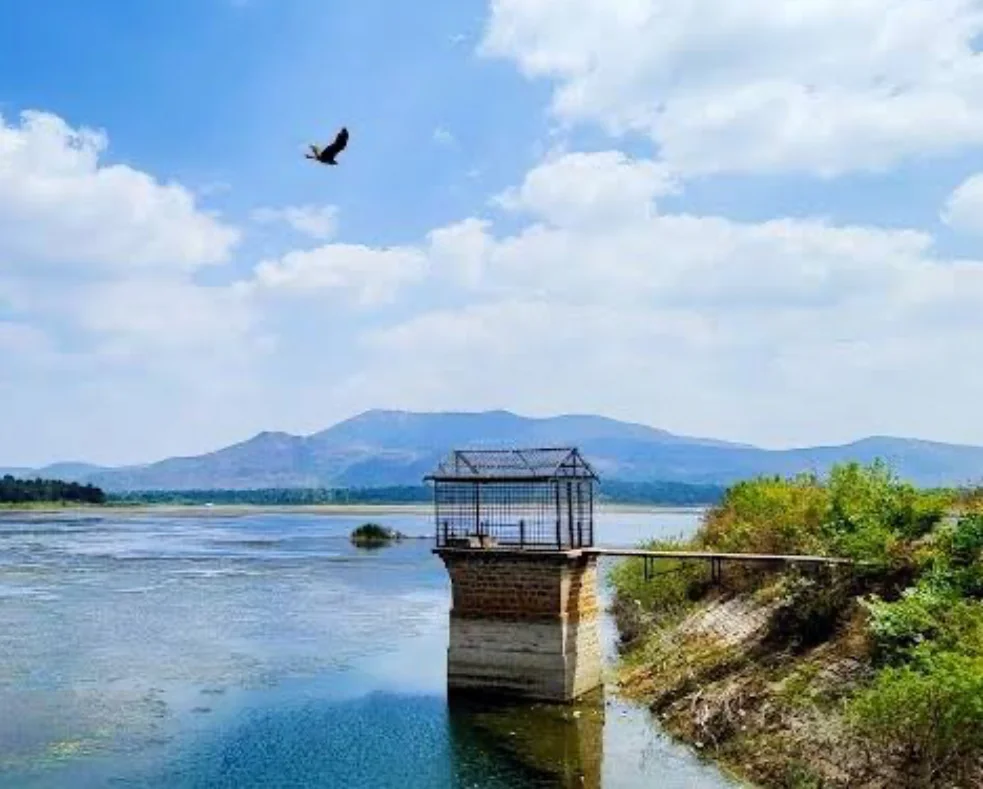
Near Kanakapura, about an hour and a half southwest of Bengaluru, Mavathur Kere (also known as Dodda Maralawadi Kere) lies in a quiet valley between rocky, scrub-covered hills. It’s one of the old rain-fed tanks of the Deccan plateau, built to store monsoon runoff for the surrounding farms. Its shoreline mixes open water, shallow muddy margins, reedy edges, grassy banks and scattered trees, with fields of ragi and coconut groves around it and granite hills rising behind. After good rains, a seasonal waterfall nearby comes to life. Fish, frogs, turtles and dragonflies thrive in the lake, and the hills support hares, mongooses, monitor lizards and sometimes elephants passing through the wider Kanakapura forests.
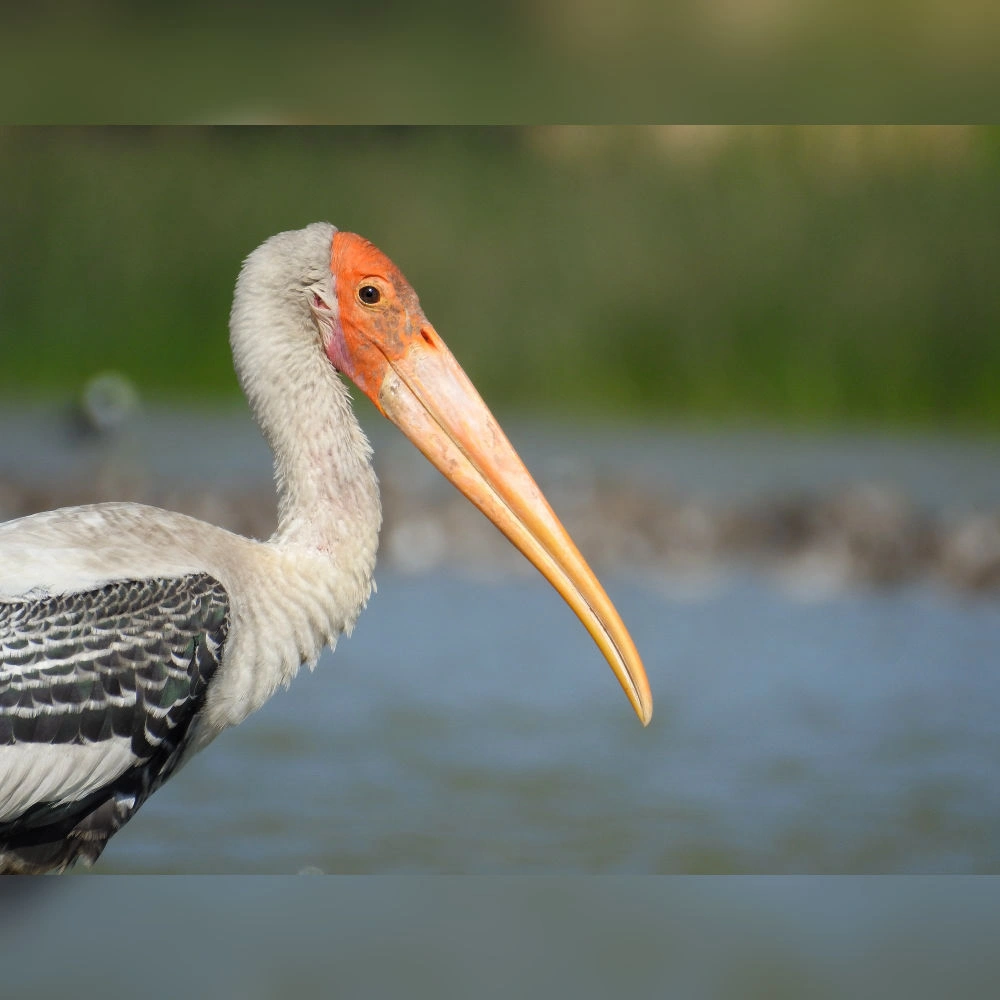
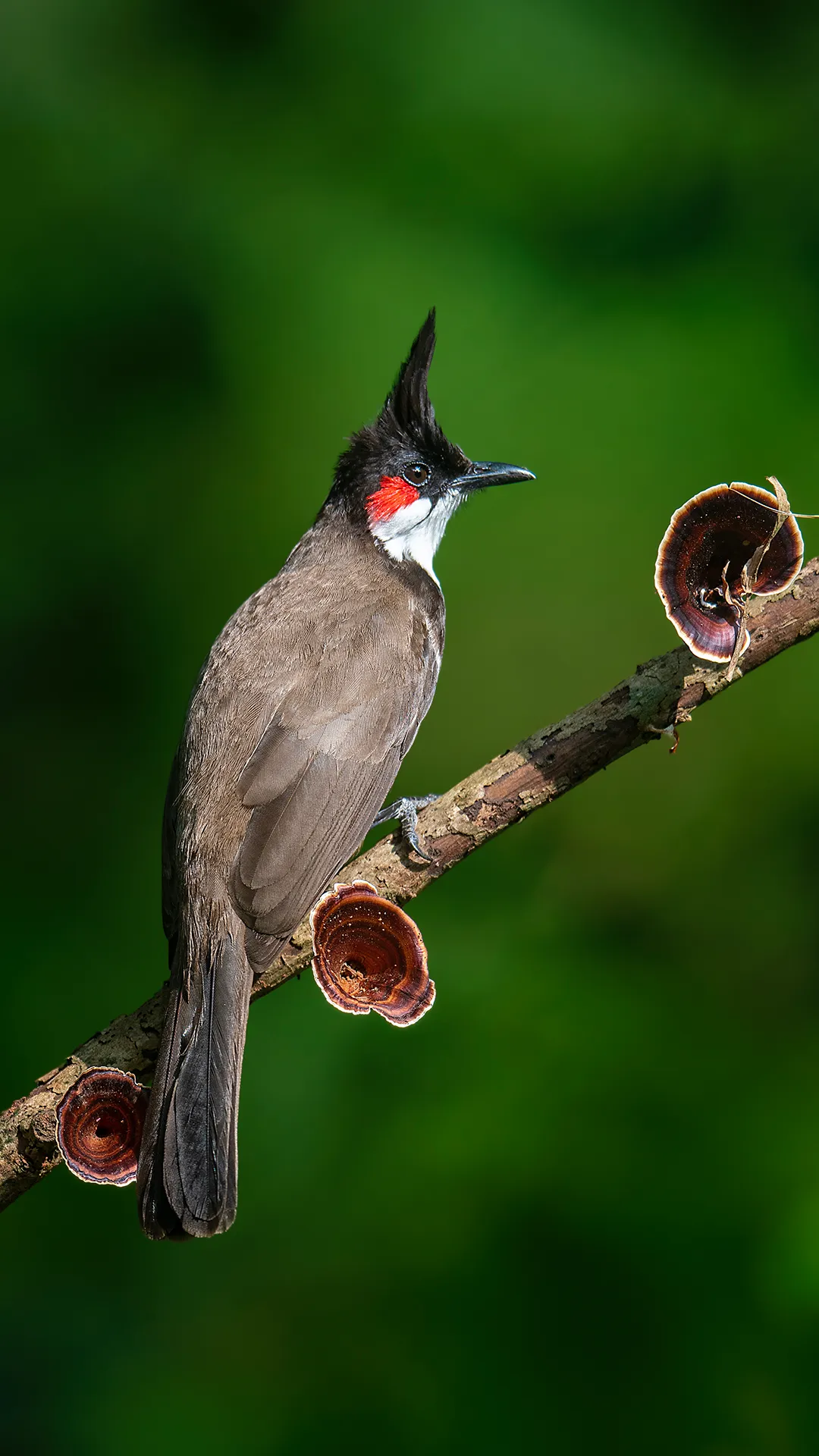
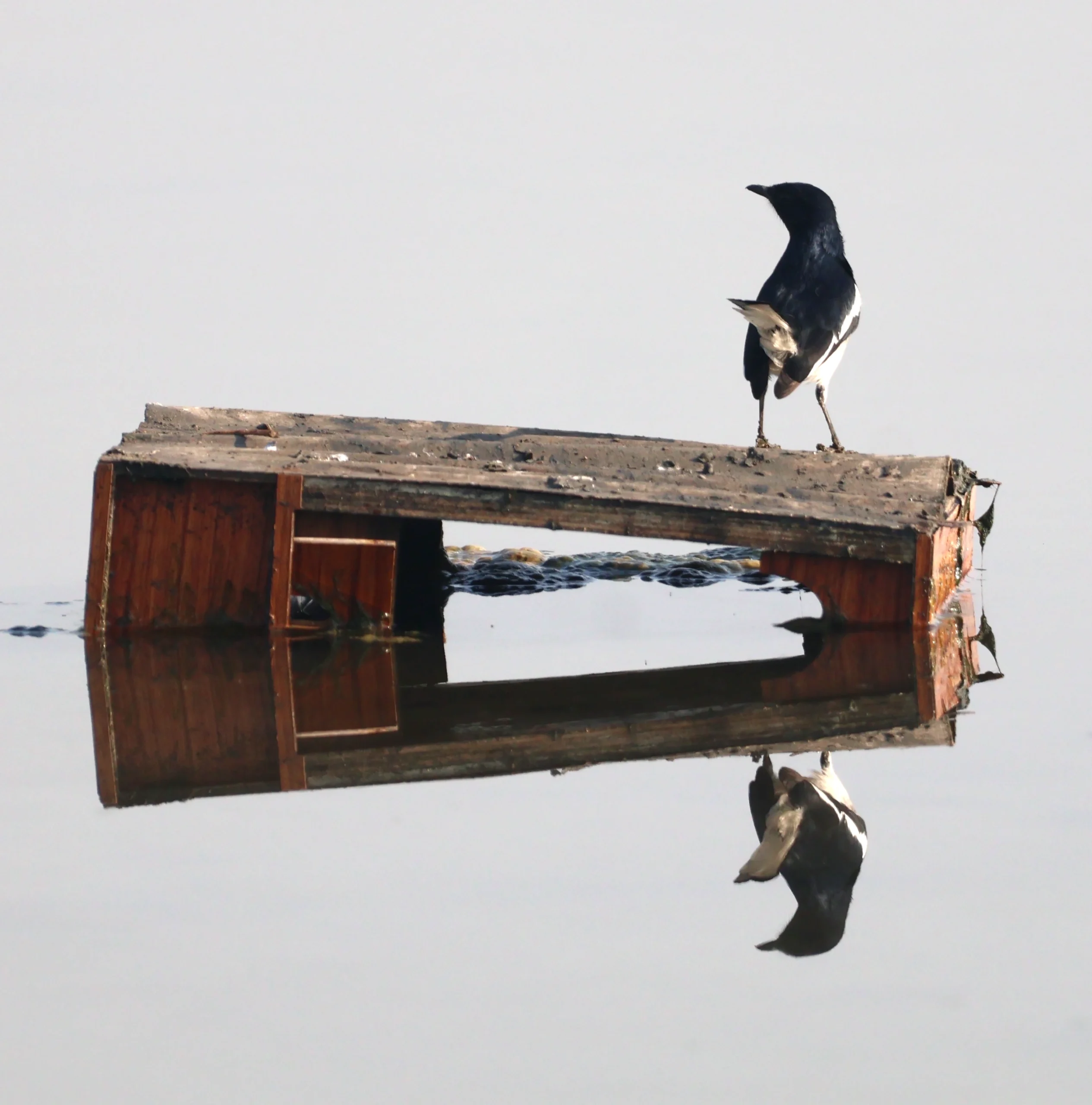
For birders, Mavathur is a peaceful escape that rewards an early start. Spot-billed Pelicans and Painted Storks fish the open water, while cormorants, herons and egrets work the edges. In winter, Bar-headed Geese fly in from across the Himalayas. The scrub and fields around the lake add avadavats, bulbuls, shrikes, woodswallows and passing migrants such as the European Bee-eater. Like many rural tanks, though, Mavathur faces pressures. Silt fills the lakebed, and pesticide and fertiliser runoff comes in from the farms. Encroachment on the foreshore, sand and soil extraction, quarrying in the hills, and the growing number of weekend visitors, with their litter and noise, add to the strain. Protecting the catchment, keeping the natural, reedy edges and visiting responsibly will help keep Mavathur rich in birds.
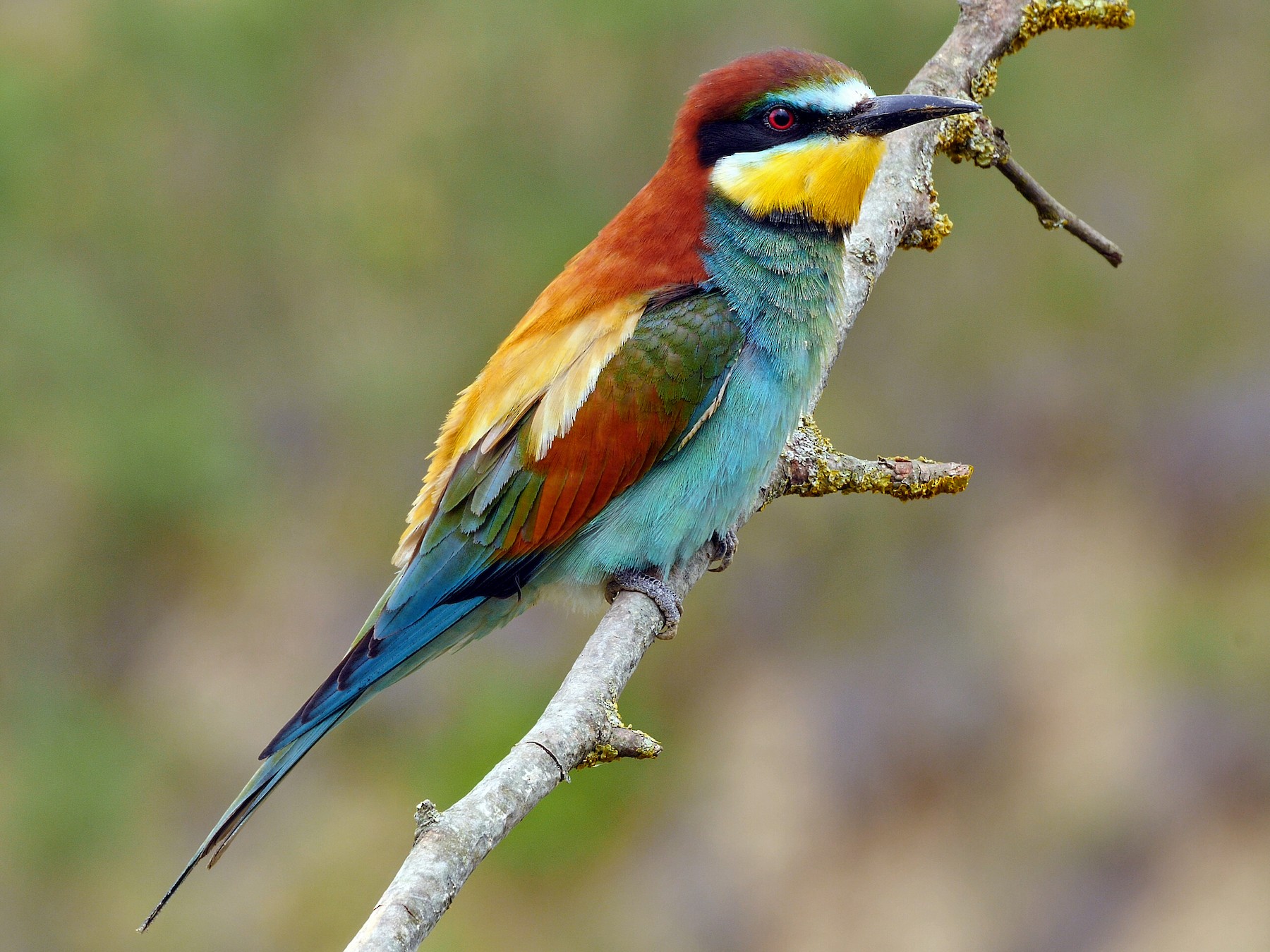
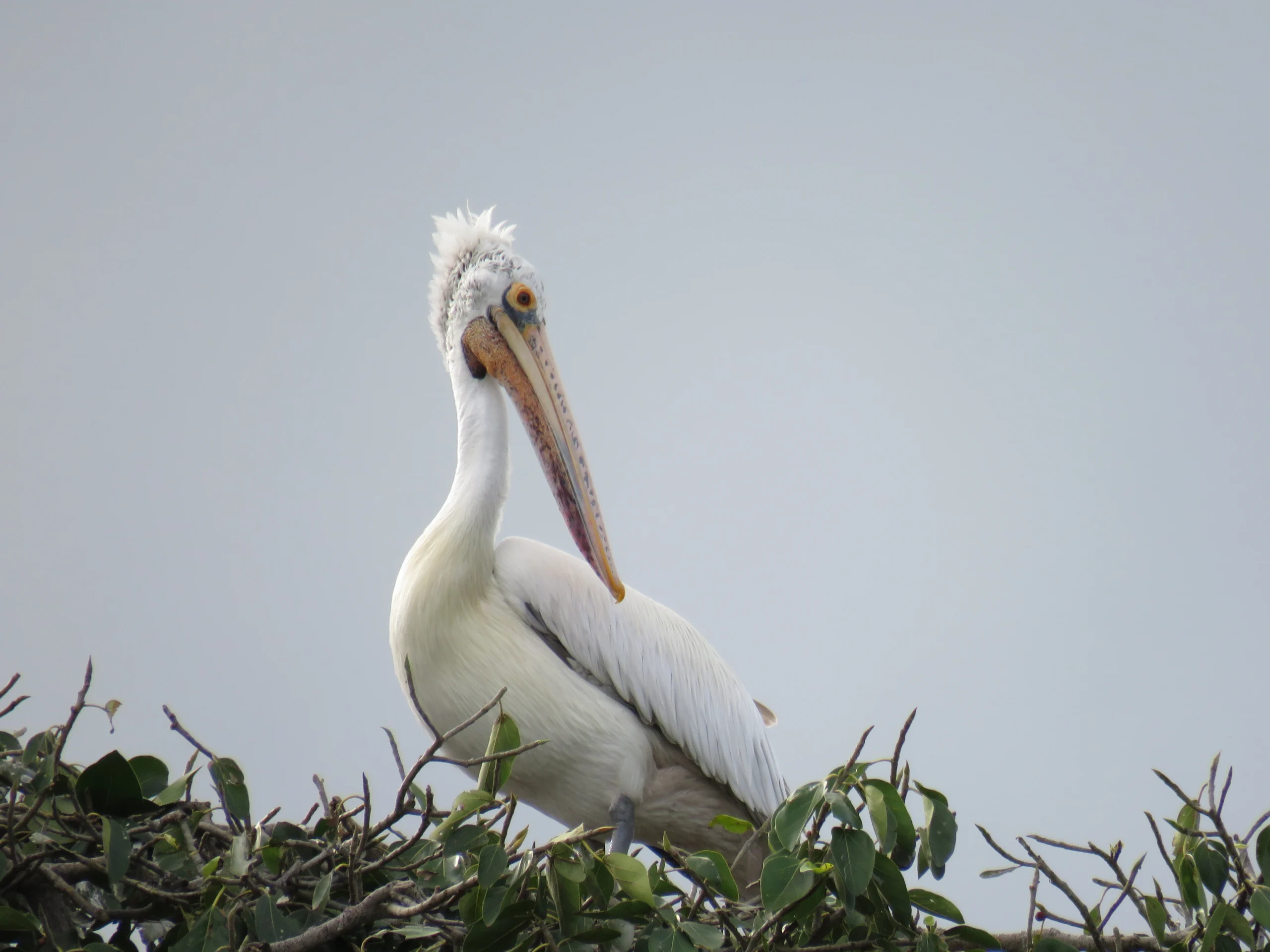
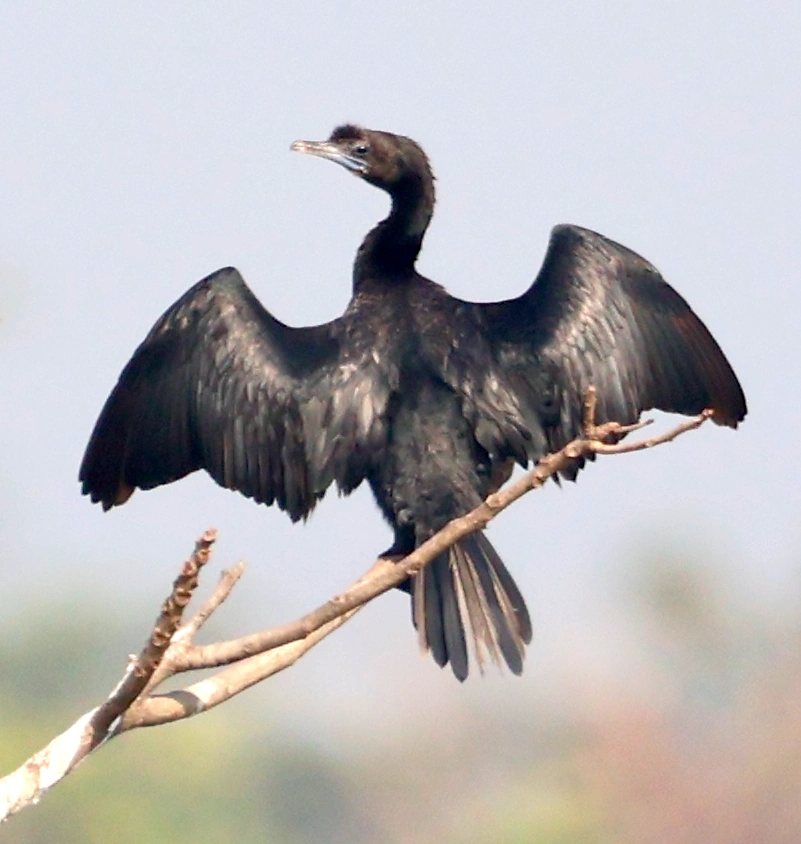
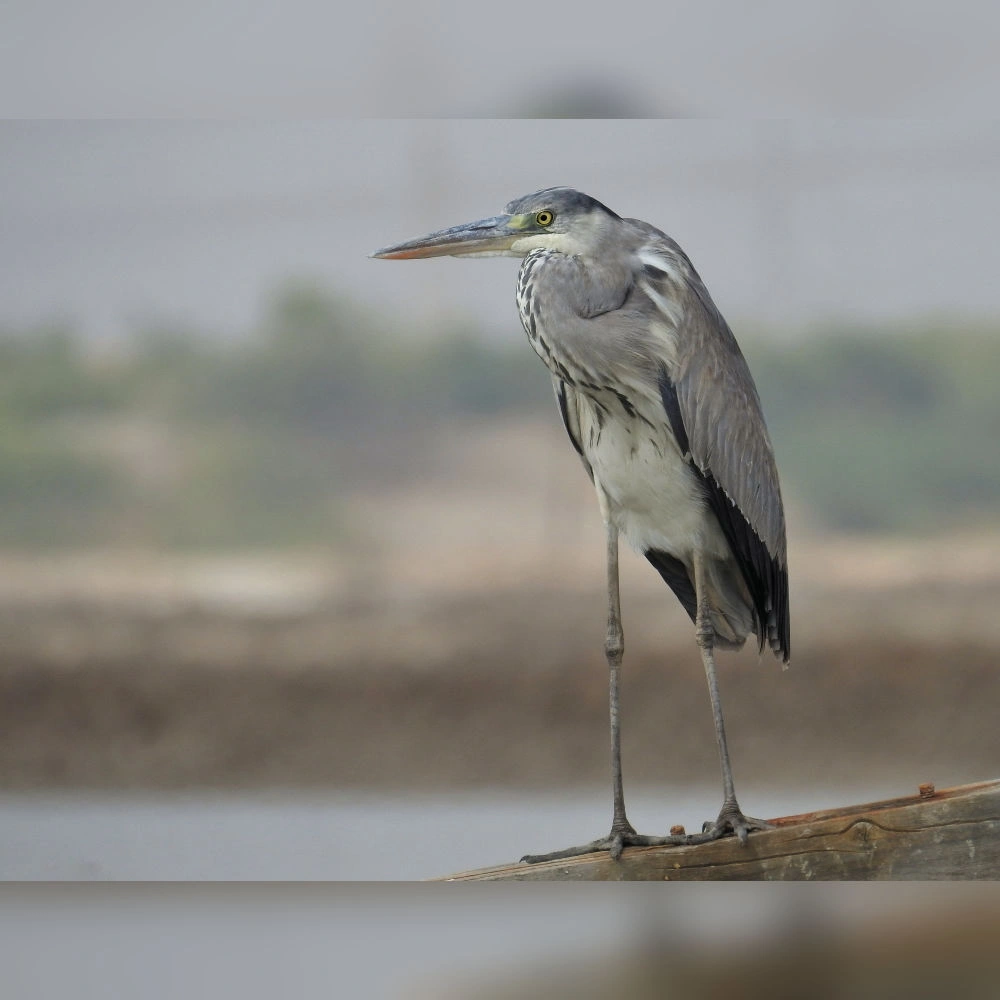
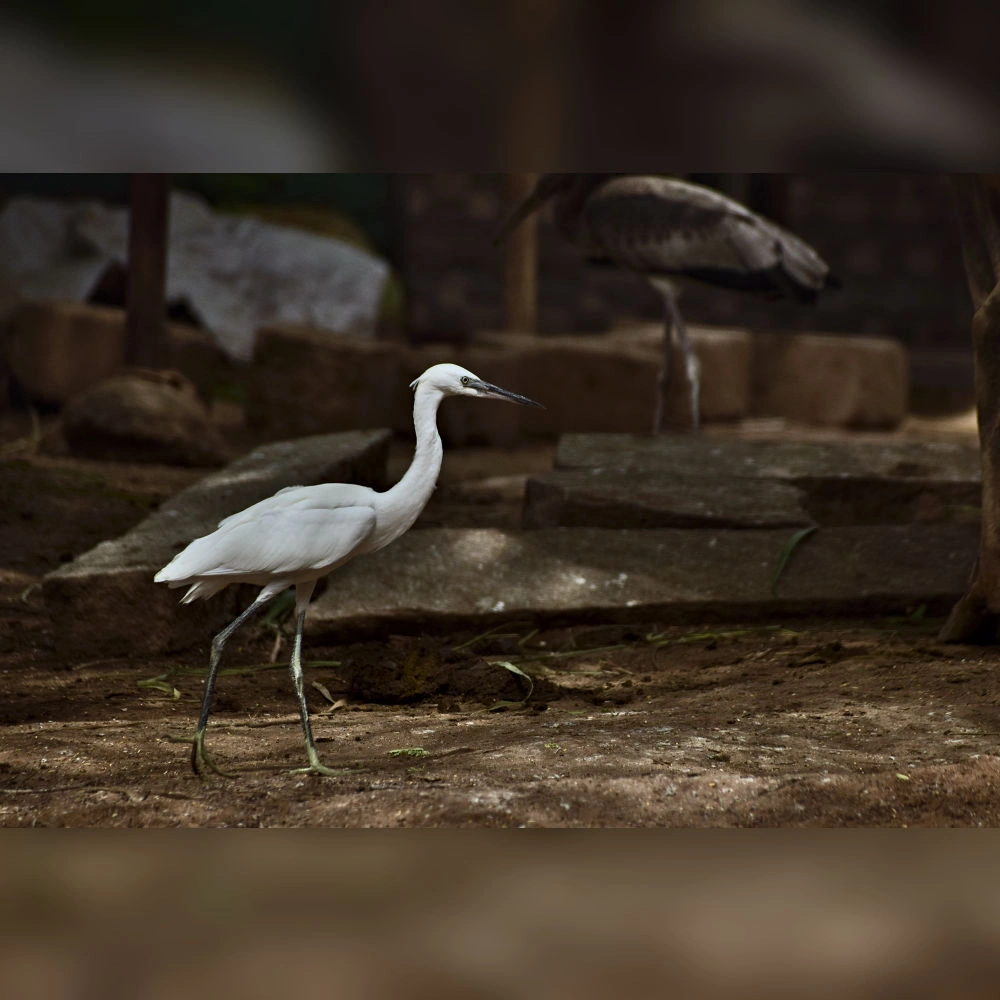
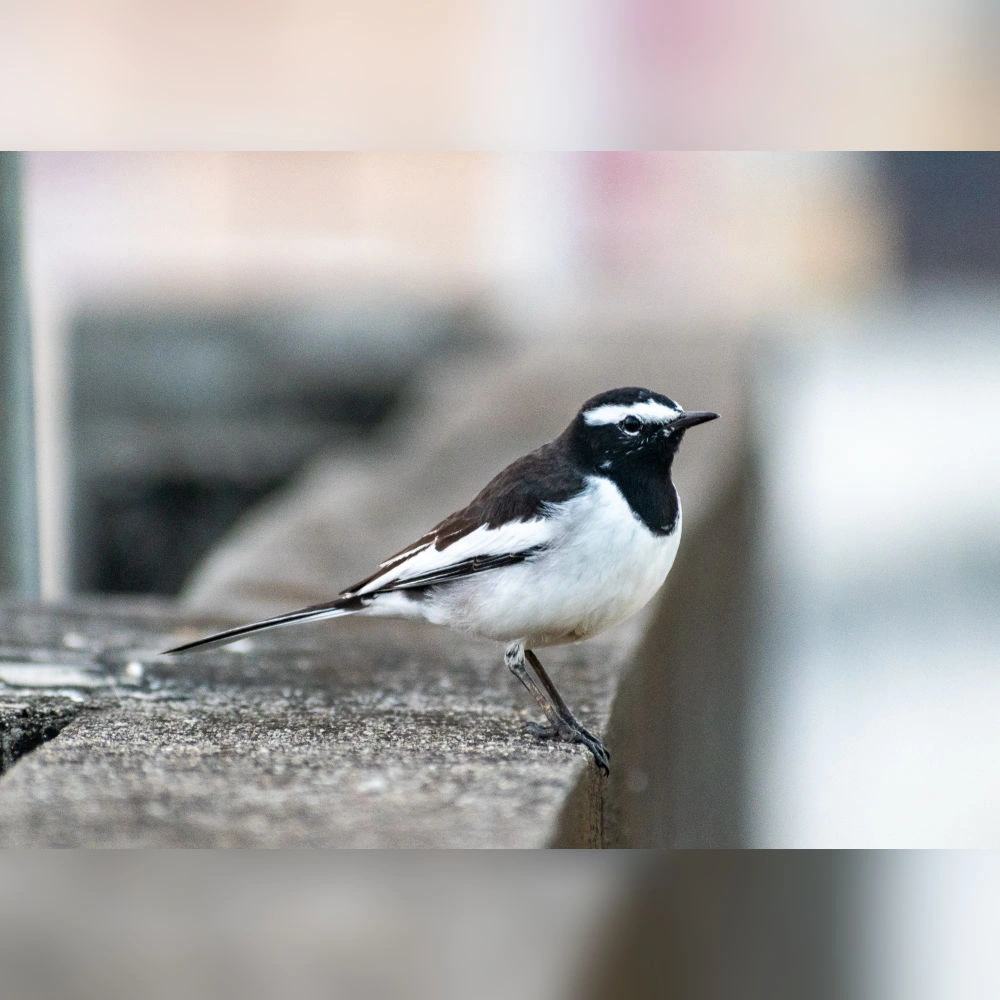
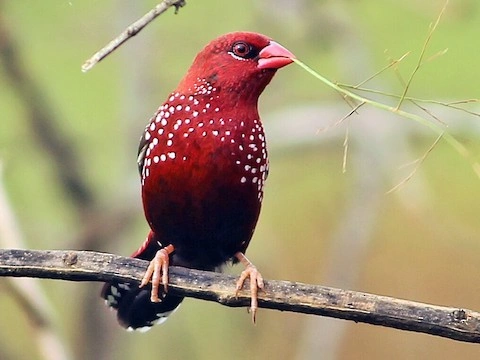
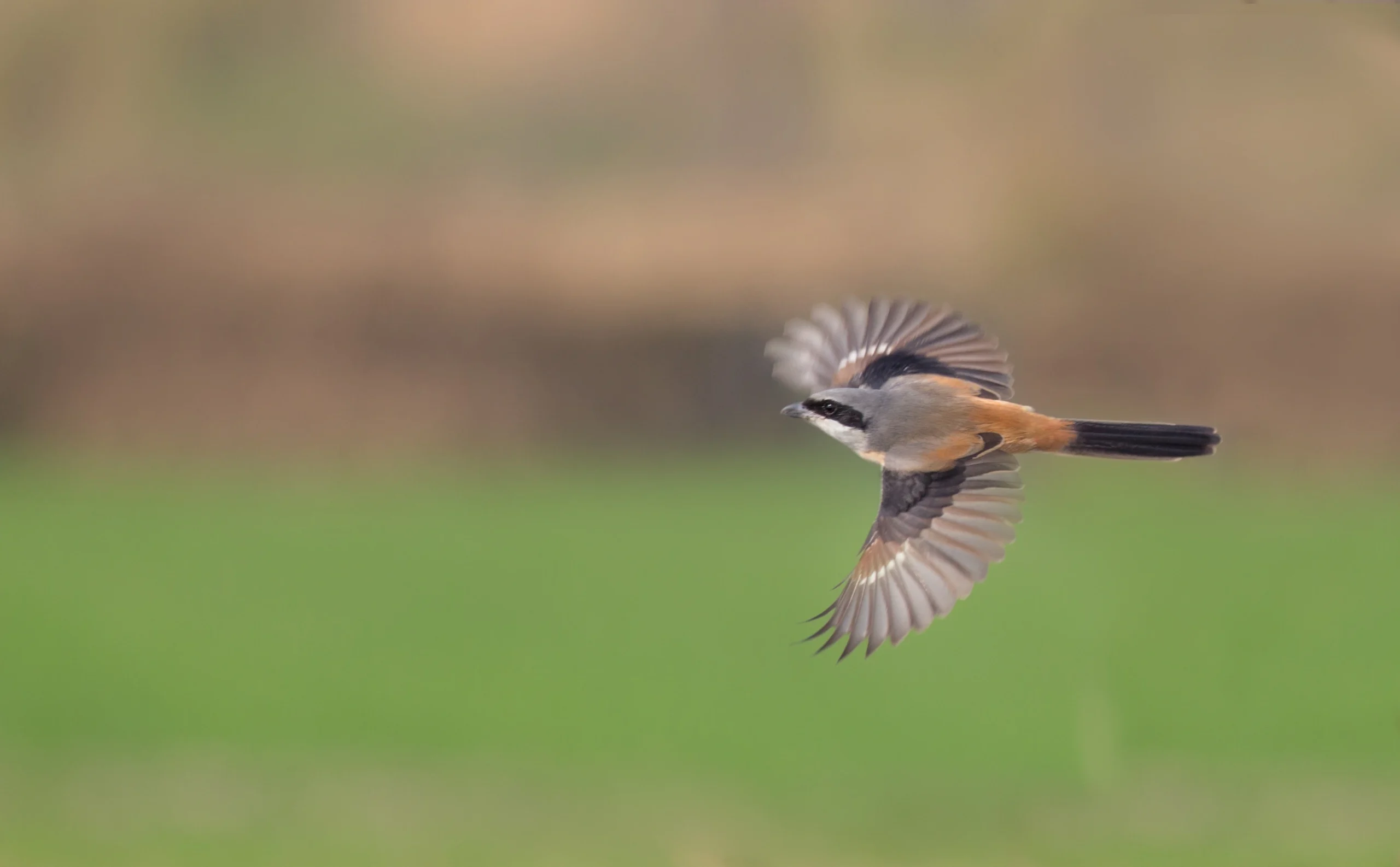
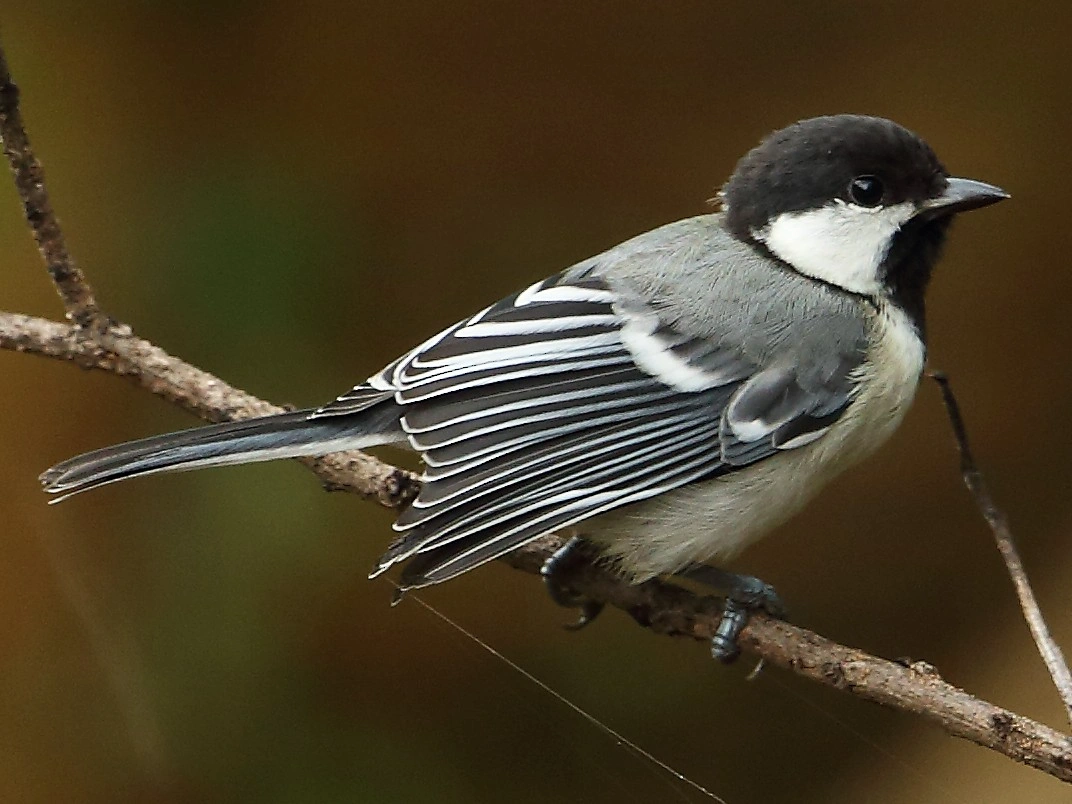
Mavathur’s most exciting visitor is the European Bee-eater, a dazzling mix of chestnut, gold and turquoise. It passes through only on migration, travelling between Europe or Central Asia and Africa, and hawks insects over the fields with liquid, rolling calls. In winter, the Bar-headed Goose arrives too. It is one of the highest-flying birds on Earth, crossing the Himalayas to graze along the shore. Spot-billed Pelicans, huge and globally threatened, glide in on broad wings and fish together in the open water. Painted Storks wade the shallows, their rosy wing feathers catching the light. Little Cormorants dive for fish. The tall Gray Heron stands motionless at the water’s edge, while Little Egrets stalk the shallows. The White-browed Wagtail bobs along the rocks and sings from the shore. In the grass, the tiny Red Avadavat sparkles crimson, dotted with white. Ashy Woodswallows sit huddled together on wires before swooping out after insects. The Long-tailed Shrike watches from a bush, ready to pounce. The Asian Tit calls from the trees, White-browed and Red-whiskered Bulbuls chatter in the scrub, and the Oriental Magpie-Robin sings sweetly from the bushes.