

Loading Events

Bird Walk at Menar Bird Village (Ramsar Site), Rajasthan

About Menar Lake

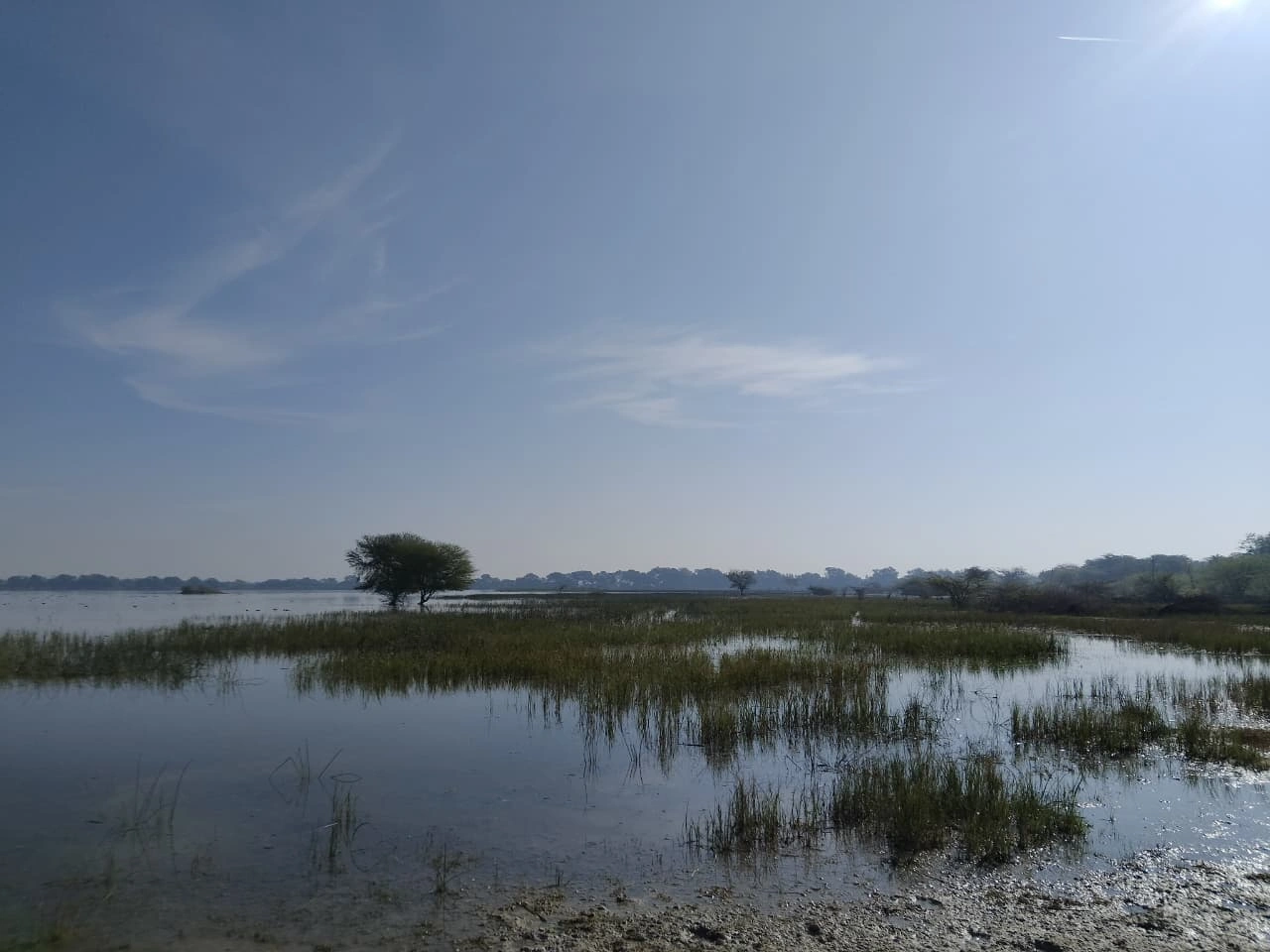
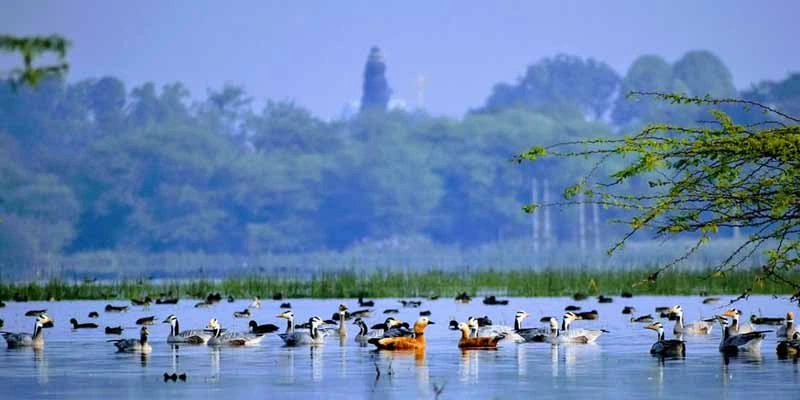
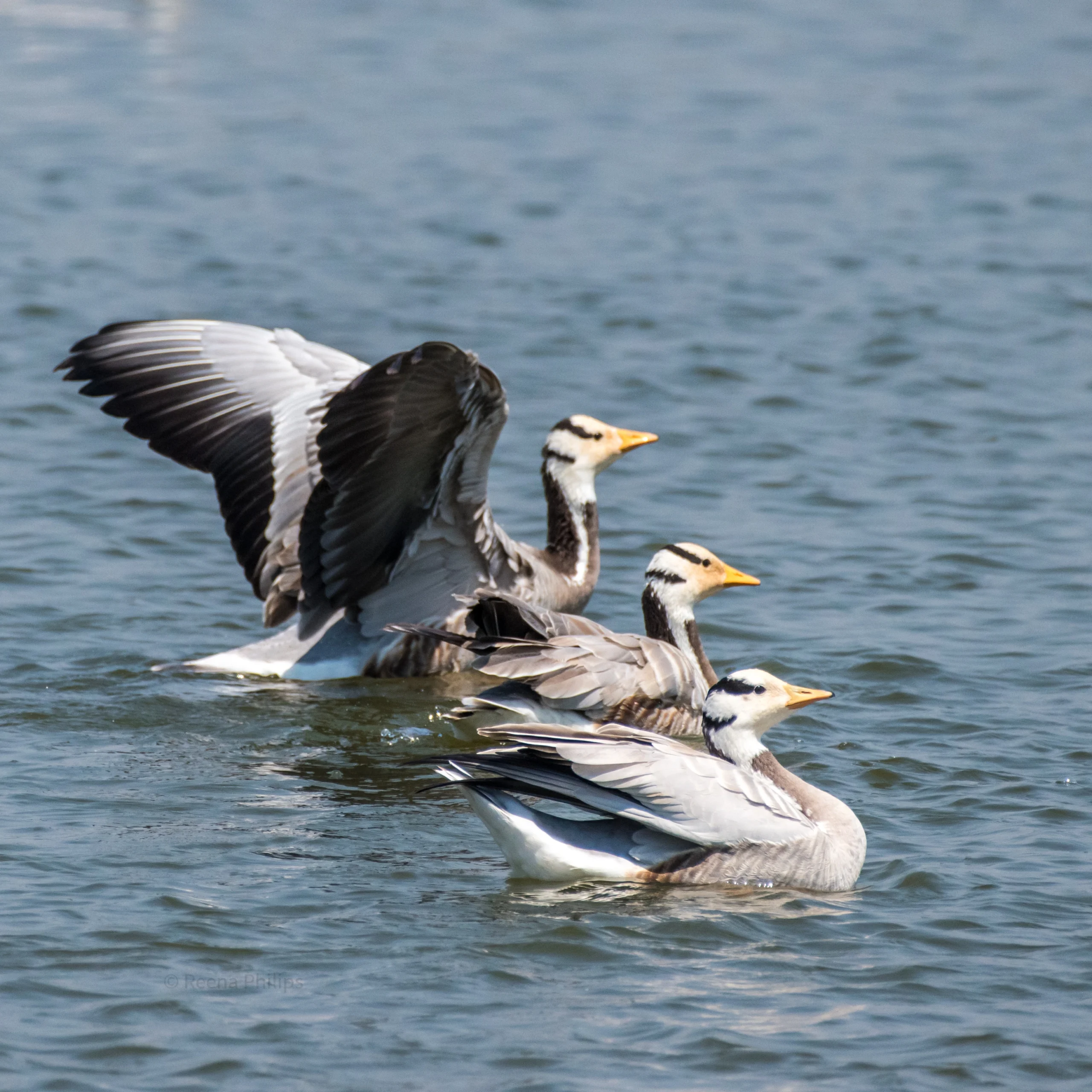
Menar Lake, located near the village of Menar in Udaipur district, Rajasthan, is a renowned wetland often referred to as the “Bird Village” of the state. This twin-lake system—comprising Brahma Sagar and Dhandh Talab—plays a crucial role in supporting a wide range of birdlife, particularly during the winter migration season. The lakes attract thousands of migratory waterfowl traveling along the Central Asian Flyway, including species such as bar-headed geese, northern shovelers, pintails, coots, and various species of storks and herons. The wetland’s diverse habitat of open water, mudflats, and surrounding agricultural fields provides ideal feeding and roosting conditions for both resident and migratory birds.
What makes Menar Lake truly special is the active involvement of the local community in its conservation. The villagers of Menar have long taken pride in protecting the birds, regulating activities that could harm the wetland, and promoting eco-tourism based on responsible birdwatching. Their collective efforts have transformed Menar into one of Rajasthan’s most inspiring examples of community-led conservation. Today, Menar Lake not only supports rich biodiversity but also offers educational and livelihood opportunities through bird tourism, making it a symbol of harmonious coexistence between people and nature in the arid landscapes of western India.

Bird Guide: Rahul Menaria

I am a resident of Menar village, which is famous as the bird village in Rajasthan.I developed an interest in birdwatching during graduation which connects me to the environment. I work as a birding guide seasonally.
Bird walk Location

Common birds of Menar Lake

Menar Lake in Rajasthan is teeming with avian diversity, hosting a remarkable range of waterbirds and waders that make it a paradise for bird enthusiasts. The lake frequently welcomes flocks of Flamingos, Bar-headed Geese, and Greylag Geese, while ducks such as the Mallard, Common Pochard, Tufted Duck, Gadwall, and Common Teal are commonly seen gliding across its calm waters. Among the waders and wetland specialists, species like the Black-tailed Godwit, Redshank, Ringed Plover, Spoonbill, and Grey-headed Swamphen add movement and color to the landscape. The presence of Painted Storks, Red-naped Ibises, and Black-headed Ibises highlights the lake’s role as a vital feeding ground for large waterbirds. Smaller yet striking species like the Kingfisher and Little Grebe can often be spotted along the edges, while Purple Herons and Woodpeckers inhabit the surrounding vegetation. Occasionally, the skies above Menar are graced by soaring Common Vultures, completing the picture of this thriving wetland ecosystem that supports both aquatic and terrestrial birdlife.
Bar-headed Geese
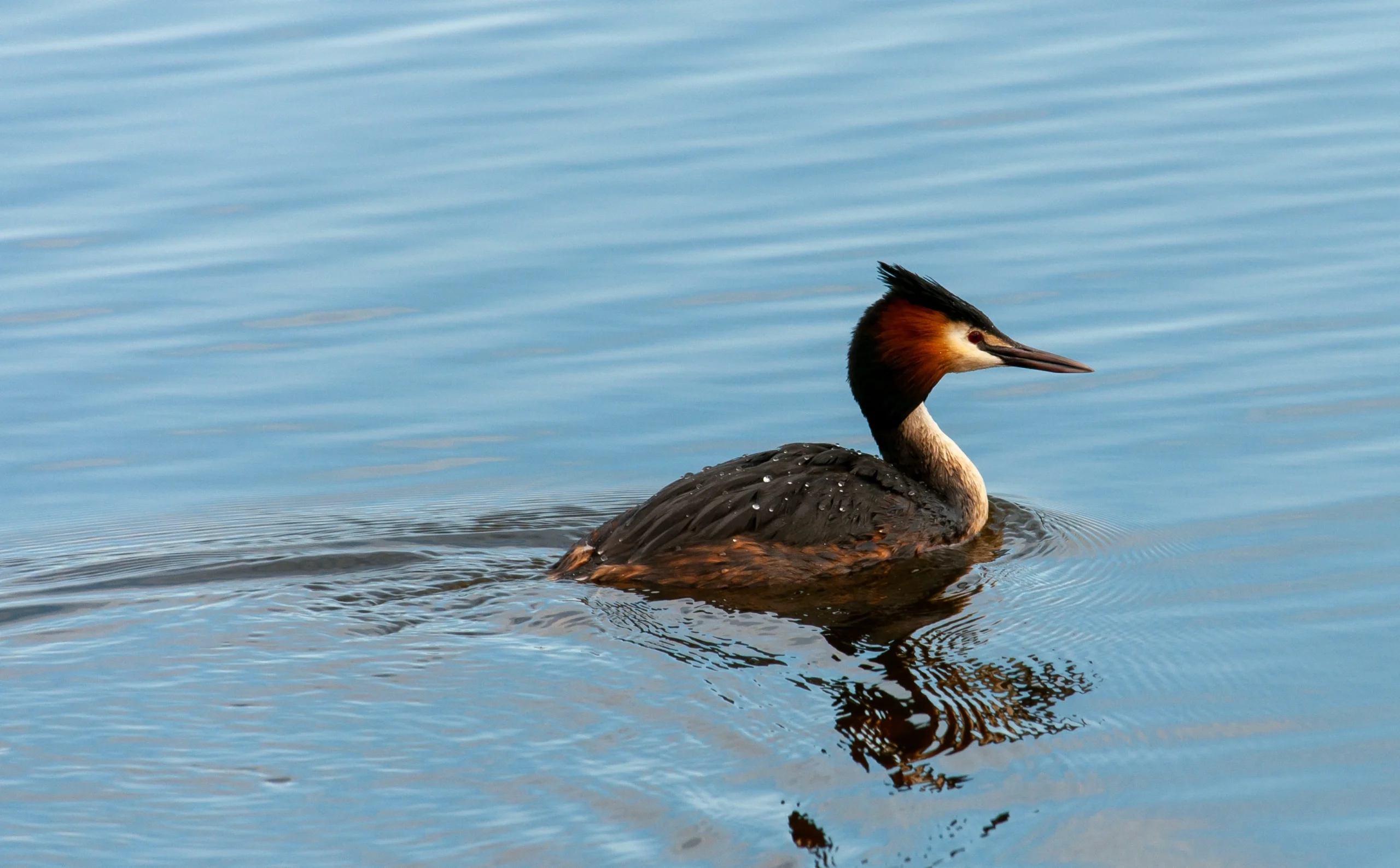
Great-crested Grebe
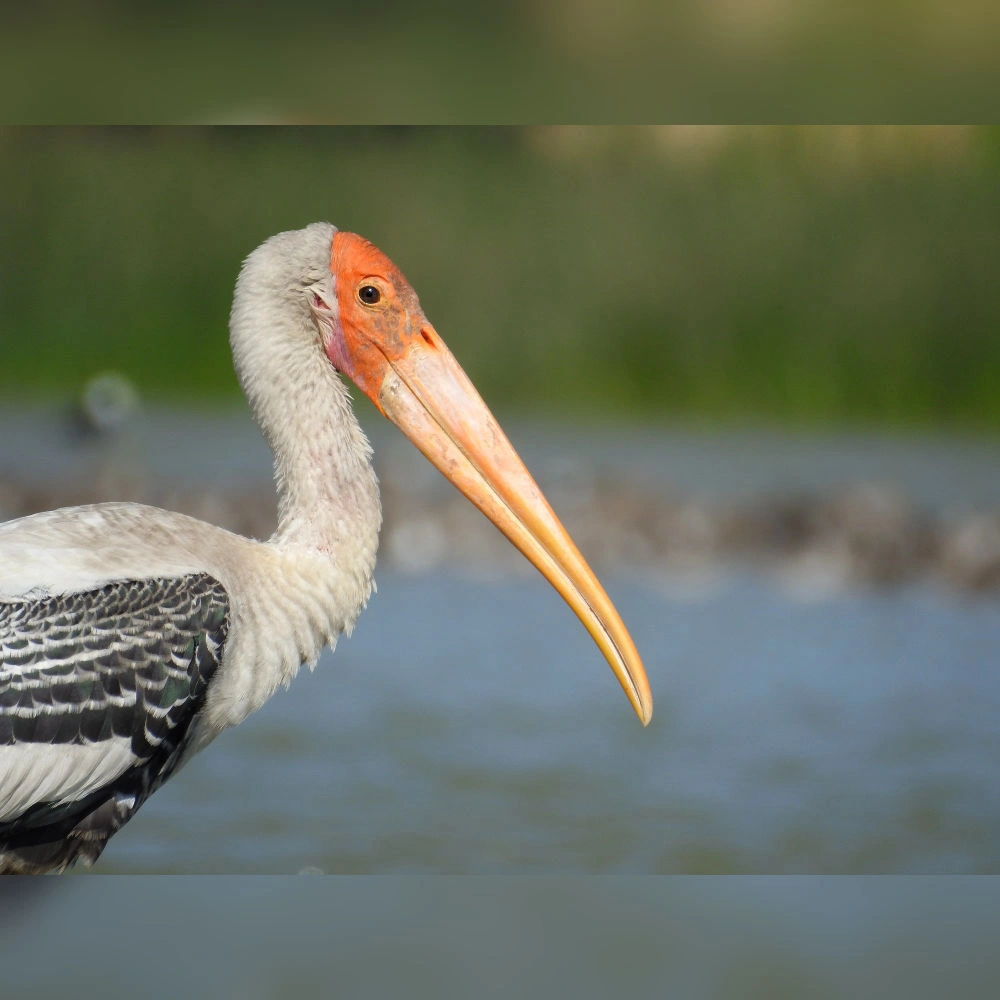
Painted Stork
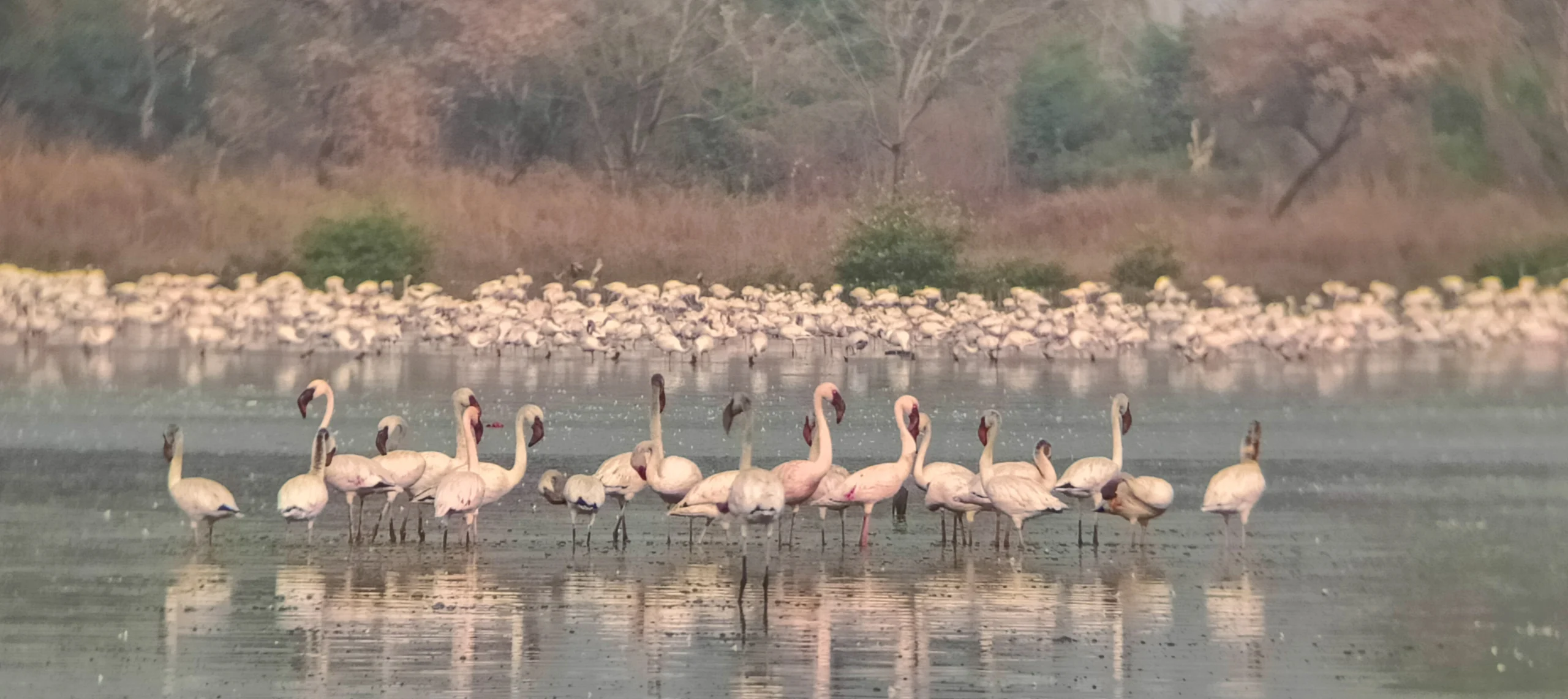
Lesser Flamingo
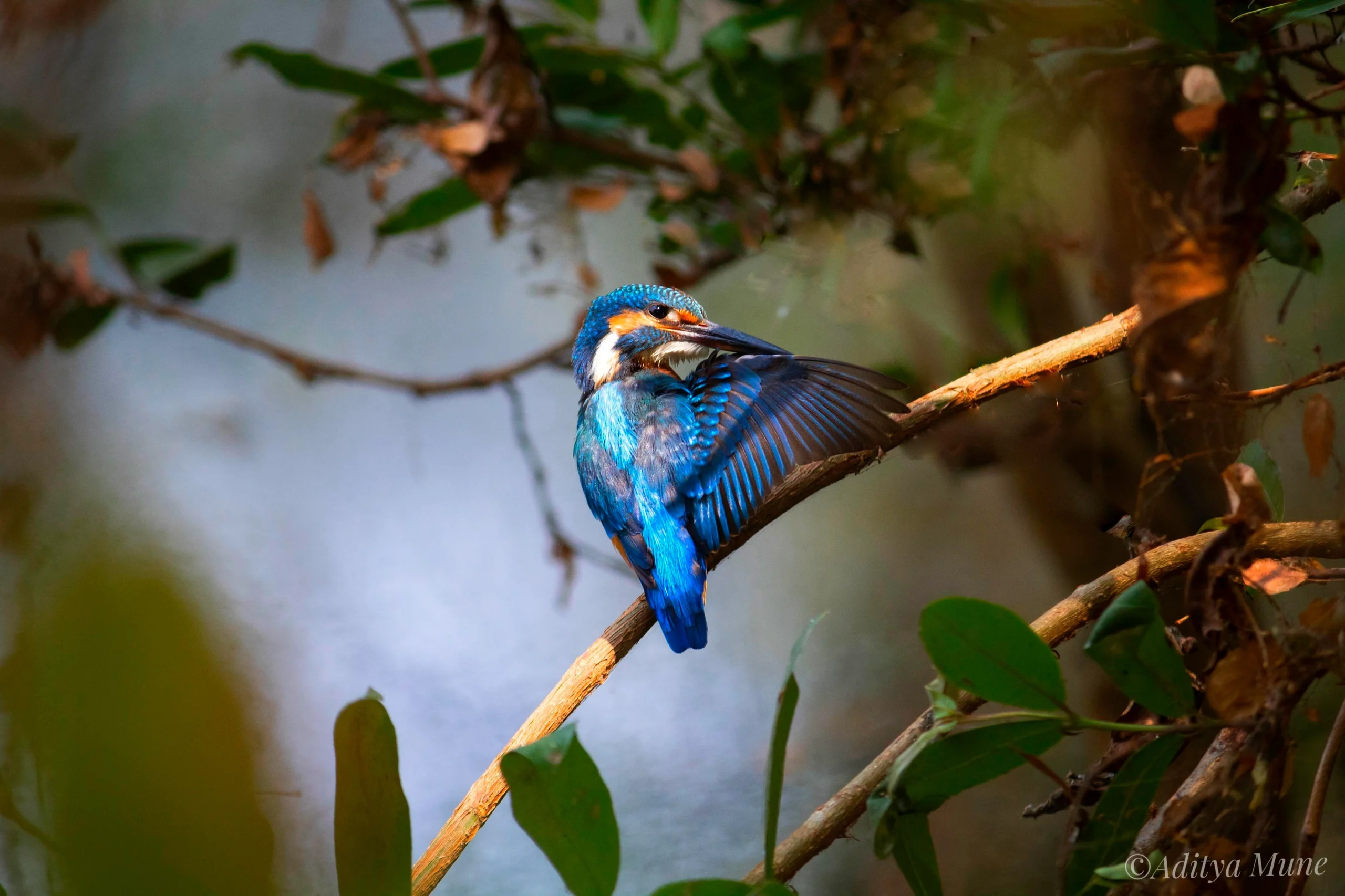
Common Kingfisher
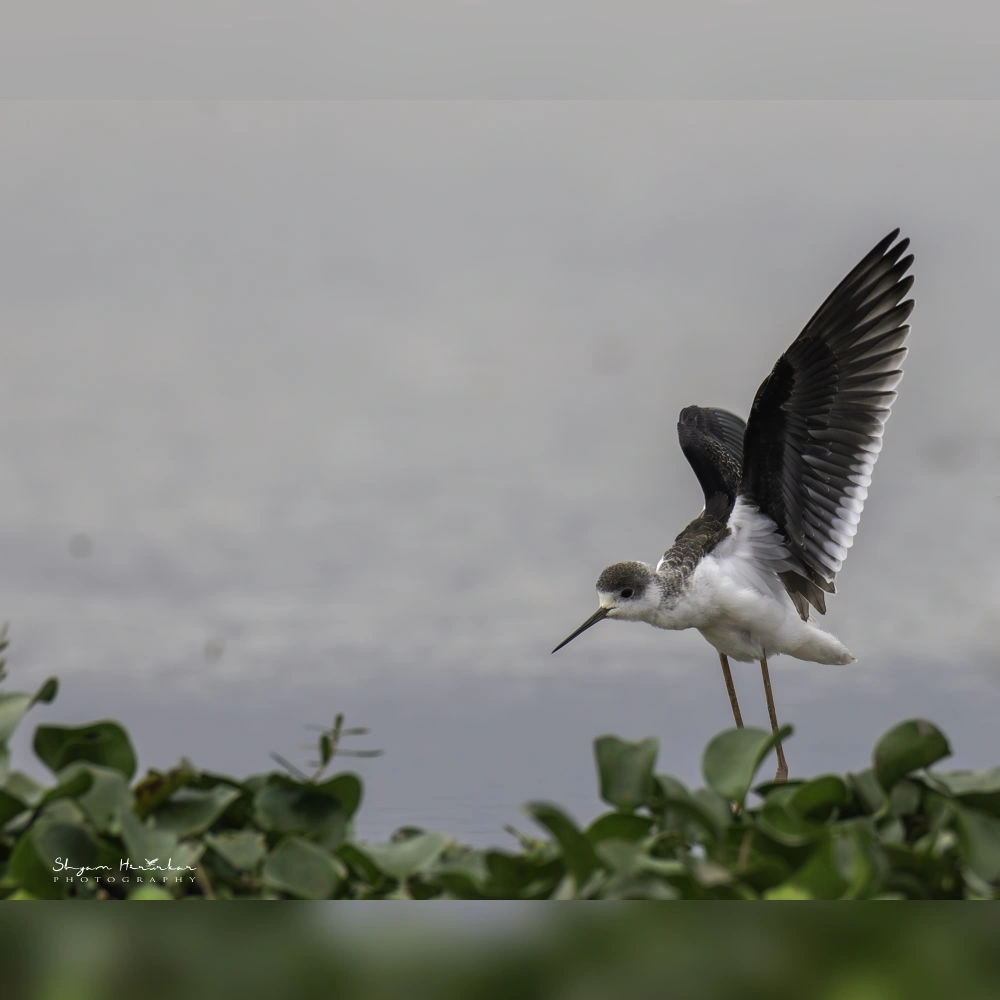
Black-winged Stilt
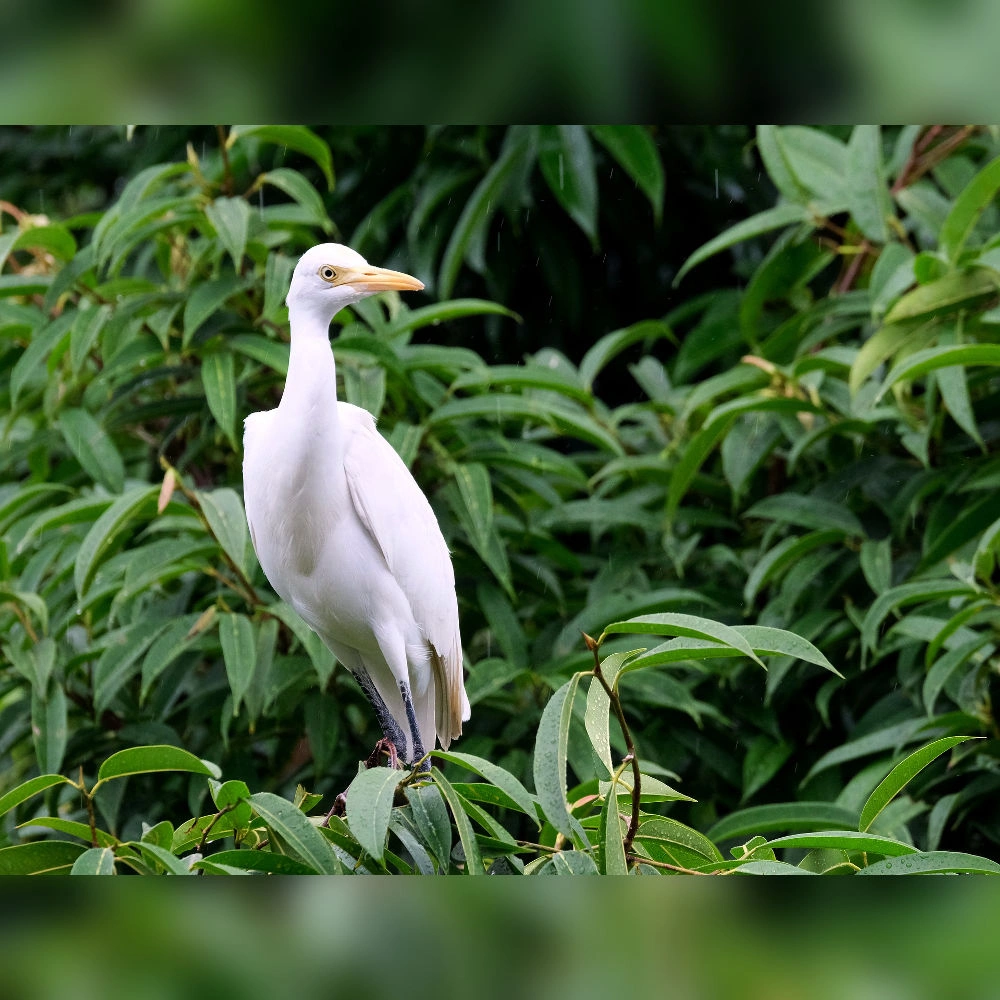
Eastern Cattle Egret
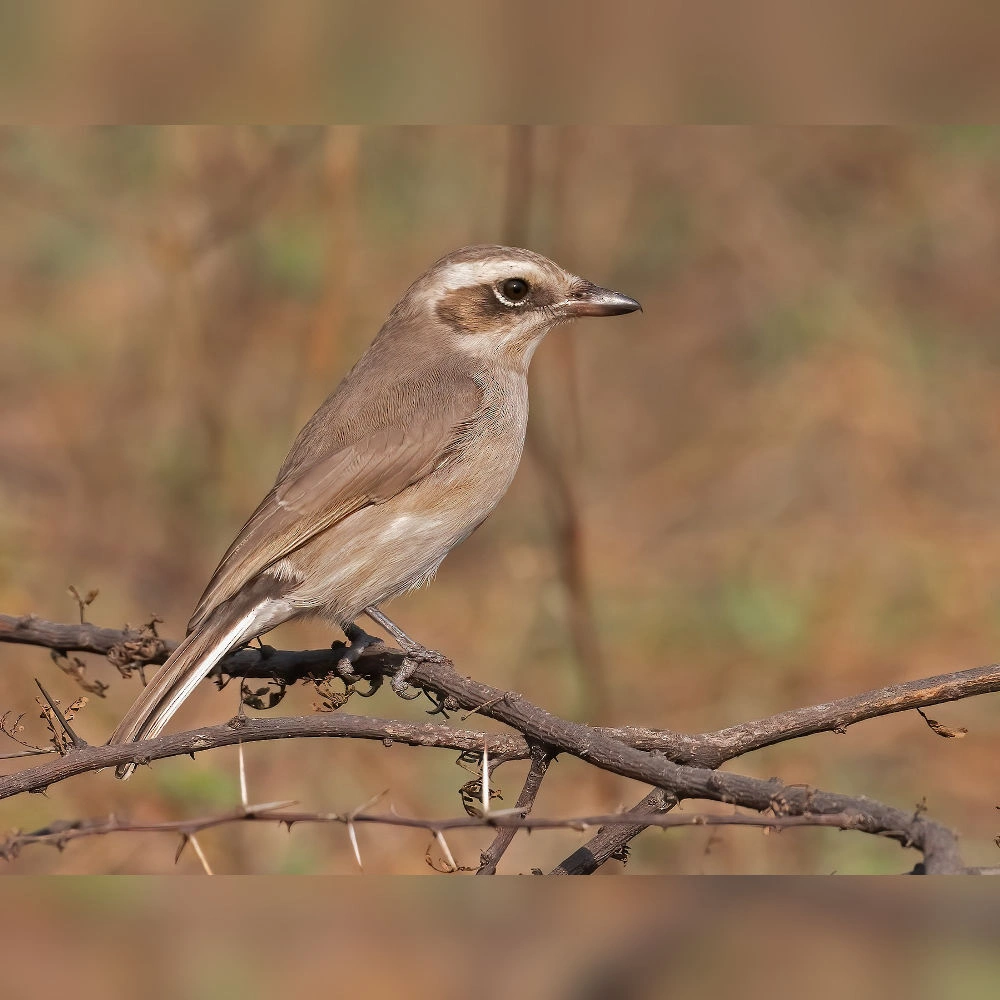
Common Woodshrike
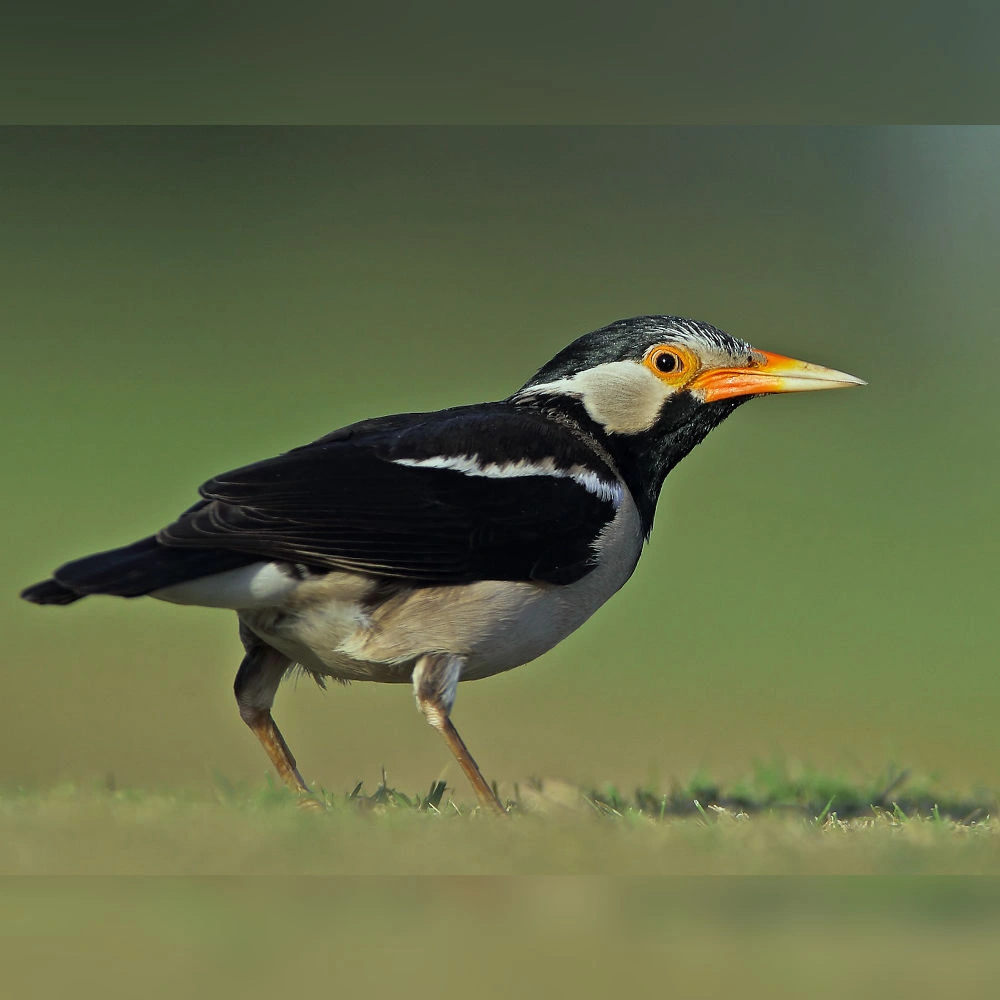
Indian Pied Starling
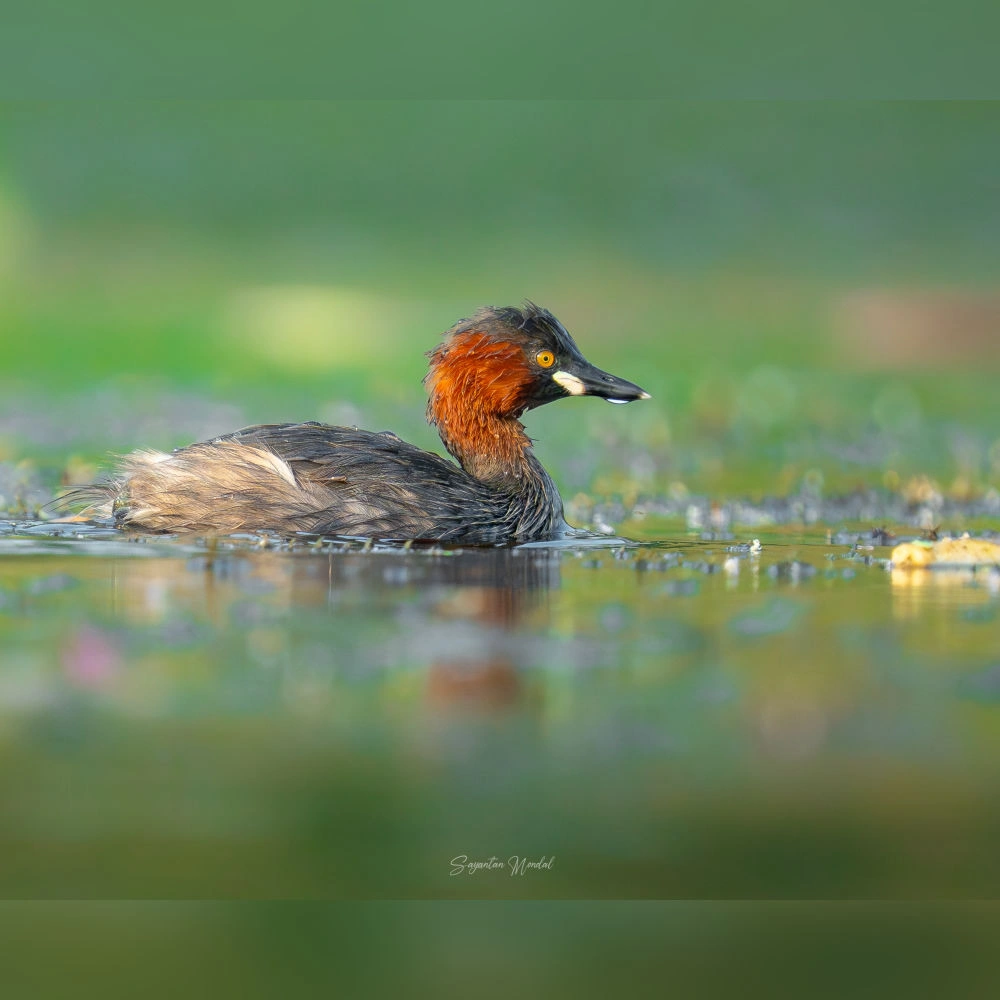
Little Grebe
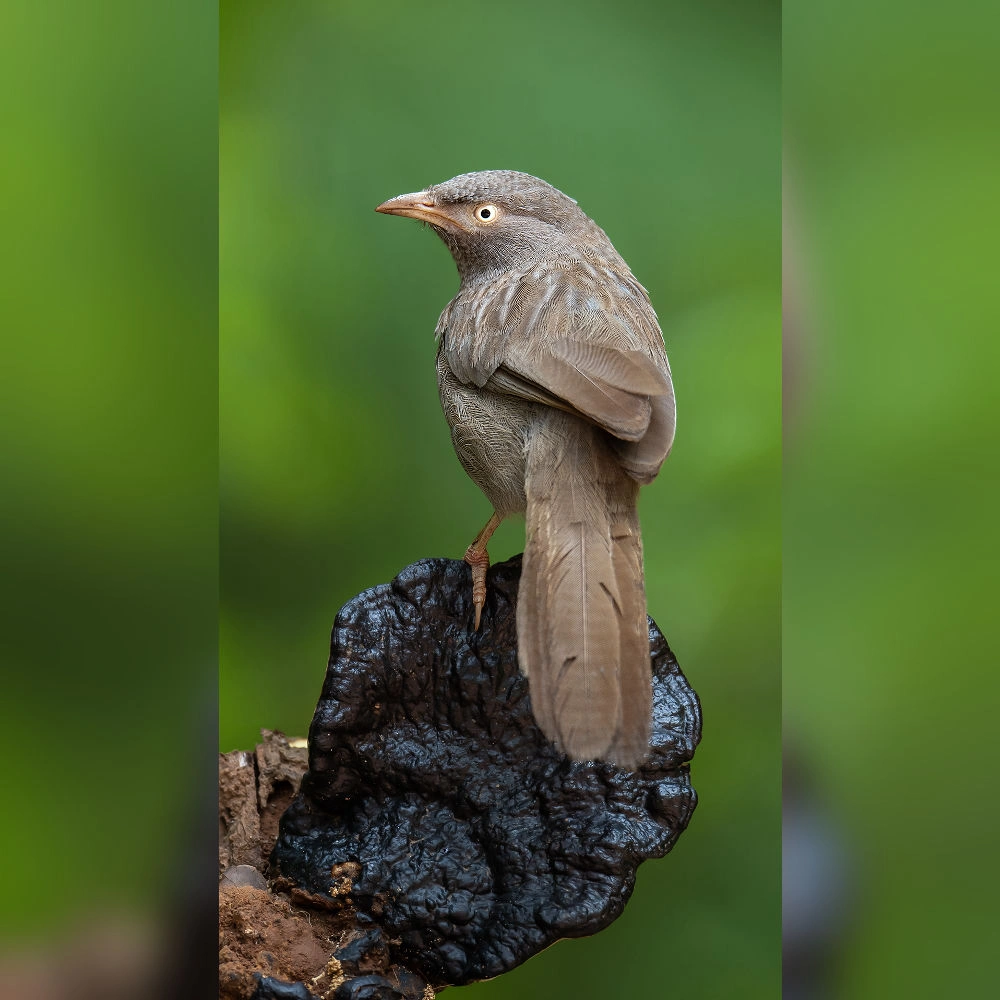
Jungle Babbler
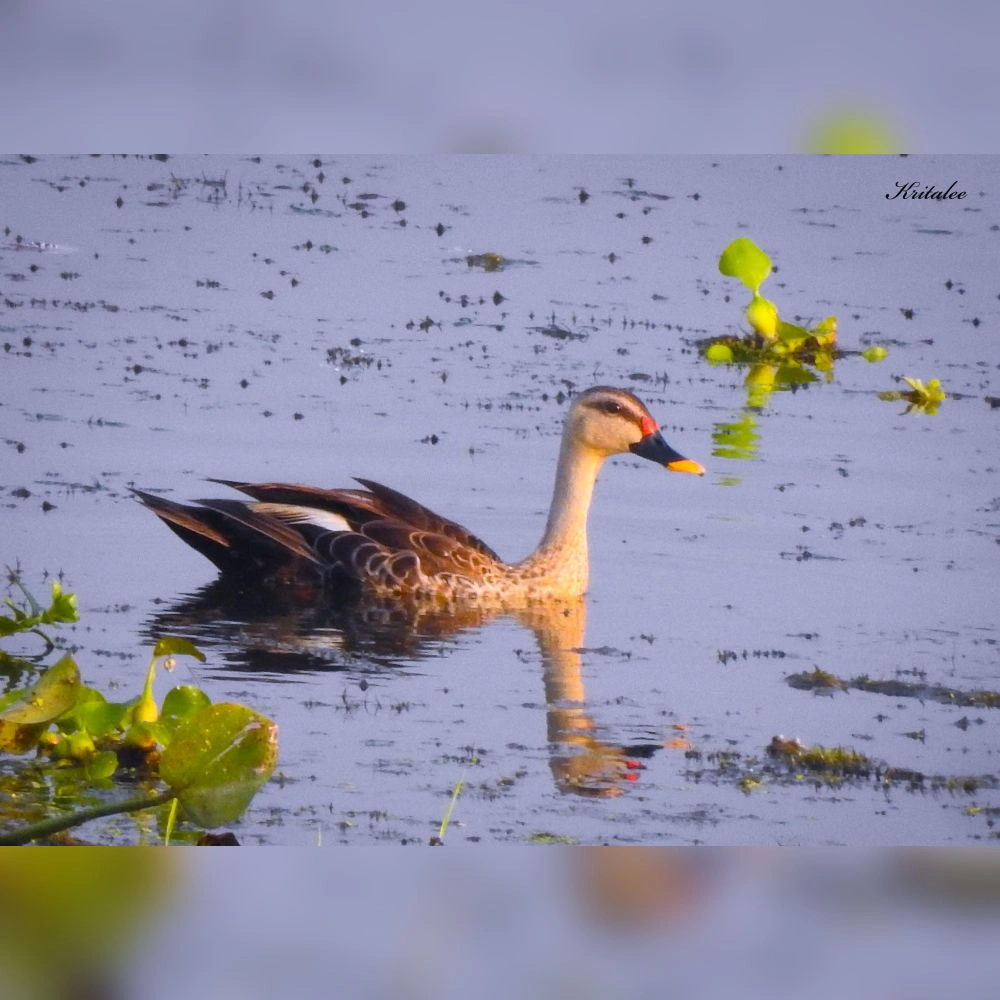
Indian Spot-billed Duck
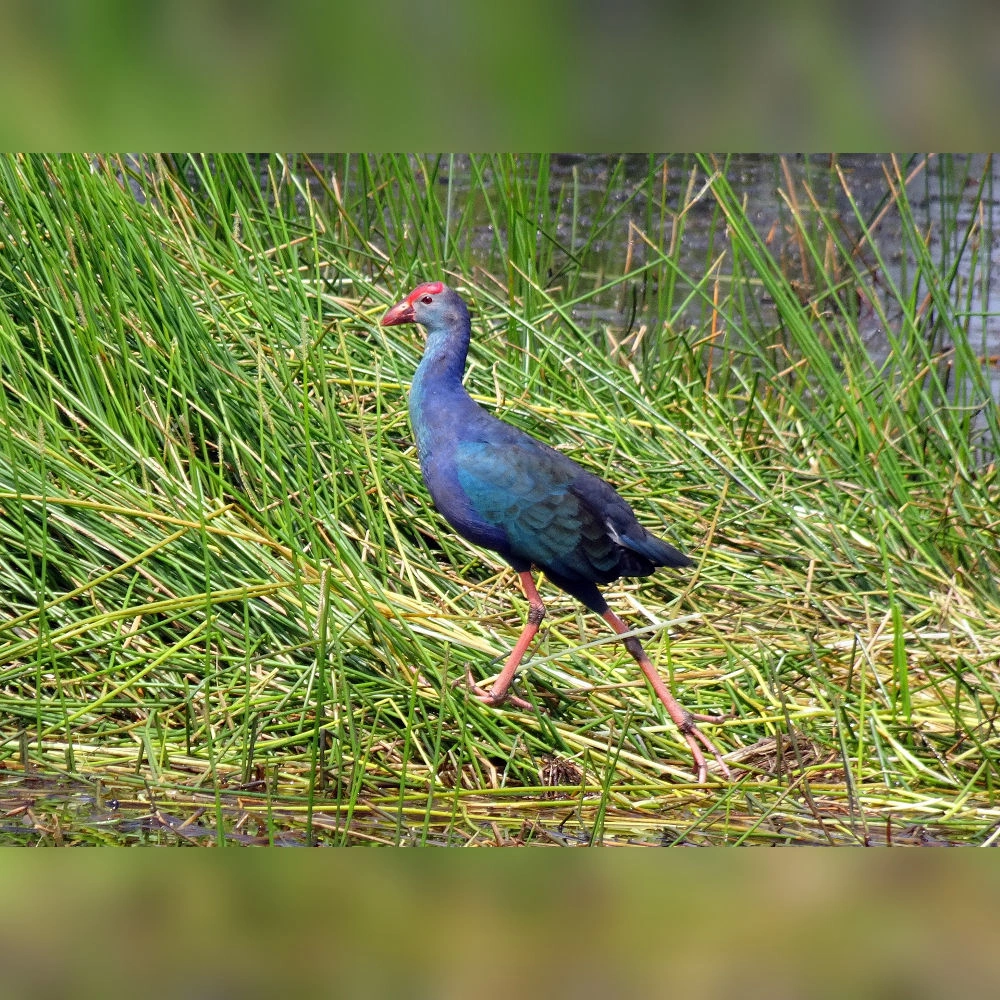
Grey-headed Swamphen
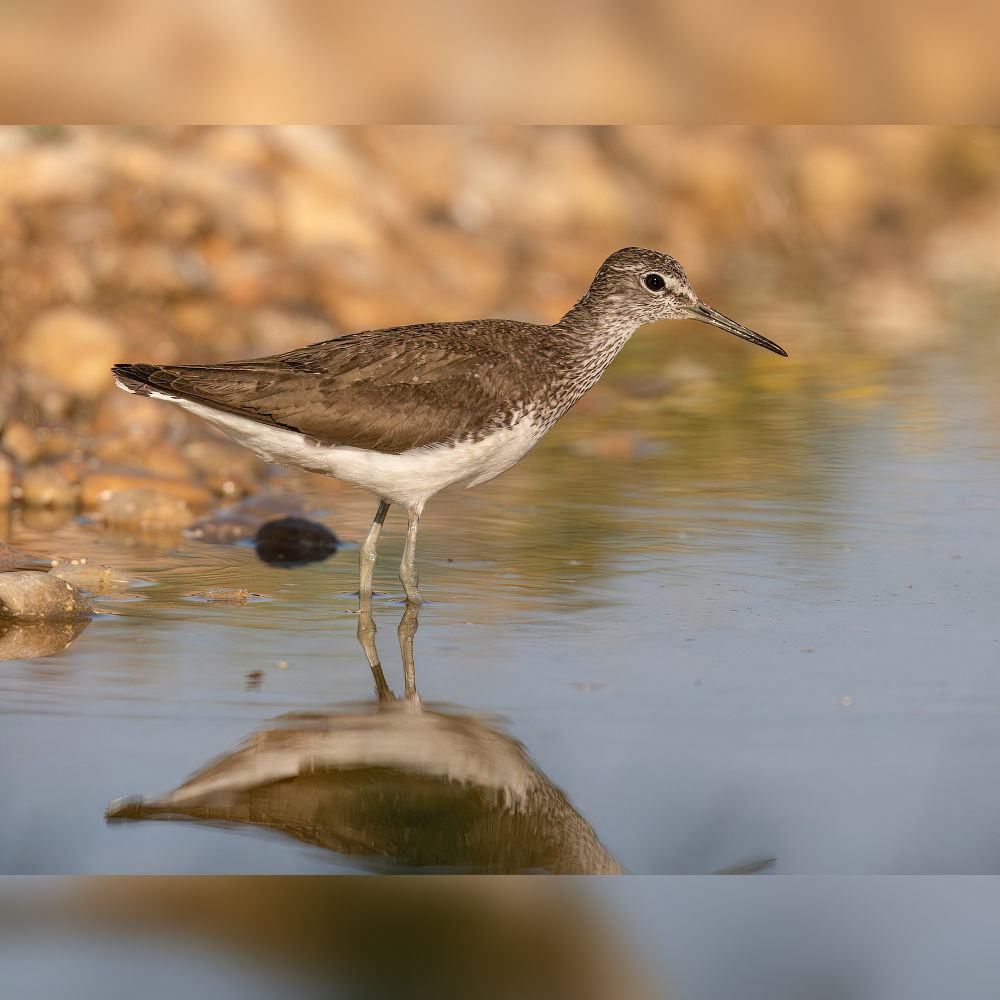
Green Sandpiper
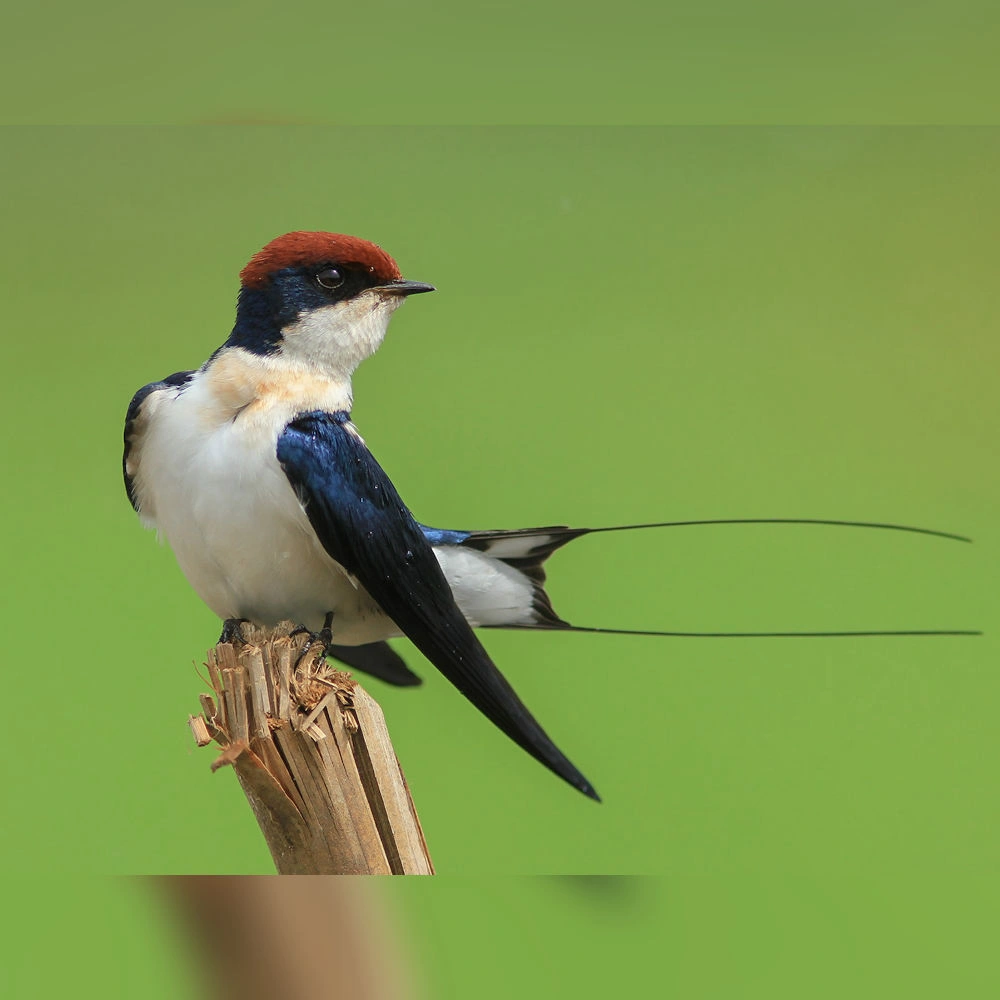
Wire-tailed Swallow
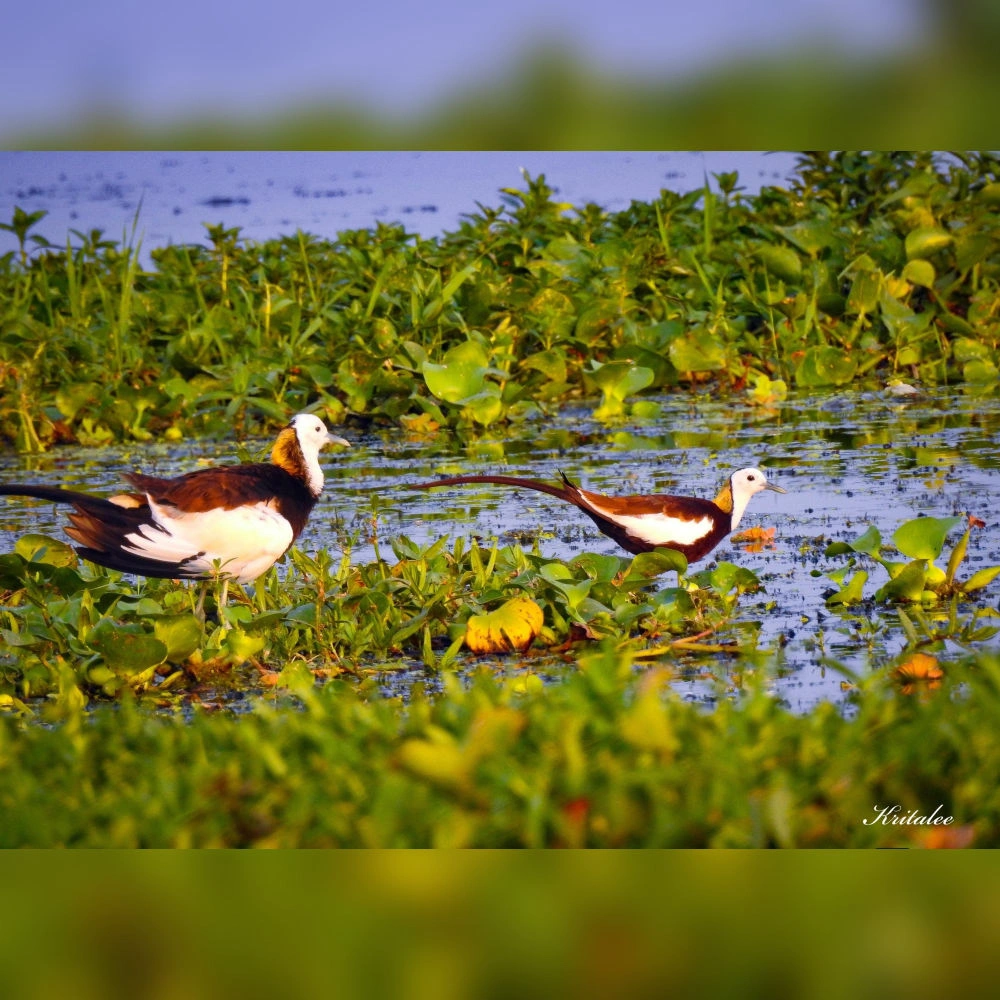
Pheasant-tailed Jacana
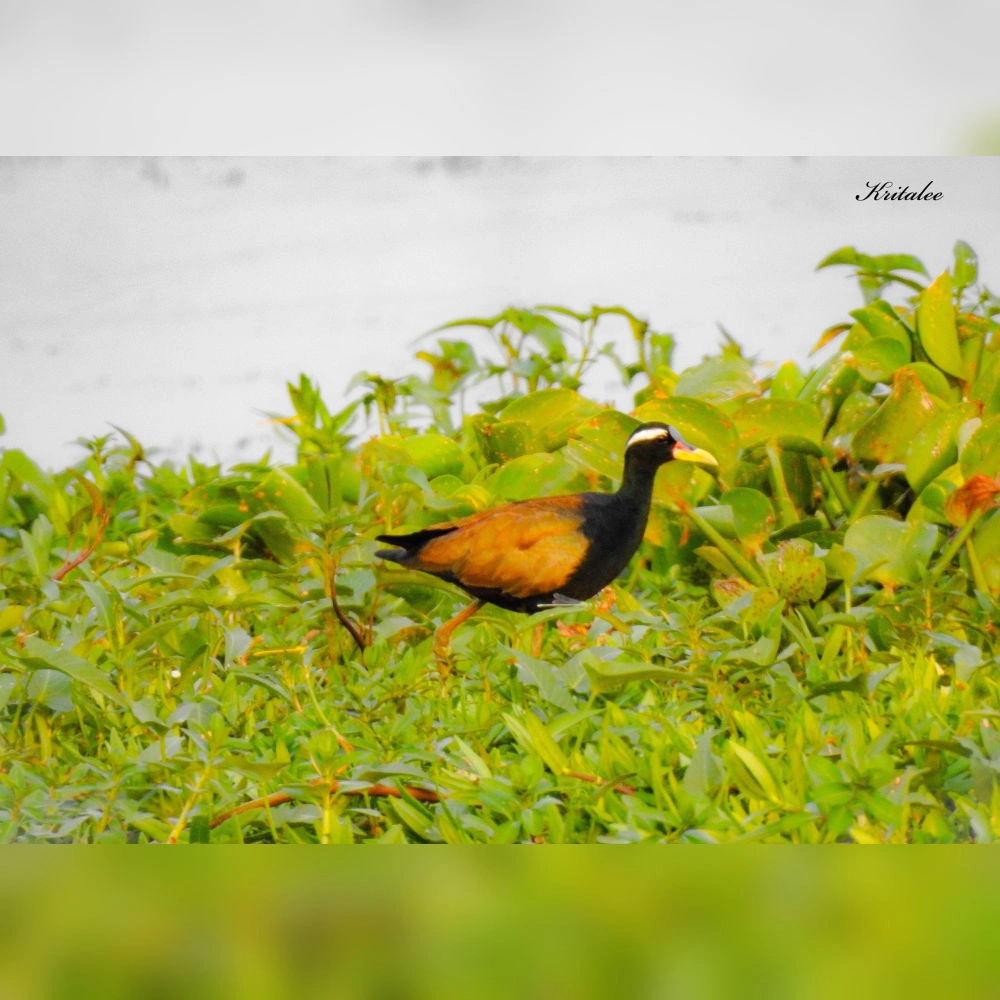
Bronze-winged Jacana
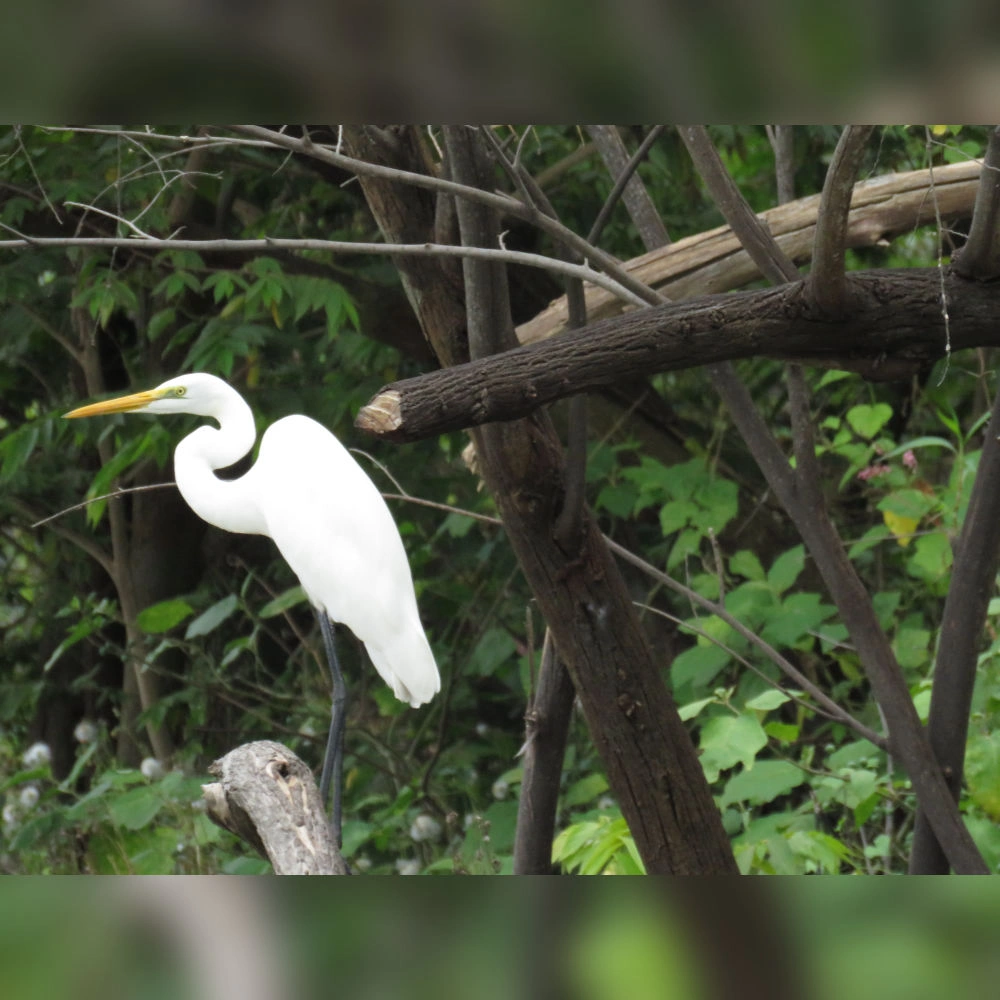
Great Egret
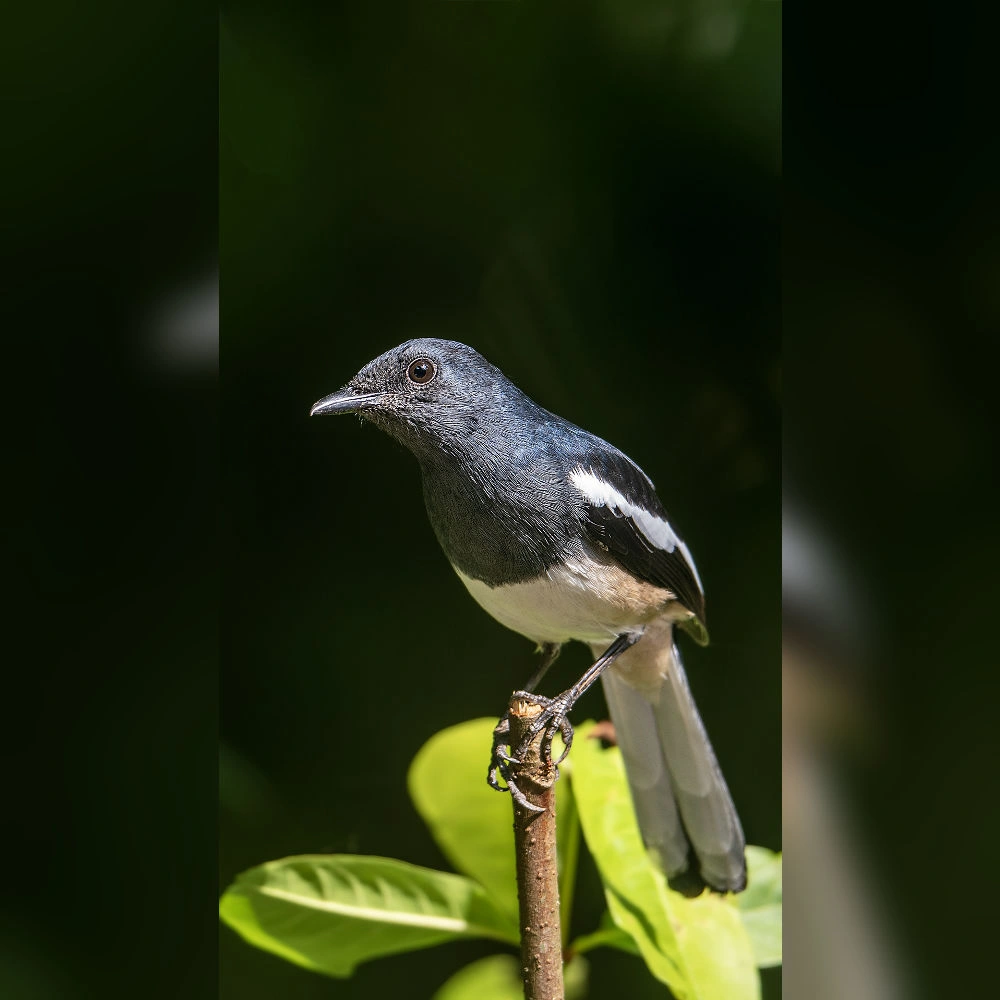
Oriental Magpie Robin
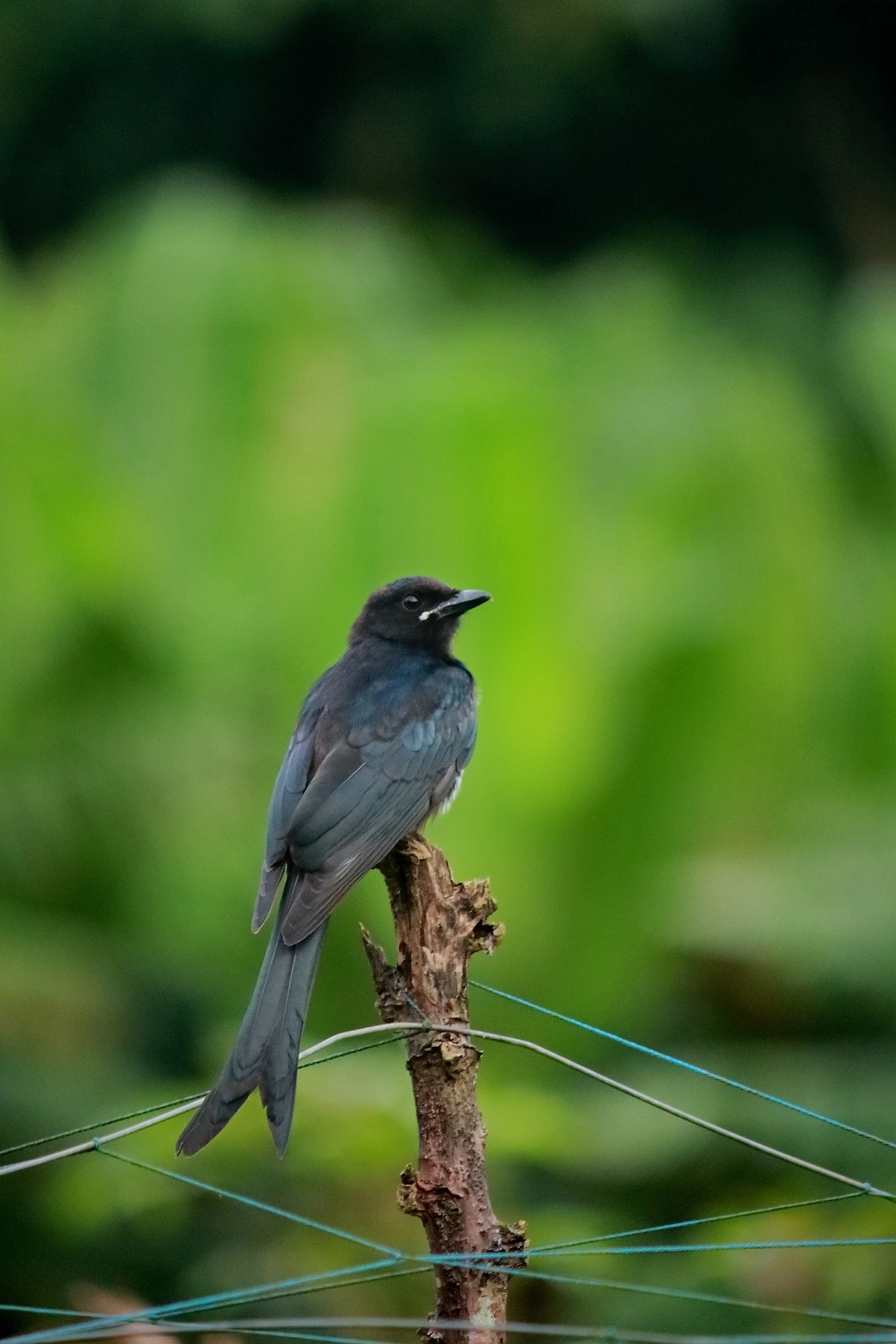
Ashy Drongo

Summary of Walk

A peaceful bird walk was conducted at Menar Bird Village (Menar Ramsar Site), Rajasthan, led by Rahul Menaria, with one participant. Despite the small group size, the walk offered an intimate and immersive experience within the wetland landscape. A variety of waterbirds and migratory species were observed, including flamingos, pelicans, herons, and ducks, allowing close encounters with the rich biodiversity supported by this internationally important wetland.
The walk unfolded at a relaxed pace, creating space for moments of silence, mindful observation, and joyful learning in nature. The participant engaged deeply with the surroundings, appreciating both the birds and the serene atmosphere of Menar. Overall, the walk proved to be a refreshing and memorable conservation experience, reinforcing the ecological significance of the Menar Ramsar Site and the value of slow, thoughtful birdwatching.
Number of Participants
0
Scroll to Top