

Loading Events

Bird Walk at Nandanvan Jungle Safari, Nava Raipur, Chhattisgarh

About Nandanvan Jungle Safari

Nandanvan Jungle Safari in Nava Raipur is an expansive wildlife destination designed to showcase the rich biodiversity of central India’s forest ecosystems. Spread over a large area of natural woodland and grassland, the safari mimics native habitats such as dry deciduous forests, riverine stretches, and open meadows. This mosaic of habitat types supports a wide variety of flora, including teak, tendu, mahua, bamboo, acacia, and native grasses, which in turn nourish a diverse array of fauna. Visitors to the safari can encounter majestic mammals like chital/spotted deer, sambar, nilgai, and the elusive Indian wolf, as well as smaller mammals, reptiles, and an impressive assortment of resident and migratory birds. The careful design of the safari zones allows guests—whether in open vehicles or guided walks—to observe animals in settings that closely resemble their natural environments, fostering appreciation and understanding of forest ecology.

Birdlife is one of the most delightful and often overlooked highlights of Nandanvan Jungle Safari. The mix of woodlands, waterbodies, and open grasslands creates ideal habitats for a wide variety of avian species. Visitors can spot vibrant birds such as Indian Rollers, Golden Orioles, Black Drongos, Coppersmith Barbets, and White-throated Kingfishers, along with flocks of parakeets, bee-eaters, and weavers weaving intricate nests in the monsoon season. Water-rich zones attract egrets, pond-herons, lapwings, and seasonal migrants that arrive during winter. Raptors like Shikras and Black Kites circle above the canopy, adding excitement for bird enthusiasts. This rich diversity makes Nandanvan not just a safari for mammal lovers, but also a rewarding destination for budding birdwatchers and students eager to explore the region’s vibrant avifauna.

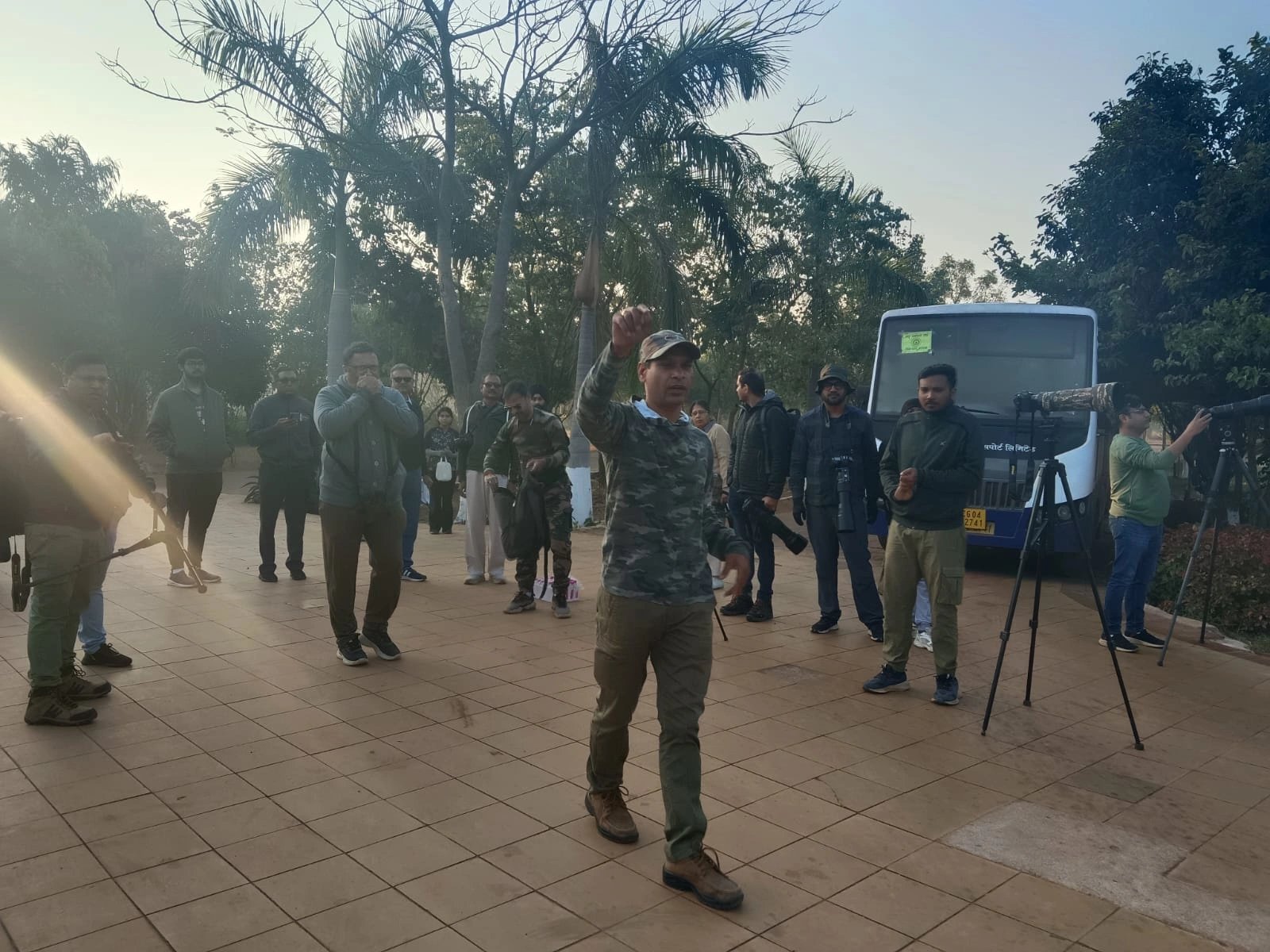
Bird Guide: Jageshwar Verma

He is your expert companion for exploring the rich birdlife of the region, guiding you to spot and identify species with ease. With his deep knowledge of birds and their habitats, he helps you connect with nature and enjoy a truly rewarding birdwatching experience.
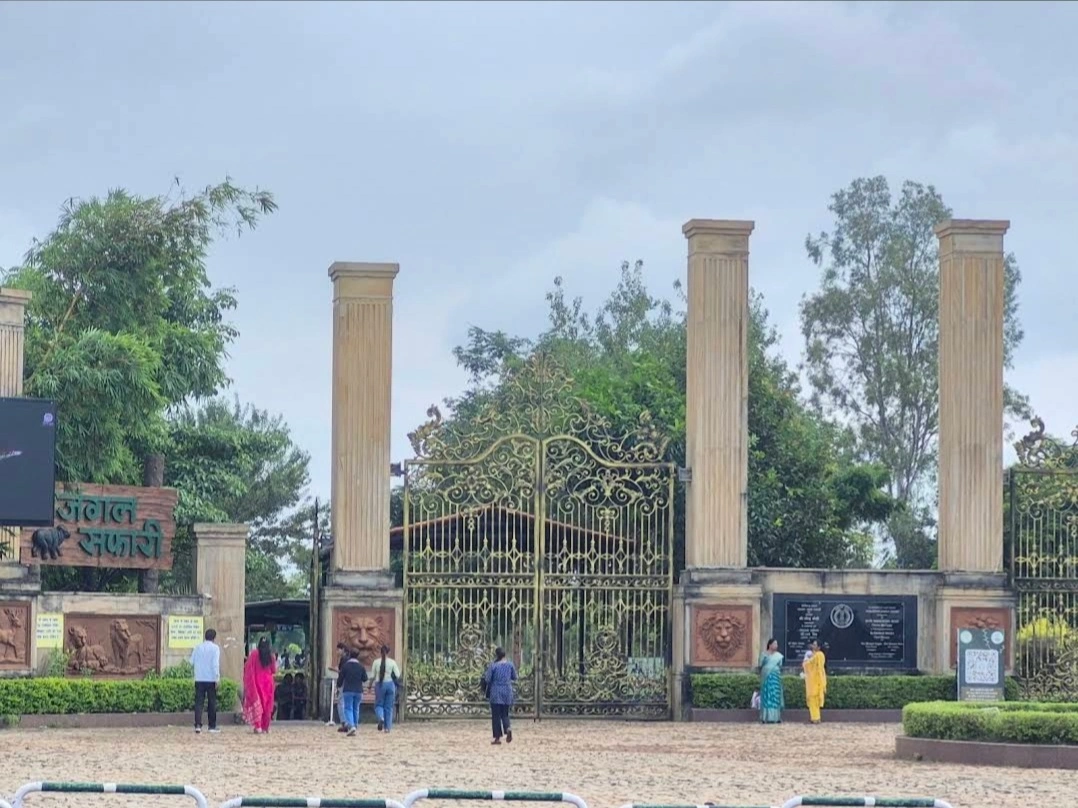
Bird walk Location

Common birds of Nandanvan Jungle Safari

Nandanvan Jungle Safari in Nava Raipur hosts a rich variety of common birds, making it a wonderful learning ground for young naturalists and visitors. Wetland zones attract species like Asian Openbill, Little Cormorant, Black-headed Ibis, Black-crowned Night Heron, Little Egret, Indian Pond-Heron, Eastern Cattle Egret, and Intermediate Egret, all of which rely on the safari’s ponds and marshy patches for food and shelter. The surrounding woodlands and grasslands are alive with the calls of Eurasian Collared-Doves, Laughing Doves, Greater Coucals, and Red-wattled Lapwings, while raptors such as the Shikra and Black Kite soar watchfully overhead. Colorful species like the Green Bee-eater, White-throated Kingfisher, Coppersmith Barbet, Brahminy Starling, Purple-rumped Sunbird, and cheerful Tricolored Munia add vibrancy to the landscape. Songbirds including Red-vented Bulbul, Indian Robin, Oriental Magpie-Robin, Yellow-throated Sparrow, and winter visitors like the Taiga Flycatcher and Greenish Warbler enhance the safari’s biodiversity. Together, these birds make Nandanvan an enriching outdoor classroom where students can observe real-life ecological interactions and develop a deeper appreciation for avian life.

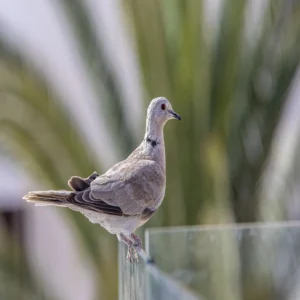
Eurasian-collared Dove
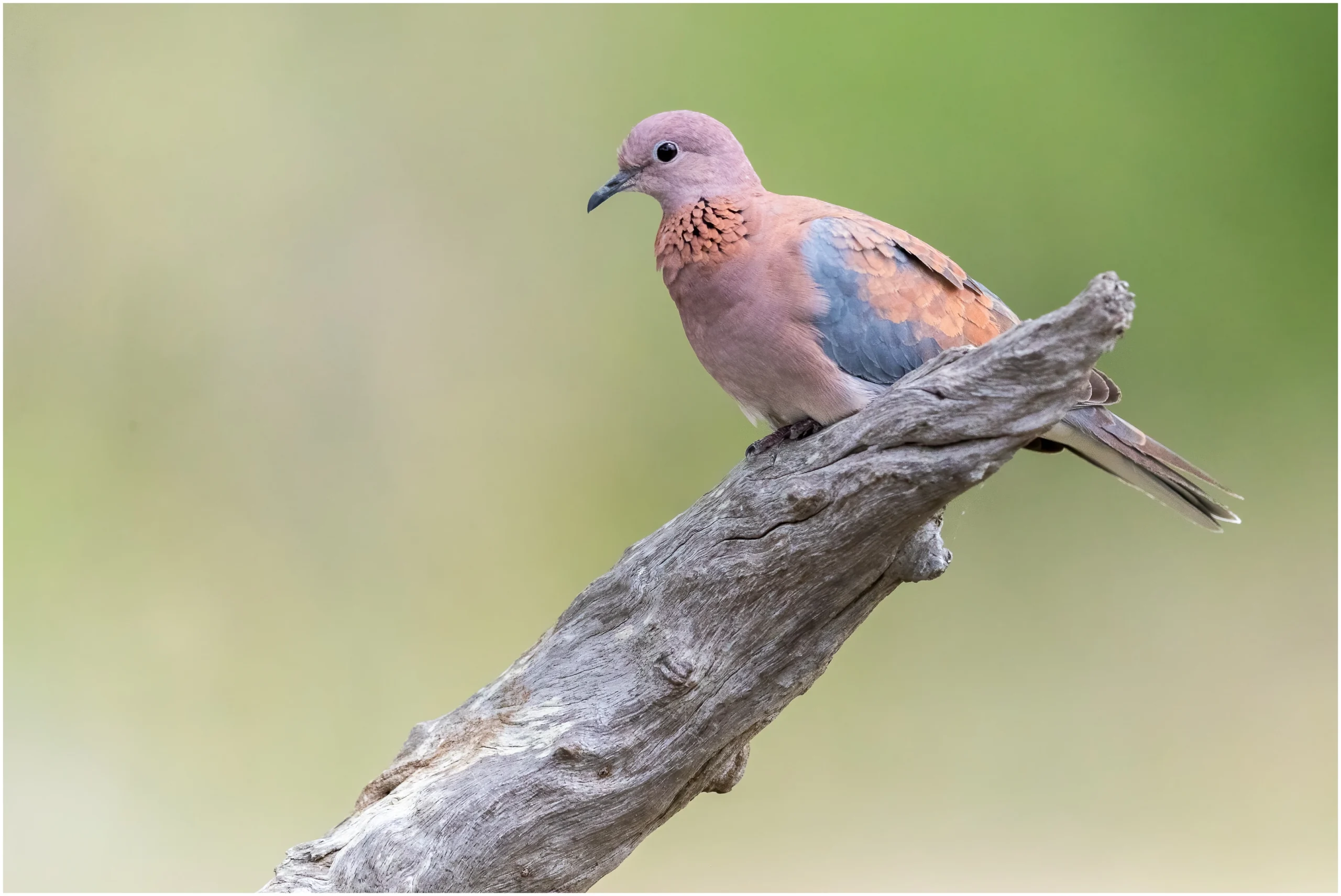
Laughing Dove
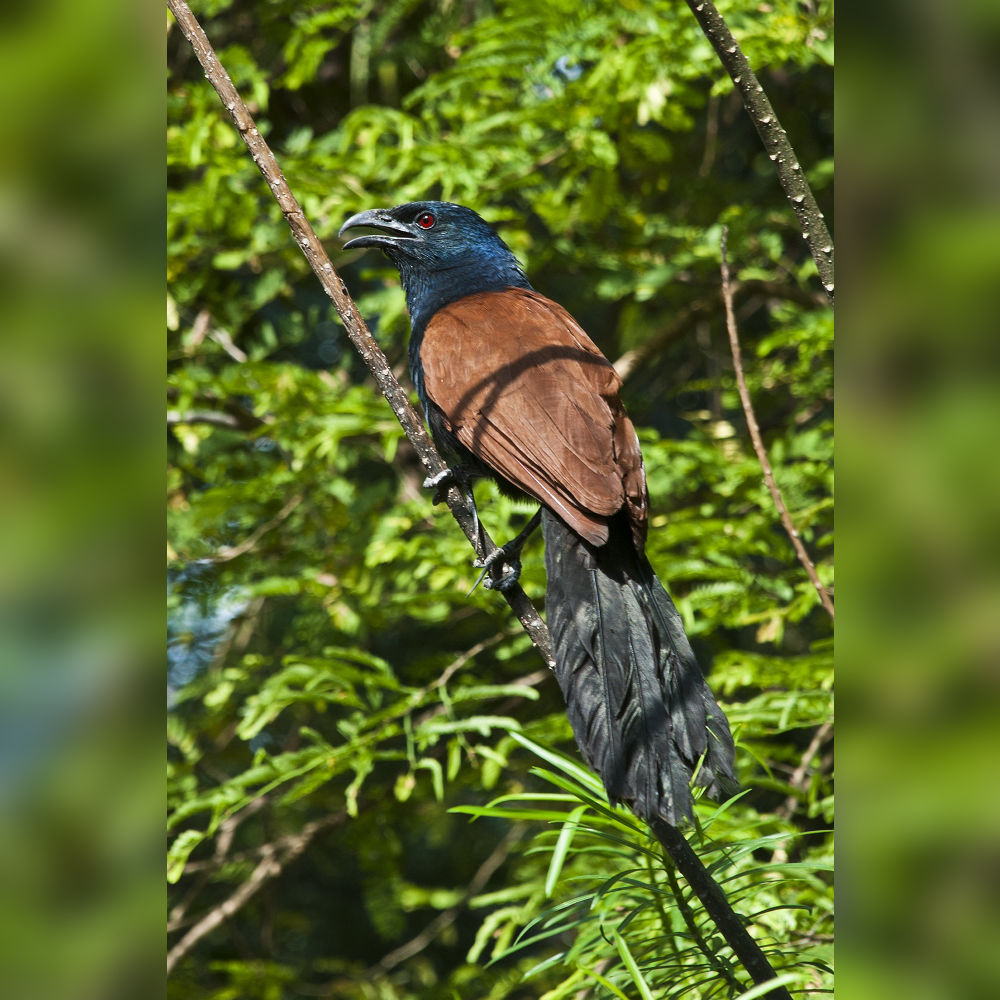
Greater Coucal
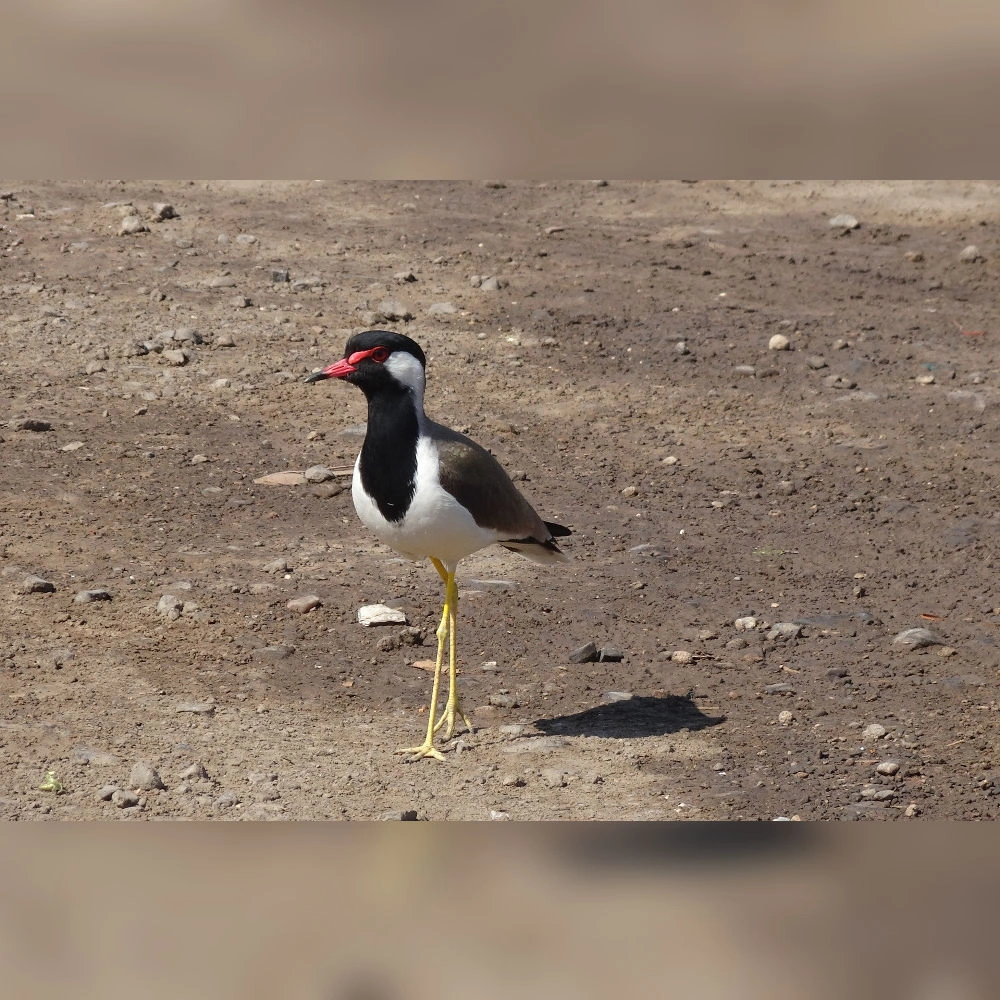
Red-wattled Lapwing
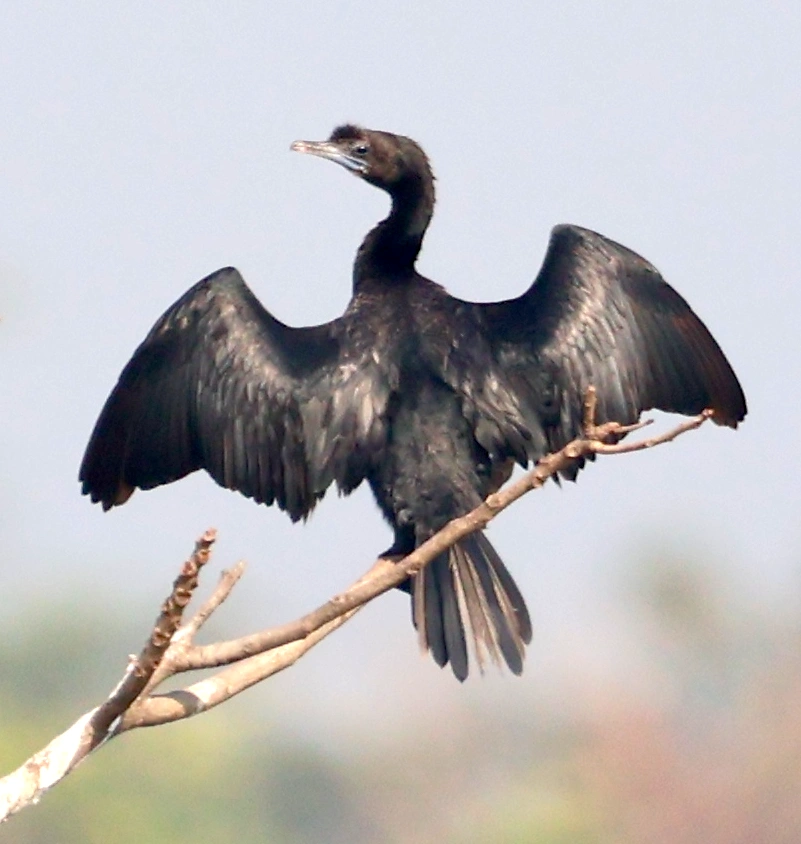
Little Cormorant
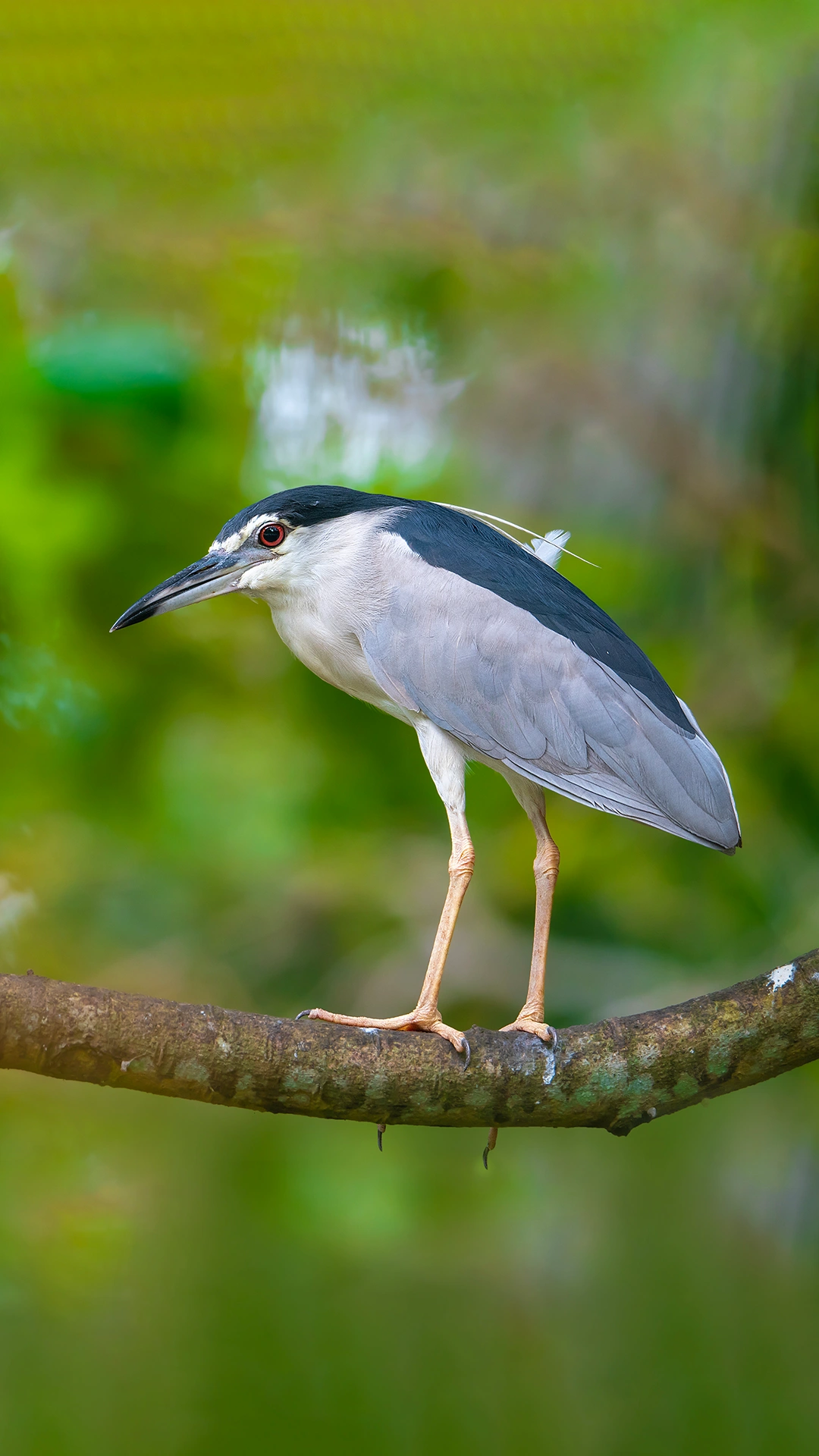
Black-crowned Night Heron
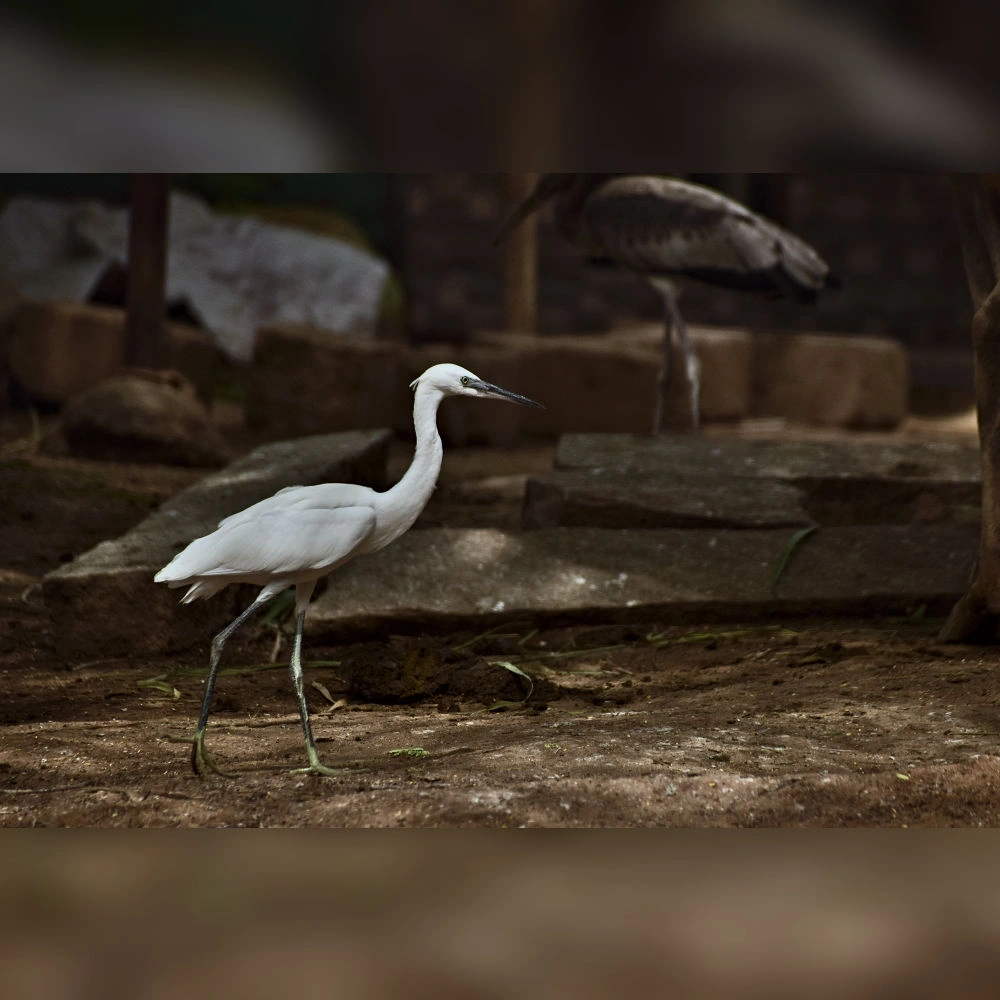
Little Egret
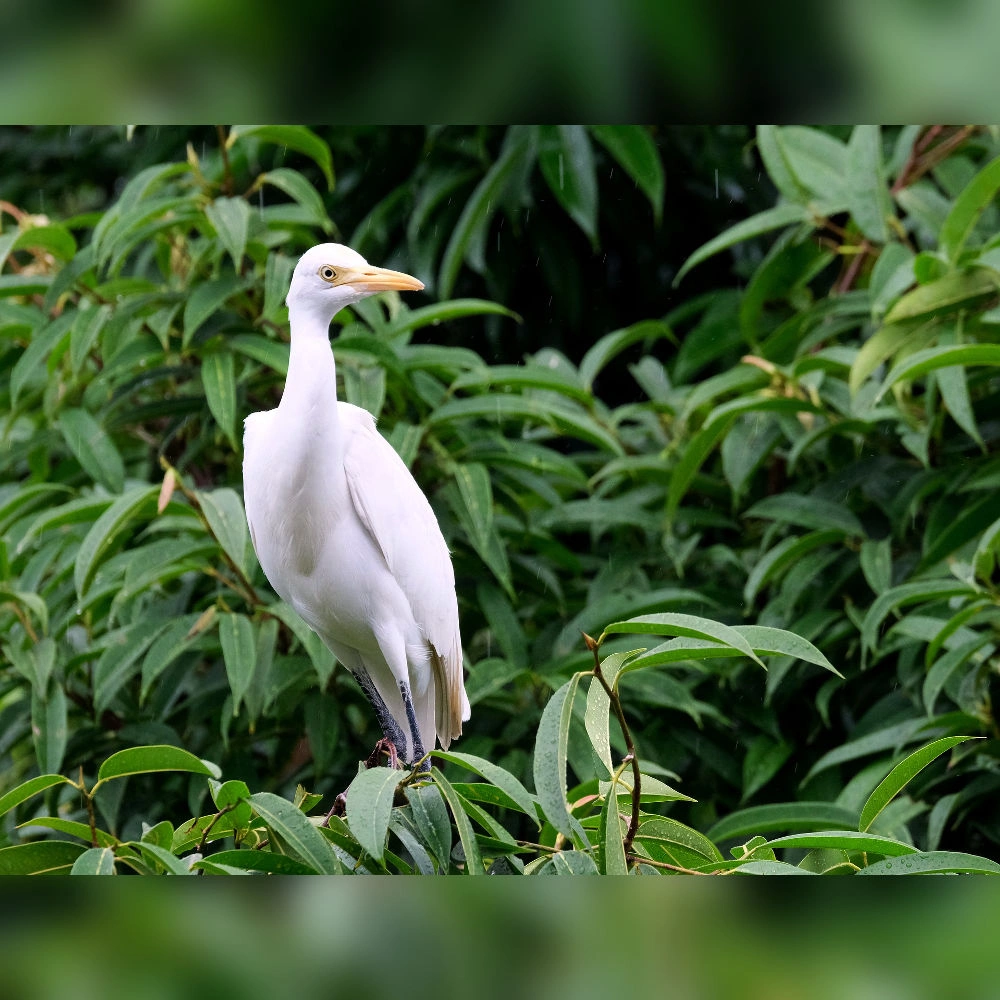
Eastern Cattle Egret
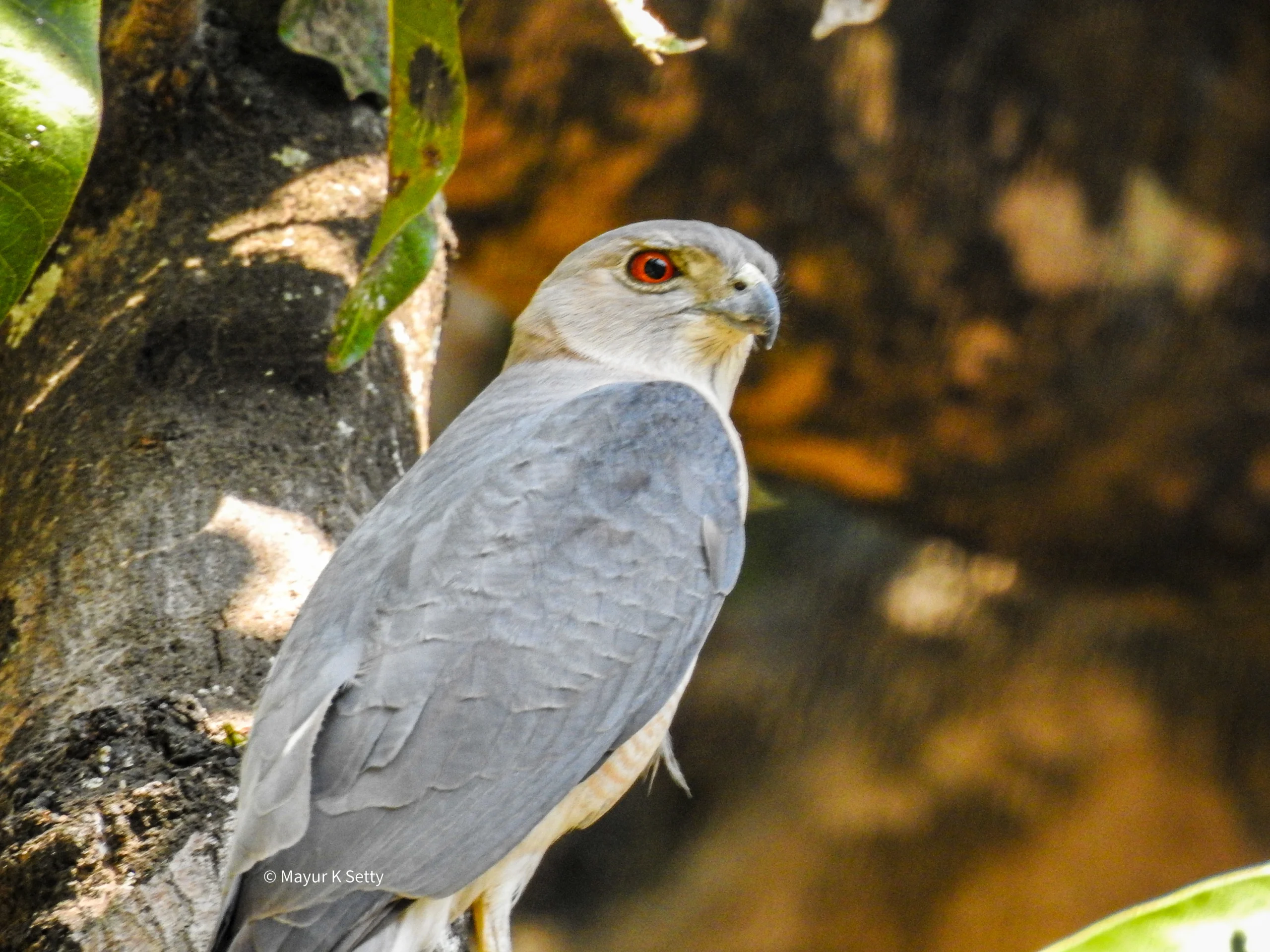
Shikra
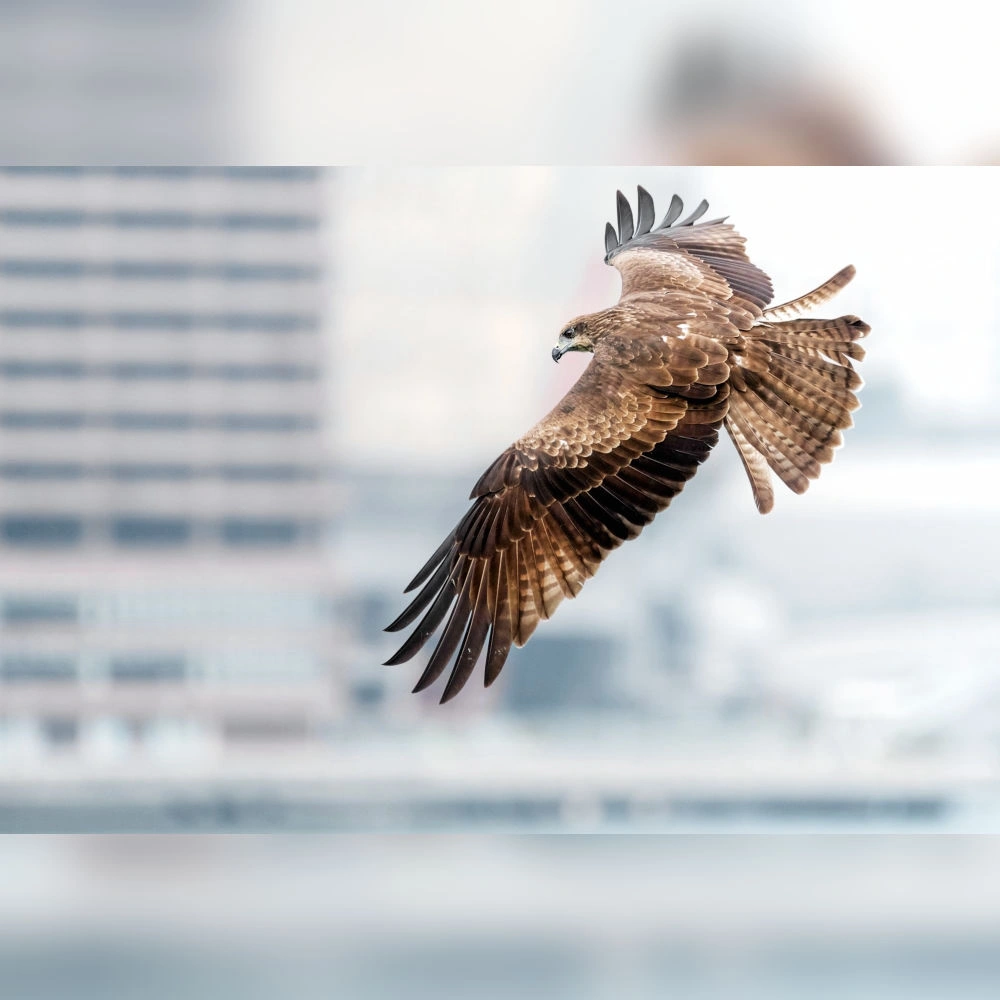
Black Kite
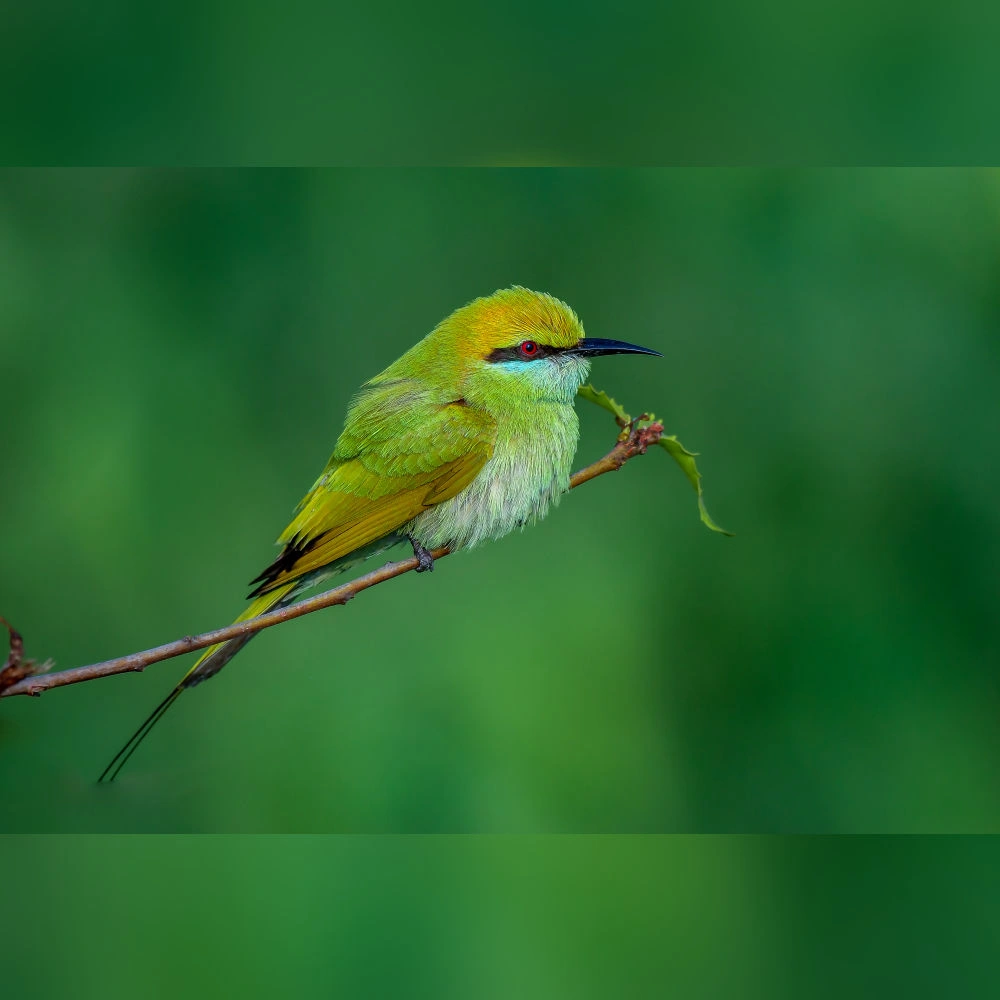
Asian Green Bee-eater
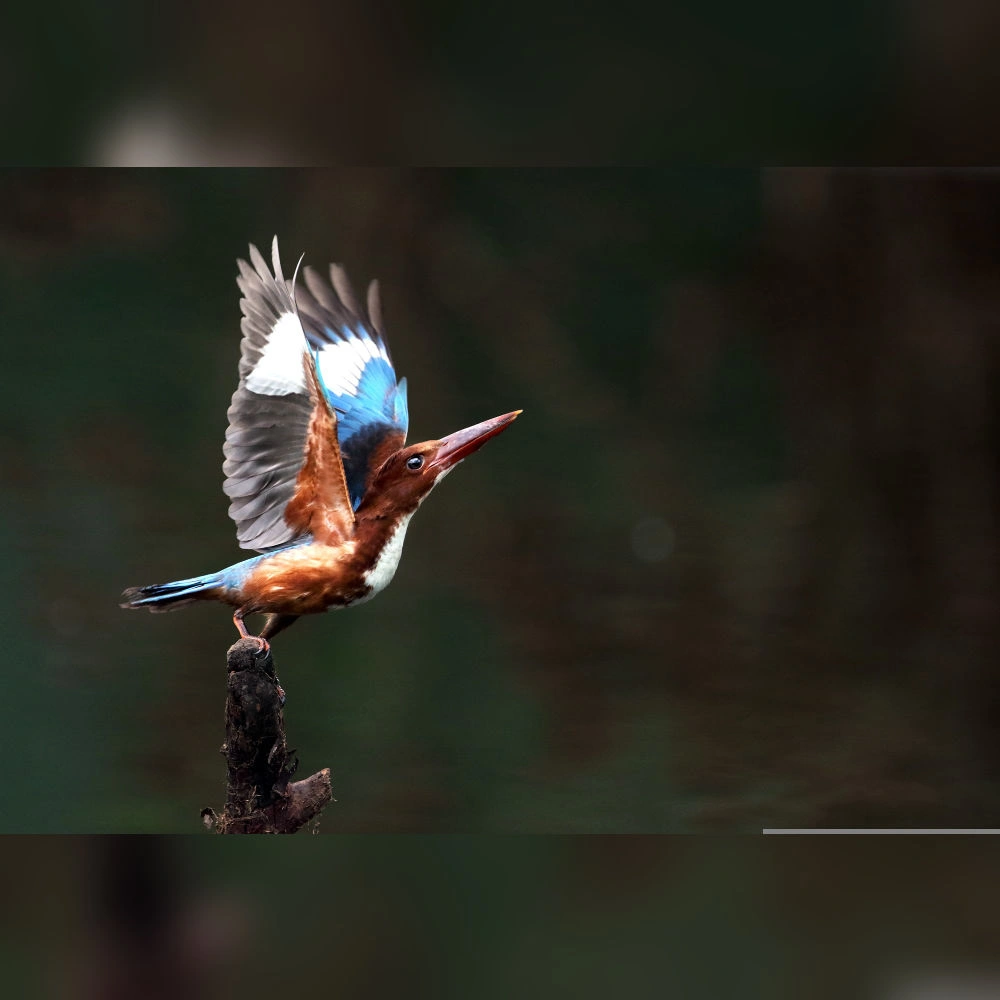
White-throated Kingfisher
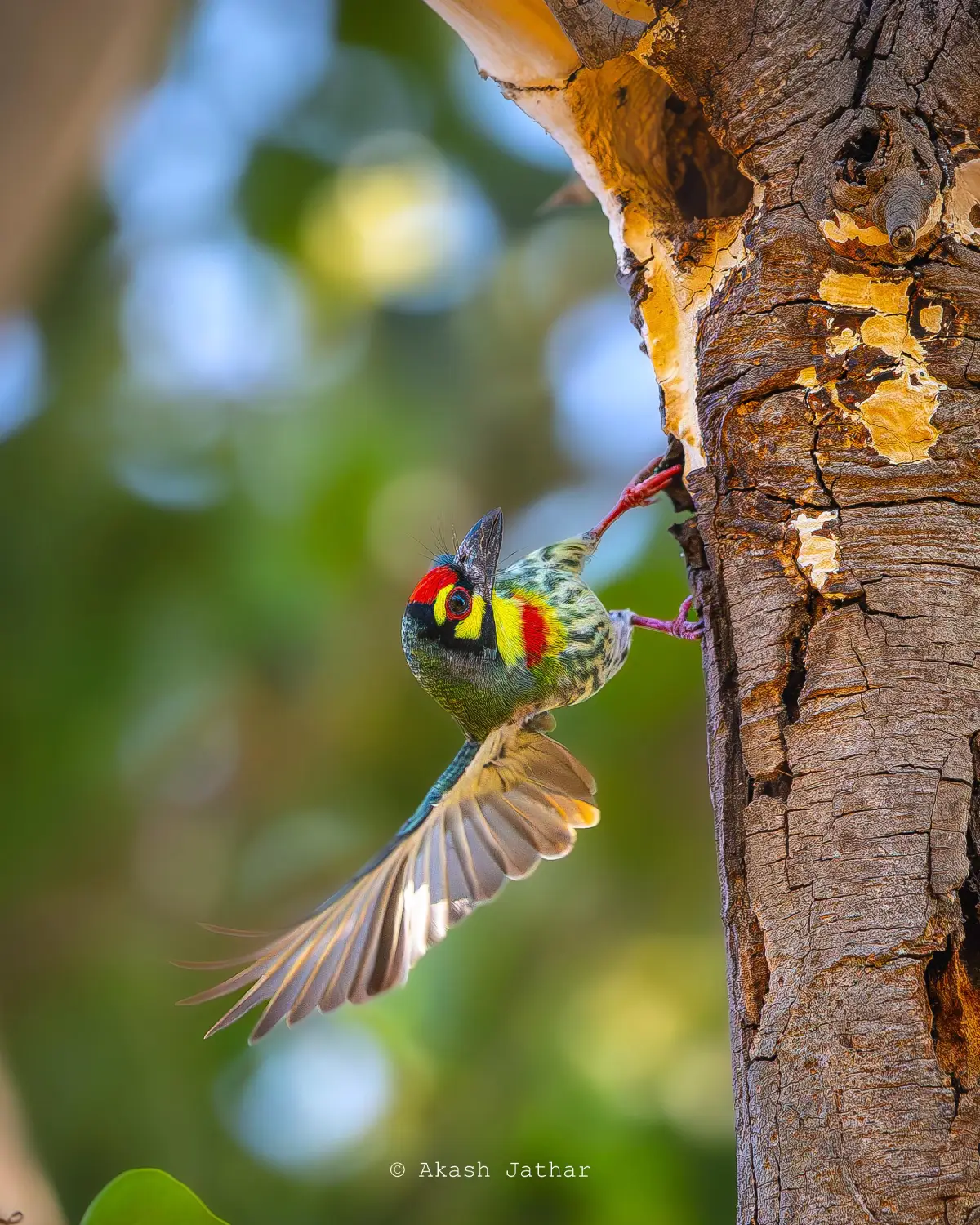
Coppersmith Barbet
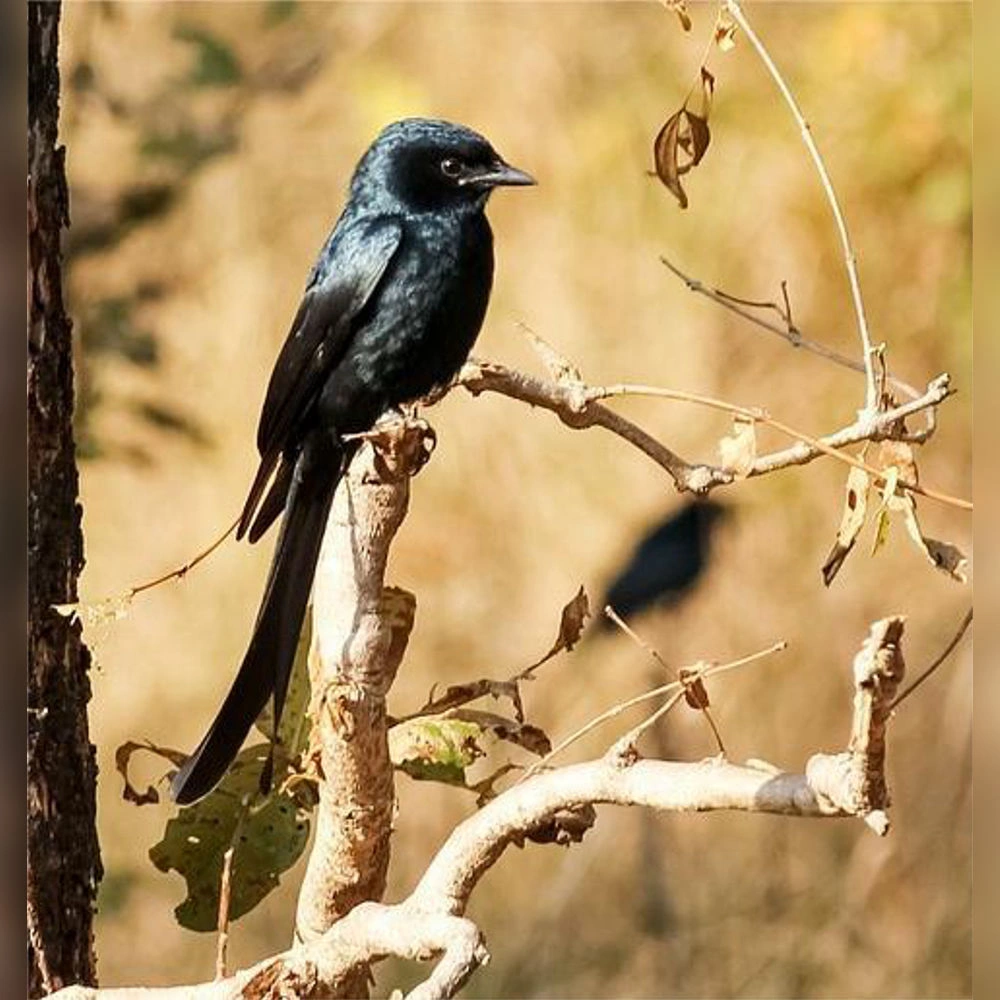
Black Drongo
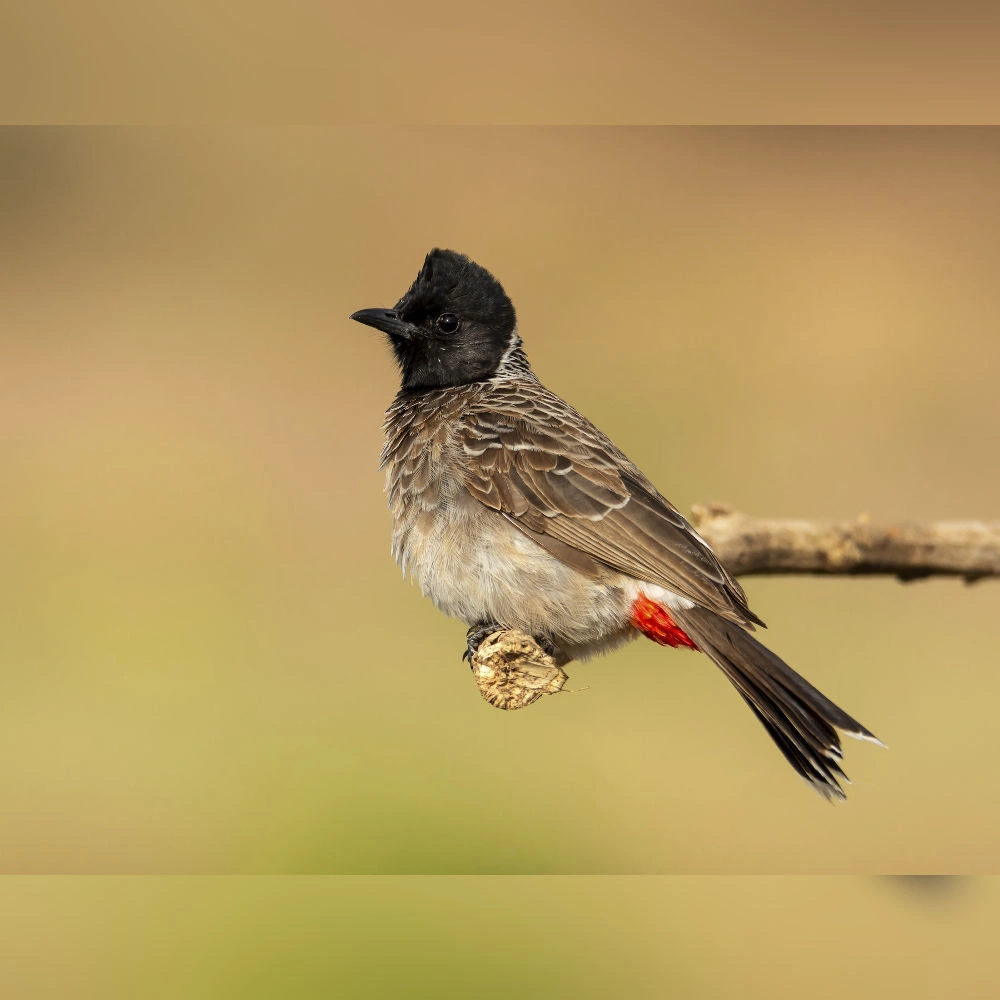
Red-vented Bulbul
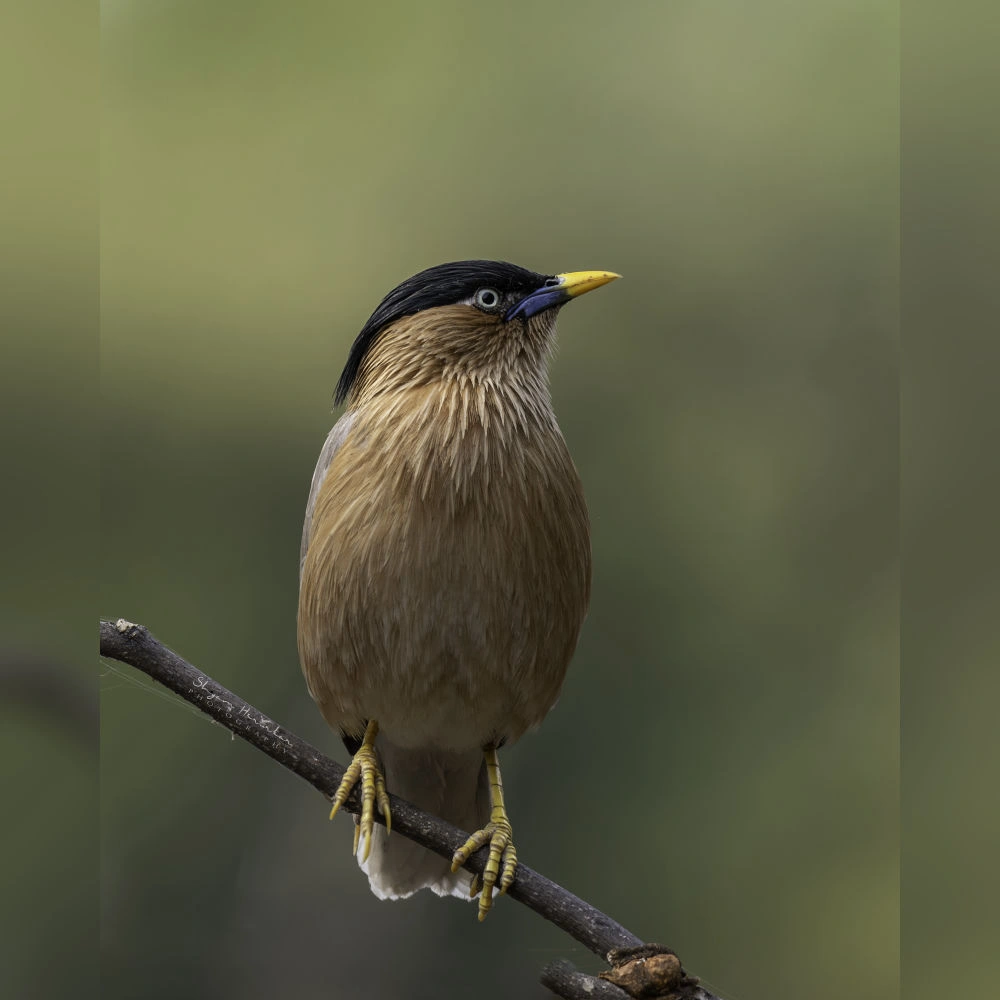
Brahminy Starling
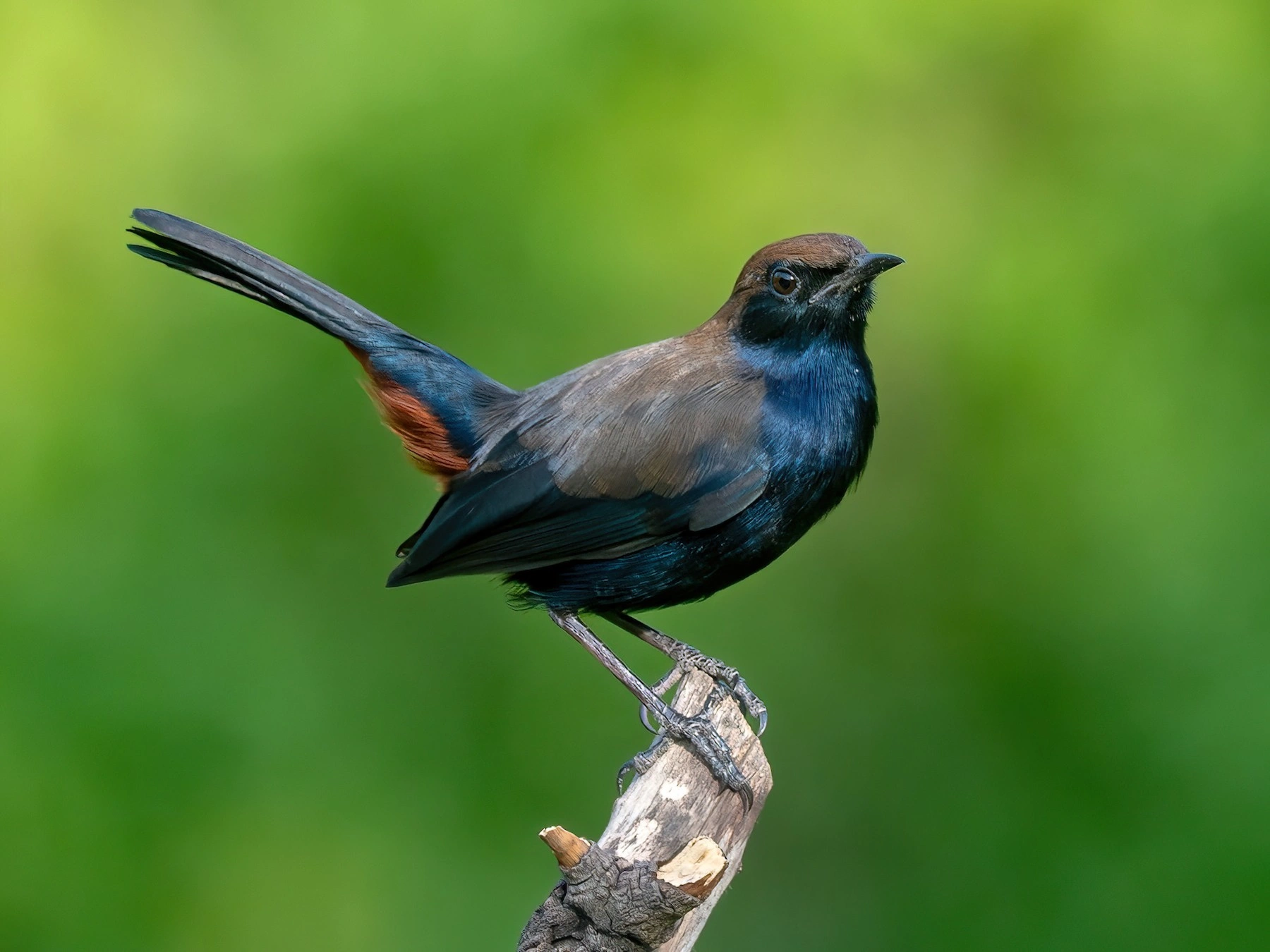
Indian Robin
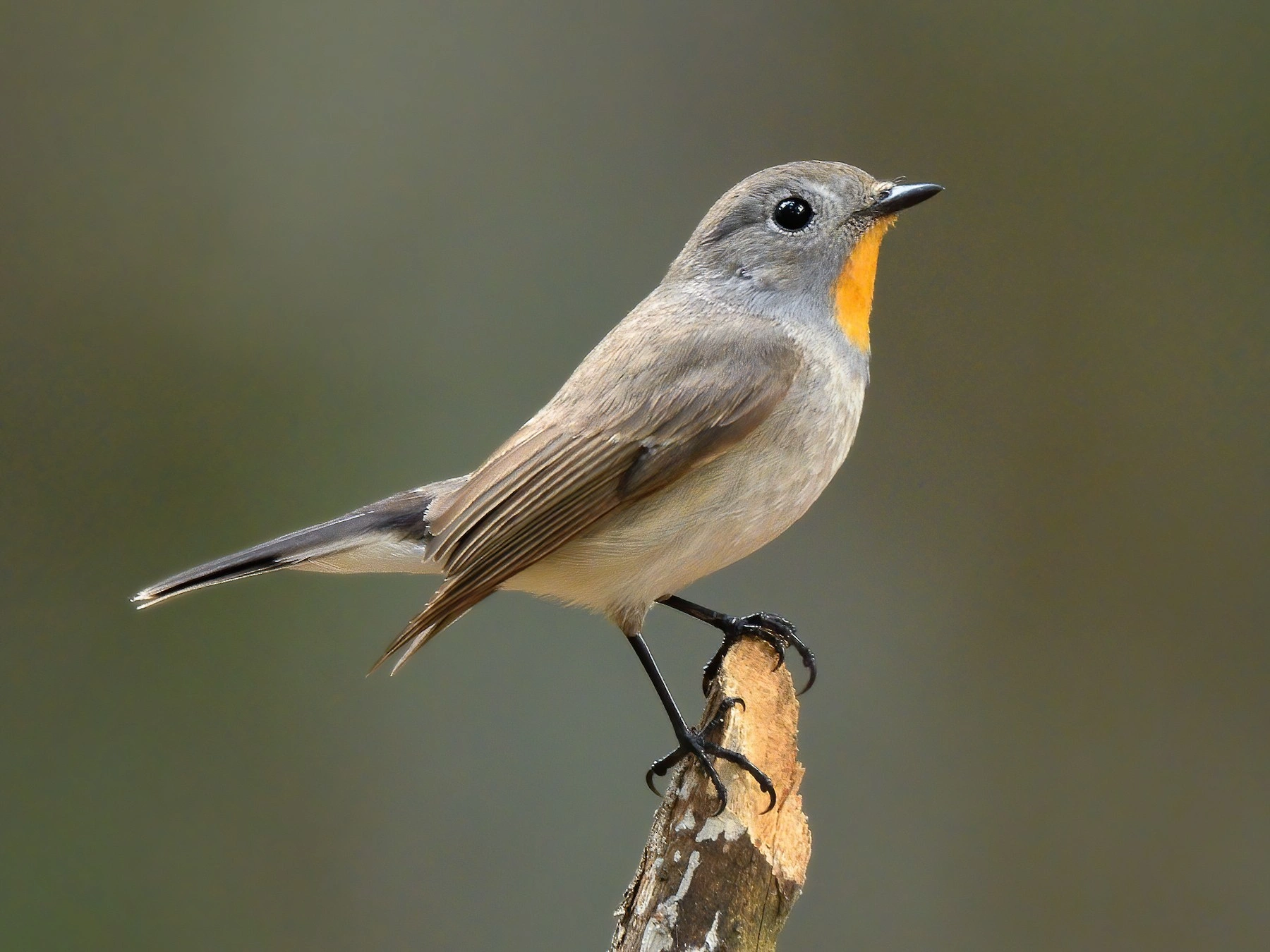
Taiga Flycatcher
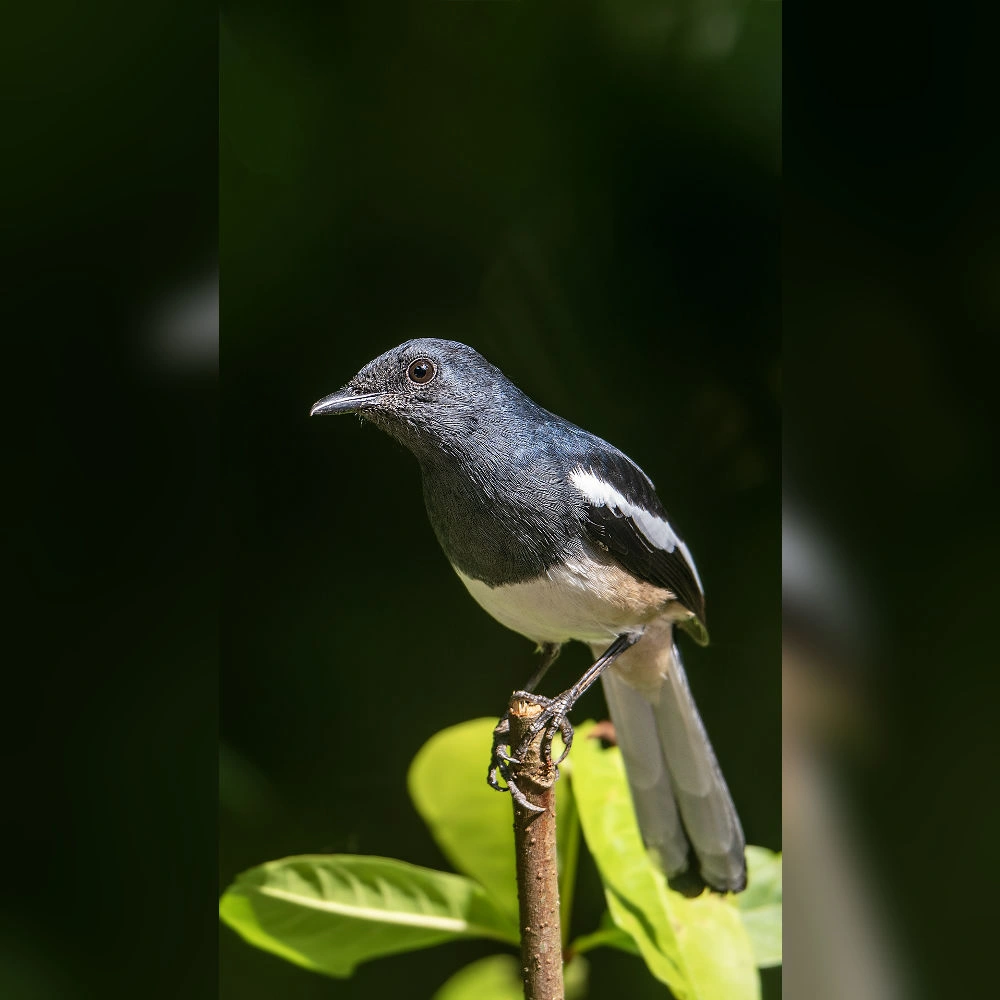
Oriental Magpie Robin
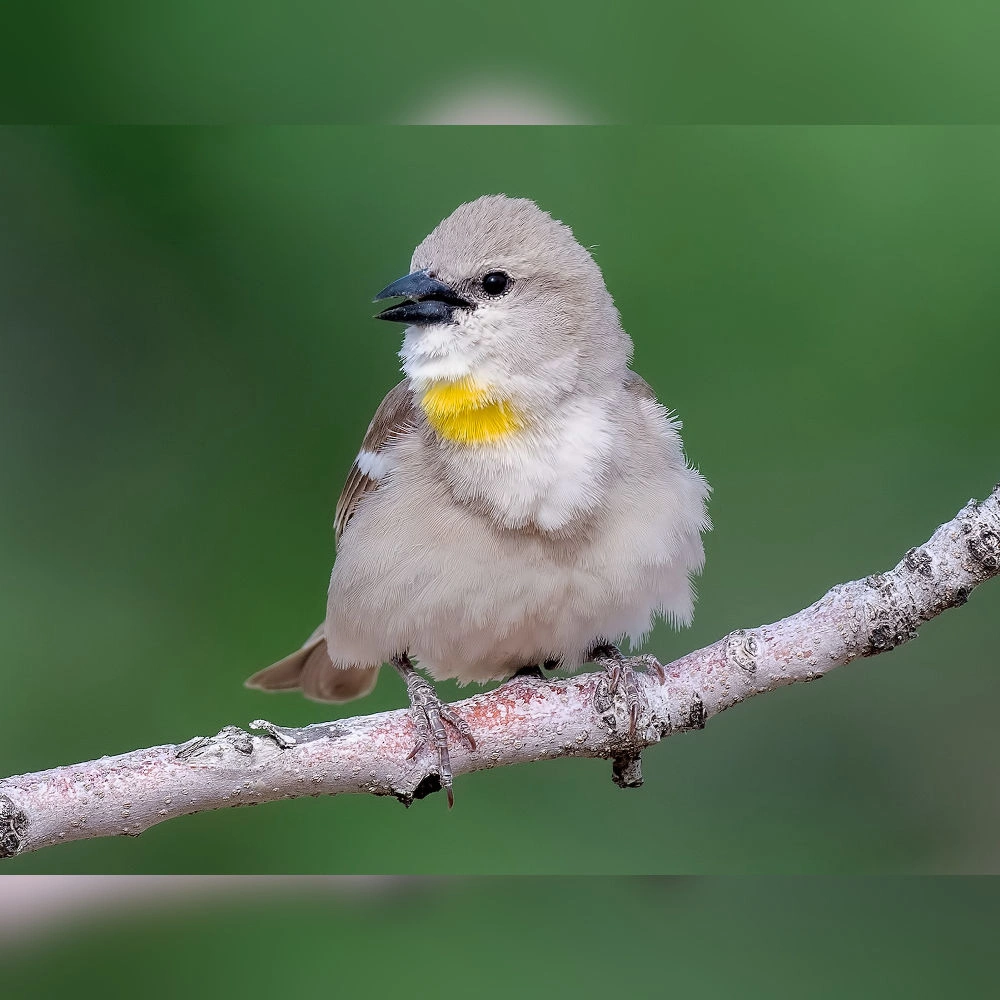
Yellow-throated Sparrow

Summary of Walk

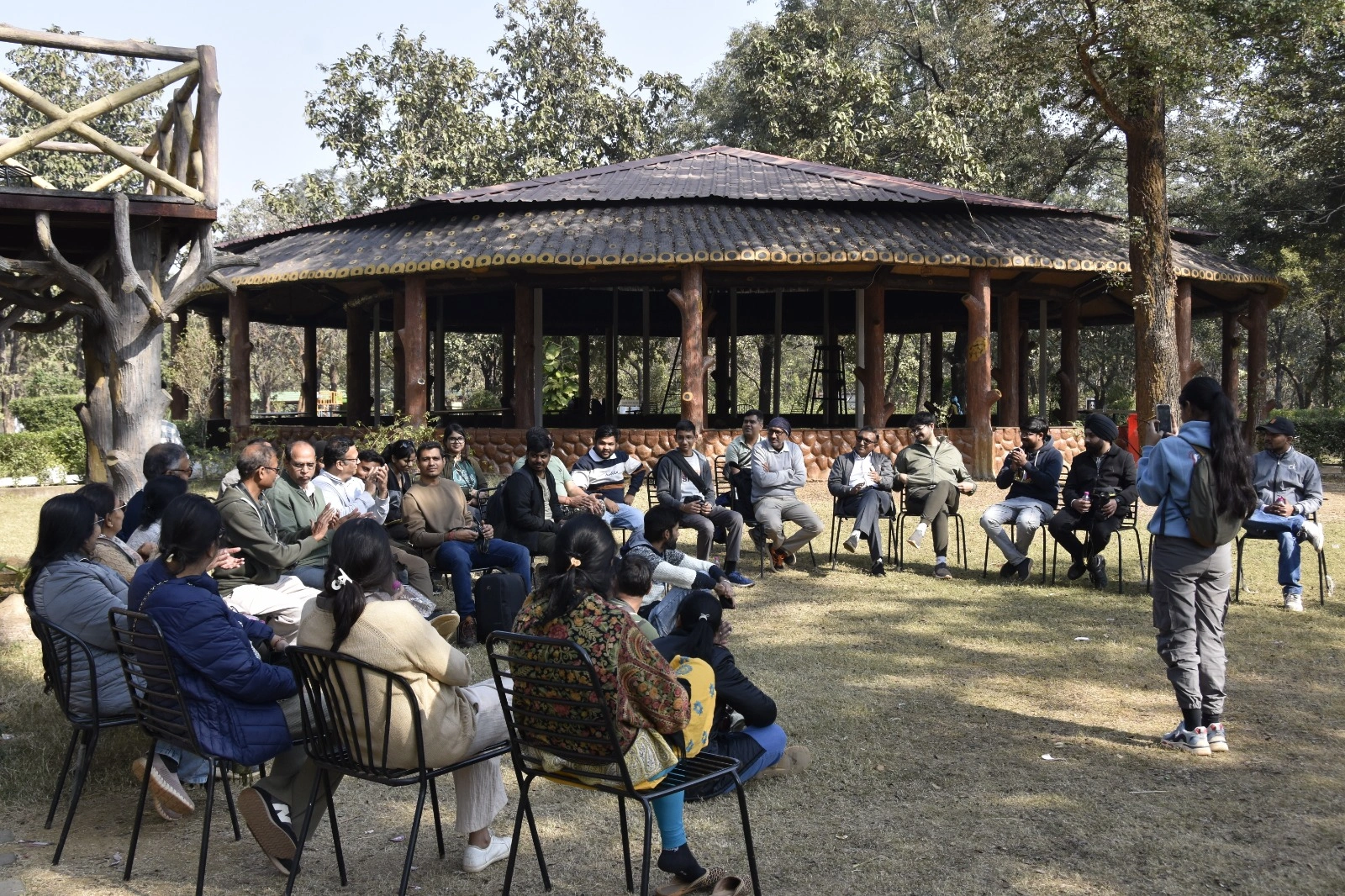
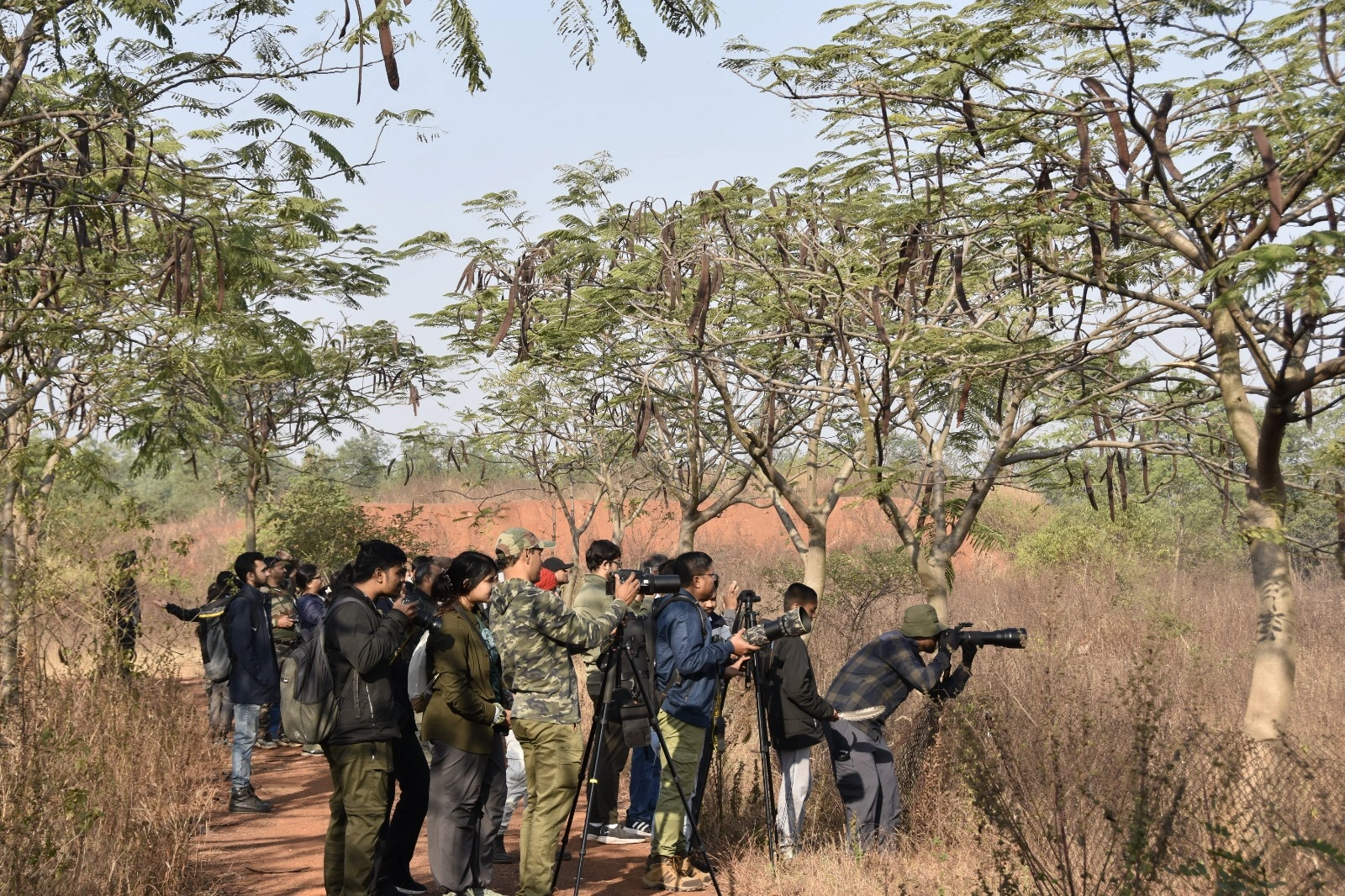
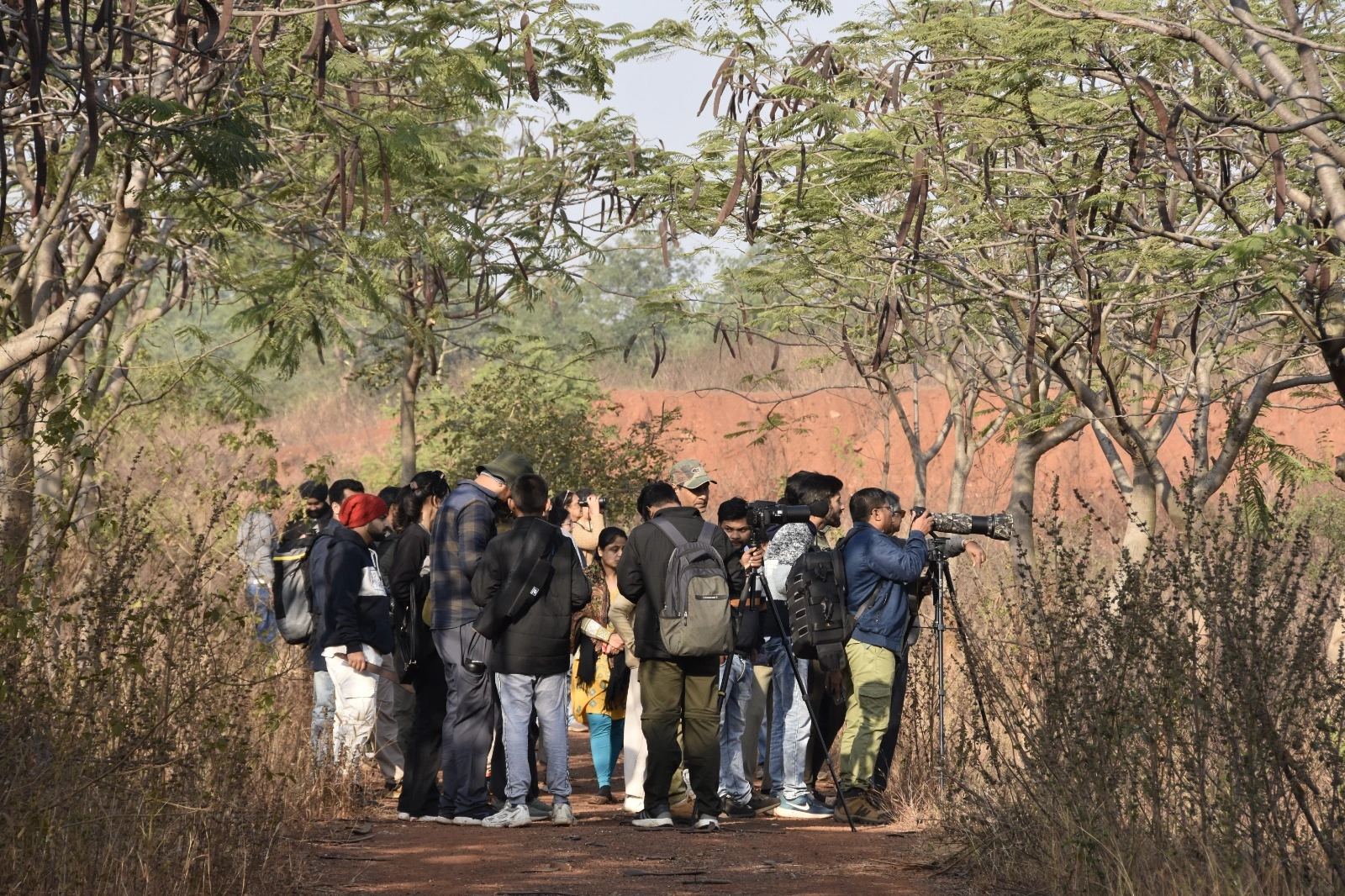
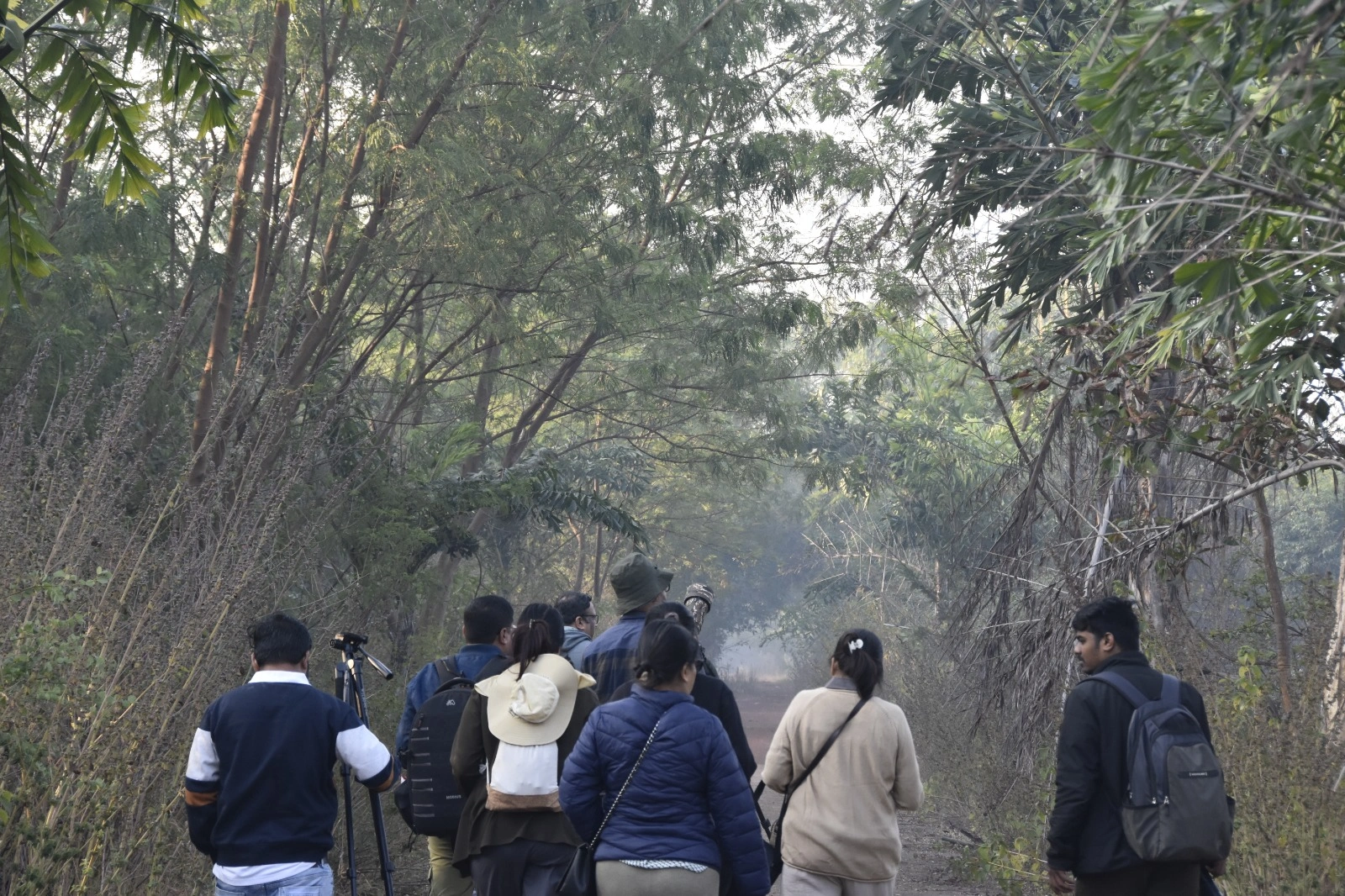
The bird walk at Nandanvan Jungle Safari resulted in a rich count of 50 bird species, reflecting the habitat diversity within the safari landscape. Participants expressed strong appreciation for the experience, with several mentioning it was their first bird walk and expressing eagerness to join similar events in the future. The walk created an encouraging atmosphere for beginners and nature enthusiasts alike.
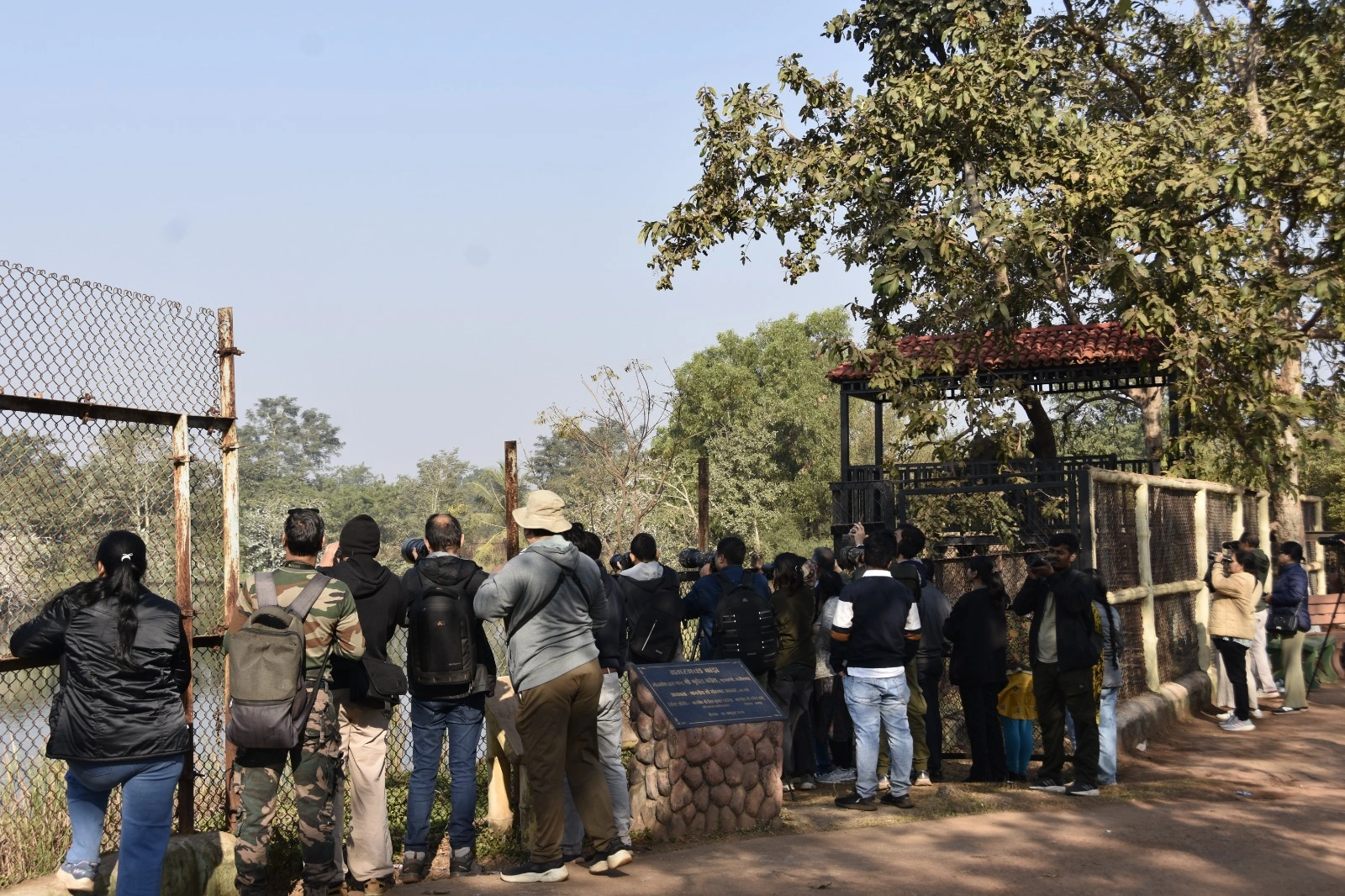
One of the most striking moments was observing a Brown Crake and a White-breasted Waterhen feeding at separate spots in the same pond, both consuming the inner organs of a large dead fish. Led by Jageshwar, the walk offered rare behavioral observations and reinforced how close attention can reveal fascinating ecological interactions, leaving participants with lasting impressions.
Number of Participants
0
Scroll to Top