

Bird Walk at Near Rajghat Besant School, Varanasi
- Varanasi
- 17 October, 2026
- Anjali Krishna
About Near Rajghat Besant School
In the north of Varanasi, the Varuna river meets the Ganga beside the leafy 400-acre campus of the Rajghat Education Centre. Jiddu Krishnamurti founded Rajghat Besant School there in 1934. Away from the crowded ghats, this high riverbank has groves of mango and other old trees, farmland, riverside scrub, and wide views over the Ganga’s sandbanks and floodplain. Along with ancient trees on the campus, open country and two rivers, the area has much richer wildlife than most of the city.
Birders come here for both river and woodland birds. On the Ganga, terns, lapwings, wagtails and cormorants use the sandbars. In winter, migrant ducks, gulls and waders often arrive. In the groves, barbets, orioles, woodpeckers and flycatchers are common, while kingfishers work the banks of the Varuna. The Ganges river dolphin, India’s national aquatic animal, still survives in this stretch of river. The ecosystem is fragile, though. Untreated sewage flowing into the Varuna, sand mining, riverfront construction, plastic waste and disturbance on the sandbanks all threaten it. Keeping the campus green, protecting the sandbars where birds nest, and cleaning up the rivers are essential to keeping this unusual corner of Kashi wild.

Bird Guide: Anjali Krishna
Certified Nature Guide by The Naturalist School. Daily lists one bird since 2021, at Sahyadri hills, Chennai, Nainital, Varanasi. eBird id is anjkrishna. She is a nature educator and has experience of over 25 years in birding.
Bird walk Location
Common birds of Near Rajghat Besant School
The old groves at Rajghat feel almost like a forest, and the birds match. The Indian Paradise-Flycatcher is the star, with its long, ribbon-like tail streaming through the shade. The Indian Golden Oriole and the Black-hooded Oriole add flashes of bright yellow and fluting calls to the canopy. The Yellow-footed Green-Pigeon, Uttar Pradesh’s state bird, feeds quietly on figs. The Plum-headed Parakeet, with its rosy head, is a gentler cousin of the noisy Rose-ringed Parakeet. Brown-headed Barbets call from the treetops and Black-rumped Flamebacks drum on old trunks. The Greenish Warbler stops here on its long migration and sings from the trees on campus. Closer to the Varuna, White-throated Kingfishers flash electric blue, Little Cormorants fish, and Black-crowned Night Herons roost out of sight until dusk. Red-wattled Lapwings keep watch on open ground. In the undergrowth, Large Gray and Jungle Babblers forage in chattering groups, the Oriental Magpie-Robin sings, and the Gray Francolin’s calls ring out across the fields. Rufous Treepies, Black Drongos and a hunting Shikra complete a list that shows how much birdlife a green, protected campus can hold.

Indian Paradise-Flycatcher

Indian Golden Oriole

Black-hooded Oriole
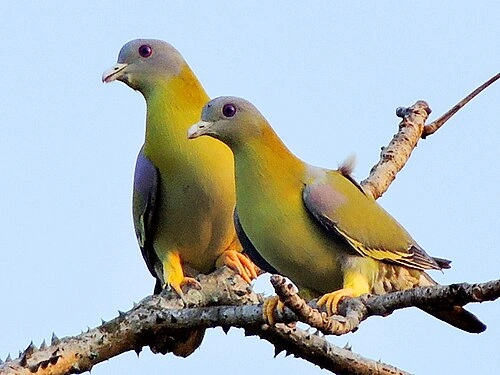
Yellow-footed Green-Pigeon
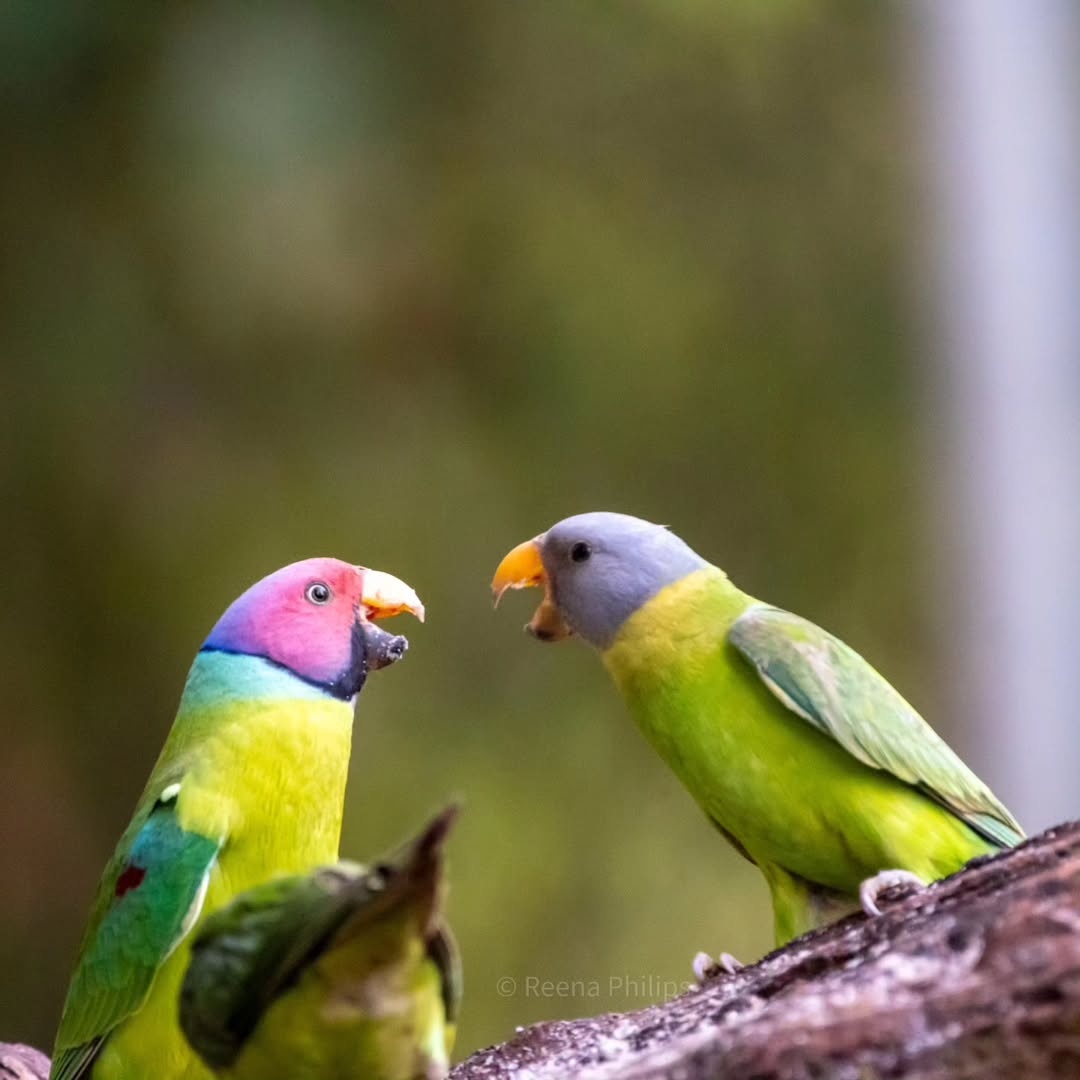
Plum-headed Parakeet

Rose-ringed Parakeet

Brown-headed Barbet

Black-rumped Flameback
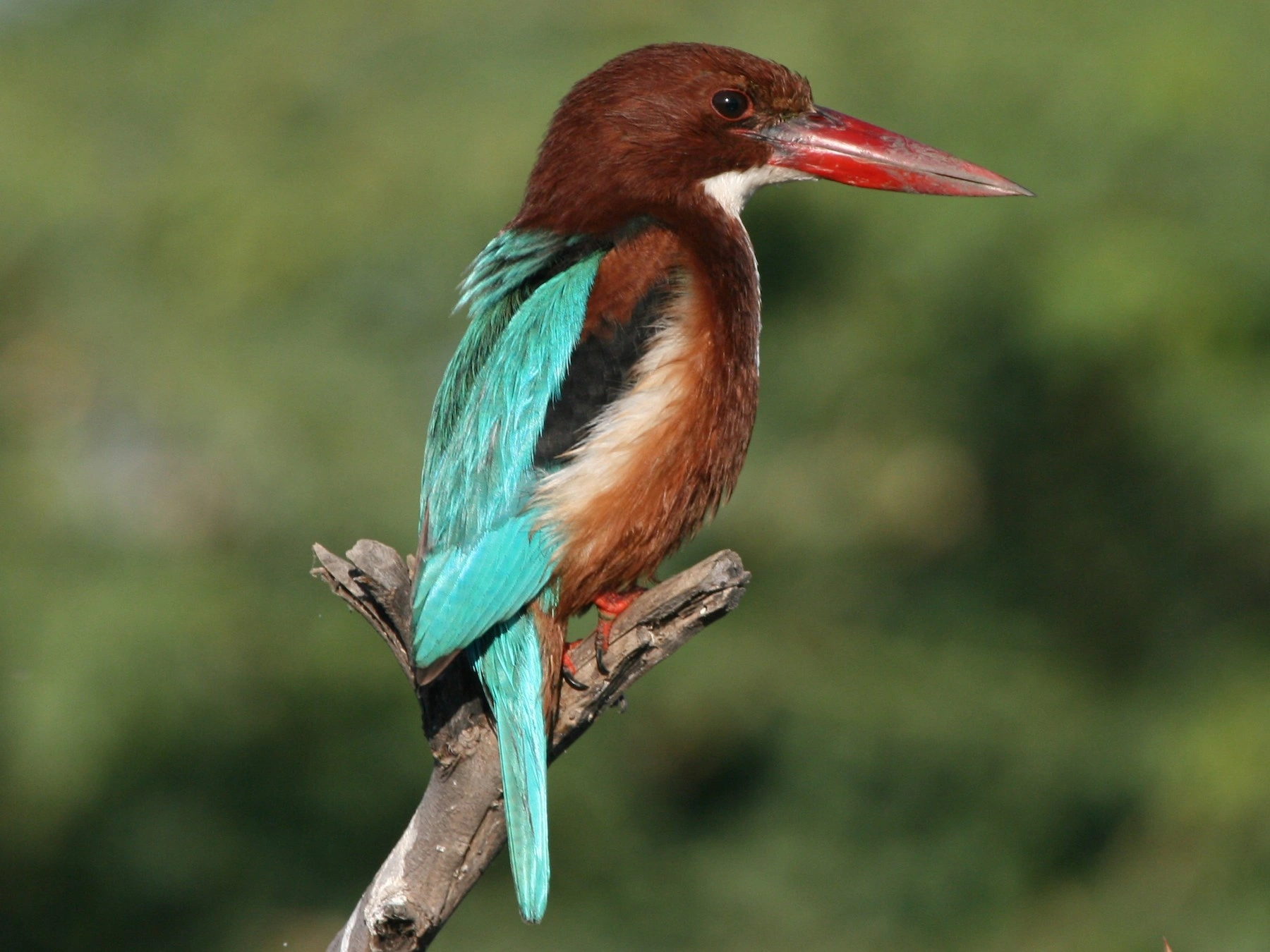
White-throated Kingfisher

Black-crowned Night Heron

Little Cormorant
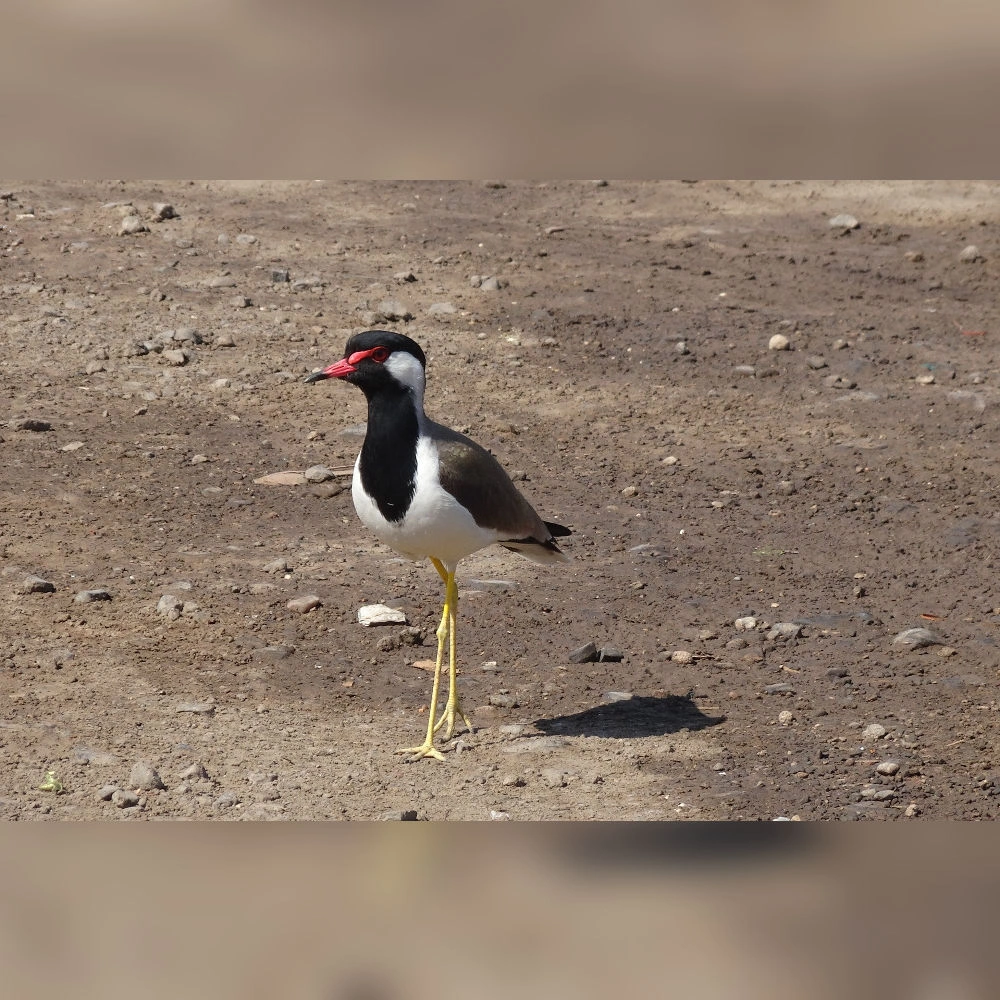
Red-wattled Lapwing
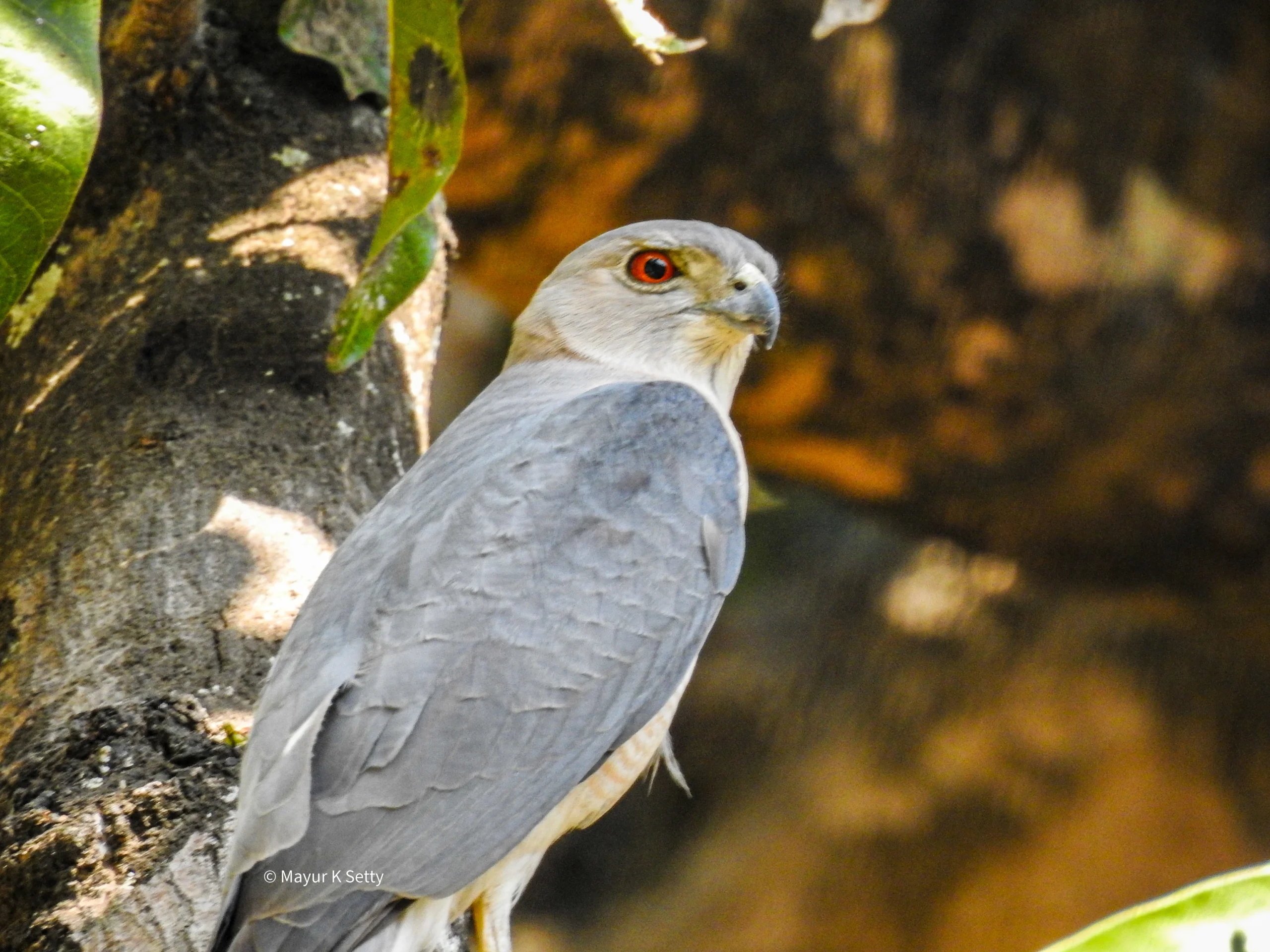
Shikra

Greenish Warbler
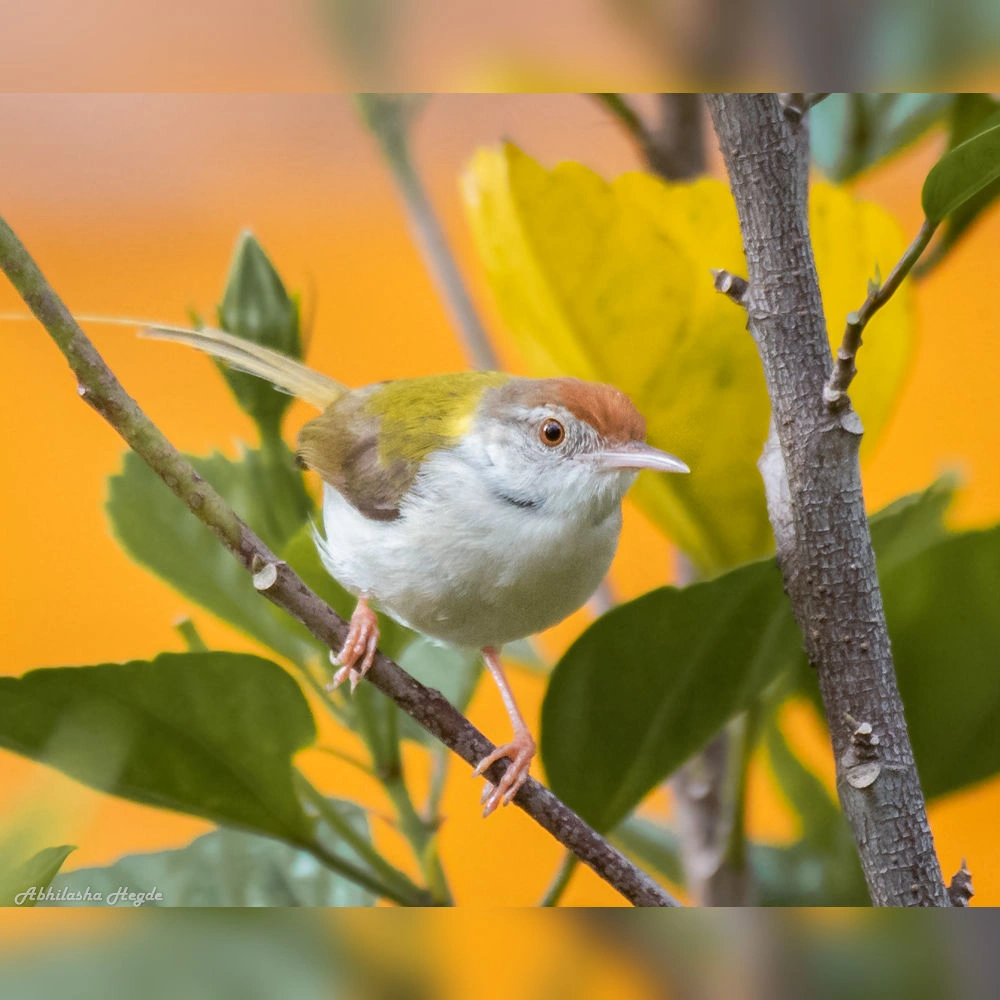
Common Tailorbird
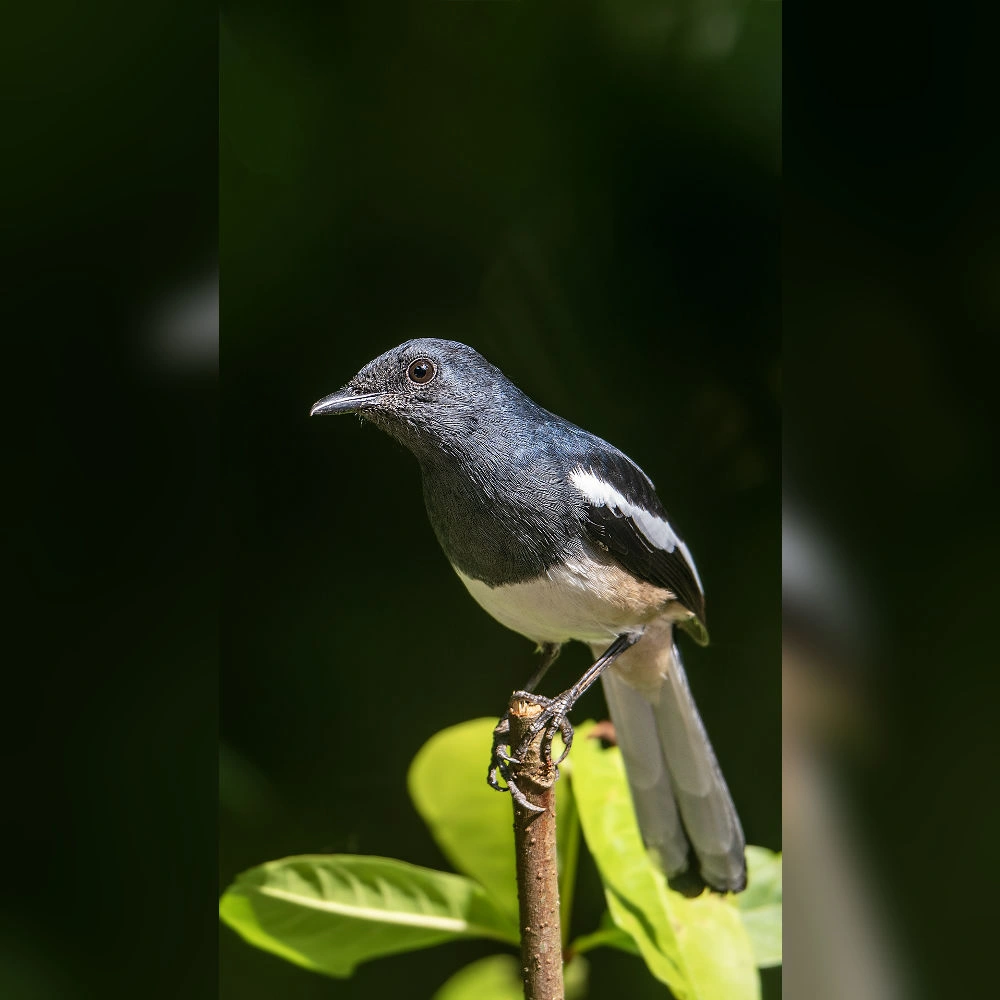
Oriental Magpie-Robin

Large Gray Babbler

Jungle Babbler

Rufous Treepie
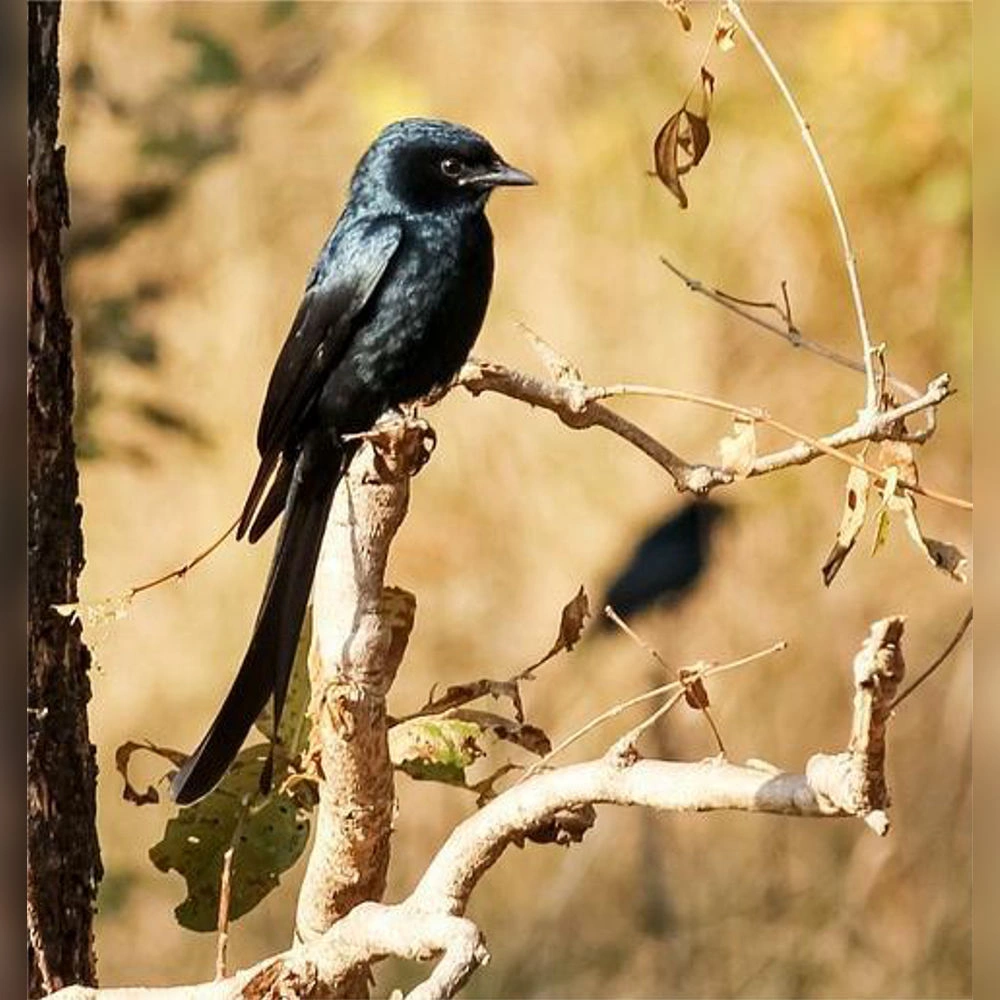
Black Drongo
Summary of Walk
Thirteen birders joined guide Anjali Krishna at Rajghat Besant School in Varanasi on 17 October for a misty morning of quiet, absorbing birding beside the river. The sun slowly came up over the water, and as the mist lifted, the group began to spot birds one by one: lapwings on the bank, a Greater Coucal, Oriental Magpie-Robins and kingfishers, while the calls of the Common Hawk-Cuckoo and the Asian Koel drifted through the air. On the opposite bank, wagtails and pond herons played in the light, catching the sun’s glow on their feathers, and egrets flew overhead in elegant lines. The group recorded 34 species, with the River Lapwing, the Indian Grey Hornbill and the Taiga Flycatcher among the highlights. The moment of the morning came when an Indian Paradise-Flycatcher made a special appearance, its long, flowing tail trailing behind it as it flitted through the trees, and the group watched in hushed delight. Anjali guided the walk with patience and warmth, helping participants learn to listen as well as look and to find birds in the soft morning light. The setting of the school campus on the river bank, with its tall trees and quiet paths, made the morning feel peaceful and special, and the group enjoyed the unhurried pace. Participants left with new species on their lists, a deeper appreciation for the birds of the Ganga and a calm, happy start to their day. It was a lovely morning of quiet birding that showed how rewarding it is to slow down and watch the world wake up.
Number of Participants
0
