


Loading Events

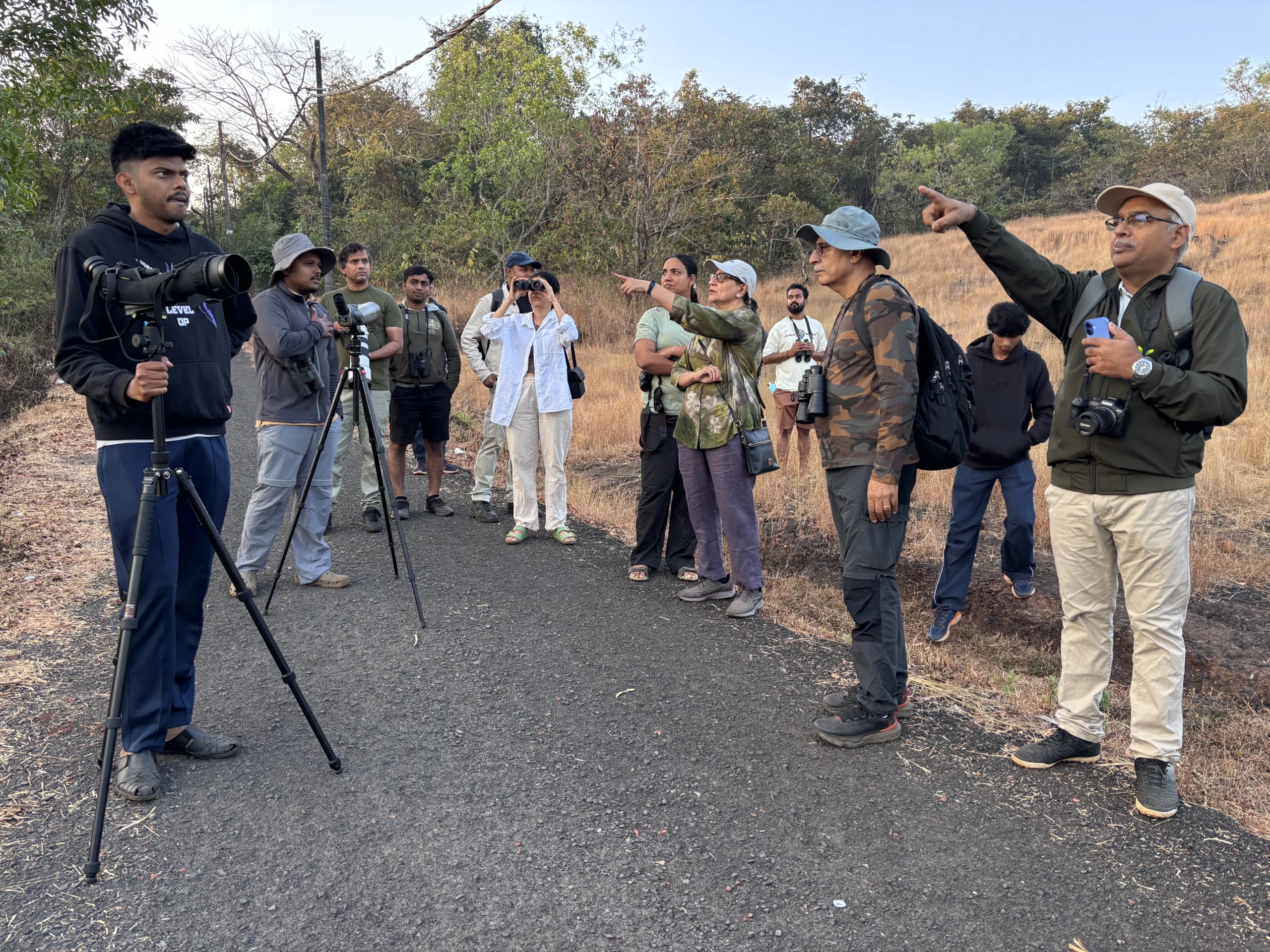
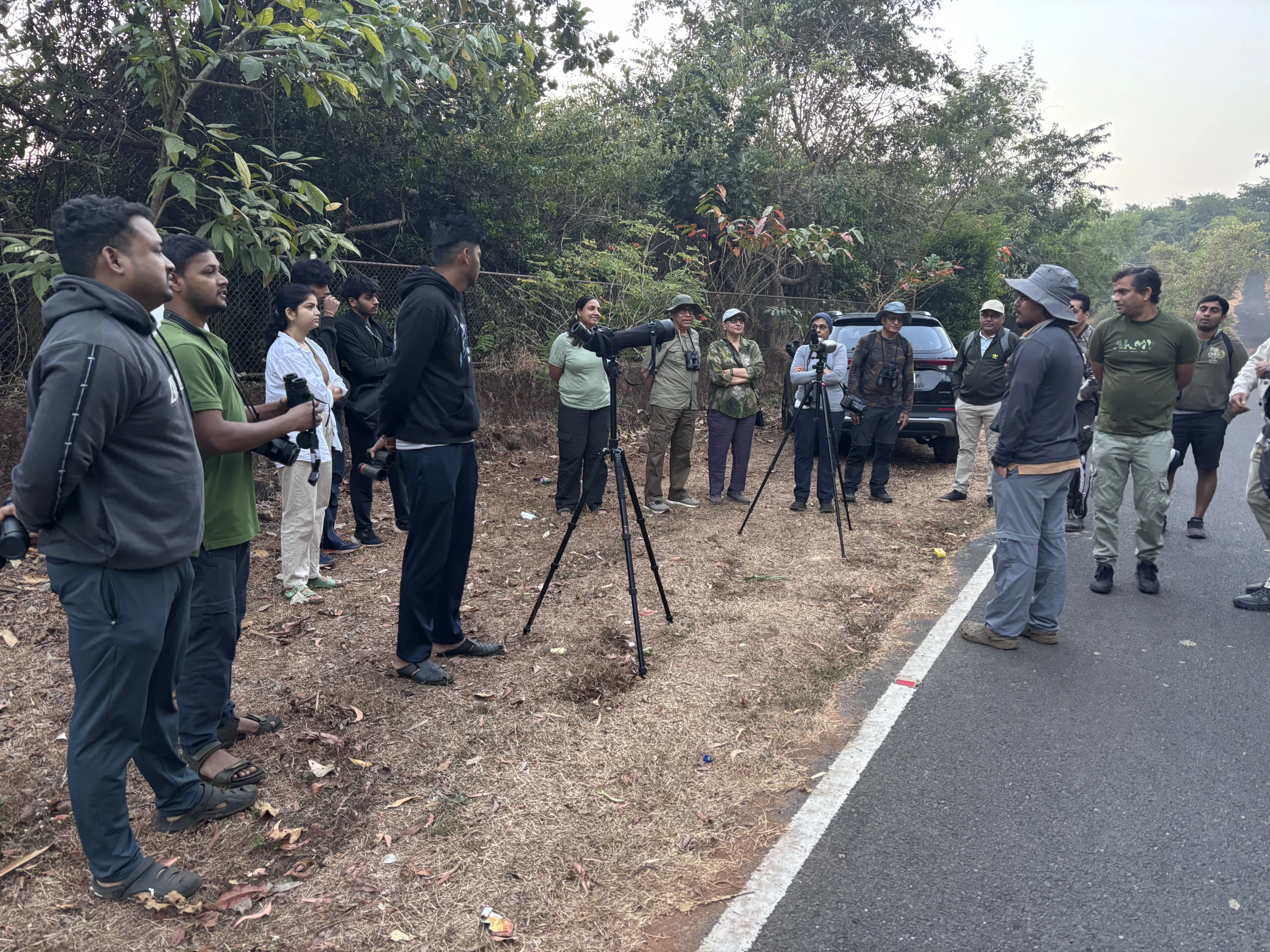
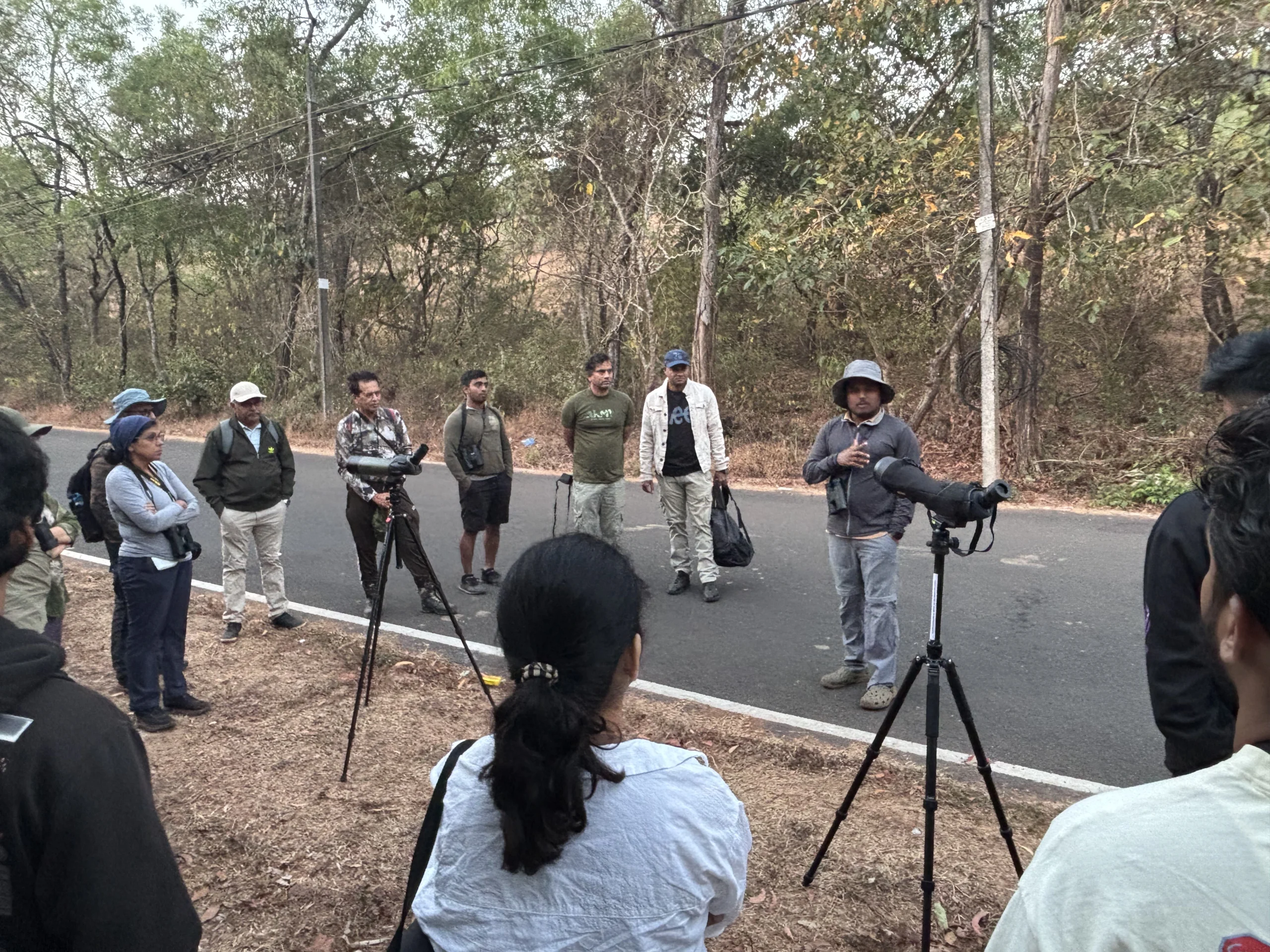
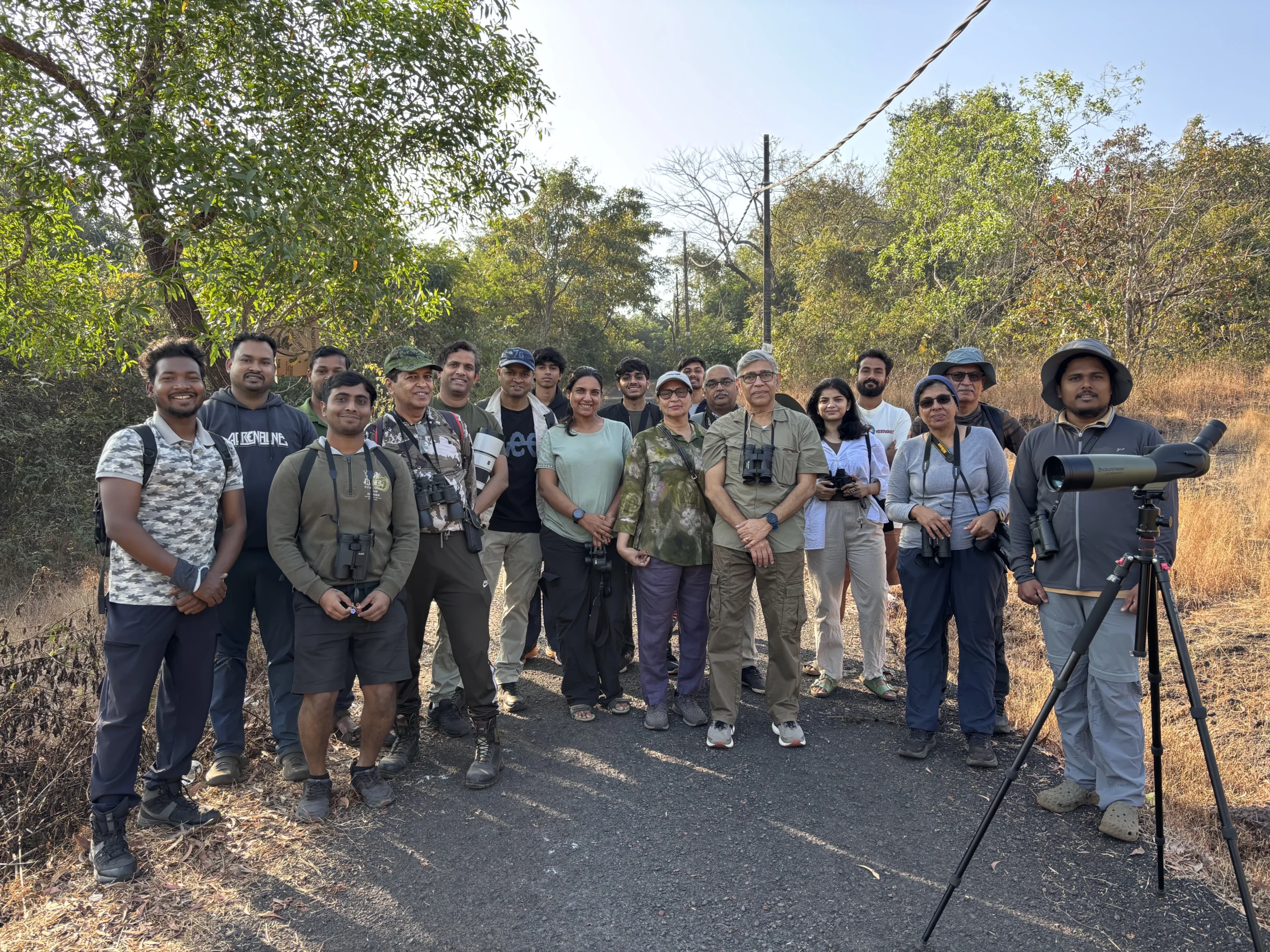
Bird Walk at Opa, Khandepar, Goa

About Opa, Khandepar

Opa in Khandepar, Goa sits at the heart of a fascinating riverine landscape shaped by the Khandepar (Dudhsagar) River, a west-flowing tributary of the Mandovi that drains a significant catchment originating in the Western Ghats, one of the world’s biodiversity hotspots. The area around Opa is defined by lush riparian habitats and a mosaic of agricultural land, fringe forest patches, and freshwater channels that support both local livelihoods and wildlife. The water treatment works at Opa, historically established during the Portuguese era, continues to draw on this river, making the region vital not only for its natural beauty but also for supplying drinking water to large parts of North Goa and Ponda talukas. While not a large protected area itself, Opa and the greater Khandepar landscape connect ecologically with the broader Western Ghats system—the cradle of incredible biological richness that includes evergreen and moist deciduous forests, myriad freshwater species, and a tapestry of life that depends on seasonal river flows.
For birders and nature lovers, the Khandepar environs offer delightful glimpses of Goa’s diverse avifauna and riverine life. The region’s proximity to the Western Ghats and Mandovi river basin means you might encounter a range of waterbirds, kingfishers, herons, egrets, and other wetland species that thrive along forest-edged streams and paddy margins. The riverbanks and nearby trees also provide habitat for common woodland birds, and the area’s natural rhythms: monsoon swells, misty mornings, and tranquil evenings make every birding walk potentially rewarding. Yet, this landscape faces pressing conservation challenges: illegal sand mining and excessive extraction have caused bank erosion, altered river courses, and threatened aquatic habitats and local heritage sites. Seasonal turbidity owing to mining runoff and heavy rainfall can compromise water quality, impacting both human use and wildlife. Sustainable stewardship that balances ecological health with community needs could help preserve Opa–Khandepar’s quiet wild charm for future generations of nature lovers and bird watchers alike.

Partnered with

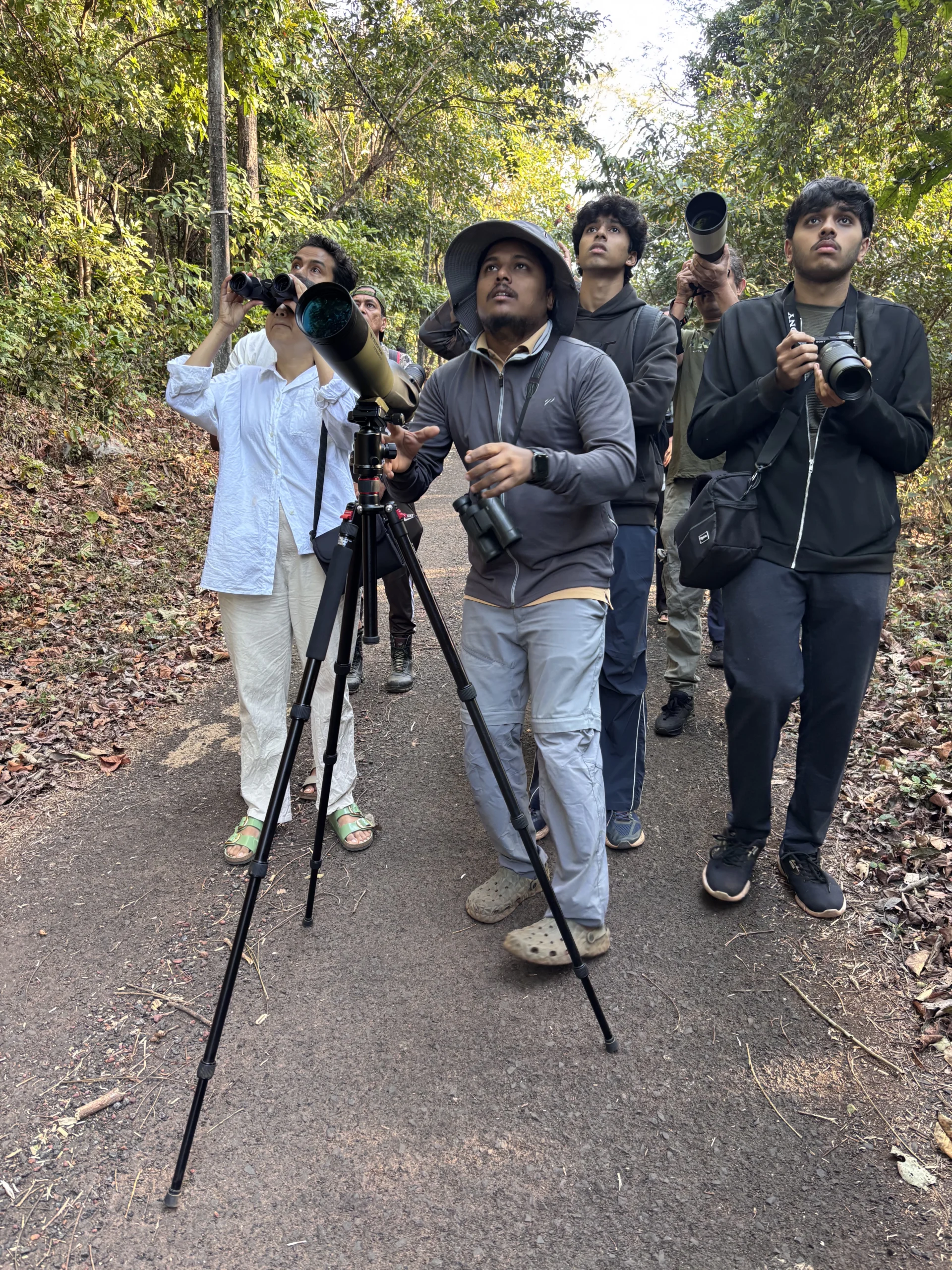
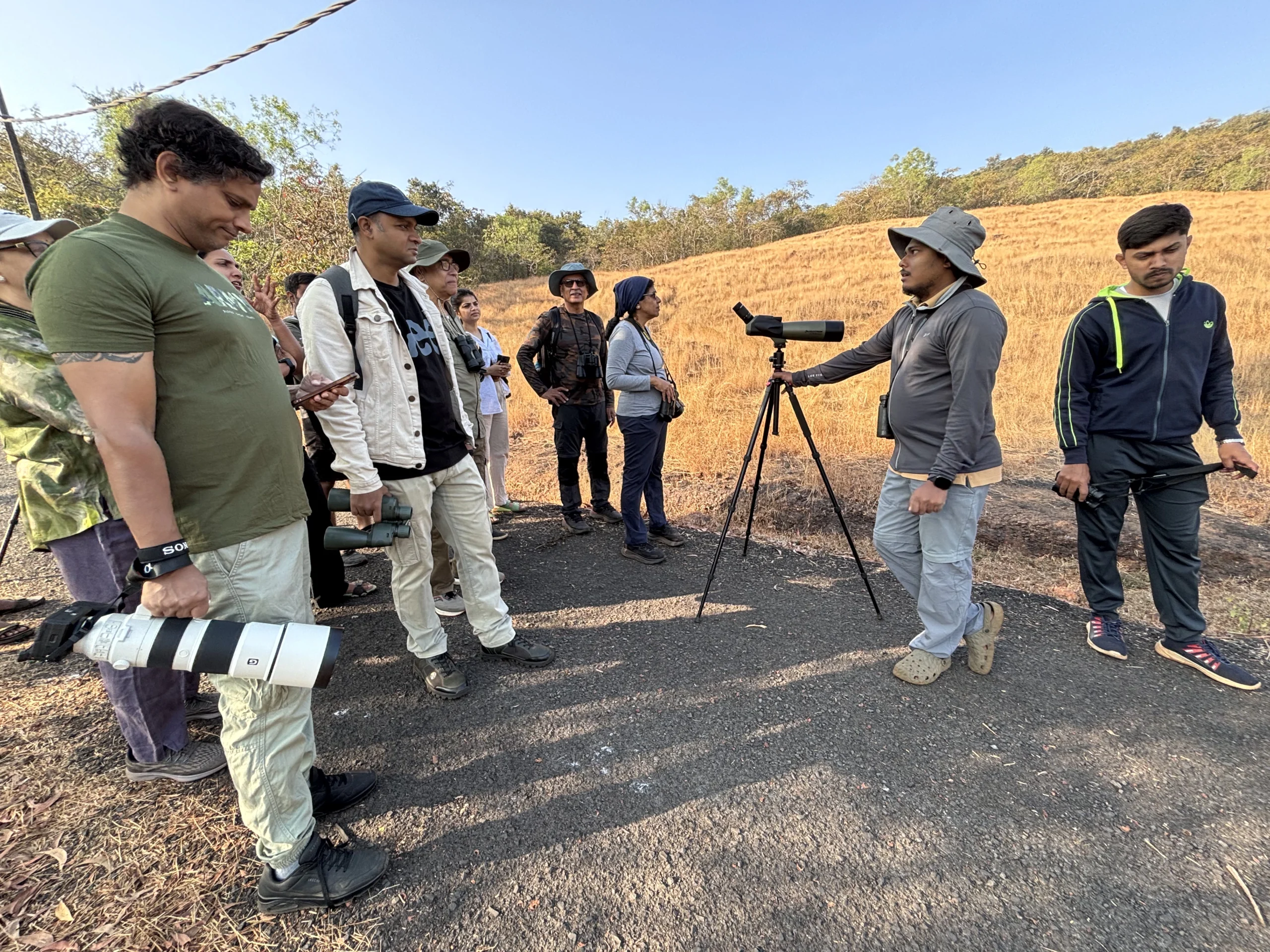
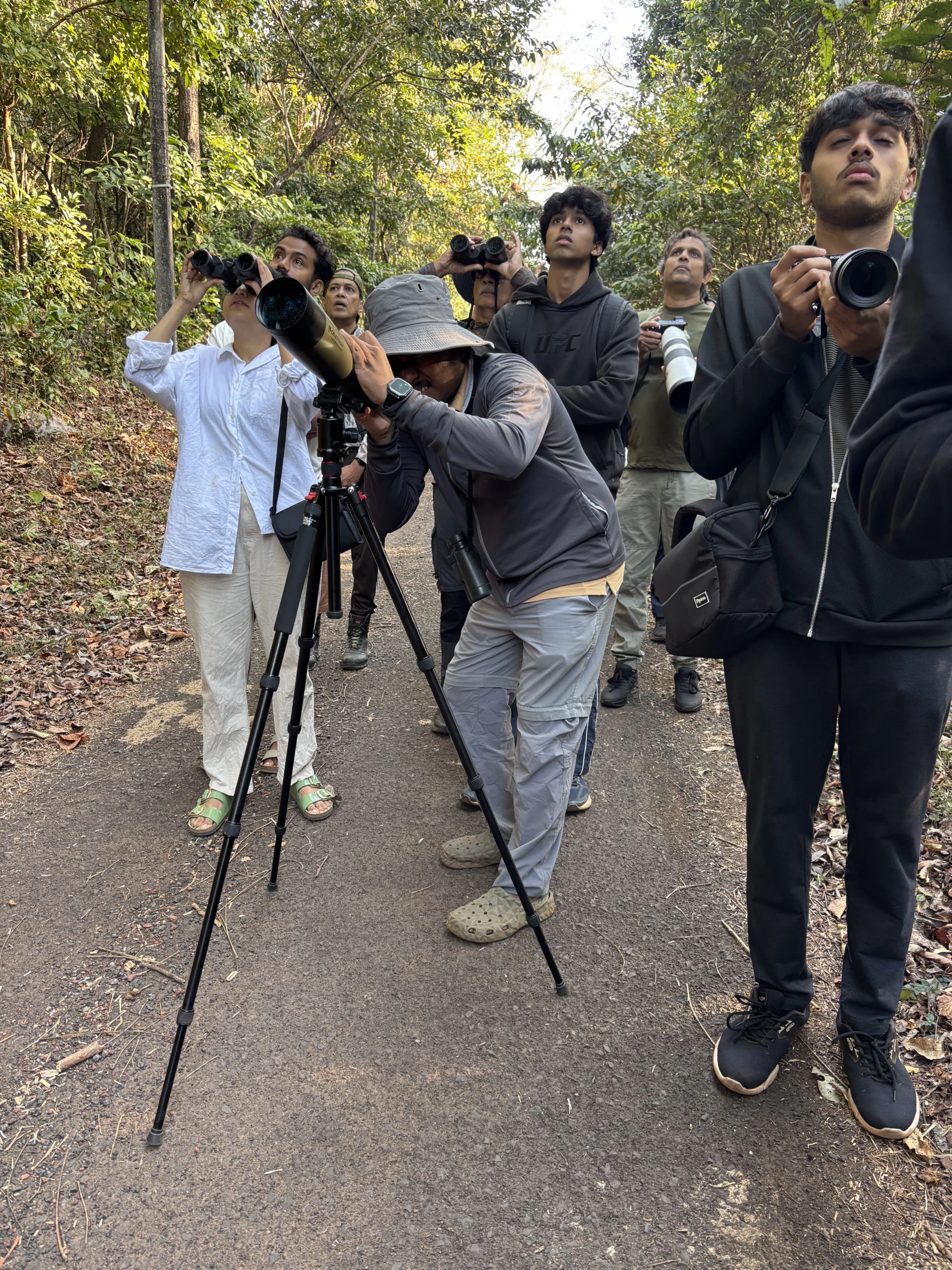
Bird Guide: Jalmesh Karapurkar

He is the coordinator of the Goa Bird Atlas initiative and serves as the eBird Reviewer for Goa, playing a key role in documenting avian biodiversity across the state. He also runs an inclusive ecotourism initiative aimed at making nature and wildlife experiences accessible and enriching for all.
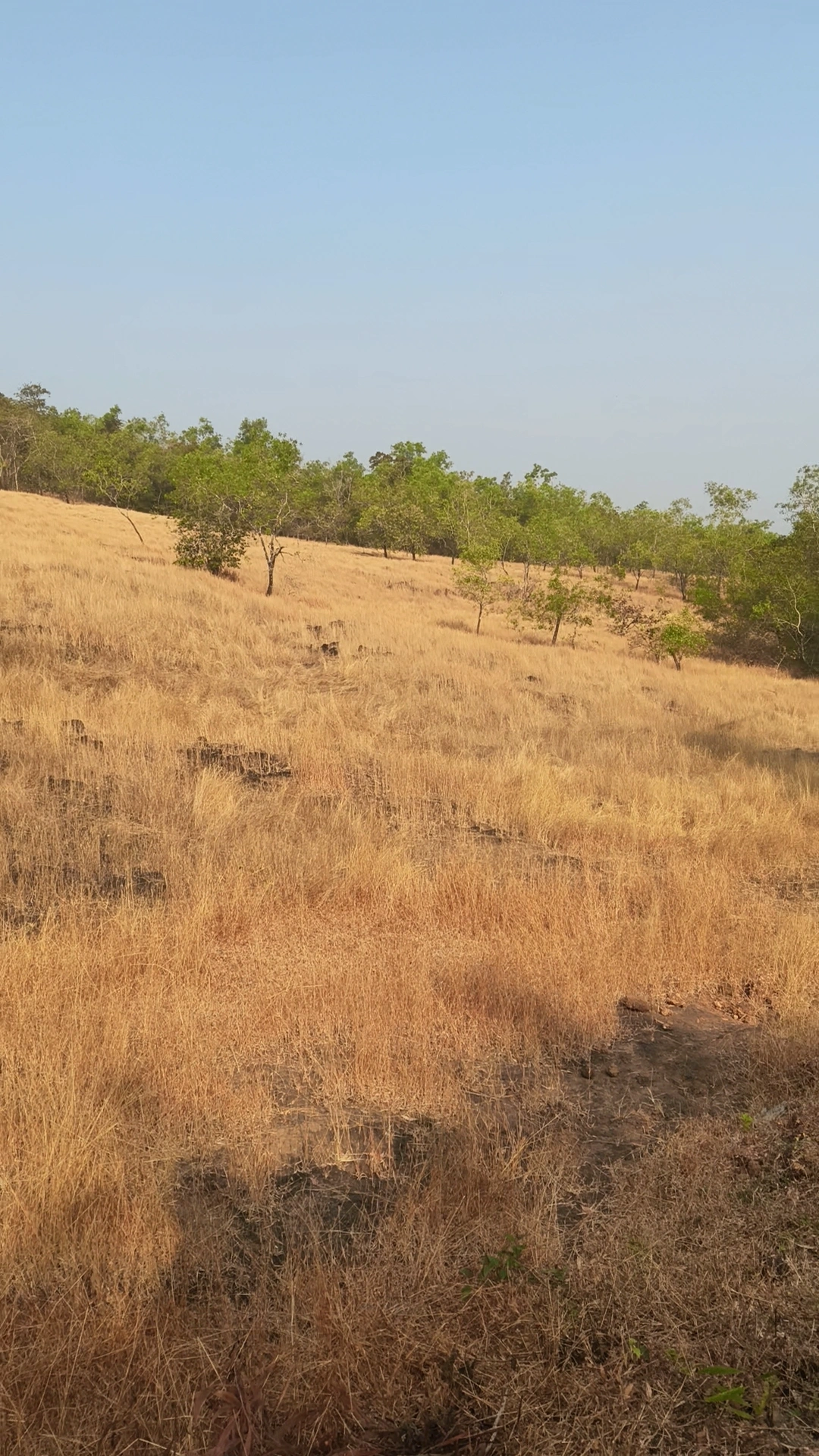
Bird walk Location

Common birds of Opa, Khandepar

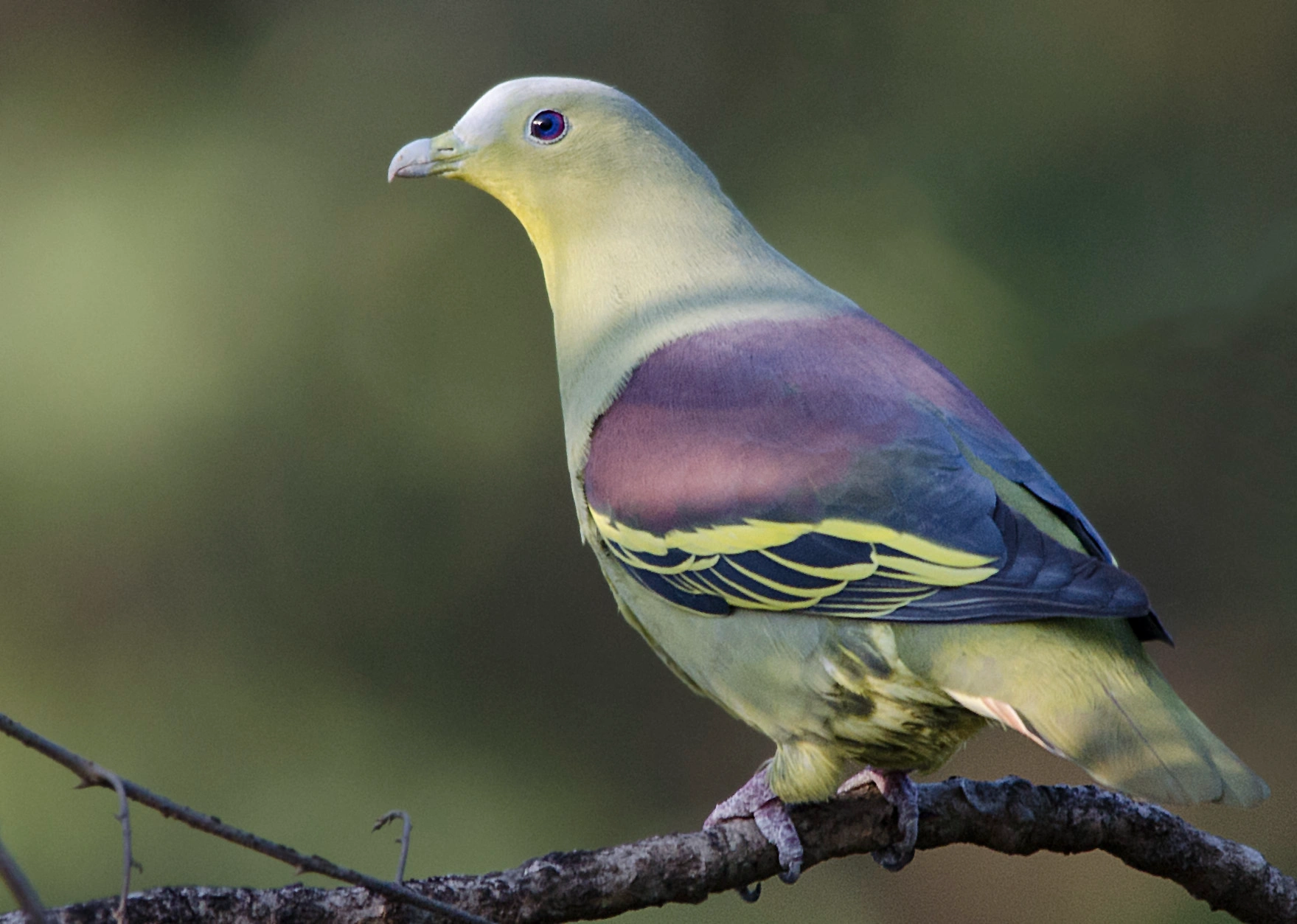
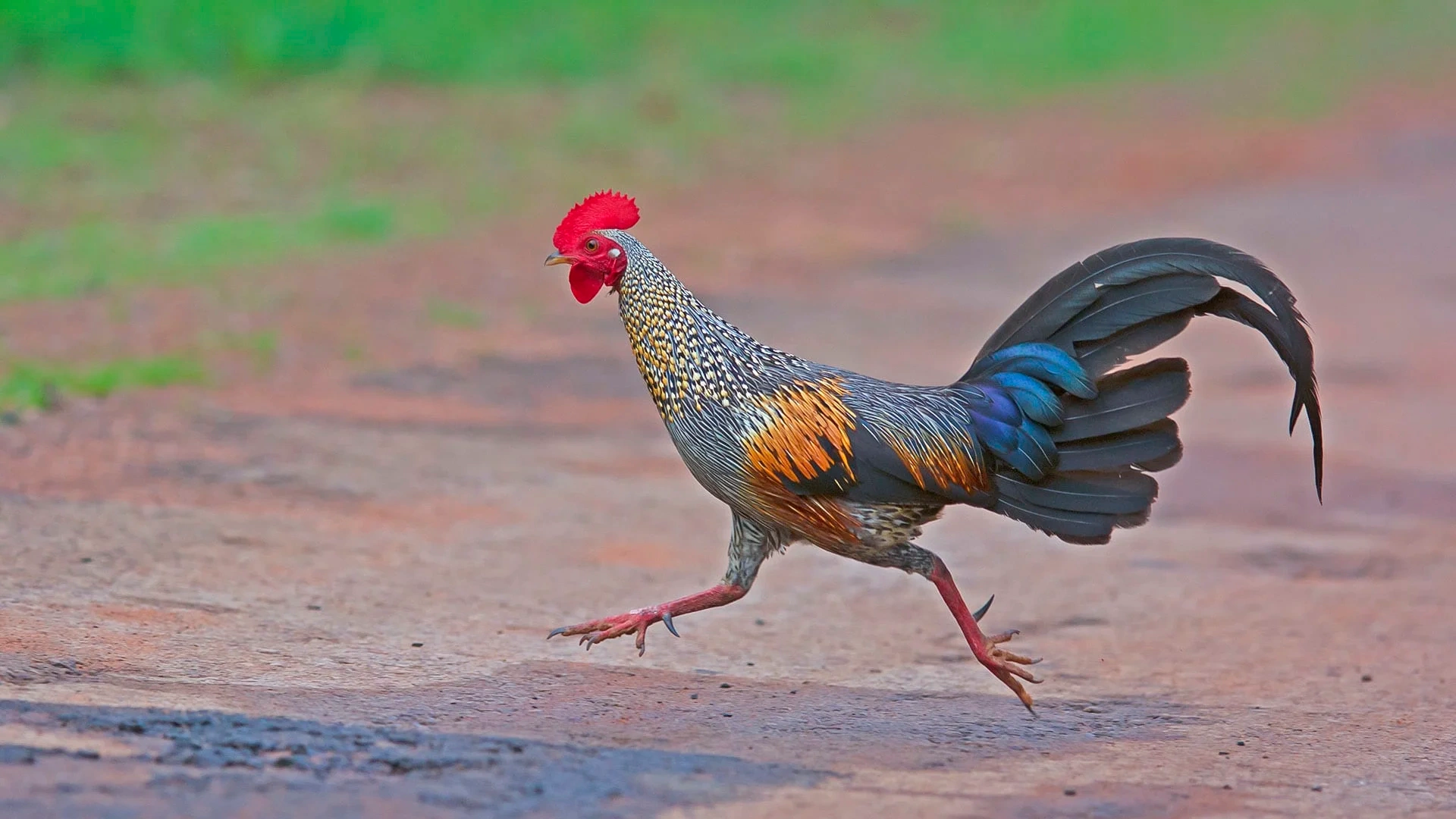
The riverine forests, orchards, and wooded slopes around Opa, Khandepar support a rich mix of birds that reflect Goa’s Western Ghats influence. Early mornings may reveal the stately Indian Peafowl strutting through open patches, while the shy Gray Junglefowl slips quietly through undergrowth. Fruit-bearing trees attract flocks of Gray-fronted Green-Pigeons and the impressive Malabar Imperial-Pigeon, their deep wingbeats echoing over the canopy. The air is often filled with the calls of the Asian Koel, Coppersmith Barbet, and Brown-headed Barbet, while flashes of red and blue betray the presence of the White-throated Kingfisher along water channels. Forest specialists such as the Malabar Gray Hornbill and Malabar Pied Hornbill add a distinctly Ghats character, dispersing seeds as they move between tall trees. Raptors like the Crested Serpent-Eagle, Eurasian Sparrowhawk, and Brahminy Kite patrol the skies, while woodpeckers—including Brown-capped Pygmy, Rufous, and Black-rumped Flameback—tap out a constant rhythm on old trunks. Together, these birds make Opa–Khandepar a rewarding spot for birdwatchers seeking both common countryside species and iconic Western Ghats endemics.
Grey Junglefowl
Grey-fronted Green Pigeon
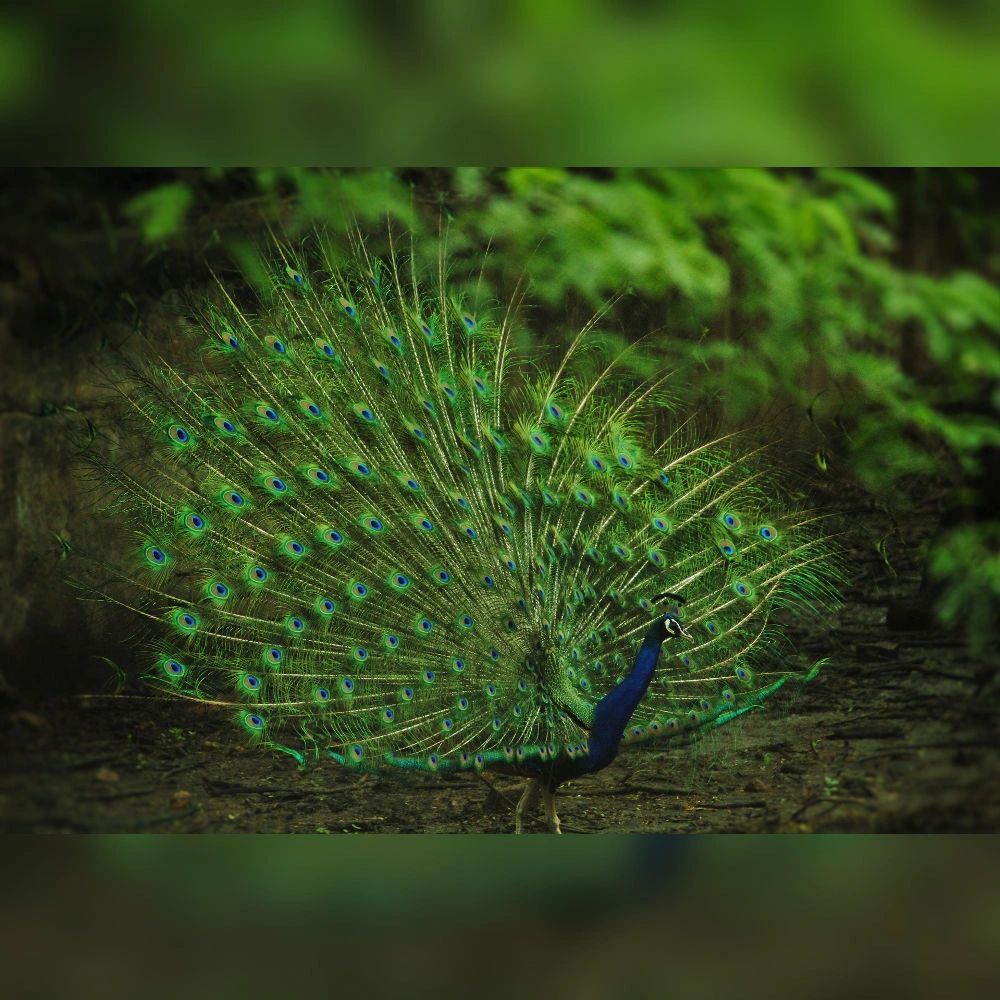
Indian Peafowl
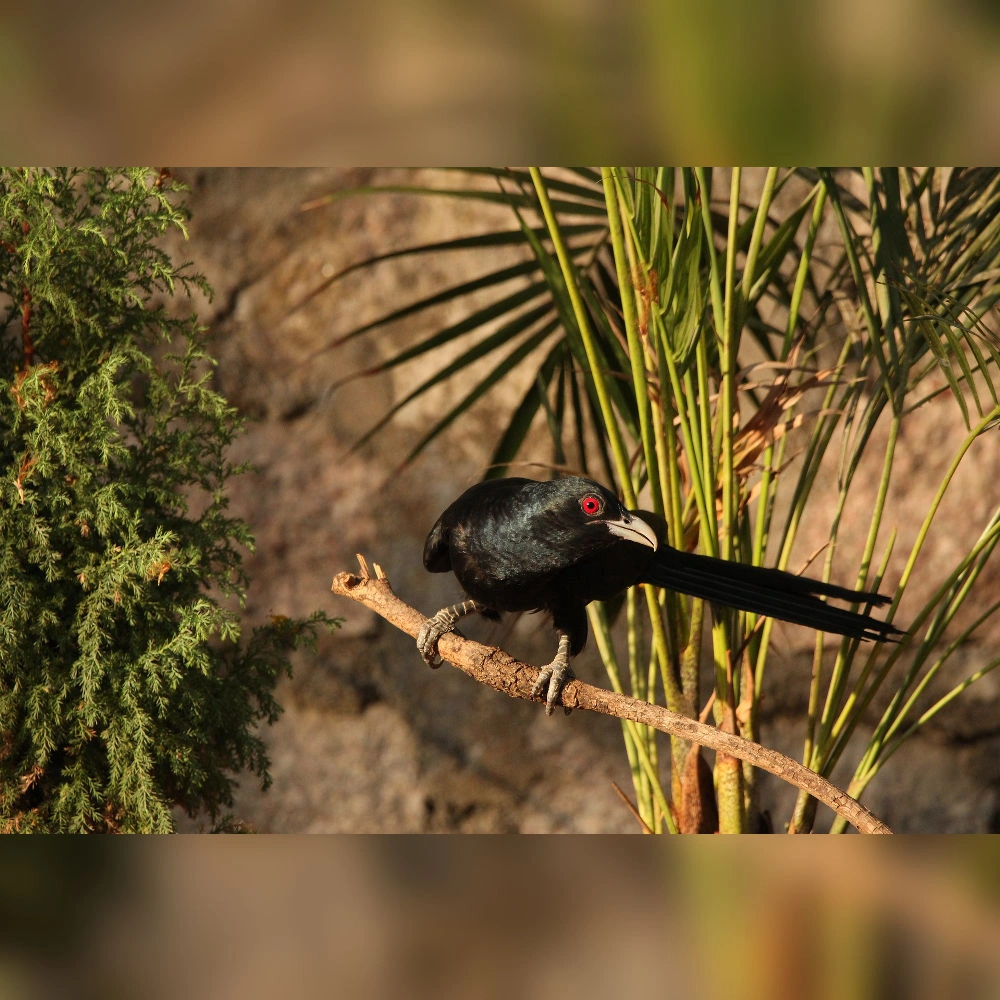
Asian Koel
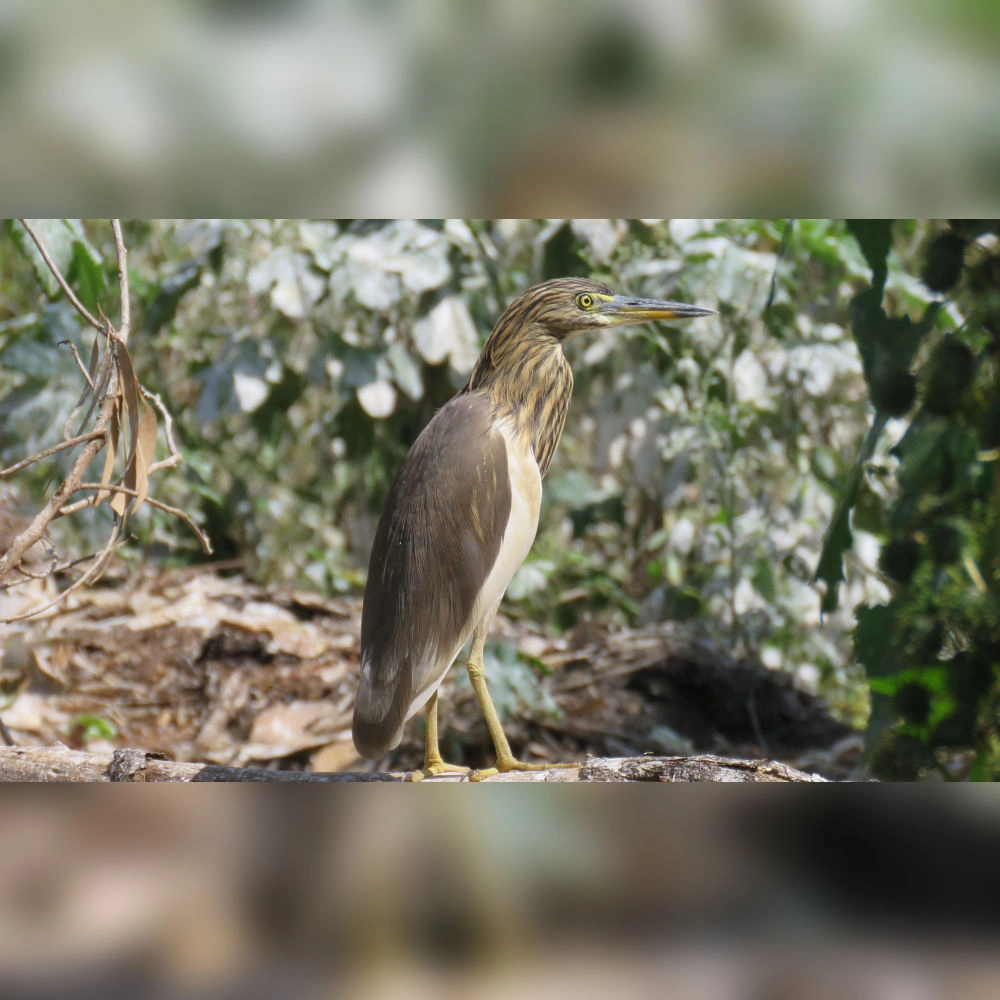
Pond Heron
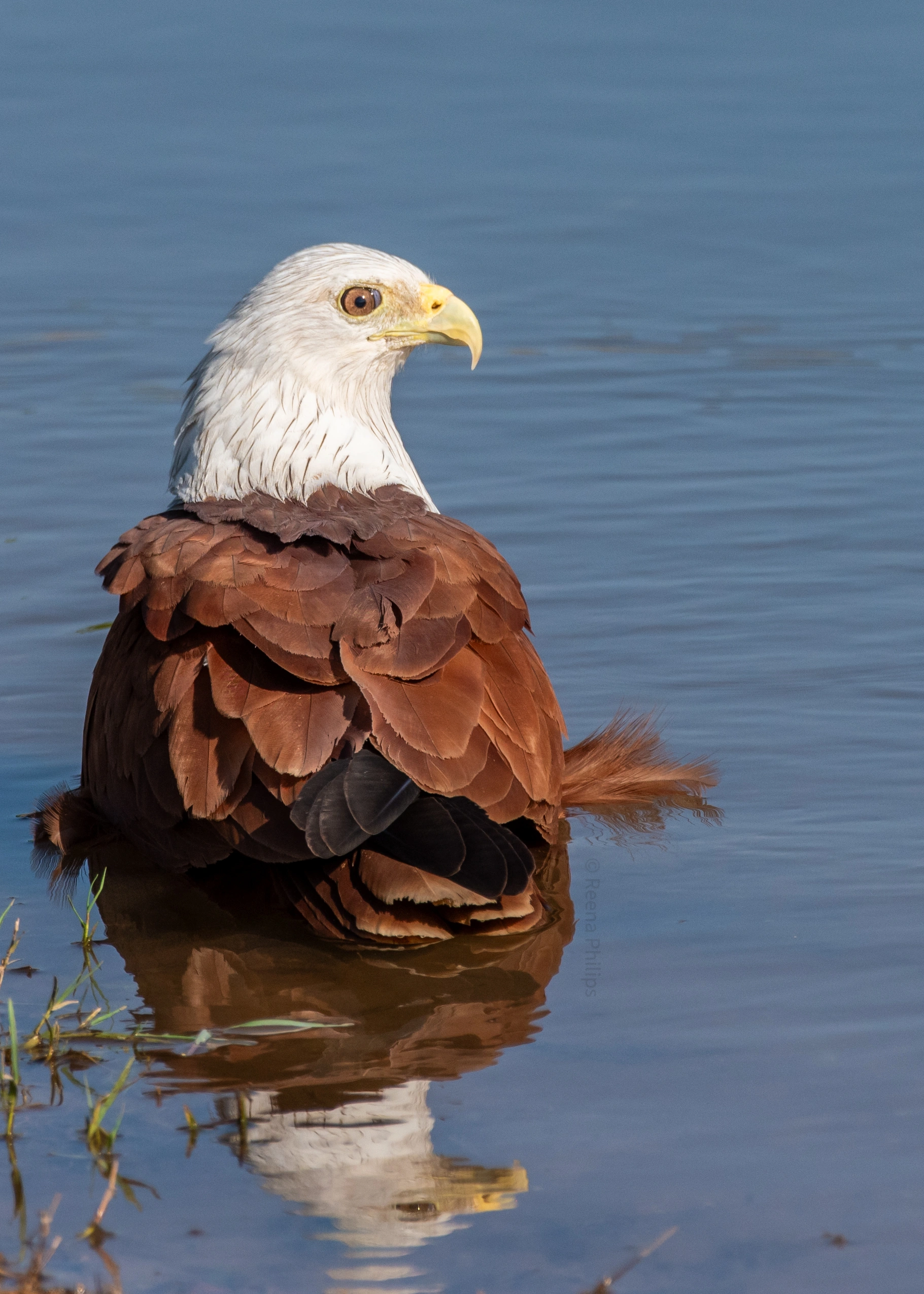
Brahminy Kite
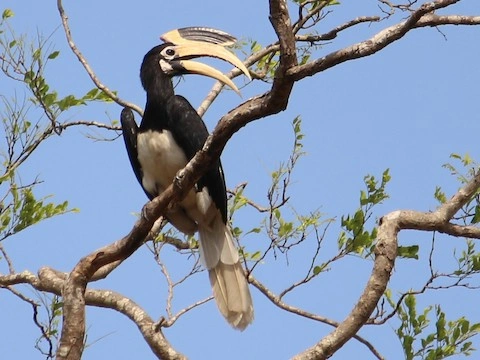
Malabar Pied Hornbill
White-throated Kingfisher
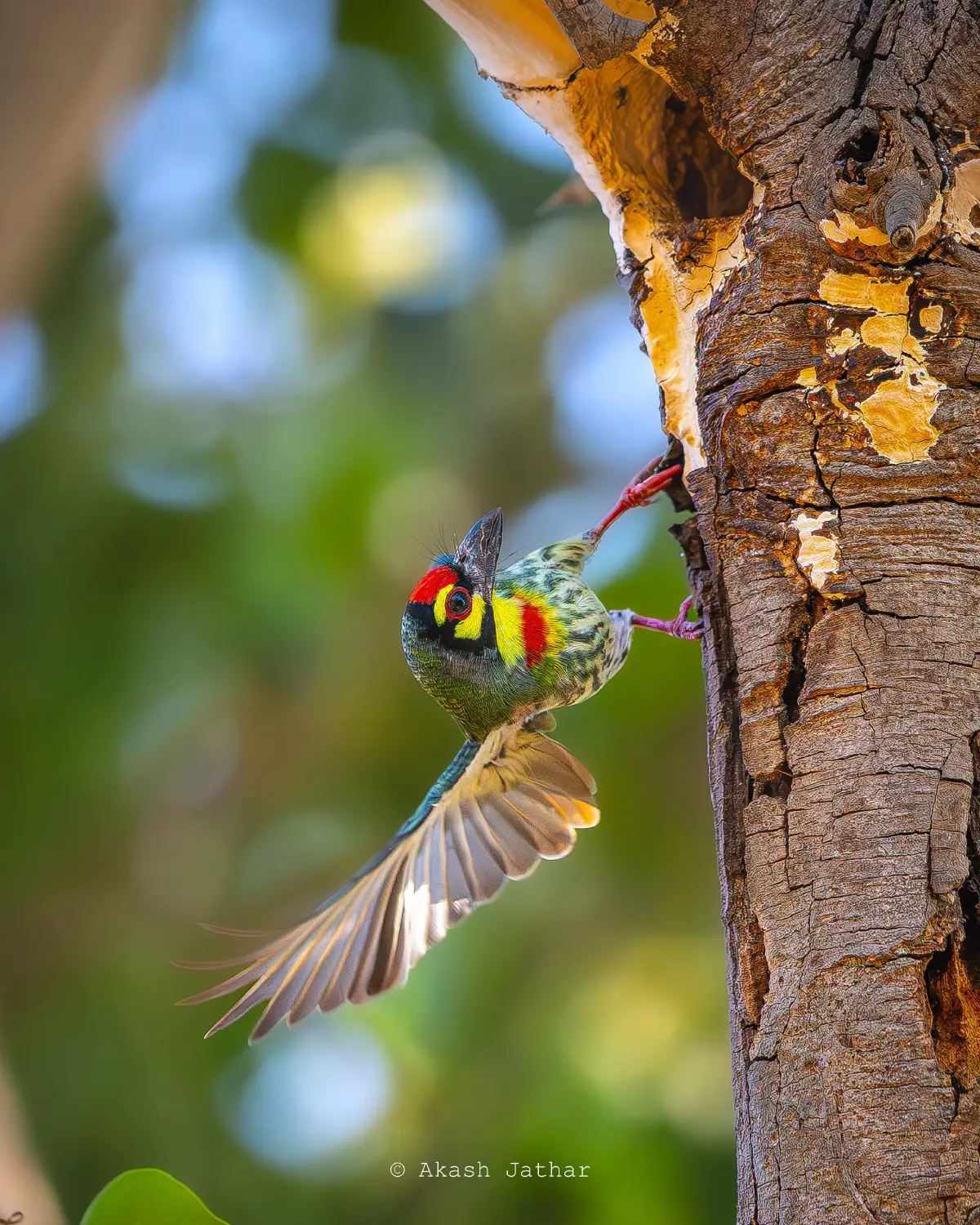
Coppersmith Barbet
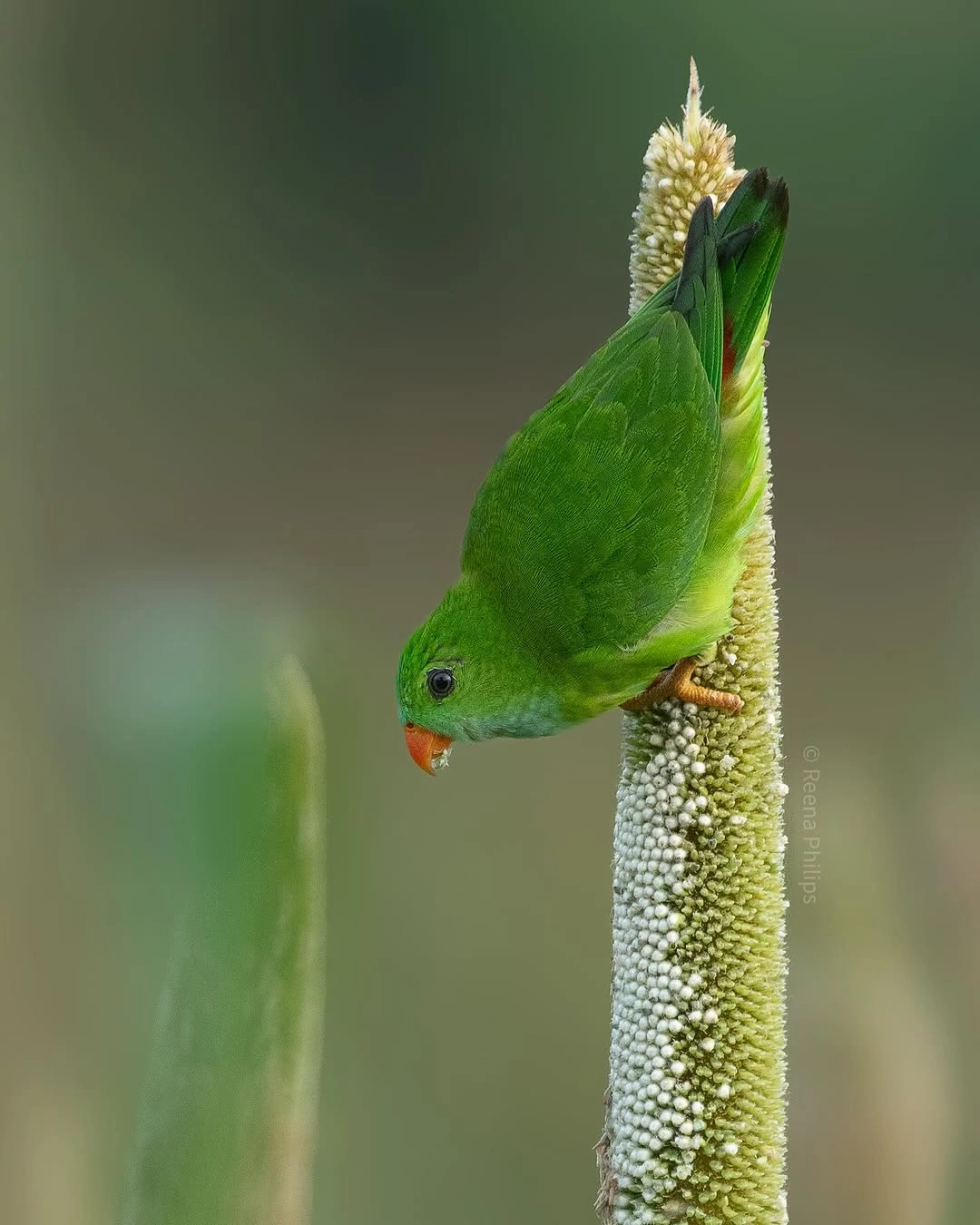
Vernal hanging-Parrot
Malabar Grey hornbill
Rufous Woodpecker
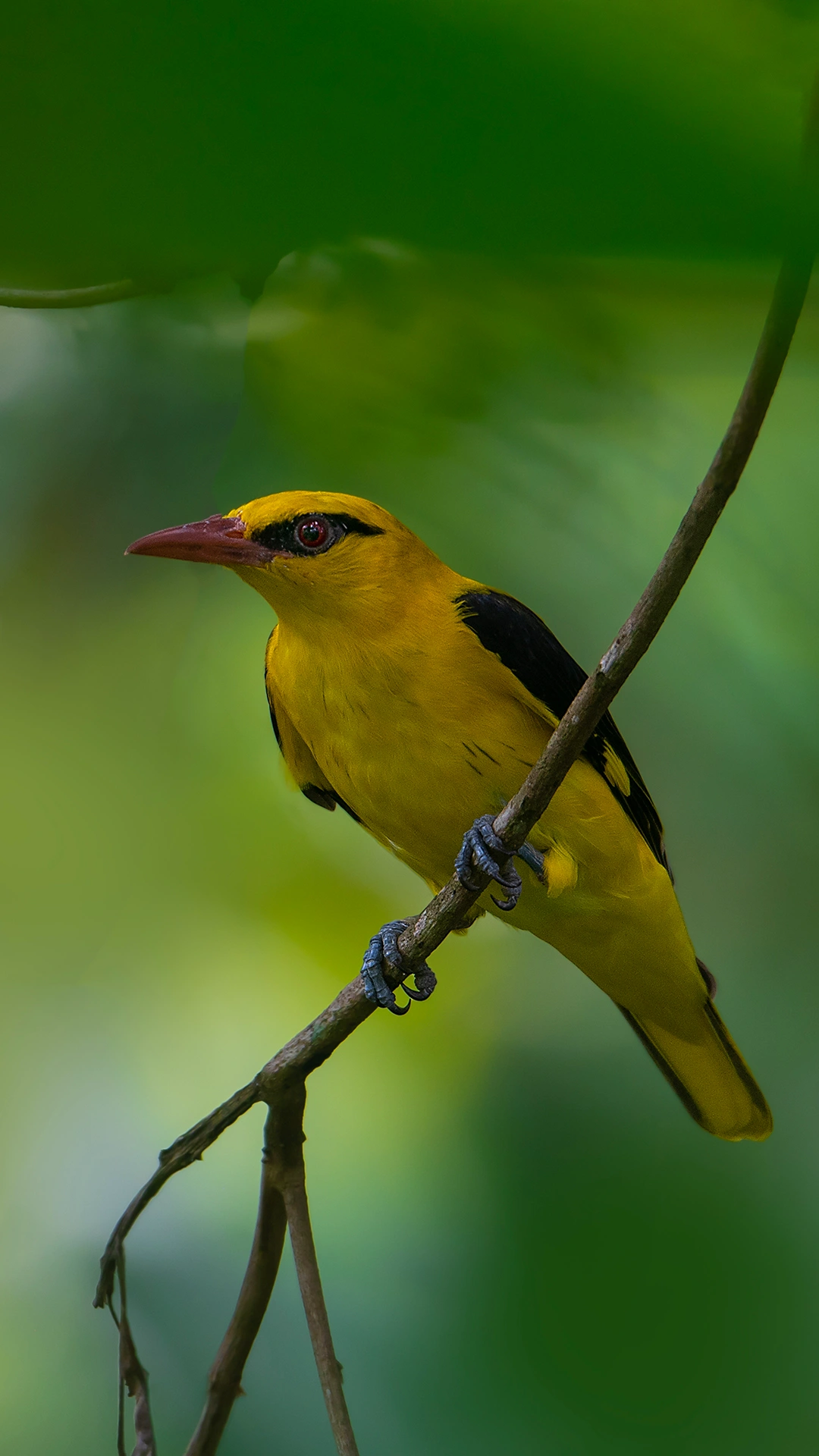
Indian Golden Oriole
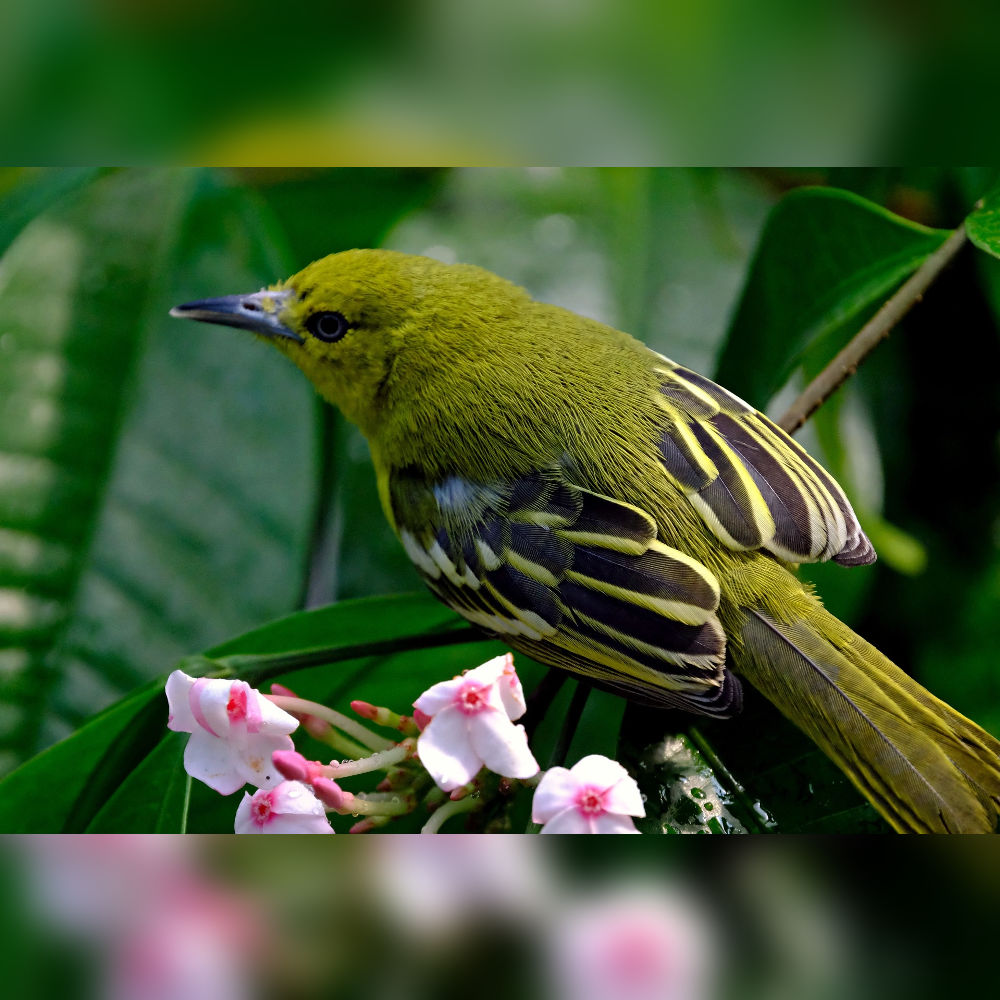
Common Iora
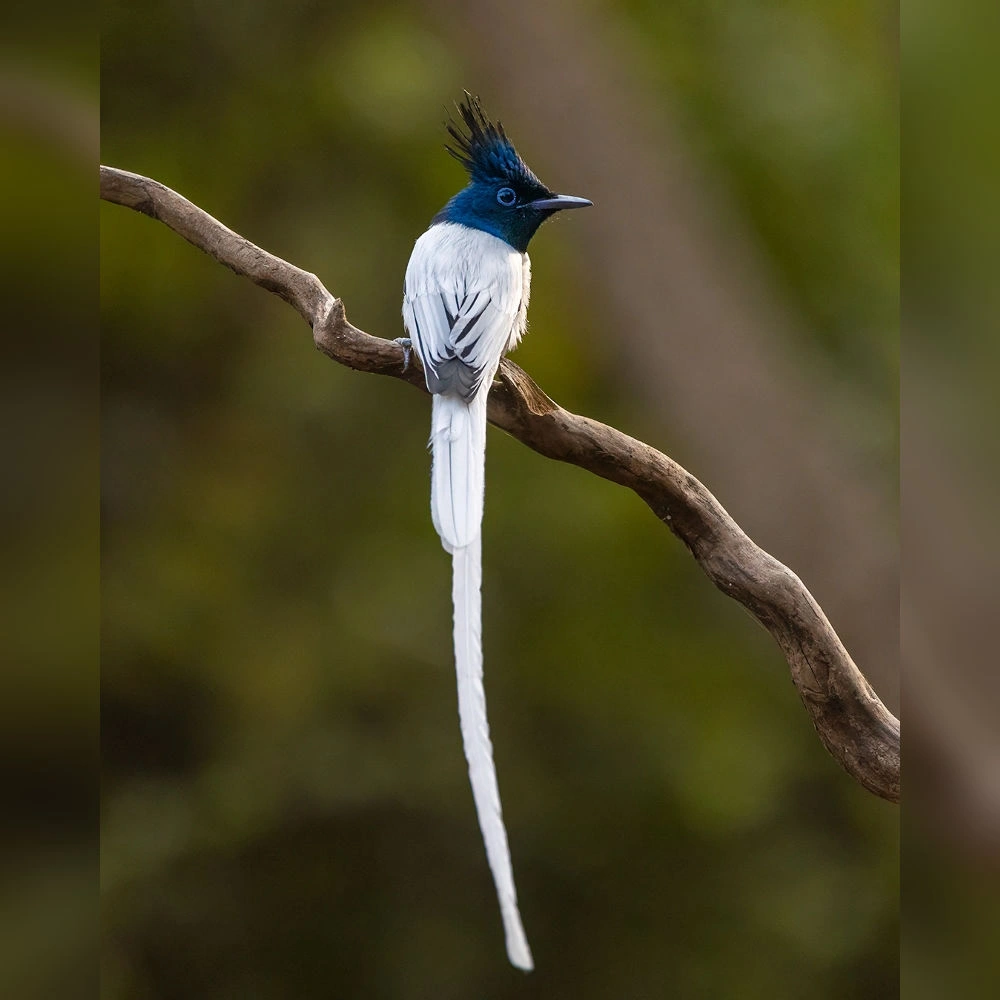
Indian Paradise Flycatcher
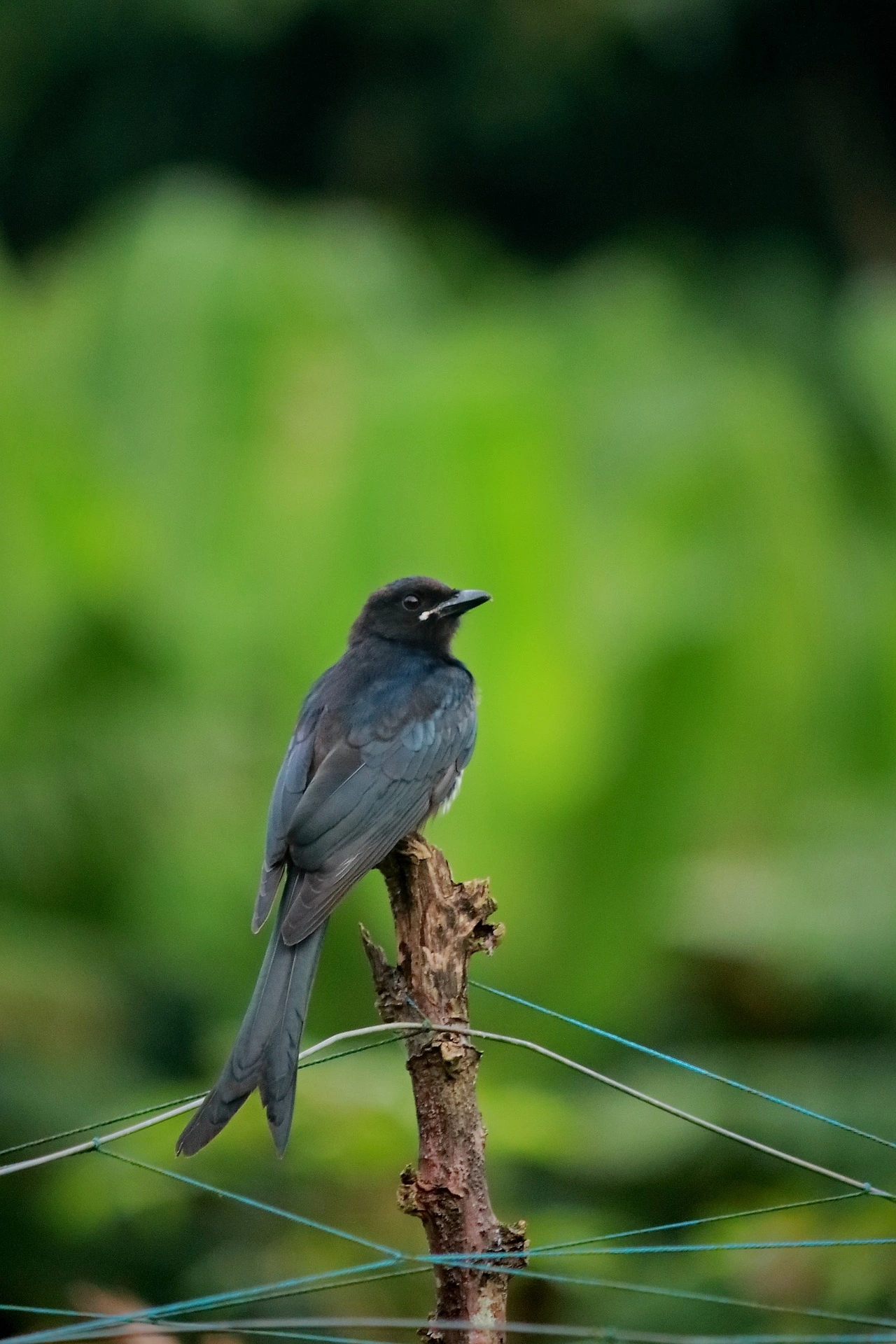
Ashy Drongo
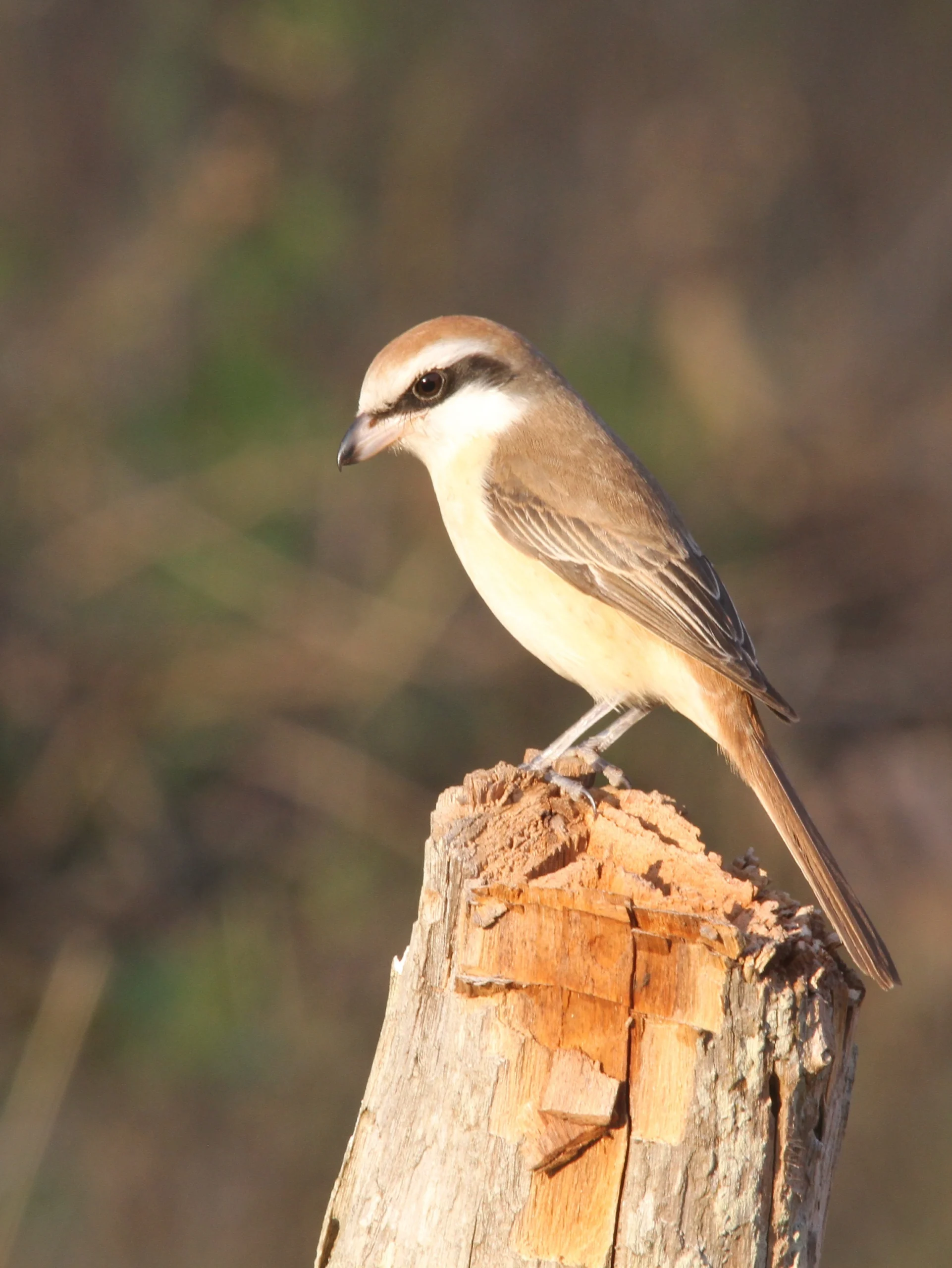
Brown Shrike
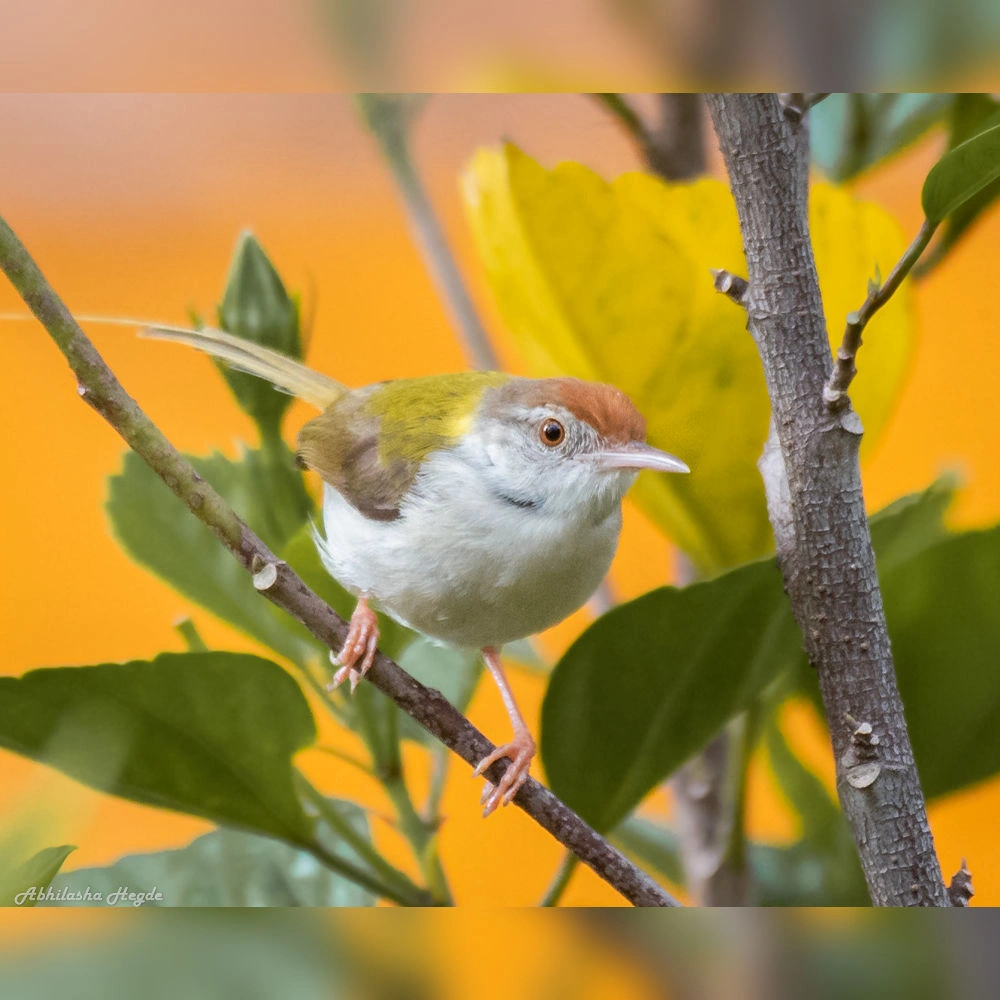
Common Tailorbird
Flame-throated Bulbul
Red-whiskered Bulbul
Scroll to Top