
Loading Events

Bird Walk at Patna Zoo, Gate no 2, Patna, Bihar

About Patna Zoo, Gate no 2

In the heart of Patna, next to Bailey Road, the Sanjay Gandhi Biological Park, better known as Patna Zoo, is one of the city’s largest green spaces. It covers more than 150 acres. Alongside its animal enclosures, the park holds a rich mix of habitats: tall old trees, shady groves, flowering shrubs, open lawns, a botanical garden and a large lake with reedy margins and wooded islands. For a city on the hot, crowded Gangetic plain, it works as a vital green lung. Butterflies, dragonflies, squirrels, fruit bats, turtles and fish all thrive among the trees and water, alongside the zoo’s captive residents.
For birders, the Gate No. 2 side of the park is a rewarding morning walk. Wild birds are everywhere. Orioles, treepies and koels fill the canopy, munias and prinias forage in the grass, and kingfishers and cormorants work the lake. In winter, migrants such as the Ruddy Shelduck and White Wagtail arrive from Central Asia and the Himalayas. Like any busy city park, though, the zoo faces pressures. Heavy visitor crowds and noise, plastic litter, and lake water polluted by runoff and algae all take a toll. Clearing undergrowth and replacing native trees with ornamental plants reduces food and shelter, and the growing city all around is cutting the park off from other green spaces. Keeping old trees, wild corners and a clean lake will help Patna Zoo stay a haven for free-flying birds.

Bird Guide: Prajjwal Kumar

He is an Ornithologist having a Post-graduate Degree in MSc. Wildlife Science (Ornithology) from Salim Ali Centre for Ornithology and Natural history

Bird walk Location

Common birds of Patna Zoo, Gate no 2

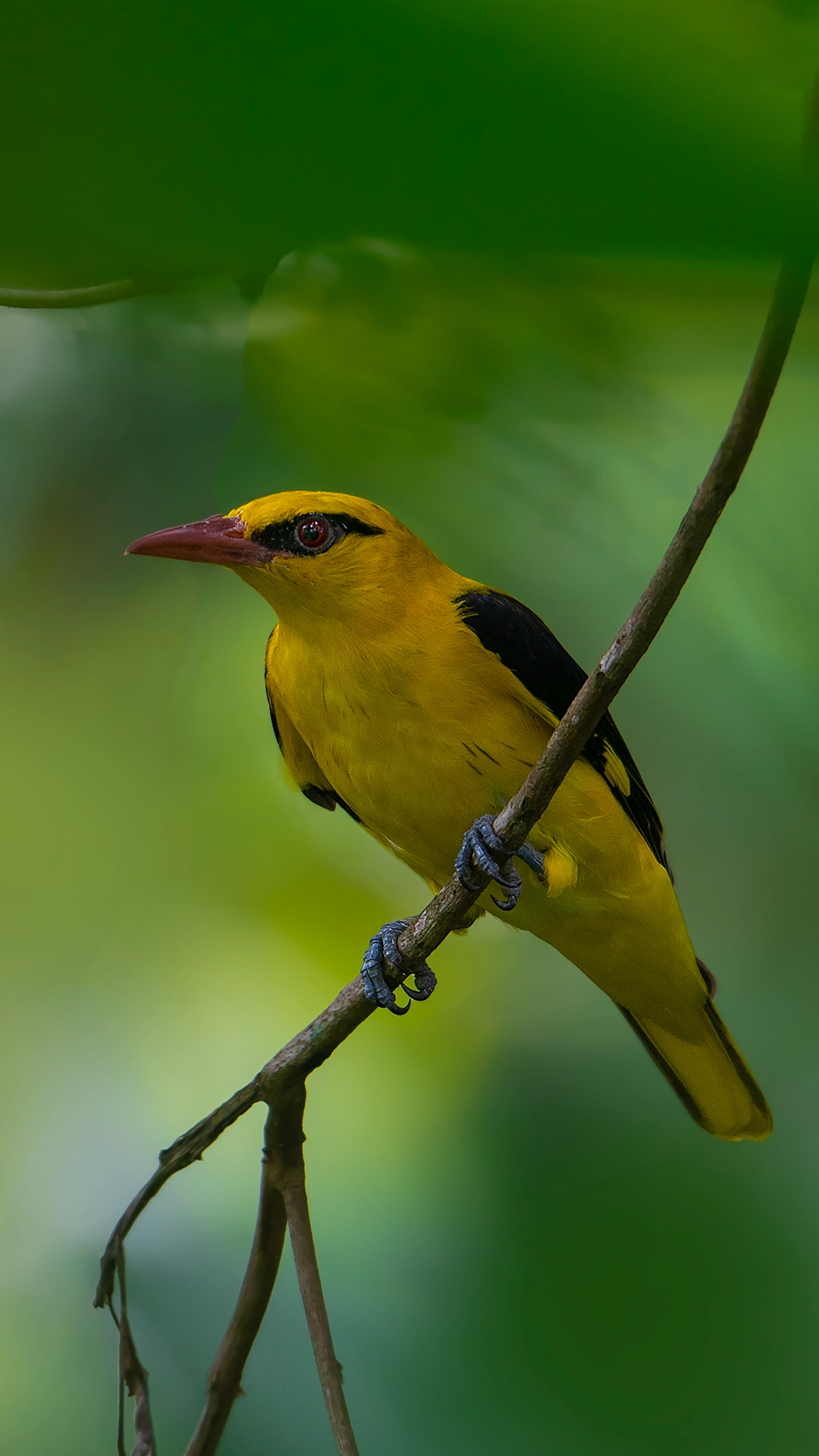
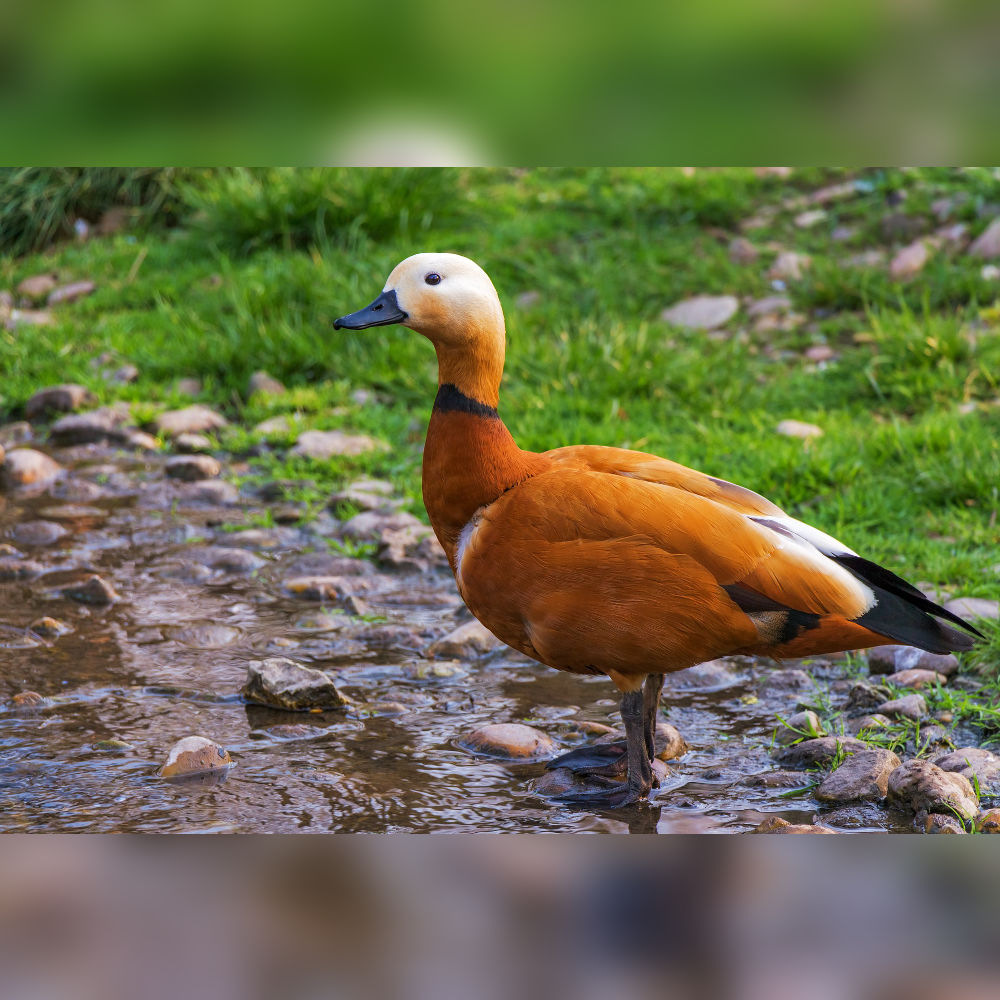
Patna Zoo’s lake brings in a striking winter visitor, the Ruddy Shelduck. This bright orange duck flies in from Central Asia, and pairs call to each other with loud, honking cries. In the trees, the Indian Golden Oriole flashes brilliant yellow, and its fluting whistle carries across the park. The White-throated Kingfisher, a flash of electric blue, calls loudly from its waterside perch. Little Cormorants dive for fish, and Indian Pond-Herons crouch at the water’s edge. Red-wattled Lapwings keep a noisy watch on the lawns, and White Wagtails, another winter migrant, bob along the paths. Rufous Treepies glide between the trees on long tails, and the Coppersmith Barbet taps out its steady “tuk-tuk” from the canopy. Black-and-white Indian Pied Starlings forage in small groups, and Scaly-breasted Munias feed quietly in the grass. The Striated Prinia calls from the tall grass, the Oriental Magpie-Robin sings sweetly, and Red-vented Bulbuls chatter in the bushes. Black Drongos watch from their perches, Greater Coucals stalk through the undergrowth, and the Asian Koel’s rising call fills the park. Overhead, Black Kites circle lazily, and Indian Jungle Crows and Common Mynas keep the park busy.

Ruddy Shelduck
Indian Golden Oriole
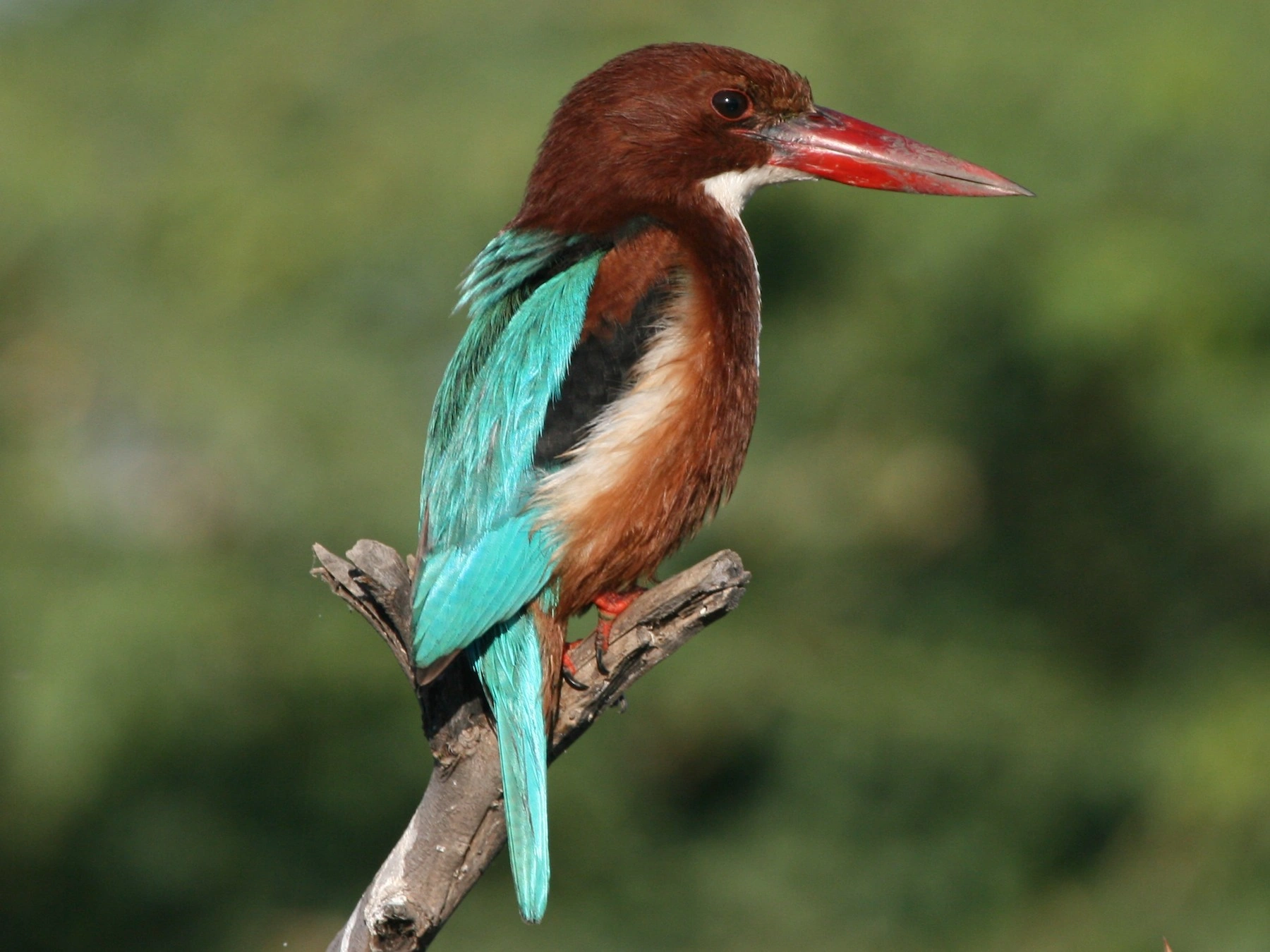
White-throated Kingfisher
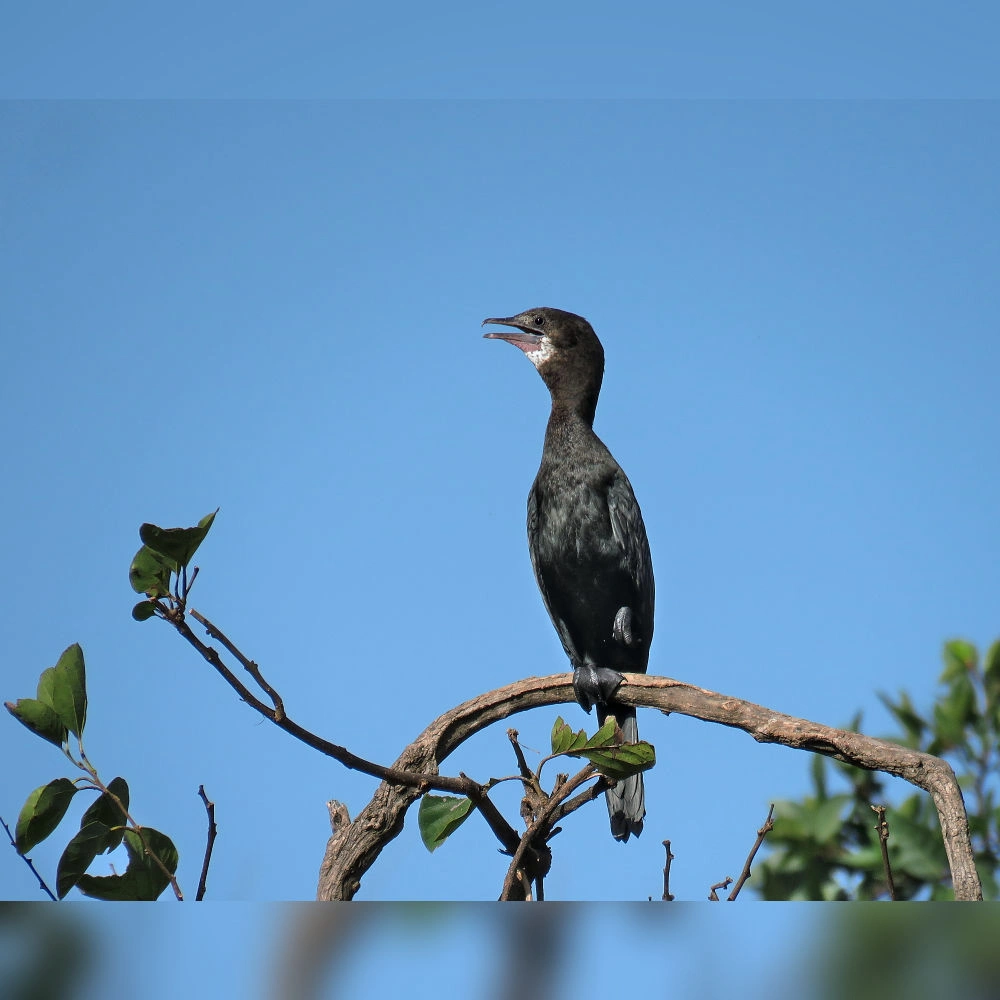
Little Cormorant
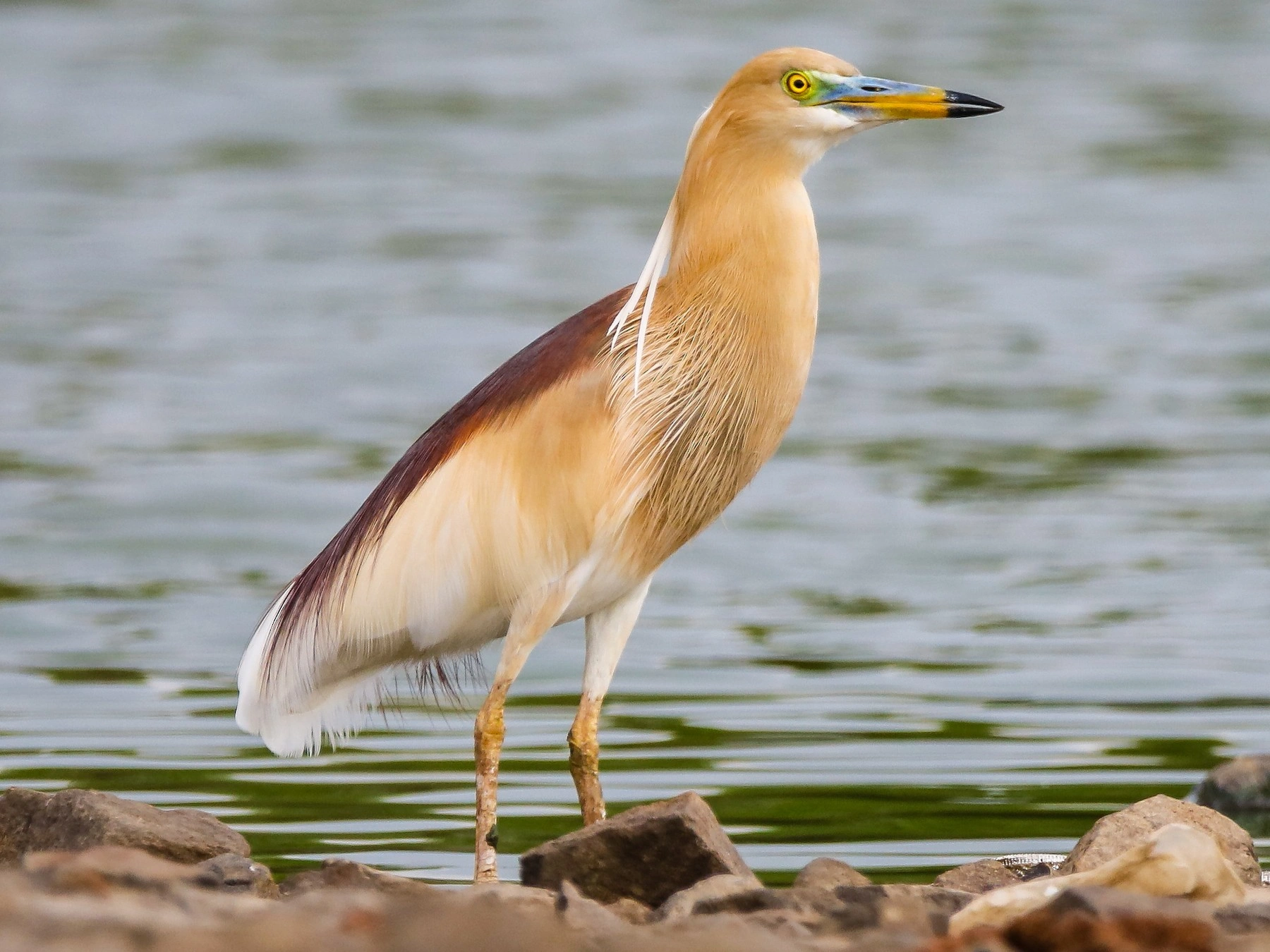
Indian Pond-Heron
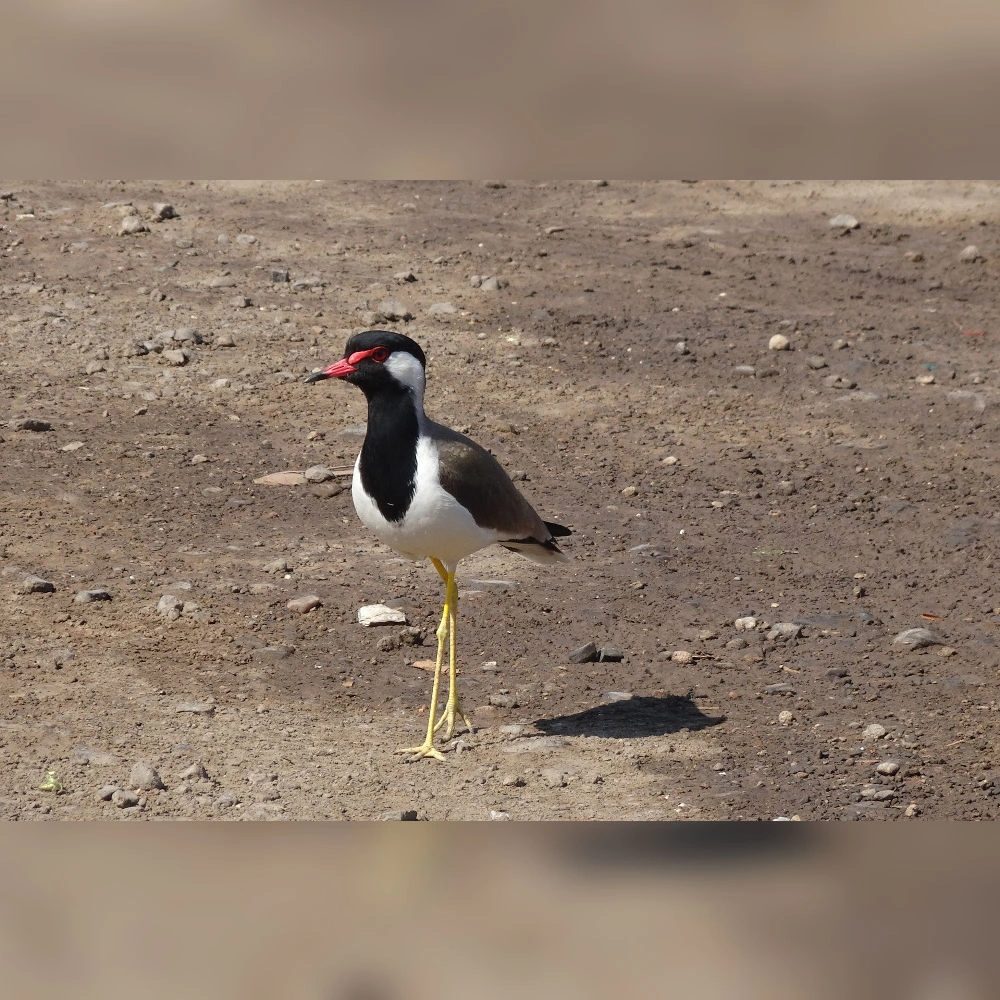
Red-wattled Lapwing
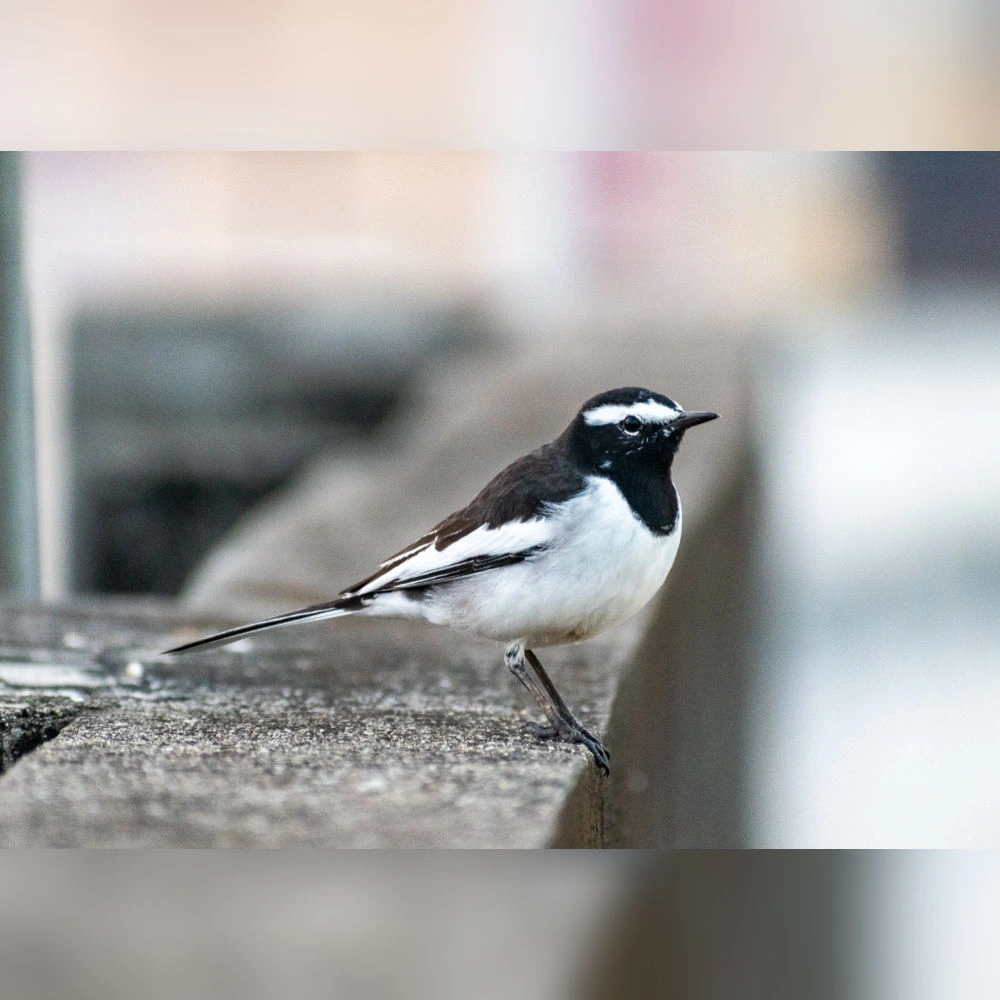
White Wagtail
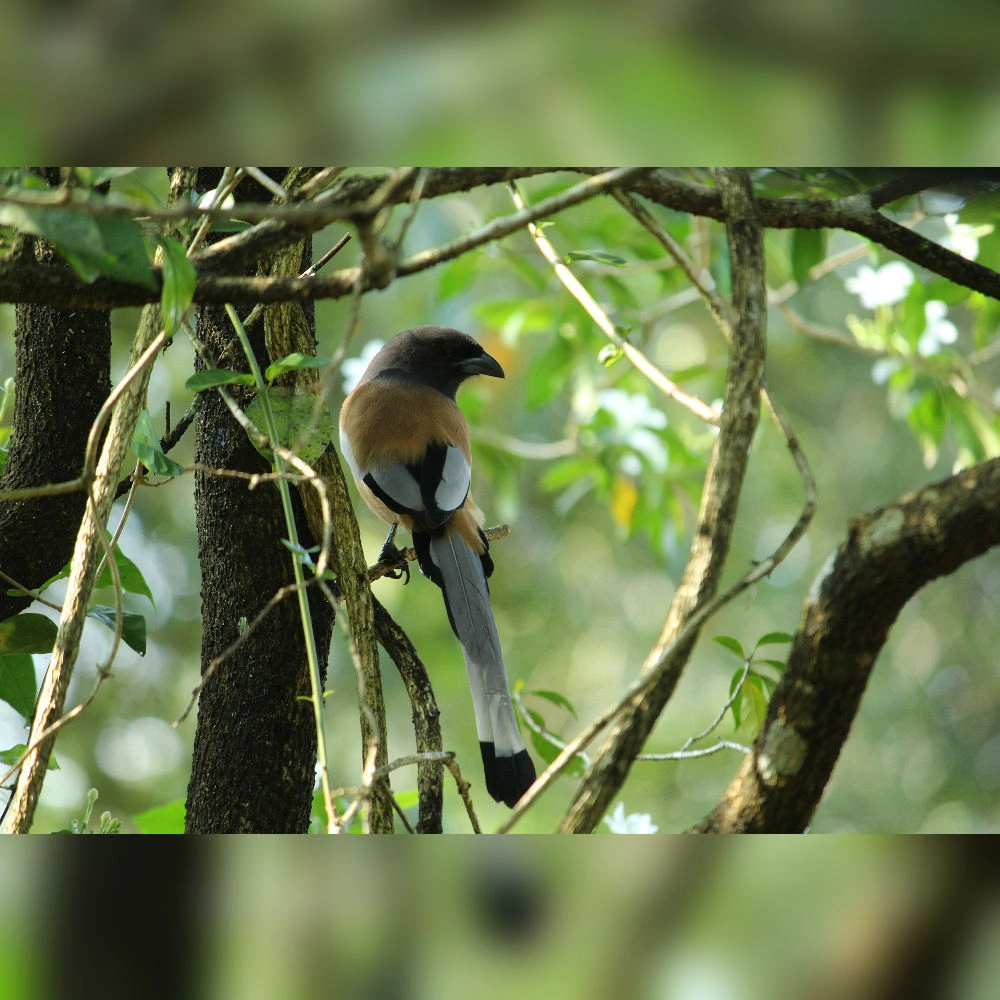
Rufous Treepie
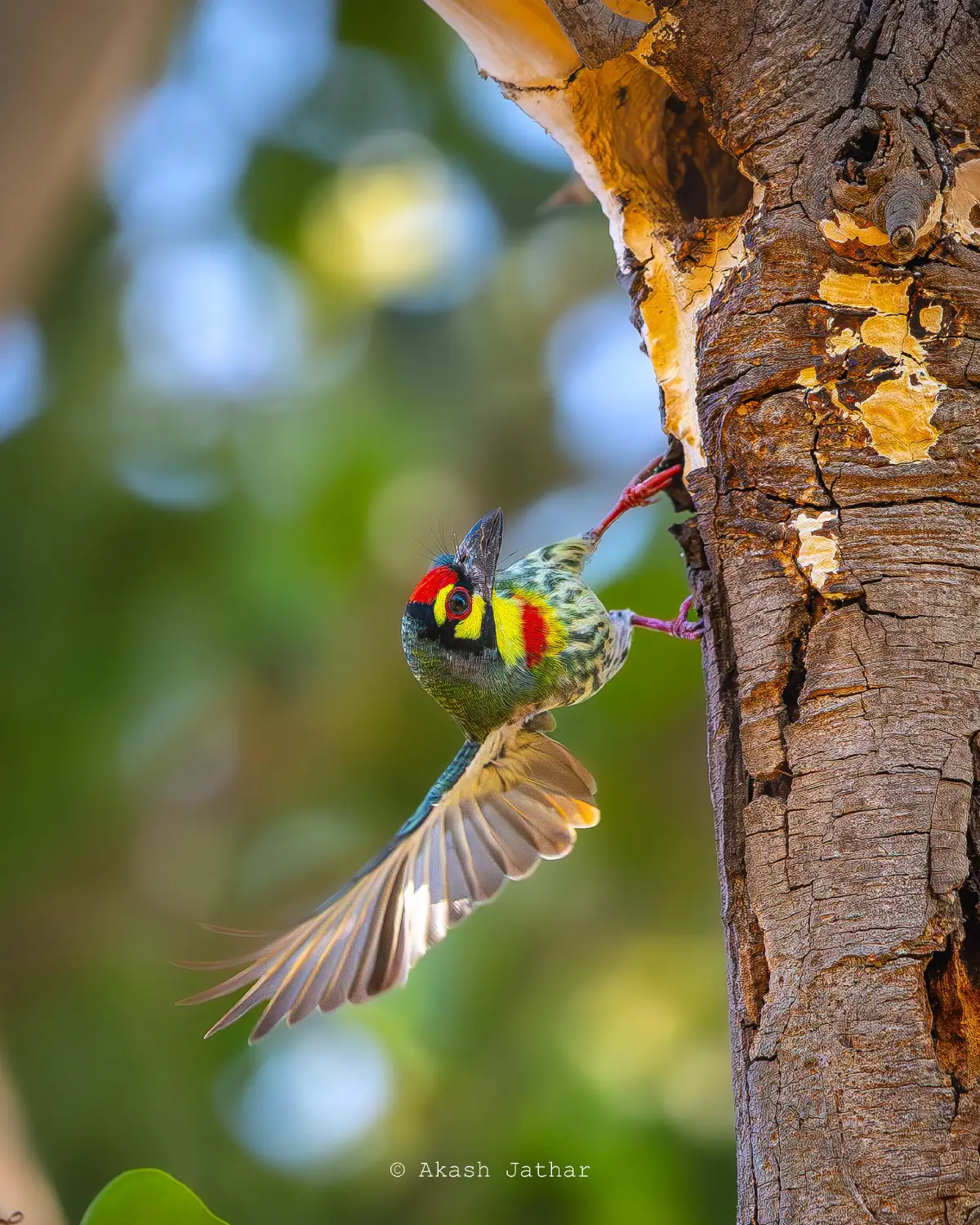
Coppersmith Barbet
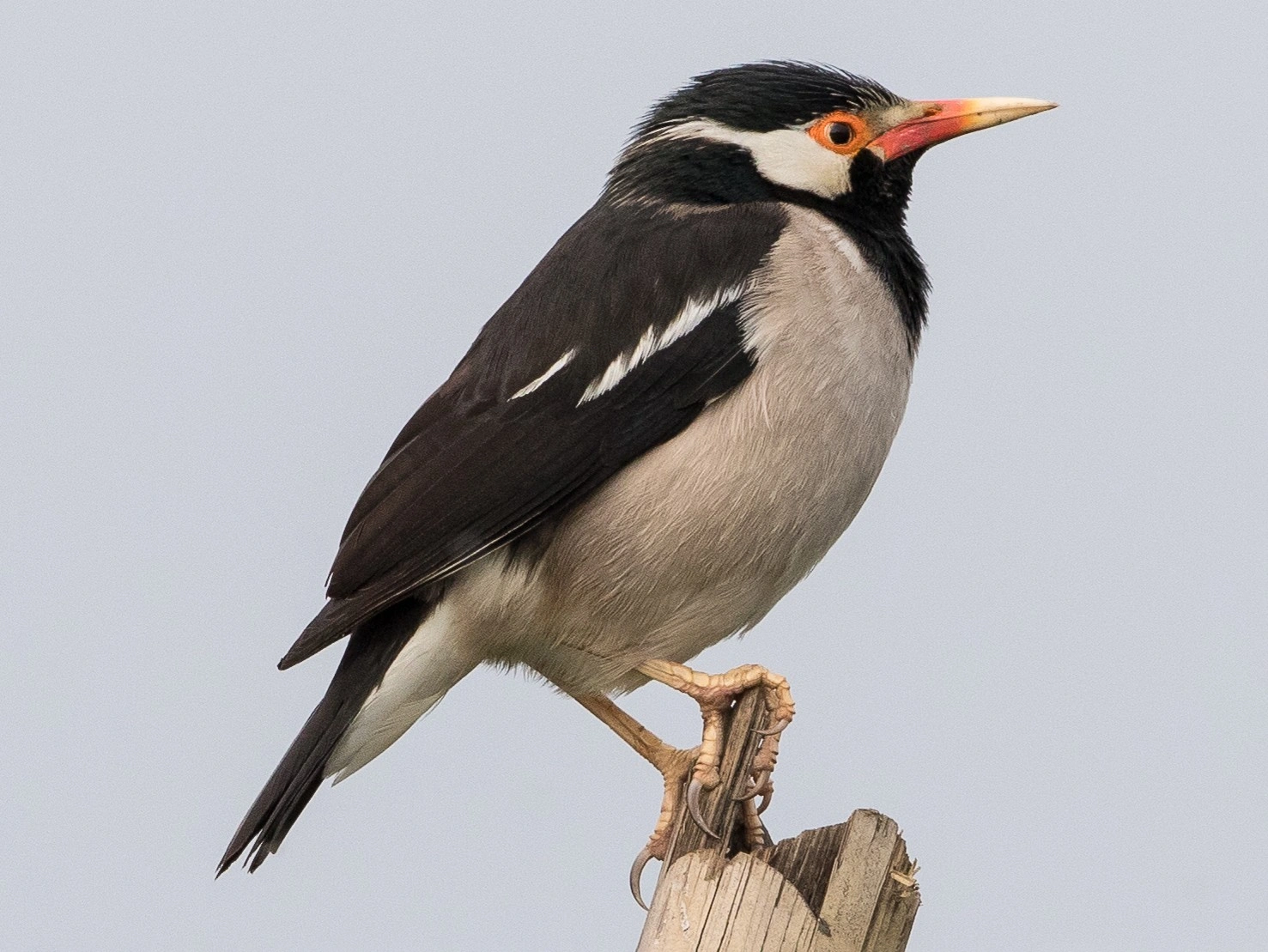
Indian Pied Starling
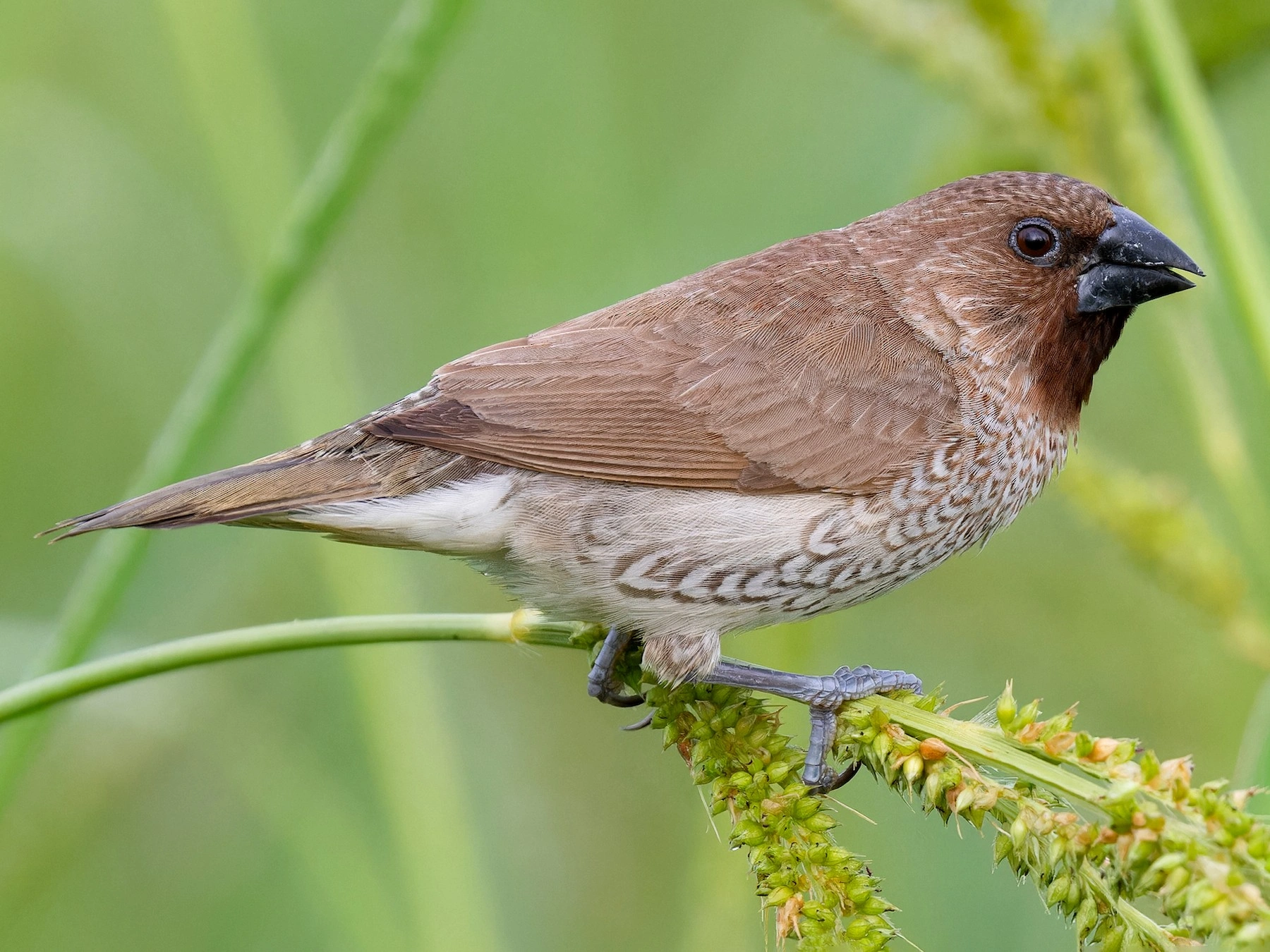
Scaly-breasted Munia
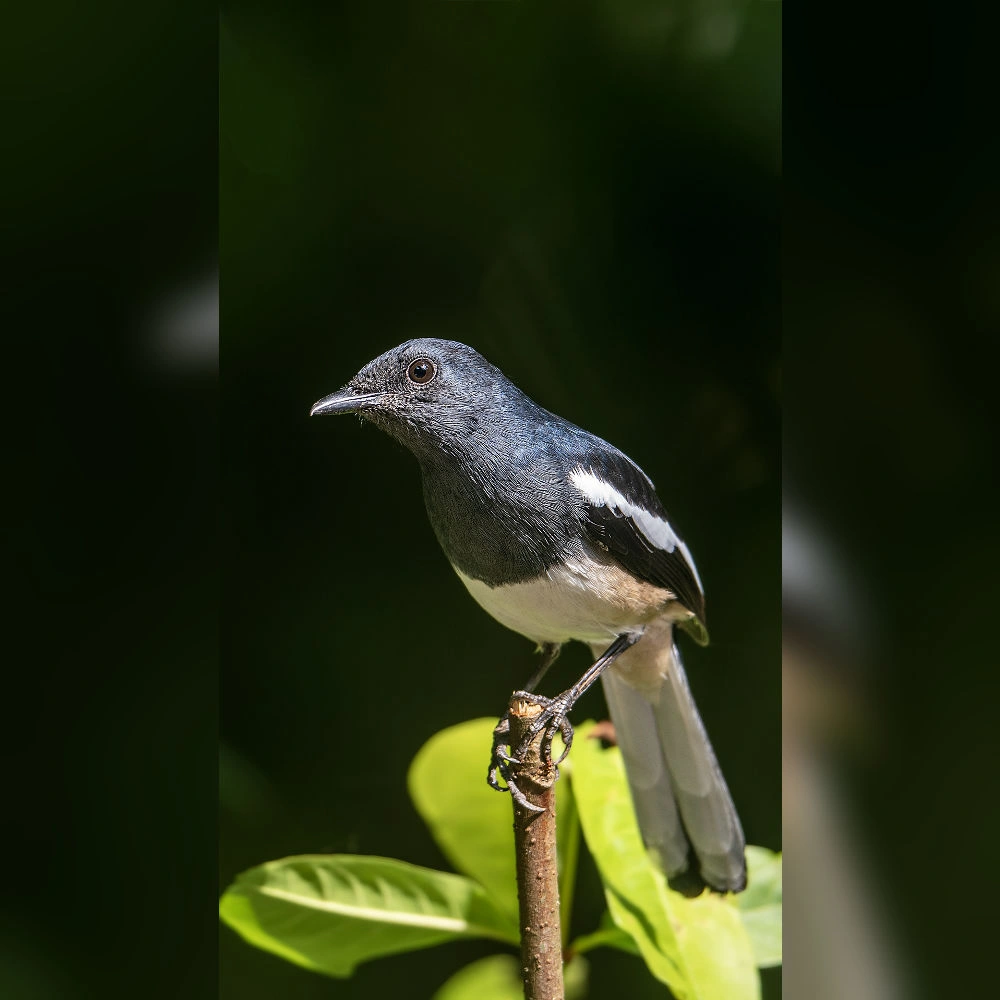
Oriental Magpie-Robin
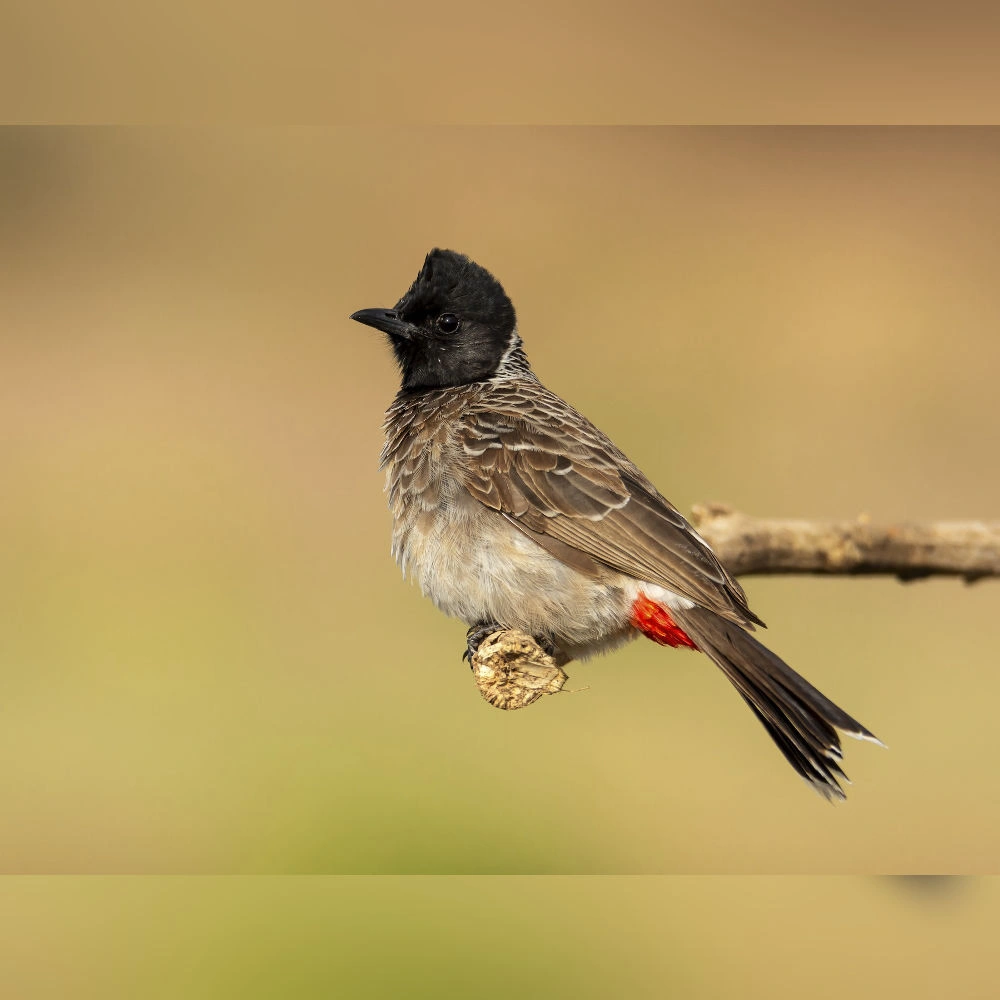
Red-vented Bulbul
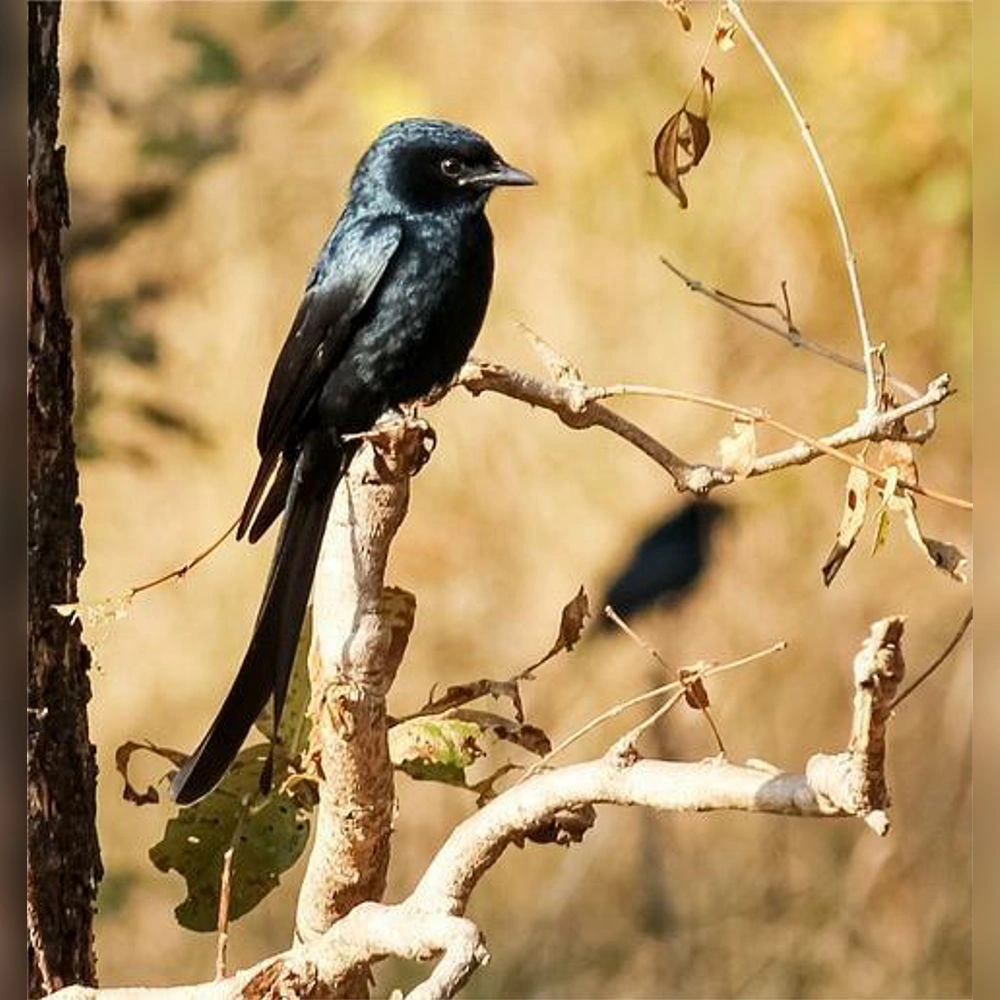
Black Drongo
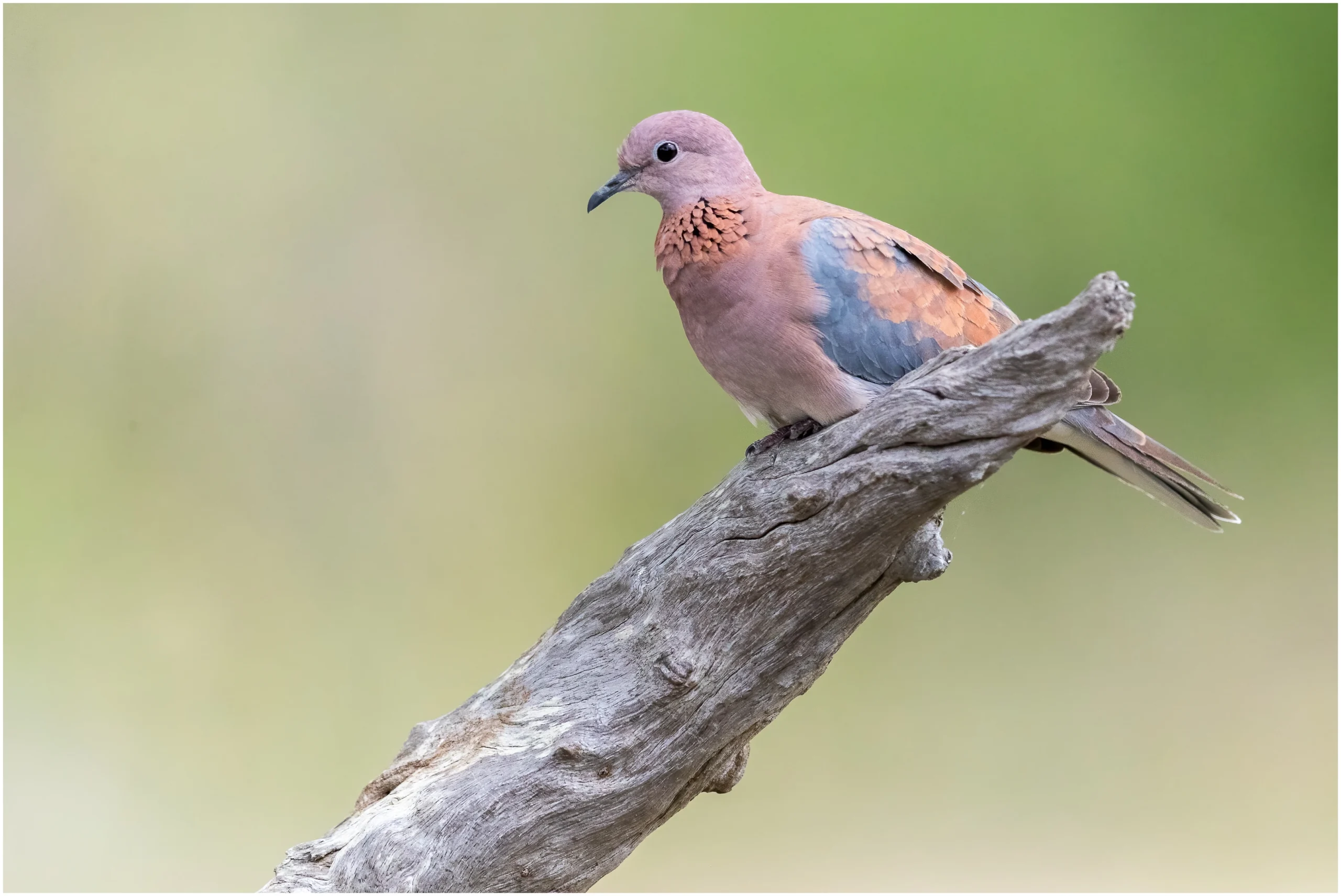
Laughing Dove
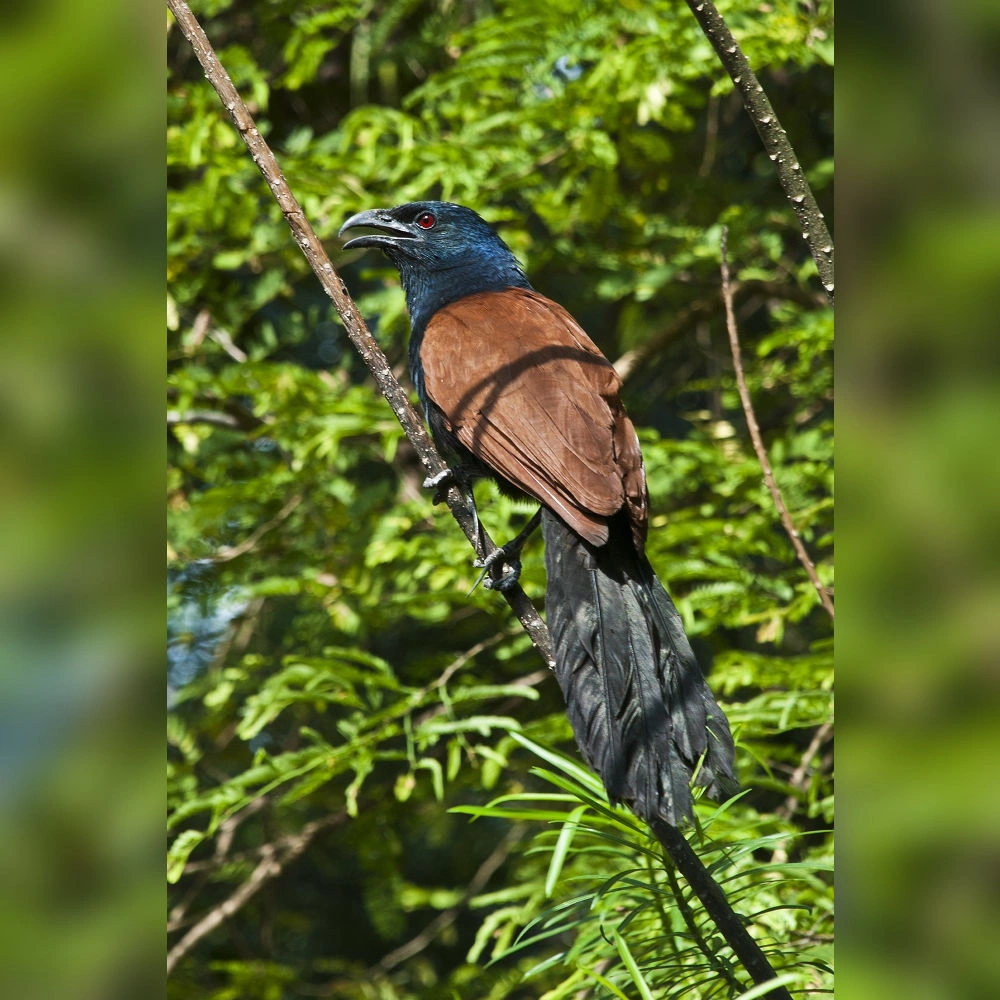
Greater Coucal
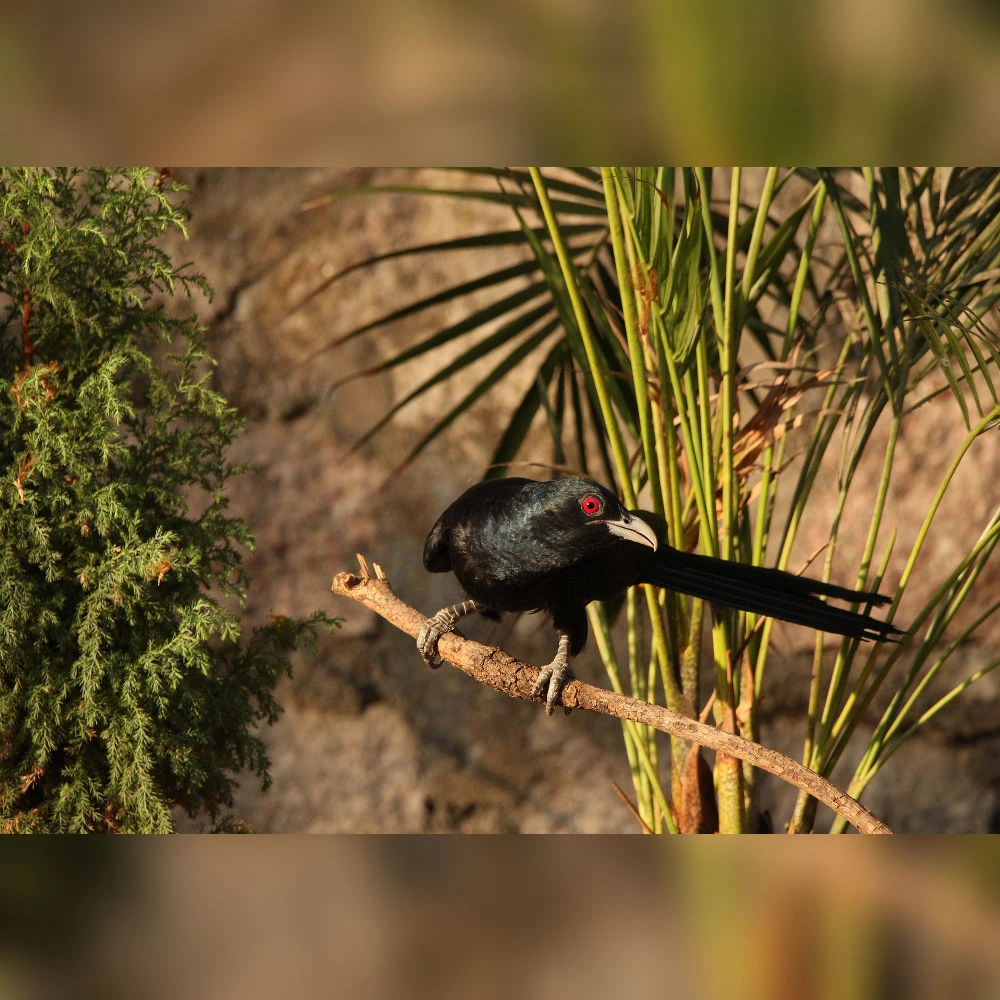
Asian Koel
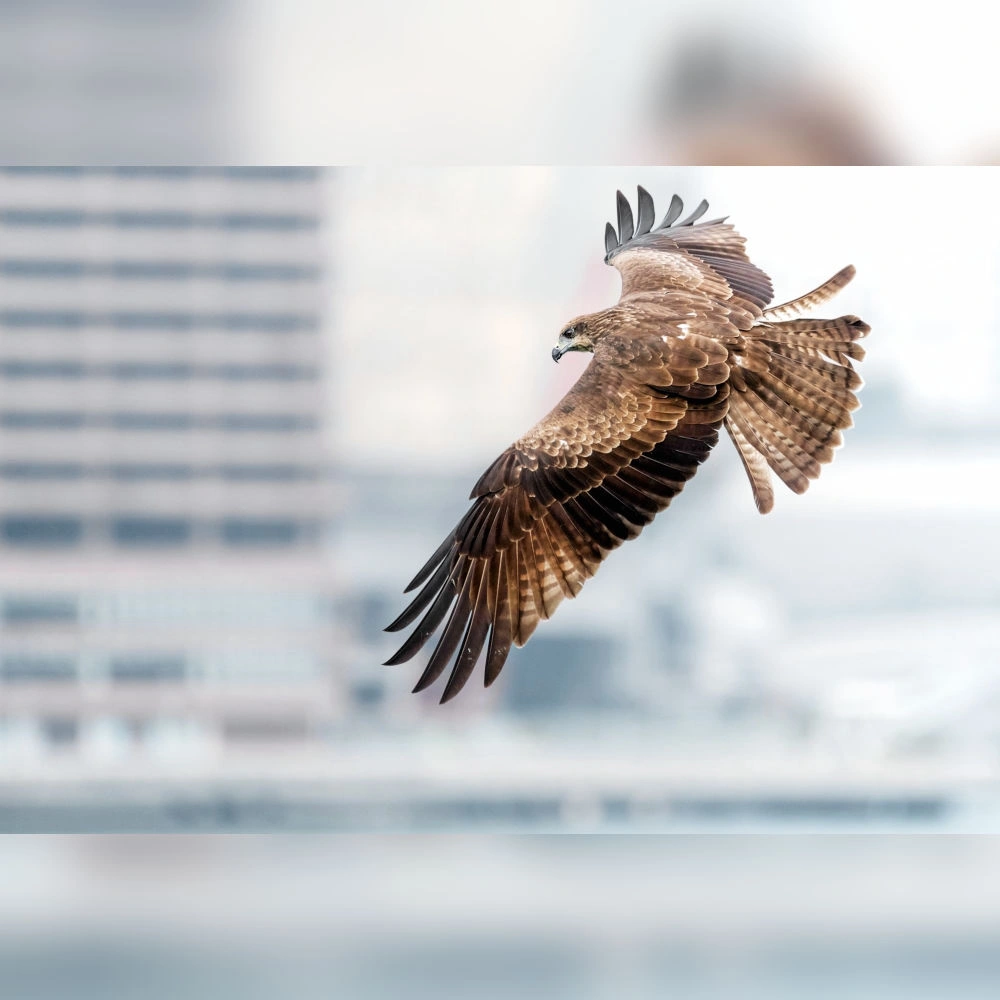
Black Kite
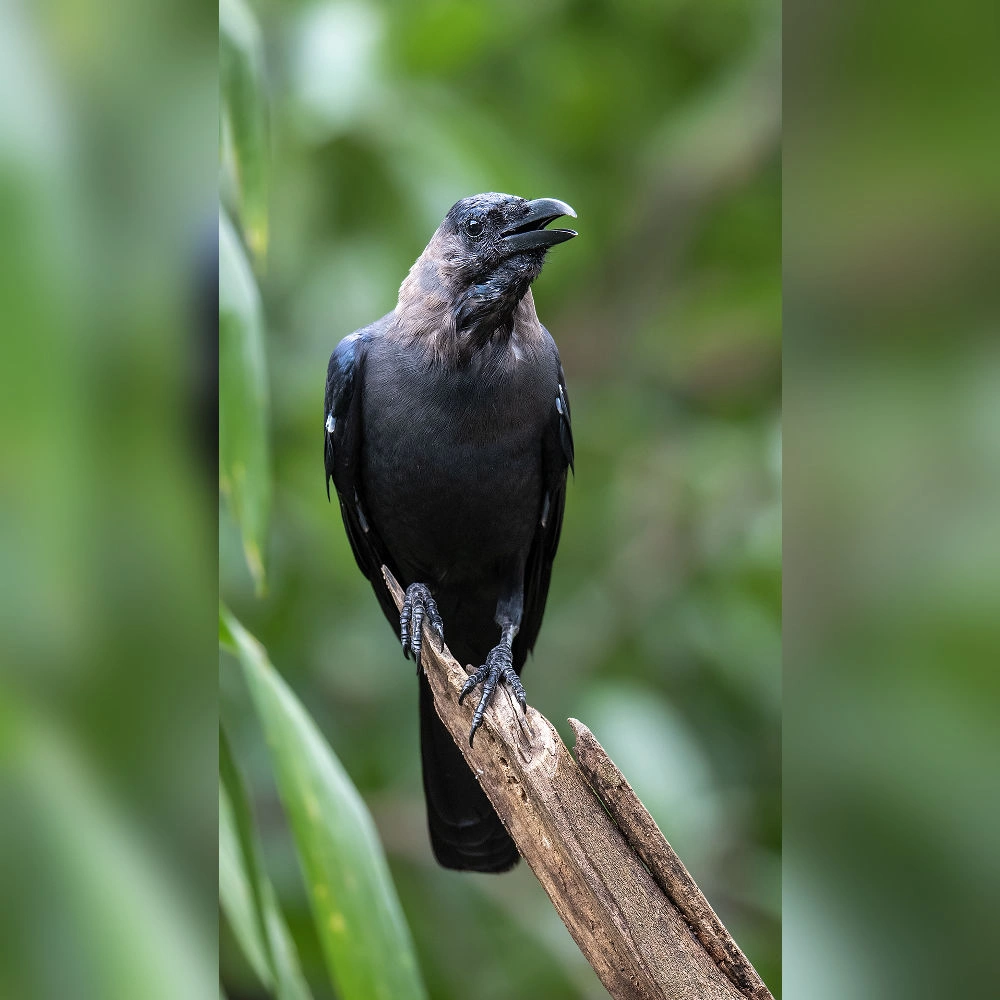
House Crow
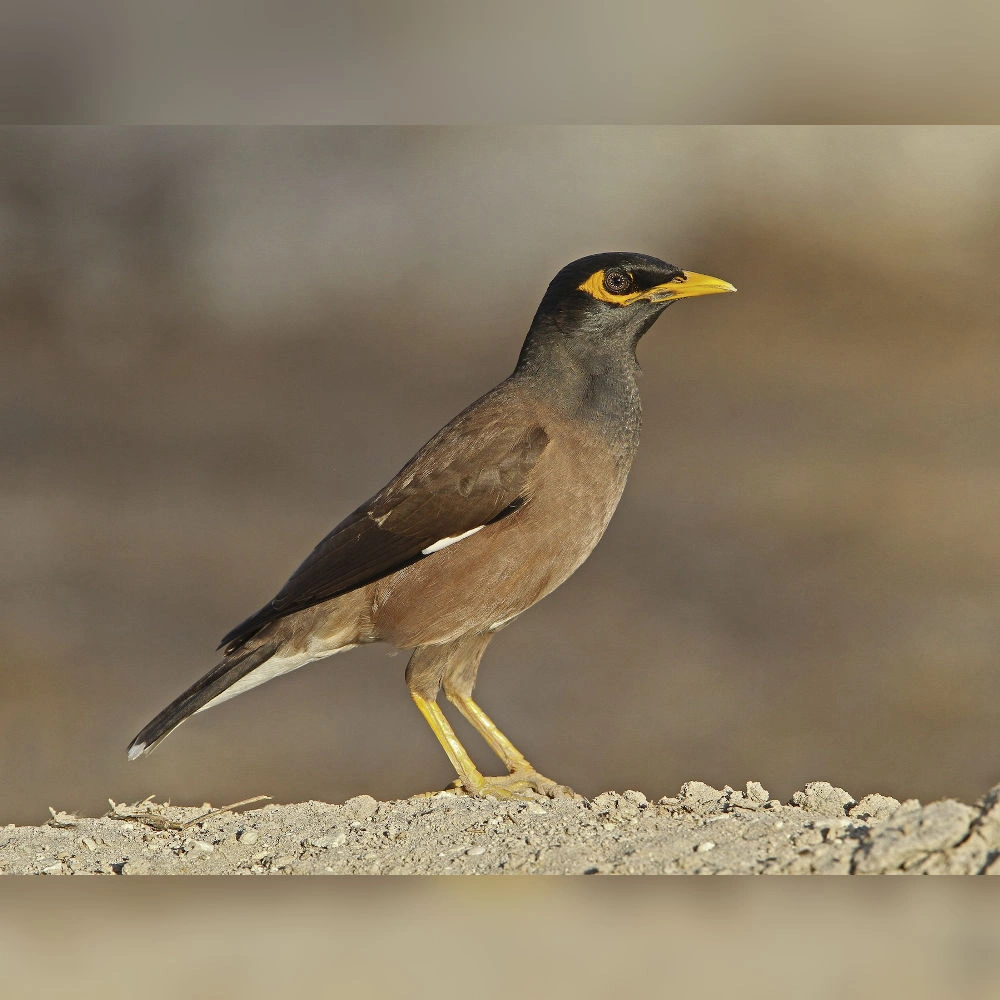
Common Myna
Scroll to Top