
Loading Events

Bird Walk at Perumbakkam/ Sholinganallur Marshland , Chennai, TN

About Perumbakkam–Sholinganallur Marshland

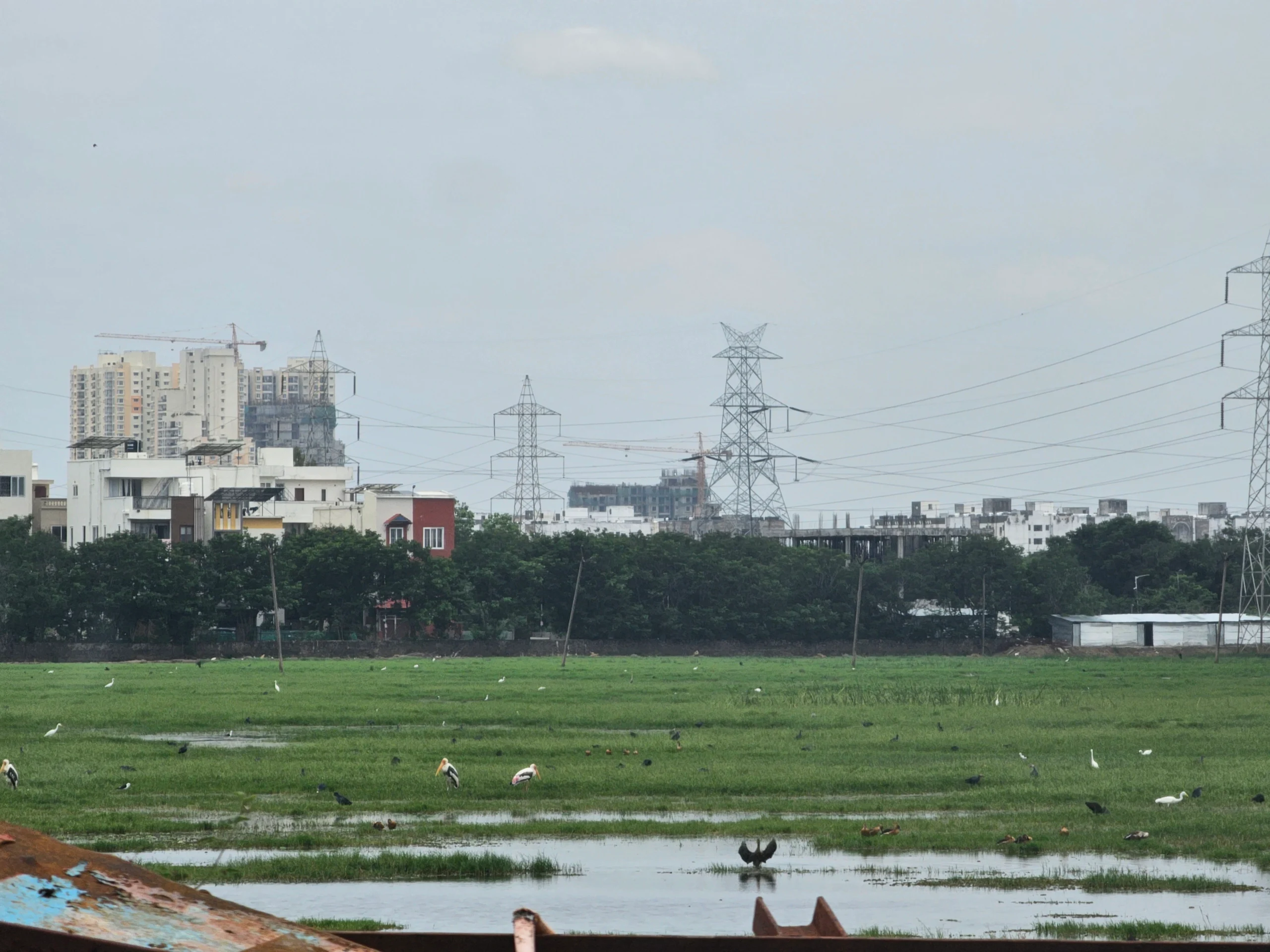
The Perumbakkam–Sholinganallur Marshland is one of the important remaining wetland landscapes within the rapidly urbanising southern part of Chennai. Located along the Old Mahabalipuram Road and surrounded by the neighbourhoods of Perumbakkam, Sholinganallur and Medavakkam, the marshland forms part of the Pallikaranai wetland ecosystem. Its mosaic of shallow wetlands, open water, marshy vegetation, grasslands and seasonal inundated areas provides habitat for a wide range of aquatic and terrestrial wildlife.
The marsh is particularly significant for birdwatching, supporting resident wetland birds as well as migratory species that use the landscape during their seasonal movements. Open waters and marshy edges attract herons, egrets, ibises, ducks, waders and kingfishers, while the surrounding scrub and grassland provide habitat for smaller passerines and raptors. Despite its ecological importance, the wetland faces considerable pressure from urban expansion, habitat fragmentation, pollution, invasive vegetation and changes in water flow. Protecting the remaining marshland and maintaining its natural hydrology are essential for conserving Chennai’s wetland biodiversity. For birdwatchers, the Perumbakkam–Sholinganallur marsh remains an important urban refuge and an excellent place to experience the city’s wetland birdlife.

Bird Guide: Francis Anish

He is an ornithologist and avid birdwatcher with over three years of research experience at the Salim Ali Centre for Ornithology and Natural History (SACON), Coimbatore. His work includes research on the Critically Endangered White-bellied Heron, reflecting his strong interest in bird conservation and ecology. Beyond research, he regularly explores the field as a passionate birder, deepening his understanding of bird behavior and habitats. He has also volunteered as a bird expert for the Tamil Nadu Forest Department's raptor survey in Mudumalai Tiger Reserve, contributing to important wildlife monitoring and conservation efforts.
Bird walk Location

Common birds of Perumbakkam–Sholinganallur Marshland

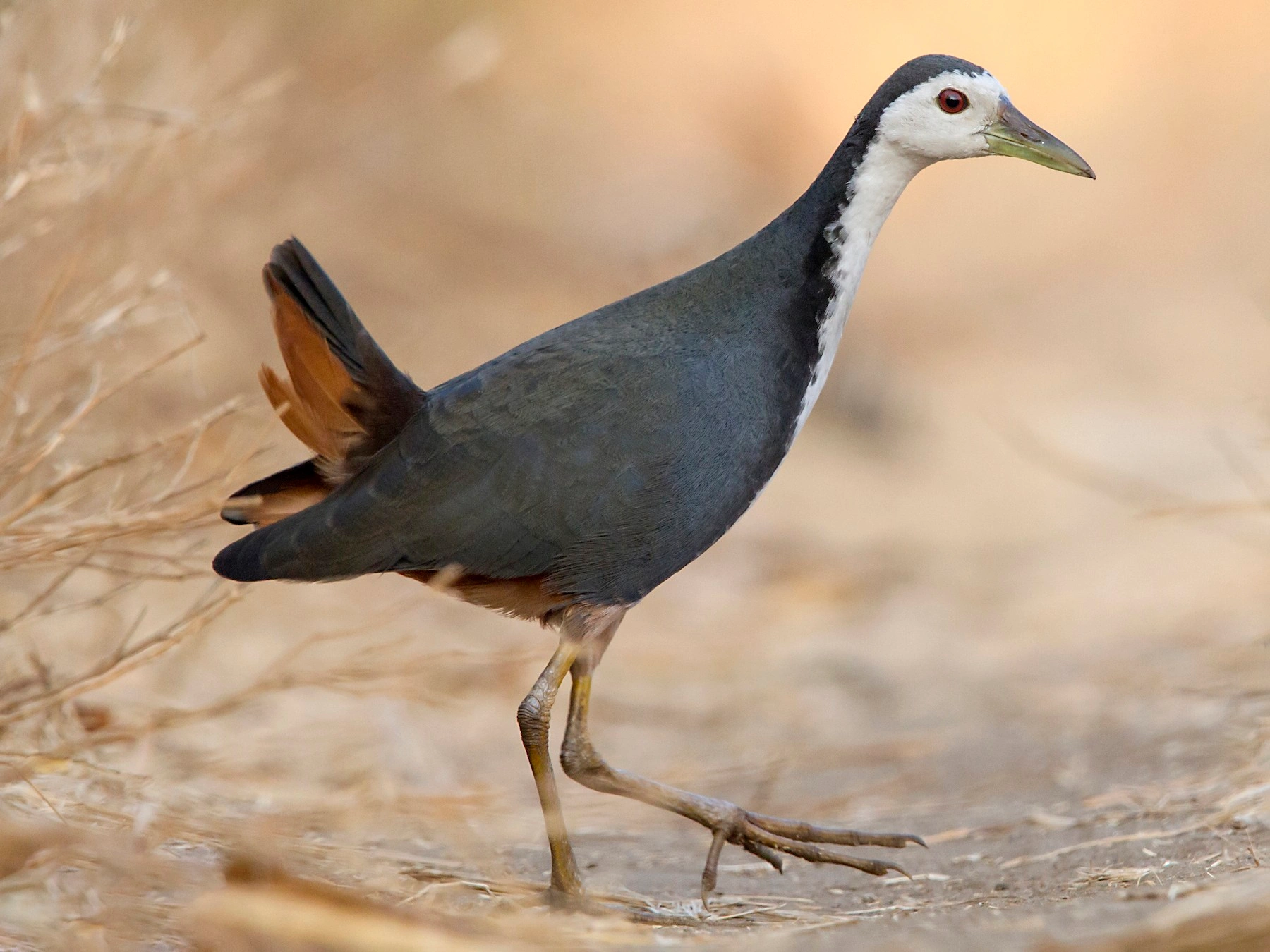
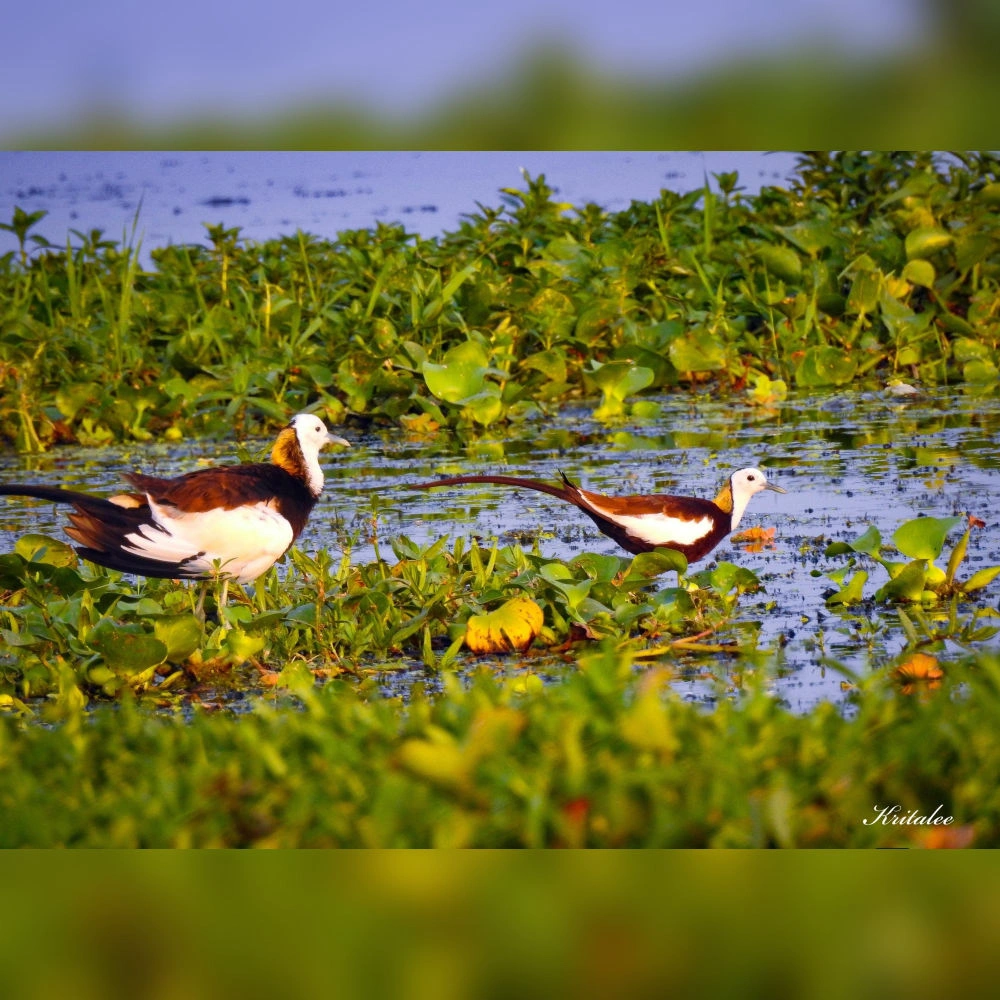
The Perumbakkam–Sholinganallur Marshland supports a rich assemblage of wetland and grassland birds, highlighting the ecological importance of this urban wetland landscape. Its open waters and marshy edges provide suitable habitat for waterbirds such as Pheasant-tailed Jacana, Bronze-winged Jacana, Black-winged Stilt, Eurasian Moorhen, Eurasian Coot and Gray-headed Swamphen. Ducks including Fulvous Whistling-Duck, Lesser Whistling Duck and Indian Spot-billed Duck can also be found across the wetland, while waders such as Wood Sandpiper make use of shallow water and muddy margins. Larger wetland birds including Painted Stork, Spot-billed Pelican, Glossy Ibis, Gray Heron, Purple Heron and various egrets add to the diversity. Indian Cormorant, Oriental Darter and Little Grebe are associated with the open water, while White-breasted Waterhen and Zitting Cisticola occupy marshy vegetation and grassland edges. Asian Palm Swift further adds to the bird diversity of the landscape. Together, these species demonstrate the importance of the marshland as a feeding, resting and breeding habitat for a variety of wetland birds within Chennai’s rapidly urbanising surroundings.
Pheasant-tailed Jacana
White-breasted Waterhen
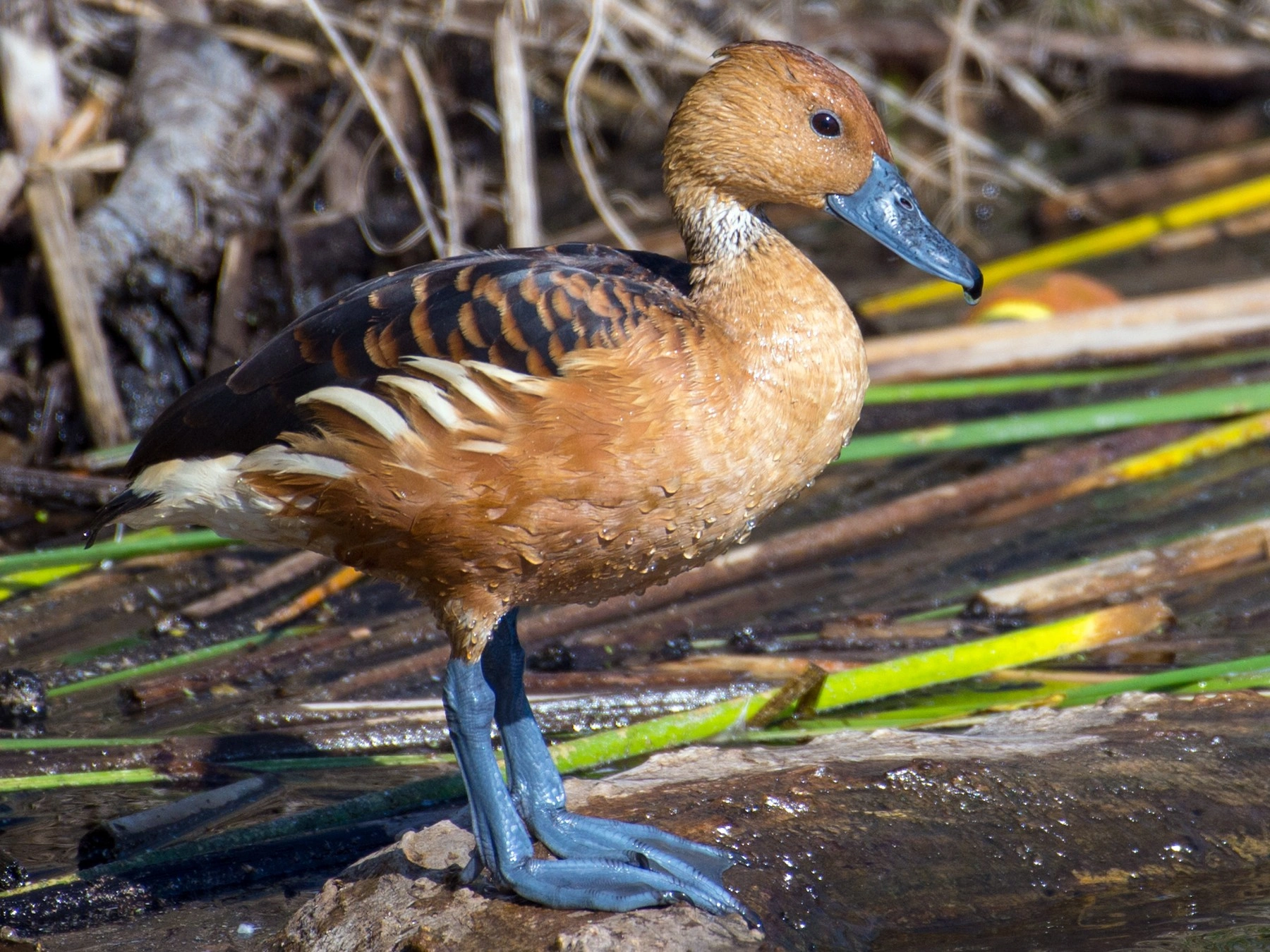
Fulvous Whistling-Duck
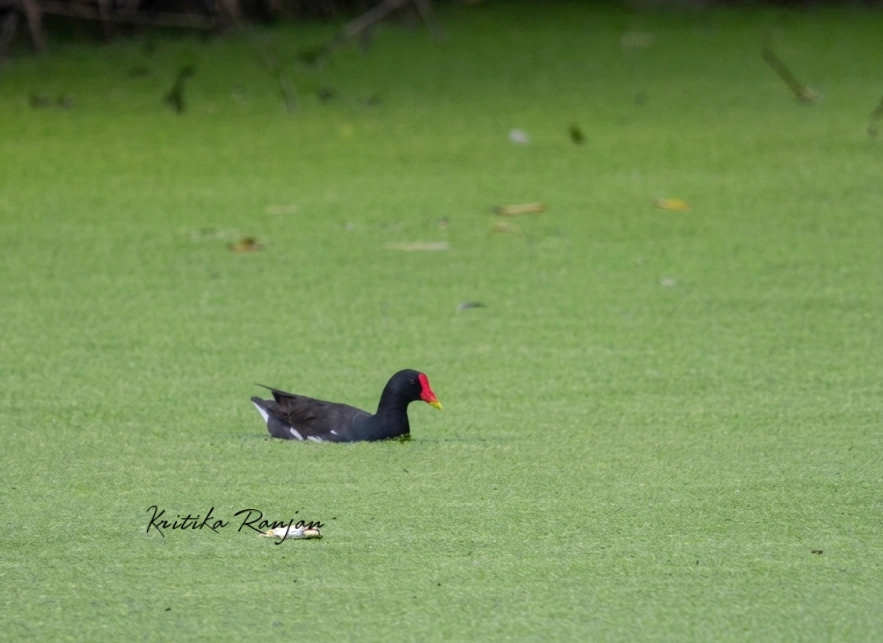
Eurasian Moorhen
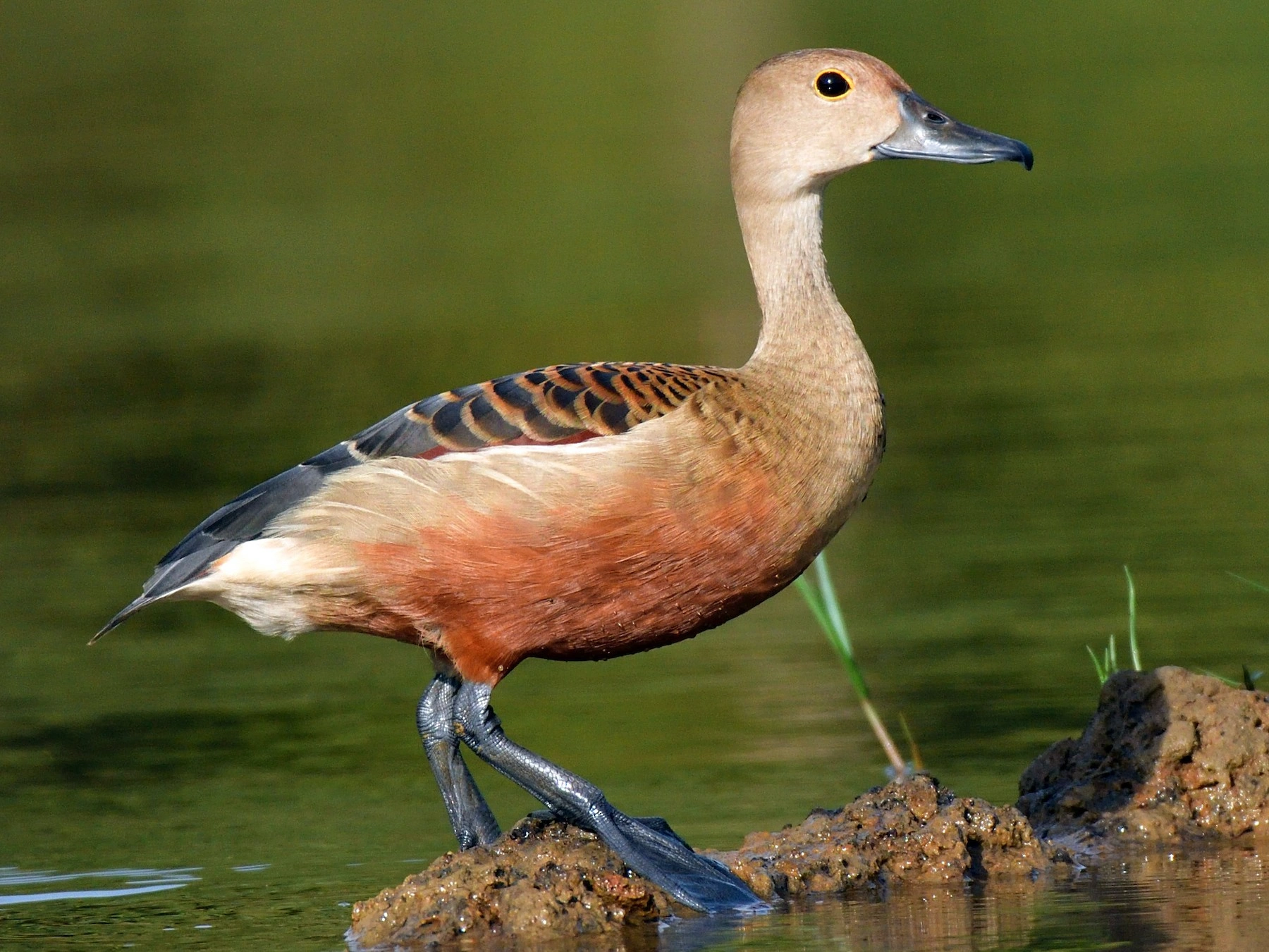
Lesser Whistling Duck
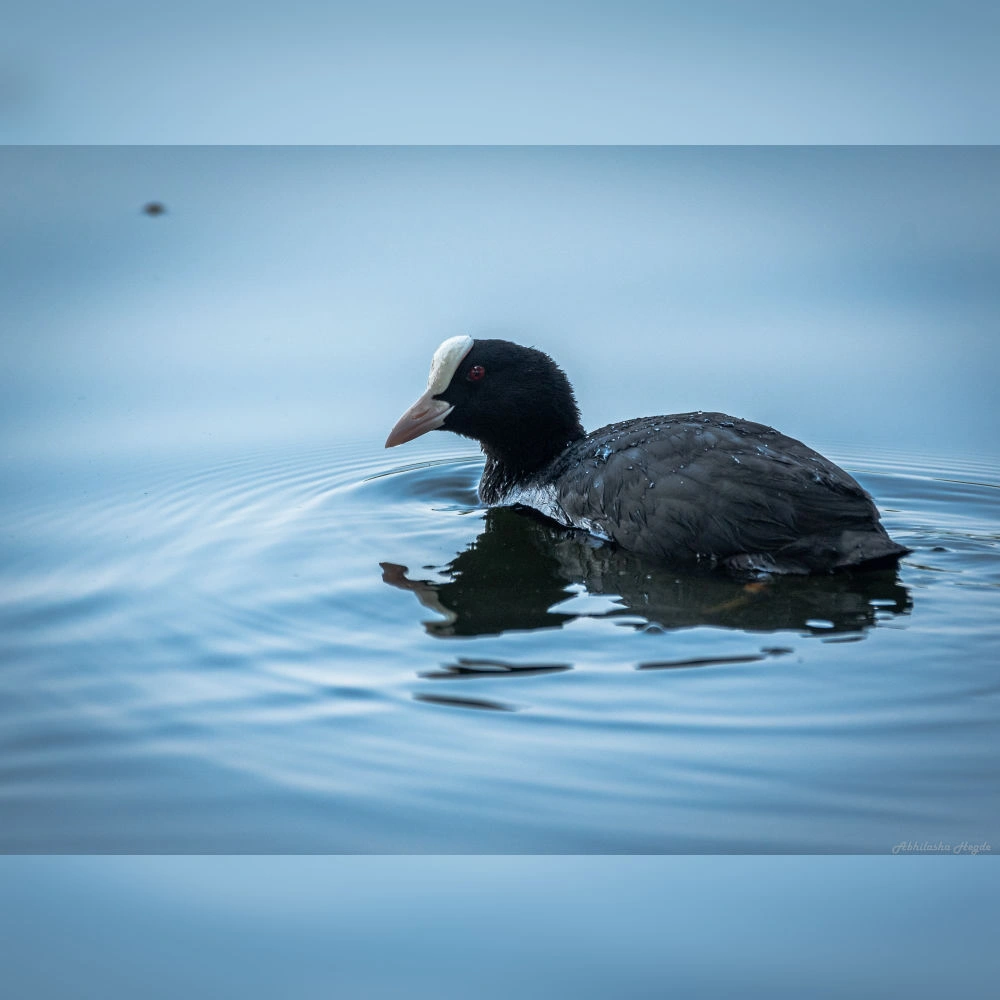
Eurasian Coot
Wood Sandpiper
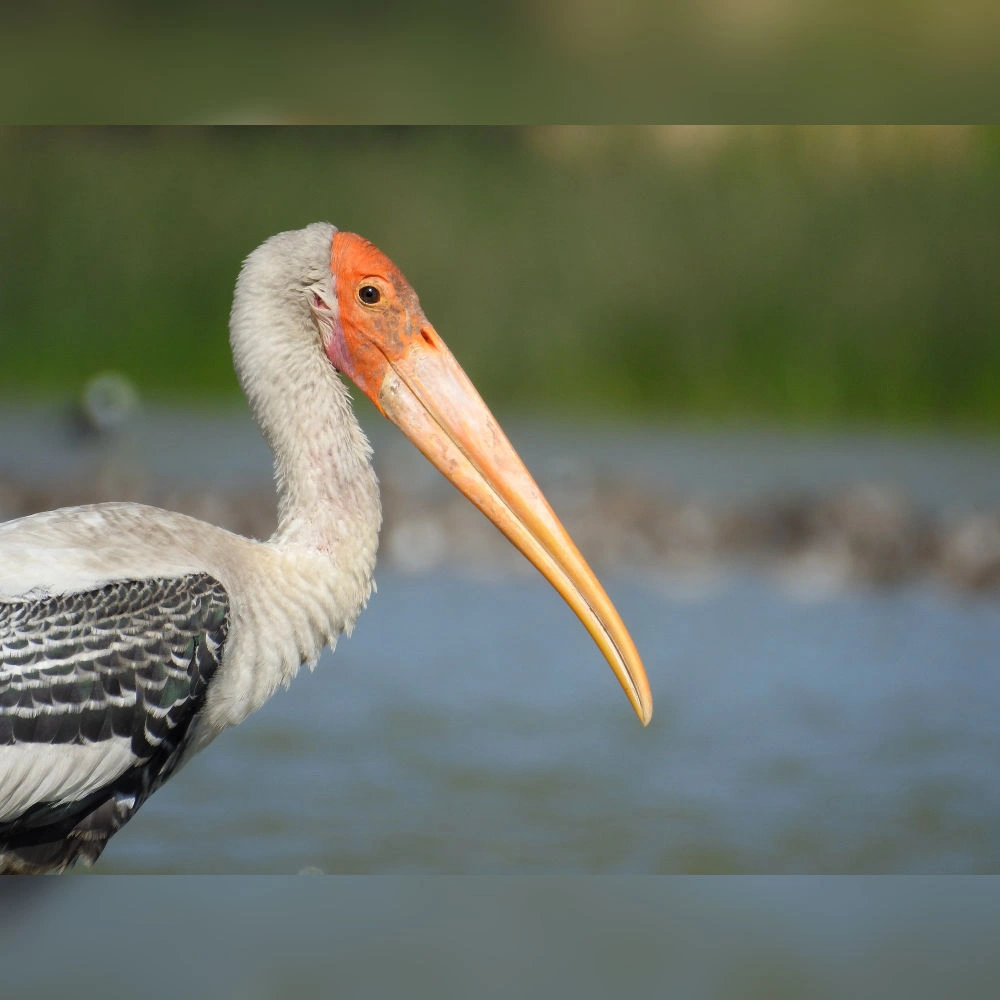
Painted Stork
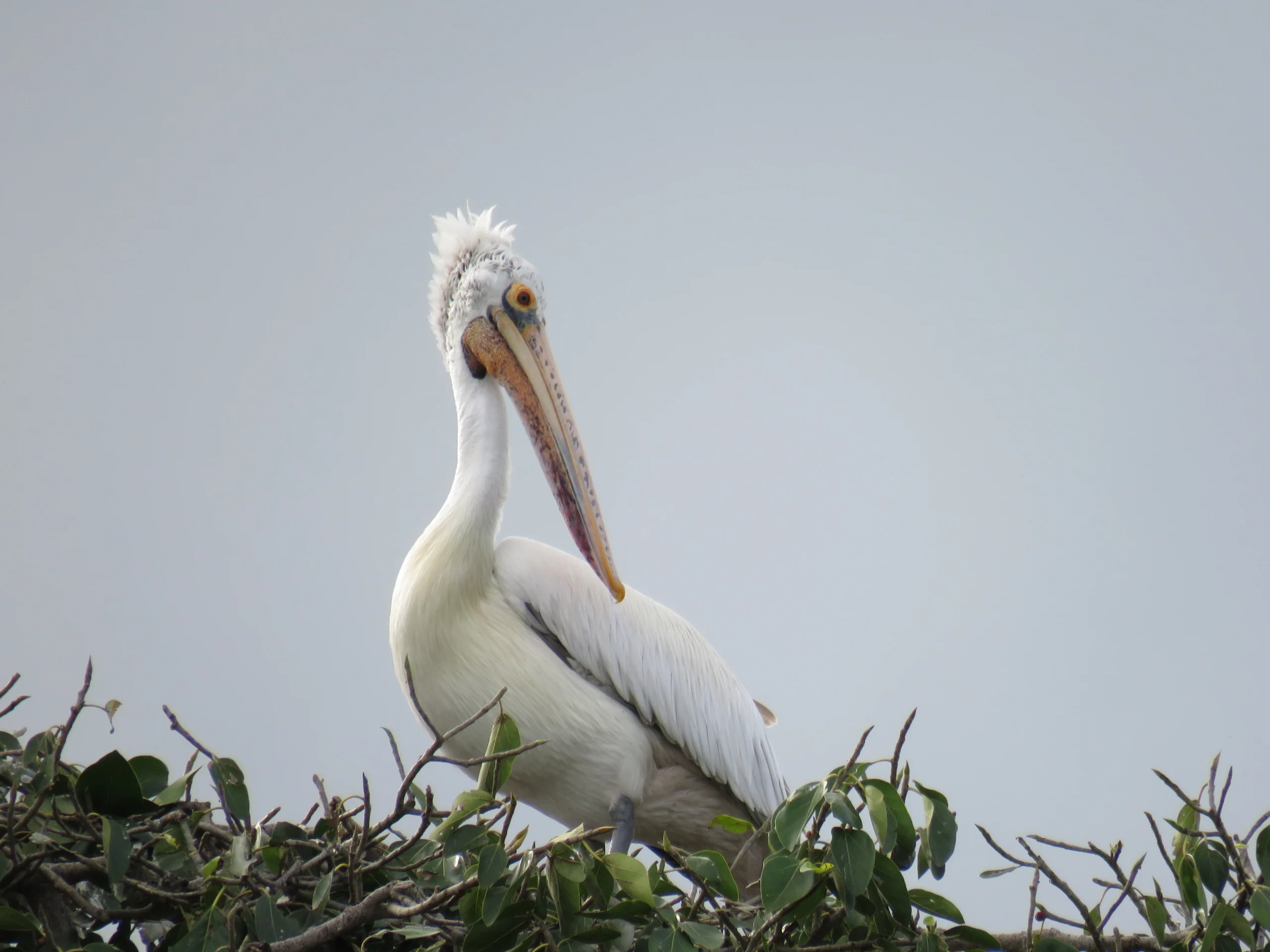
Spot-billed Pelican
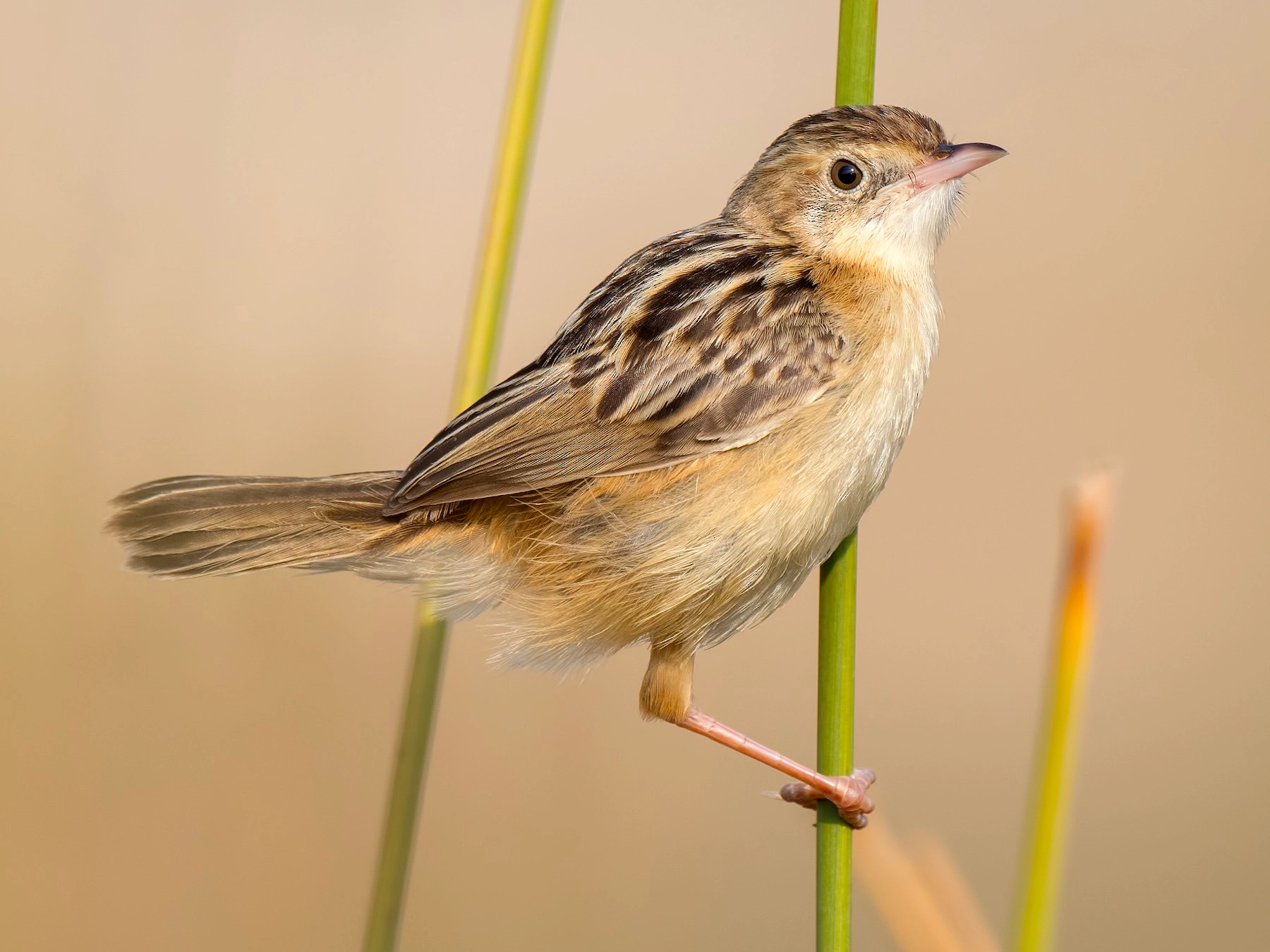
Zitting Cisticola
Great Egret
Indian Cormorant
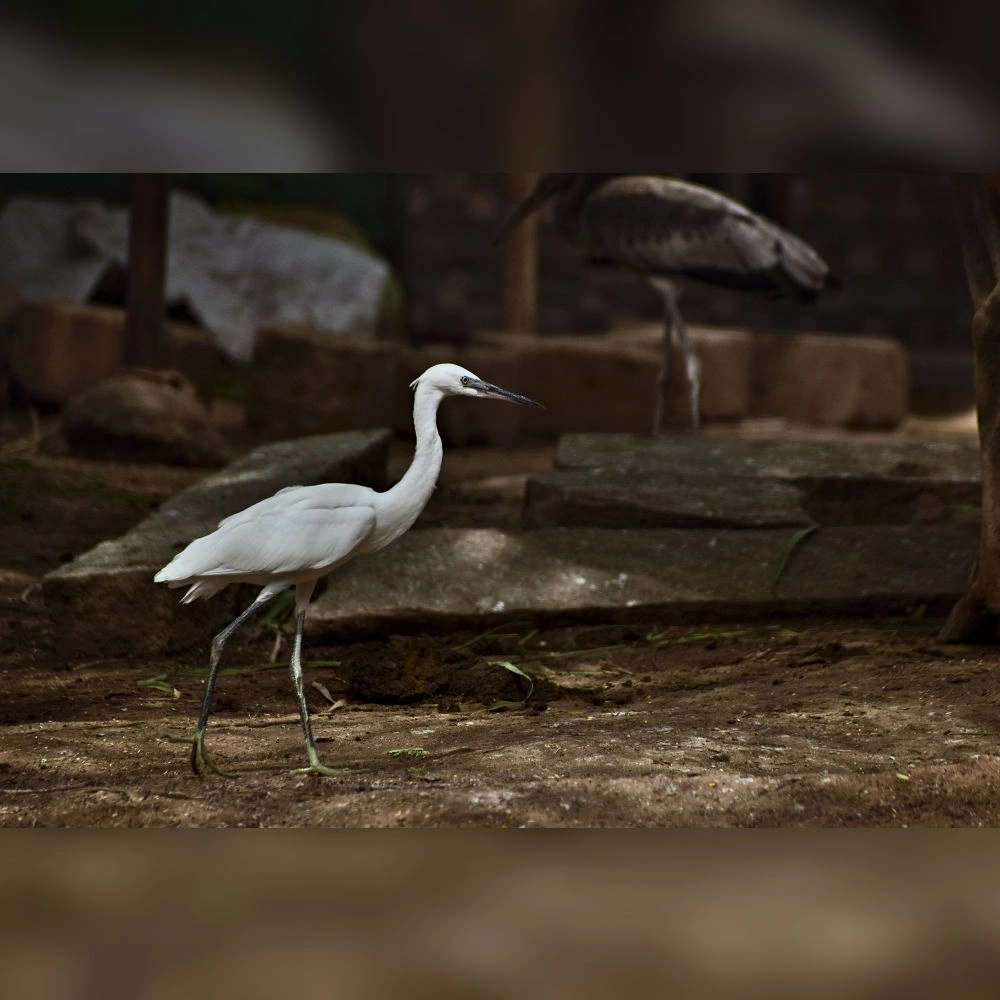
Little Egret
Indian Spot-billed Duck
Asian Palm Swift
Grey-headed Swamphen
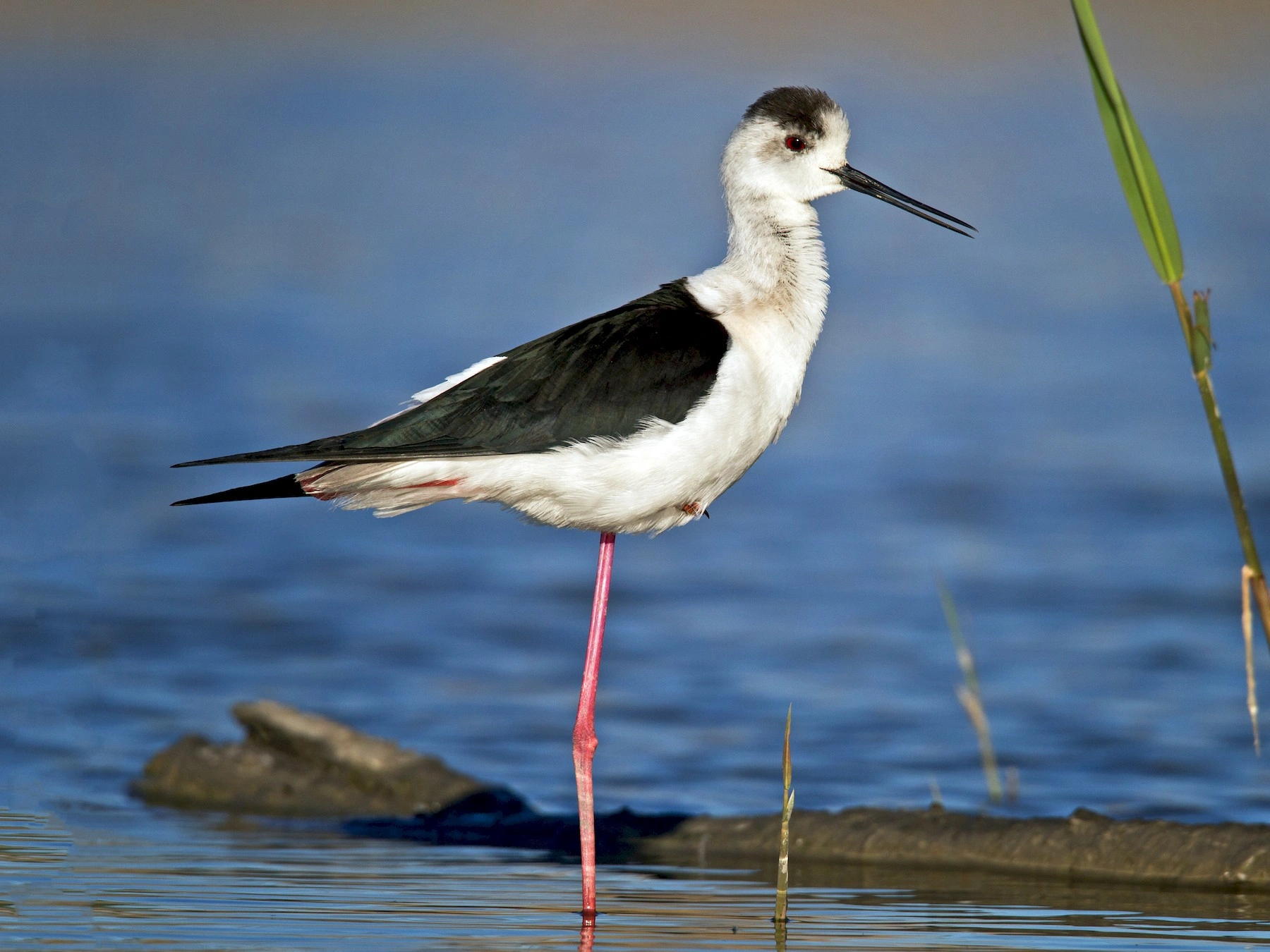
Black-winged Stilt
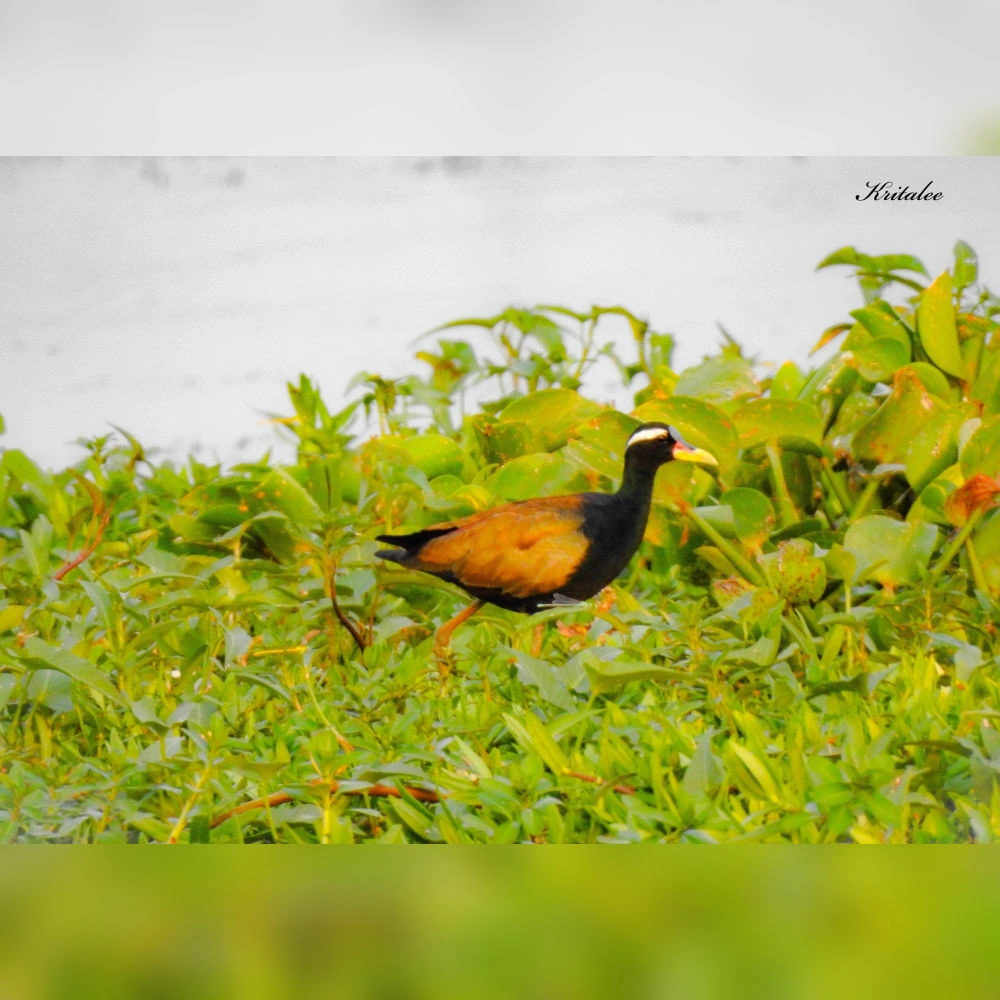
Bronze-winged Jacana
Little Grebe
Purple Heron

Summary of Walk

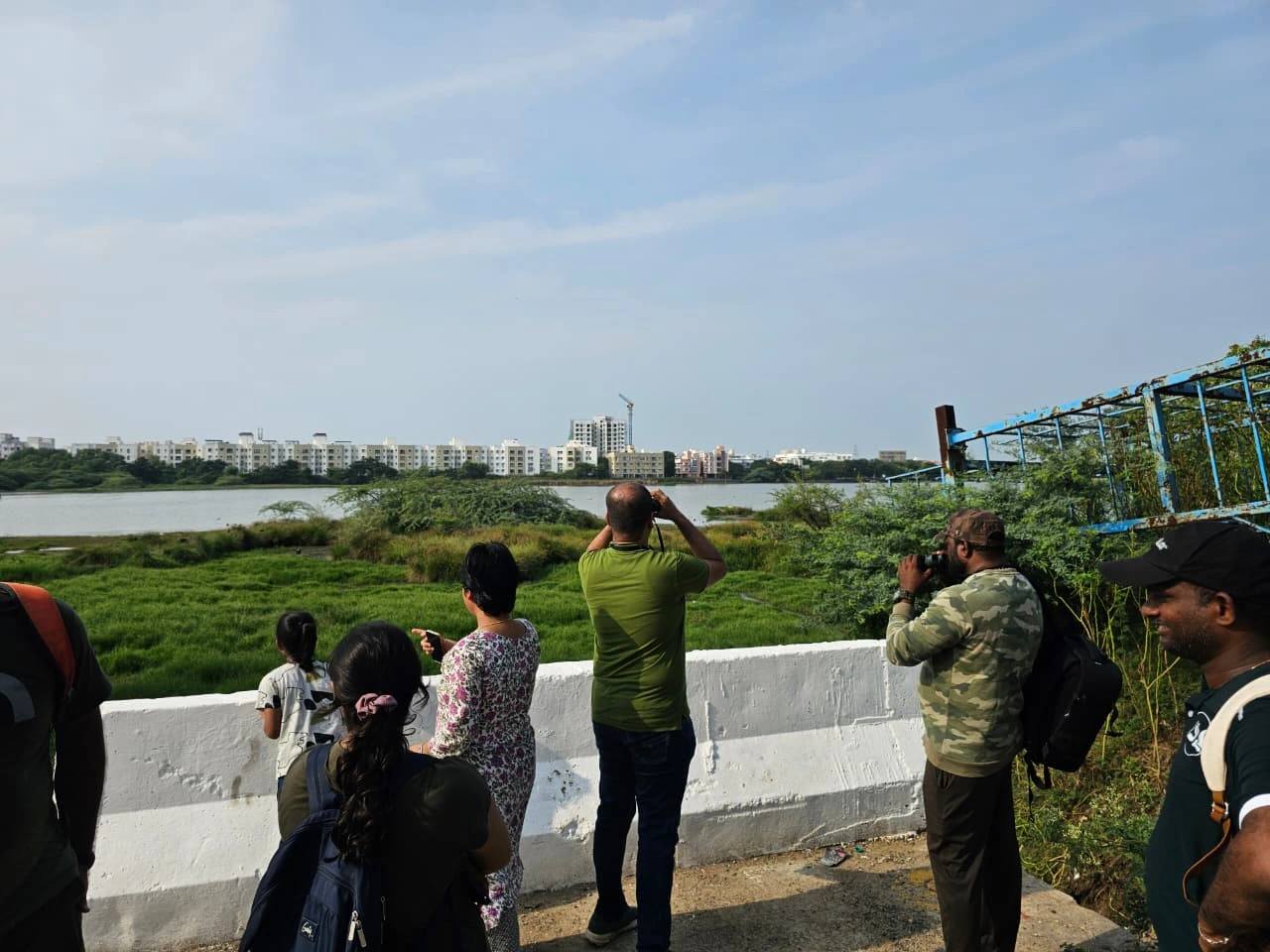
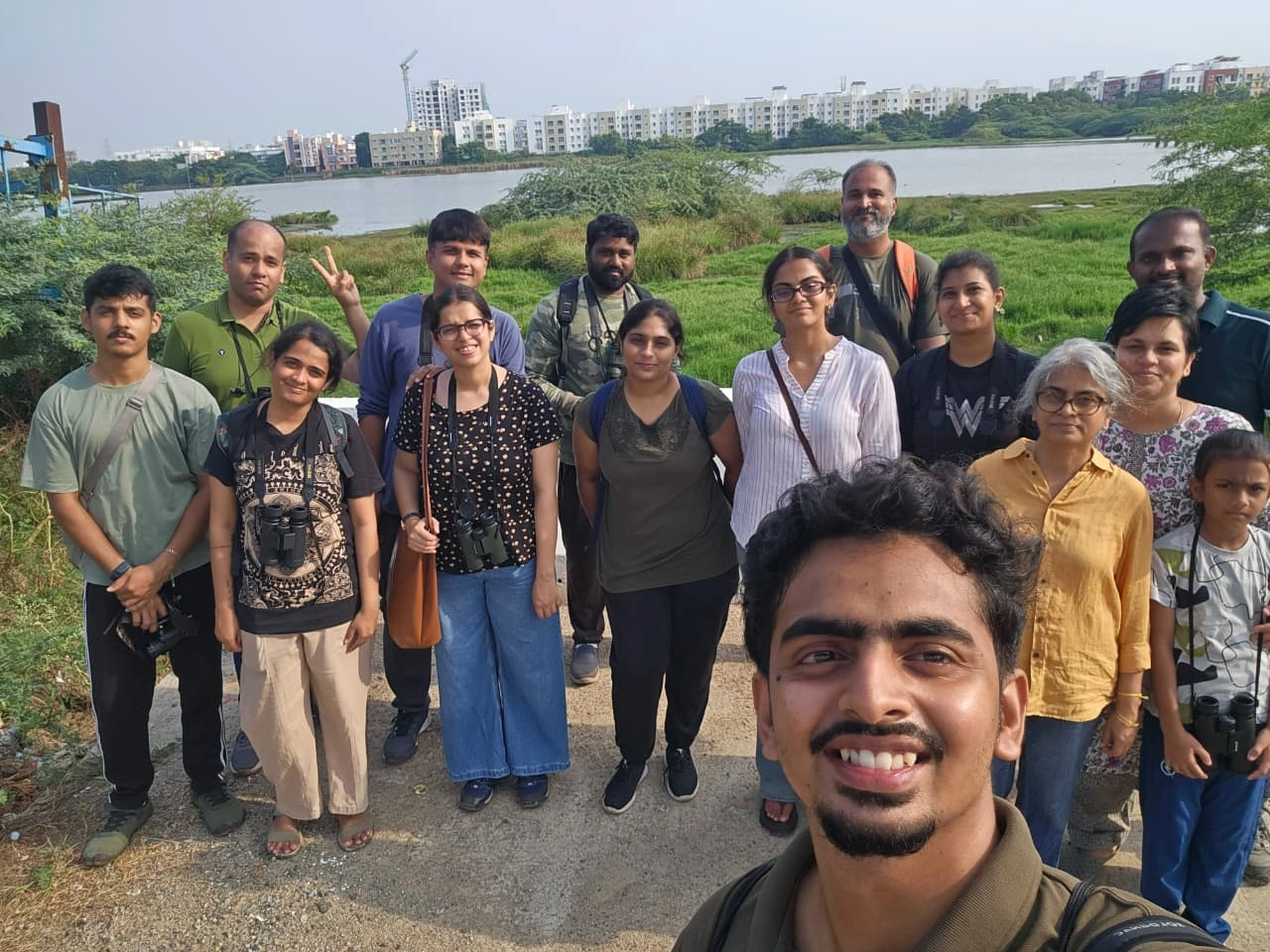
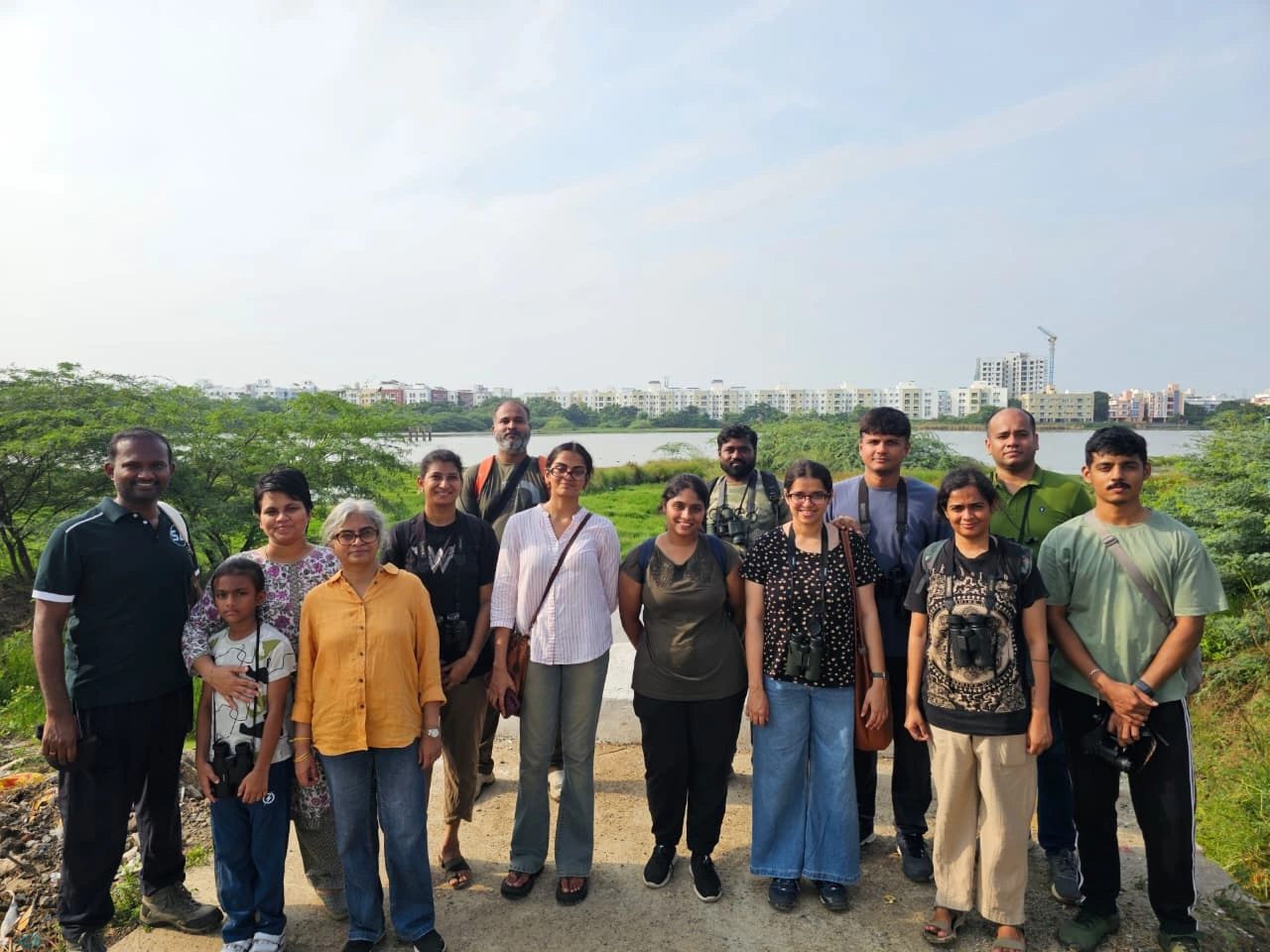
Perumbakkam/Sholinganallur Marshland in Chennai hosted a beautiful early-morning bird walk on 12 September, starting at 6 am with 20 participants led by guide Francis Anish. The group recorded an impressive 45 species, taking in resident wetland birds such as the Indian Cormorant, Painted Stork, Oriental Darter, Black-winged Stilt, and Bronze-winged Jacana. The walk’s biggest draw, however, was its migratory visitors — Greater Flamingos, Black-tailed Godwits, and Ruffs were all recorded, along with the Wood Sandpiper, Eurasian Spoonbill (observed in its swift feeding behaviour), Whiskered Terns, and Marsh Sandpiper. Everyone was especially thrilled to spot the flamingos, learning about their behaviour and identification along the way. It was a wonderful start to the weekend for the group, combining a strong species count with the thrill of the marshland’s seasonal visitors.
Number of Participants
0
Scroll to Top