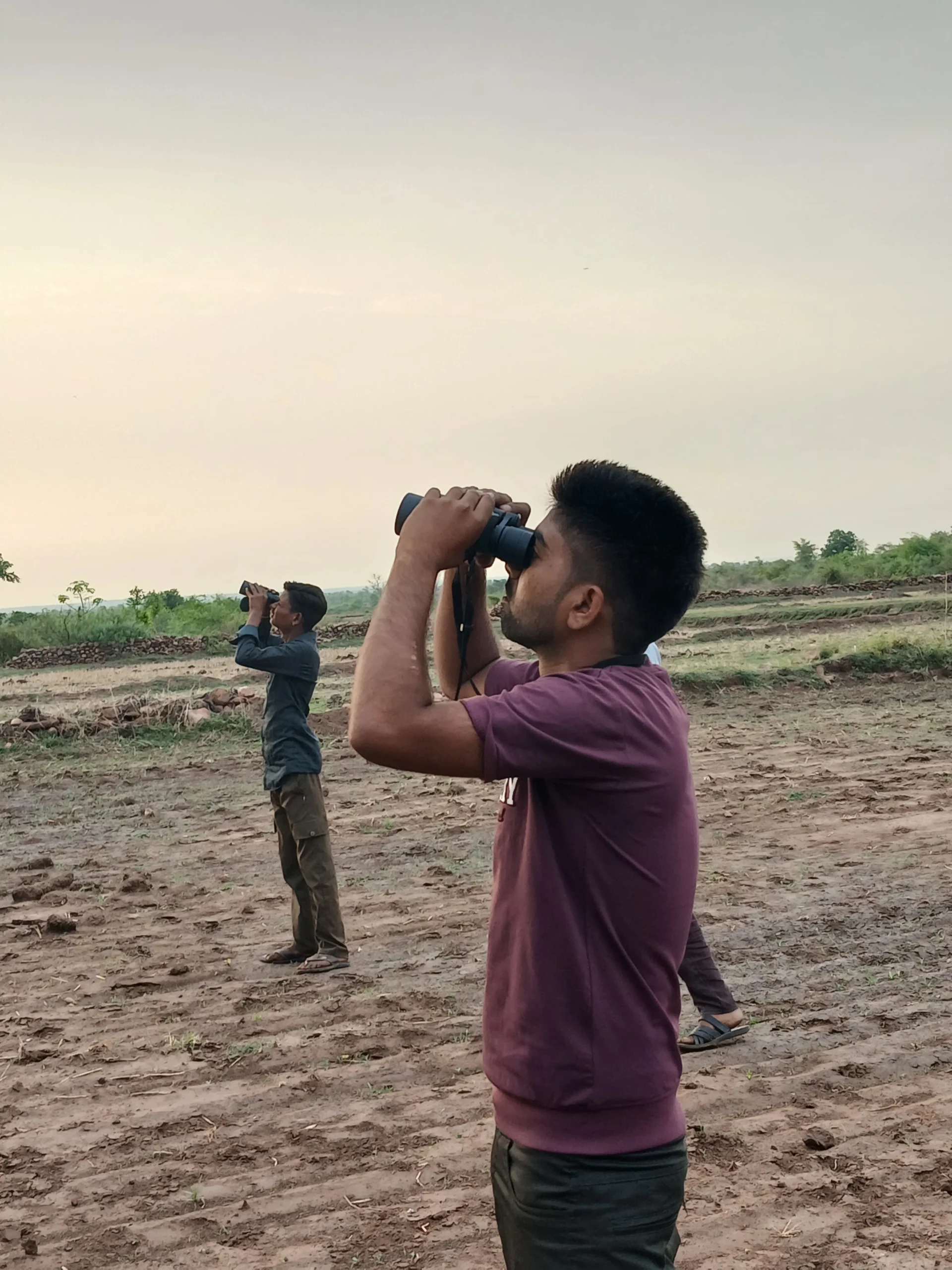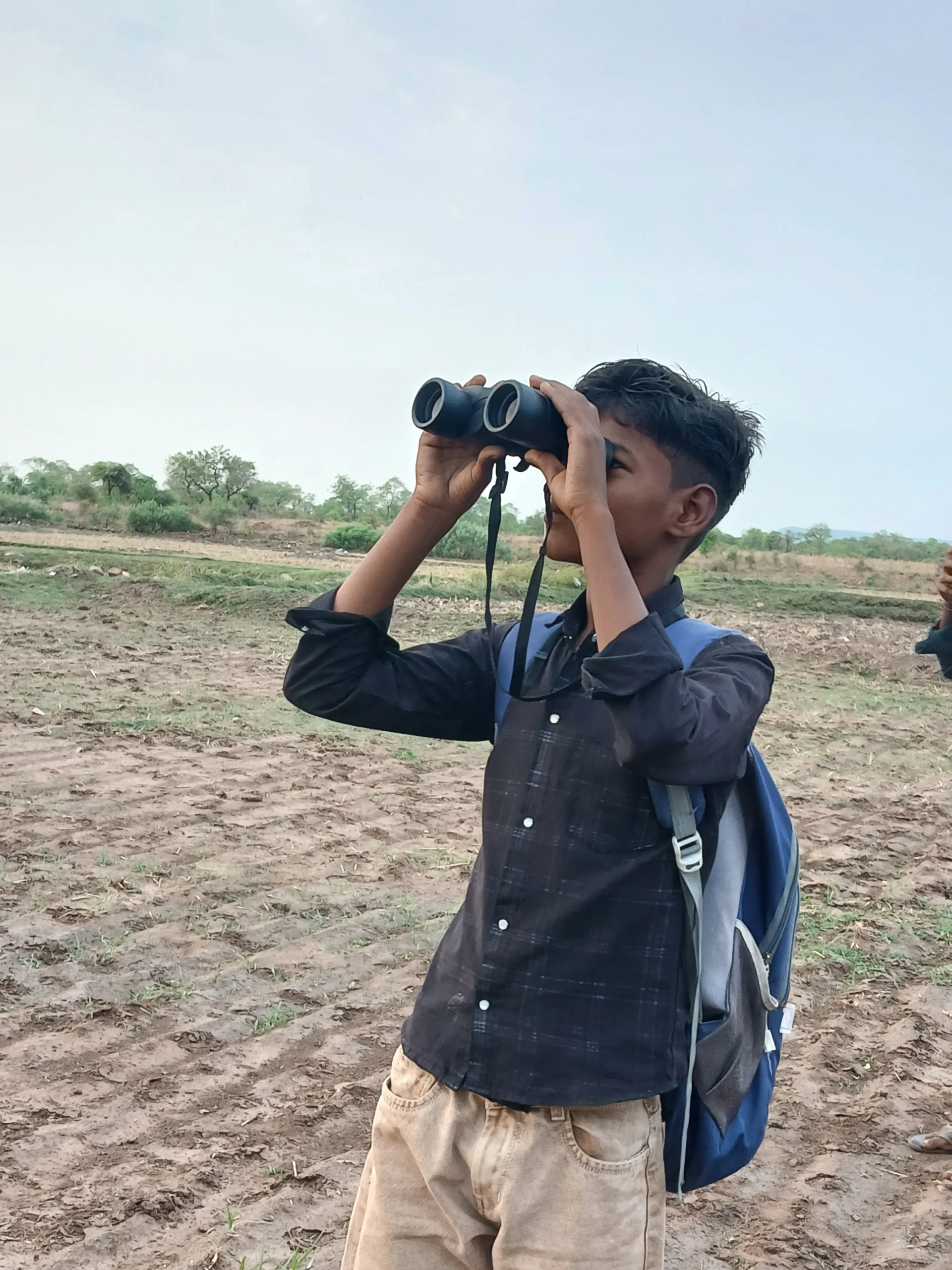



Bird Walk at Pipal Wala Har (Local area of Kuno National Park), Sheopur, MP
- Sheopur
- 13 June, 2026
- Abhishek Jatav
About Pipal Wala Har
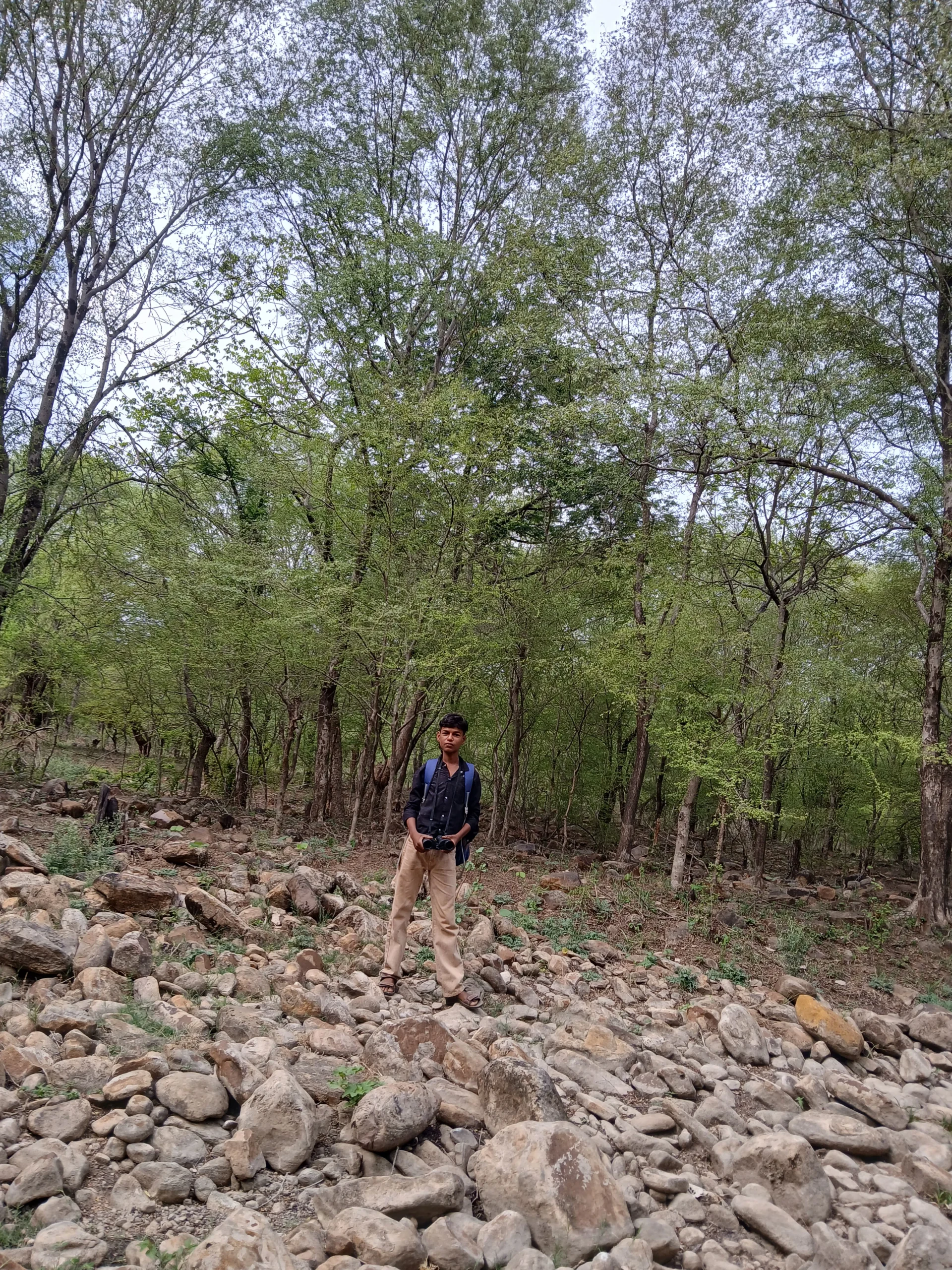
Nestled within the buffer landscape of Kuno National Park, Pipal Wala Har in Sheopur, Madhya Pradesh, offers a serene mosaic of riverine patches, scrub forests, and open grasslands that quietly support a remarkable diversity of life. The area derives its name from the scattered Peepal (Ficus religiosa) trees that stand as ecological anchors, providing shade, nesting spaces, and food resources for a variety of species. Seasonal wetlands and shallow water bodies enrich the habitat, attracting both resident and migratory fauna. The landscape reflects the broader Kuno ecosystem—dry deciduous forests interspersed with grassy clearings—creating ideal conditions for mammals, reptiles, and especially birds.
For birders, Pipal Wala Har is a hidden gem where every walk unfolds new sightings and sounds. From the soft calls of warblers hidden in dense foliage to the striking presence of raptors circling above, the area offers an immersive birding experience. However, like many fragile ecosystems, it faces growing pressures from habitat degradation, water scarcity, and human disturbance. Conservation efforts in the larger Kuno landscape—particularly with its significance in wildlife restoration projects—highlight the need to preserve such microhabitats. Protecting areas like Pipal Wala Har ensures not just biodiversity survival but also the continuation of authentic nature experiences for future generations.

Bird Guide: Abhishek Jatav
A passionate birding guide with over a year of hands-on experience in the Karahal landscape of Madhya Pradesh, near the Kuno region. Known for an engaging and approachable style, they help participants spot, identify, and understand birds while making every walk enjoyable and insightful.
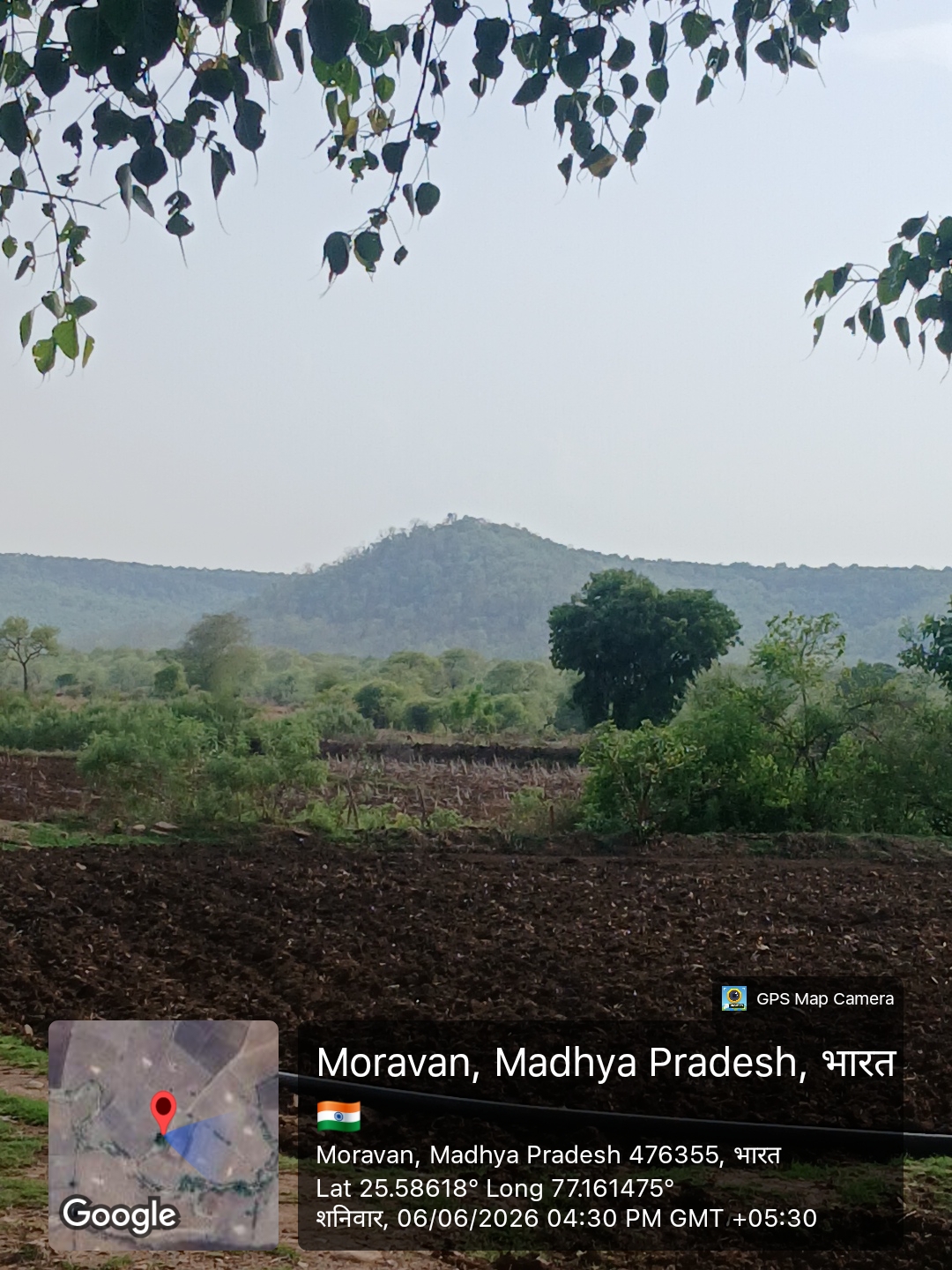
Bird walk Location
Common birds of Pipal Wala Har
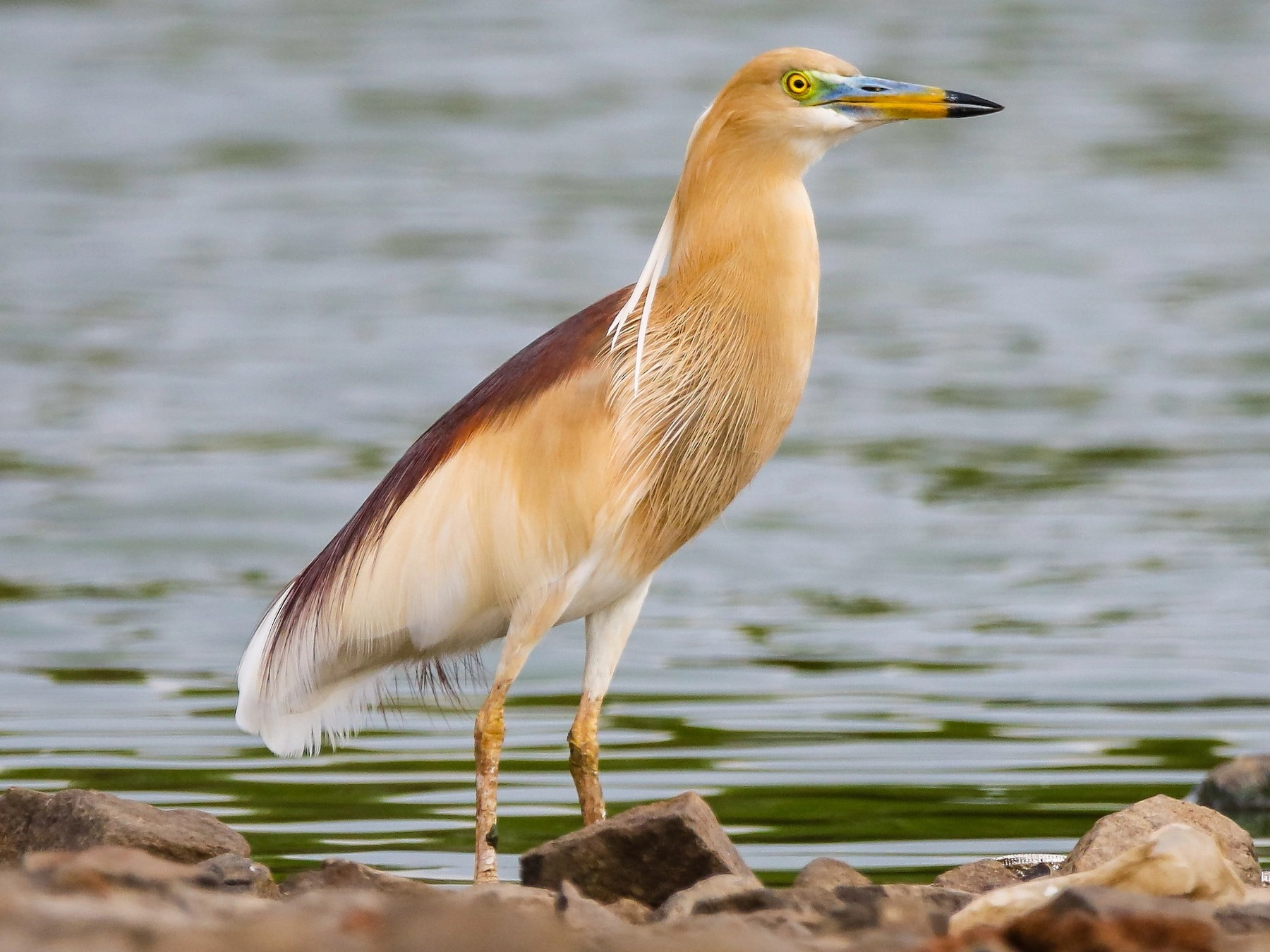
The birdlife at Pipal Wala Har reflects a vibrant blend of wetland, woodland, and grassland species, making it a rewarding destination for both beginner and seasoned birders. Along the water edges, species like the Indian Pond Heron, Little Egret, and Cattle Egret can be seen patiently foraging, while the elegant Asian Openbill Stork and Spot-billed Ducks add to the wetland charm. The skies and open fields are patrolled by Black Kites and the striking Black-winged Kite, often seen hovering with precision. The distant, echoing call of the Sarus Crane adds a sense of wilderness, even when the bird itself remains unseen.
In the surrounding scrub and trees, the landscape comes alive with movement—White-browed Fantail Flycatchers flit gracefully, Small Minivets bring flashes of color, and warblers like Hume’s, Greenish, and Reed Warblers remain active among dense foliage. Familiar species such as Red-vented Bulbuls, Jungle Babblers, and Oriental Magpie Robins contribute to the constant background chorus, while birds like the Golden Oriole and Indian Cuckoo offer delightful surprises. This diversity makes Pipal Wala Har not just a checklist destination, but a place where every visit tells a different story through its birds.

Indian Pond Heron

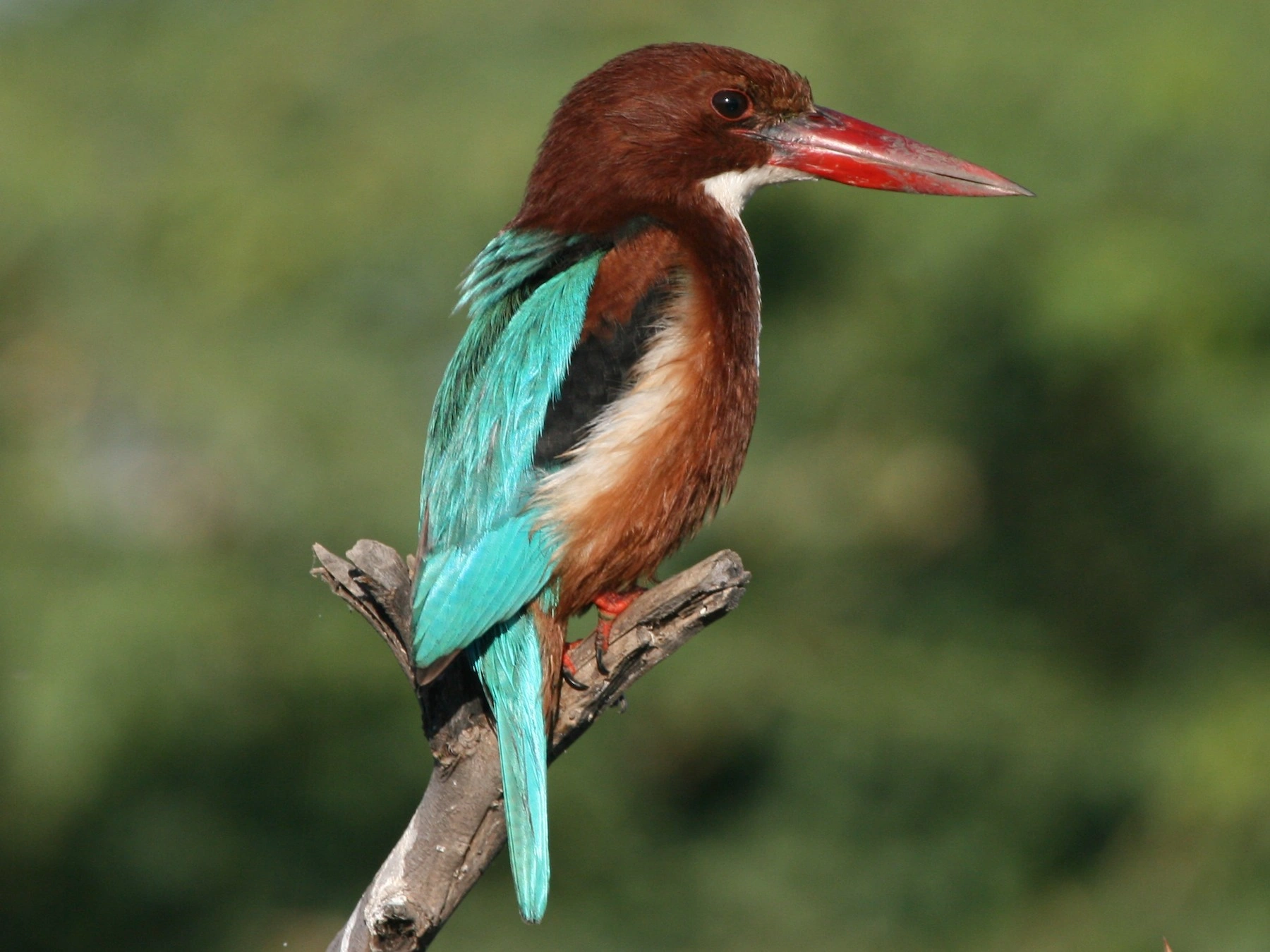
White-throated Kingfisher
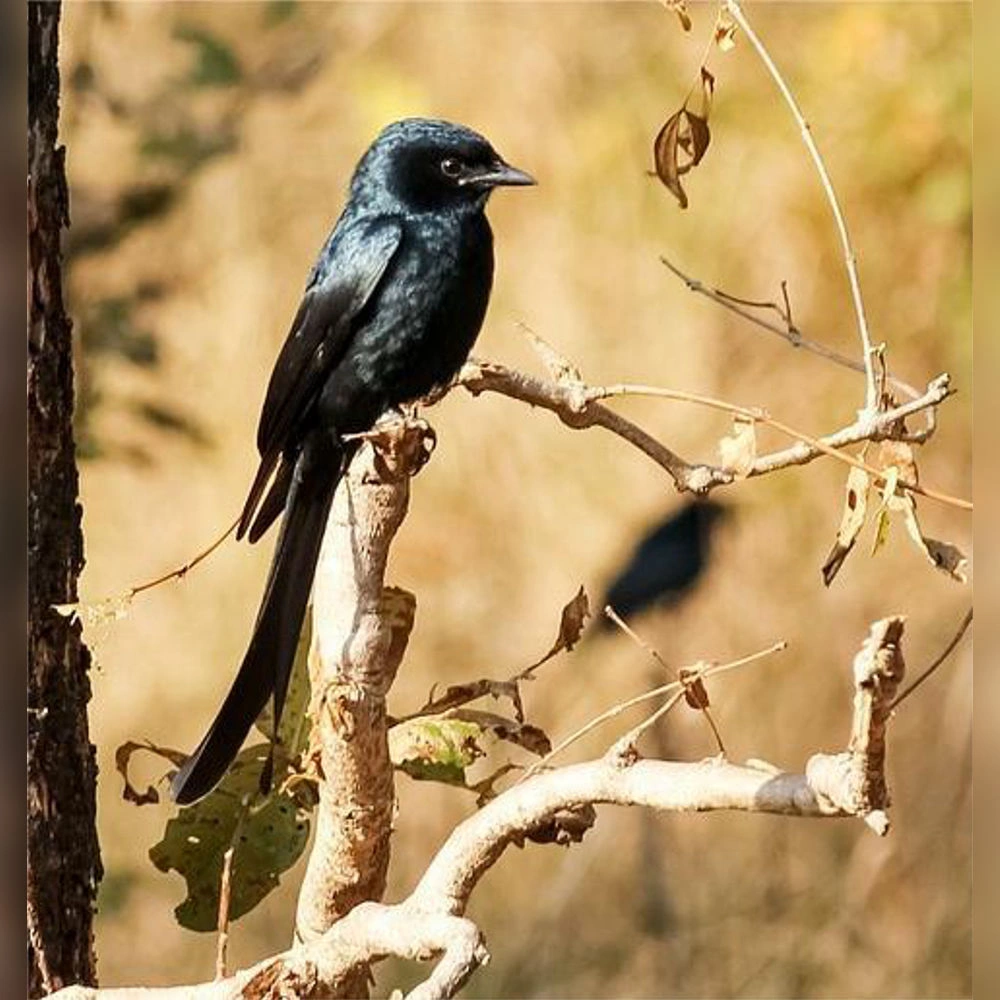
Black Drongo
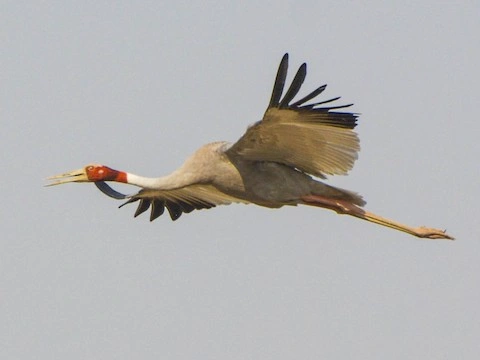
Sarus Crane

Jungle Babbler
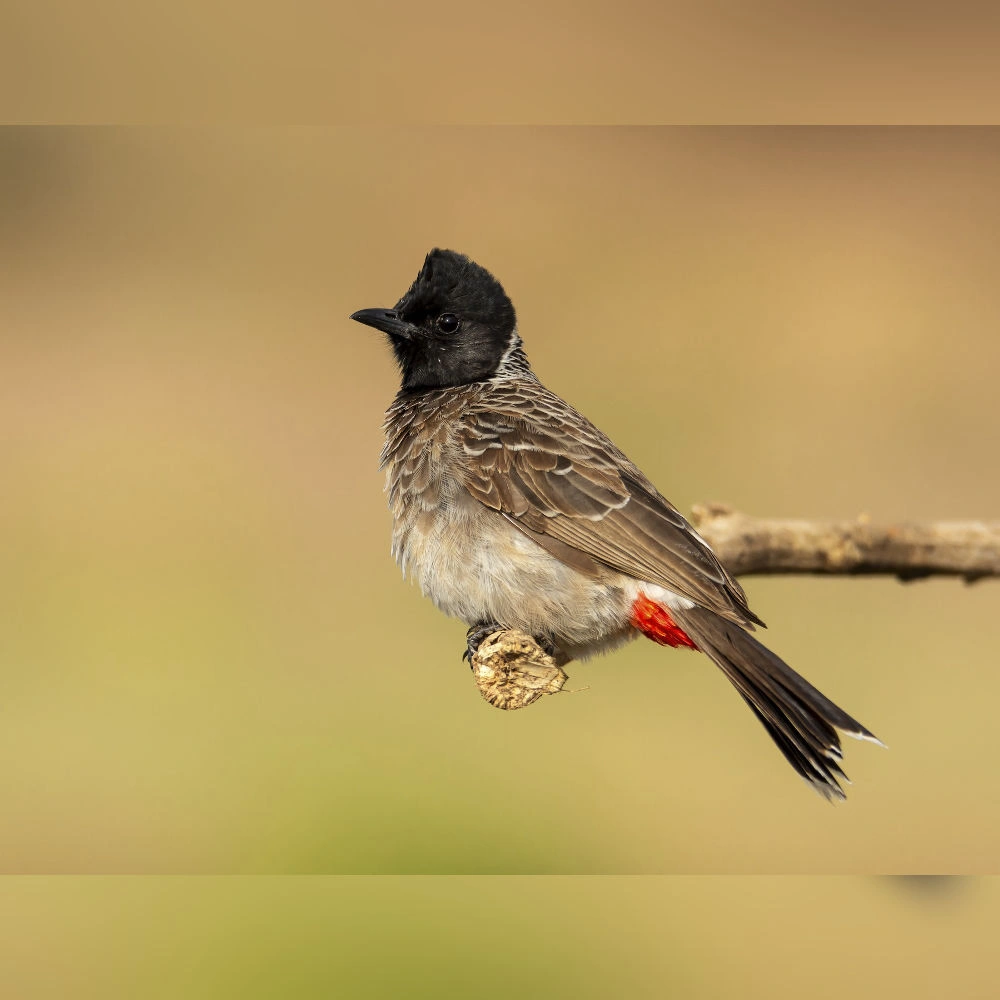
Red-vented Bulbul
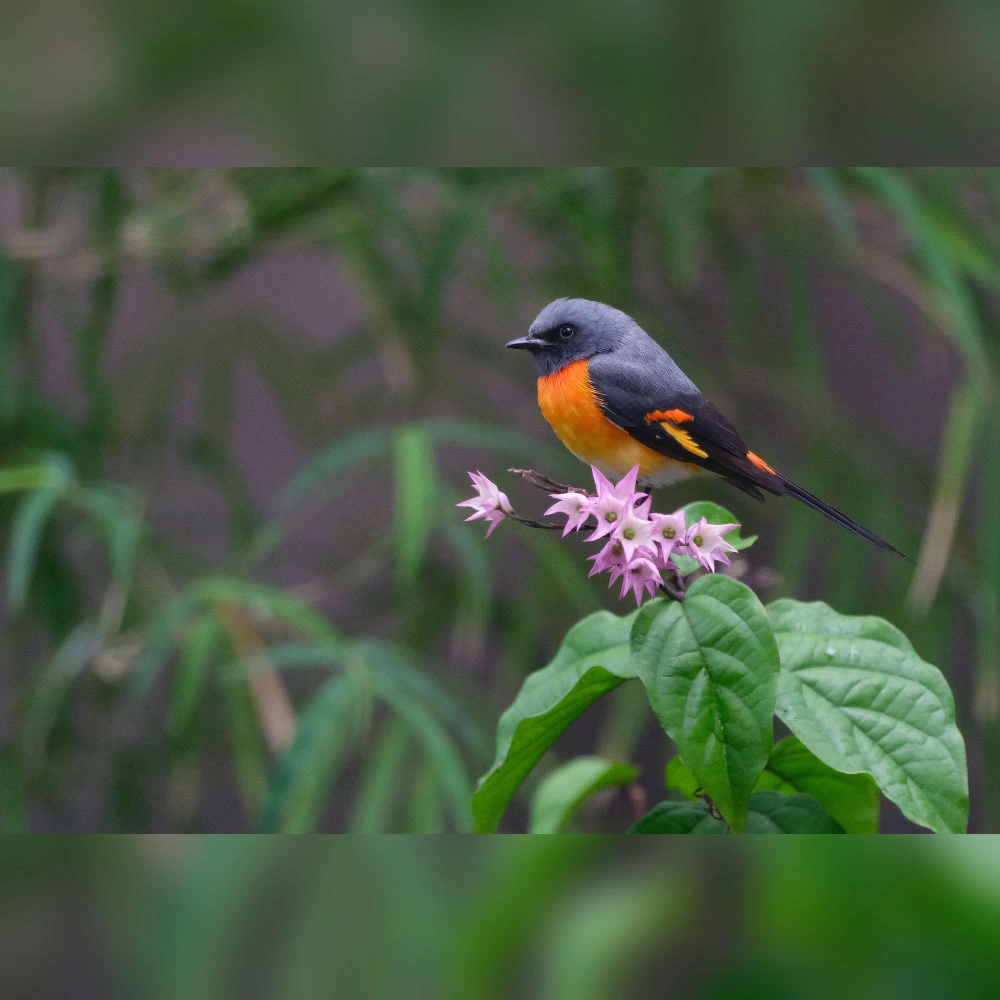
Small Minivet
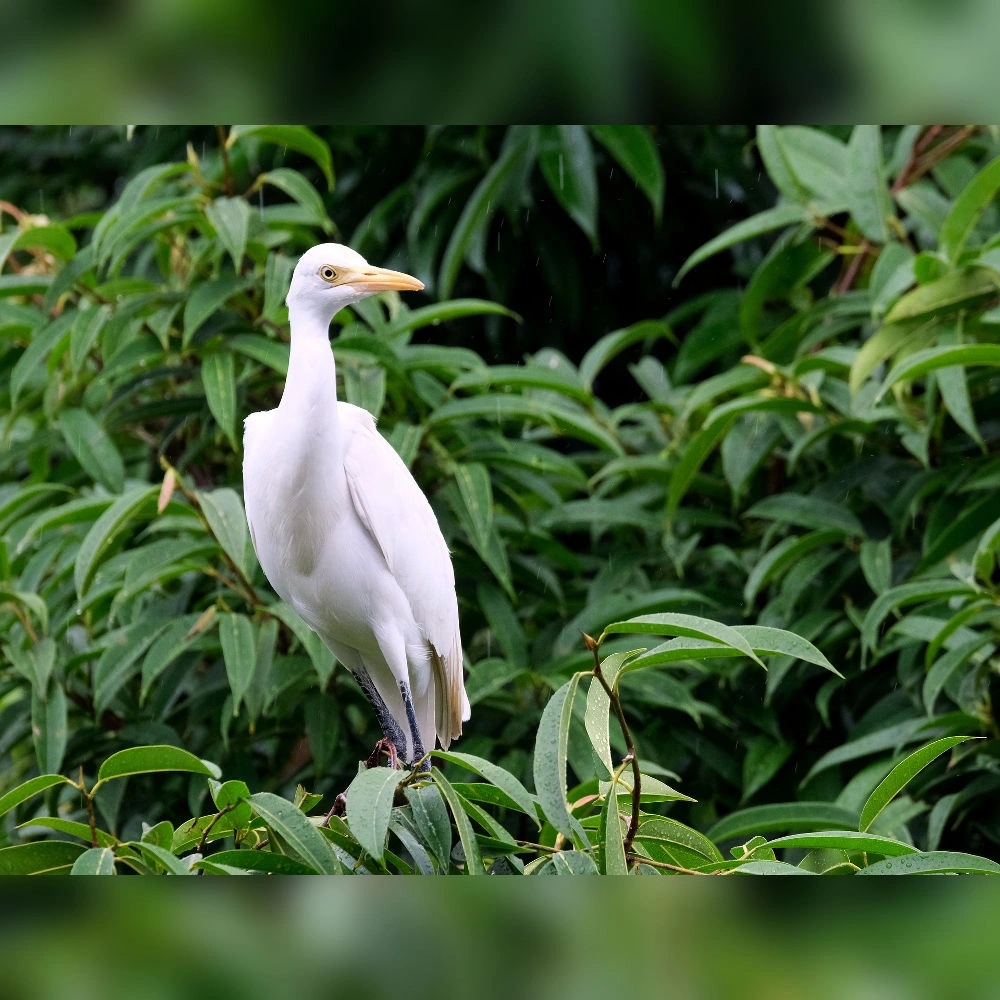
Cattle Egret
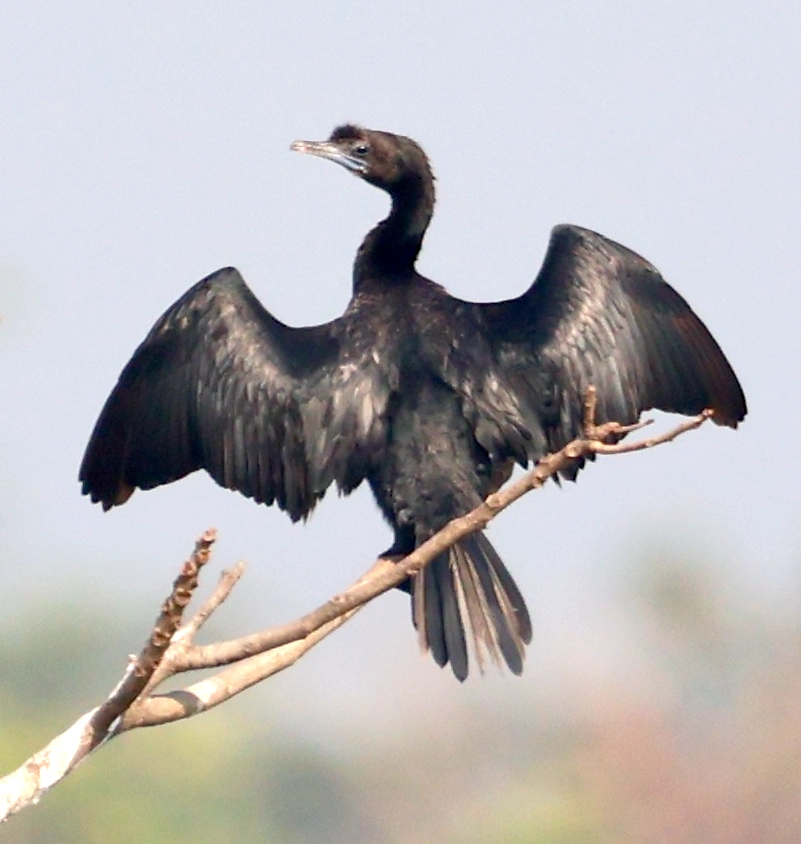
Little Cormorant
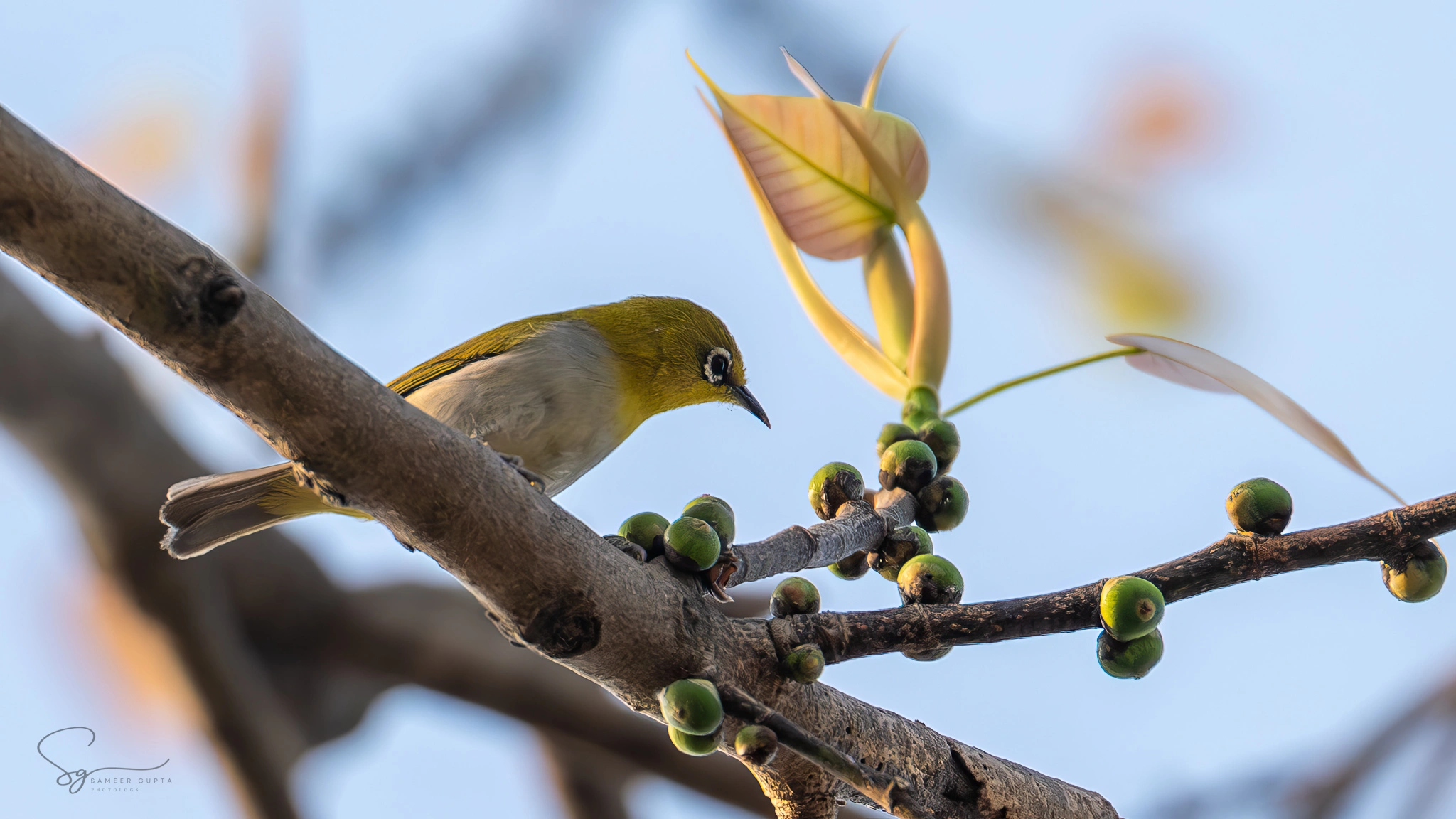
Indian White-eye
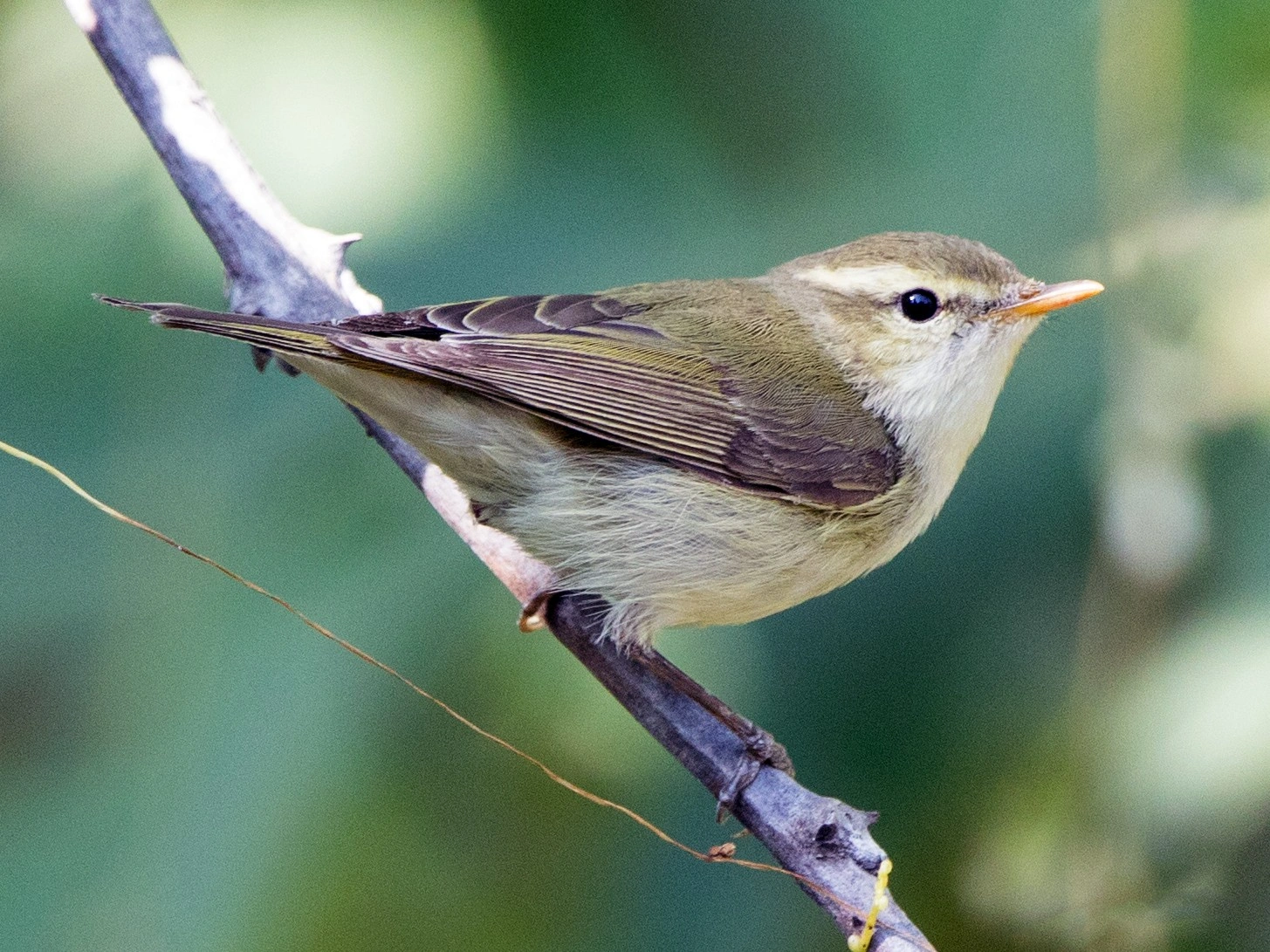
Greenish Warbler
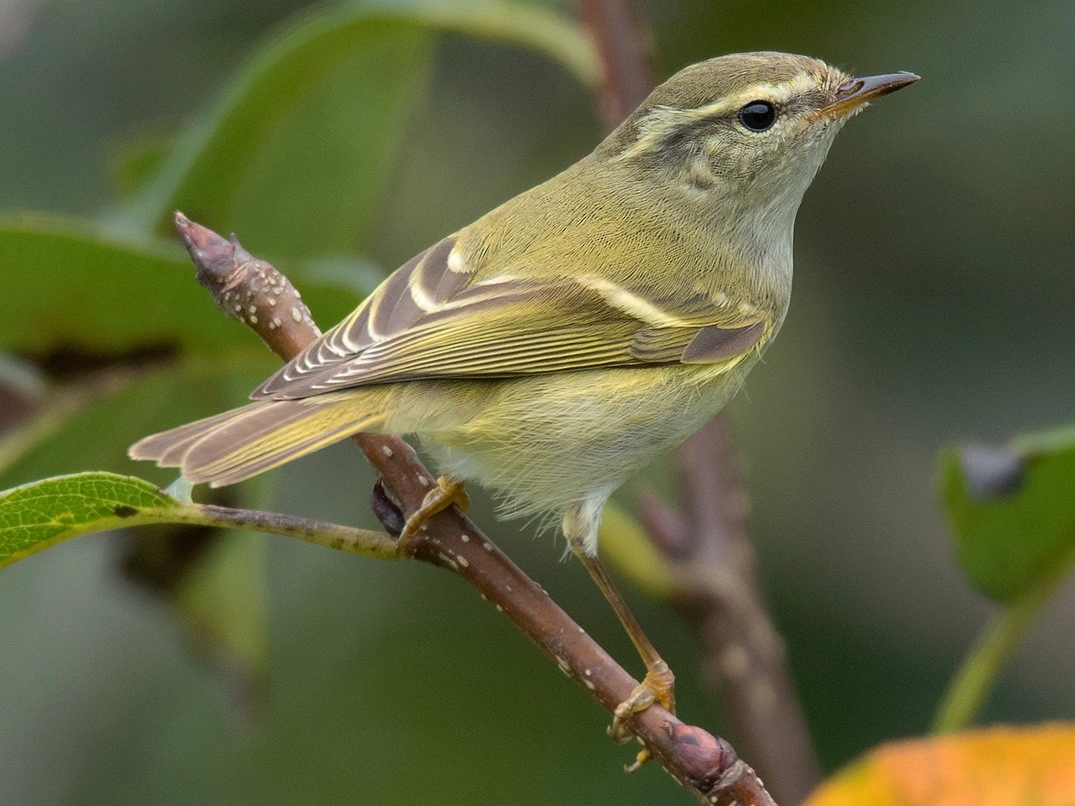
Hume’s Warbler
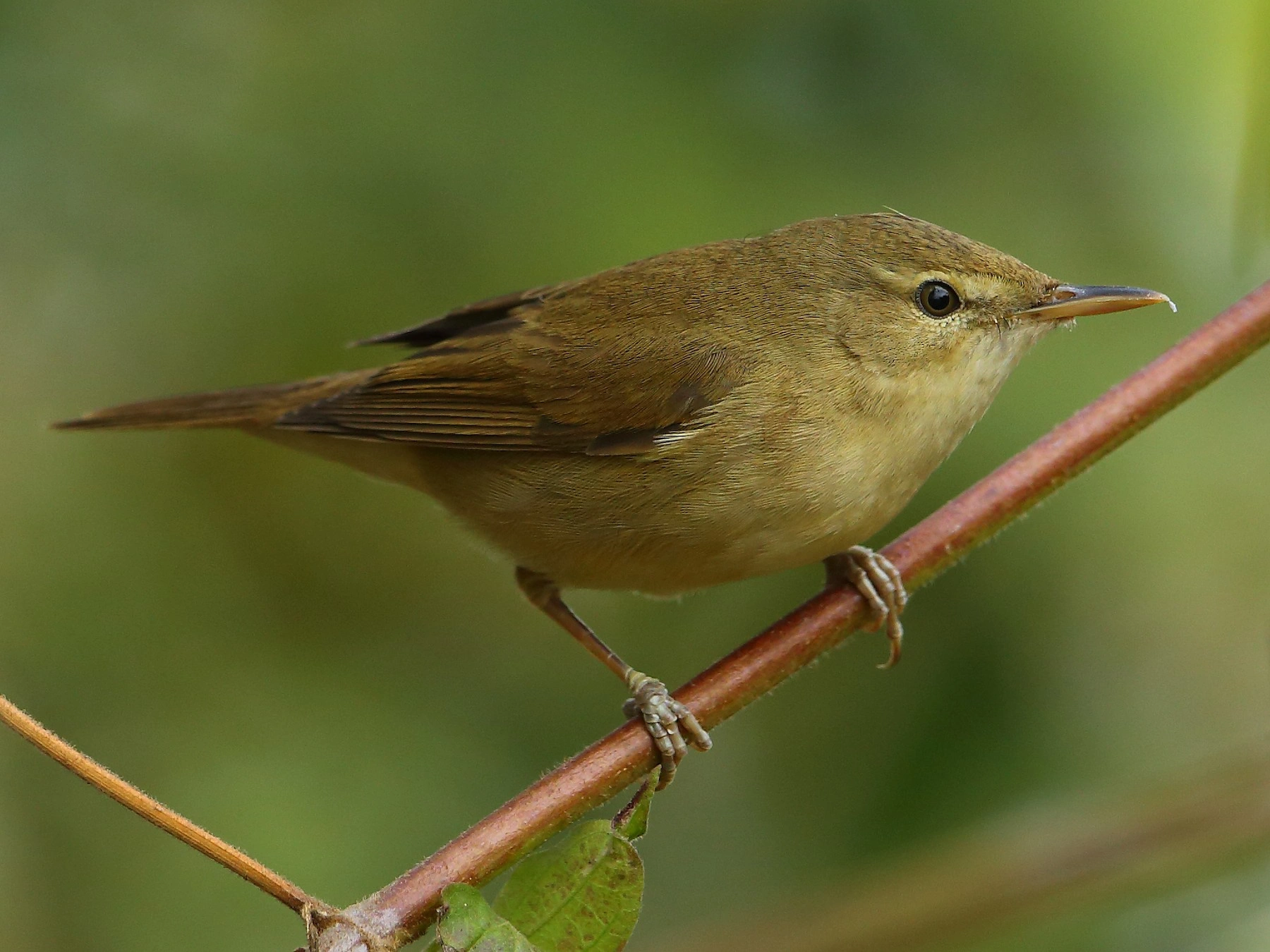
Reed Warbler
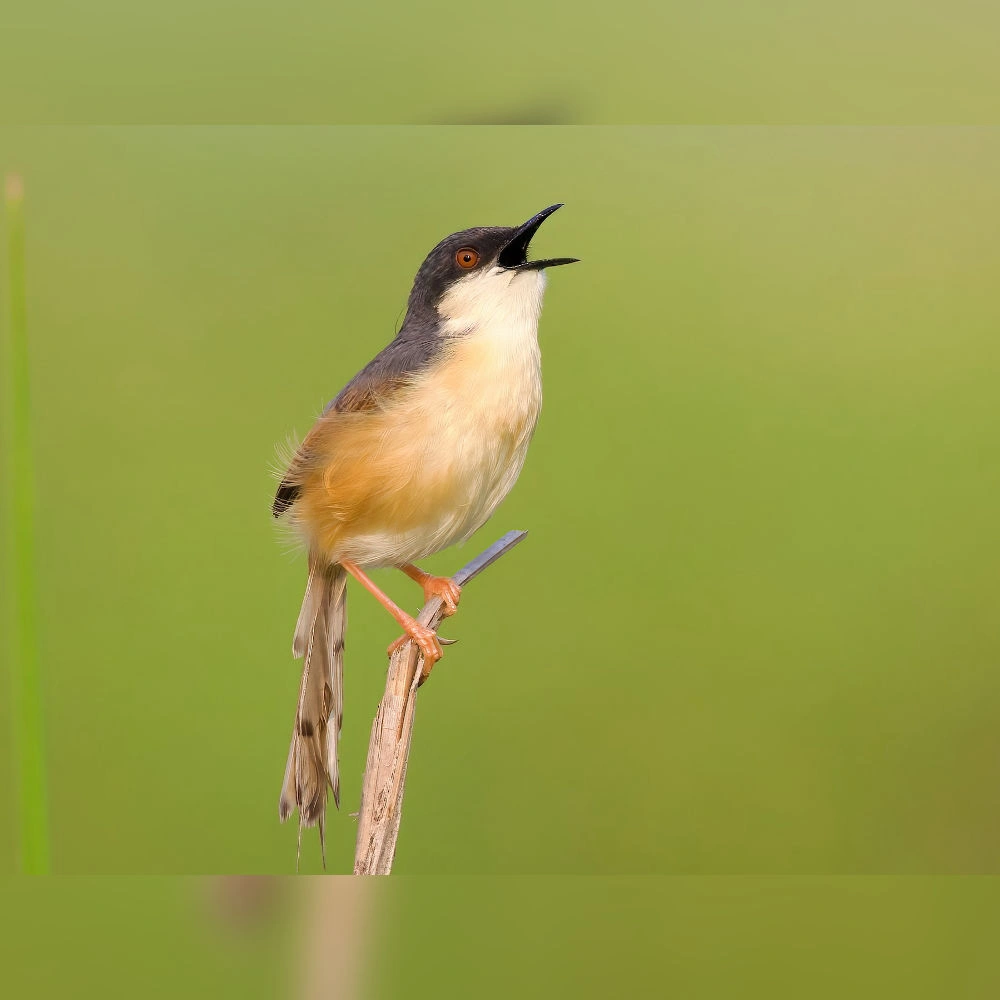
Ashy Prinia
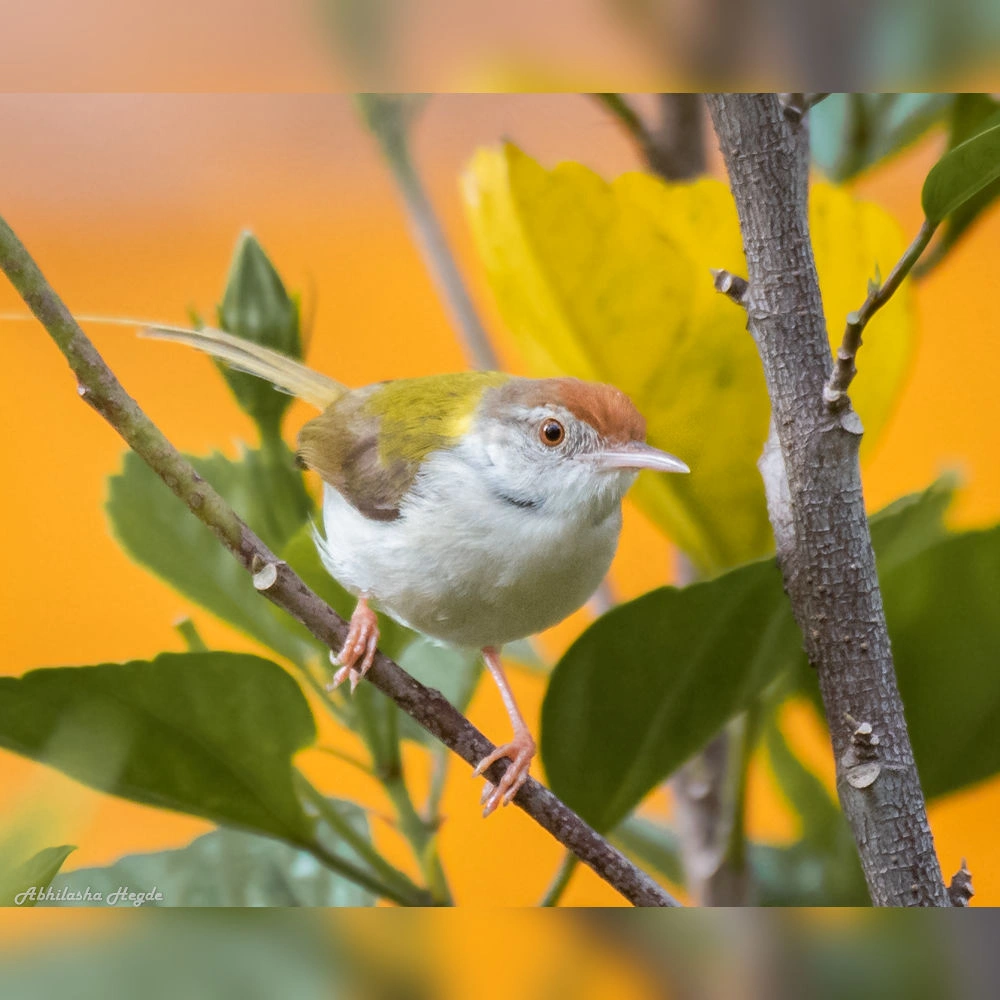
Common Tailorbird
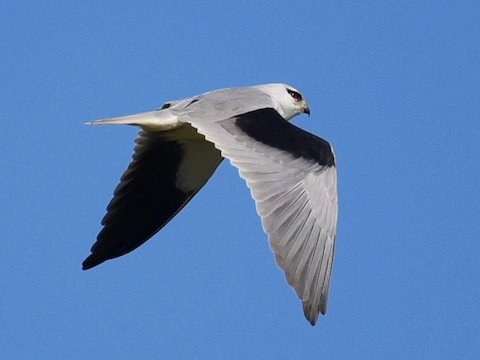
Black-winged Kite

Black Kite
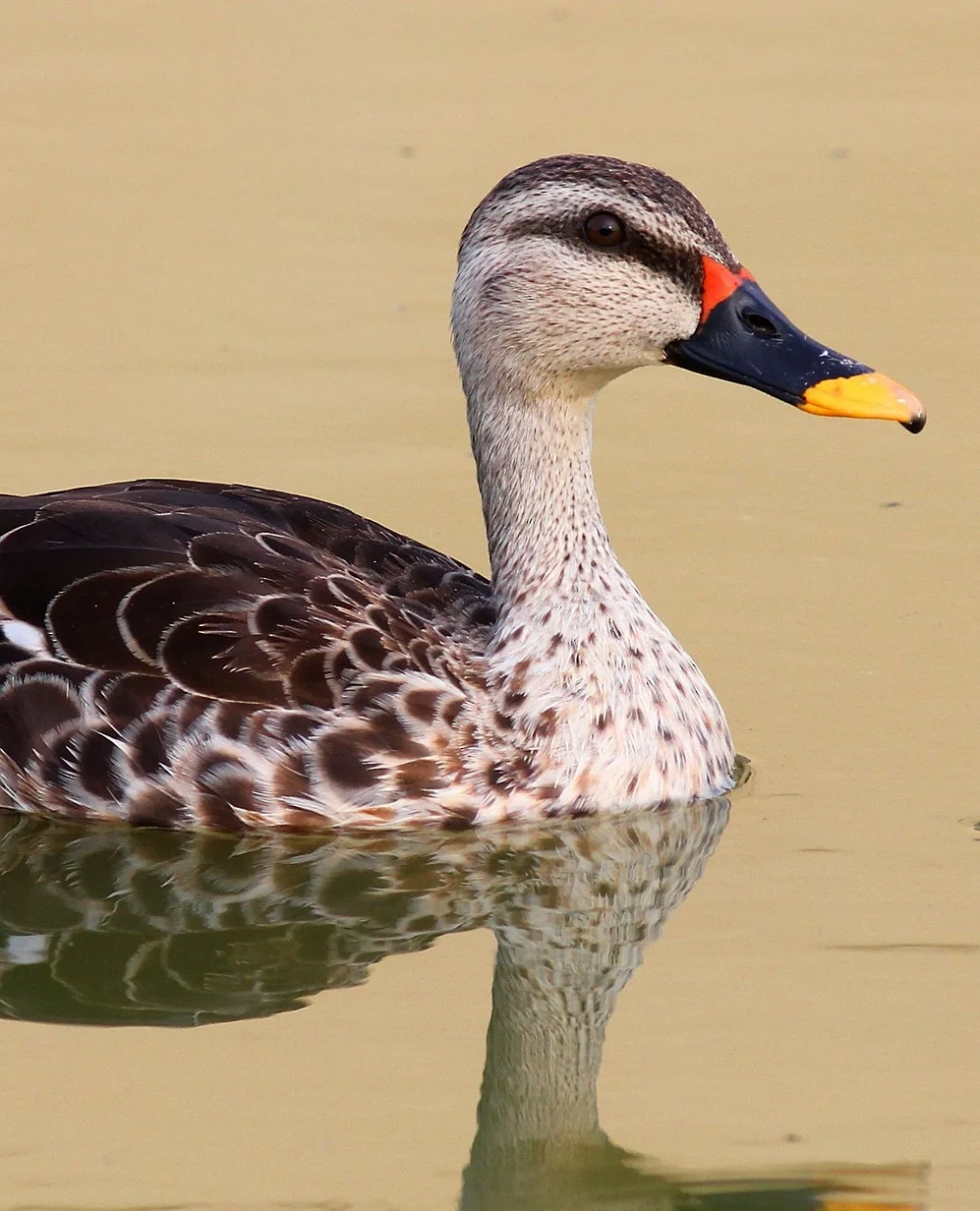
Indian Spot-Billed Duck
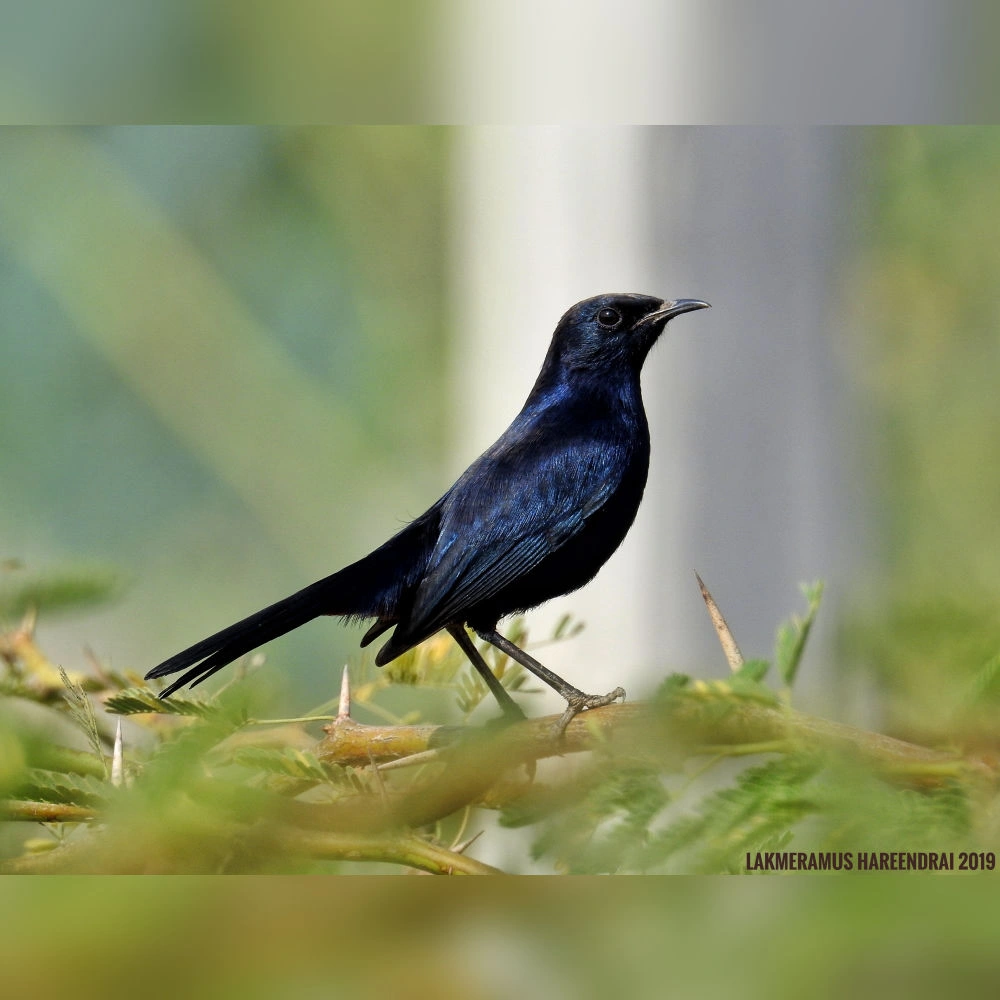
Indian Robin


Oriental Magpie Robin
Summary of Walk
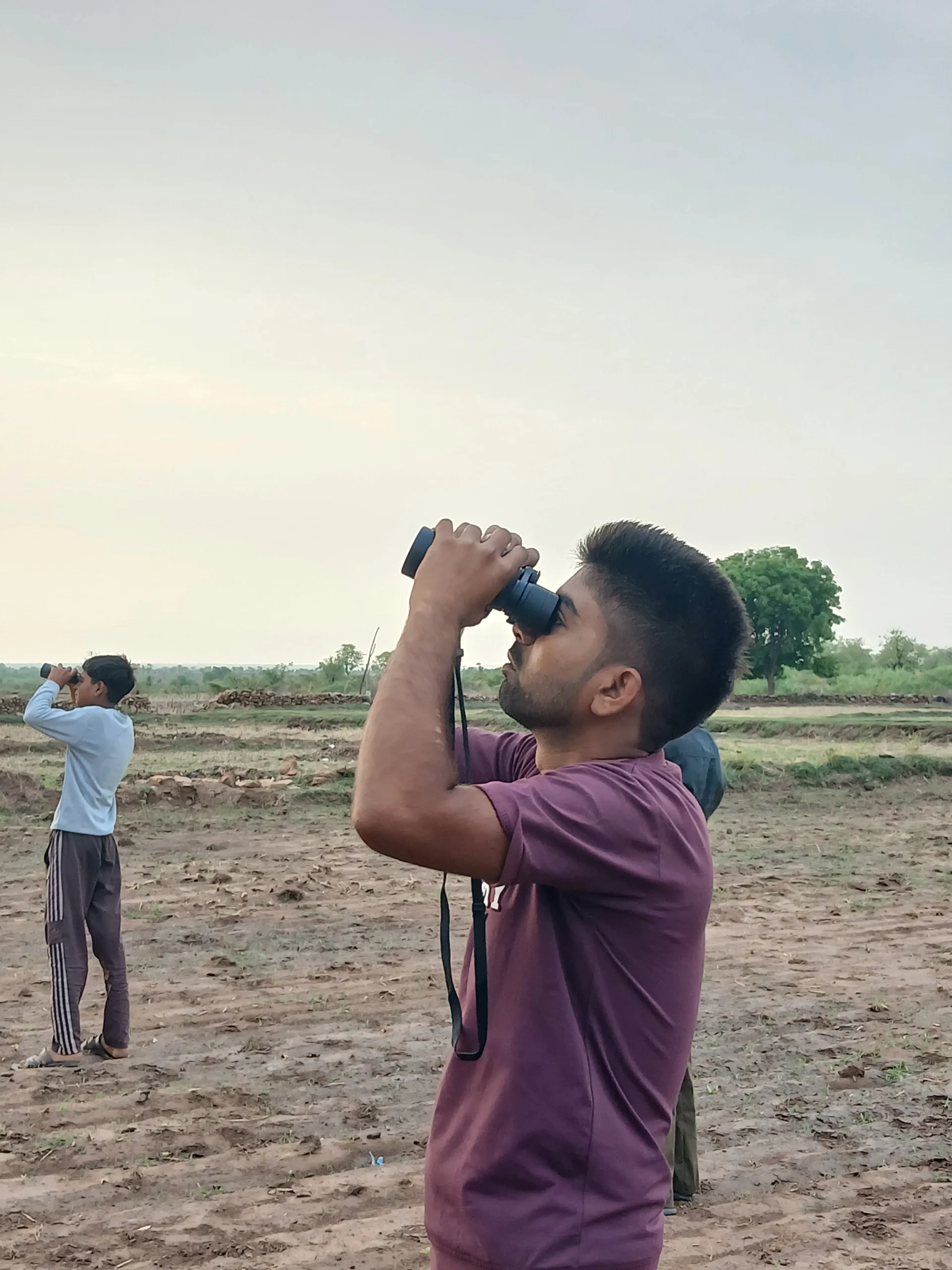
This walk engaged 12 participants, many of whom were beginners discovering birding close to home. An innovative approach encouraged participants to name birds themselves, improving observation skills and engagement.
The group recorded over 20 wetland species, including ibises, jacanas, and darters. A participant creatively named the Glossy Ibis “Chopstick Bird,” showcasing how interactive learning enhanced the experience.
Number of Participants
0