
Bird Walk at Rakh Barotia ,Old Vijaypur , Jammu
- Jammu
- 4 October, 2026
- Tanvi Sharma
About Rakh barotia
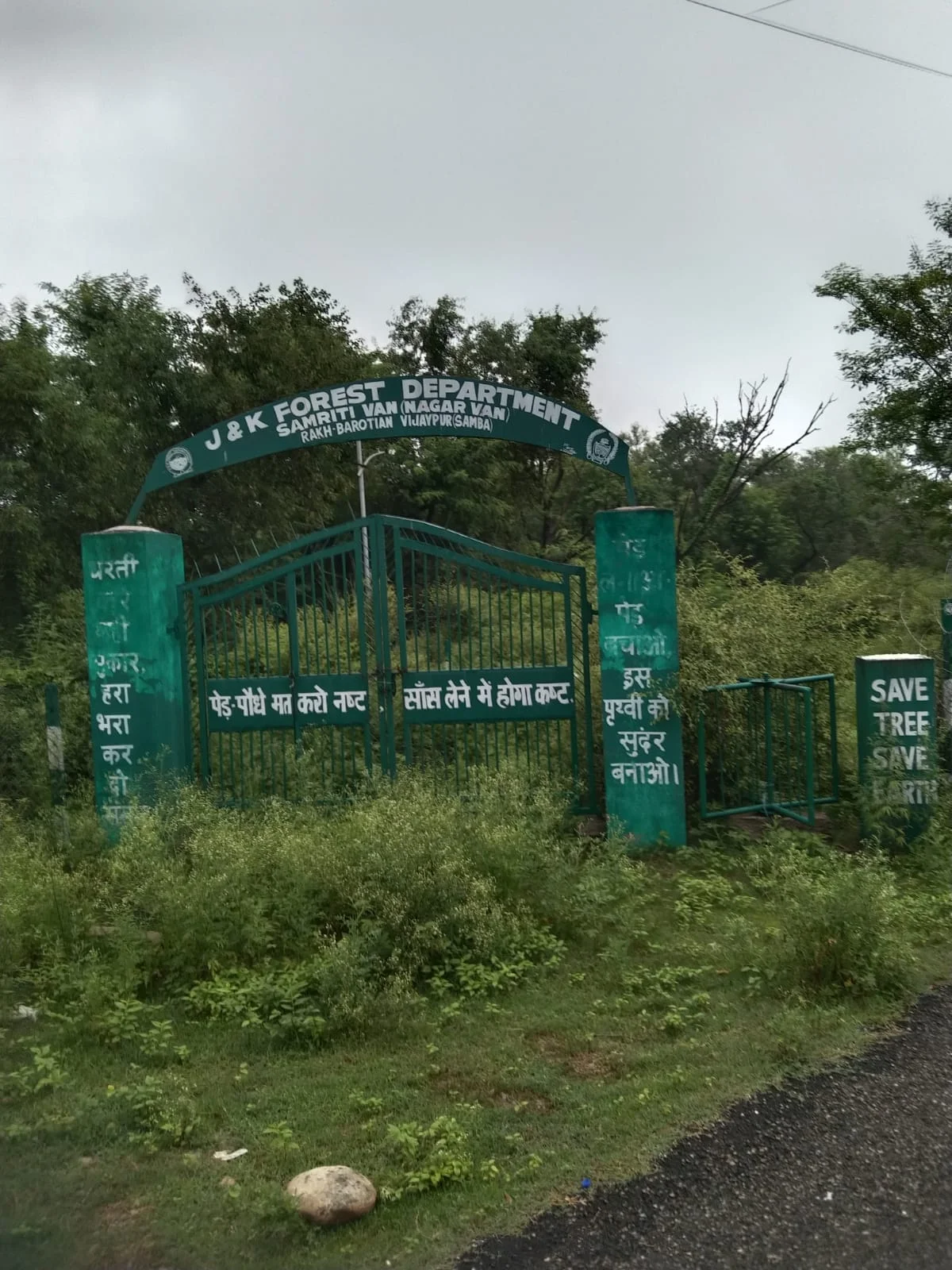
In Samba district, on the southern edge of the Jammu plains, the old town of Vijaypur and nearby Rakh Barotian sit where the Shivalik foothills give way to farmland. In Jammu, “rakh” traditionally means a protected patch of forest or grazing land. True to the name, Rakh Barotian keeps a pocket of the dry Kandi belt landscape alive: scrub forest, thorny thickets, rocky slopes, seasonal streams, and old groves beside fields and village ponds. Trees such as acacia, ber, shisham and phulai grow here, with open grassy patches between them. Jackals, mongooses, hares and nilgai move through this mosaic, and after the rains the scrub hums with butterflies and insects.
For birders, this edge country between forest and farm is surprisingly rich. Chats and robins perch on the rocks, bee-eaters and swallows hunt over the fields, orioles and barbets call from the groves, and summer brings monsoon visitors such as the Pied Cuckoo. In winter, migrants arrive from the Himalayas and Central Asia to join the residents. The area is changing fast, though. Big projects around Vijaypur, including new institutions, an expanding highway and industrial growth, are eating into open land. Lopping trees for firewood, overgrazing, scrub fires, invasive Lantana, and sand and stone extraction from streambeds add to the pressure. Protecting the remaining rakh land, native scrub and village water bodies will help keep this corner of Jammu full of birds.

Bird Guide: Tanvi Sharma
Tanvi is a nature educator with a background in Zoology and a postgraduate degree in Environmental Sciences. Passionate about nature and especially birds, she enjoys spending time outdoors and sharing her knowledge with others. As a bird guide, she hopes to deepen her connection with nature while inspiring more people in her community to discover birdwatching as a rewarding hobby.
Bird walk Location
Common birds of Rakh barotia
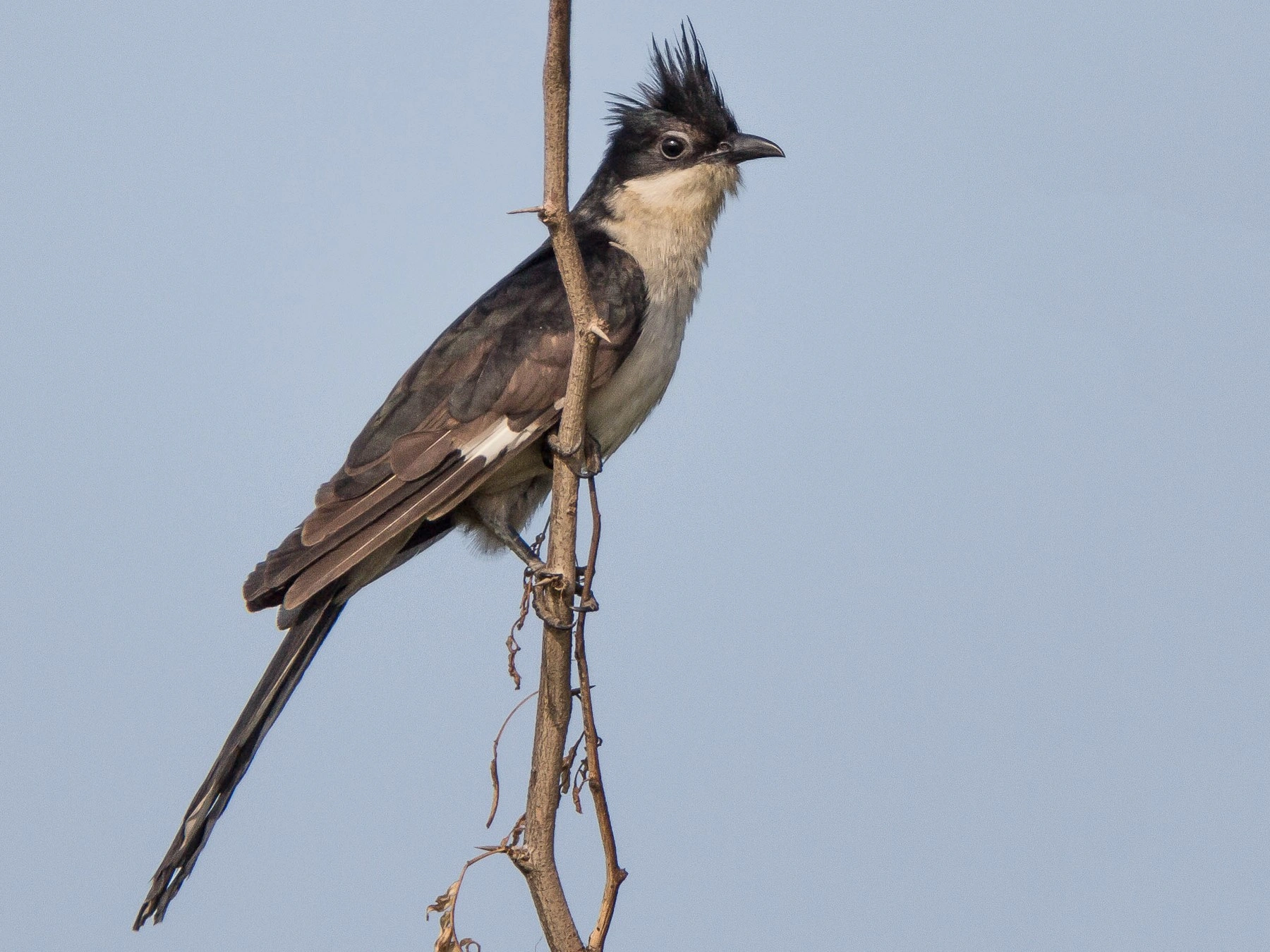
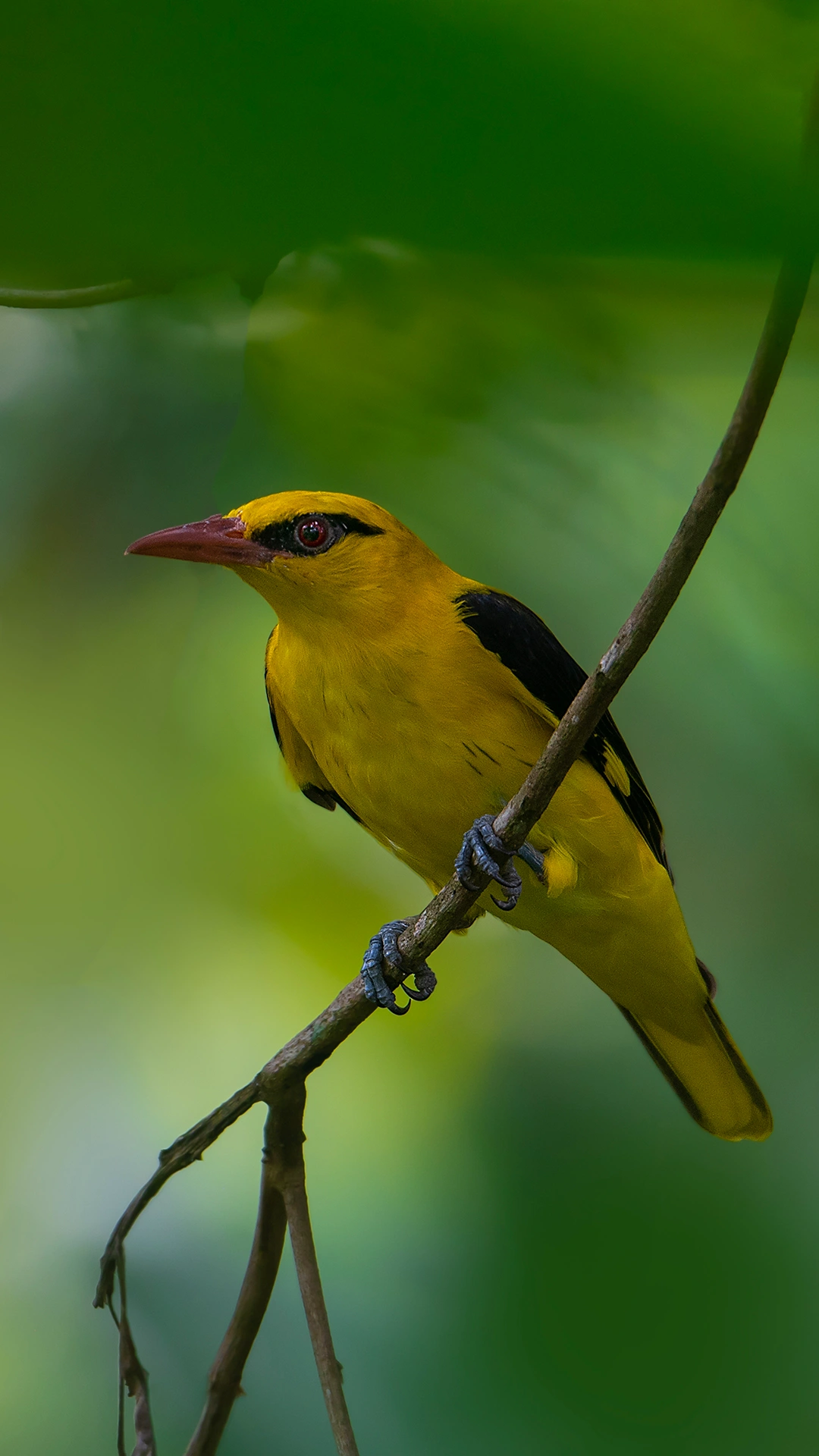
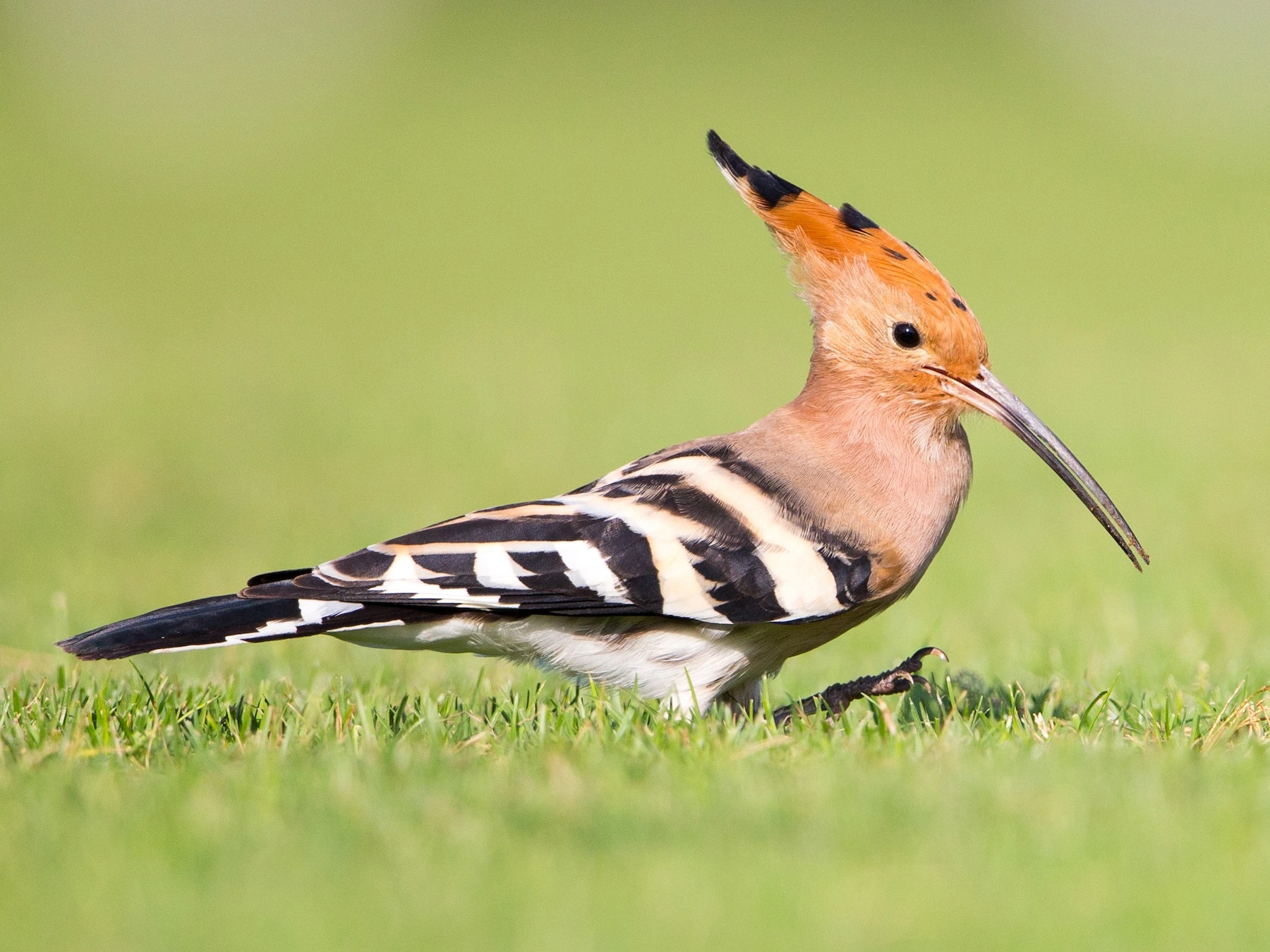
Summer at Rakh Barotian comes with the call of the Pied Cuckoo. In folklore it’s the Chatak, the bird said to announce the monsoon. The Indian Golden Oriole flashes bright yellow through the groves, and its fluting whistle carries across the fields. The Eurasian Hoopoe, with its striking crest, probes the ground for grubs. The Brown-headed Barbet calls endlessly from the treetops. Asian Green Bee-eaters swoop from wires to catch insects in mid-air, and the White-throated Kingfisher, a flash of electric blue, is as happy hunting lizards in the fields as fish in the ponds. Two drongos patrol the area: the glossy Black Drongo on open perches and the smoky Ashy Drongo in the tree canopy. On rocks and old walls, the Brown Rock Chat bobs its tail, while the Indian Robin cocks its own and the Oriental Magpie-Robin sings some of the sweetest songs of the countryside. Scaly-breasted Munias feed in small flocks in the grass, and Purple Sunbirds hover at flowers. Barn Swallows skim the fields, Red-wattled Lapwings raise the alarm, and the Asian Koel and Indian Peafowl fill the air with their calls.

Pied Cuckoo

Indian Golden Oriole

Eurasian Hoopoe

Brown-headed Barbet
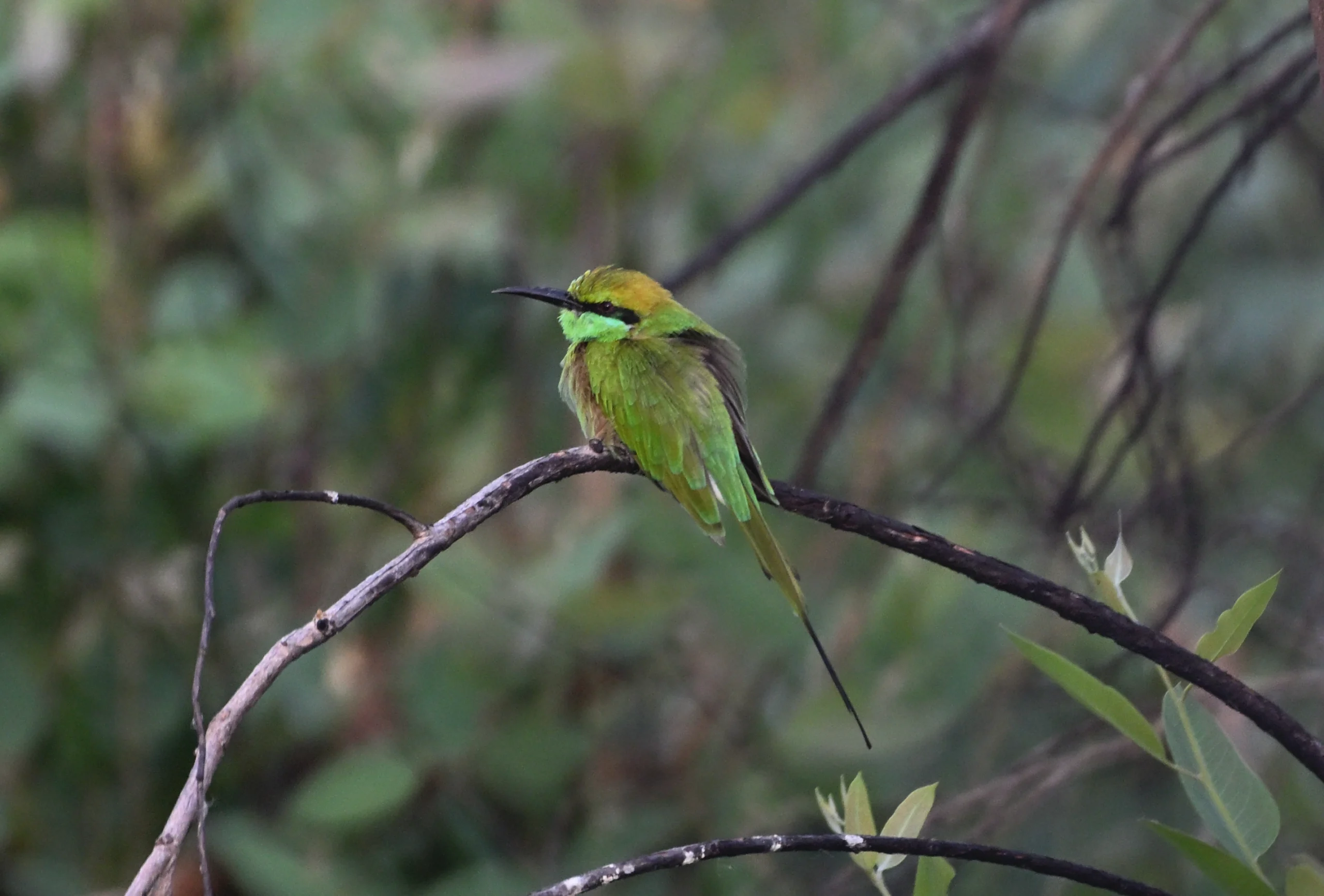
Asian Green Bee-eater
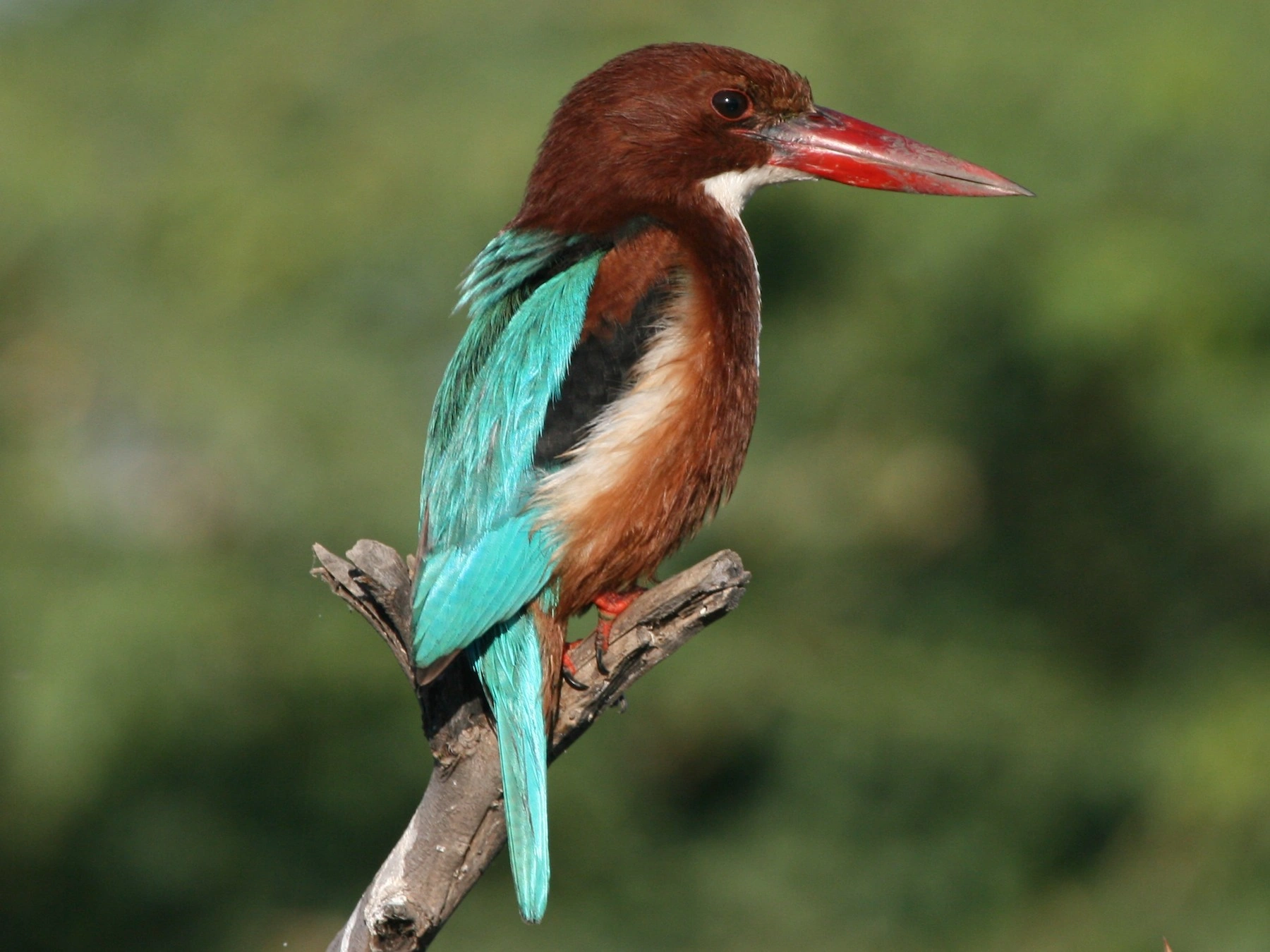
White-throated Kingfisher

Ashy Drongo

Black Drongo

Brown Rock Chat

Indian Robin

House Crow
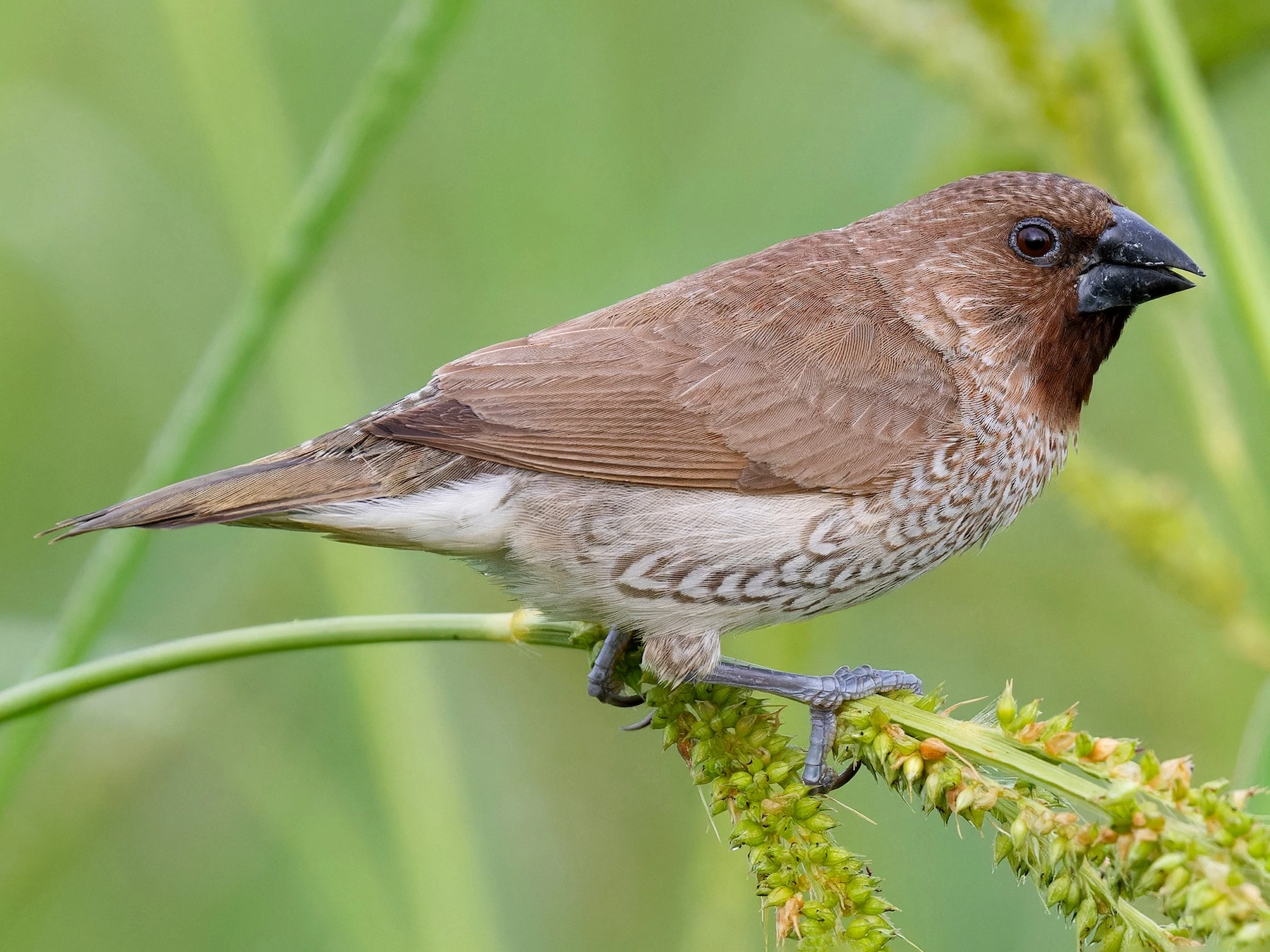
Scaly-breasted Munia

Purple Sunbird
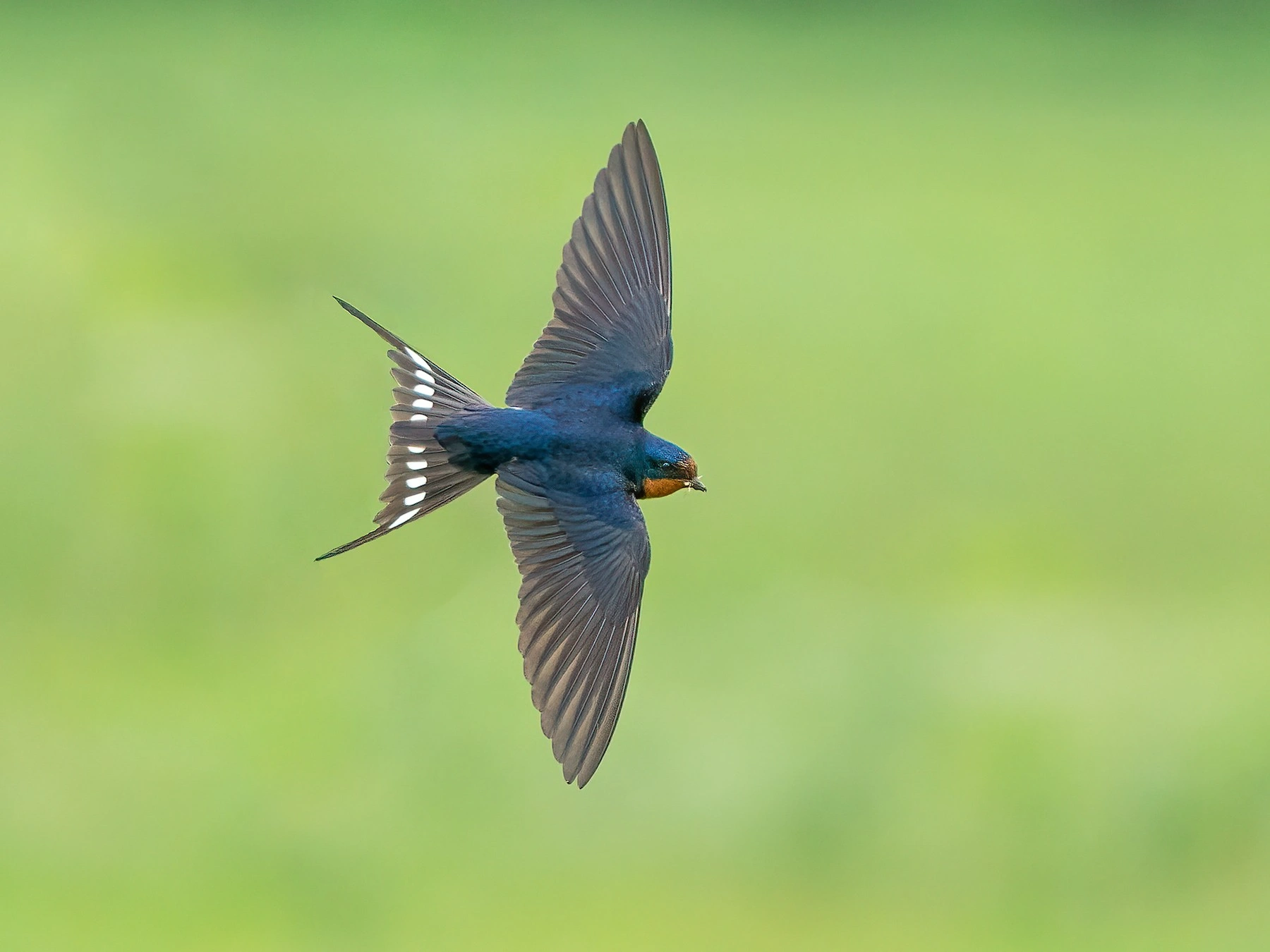
Barn Swallow

Red-vented Bulbul
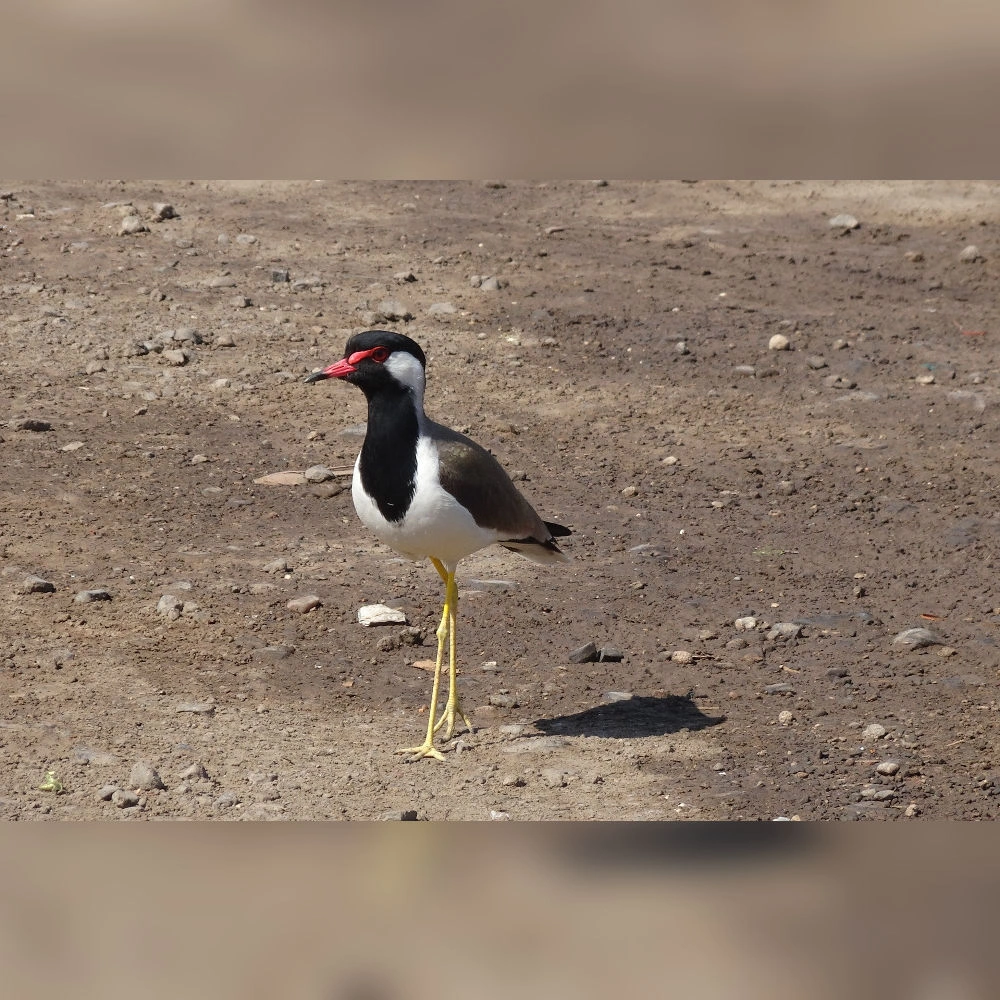
Red-wattled Lapwing
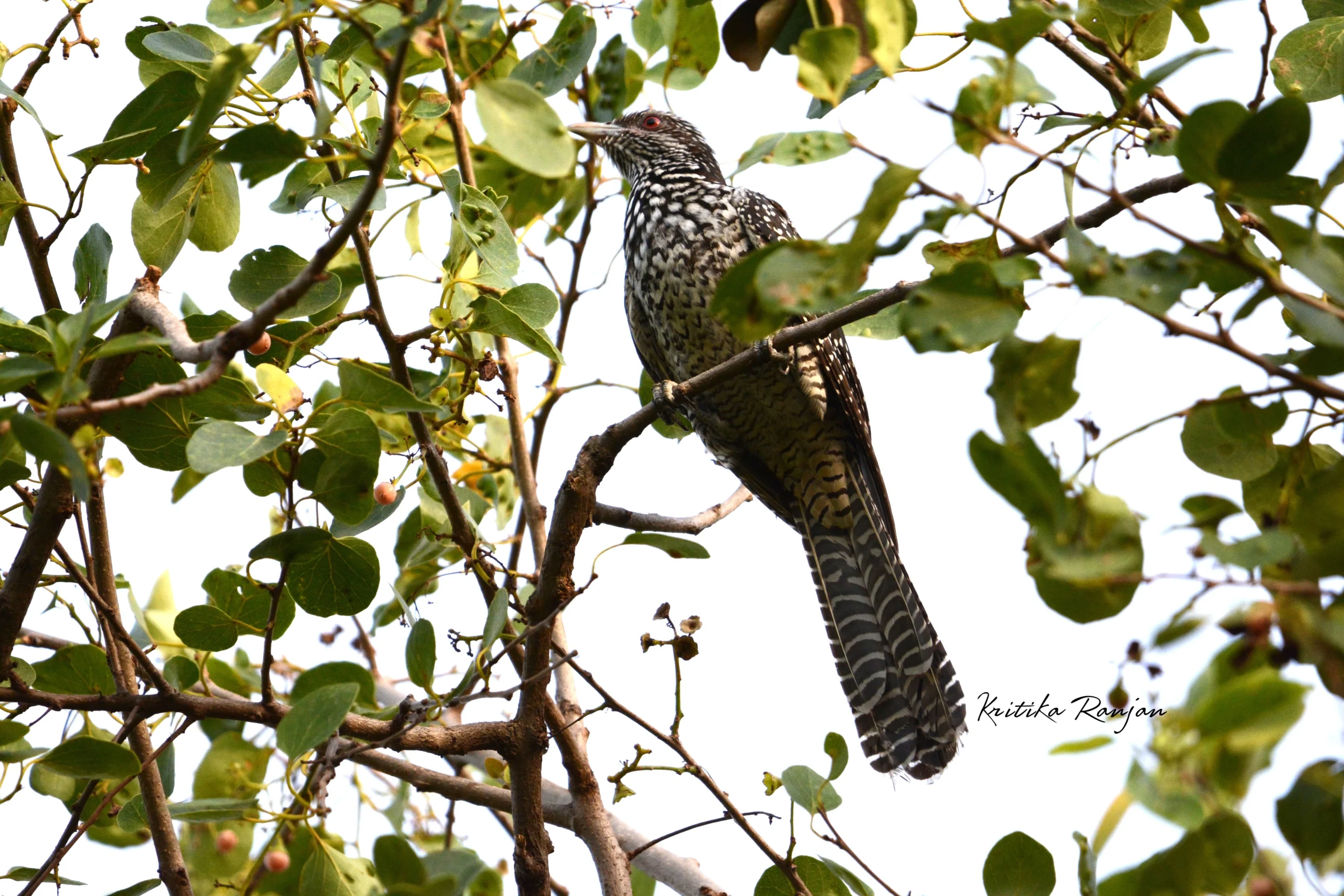
Asian Koel
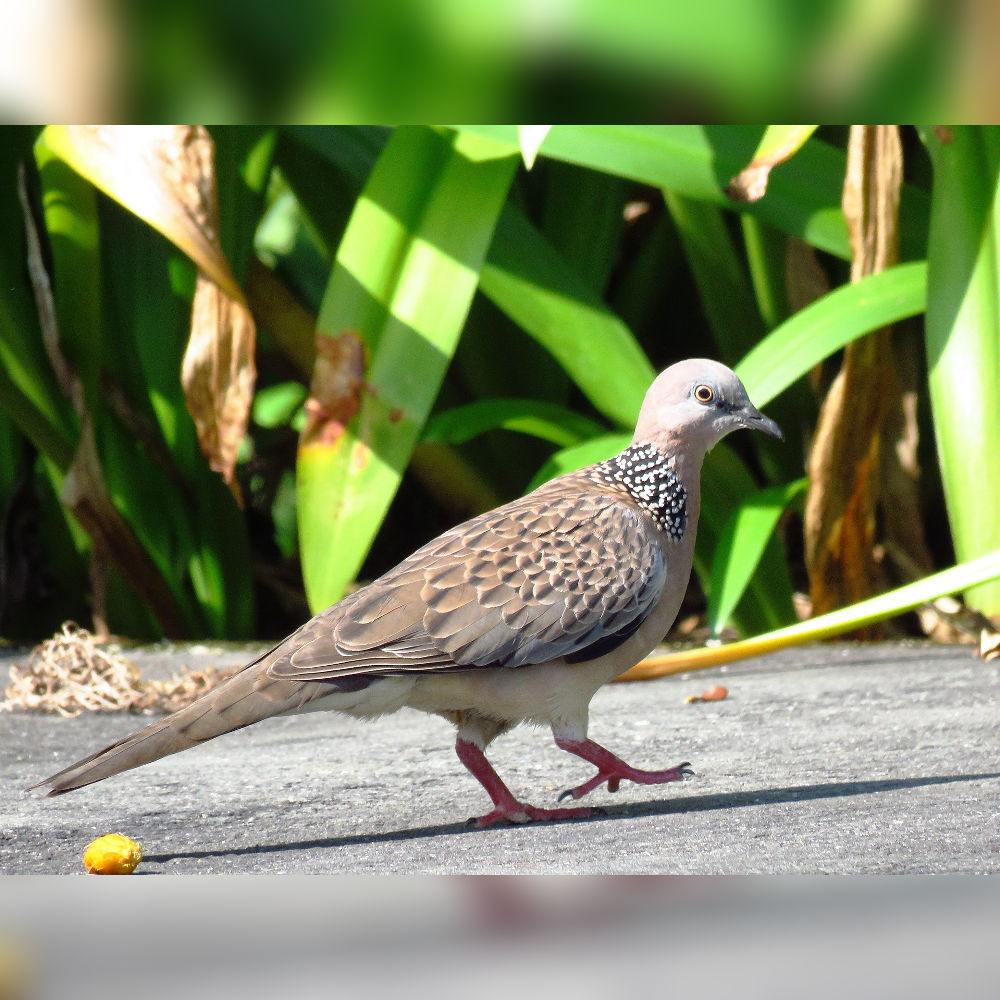
Spotted Dove
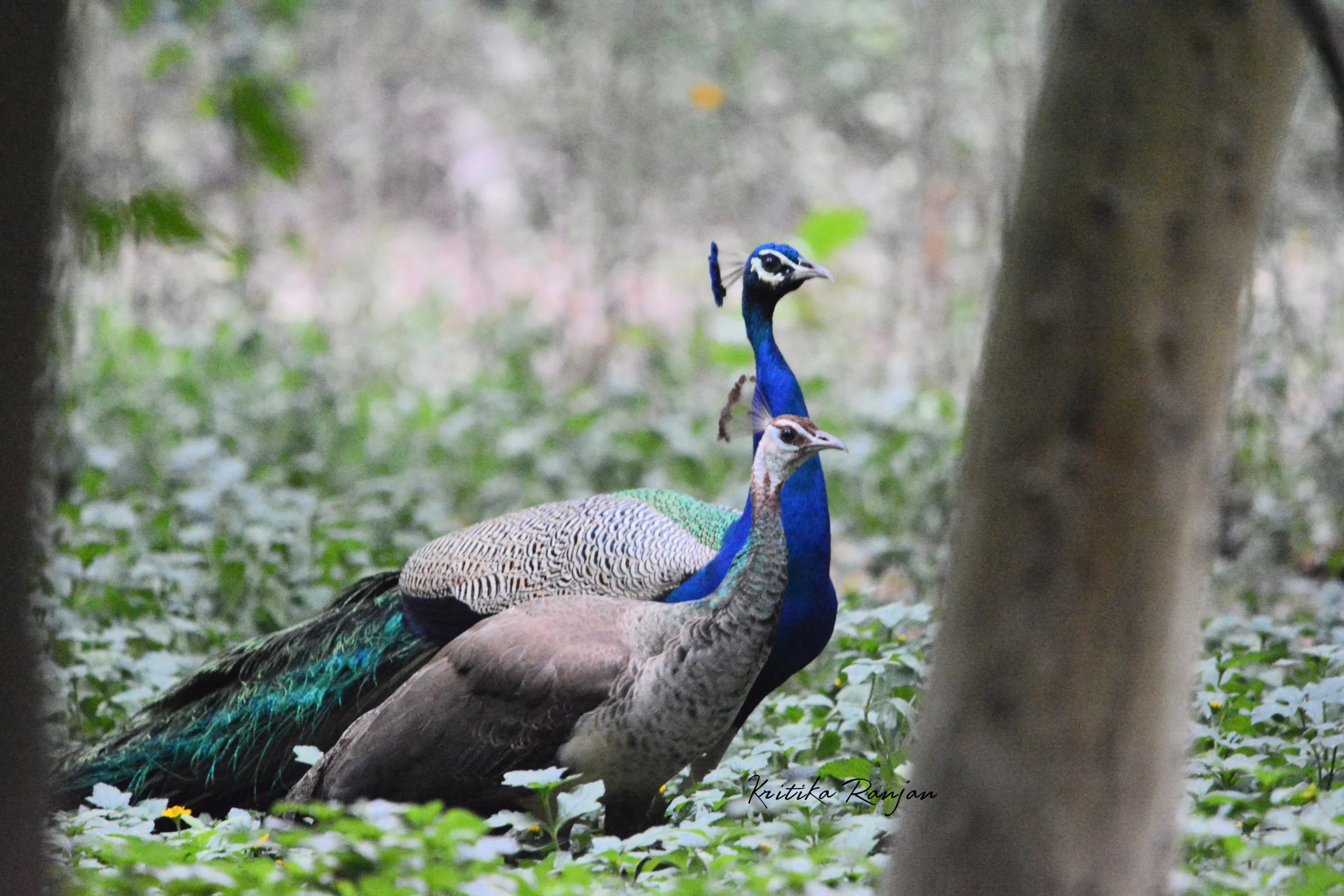
Indian Peafowl
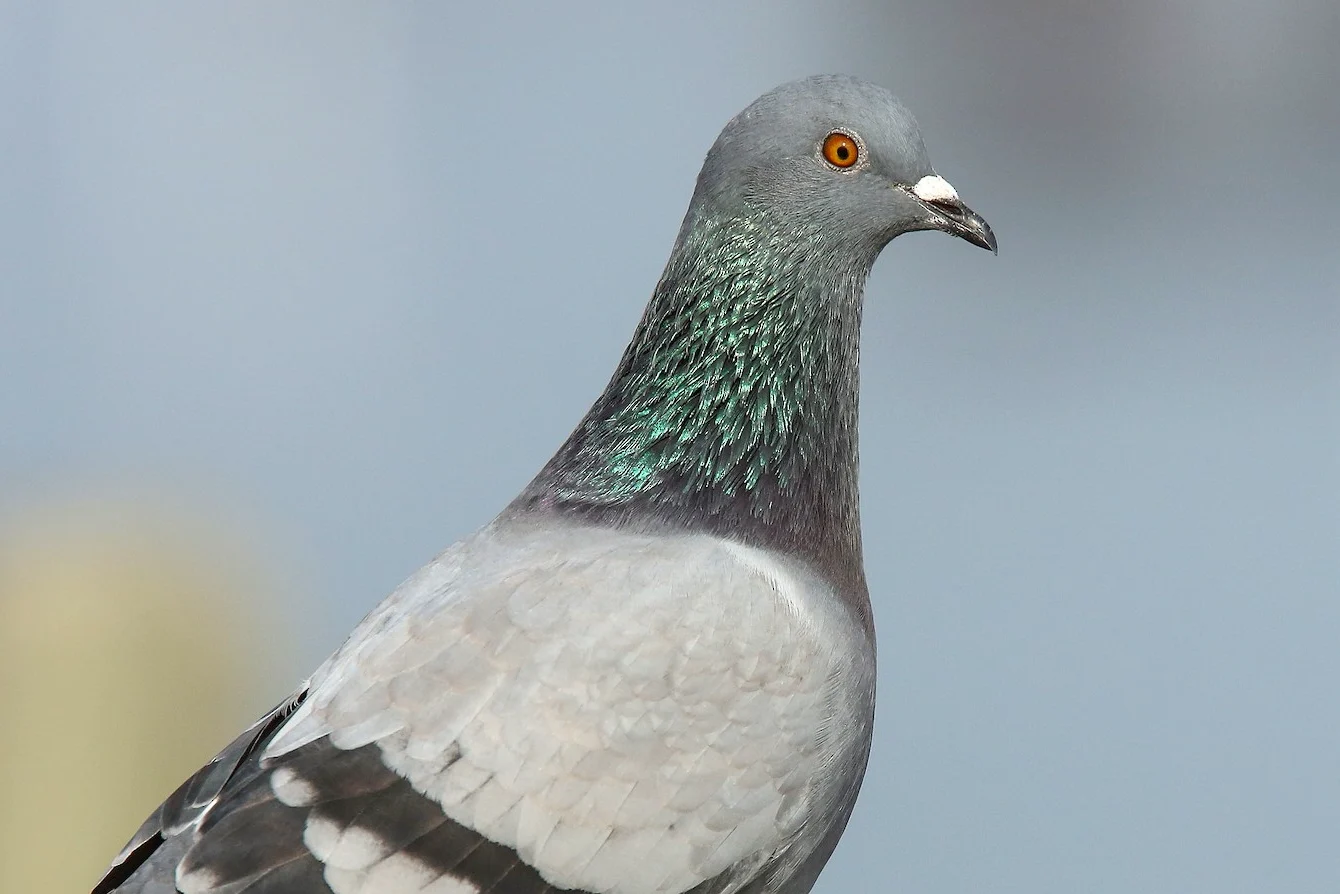
Rock Pigeon
Summary of Walk
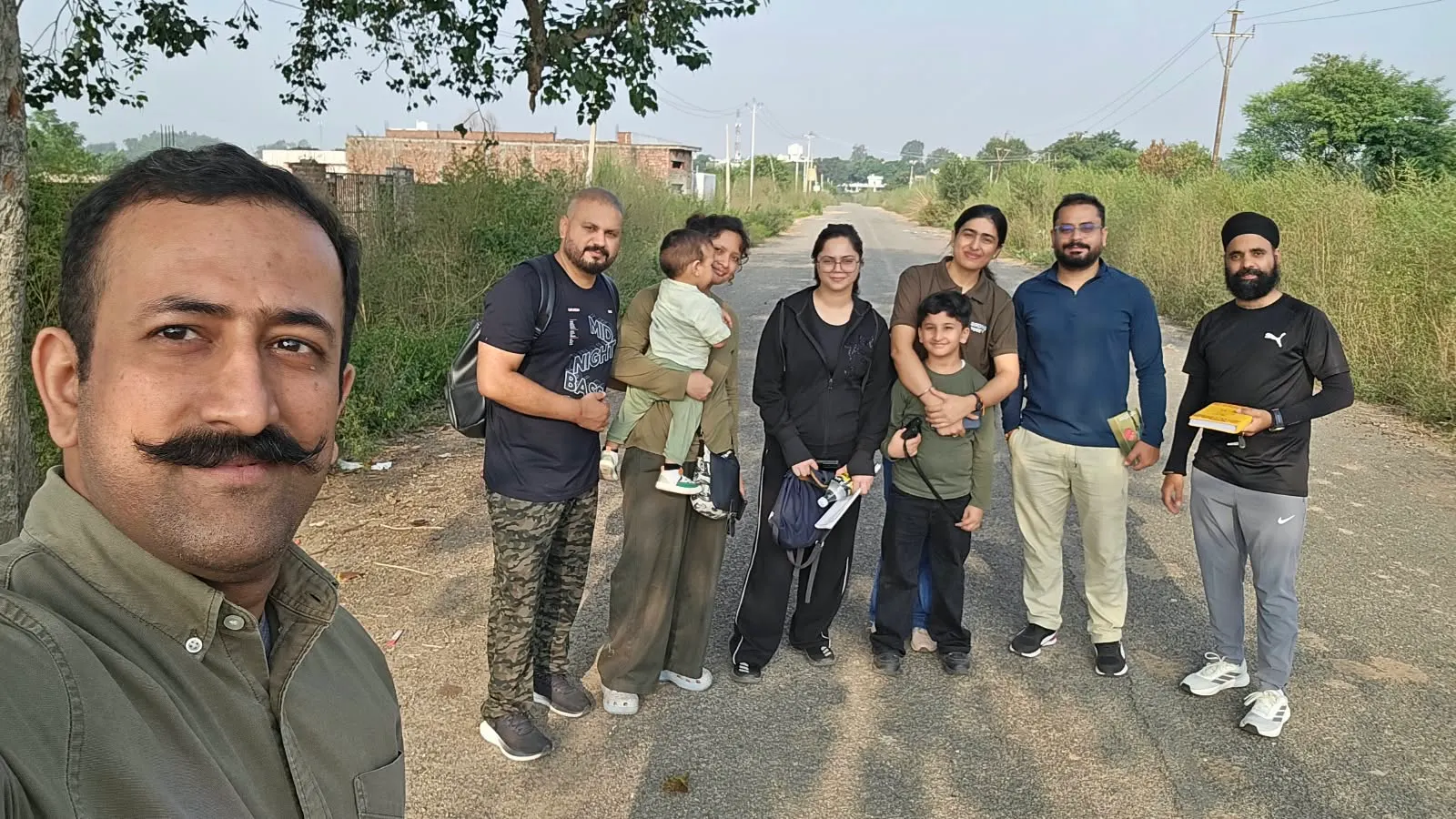
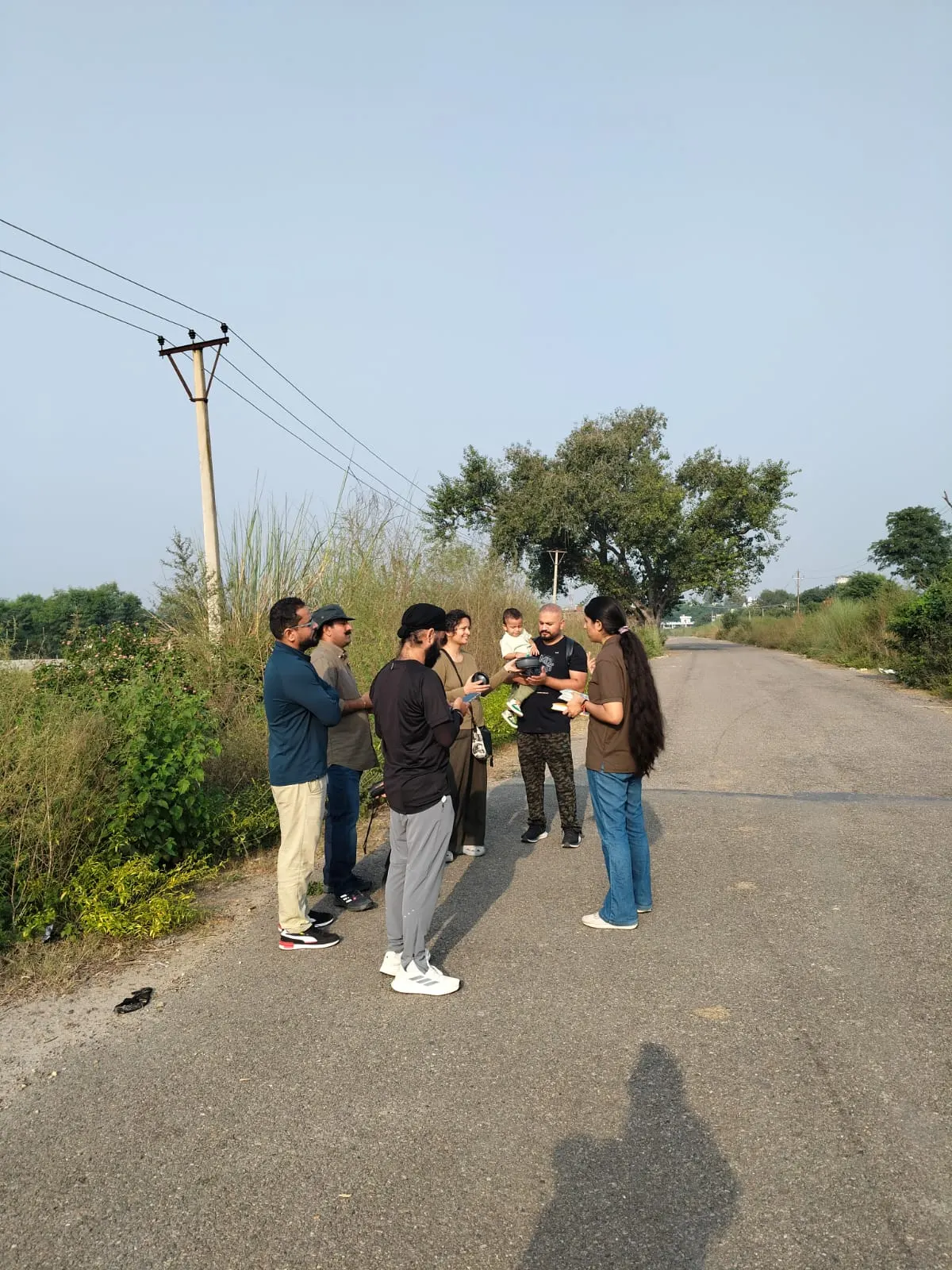
Six birders joined guide Tanvi Sharma at Rakh Barotia in Old Vijaypur, Jammu, on 4 October for a wonderful birding experience that recorded 29 species. The walk was full of delightful moments, and the group was constantly captivated by the birds around them. The highlight of the walk was a Drongo chasing a Black Kite, a bold and entertaining aerial chase that fascinated the participants and showed the courage of this small black bird. Many in the group had never seen a female Asian Koel before, and the Green Bee-eater, Wire-tailed Swallow, Red-whiskered Bulbul and drongos were also firm favourites. The Long-tailed Shrike, a bold hunter that watches from a prominent perch, was another sighting that held the group’s attention. At the end of the walk, a big fig tree was accommodating many birds at once, including the Indian Grey Hornbill, Rufous Treepie, a female Koel and drongos, a scene that was an absolute feast for the eyes. This led to a conversation about why the fig tree is considered sacred in Dogri culture, a wonderful blend of natural history and local tradition that gave the walk extra depth. Participants really appreciated Ataavi for promoting this hobby across India, and Tanvi’s guidance made it easy for newcomers to feel at home. It was an excellent spot for a bird walk, and the group left with the feeling of having shared a meaningful experience that connected birds, people and the cultural heritage of the region, along with a promise to join again for the next walk.
Number of Participants
0