Bird walk at Ranganathittu Bird Sanctuary, Mysuru
- Mysuru
- 31 October, 2026
- Rs 250 per head
- Fee collected goes entirely to the bird guide. Ataavi does not retain or profit from this amount.
About Ranganathittu Bird Sanctuary
Near Srirangapatna, about 20 km from Mysuru, Ranganathittu Bird Sanctuary is a cluster of small, wooded islets in the Kaveri River. It is one of Karnataka’s most famous wildlife sites. The islets formed after a weir was built across the river in the 17th century. Following Dr. Salim Ali’s recommendation, they were declared a sanctuary in 1940, and today Ranganathittu is recognised as a Ramsar Site. Its leafy trees, bamboo clumps and rocky banks rise from fast-flowing water, and the islets are surrounded by fields and sugarcane. Mugger crocodiles bask on the rocks, smooth-coated otters hunt in the river, and large colonies of fruit bats hang from the trees.
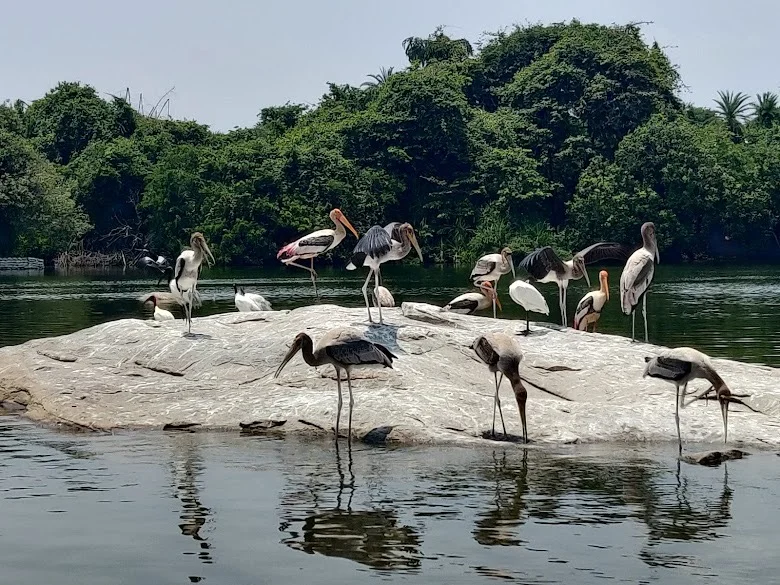
For birders, Ranganathittu is famous for its huge breeding colonies. From winter through summer, thousands of storks, pelicans, ibises, cormorants, darters, herons and egrets nest on the islets, filling the air with noise and movement, and boat rides bring visitors close to the action. The sanctuary does face pressures. Sudden water releases from the upstream Krishna Raja Sagar dam can flood nests and wash away eggs and chicks. Upstream pollution, sand mining, and heavy tourist crowds and boating also disturb the colonies, and the small islets leave little room for the birds. Careful water management, controlled tourism and protecting the river upstream are essential to keeping Ranganathittu thriving.

Bird Guide - Kavya M
She is a passionate birder from Mysuru, has been exploring the city’s rich avian life for many years. Love watching birds and helping others notice the small wonders around them
Bird walk Location
Common birds of Ranganathittu Bird Sanctuary
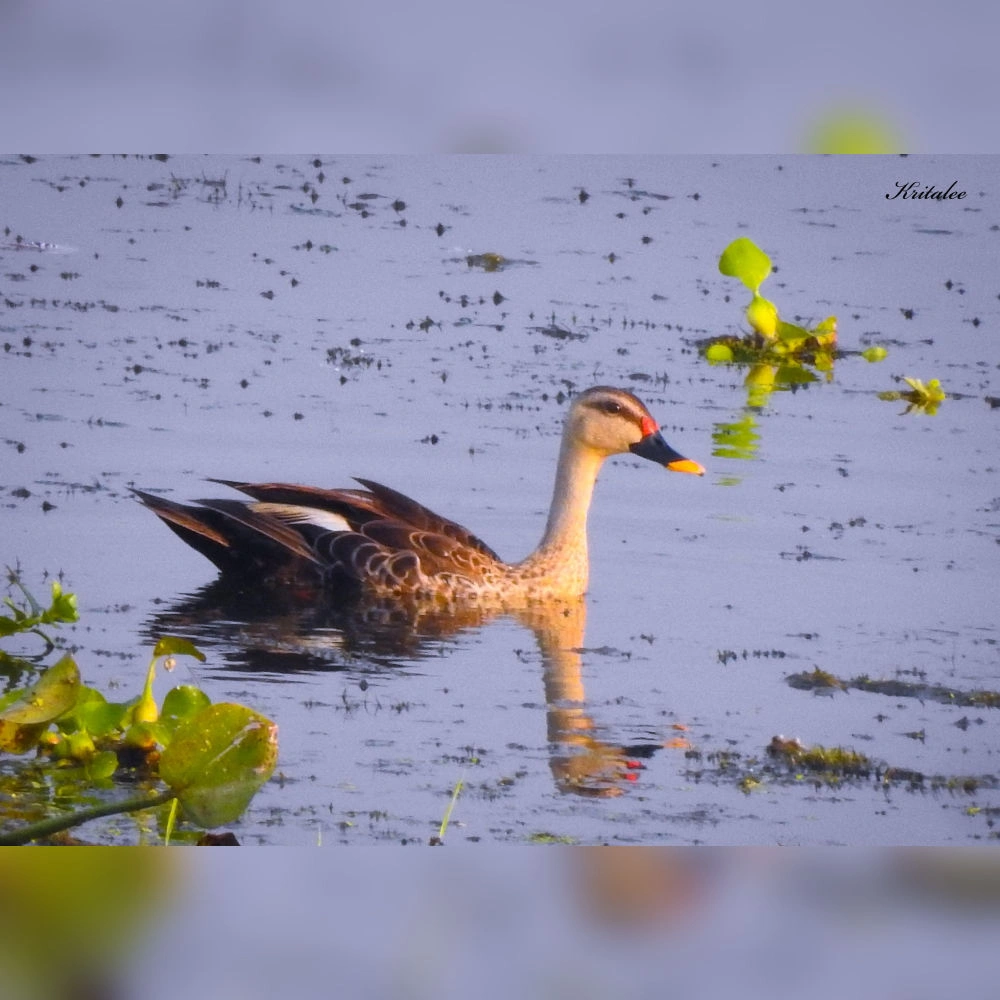
Ranganathittu’s islets are a living nursery. Spot-billed Pelicans, huge and globally threatened, build bulky nests in the treetops and glide over the river on broad wings. Painted Storks crowd the branches, their rosy wing feathers glowing against the green, while Asian Openbills crack open snails with their oddly gapped bills. Black-headed Ibises probe the banks with long, curved bills. The Oriental Darter, or “snakebird”, swims with only its thin neck above the water, then perches with its wings spread to dry. Indian and Little Cormorants dive and fish together. Gray and Purple Herons stand motionless along the rocks. Black-crowned Night Herons rest hidden by day, and Little Egrets and Indian Pond-Herons hunt patiently in the shallows. Indian Spot-billed Ducks and Little Grebes paddle quietly in the backwaters. The glossy Bronze-winged Jacana walks on floating plants, and Eurasian Moorhens and White-breasted Waterhens slip through the reeds. Red-wattled Lapwings call from the banks. The Gray Wagtail, a winter visitor, and the resident White-browed Wagtail bob along the rocks. Purple-rumped Sunbirds dart among the flowers, and a Shikra keeps watch from the trees.

Indian Spot-billed Duck

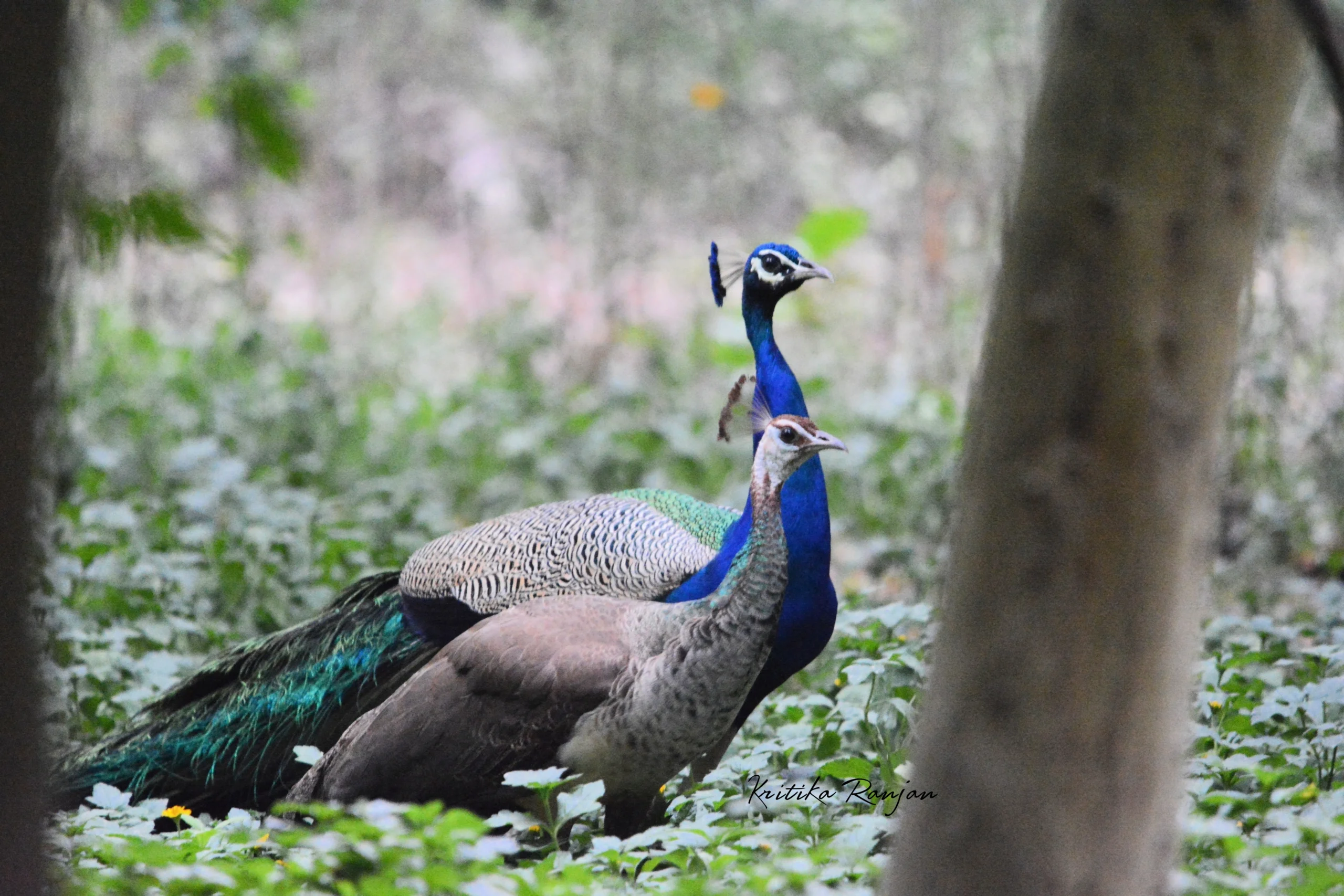
Indian Peafowl
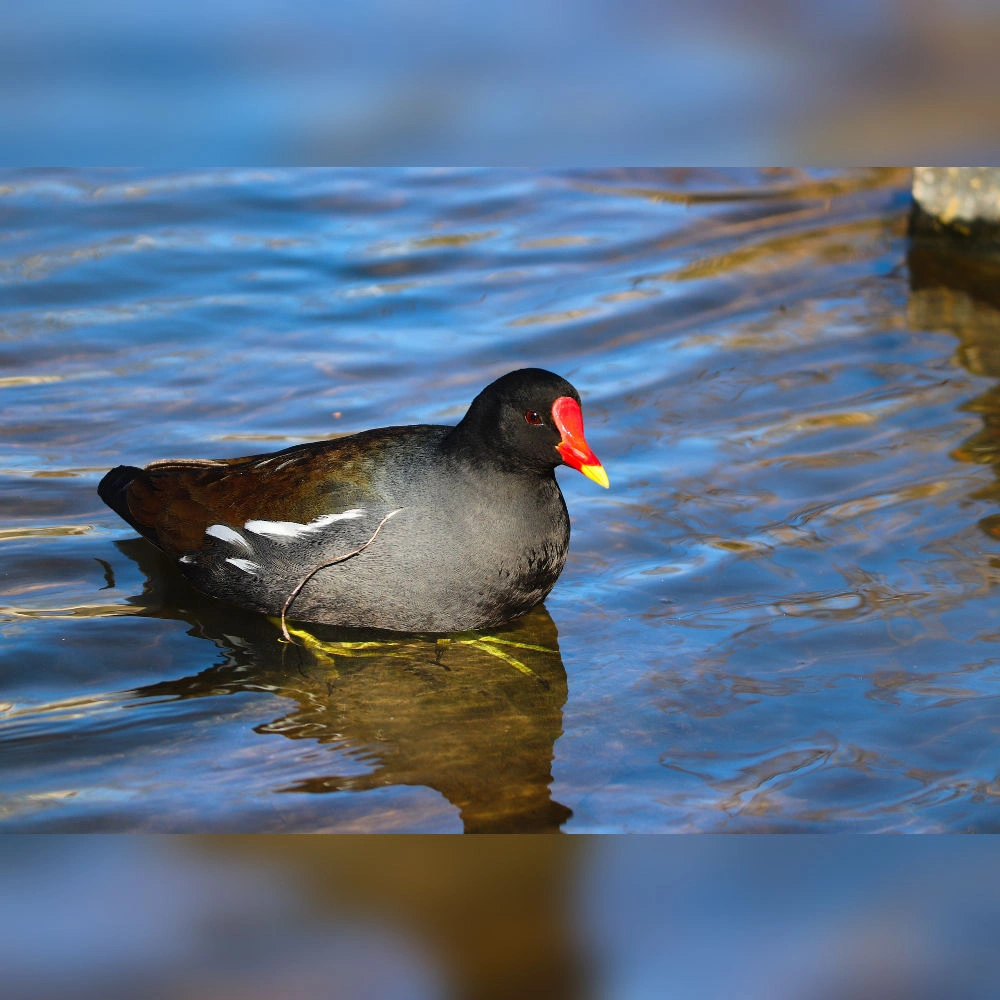
Eurasian Moorhen
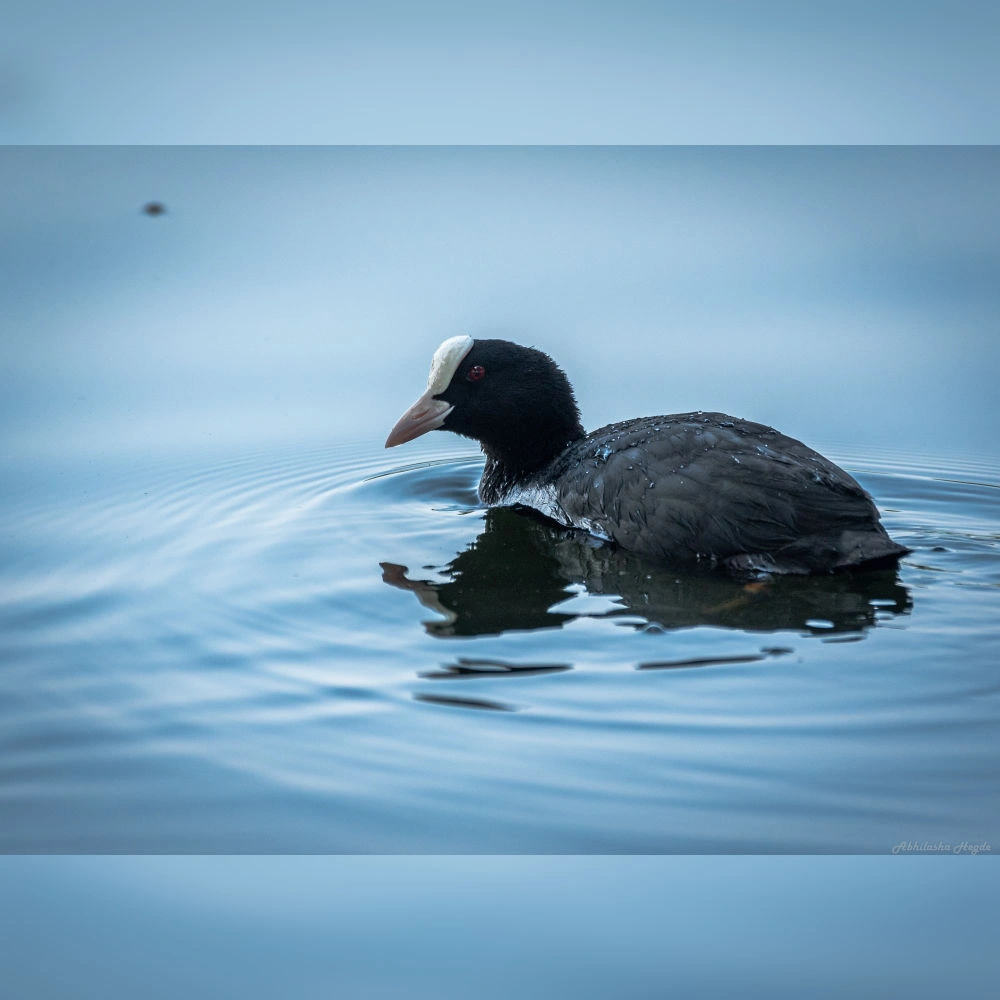
Eurasian Coot
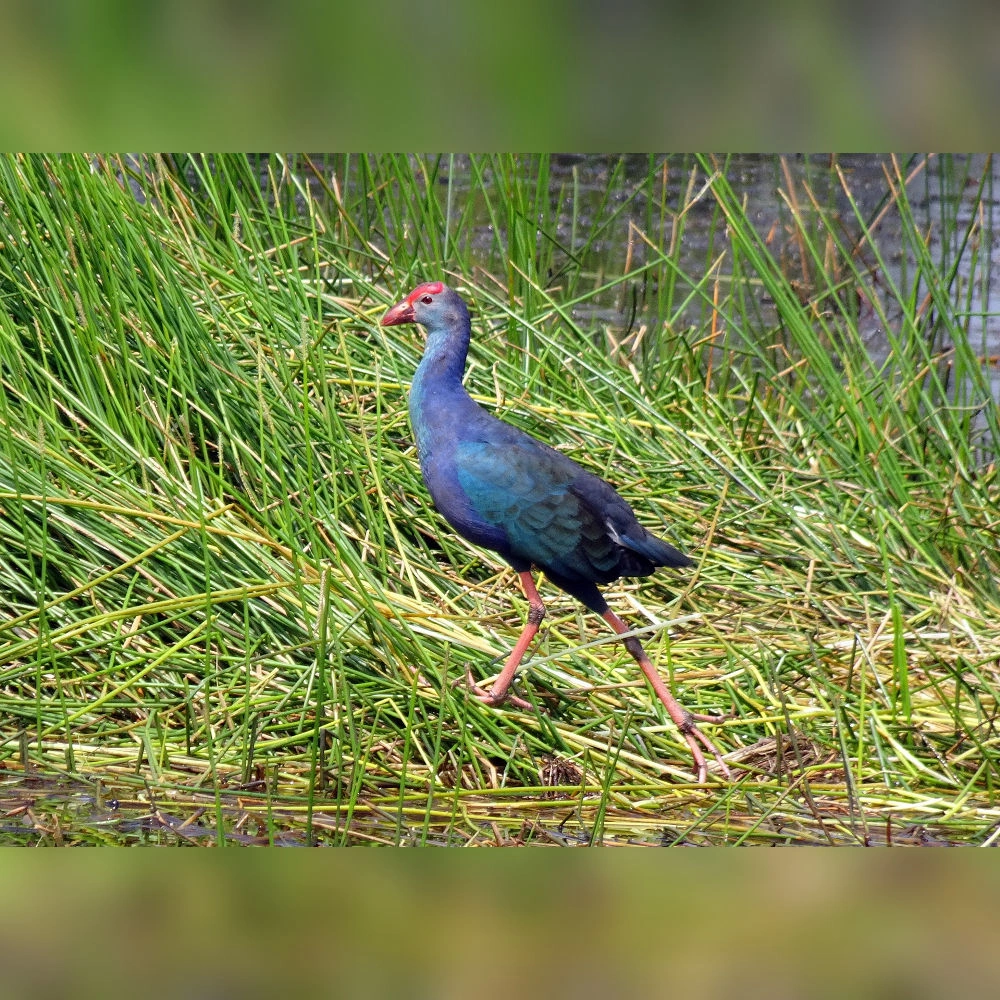
Gray-headed Swamphen
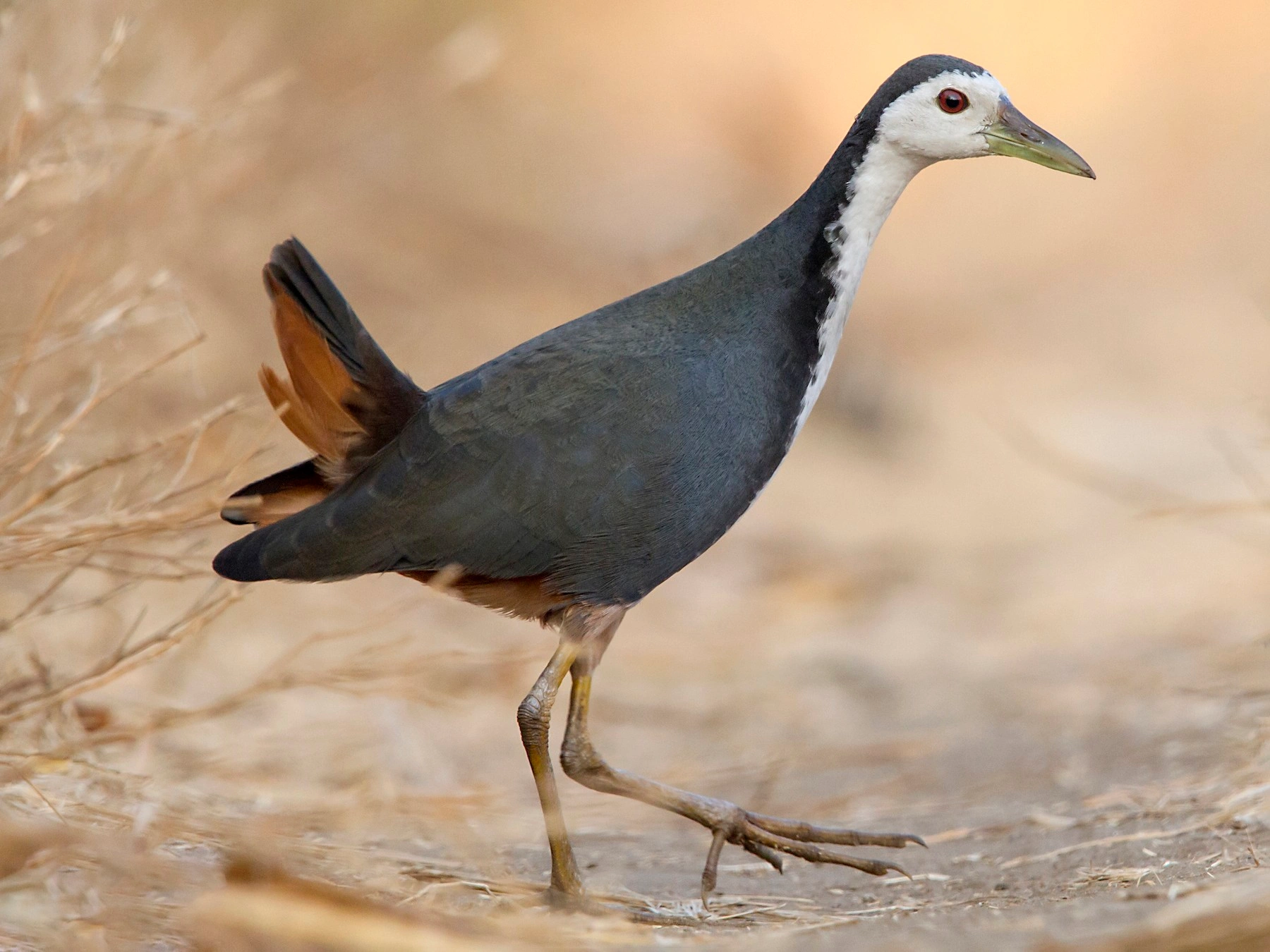
White-breasted Waterhen
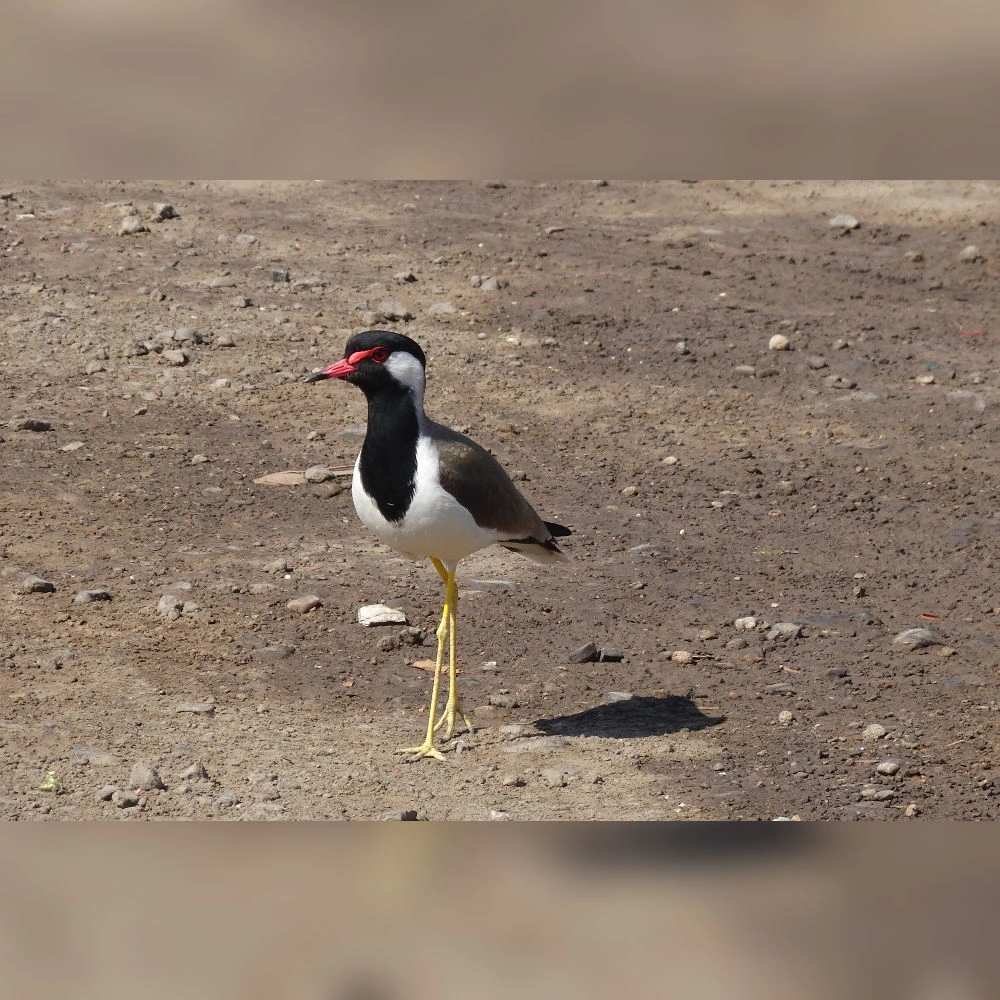
Red-wattled Lapwing
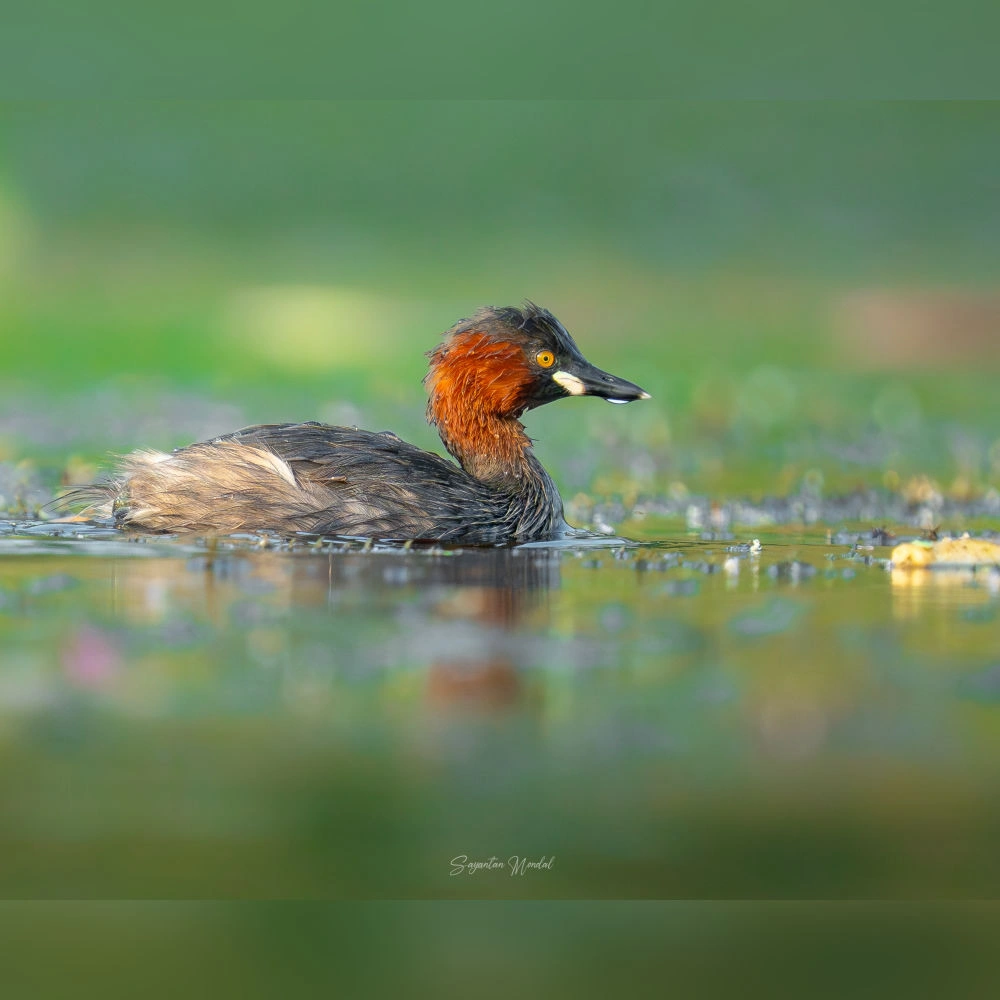
Little Grebe
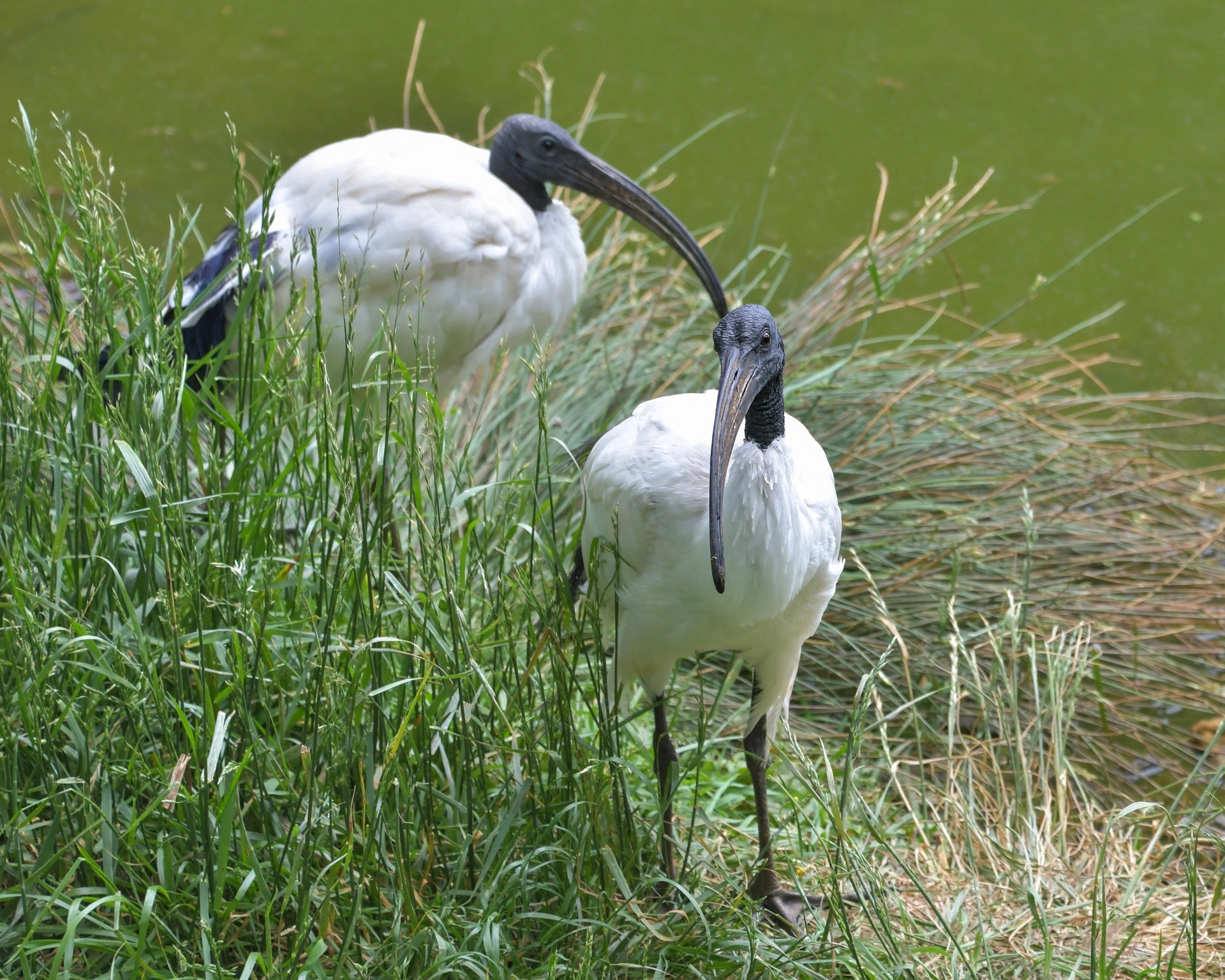
Black-headed Ibis
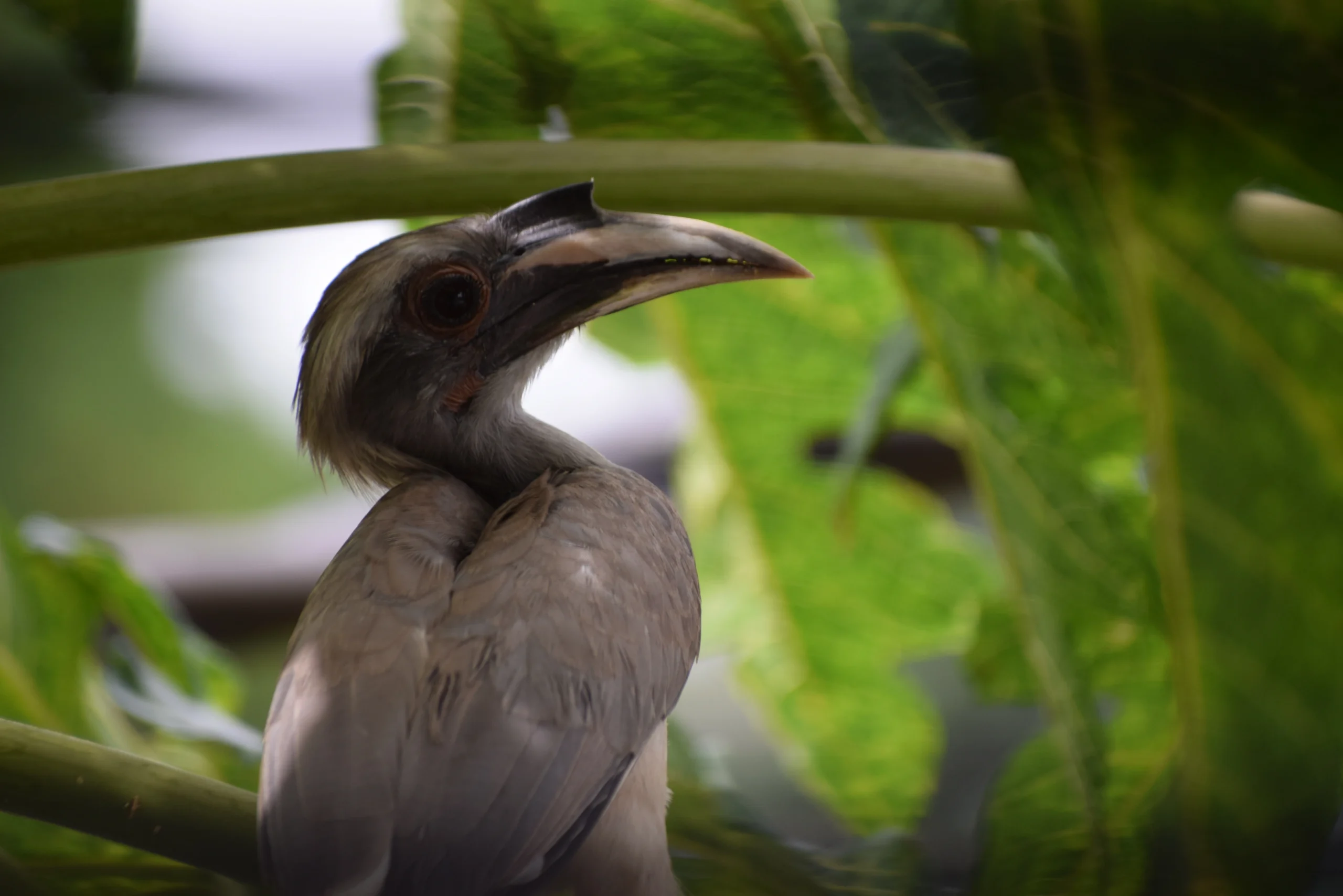
Indian Grey Hornbill
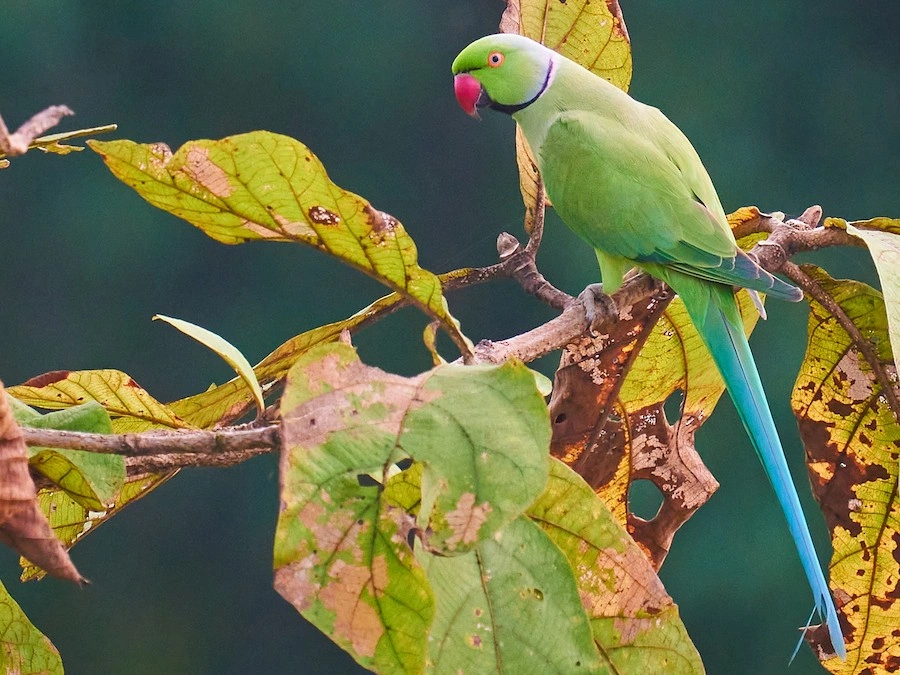
Rose-ringed Parakeet
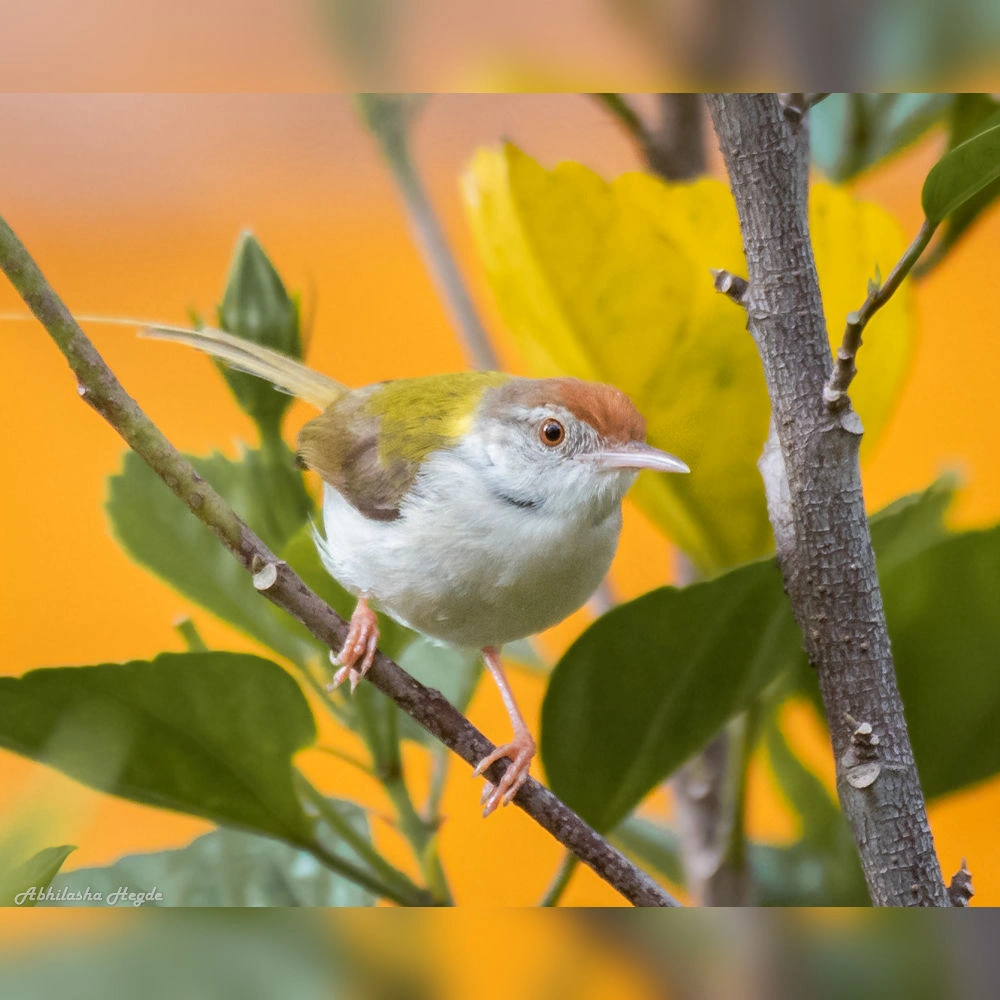
Common Tailorbird
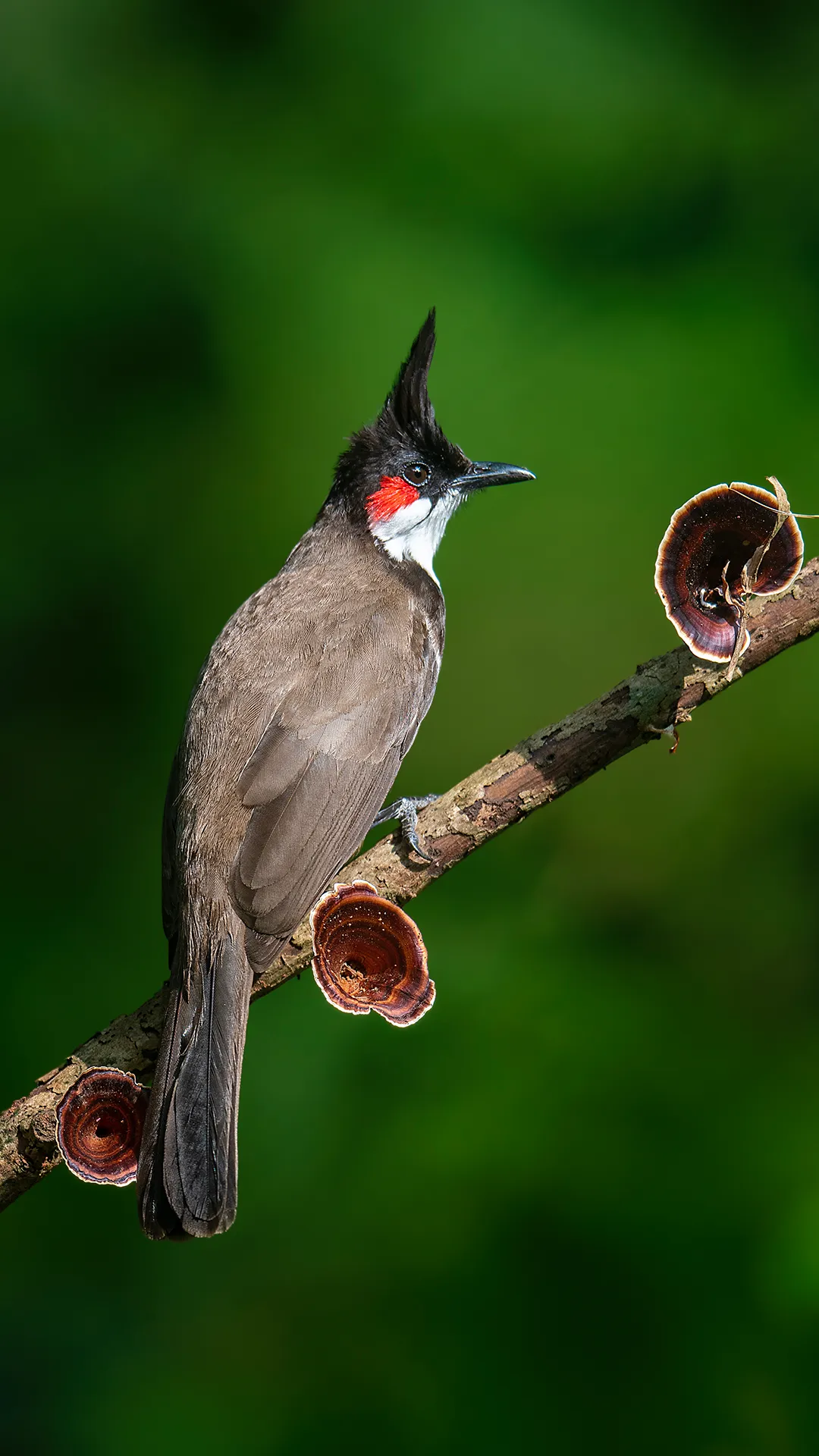
Red-whiskered Bulbul
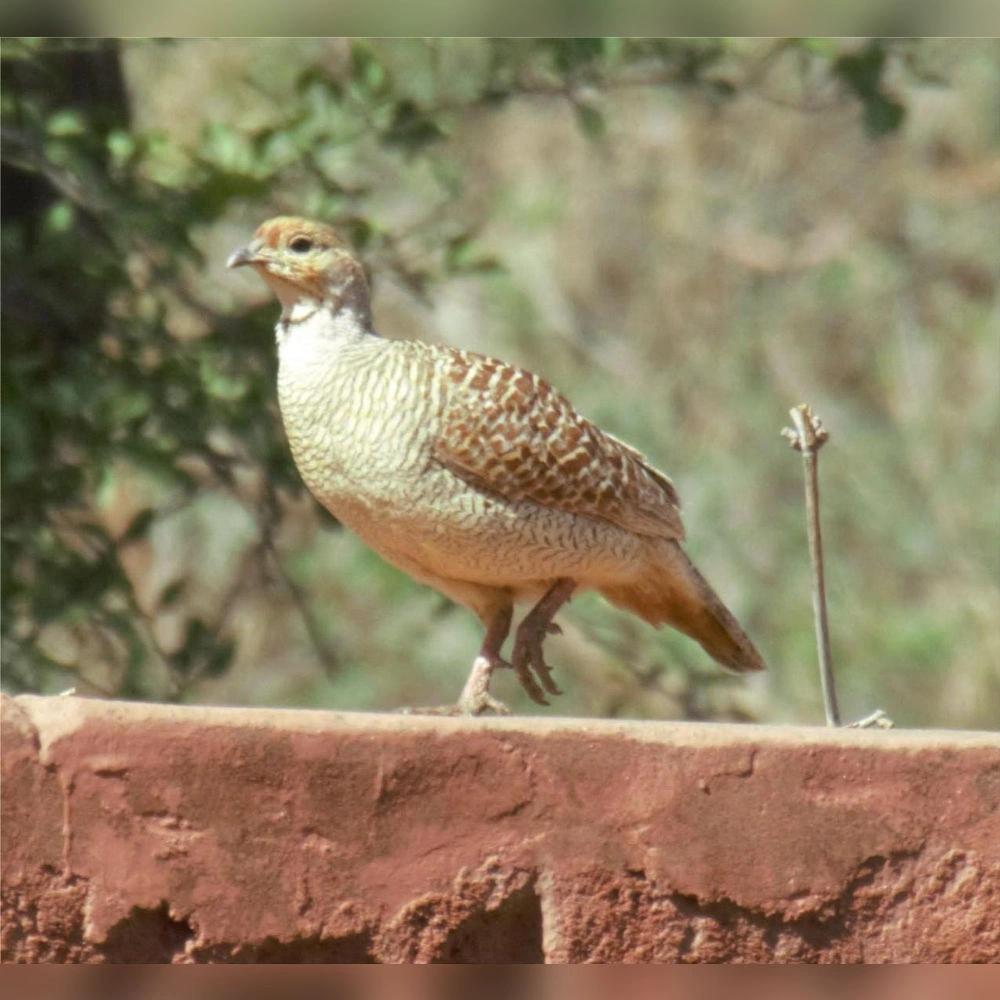
Grey Francolin
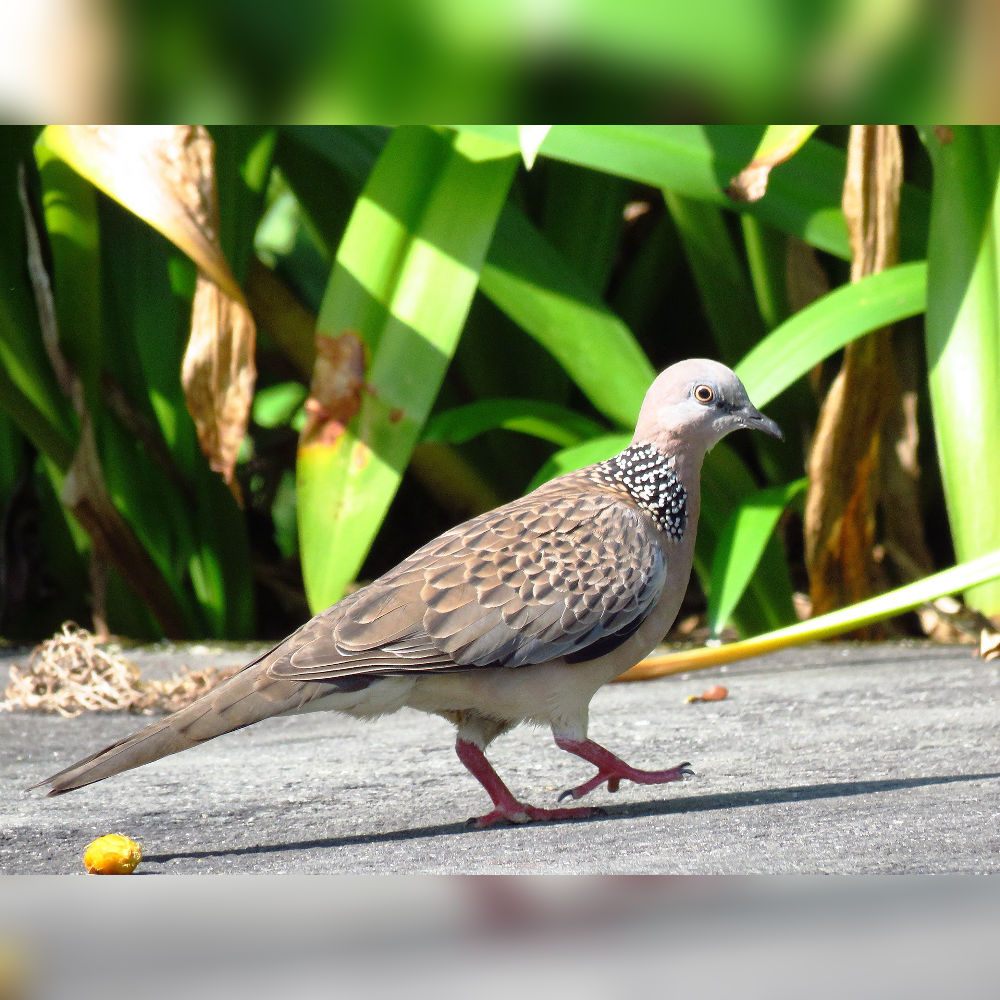
Spotted Dove
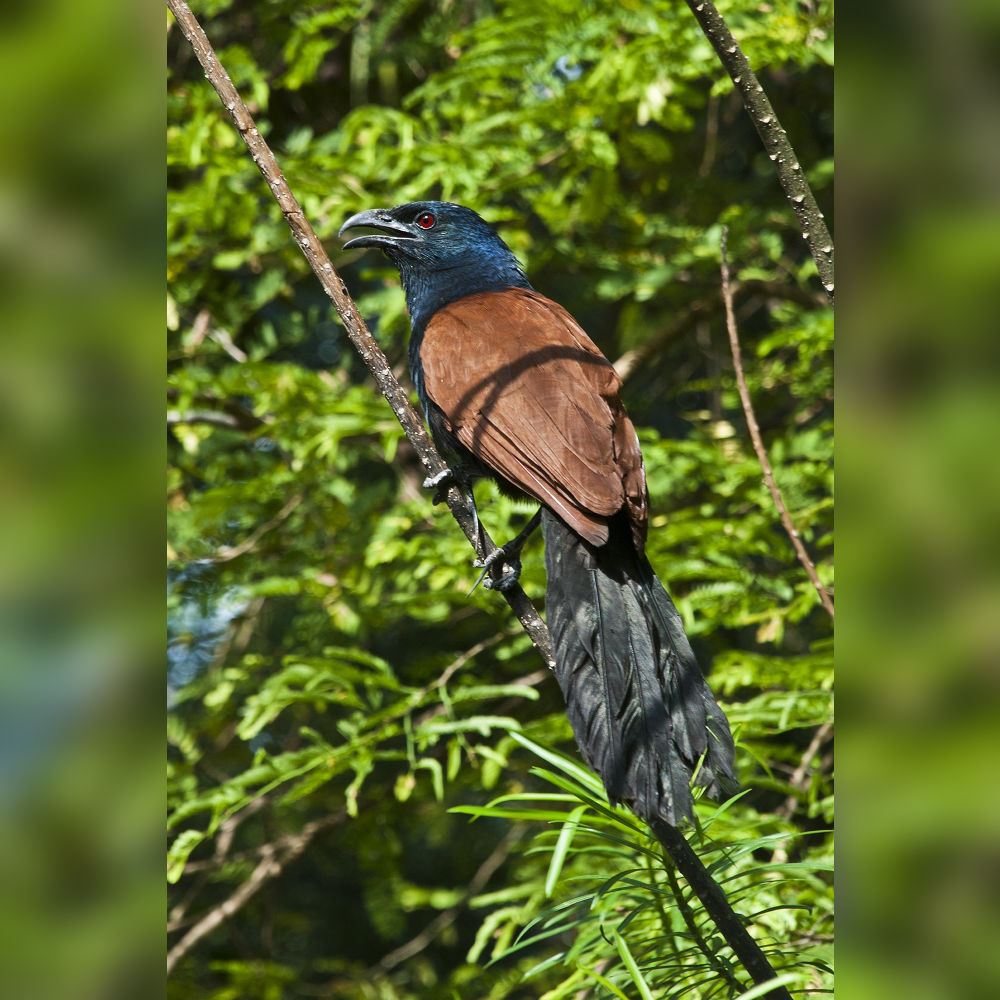
Greater Coucal
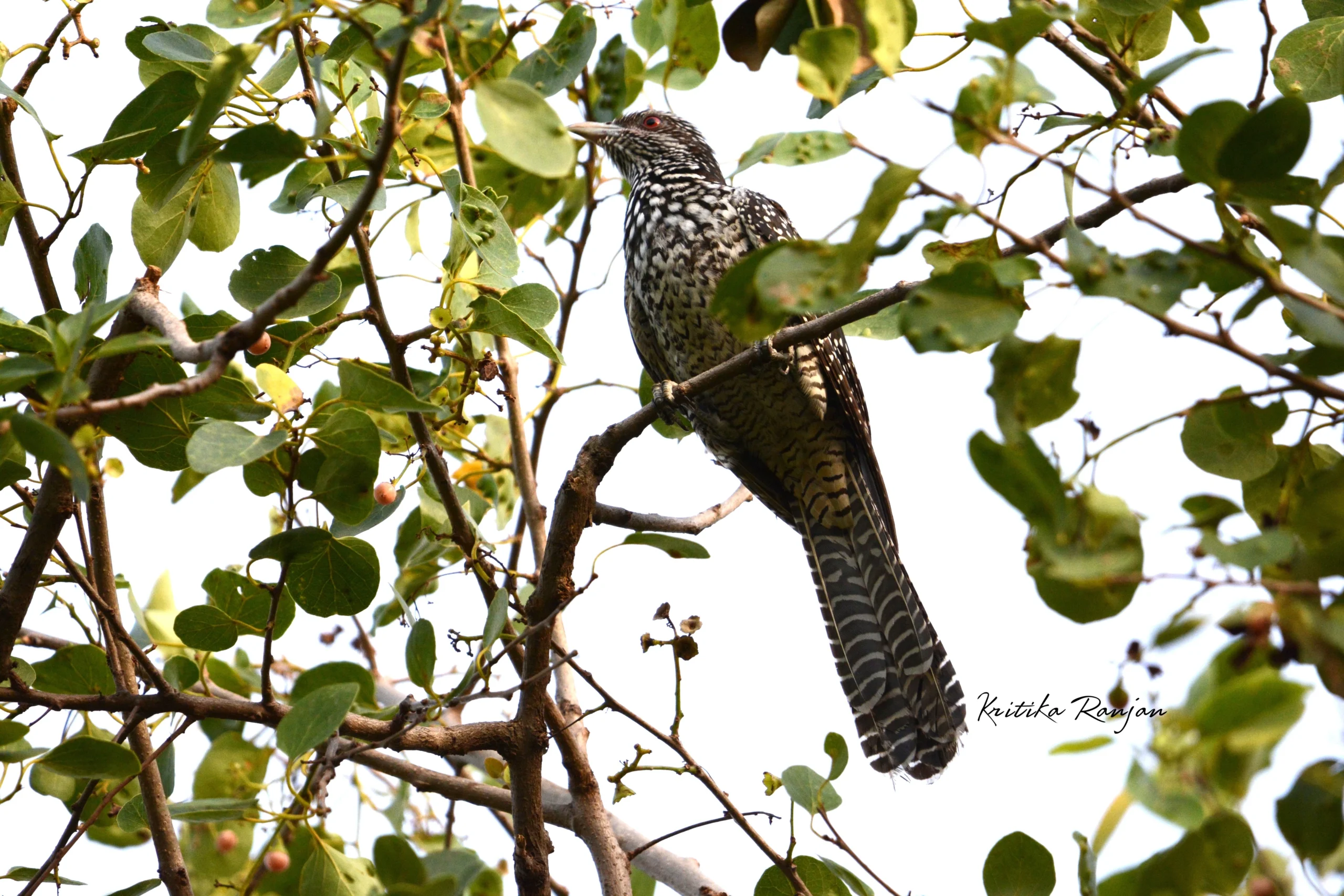
Asian Koel
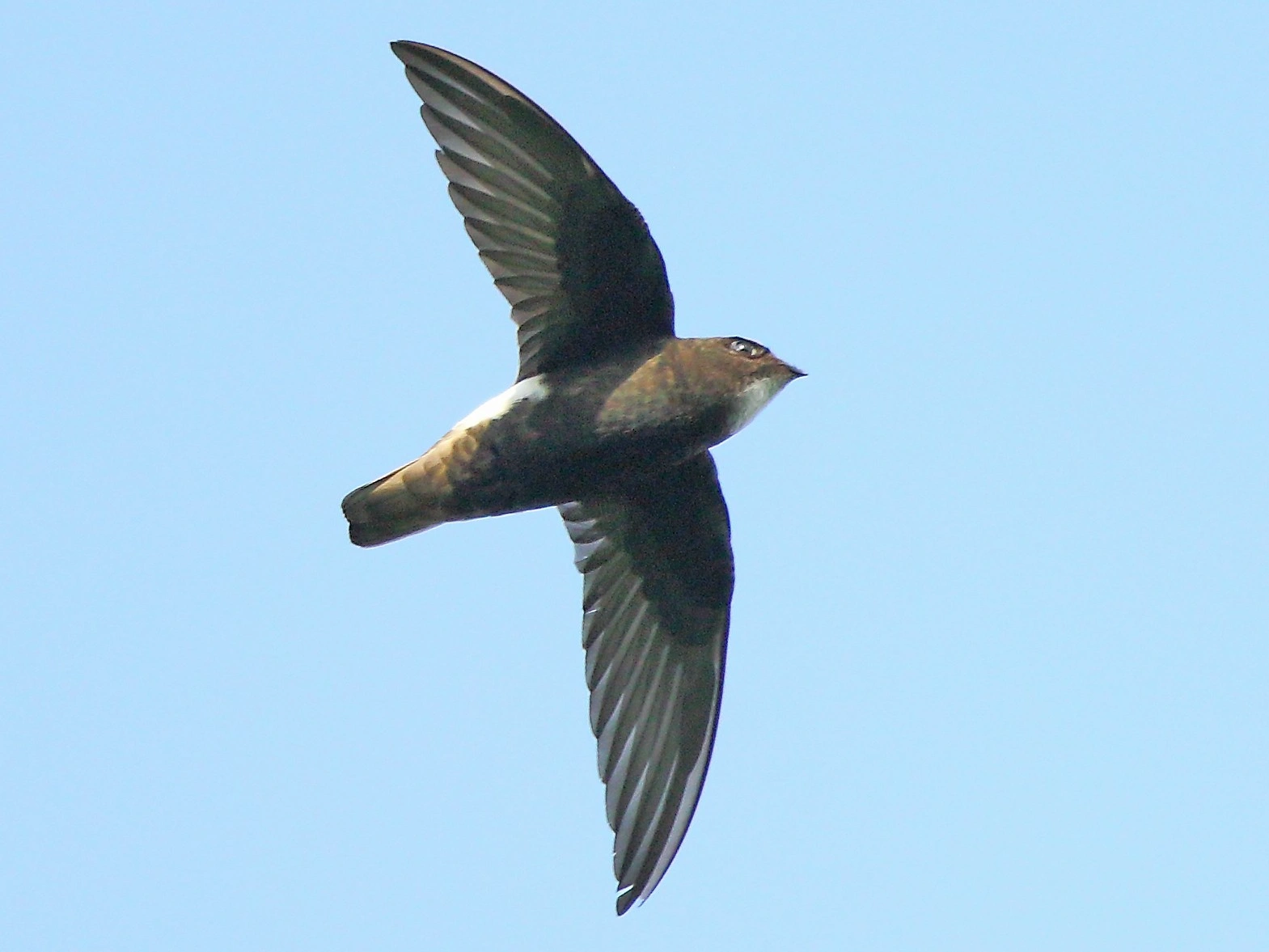
Little Swift
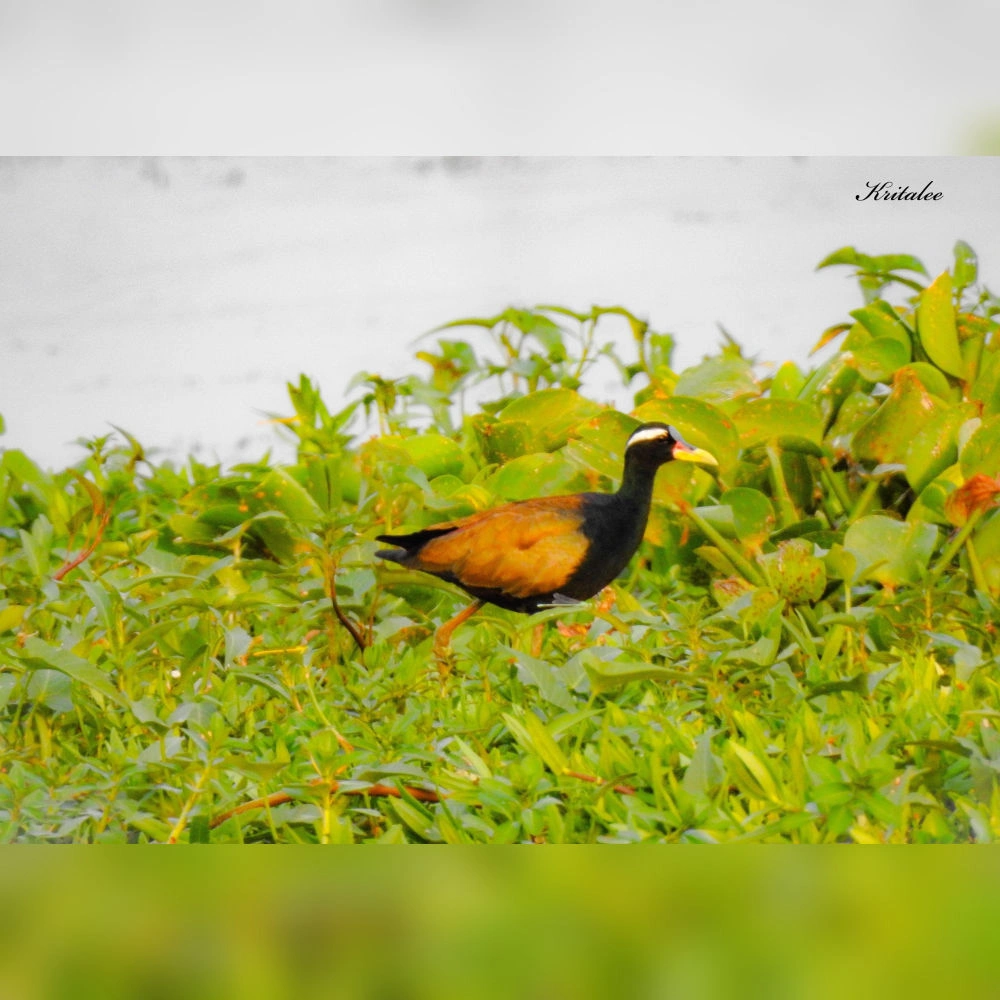
Bronze-winged Jacana
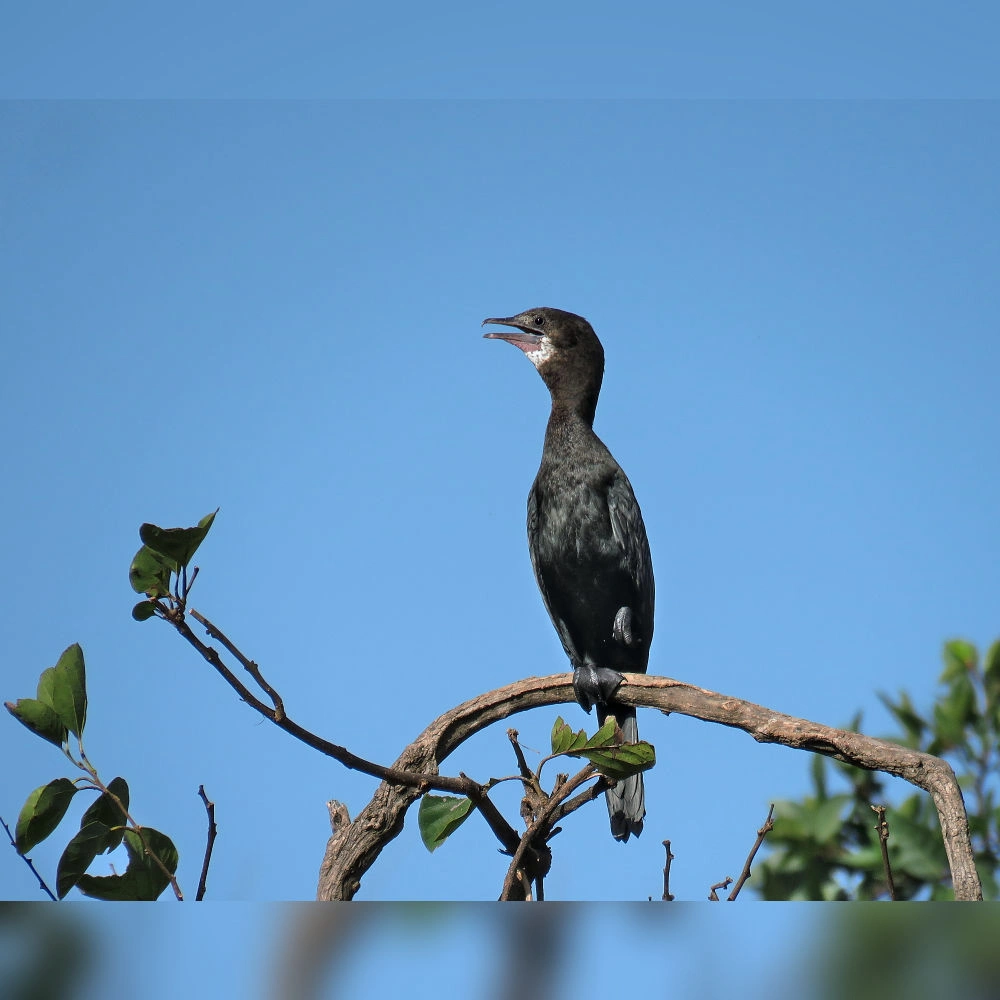
Little Cormorant

- Fee collected goes entirely to the bird guide. Ataavi does not retain or profit from this amount.