Loading Events

Bird Walk at Saitha, Lucknow, UP

About Saitha

Saitha is a peaceful birding destination that combines open scrublands, agricultural fields, scattered tree cover, village groves, and small freshwater wetlands into a rich mosaic of habitats. These varied landscapes support an impressive diversity of wildlife, making the area an excellent location for birdwatching throughout the year. The wetlands attract waterbirds, while mature trees and woodland patches provide nesting and feeding sites for barbets, hornbills, parakeets, and numerous passerines. Open fields and scrub support ground-dwelling birds, raptors, and insect-eating species, offering birders the opportunity to observe a wide range of behaviours within a relatively compact area.
One of Saitha’s greatest strengths is the ease with which visitors can explore different habitats in a single outing. Early mornings are filled with the calls of cuckoos, bulbuls, and doves, while raptors circle overhead and wetland birds forage along the water’s edge. The blend of woodland, farmland, and aquatic ecosystems makes the site suitable for both beginners and experienced birdwatchers. Like many semi-rural landscapes, Saitha faces challenges from habitat alteration, agricultural intensification, urban expansion, and disturbance around wetlands. Conserving its ponds, native vegetation, and tree cover is essential to maintaining the area’s biodiversity and ensuring that this productive birding landscape continues to support both resident and migratory species for years to come.

Bird Guide - Abhishek Singh

A passionate wildlife enthusiast with 3 years of birding experience, he enjoys exploring forests and understanding birds in their natural habitats. He is keen on observing behavior and sharing his knowledge to help others connect with nature.

Bird walk Location

Common birds of Saitha

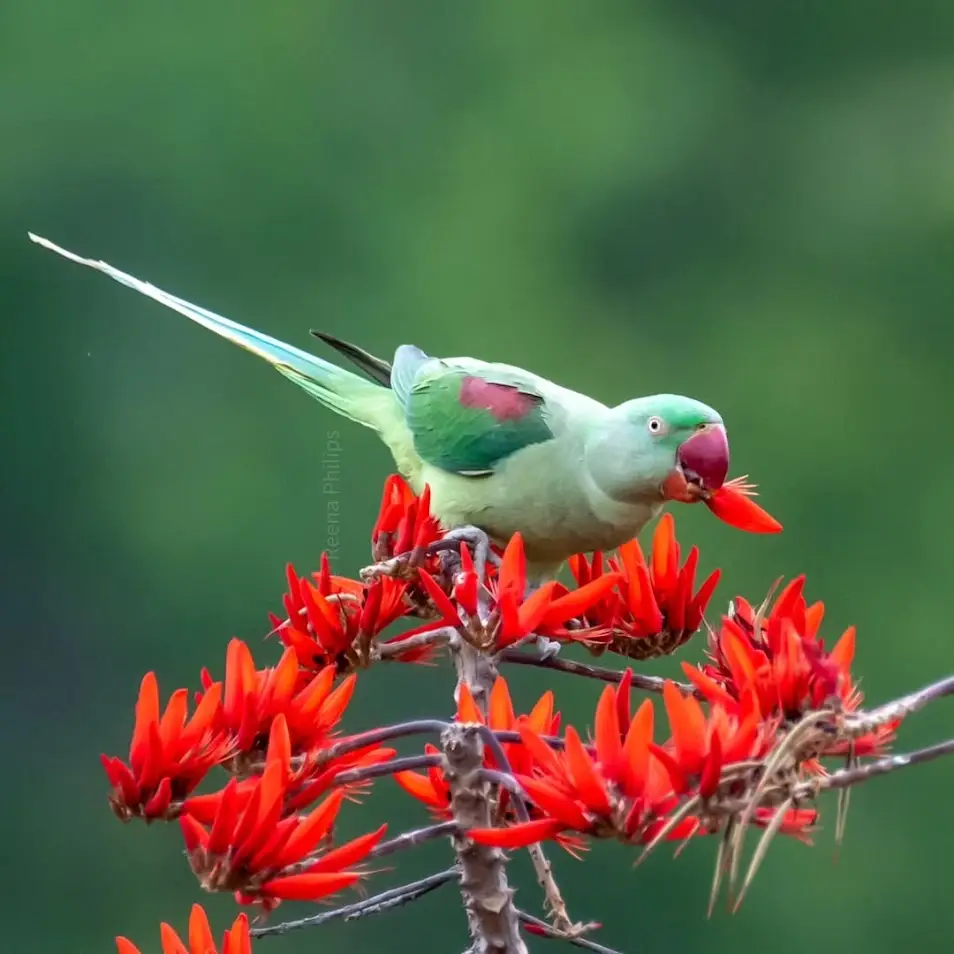
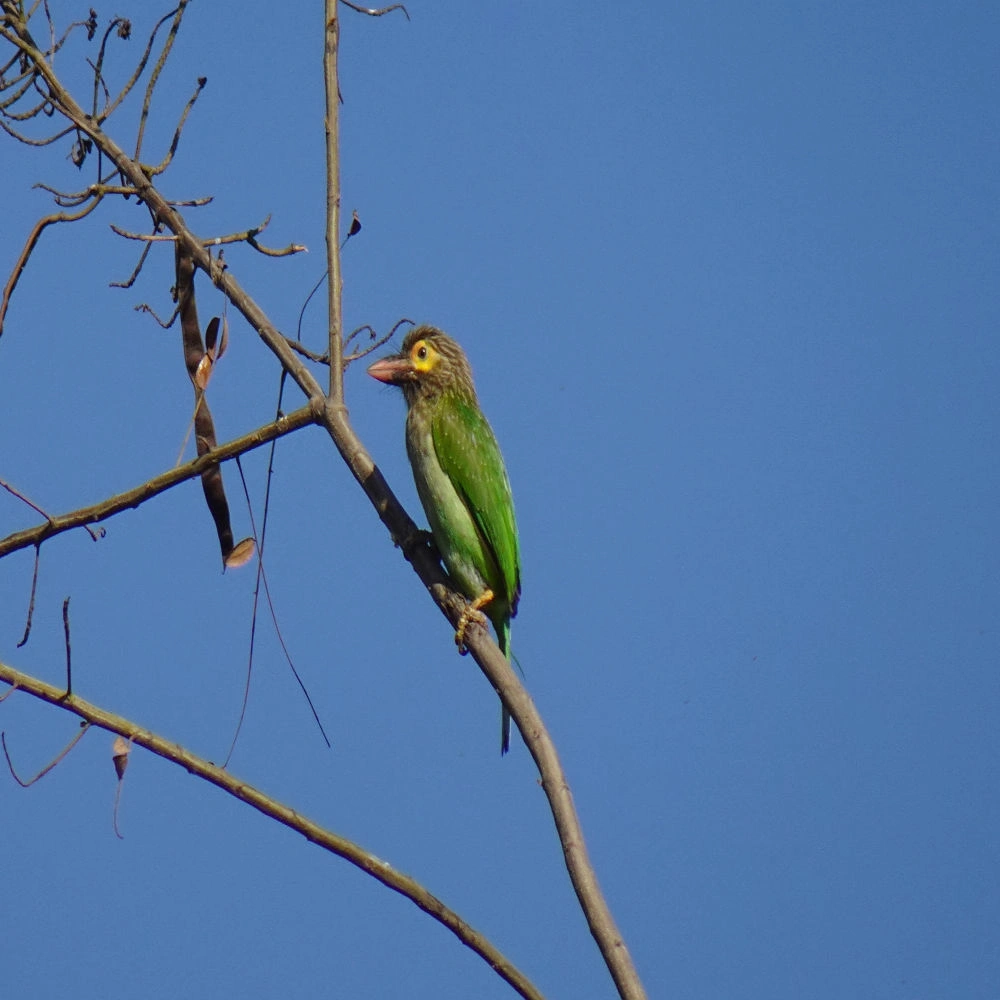
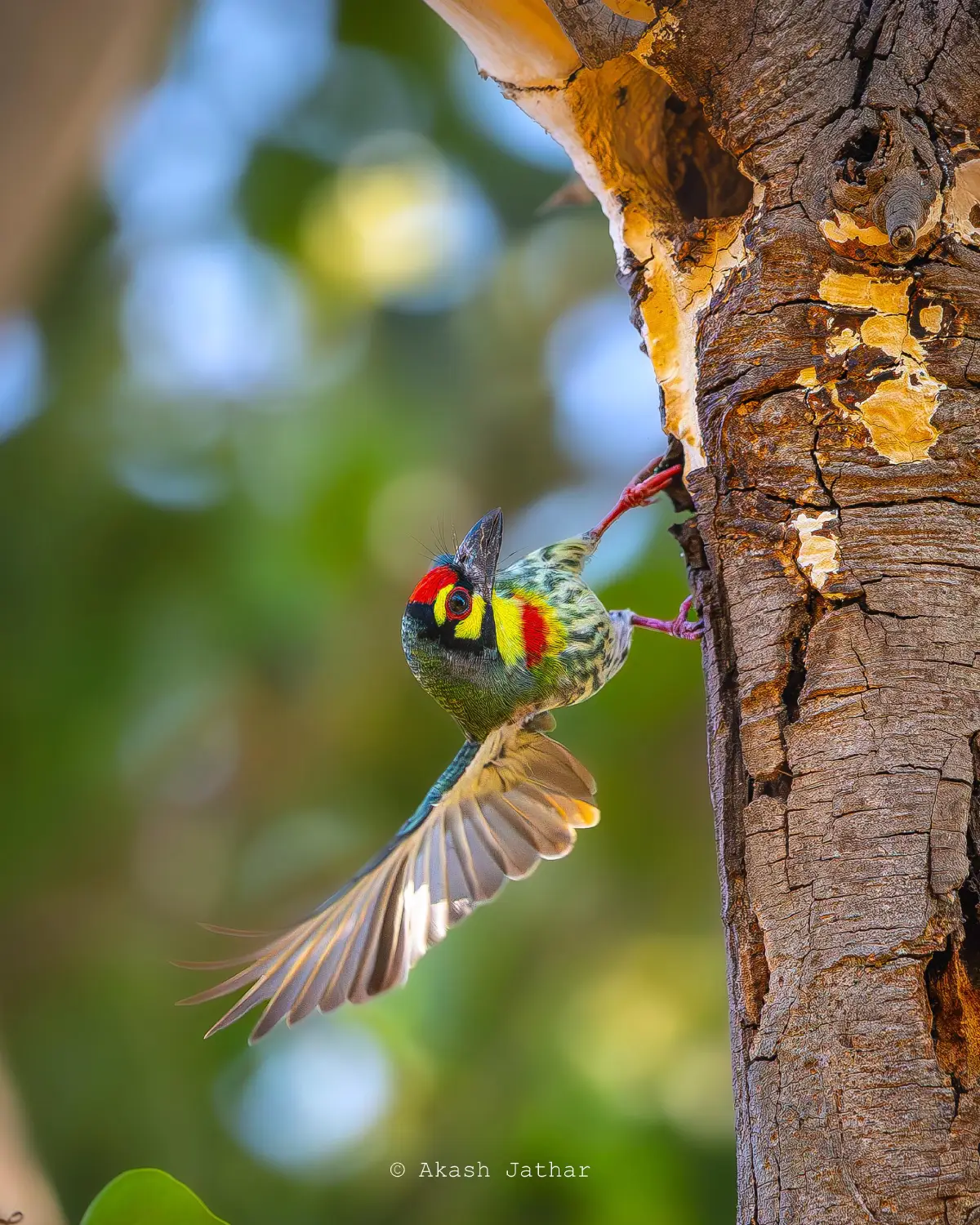
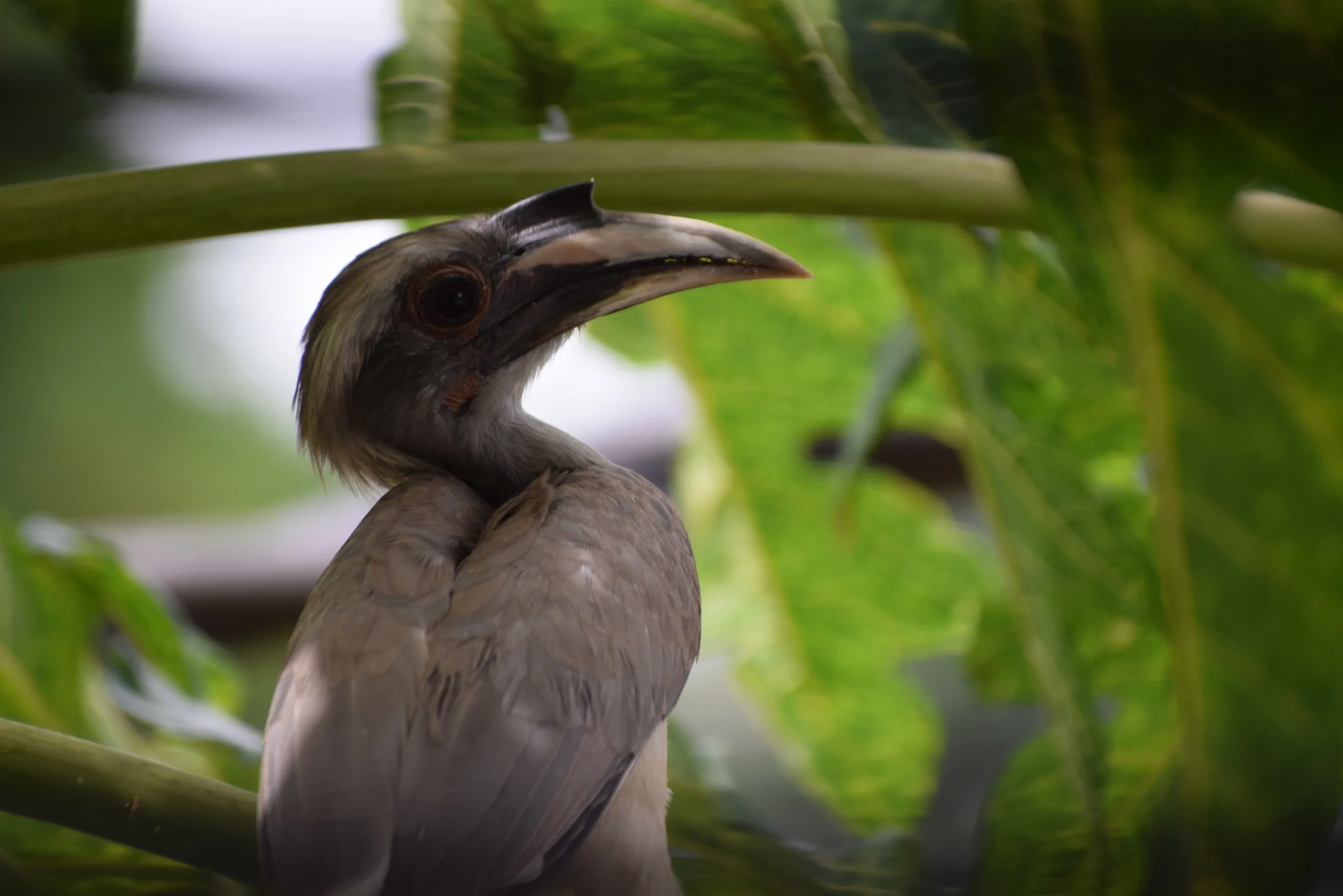
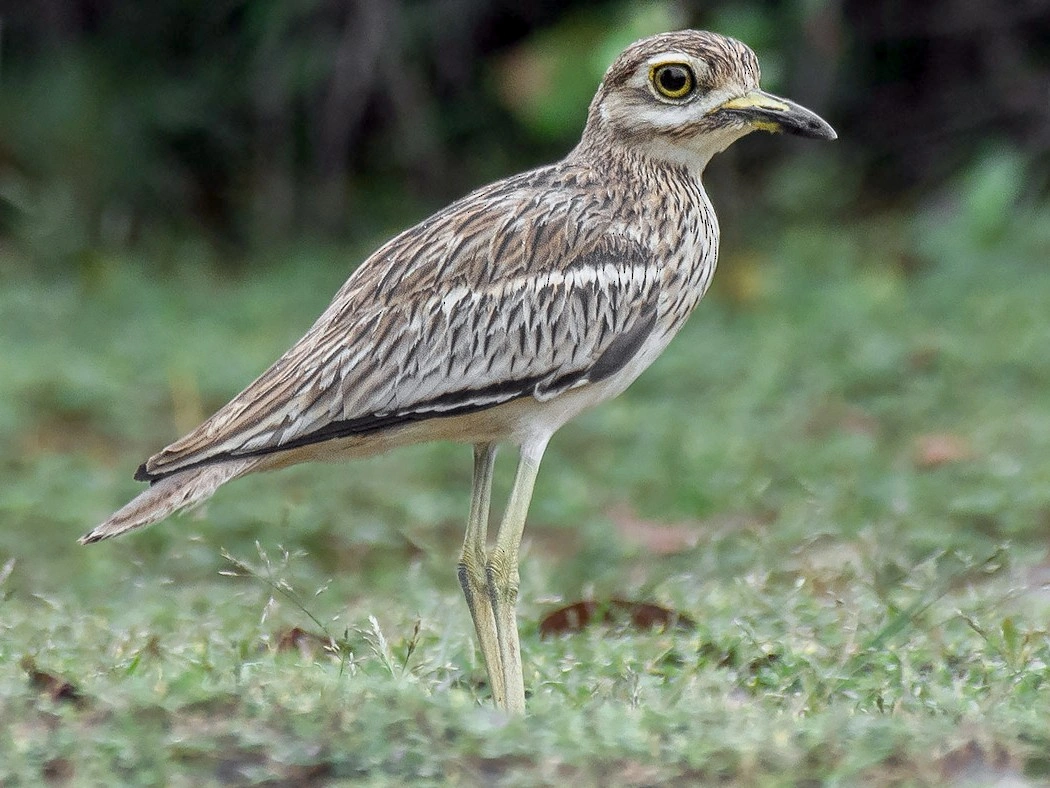
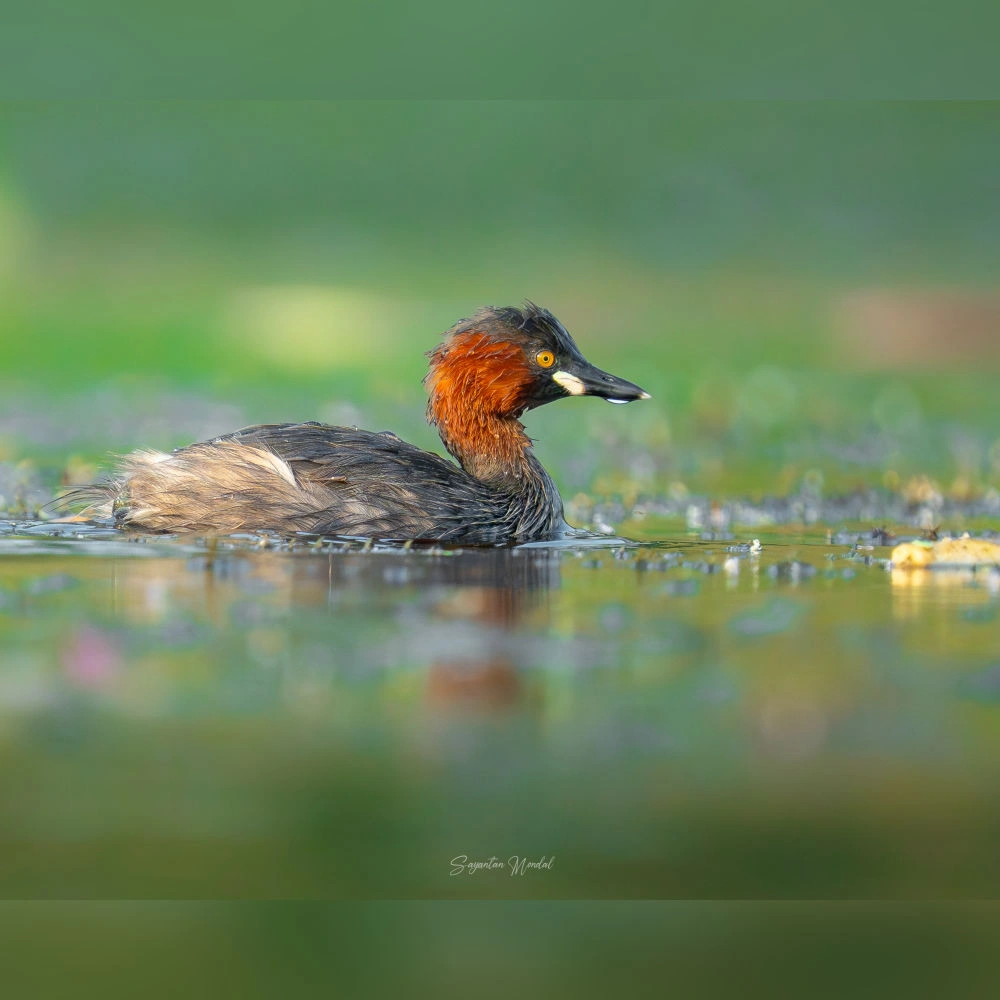
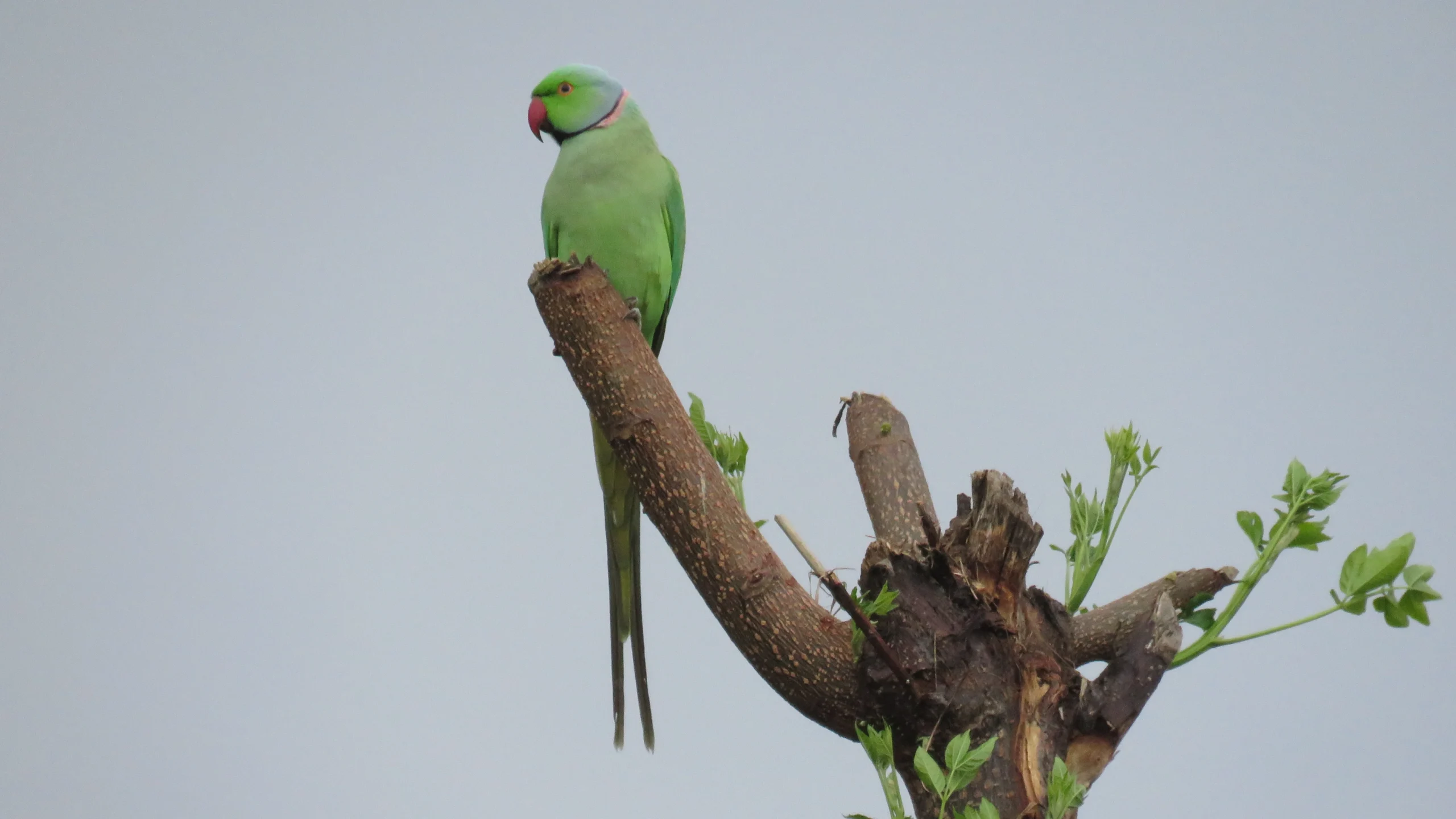
Saitha showcases an excellent mix of wetland, woodland, and open-country birds, making every birding session rewarding. Quiet ponds are home to the Little Grebe, while open scrub and rocky patches provide ideal habitat for the distinctive Indian Thick-knee. Mature trees echo with the calls of the Brown-headed Barbet and Coppersmith Barbet, accompanied by the lively chatter of Alexandrine and Rose-ringed Parakeets. The impressive Indian Gray Hornbill is another highlight, often seen moving gracefully through the canopy in search of fruit.

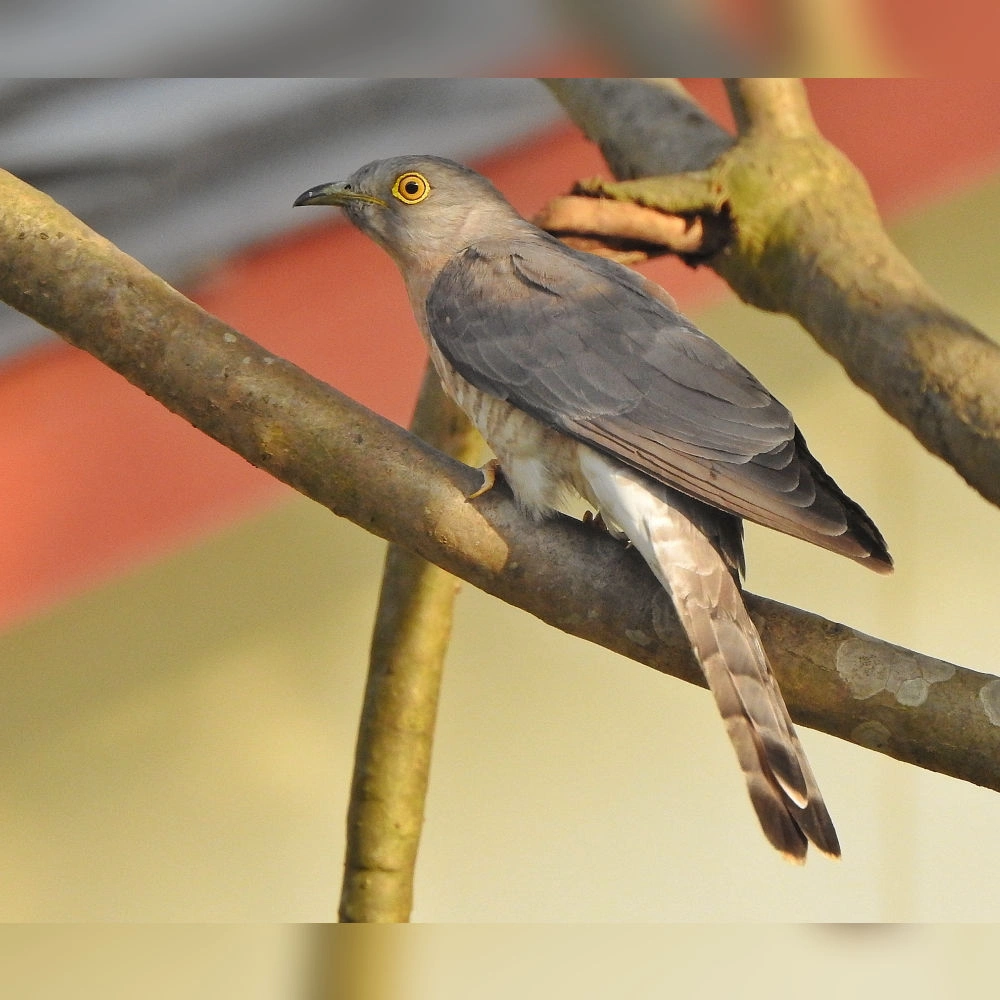
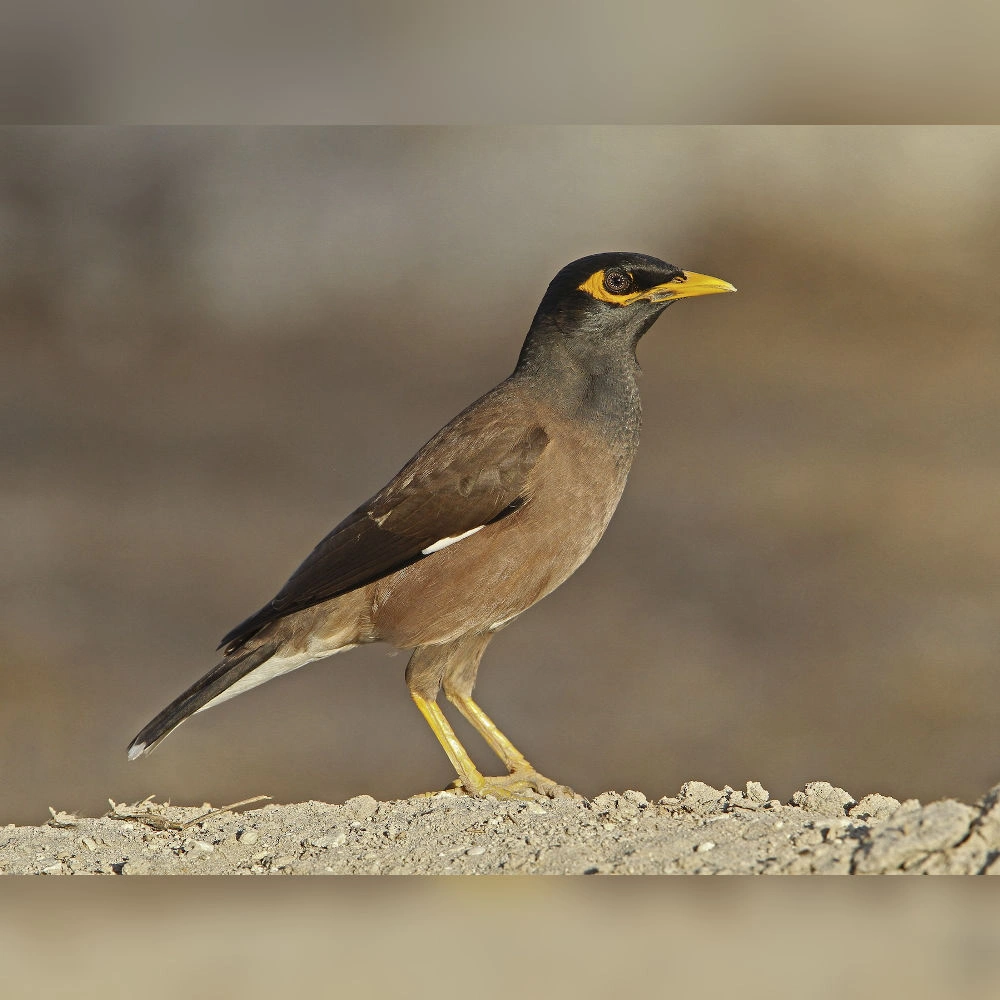
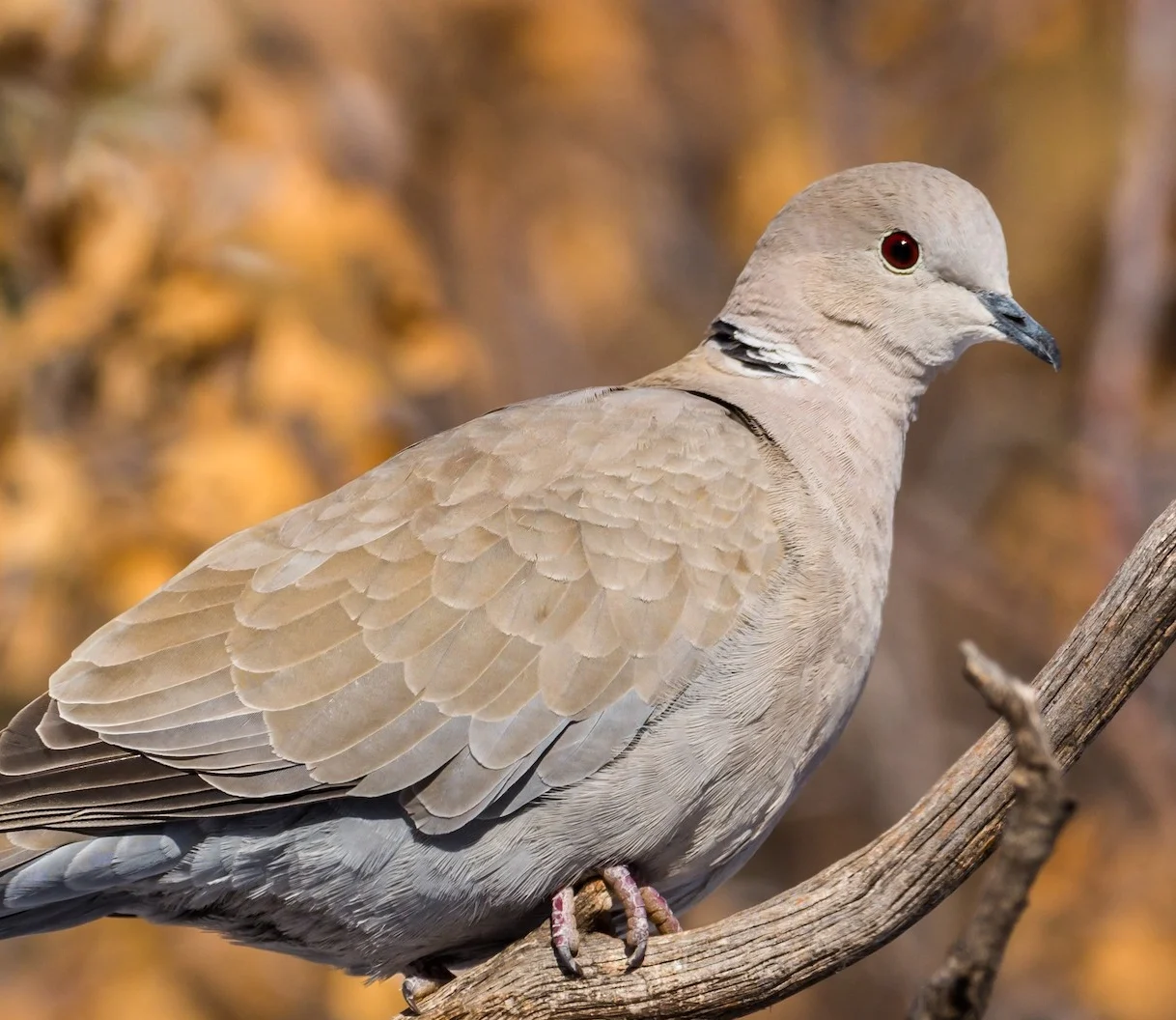
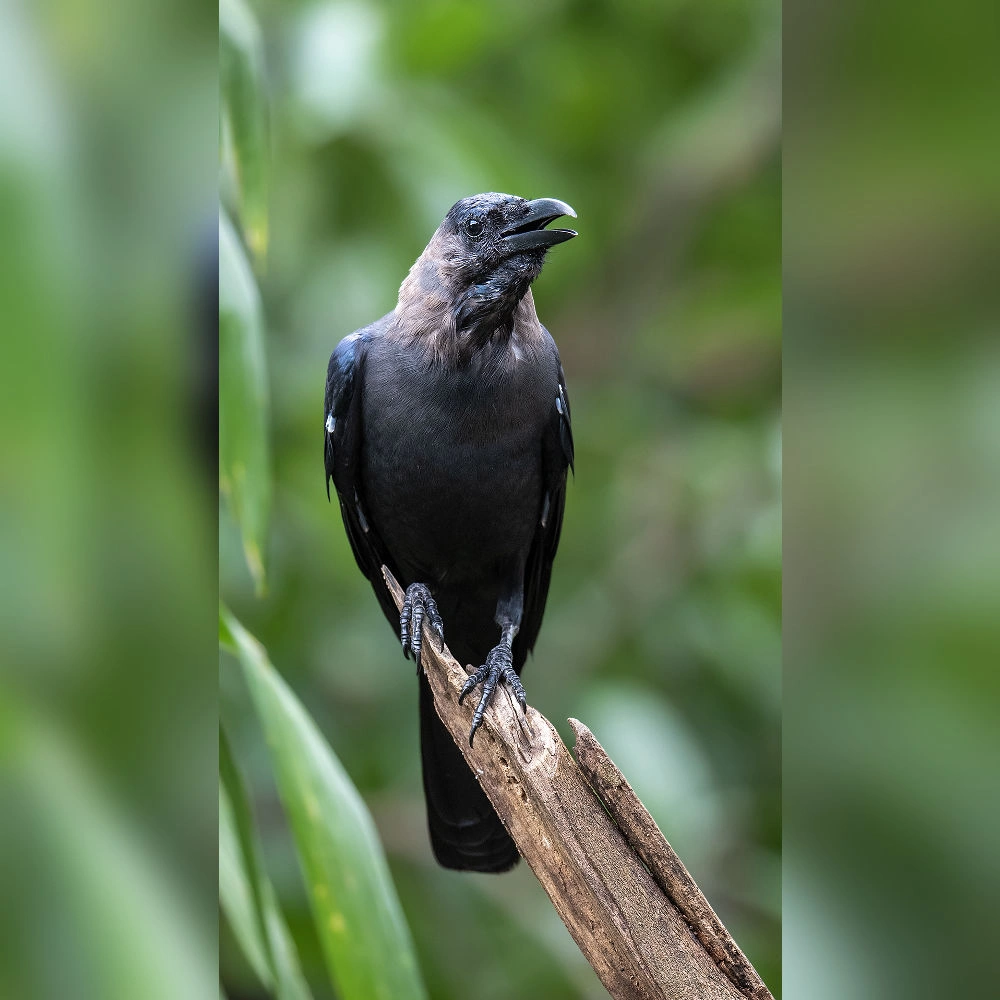
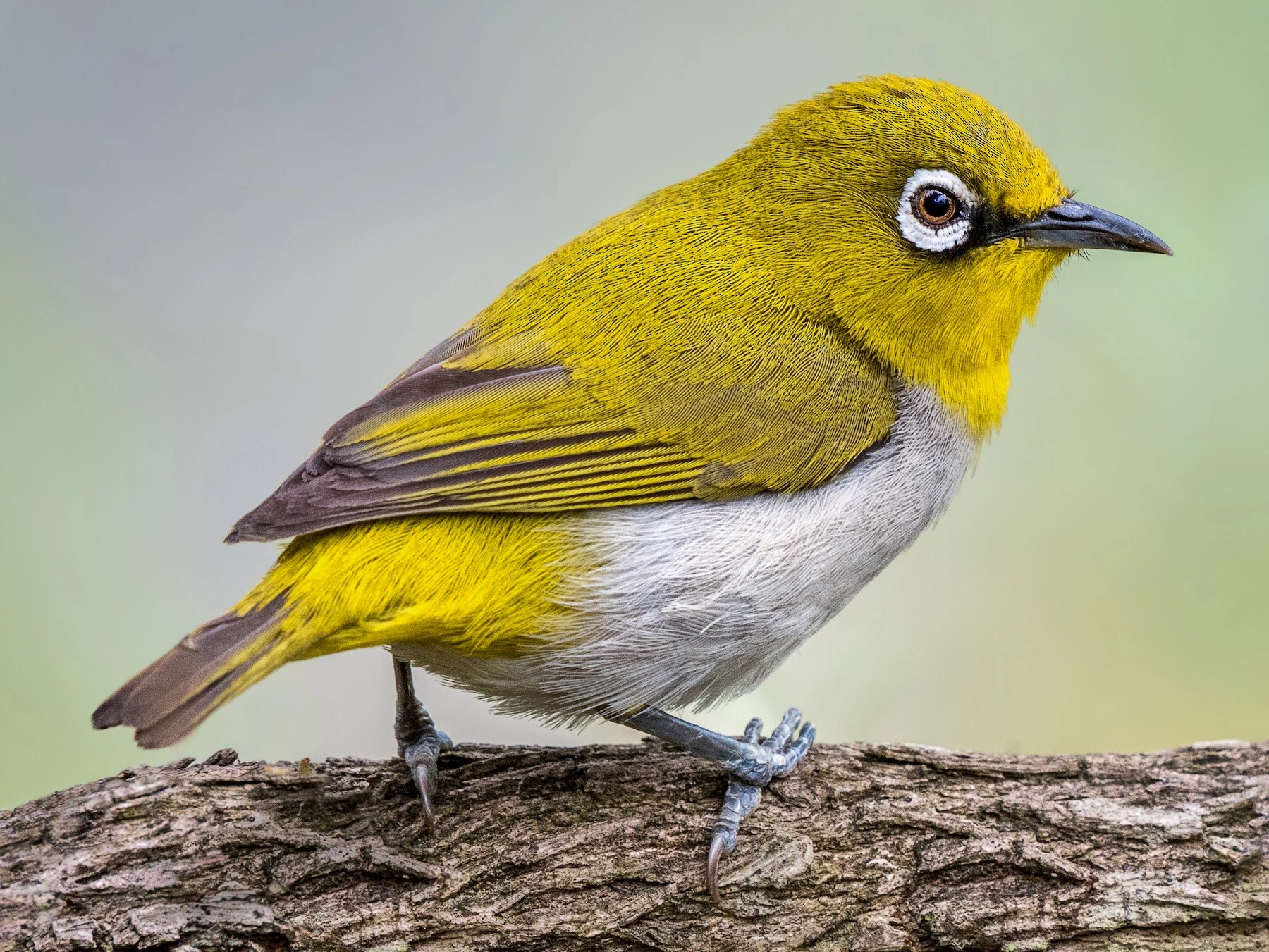
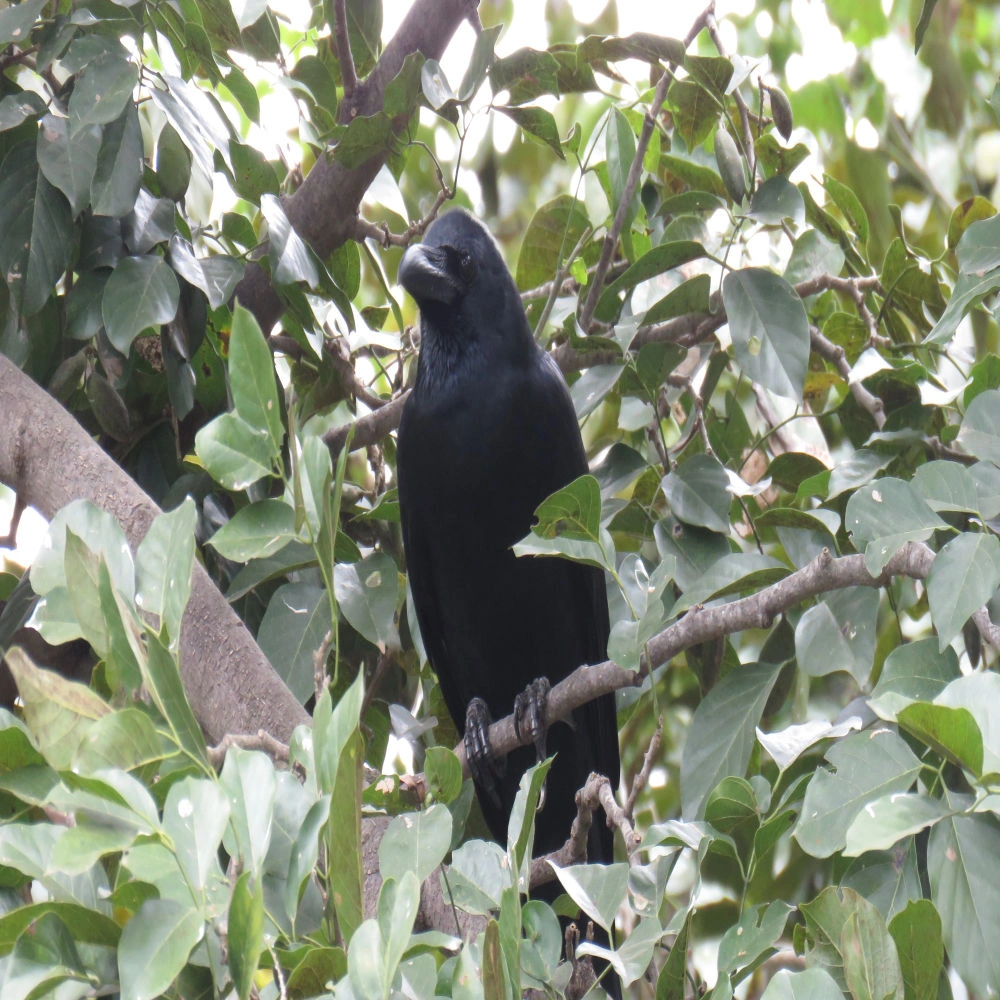
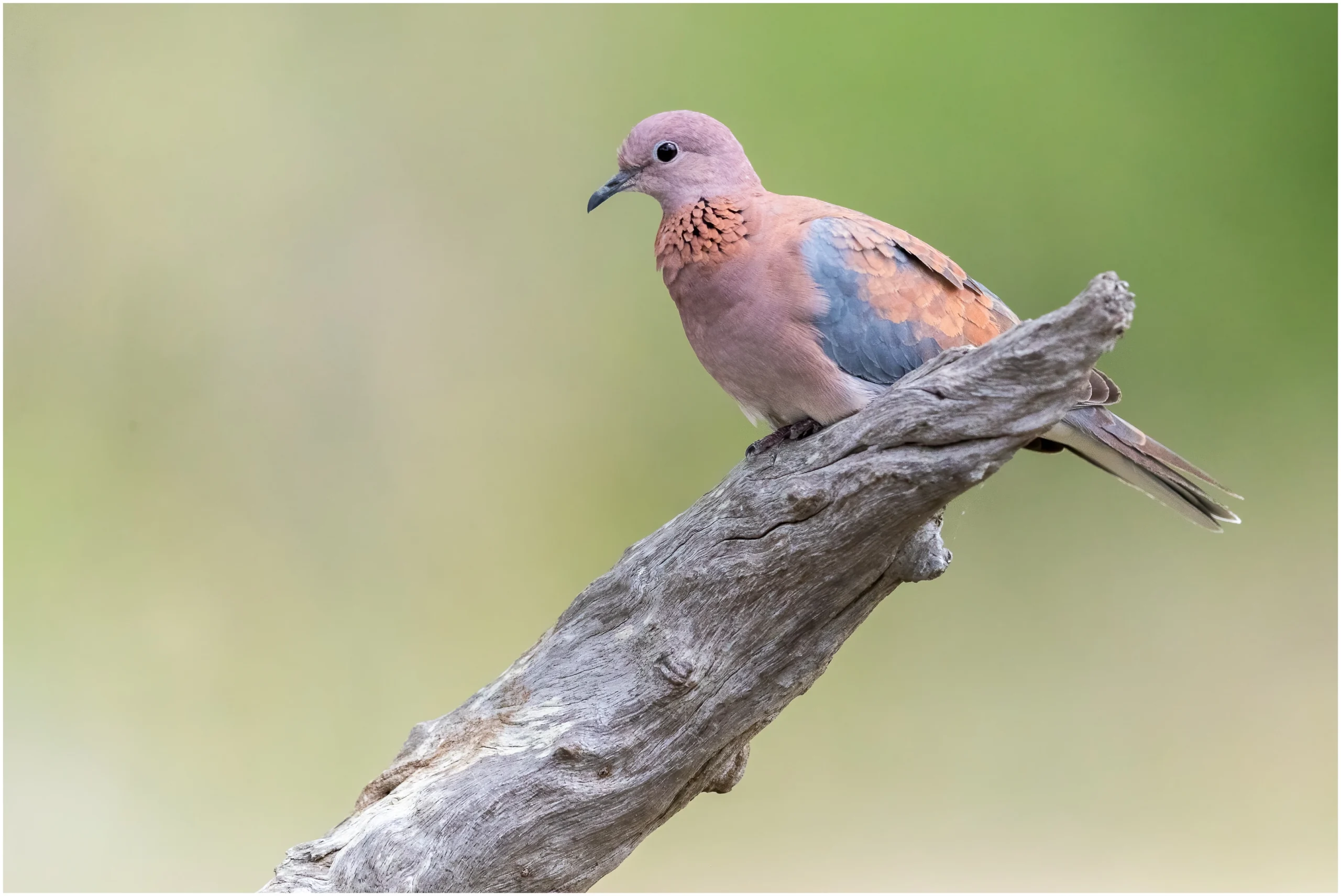
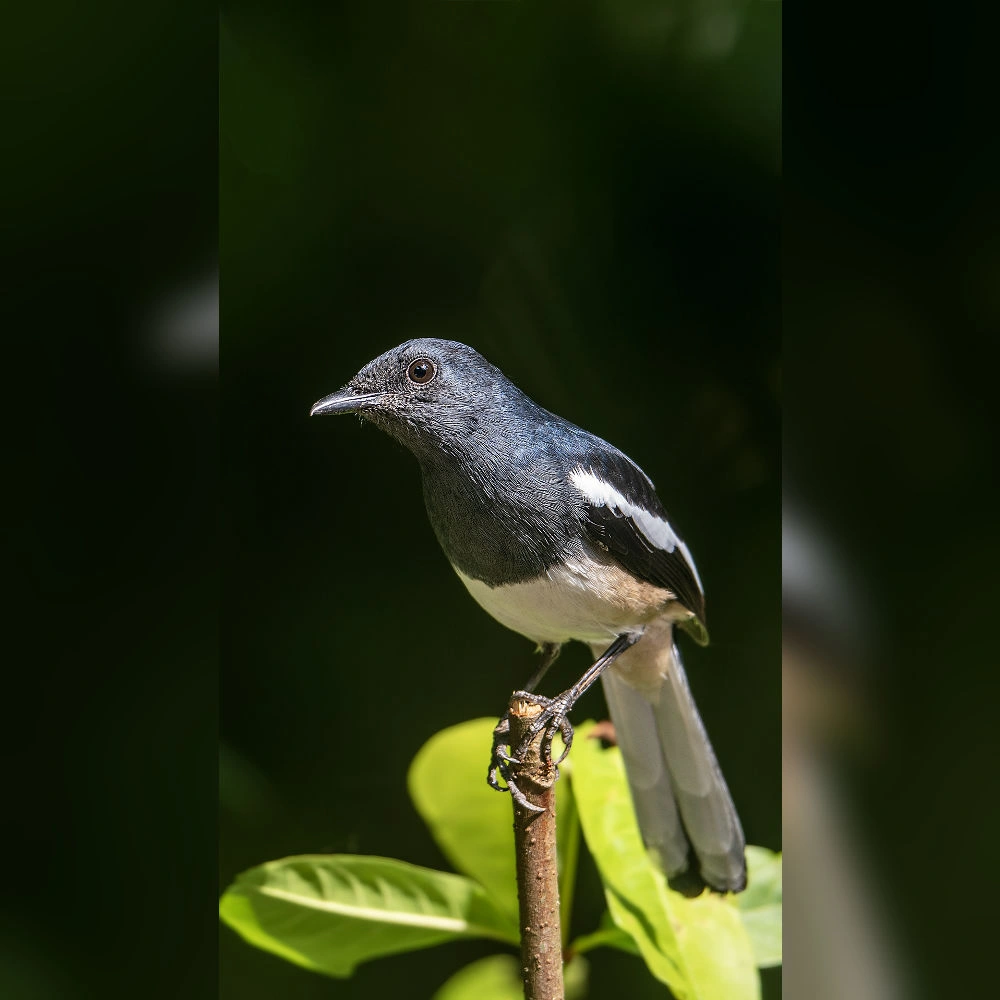
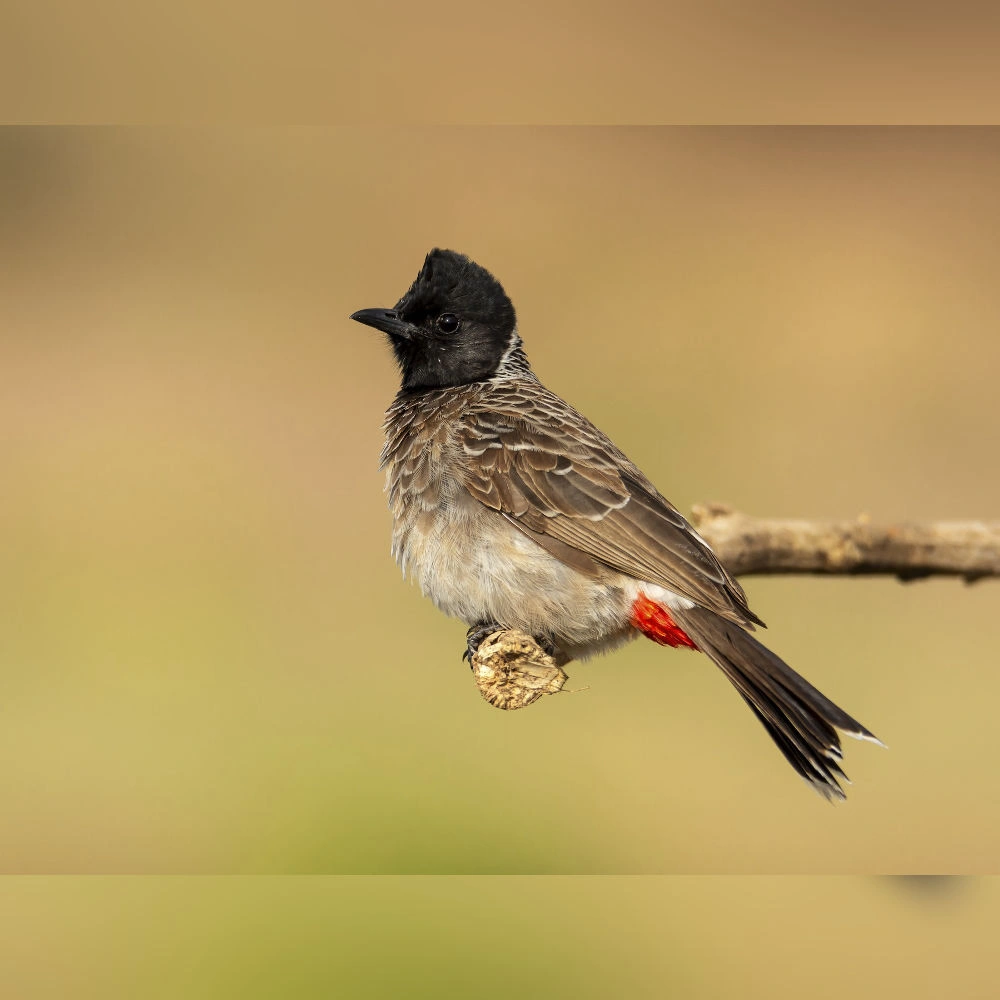
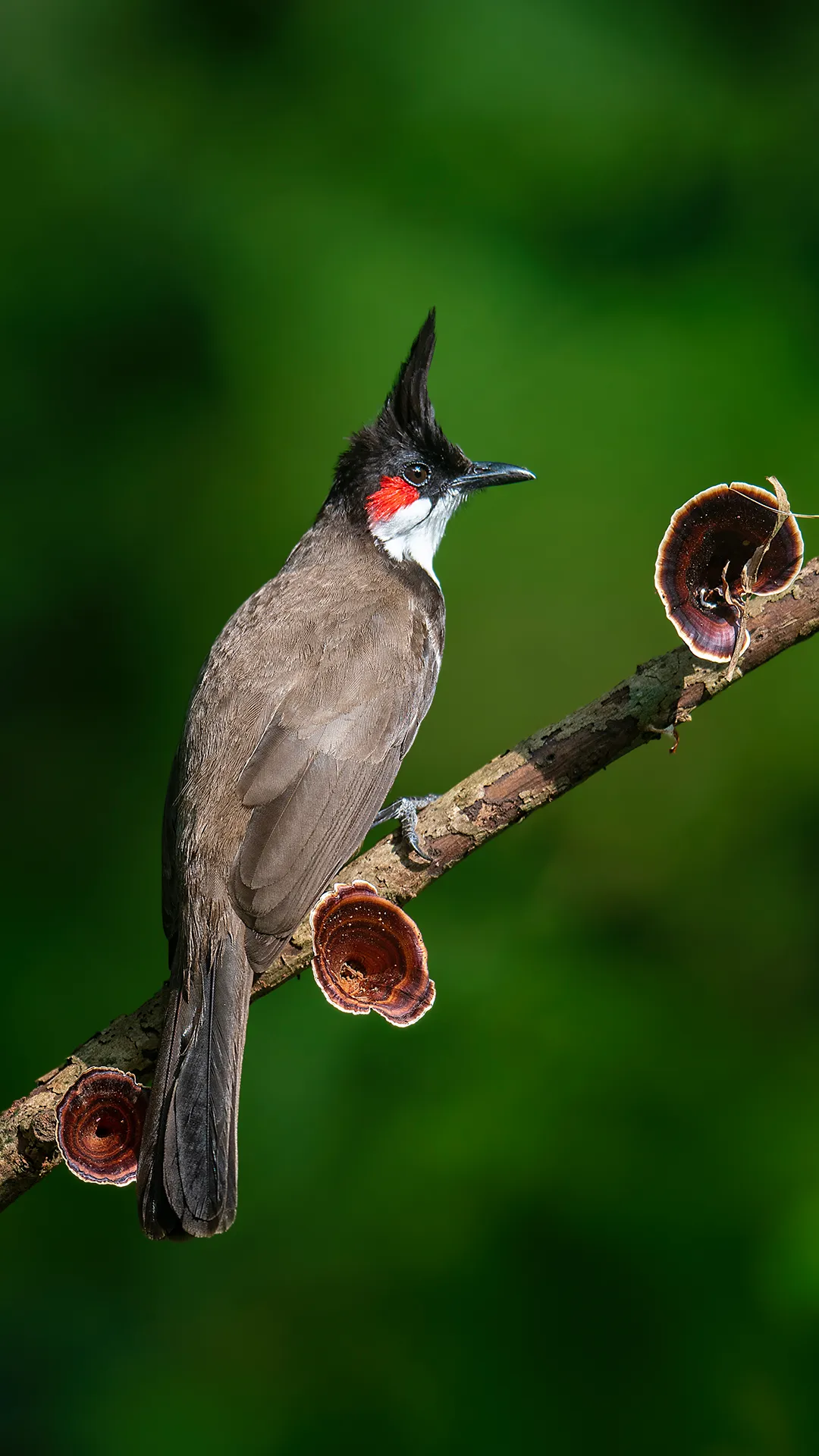
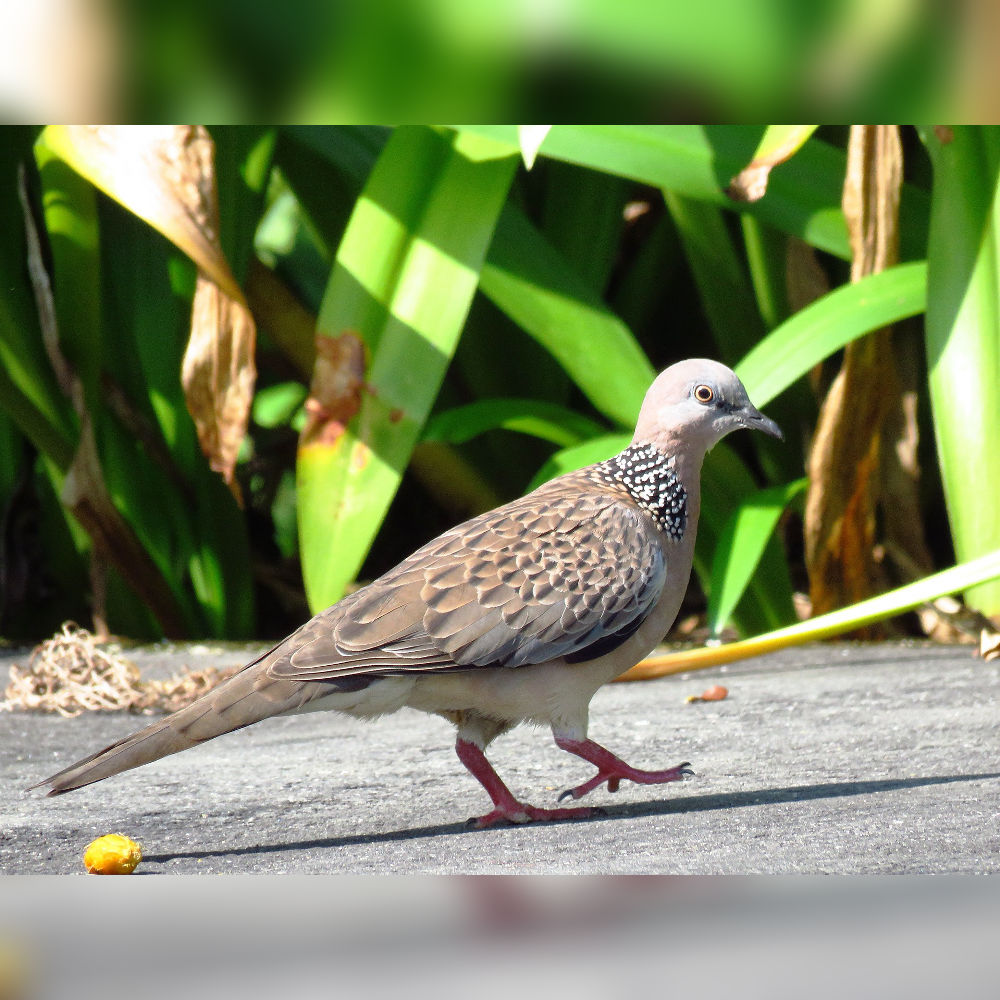
The surrounding fields and village edges support familiar yet fascinating species such as Red-vented Bulbul, Red-whiskered Bulbul, Oriental Magpie-Robin, Indian White-eye, Common Myna, House Crow, Large-billed Crow, Common Babbler, and Jungle Babbler. Doves, including the Eurasian Collared-Dove, Spotted Dove, and Laughing Dove, are common across the landscape, while Black Kites soar effortlessly overhead. During the breeding season, the repetitive call of the Common Hawk-Cuckoo adds a distinctive soundtrack to the morning. Together, these species reflect the ecological richness of Saitha, where wetlands, woodland, and cultivated landscapes merge to create an ideal habitat for a remarkable variety of birds. Whether you are searching for colourful canopy dwellers, vocal songbirds, or elusive ground birds, Saitha offers memorable birdwatching experiences throughout the year.

Alexandrine Parakeet
Black Kite
Brown-headed Barbet
Jungle Babbler
Common Hawk-Cuckoo

Common Myna
Coppersmith Barbet
Eurasian Collared-Dove
House Crow
Indian Gray Hornbill
Indian Thick-Knee
Indian White-Eye
Large-billed Crow
Laughing Dove
Little Grebe
Oriental Magpie-Robin
Red-vented Bulbul
Red-whiskered Bulbul
Rose-ringed Parakeet
Spotted Dove

Summary of Walk

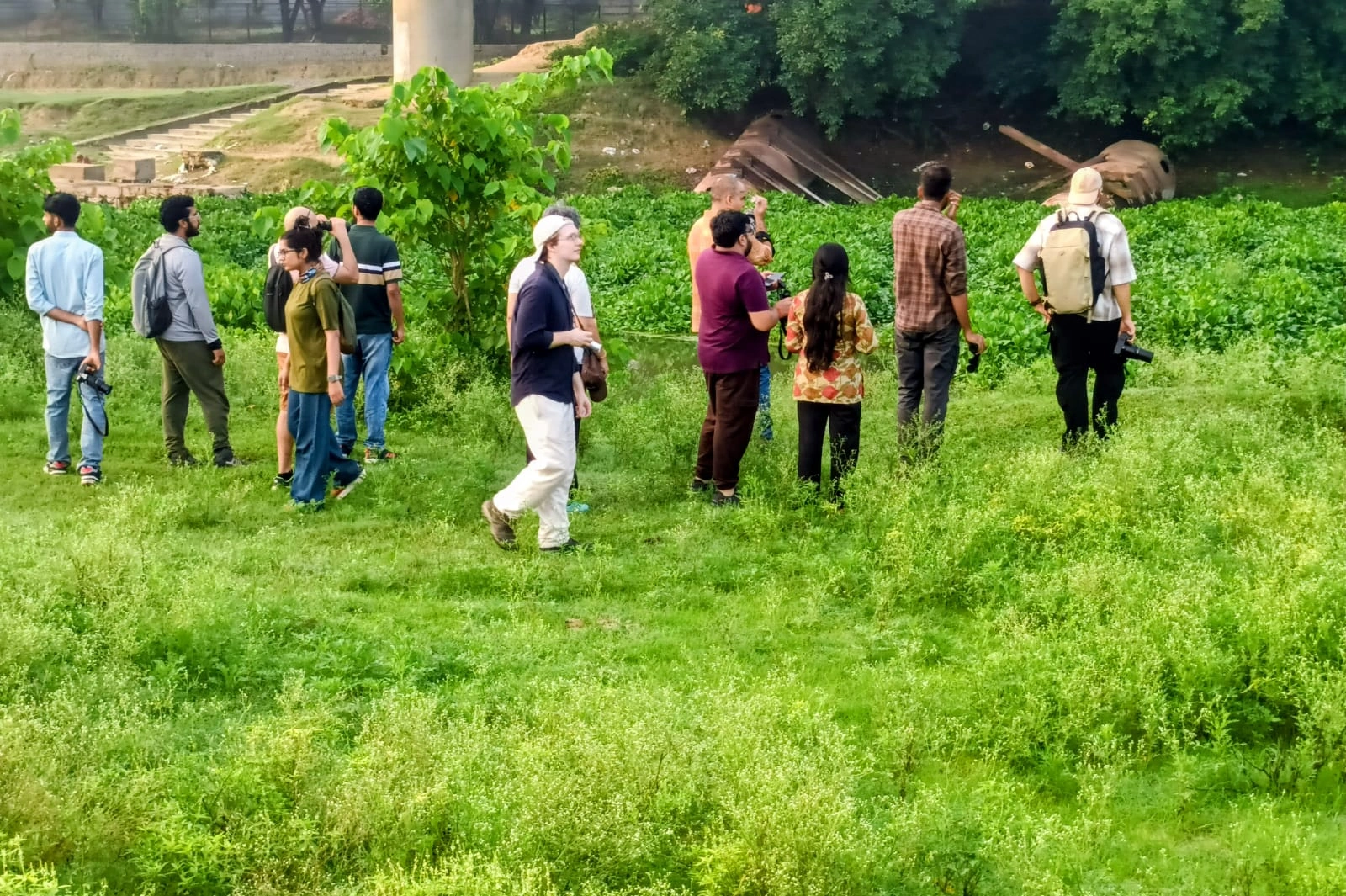
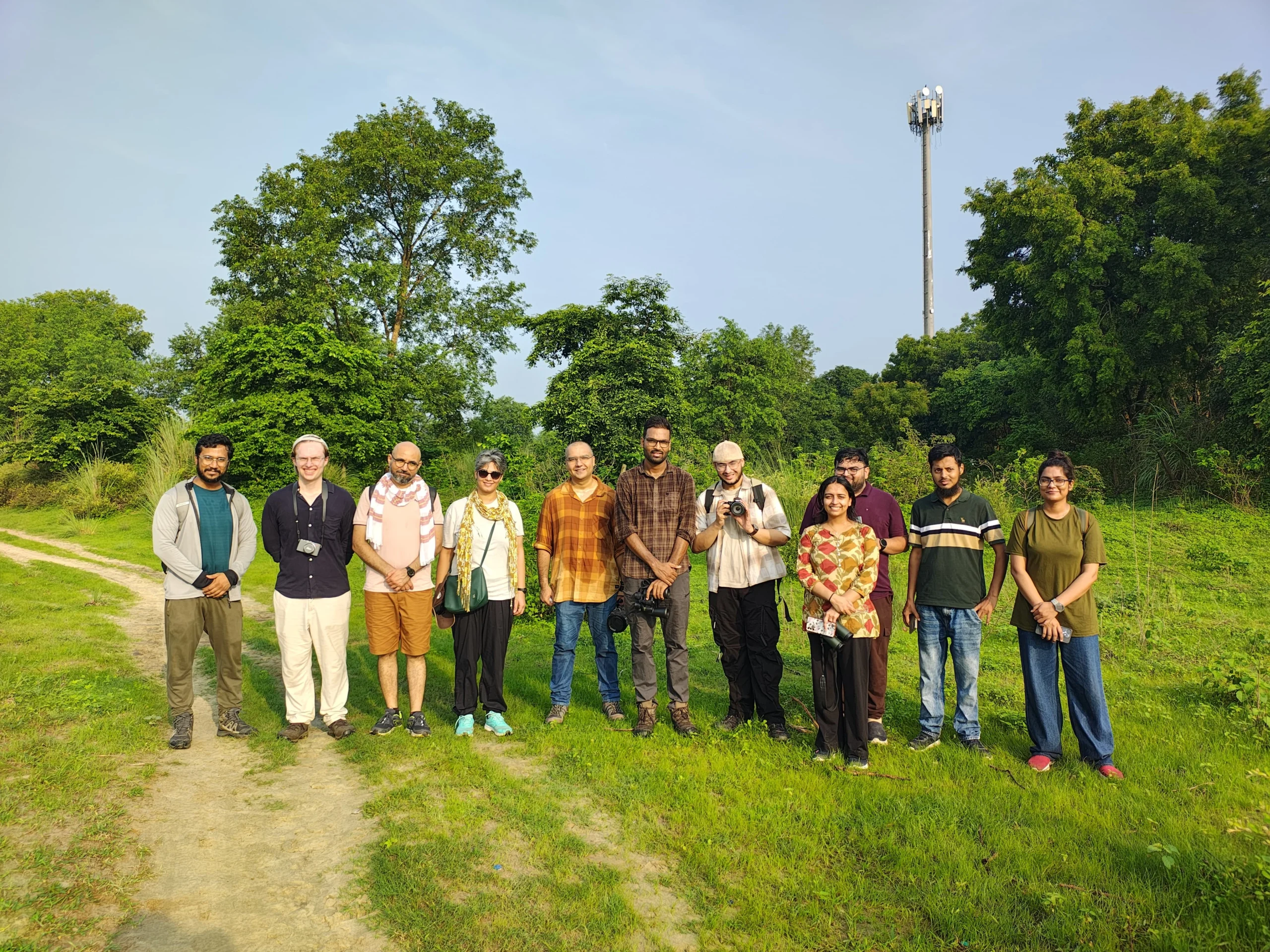
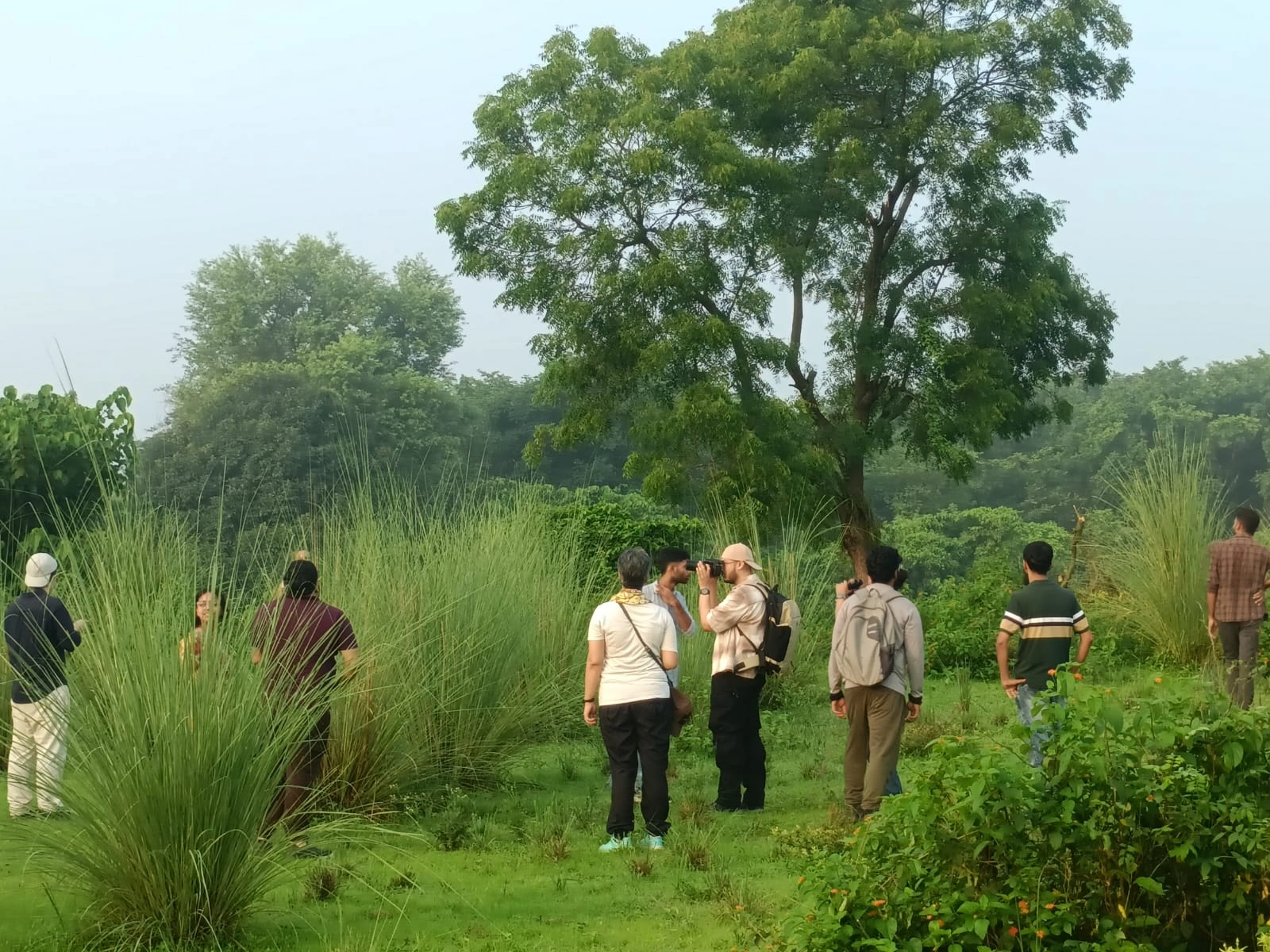
The guided bird walk at Chandika Devi Temple, Saitha, led by Abhishek Singh, brought together 8 participants for an engaging morning exploring the riverine and woodland habitats surrounding this culturally significant site near Lucknow. The trail offered participants an opportunity to experience the area’s rich natural heritage while learning about bird identification, field observation, and the ecological importance of conserving native habitats. Throughout the walk, participants discussed bird behaviour, feeding strategies, and the close relationship between healthy ecosystems and avian diversity. The group recorded an impressive 45 bird species, reflecting the rich biodiversity supported by the landscape.

The highlights of the morning included sightings of the vibrant Indian Pitta, the elegant Black-hooded Oriole, and the secretive Brown Fish Owl, all of which generated great excitement among participants. Other woodland birds added to the diversity of the checklist, making the outing both educational and memorable. The mix of mature trees, riverine vegetation, and open habitats around Chandika Devi Temple provides excellent conditions for a wide variety of resident birds. The walk successfully demonstrated how natural areas associated with cultural landmarks can play an important role in conserving biodiversity while inspiring more people to appreciate and protect local wildlife.

Number of Participants
0
Scroll to Top