
Loading Events

Bird Walk at Sanjay Van, New Delhi

About Sanjay Van

Sanjay Van is one of New Delhi’s largest and most important urban forests, spread over about 780 hectares along the southern edge of the city near the Aravalli ridge. The landscape is dominated by dry deciduous and thorn scrub forest, interspersed with rocky outcrops, seasonal streams, grasslands, and small wetlands that fill during the monsoon. Native flora such as dhok, babool, neem, peepal, banyan, and ber coexist with plantations and regenerating scrub, creating a complex mosaic of habitats. This diversity supports a wide range of fauna, including mammals like nilgai, golden jackal, Indian hare, and mongoose, along with reptiles, butterflies, and other invertebrates. Sanjay Van is also a celebrated birding hotspot, recording well over 200 bird species, with resident woodland birds, winter migrants, and passage migrants making it a year-round destination for nature enthusiasts and photographers.

Despite its ecological value, Sanjay Van faces significant conservation challenges typical of urban forests. Pressures from encroachment, unregulated construction, invasive plant species, waste dumping, feral dogs, and heavy human footfall threaten habitat quality and wildlife movement. Fragmentation of forest patches and disturbance near nesting and foraging areas can impact sensitive species, while groundwater depletion affects seasonal wetlands. Conservation efforts focus on protecting native vegetation, controlling invasive species, restoring water bodies, and promoting responsible public use through awareness and community involvement. Safeguarding Sanjay Van is critical not only for its biodiversity, but also for its role as a green lung that moderates climate, supports groundwater recharge, and offers Delhi residents a rare connection to natural wilderness within the city.

Partnered with

Bird Guide: Mansi

Nature educator and birding guide with Midori Walks, Mansi blends ecology and mindfulness to create enriching outdoor experiences in urban green spaces.

Bird walk Location

Common birds of Sanjay Van

Sanjay Van is a vibrant birding refuge in the heart of New Delhi, with 224 bird species recorded, and even a short walk can reveal an impressive mix of woodland, grassland, and wetland birds. Seasonal waterbodies attract Indian Spot-billed Duck, Eurasian Moorhen, Eurasian Coot, and elegant Black-winged Stilts, while open areas and forest edges are watched over by the hovering Black-winged Kite. The trees and scrub resonate with familiar calls of Indian Peafowl, Rose-ringed and Alexandrine Parakeets, along with Rock Pigeon, Eurasian Collared-Dove, and Laughing Dove. The undergrowth comes alive with small insectivores such as the Common Tailorbird, Yellow-bellied Prinia, and winter visitors like the Taiga Flycatcher, while the social chatter of Jungle Babblers, Common Mynas, and House Crows fills the forest air. Adding melody and colour are birds like the Oriental Magpie-Robin, Red-whiskered Bulbul, and Red-vented Bulbul, making Sanjay Van a rewarding destination for both casual visitors and dedicated birdwatchers alike.
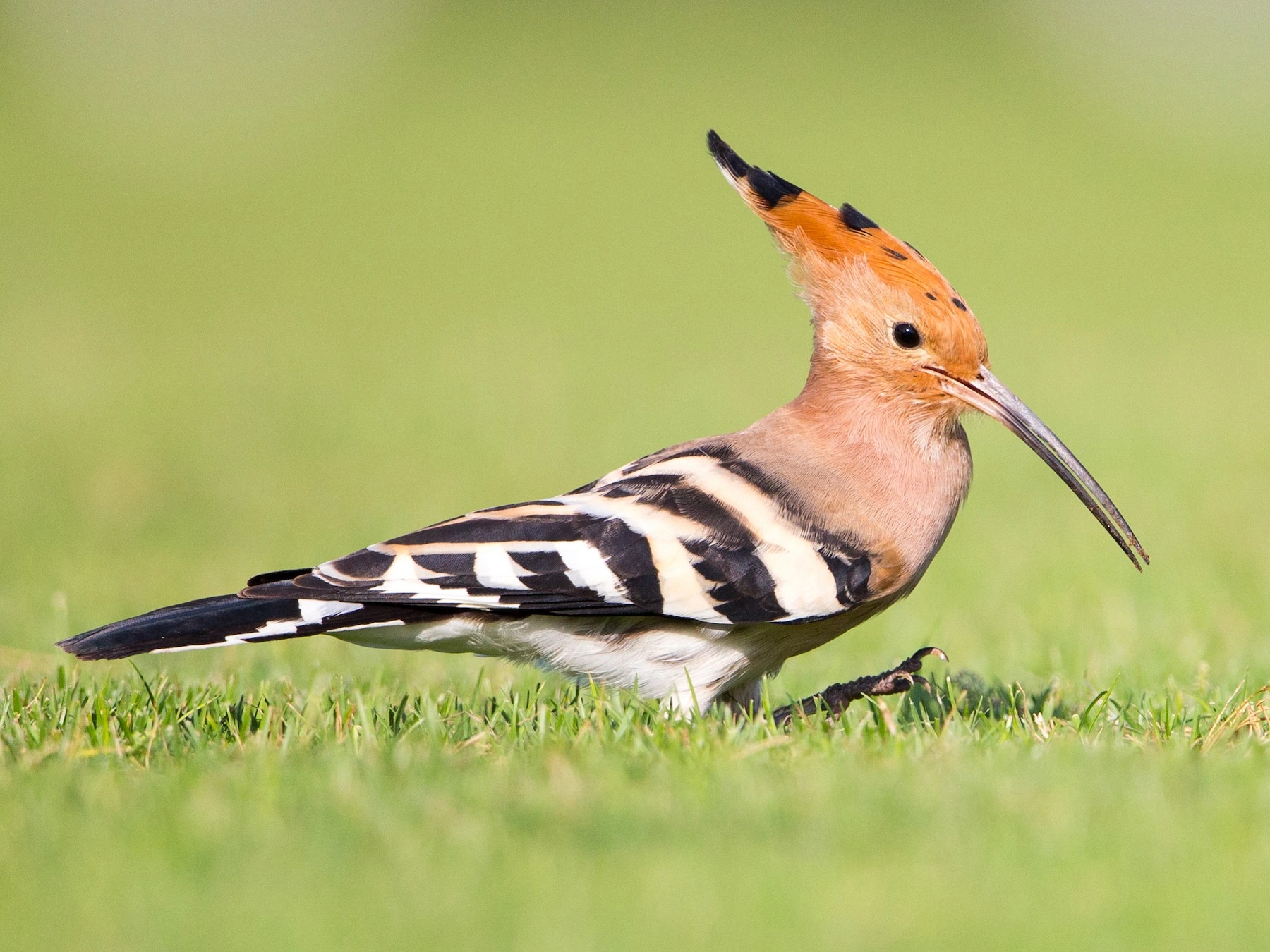
Common Hoopoe
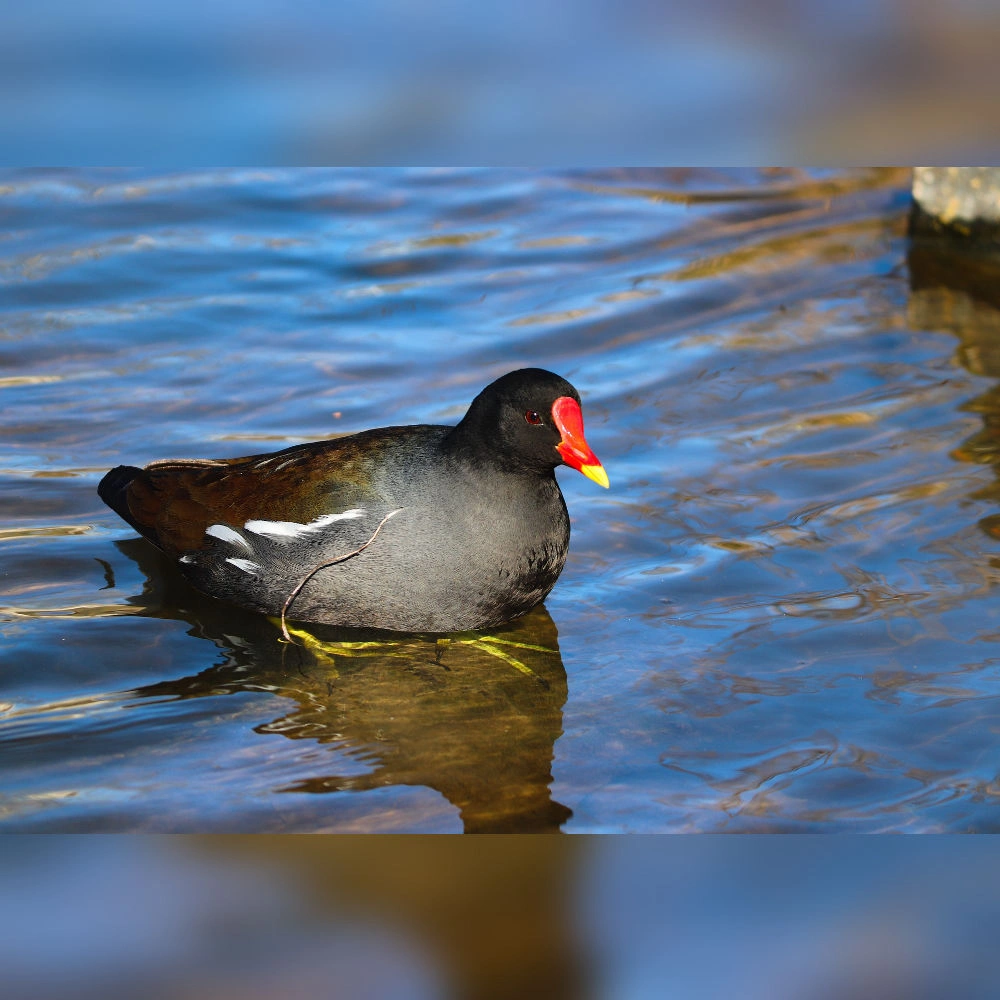
Eurasian Moorhen
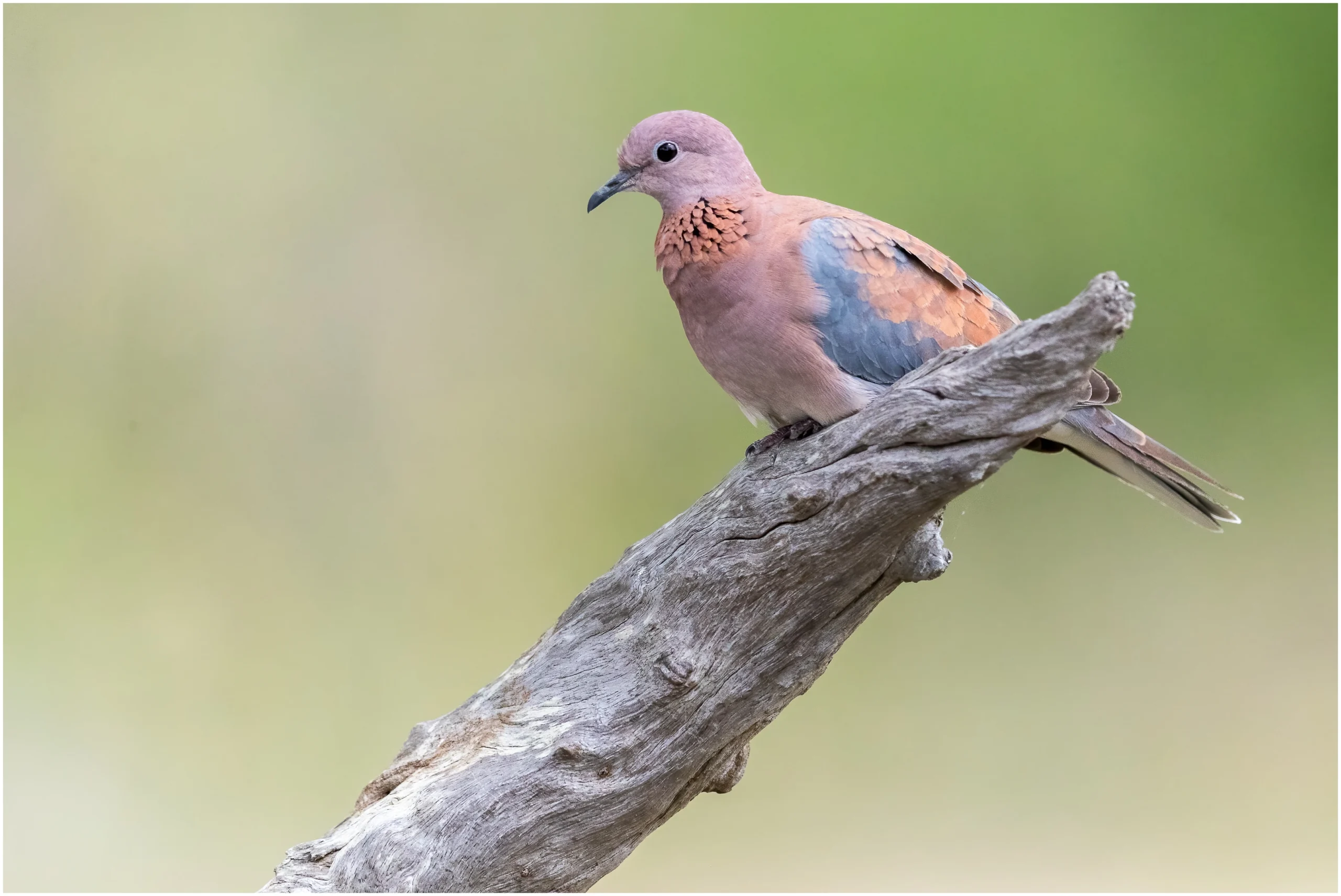
Laughing Dove
Brown-headed Barbet
Oriental Magpie Robin
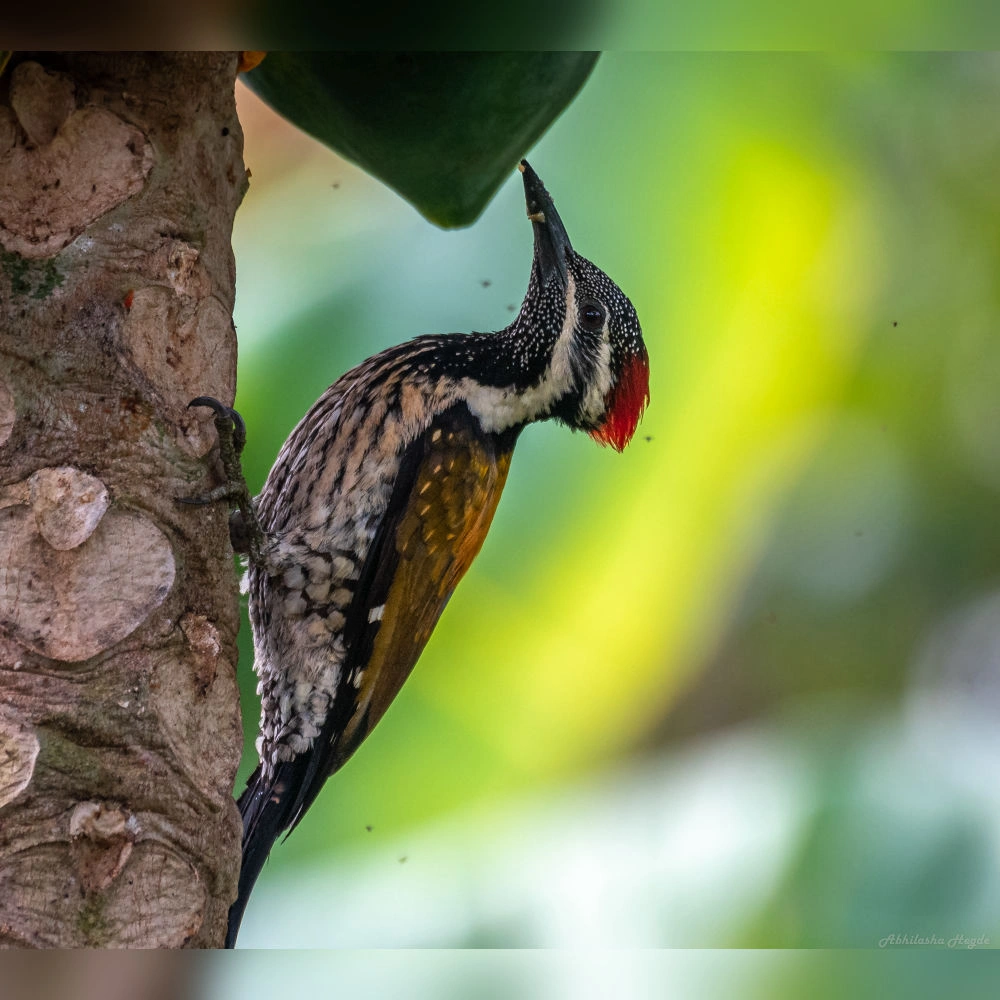
Black-rumped Flameback
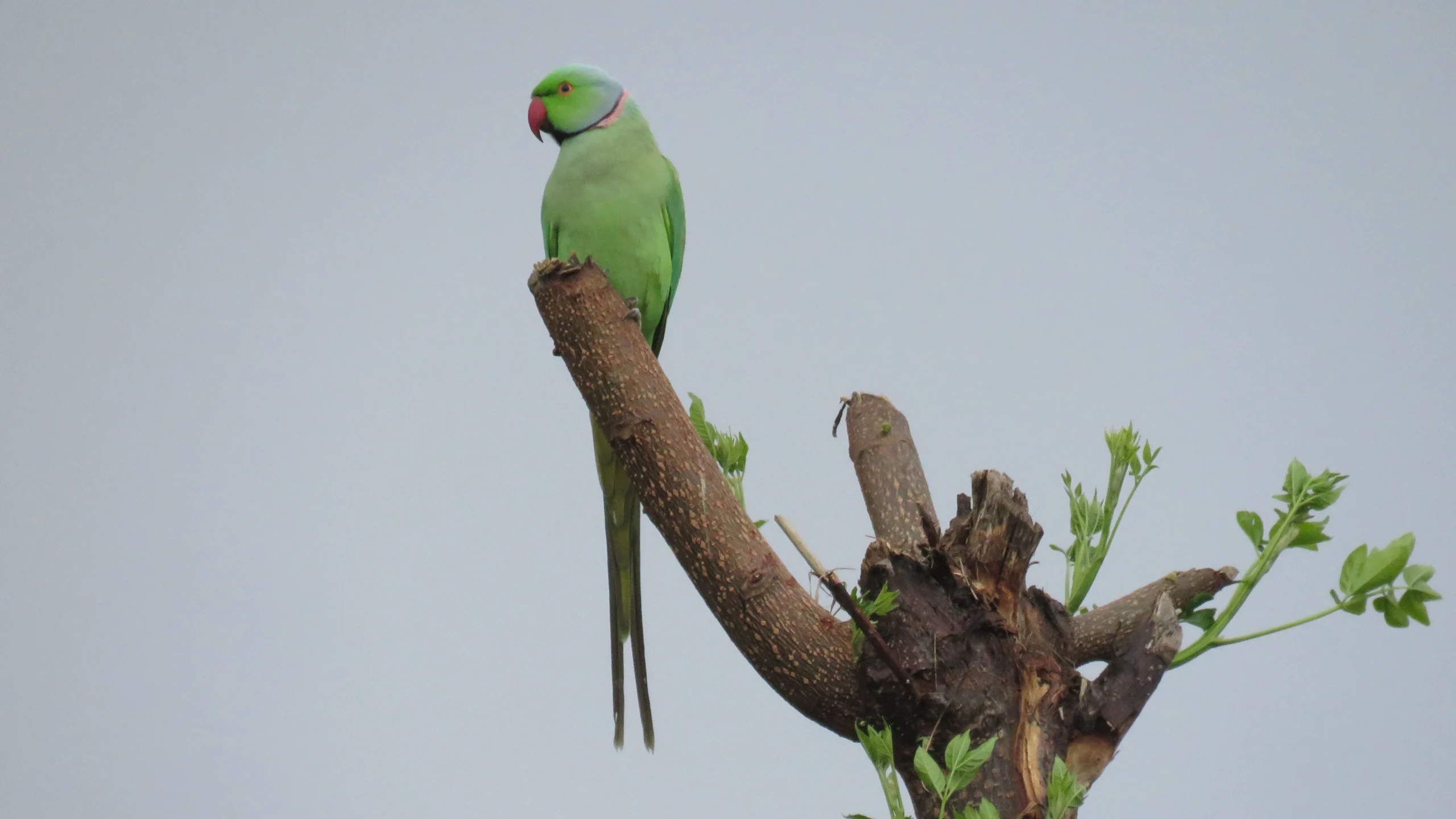
Rose-ringed Parakeet
Red-vented Bulbul
Eurasian-collared Dove
Jungle Babbler
Grey Francolin
Common Myna
Eastern Cattle Egret
Common Tailorbird
Purple Sunbird
Rufous Treepie

Eurasian Coot
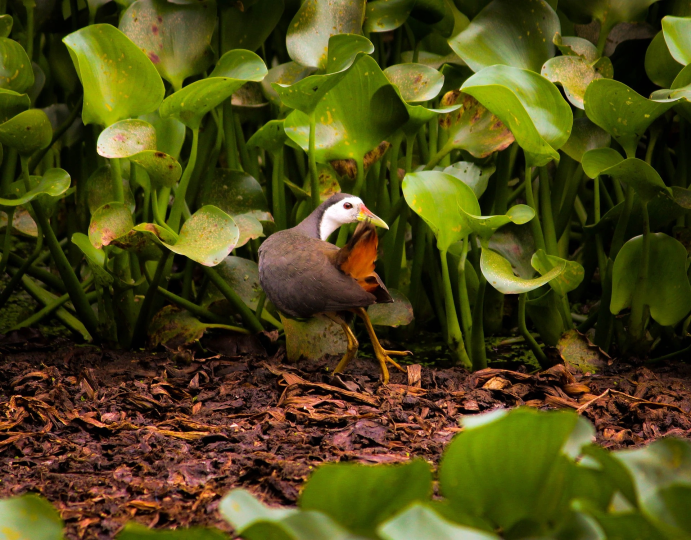
White-breasted Waterhen
Common Hawk Cuckoo
Ashy Prinia

Summary of Walk

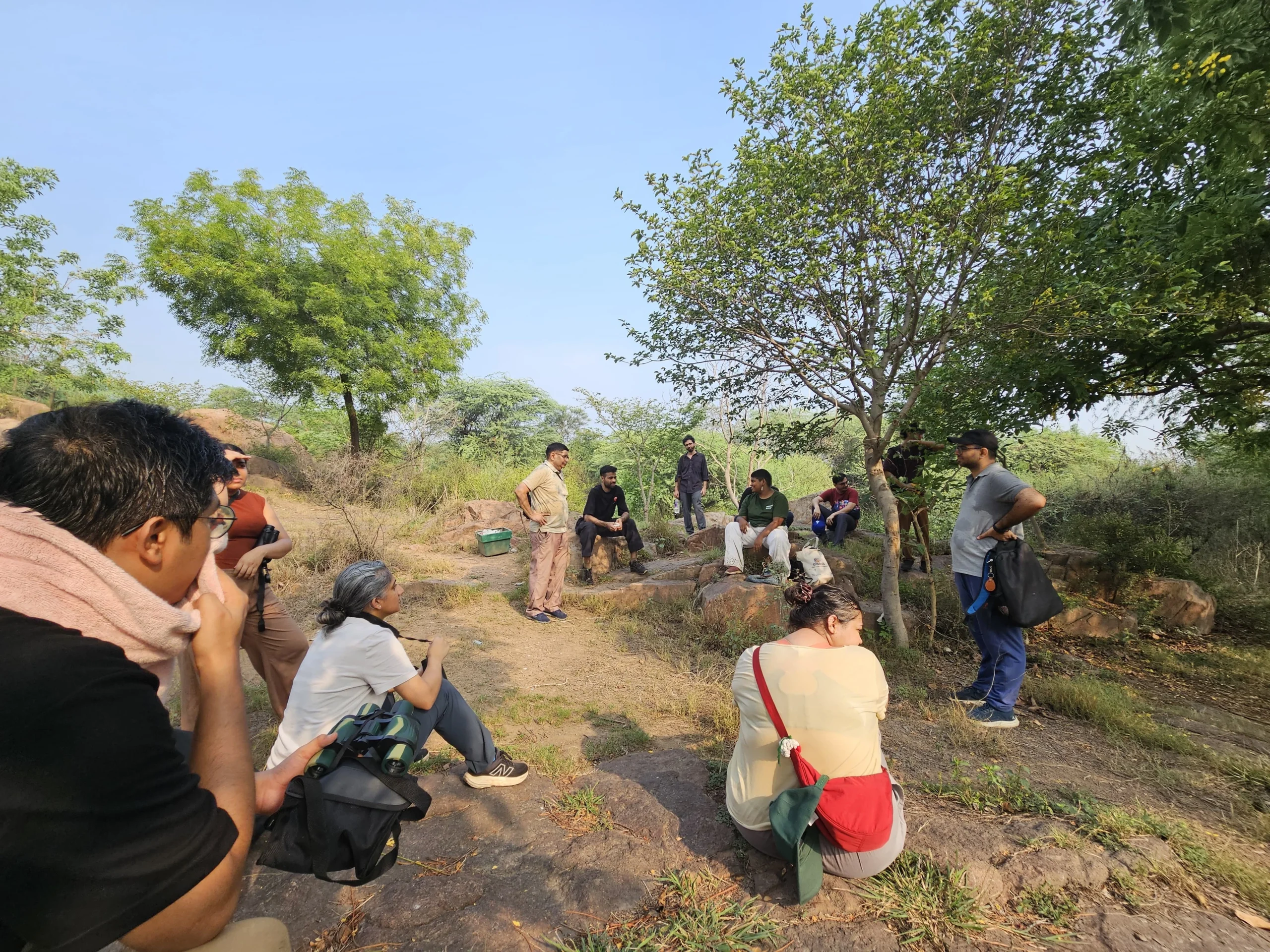
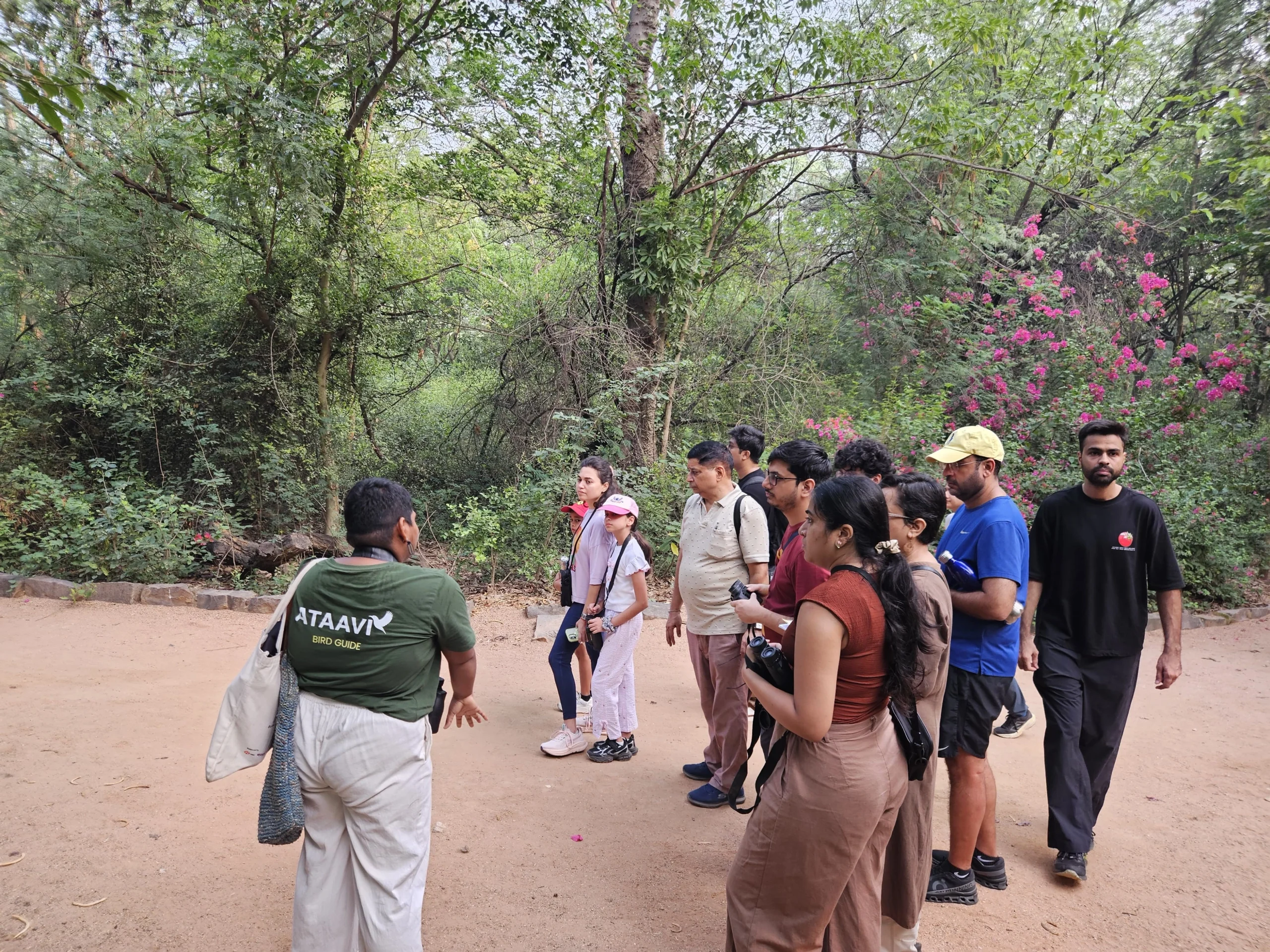
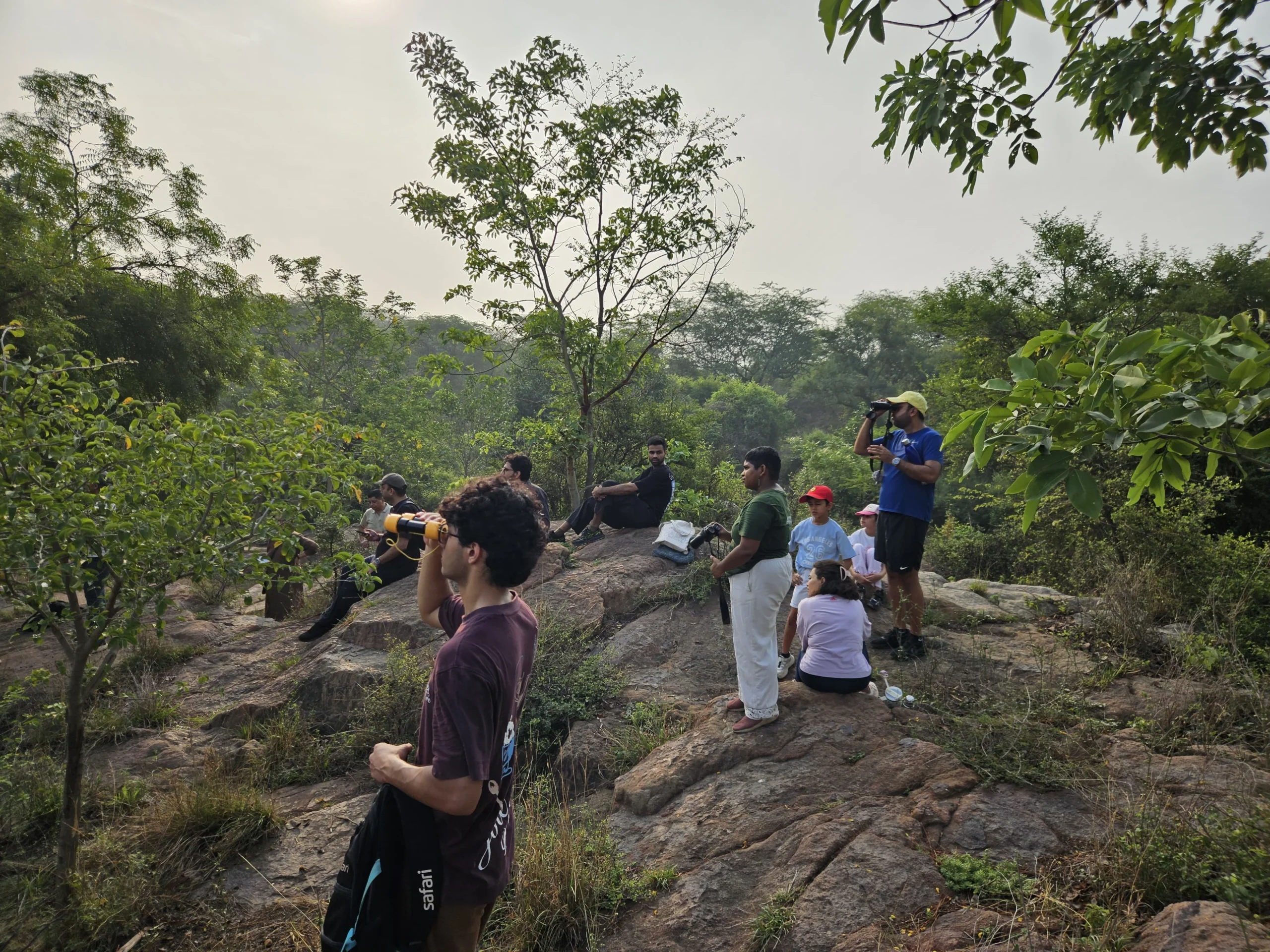
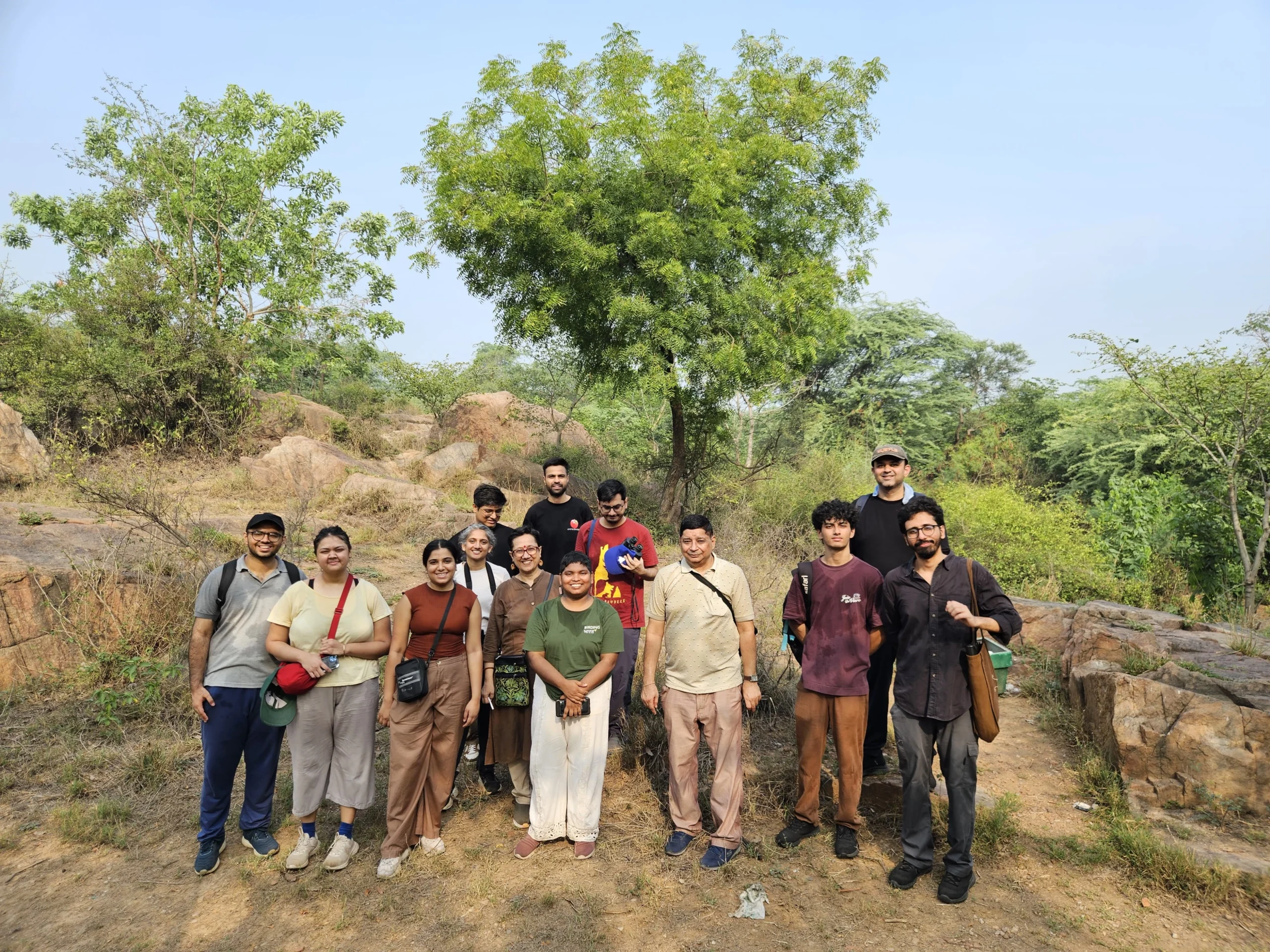
Sixteen participants, including several families and groups of friends, joined the Ataavi bird walk at Sanjay Van, highlighting the growing popularity of bird walks as enjoyable outdoor experiences for all ages. Rather than simply identifying every bird immediately, participants were encouraged to slow down, observe carefully, and think like naturalists using prompts such as “I notice” and “I wonder.” This observation-based approach encouraged everyone to study behaviour, plumage, and movement before arriving at an identification. Discussions also explored behaviours such as preening, drawing comparisons with everyday human activities to make bird behaviour more relatable.
The group recorded 18 species during the outing, including Red-vented Bulbul, Purple Sunbird, Ashy Prinia, Grey-breasted Prinia, White-breasted Waterhen, Indian Grey Hornbill, Black Drongo, Coppersmith Barbet, and Oriental Magpie Robin. The undisputed highlight was watching a pair of Pied Cuckoos moving through dry shrubs, delighting participants with prolonged views of this iconic monsoon visitor. The interactive style of the walk encouraged curiosity, careful observation, and thoughtful discussion, helping participants develop stronger birdwatching skills while building a deeper appreciation for the natural world around them.
Number of Participants
0
Scroll to Top