

Loading Events

Bird Walk at Savanadurga State Forest , Bangalore, Karnataka

About Savanadurga State Forest

Savanadurga State Forest, located about 50 km west of Bengaluru, surrounds the iconic Savanadurga Hill—one of Asia’s largest monolithic granite formations. The landscape is a striking blend of dry deciduous forests, thorn scrub, rocky cliffs, grasslands, seasonal streams, and small wetlands, creating a diverse range of habitats for wildlife. Home to native trees, medicinal plants, butterflies, reptiles, mammals, and a rich diversity of birds, the forest is one of southern Karnataka’s most significant natural landscapes and a favourite destination for birdwatchers, trekkers, and nature enthusiasts.
The combination of forested hills, open scrub, and freshwater habitats supports an impressive variety of resident birds throughout the year, while seasonal visitors further enrich its biodiversity. Despite its ecological importance, Savanadurga faces pressures from increasing tourism, habitat disturbance, invasive plant species, forest fires, and human encroachment. Conserving its forests and wetlands through responsible ecotourism and habitat management is essential to safeguarding this unique ecosystem and its remarkable wildlife.

Bird Guide: Gurprasad K R

He is a passionate nature lover, birding photographer, and conservation advocate, with over a decade of experience observing and documenting birds. Deeply connected to nature and community, he finds joy and inspiration in birds, insects, and butterflies, and is driven to share this wonder to inspire others to connect with the natural world.

Bird walk Location

Common birds of Savanadurga State Forest

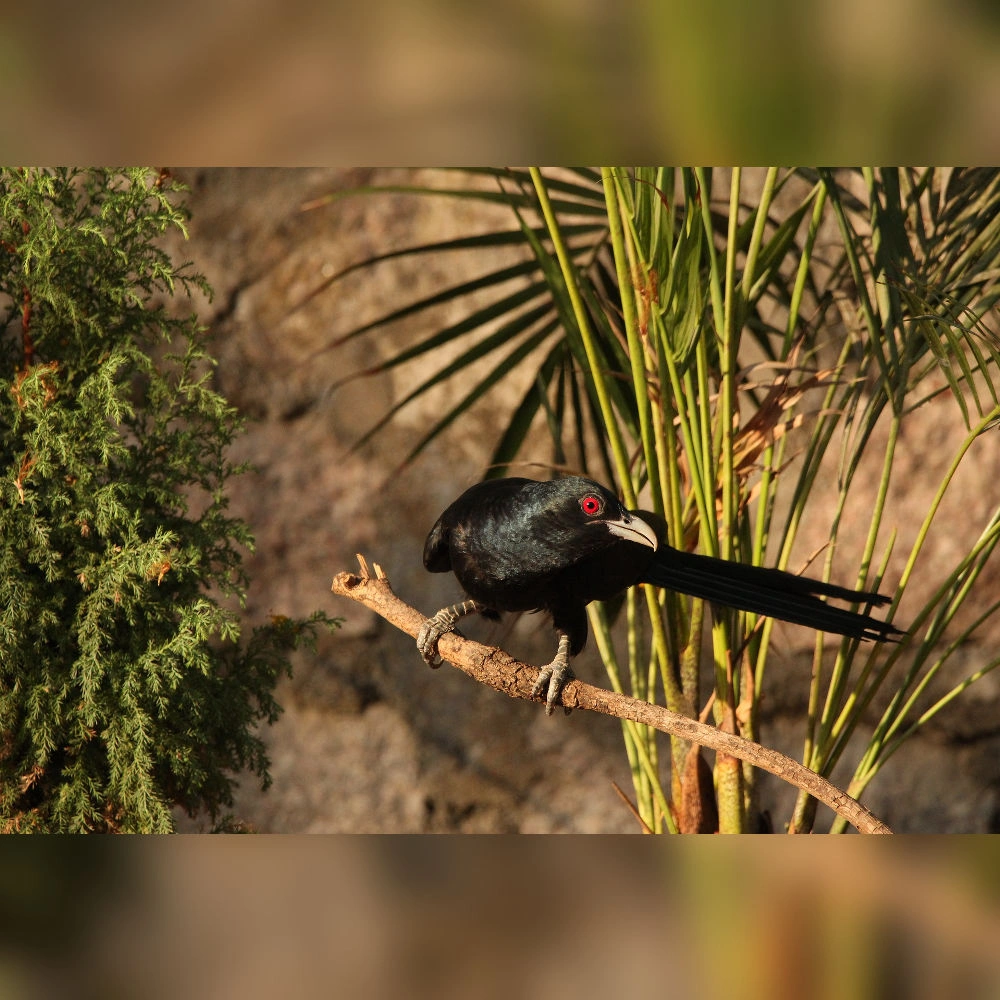
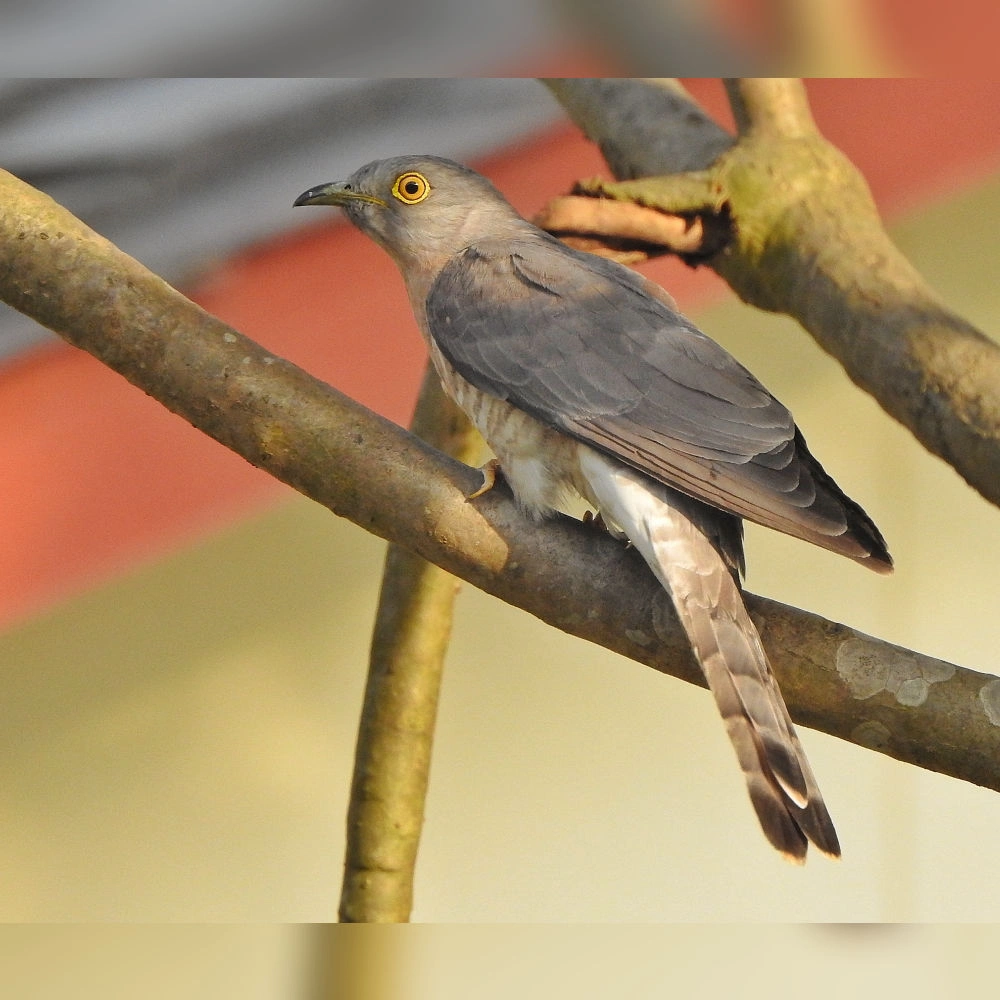
Savanadurga State Forest offers exceptional birdwatching opportunities across its forests, rocky slopes, and wetlands. The woodland supports elusive species such as Jerdon’s Nightjar, Indian Scops-Owl, Red Spurfowl, Grey Junglefowl, Jerdon’s Leafbird, and Common Hawk-Cuckoo, while open scrub is home to Grey Francolins, Greater Coucals, Laughing Doves, and Asian Koels. Wetland habitats attract Eurasian Coots, Little Grebes, White-breasted Waterhens, Little Cormorants, Indian Cormorants, Little Egrets, Eastern Cattle-Egrets, and Indian Pond-Herons. Colourful species including White-cheeked Barbets, Red-whiskered Bulbuls, Jungle Mynas, and swifts add life to the forest canopy and open skies, making Savanadurga one of the finest birding destinations near Bengaluru.
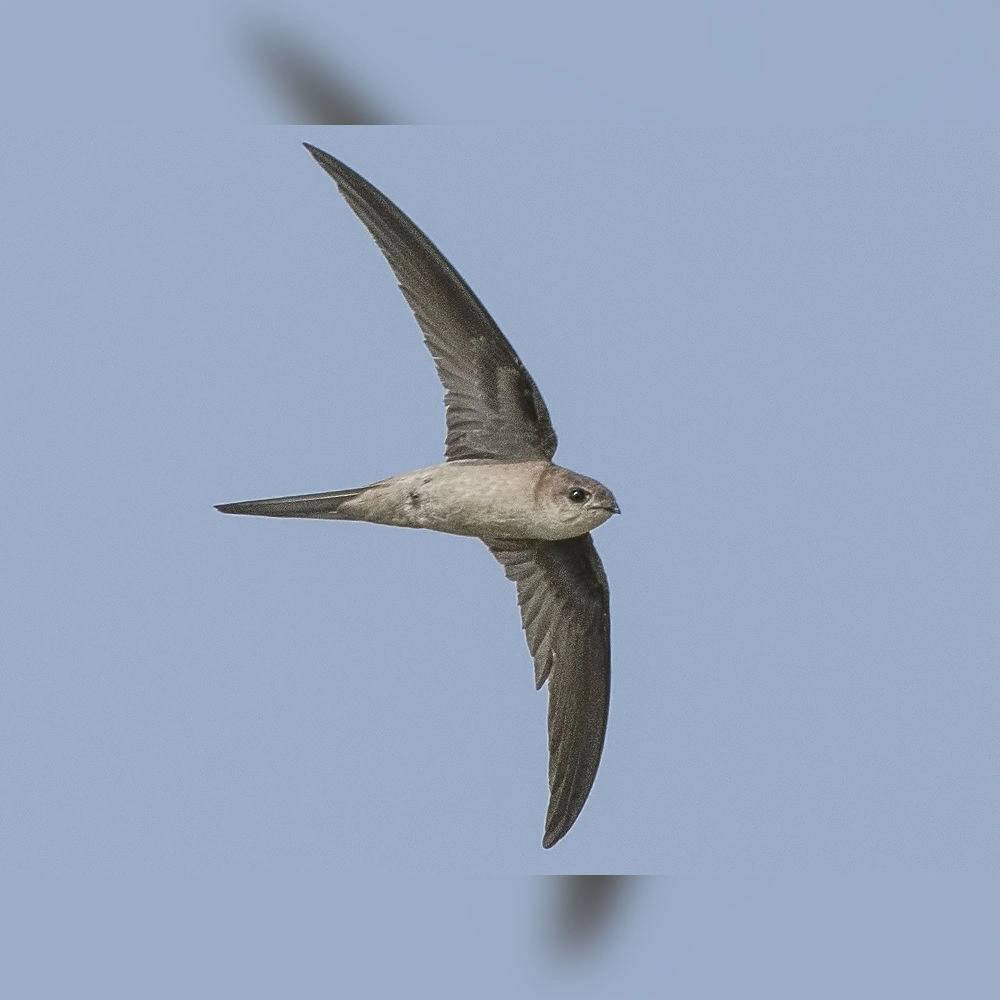
Asian Palm Swift
Asian Koel
Common Hawk-Cuckoo
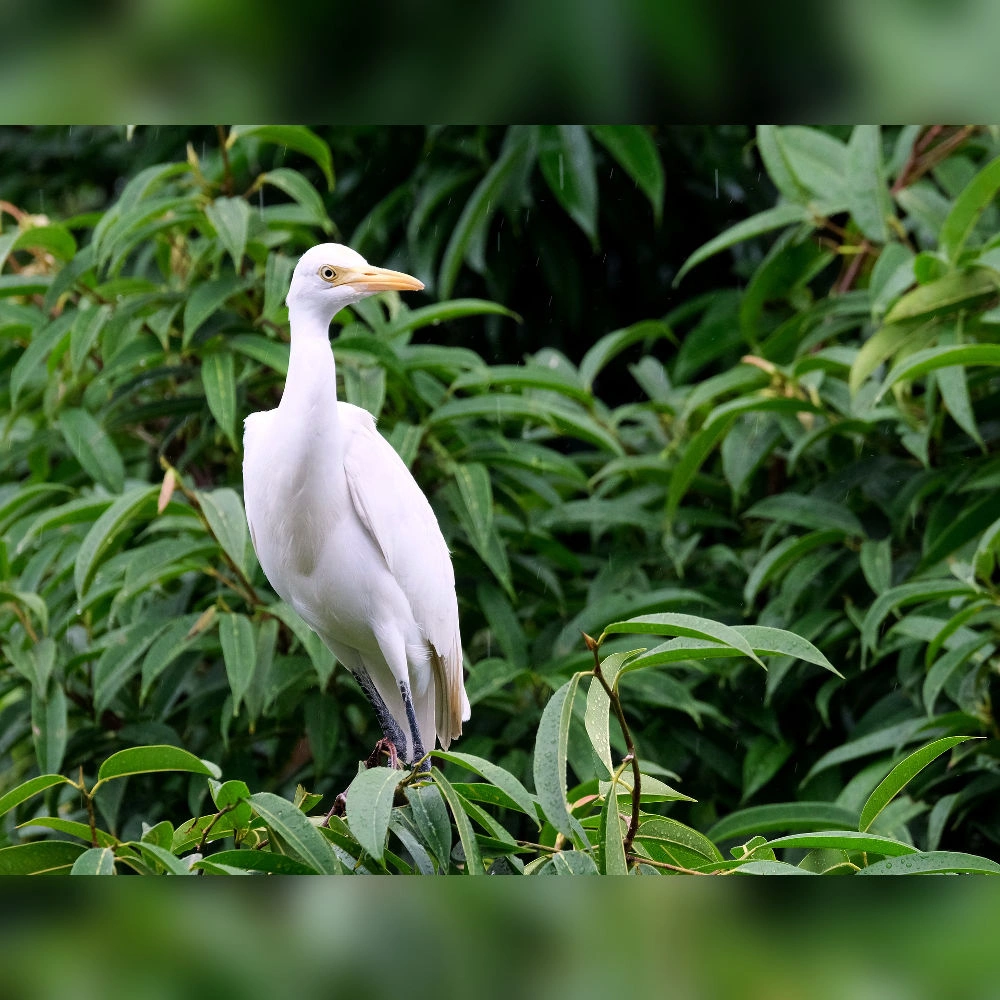
Eastern Cattle-Egret

Eurasian Coot
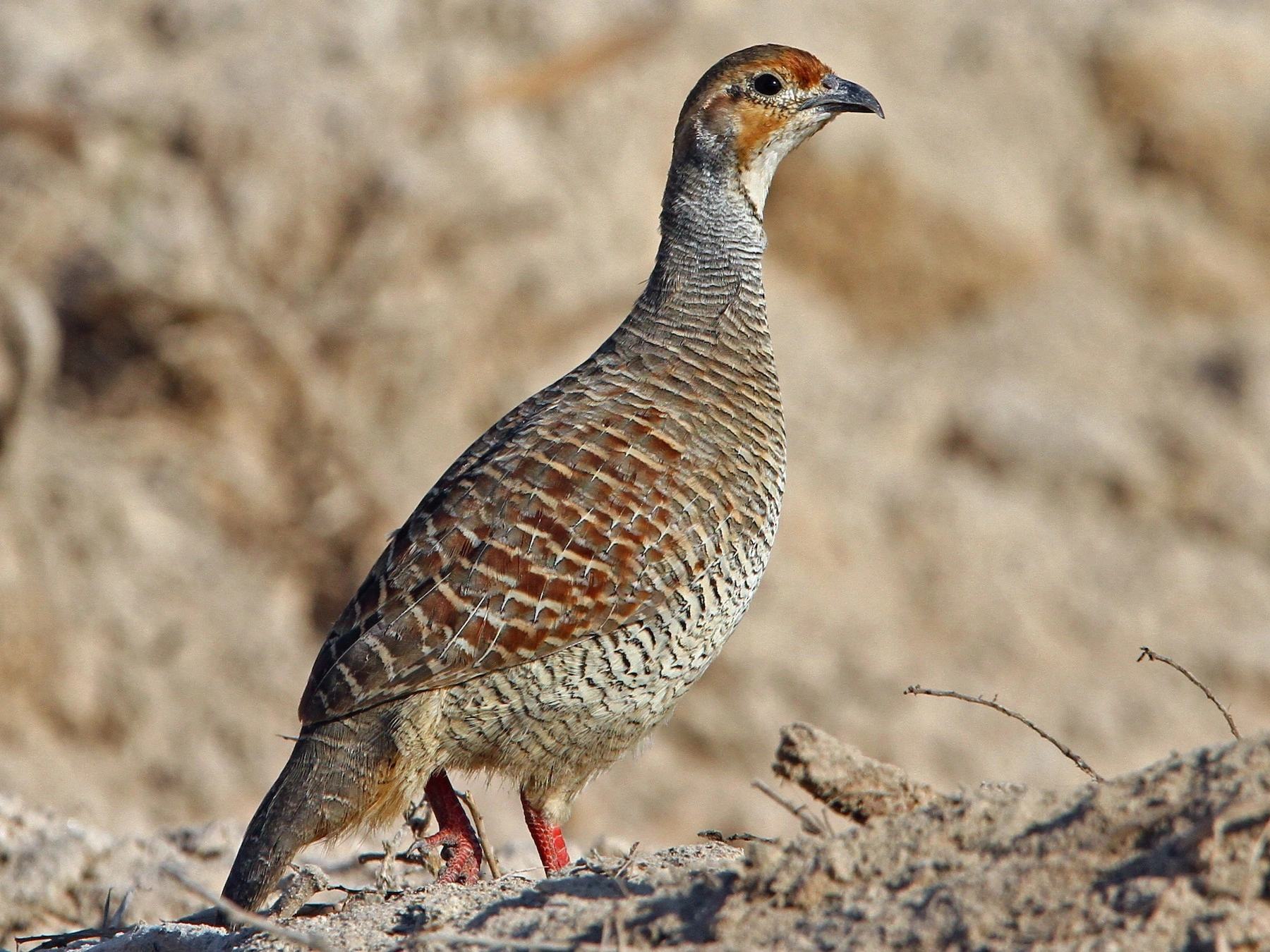
Gray Francolin
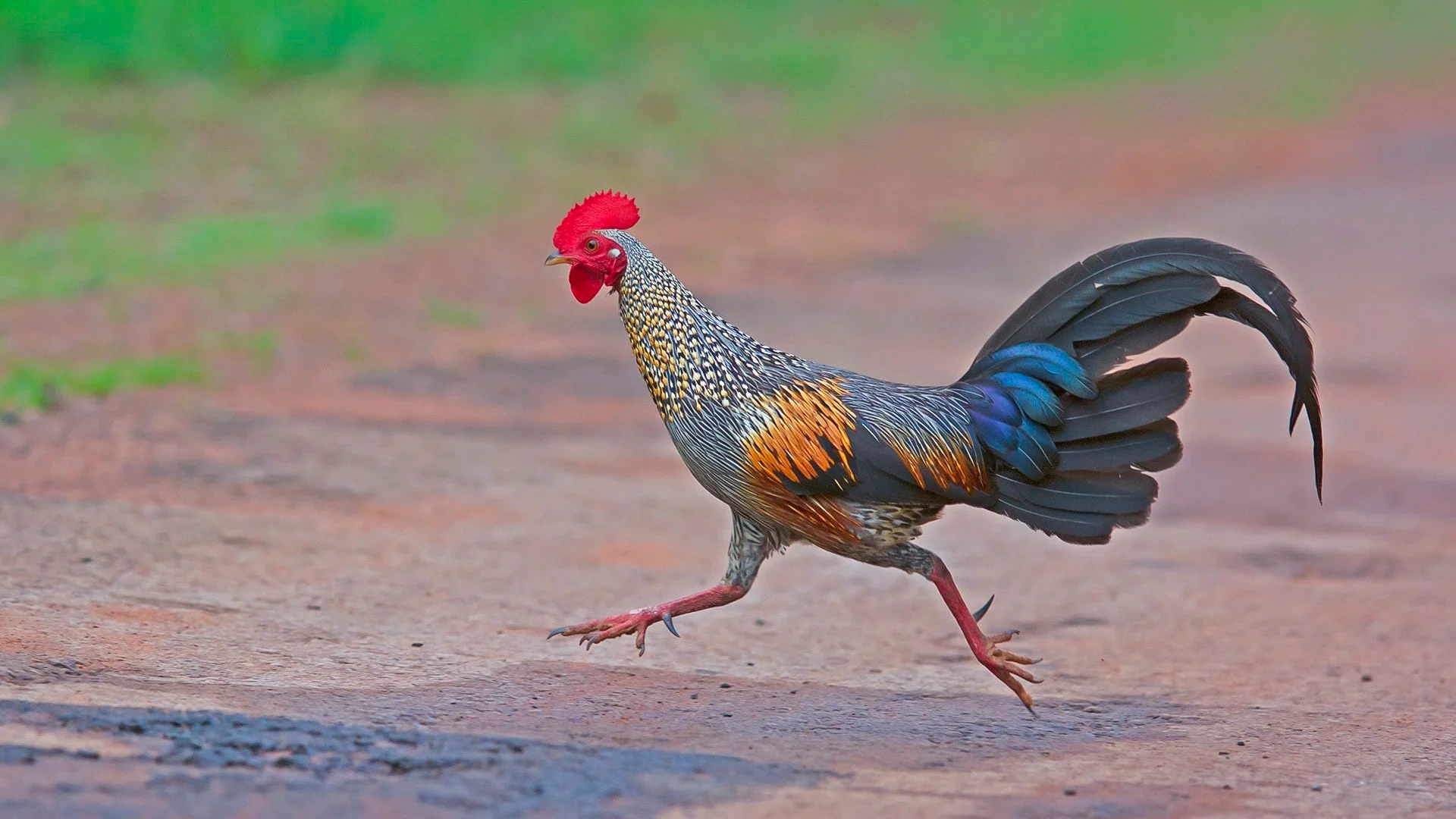
Gray Junglefowl
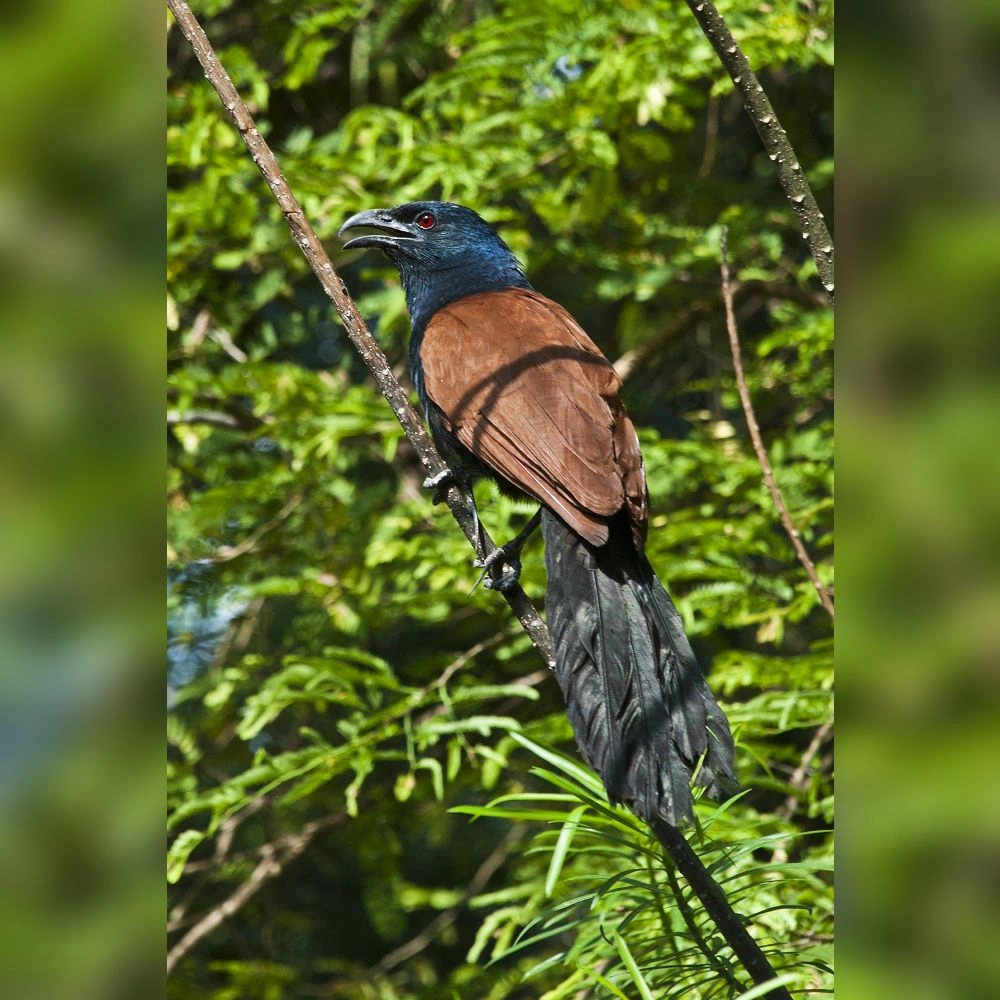
Greater Coucal
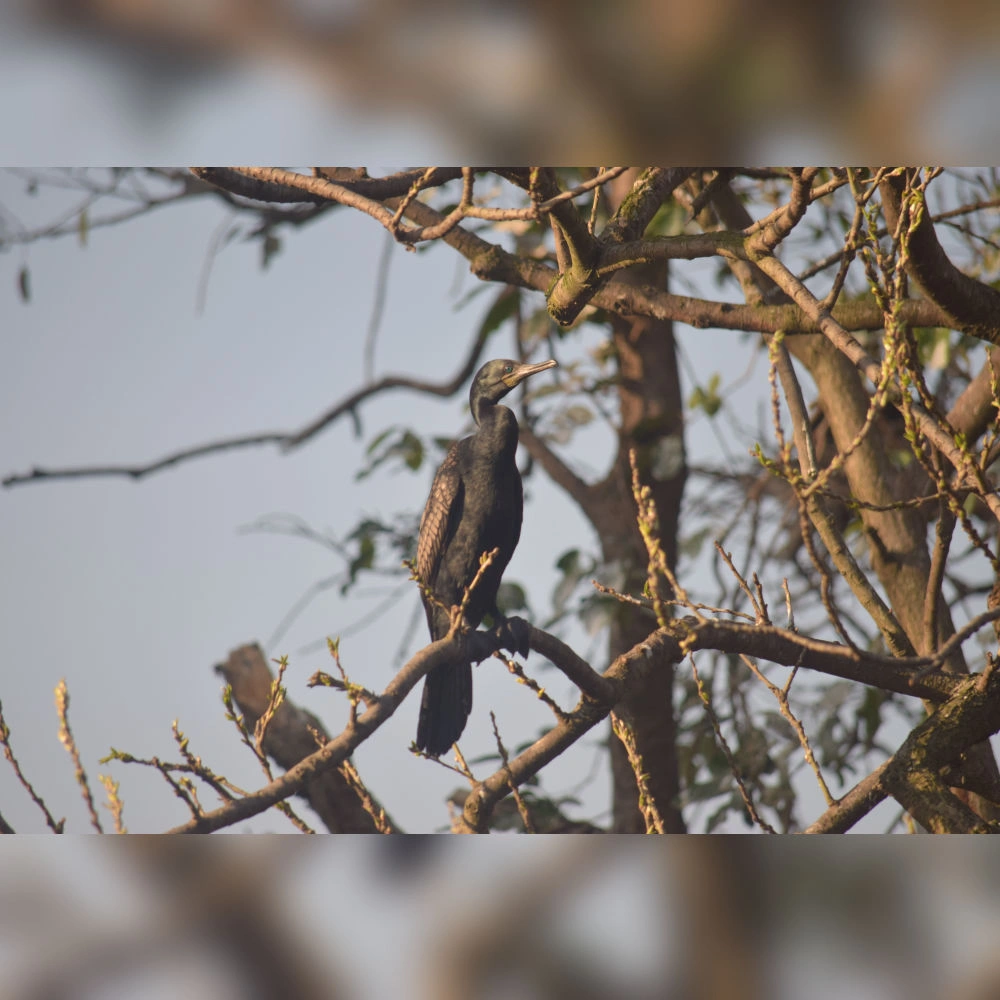
Indian Cormorant
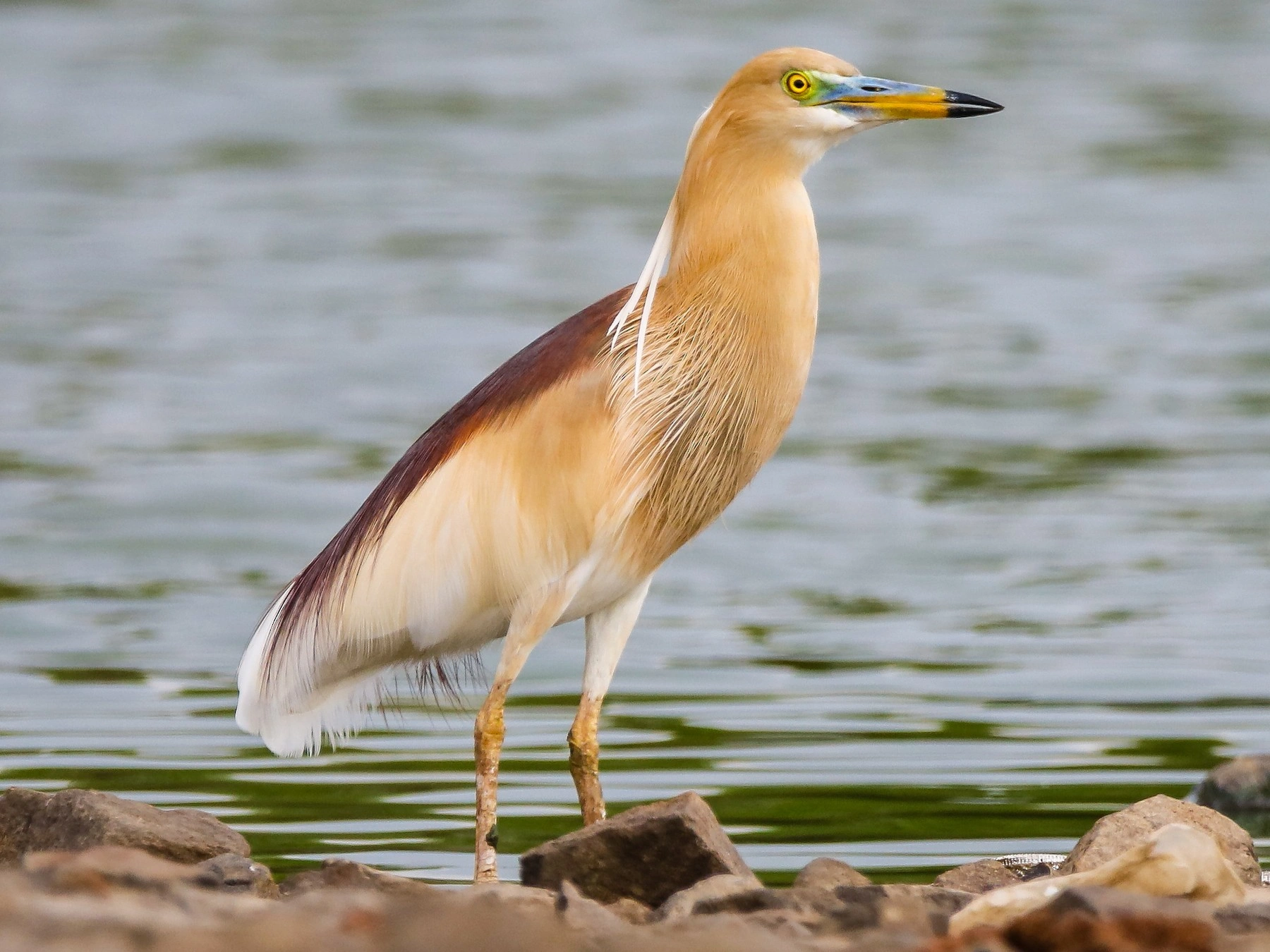
Indian Pond-Heron
Indian Scops-Owl
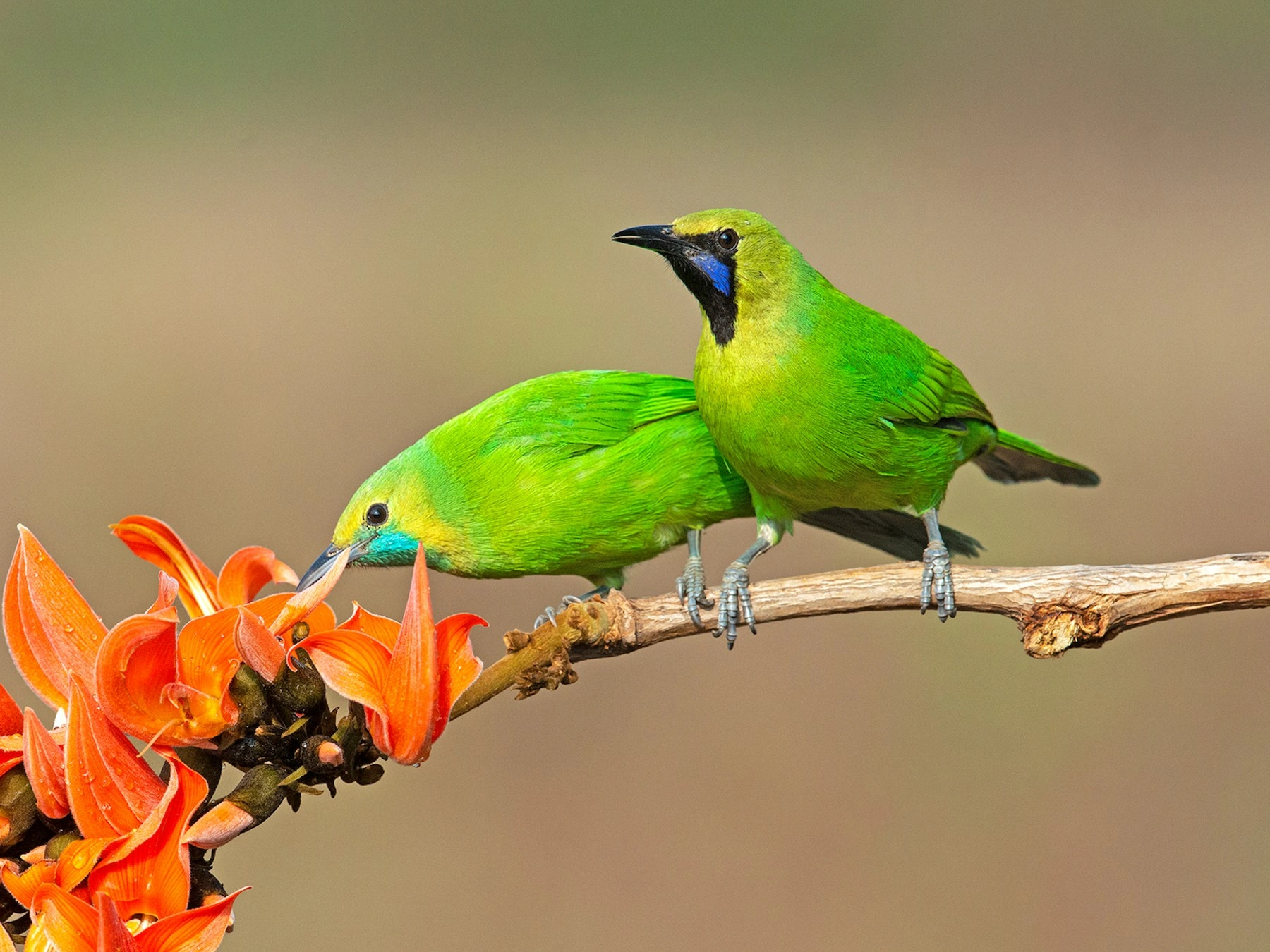
Jerdon's Leafbird
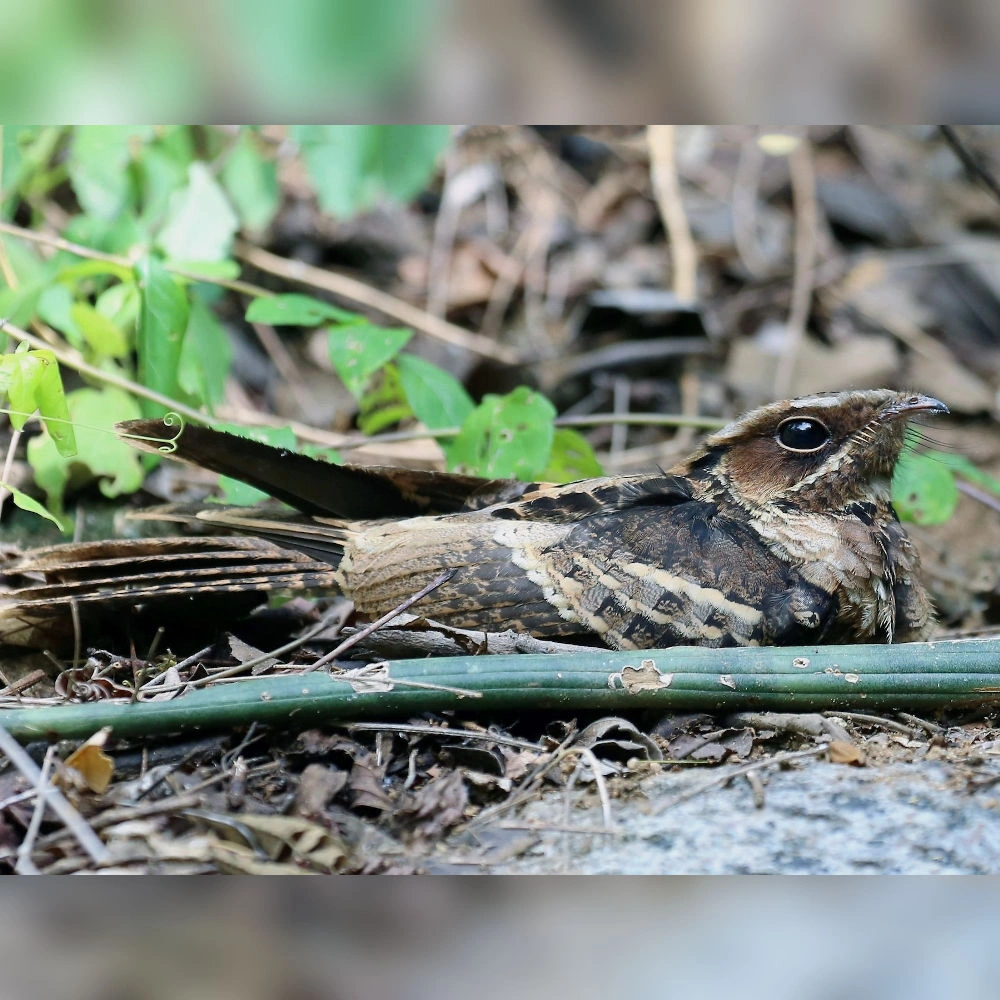
Jerdon's Nightjar
Jungle Myna
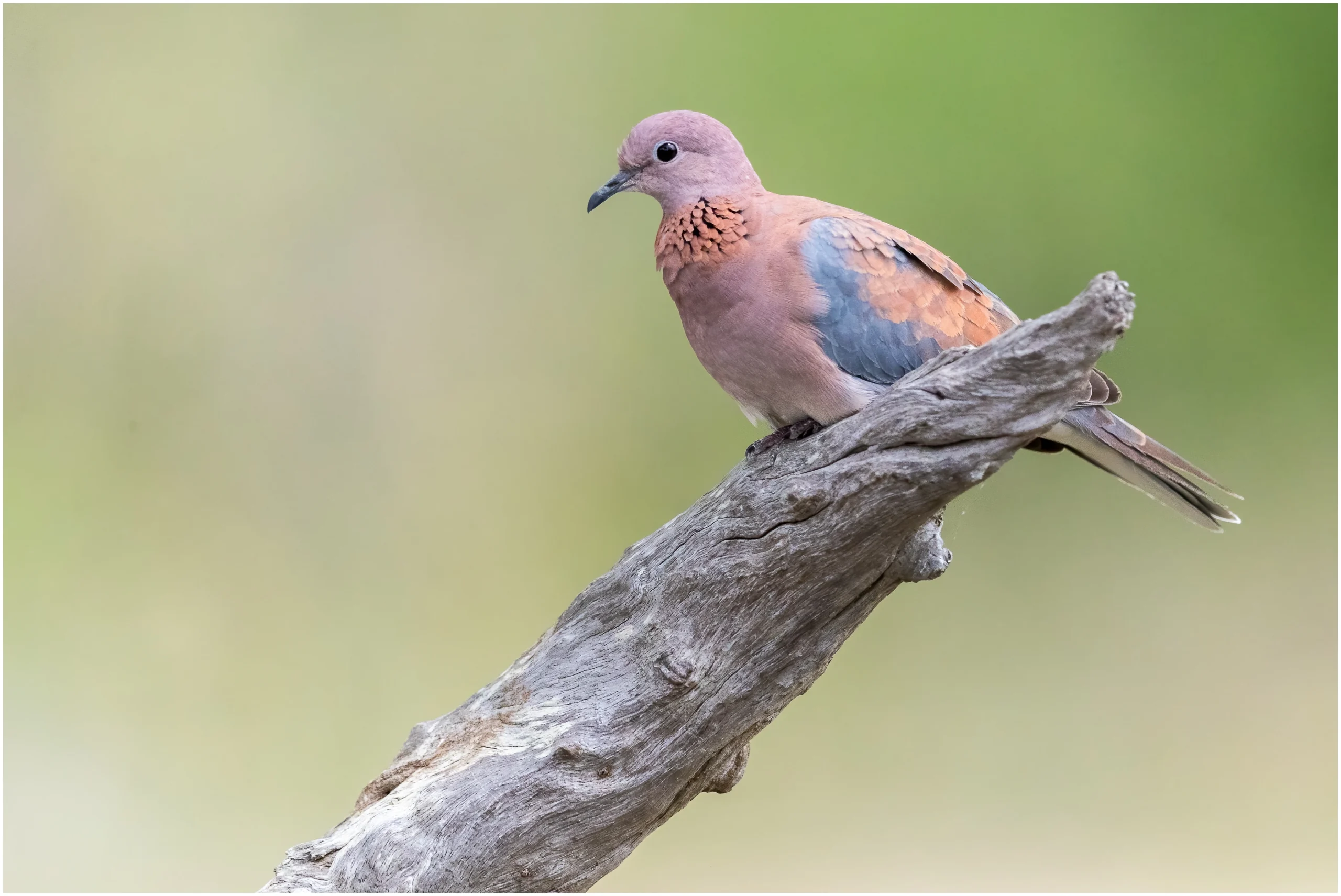
Laughing Dove
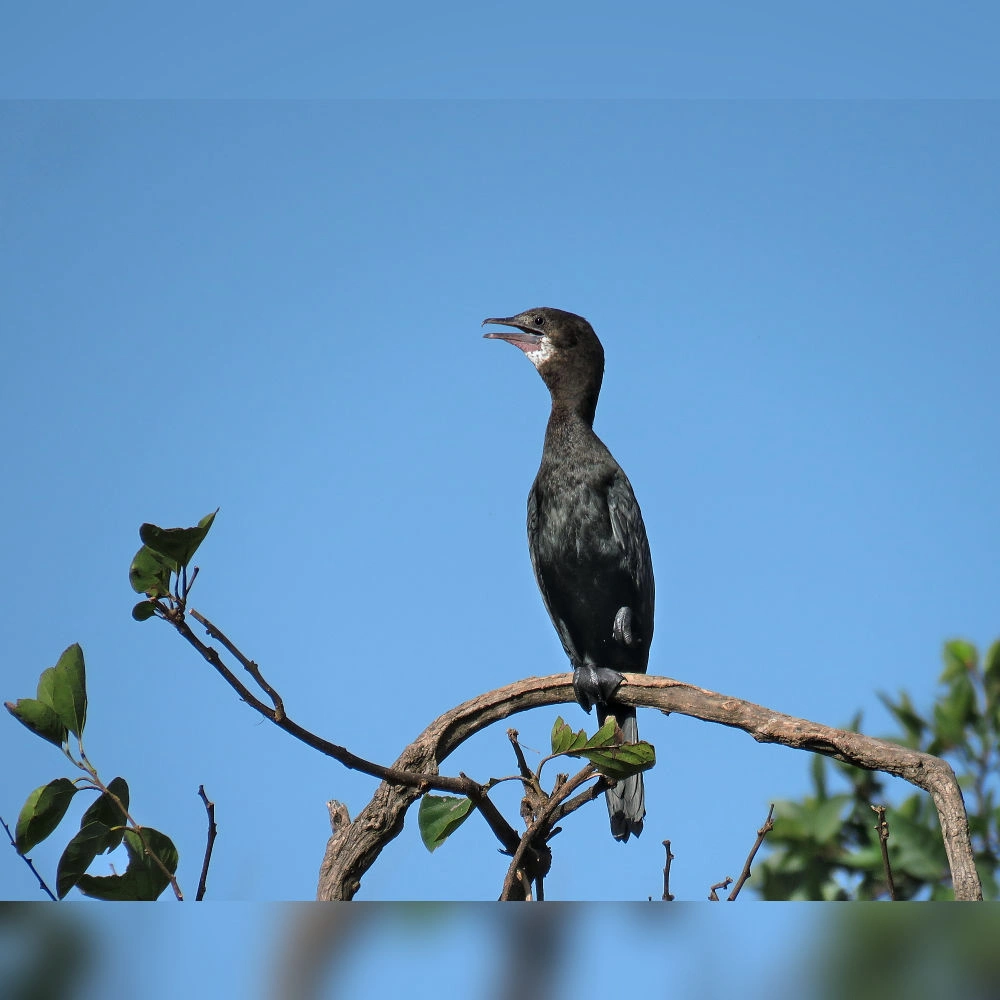
Little Cormorant
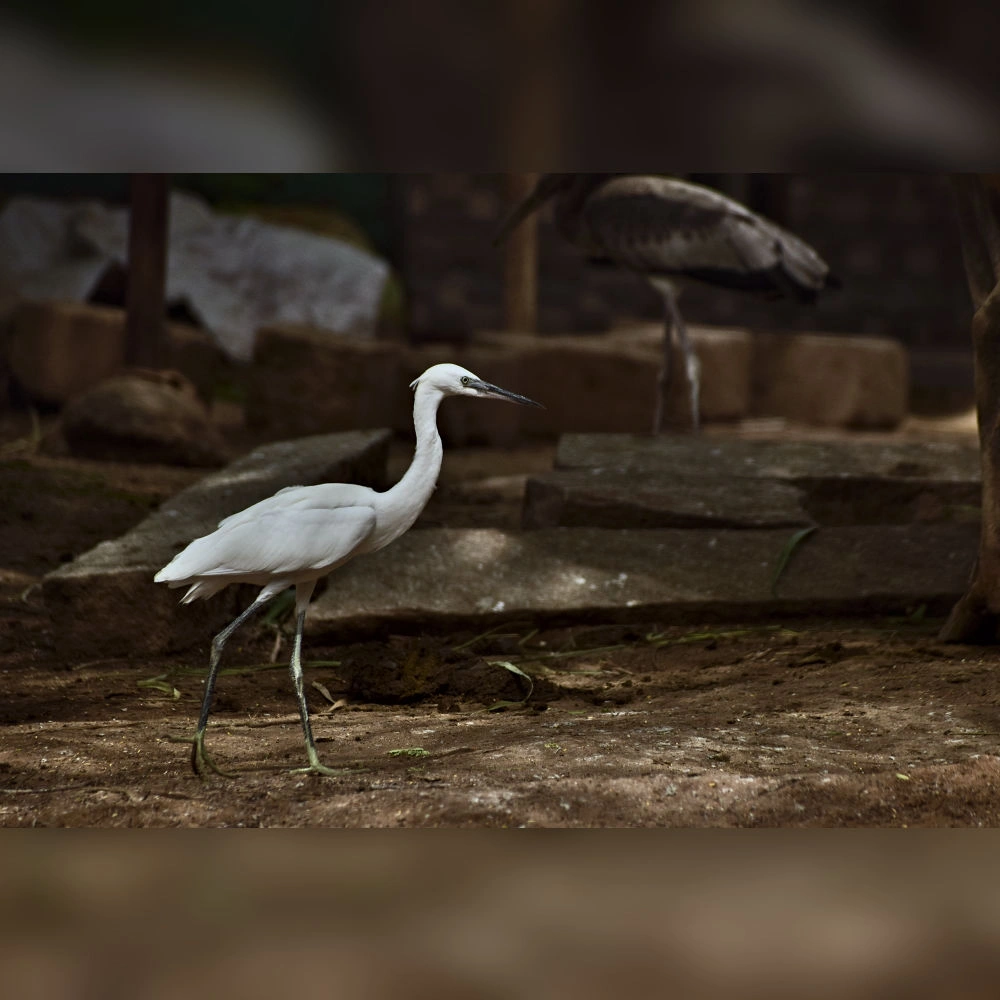
Little Egret
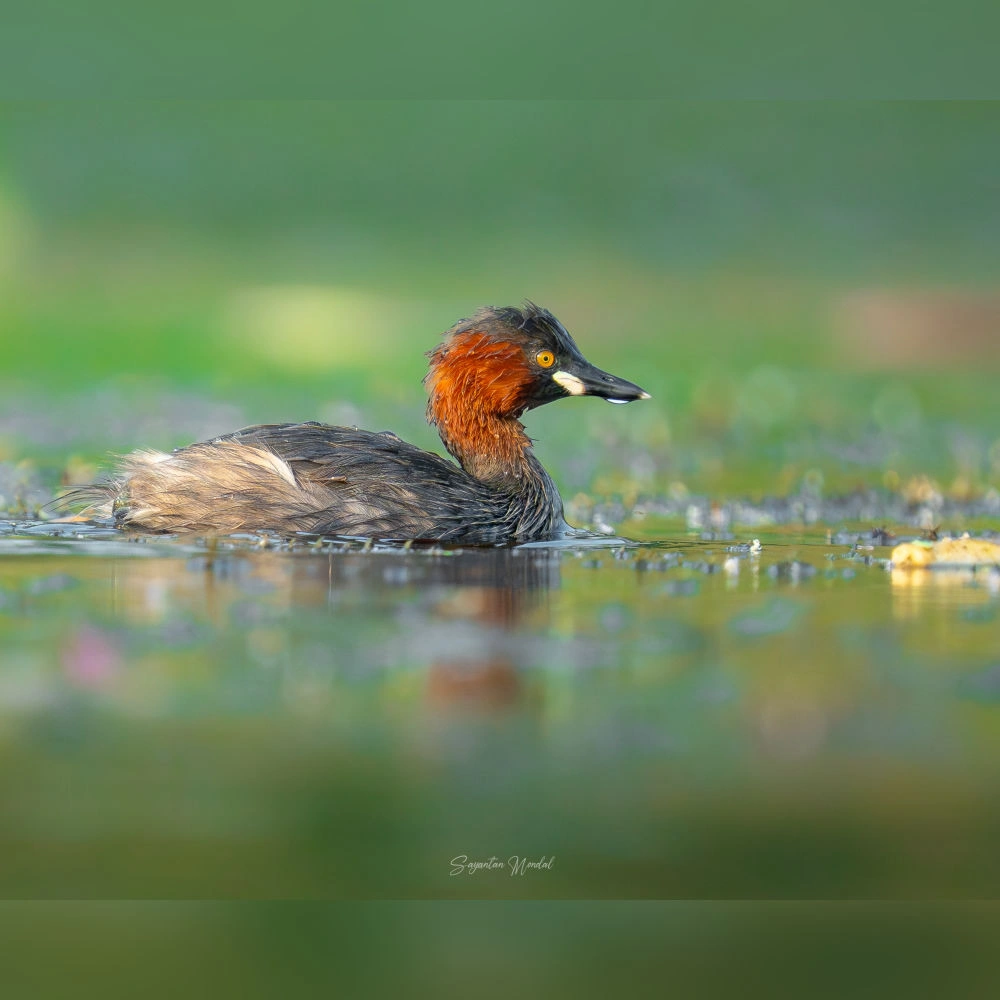
Little Grebe
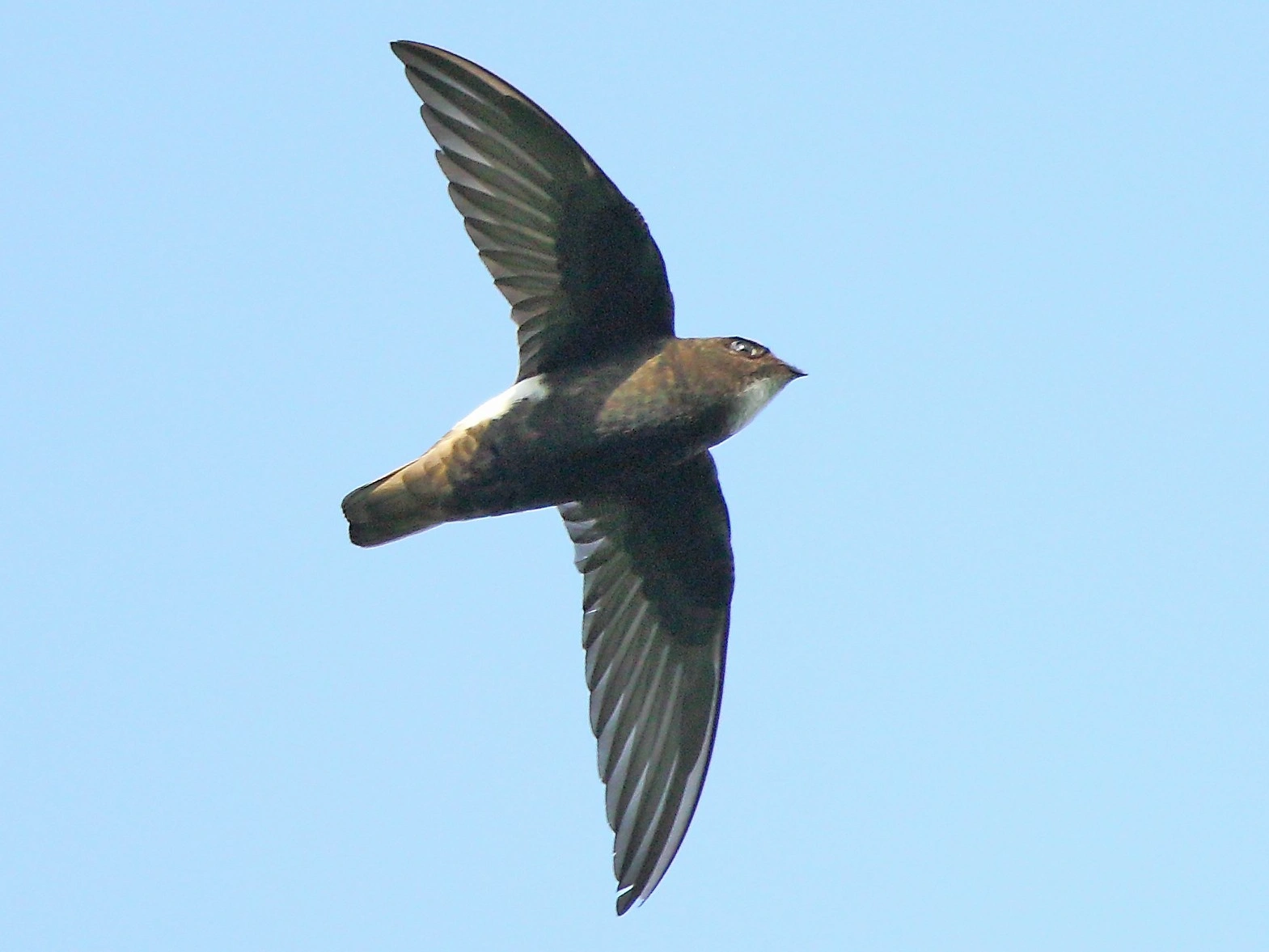
Little Swift
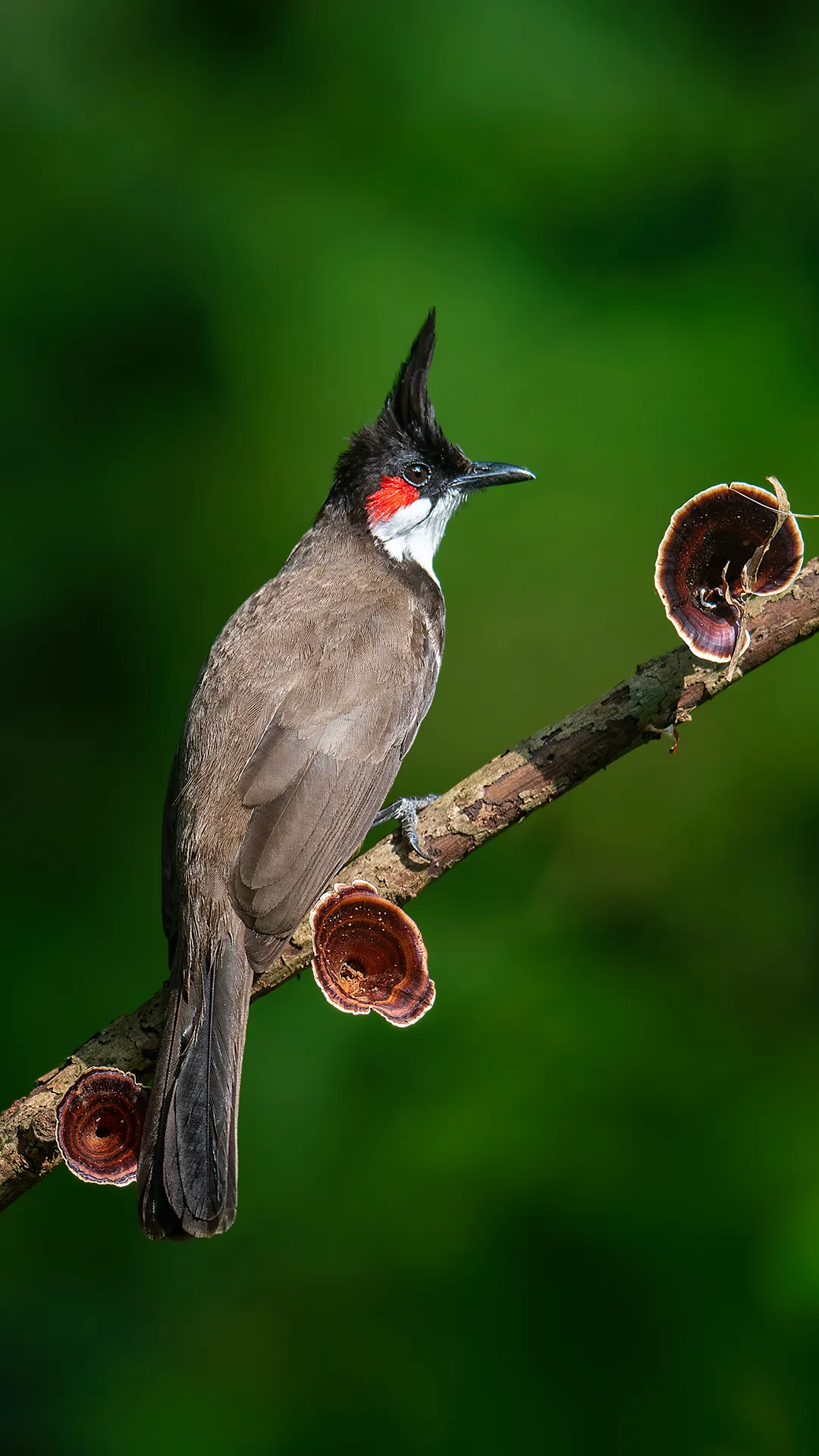
Red-whiskered Bulbul

Summary of Walk

A total of 21 participants joined the guided bird walk through the beautiful Savandurga State Forest, where pleasant weather and dense woodland created ideal conditions for exploring one of Karnataka’s richest forest bird habitats. The trail echoed with bird calls from every direction as participants walked beneath the forest canopy, learning about woodland ecology, bird identification, and the importance of conserving native forests. The relaxed pace of the walk allowed everyone to enjoy prolonged observations while discussing the unique adaptations of forest birds. The high level of bird activity throughout the morning ensured that both beginners and experienced birdwatchers left with memorable sightings and a deeper appreciation for the biodiversity of Savandurga. The highlights of the walk included sightings of the Common Woodshrike, Ashy Woodswallow, Black-headed Cuckooshrike, and Cinereous Tit (Asian Tit), all characteristic species of healthy woodland ecosystems. Participants enjoyed observing these birds as they foraged among the trees, offering valuable insights into their feeding habits and behaviour. Savandurga State Forest is renowned for its rocky hills, dry deciduous forests, and rich birdlife, making it an ideal destination for nature enthusiasts throughout the year. The walk reinforced the ecological significance of preserving native forests, where even a short morning trail can reveal an incredible diversity of birds and countless opportunities to connect with nature.
Number of Participants
0
Scroll to Top