

Loading Events

Bird Walk at Shahbad Kuno River, Sheopur, MP

About Shahbad Kuno River

Flowing through the forests and agricultural landscapes near Shahbad in Rajasthan, the Kuno River is a scenic riverine ecosystem that supports an exceptional diversity of wildlife. Its mosaic of flowing water, sandy banks, marshes, riparian vegetation, grasslands, and surrounding woodland provides vital habitat for fish, reptiles, amphibians, insects, mammals, and a rich variety of birds. The river forms an important ecological corridor connecting natural habitats, making it a rewarding destination for birdwatchers, photographers, and nature enthusiasts throughout the year.
The Kuno River is particularly known for its rich birdlife, with resident species joined by migratory visitors during the winter months. The river’s wetlands and riparian forests provide essential feeding, nesting, and roosting habitats, while nearby agricultural fields further enhance its biodiversity. Like many river ecosystems, however, the area faces threats from water extraction, habitat degradation, pollution, sand mining, and increasing human disturbance. Continued conservation efforts and responsible ecotourism are essential to safeguard this ecologically important landscape for future generations.

Bird Guide: Abhishek Jatav

A passionate birding guide with over a year of hands-on experience in the Karahal landscape of Madhya Pradesh, near the Kuno region. Known for an engaging and approachable style, they help participants spot, identify, and understand birds while making every walk enjoyable and insightful.

Bird walk Location

Common birds of Shahbad Kuno River

The Kuno River supports an outstanding diversity of wetland, woodland, and riverine birds, making it one of the region’s finest birdwatching destinations. Along the riverbanks, birdwatchers can observe Indian Pond-Herons, Little Egrets, Eastern Cattle-Egrets, Little Cormorants, Indian Spot-billed Ducks, Asian Openbills, and Red-wattled Lapwings, while the calls of the majestic Sarus Crane often echo across the wetlands. The surrounding woodland is alive with species such as White-throated Kingfishers, White-browed Fantails, Small Minivets, Golden Orioles, Indian White-eyes, Oriental Magpie-Robins, Indian Robins, Ashy Prinias, Common Tailorbirds, and a variety of migratory warblers. Raptors including the Black-winged Kite and Black Kite patrol the skies, while cuckoos, bee-eaters, swallows, and the elusive Eurasian Wryneck ensure every visit offers exciting and memorable birdwatching opportunities.
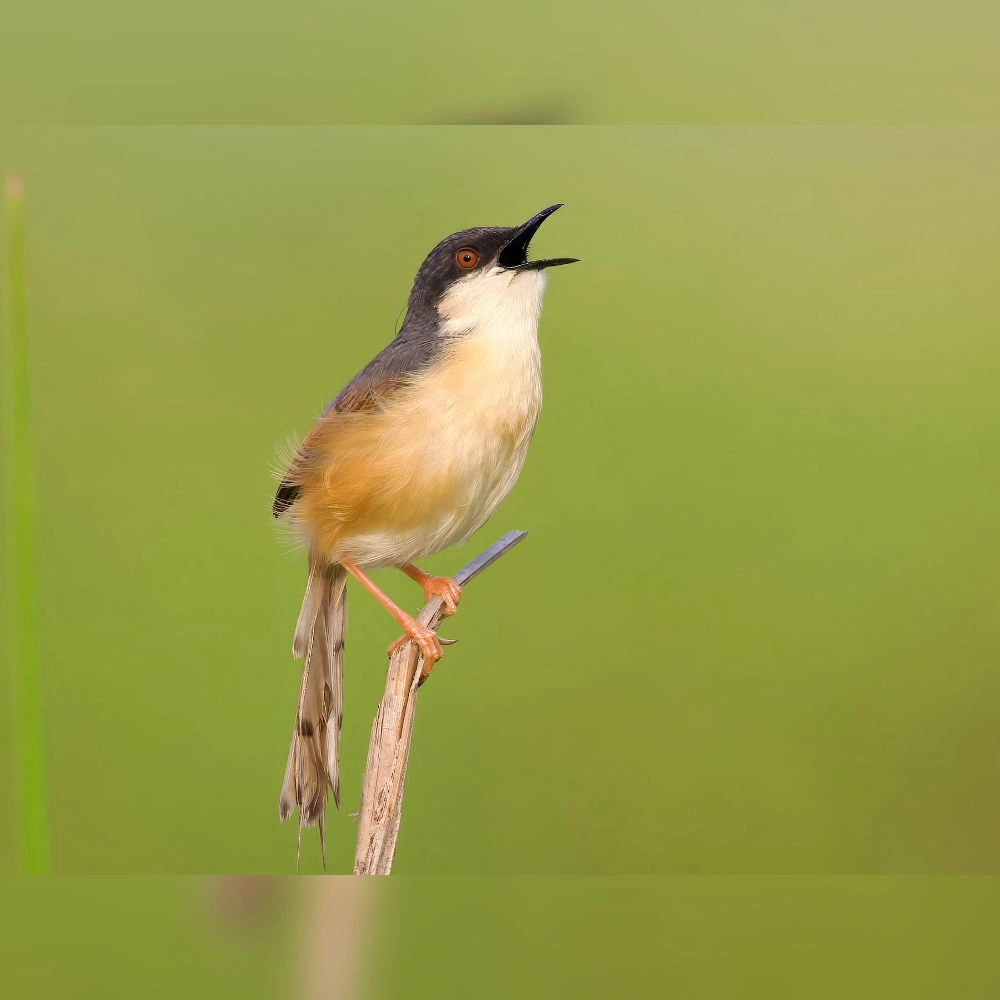
Ashy Prinia
Asian Green Bee-eater
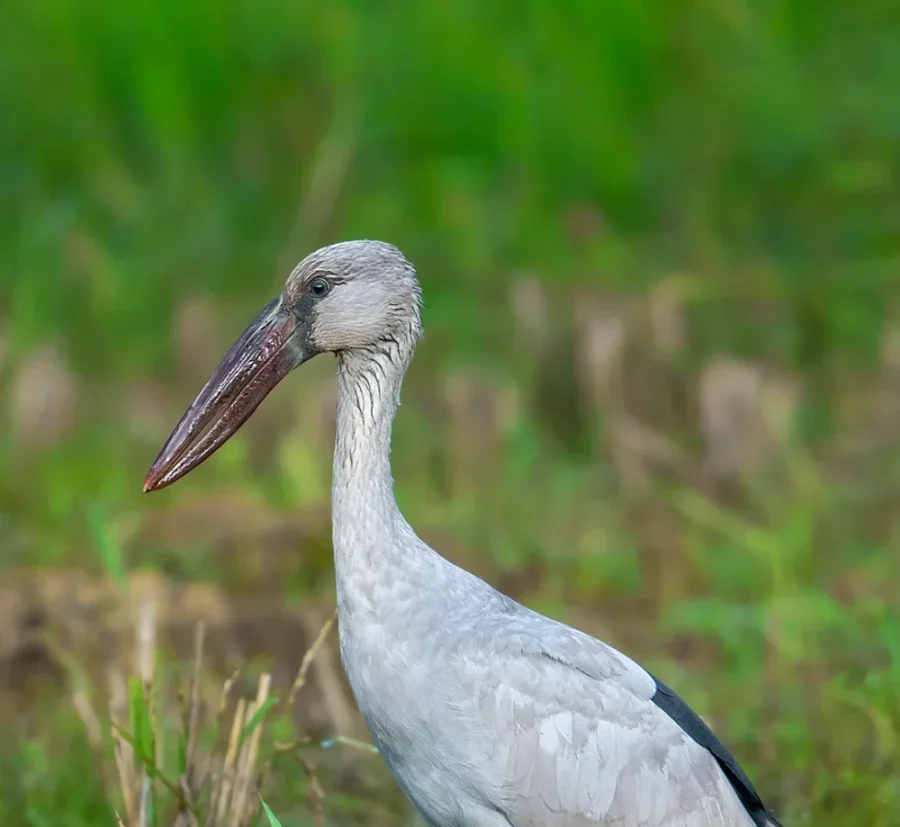
Asian Openbill
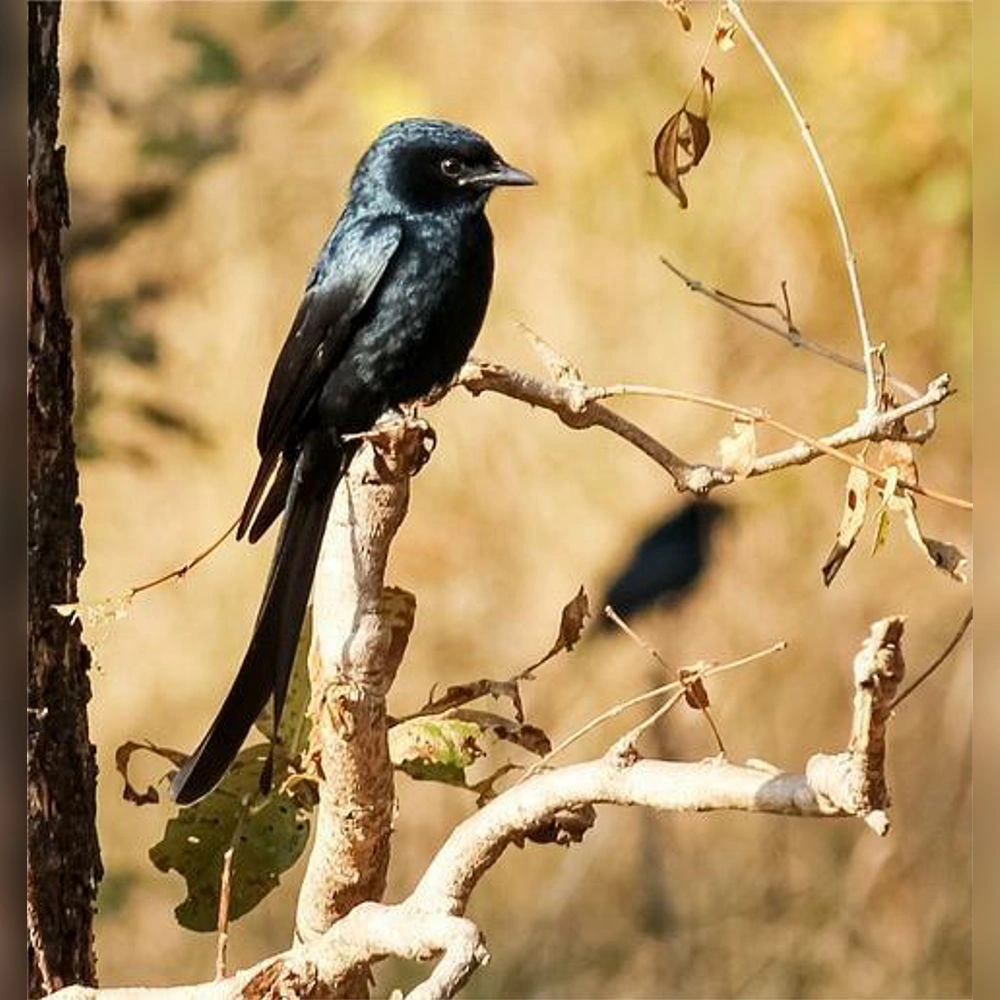
Black Drongo

Black Kite
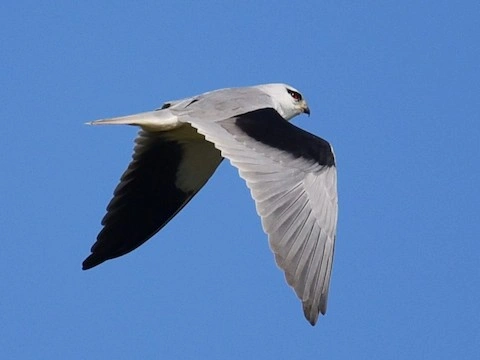
Black-winged Kite
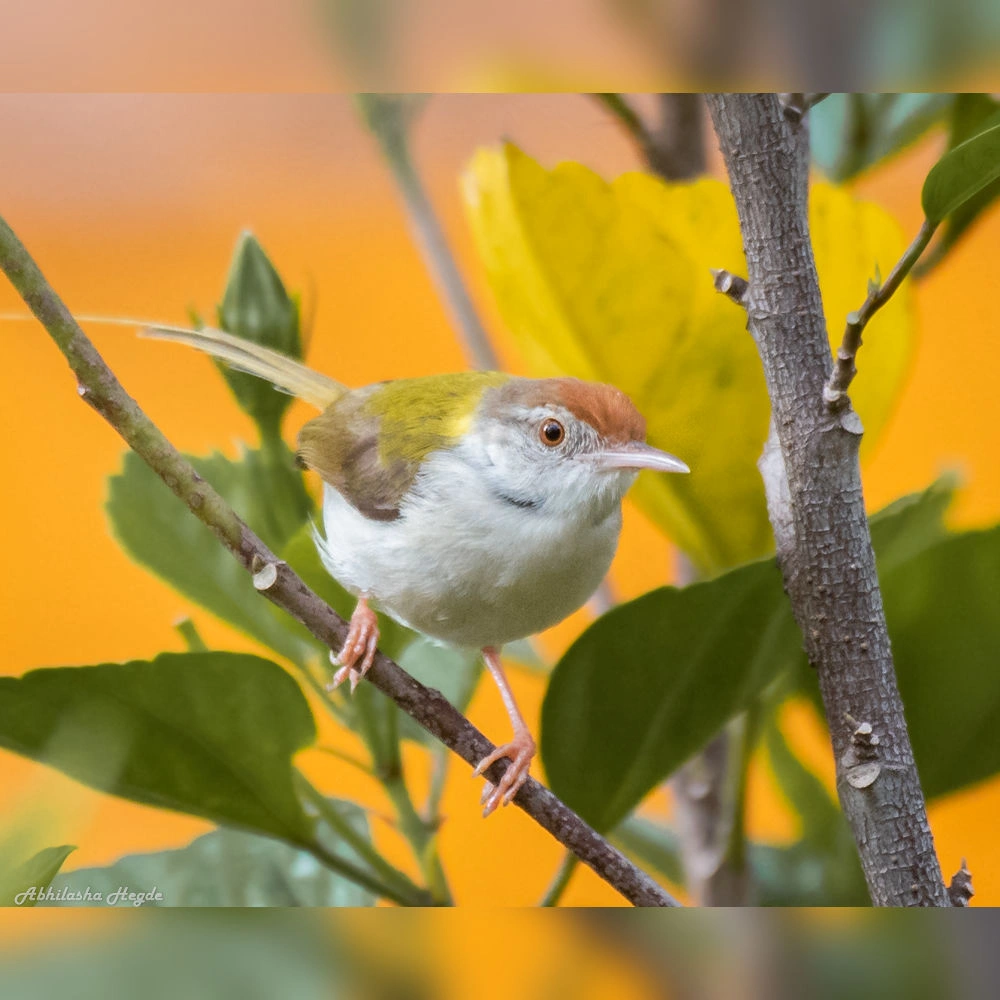
Common Tailorbird
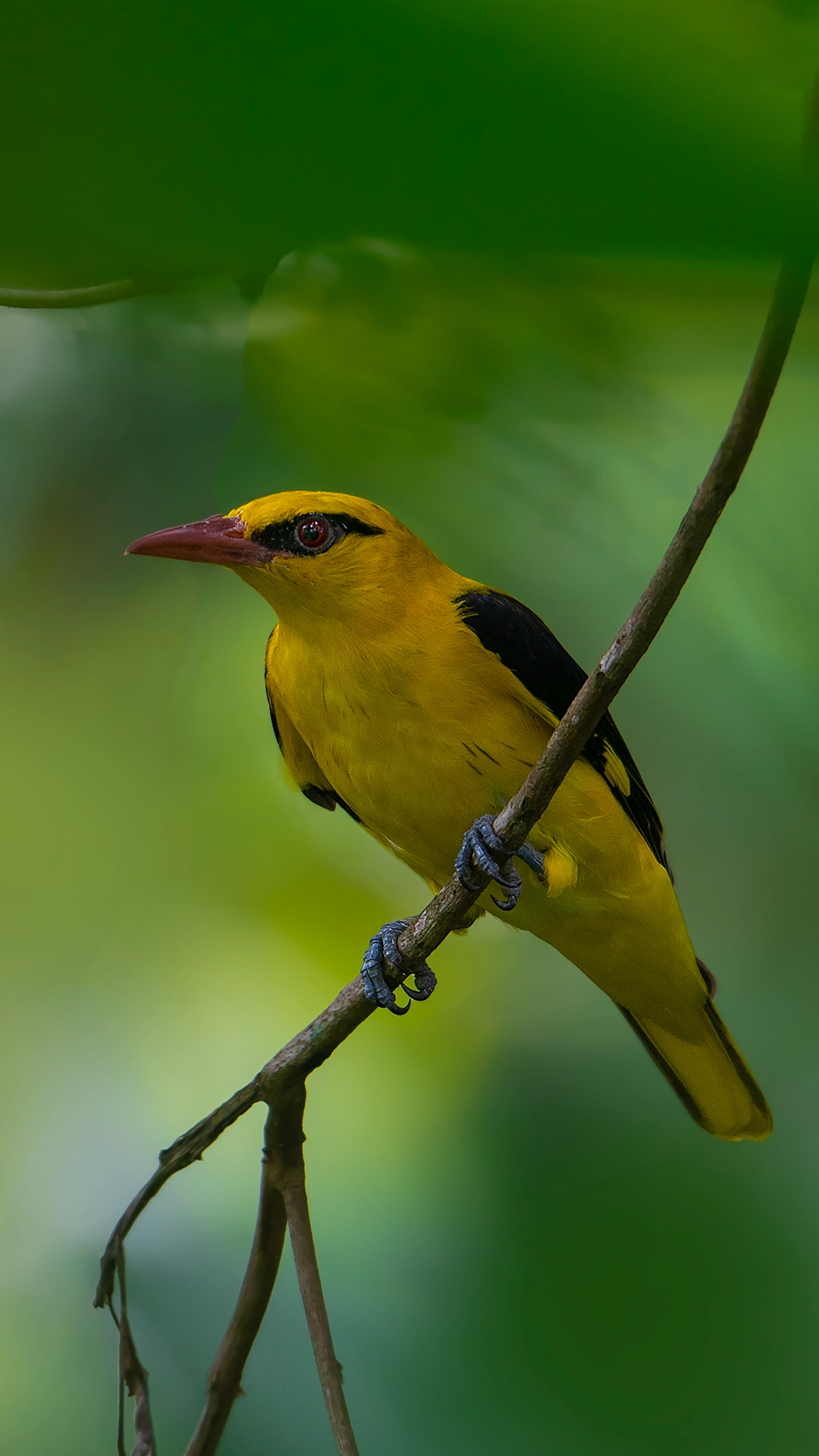
Indian Golden Oriole
Indian Cuckoo
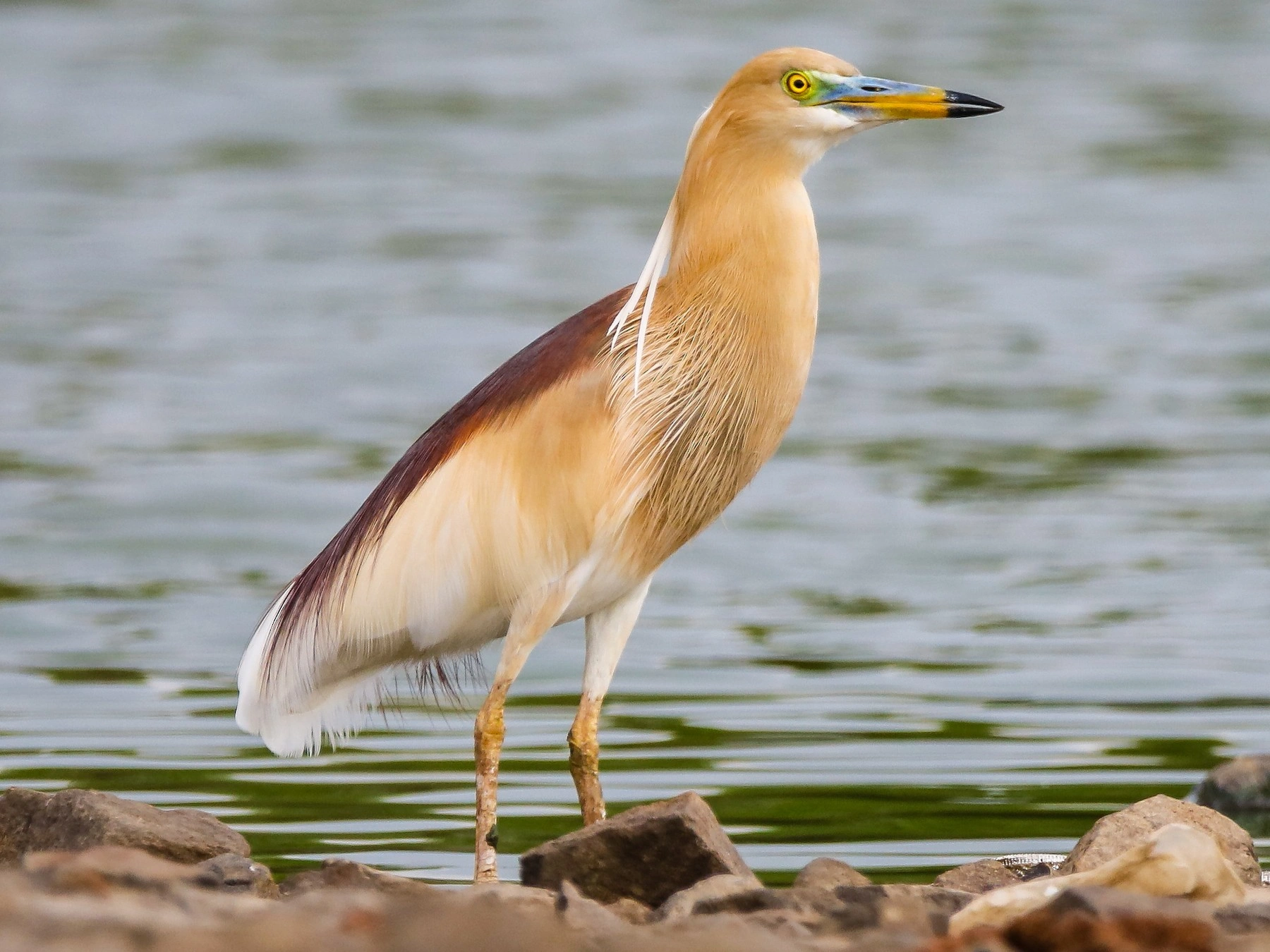
Indian Pond-Heron
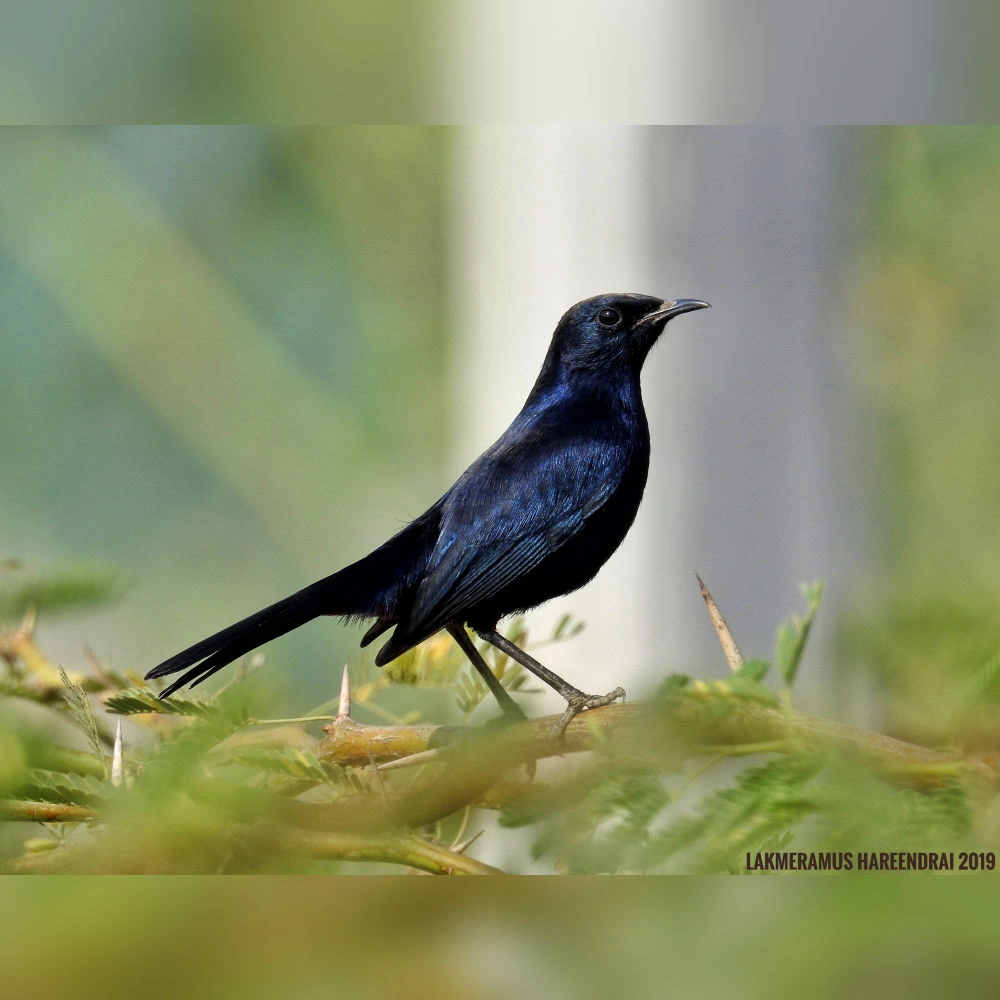
Indian Robin
Hume’s Warbler
Indian Spot-billed Duck
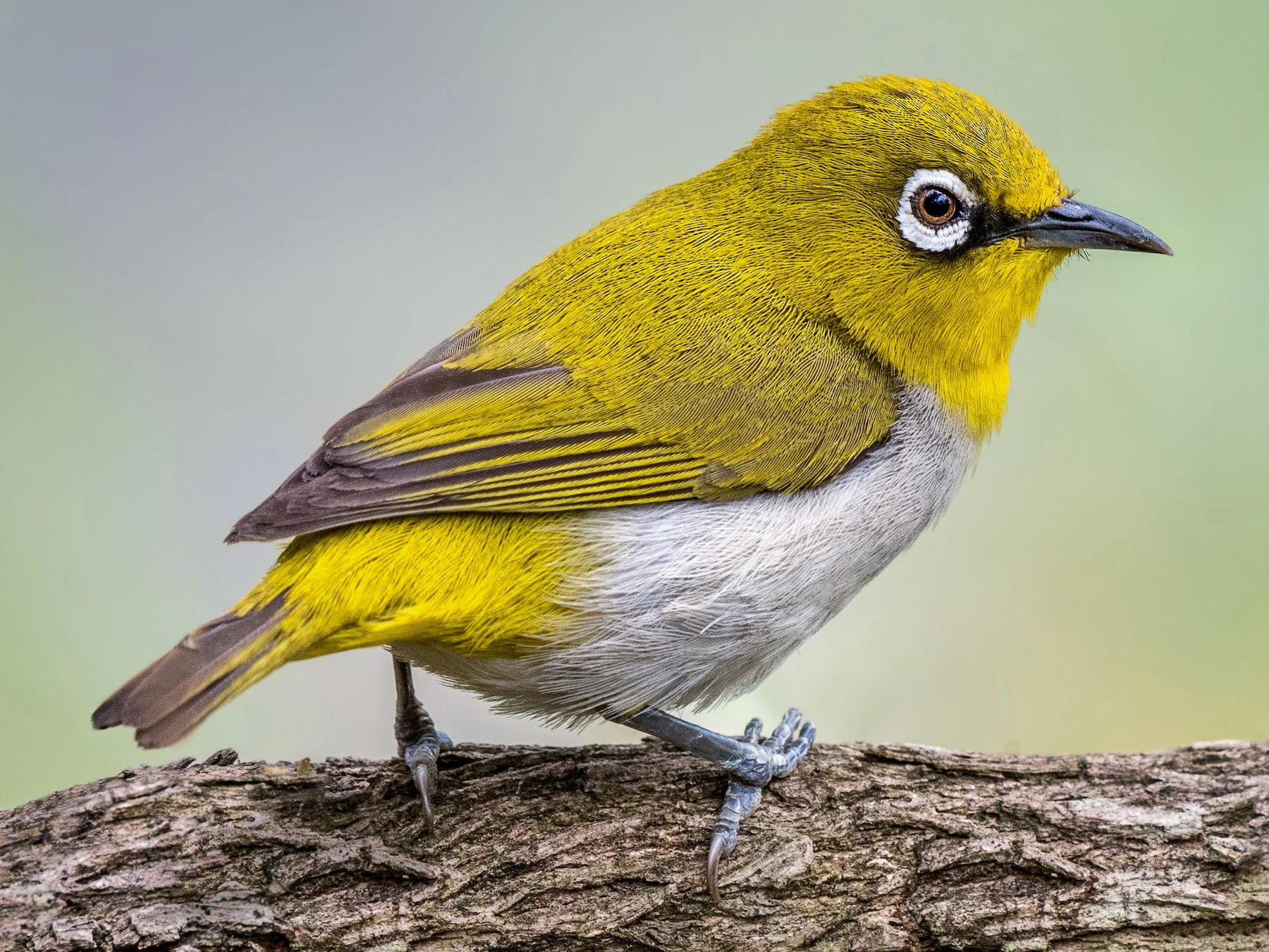
Indian White-eye
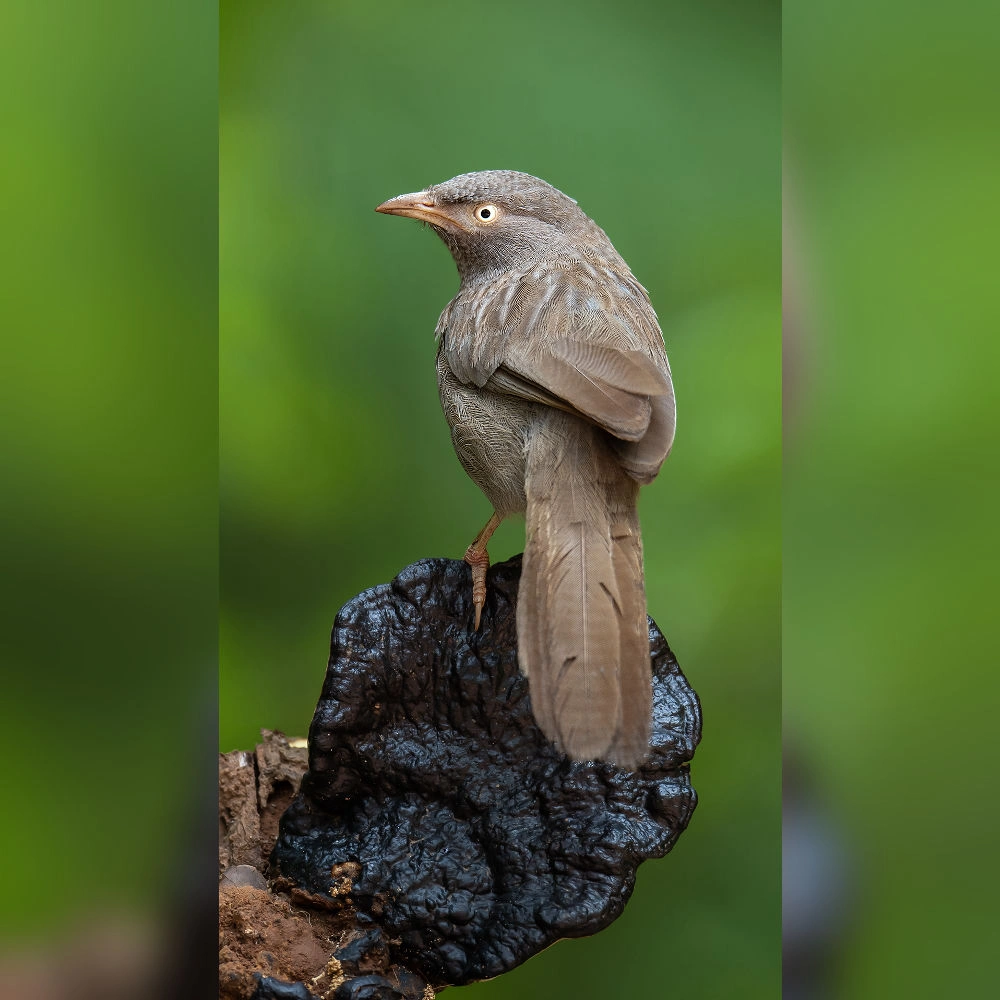
Jungle Babbler
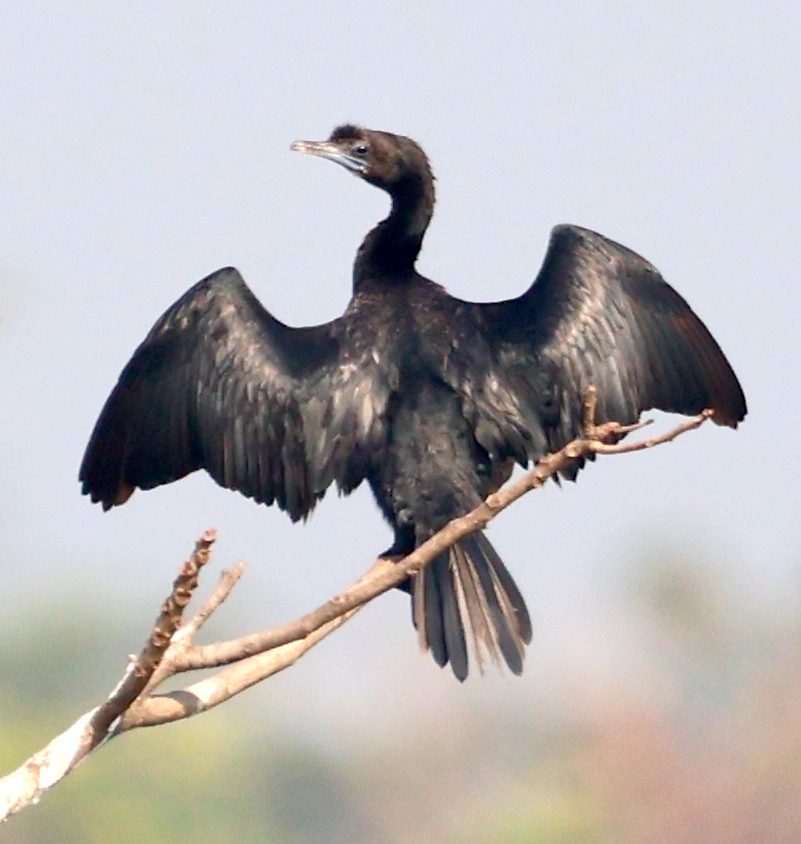
Little Cormorant
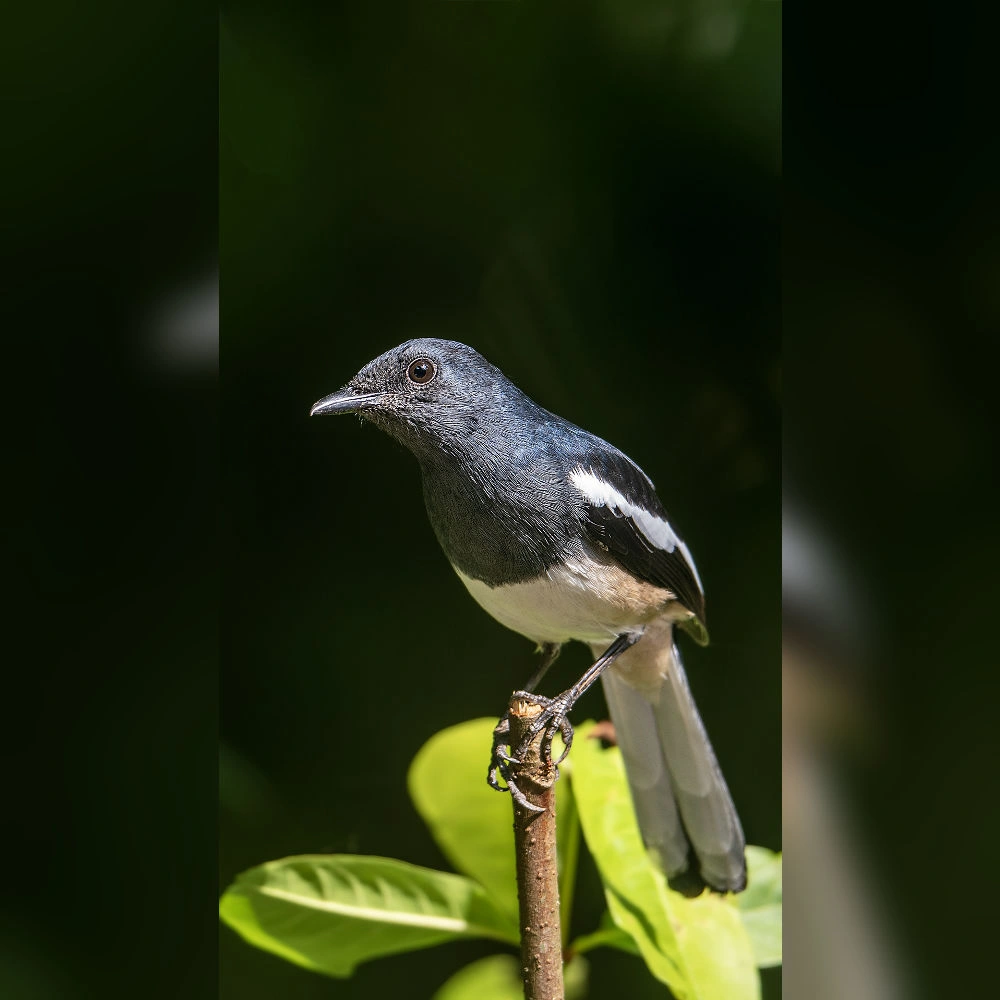
Oriental Magpie-Robin
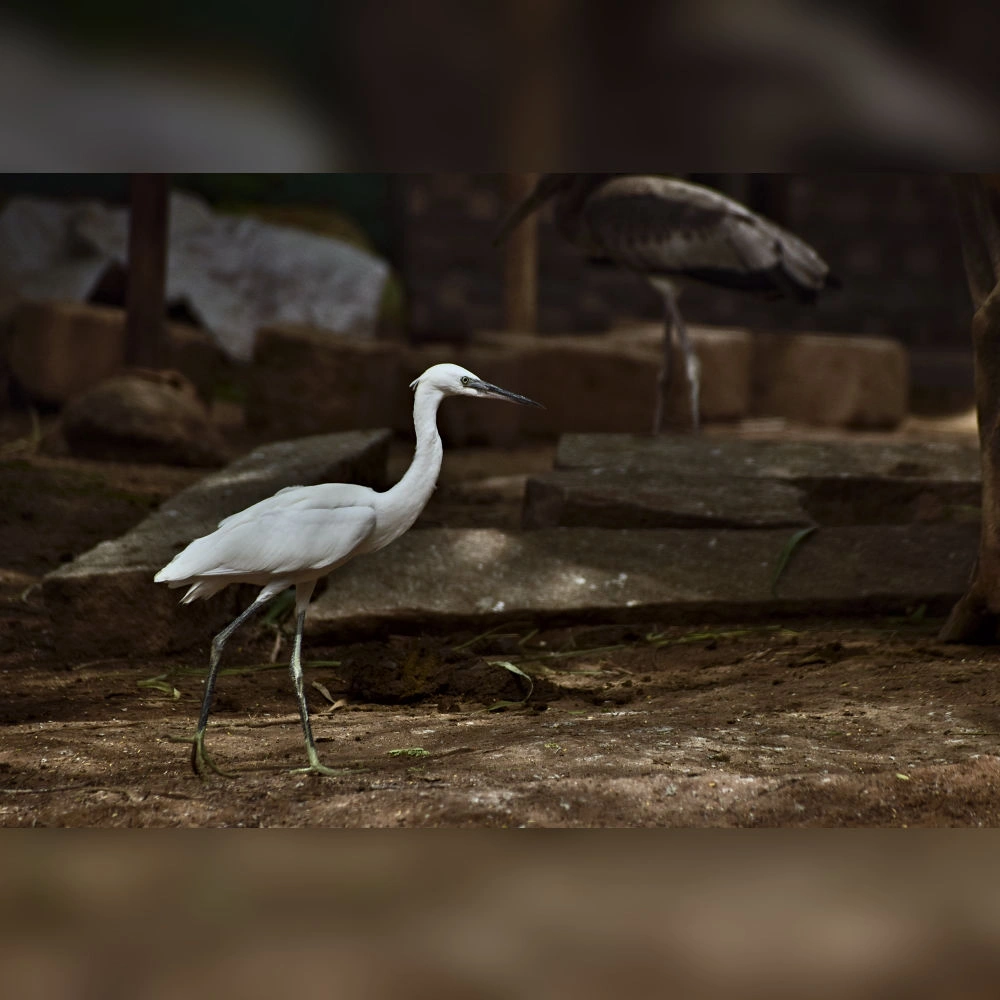
Little Egret
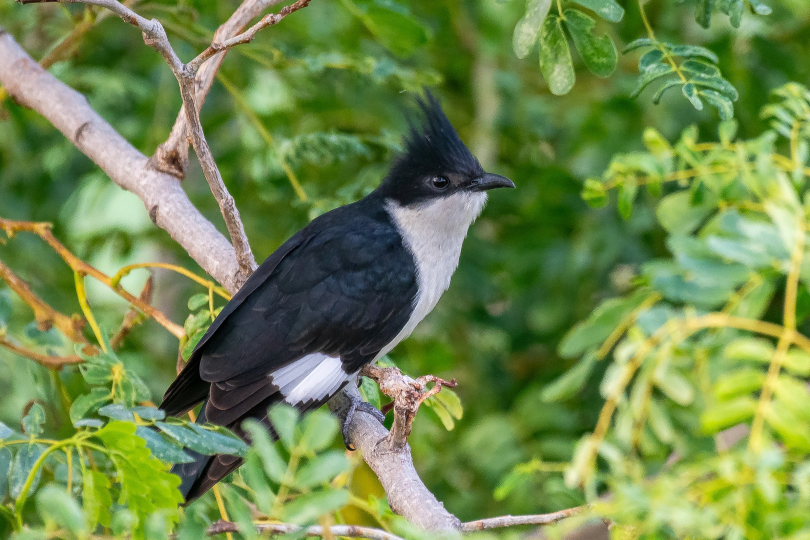
Pied Cuckoo
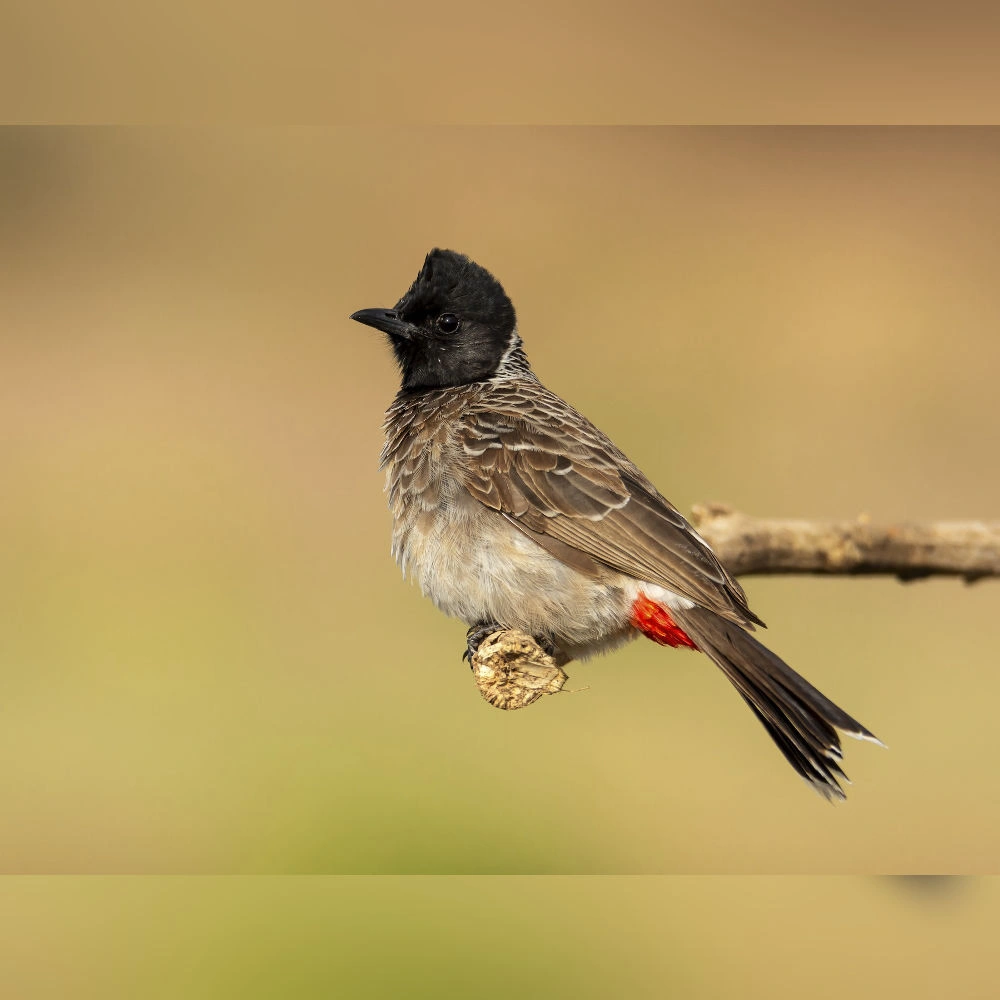
Red-vented Bulbul

Summary of Walk

Despite having just three participants, the Ataavi bird walk along the Shahbad Kuno River proved to be exceptionally rewarding, with the group recording an outstanding total of 60 bird species. The small group size allowed for relaxed birding, detailed discussions, and extended observation of birds across the riverine habitats, woodland edges, and surrounding vegetation. Participants explored the diverse landscape while learning about bird identification, habitat associations, and seasonal behaviour, making the outing both educational and enjoyable. The Kuno river ecosystem once again showcased its remarkable biodiversity and importance as a habitat supporting a wide range of resident and migratory birds.
Several exciting sightings made the walk particularly memorable. Highlights included the colourful Black Redstart, three different species of Orioles, the impressive Stork-billed Kingfisher, the charismatic Spotted Owlet, and the beautiful Indian Pitta, each offering excellent opportunities for observation and photography. Recording 60 species during a single outing reflected the ecological richness of the Kuno landscape and reinforced its reputation as one of central India’s rewarding birding destinations. The walk concluded with participants sharing their favourite sightings and discussing the importance of conserving riverine ecosystems that support such remarkable avian diversity, leaving everyone inspired to continue exploring and documenting birds through future Ataavi walks.
Number of Participants
0
Scroll to Top