

Loading Events

Bird Walk at Shashtdhara, Dehradun, Uttarakhand

About Shashtdhara

Tucked away in the serene landscapes of the lower Himalayas, Shashtdhara is a hidden gem where cascading streams, dense forest patches, and open clearings come together to create a rich ecological mosaic. The area is defined by its moist deciduous and semi-evergreen habitats, interspersed with rocky outcrops and freshwater channels that sustain a vibrant array of flora and fauna. Towering trees, fruiting figs, and flowering shrubs provide year-round resources, attracting insects, mammals, and a remarkable diversity of birds. The constant sound of flowing water and birdsong makes it an immersive experience for anyone seeking a deeper connection with nature.
Shashtdhara is especially rewarding for birding, with its mix of forest interiors and edge habitats supporting both resident and seasonal species. However, like many lesser-known natural sites, it faces increasing pressure from unregulated tourism, habitat disturbance, and waste pollution. Protecting such fragile ecosystems requires mindful exploration—minimizing disturbance, respecting wildlife, and supporting conservation awareness. Preserving Shashtdhara ensures that its streams continue to flow clean and its forests remain alive with the calls of birds for generations to come.

Bird Guide: Dr Garima Singh

Dr. Garima Singh holds a Ph.D. from the Zoological Survey of India, specializing in avian acoustics, and an M.Phil. in avian chronobiology. With over five years of experience, her work spans ethology, zoosemiotics, and avian ecology. She combines strong research expertise with field-based insights, bringing a nuanced understanding of bird behavior and communication.

Bird walk Location

Common birds of Shashtdhara

The birdlife at Shashtdhara reflects the perfect blend of Himalayan foothill diversity and adaptable species that thrive close to human habitation. From the vibrant presence of barbets and blue-magpies in the canopy to the familiar calls of bulbuls, mynas, and babblers along the trails, every layer of the habitat is alive with activity. Kingfishers flash electric blue near water bodies, while drongos and bushchats command open perches with confidence. The occasional sighting of the majestic peafowl or the rhythmic notes of the magpie-robin adds to the charm. Together, these species create a dynamic birding experience—one that is both accessible to beginners and rewarding for seasoned birders.
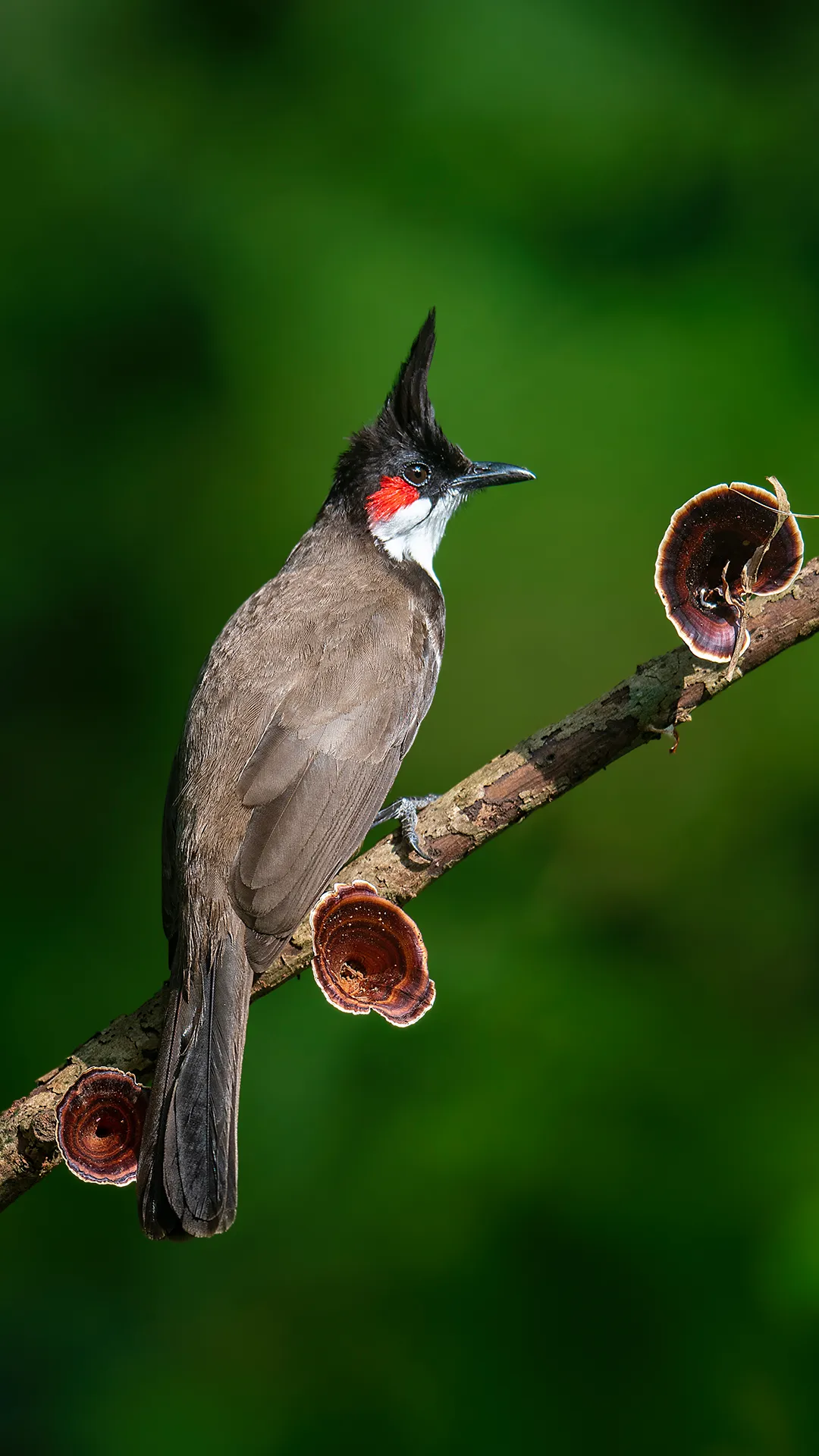
Red-Whiskered Bulbul
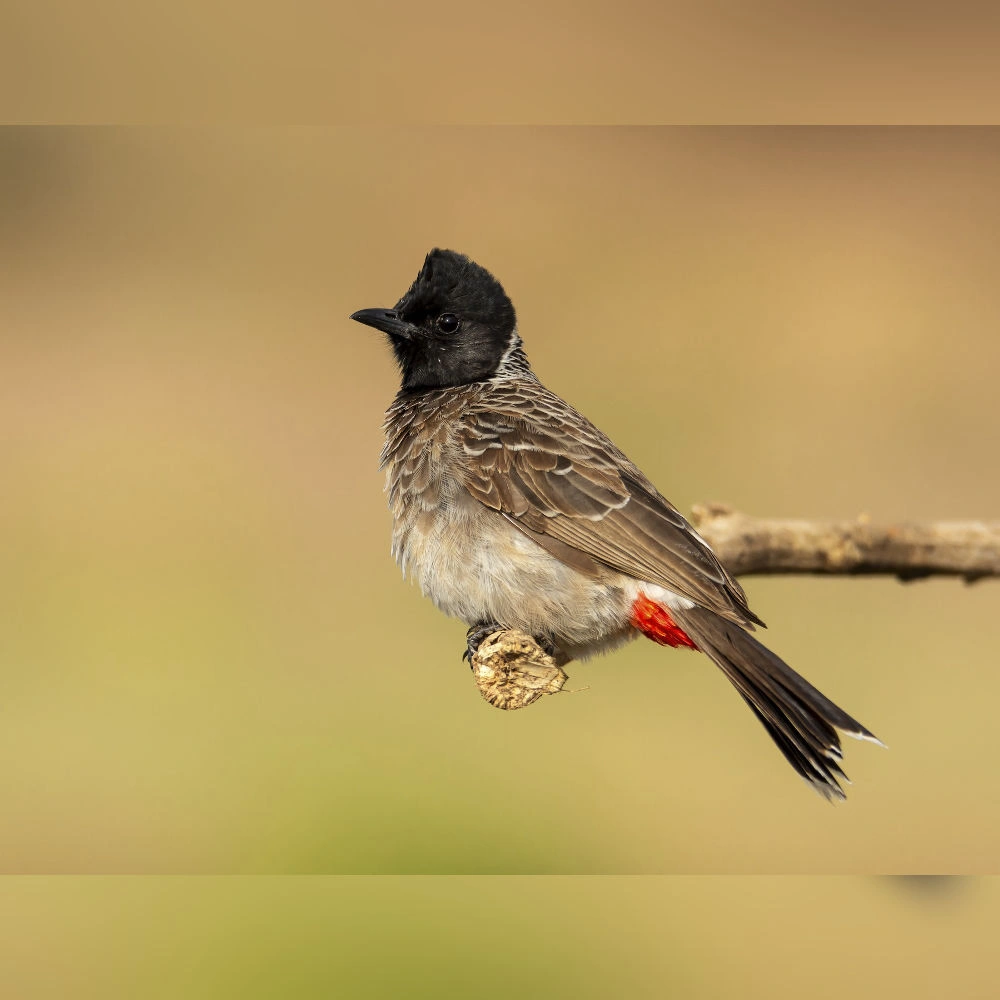
Red-Vented Bulbul
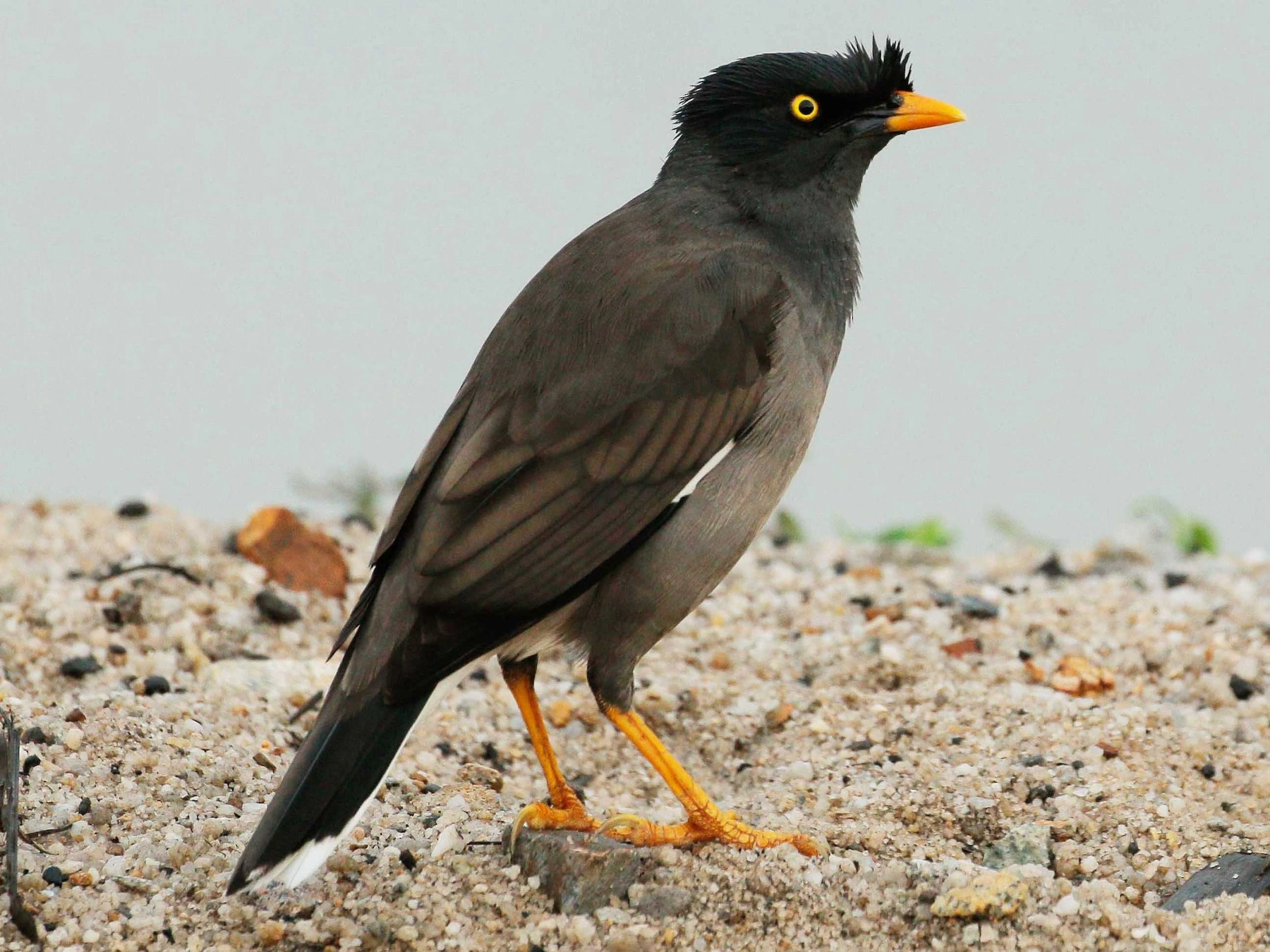
Jungle Myna
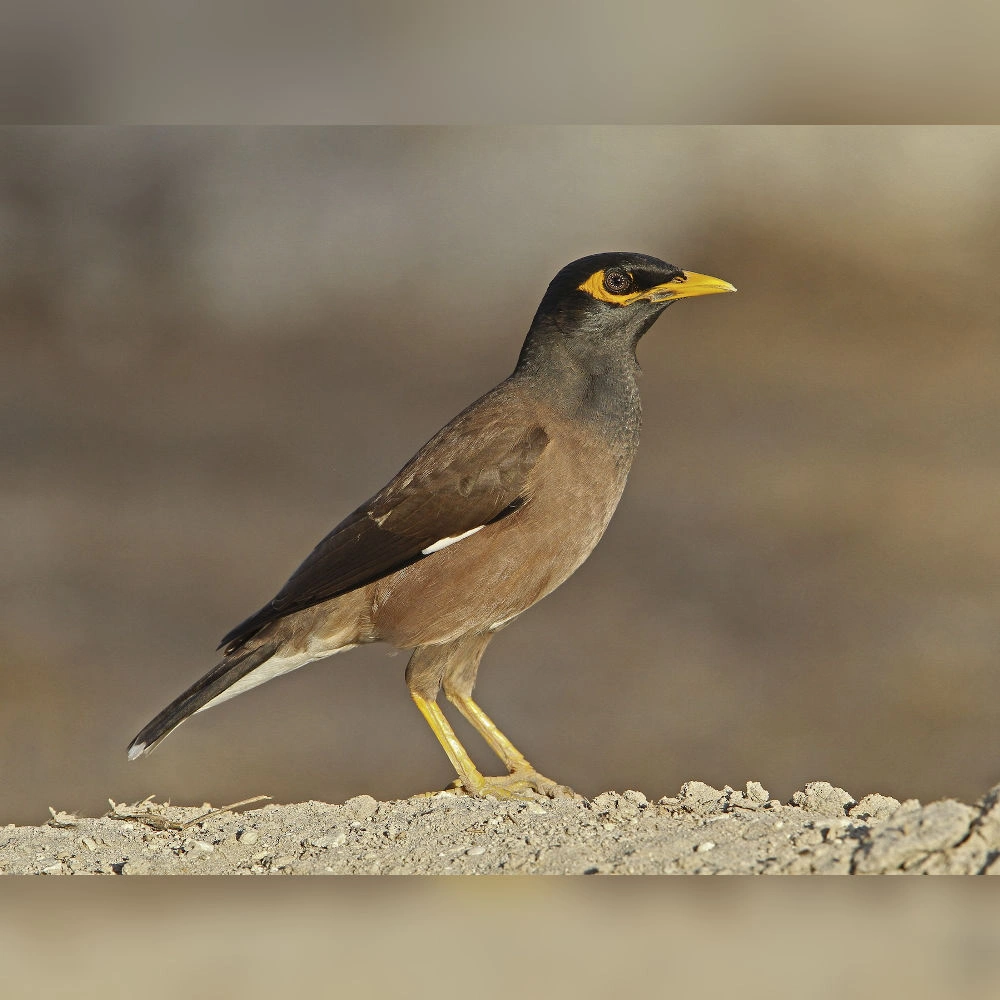
Common Myna
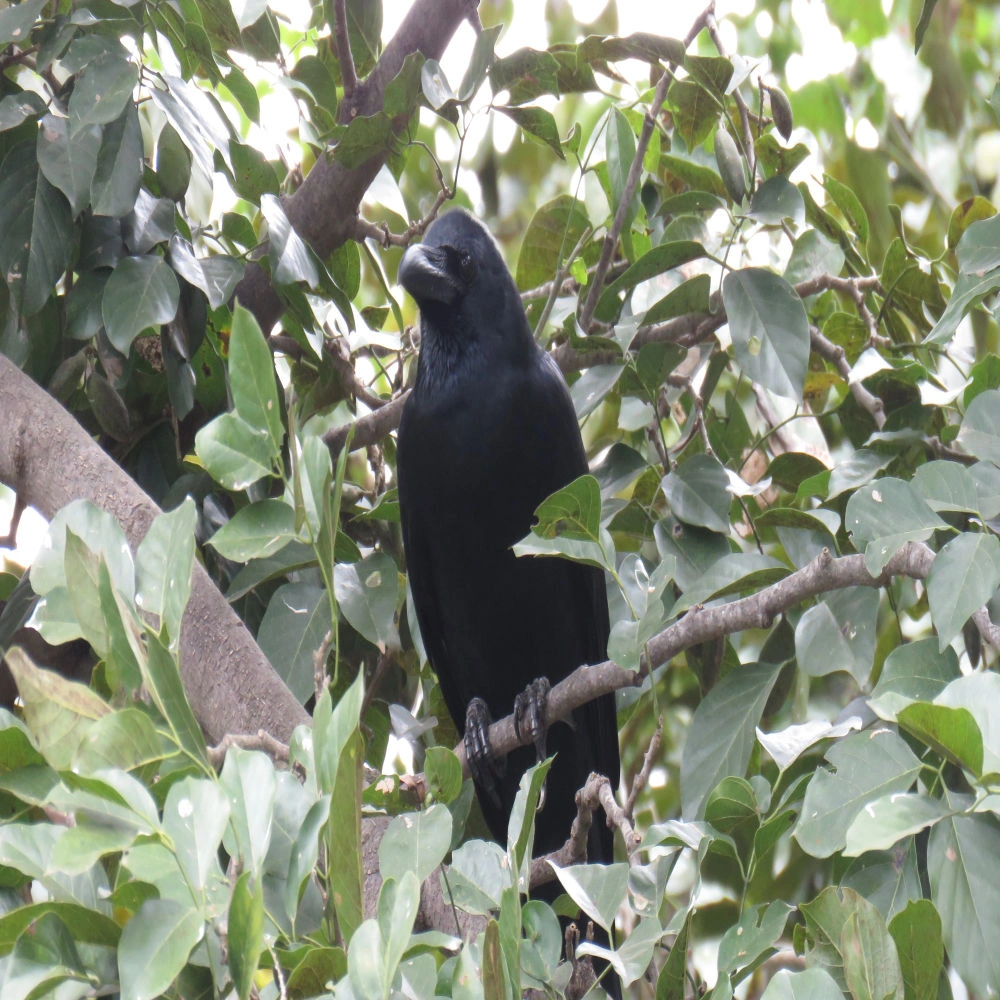
Large-Billed Crow
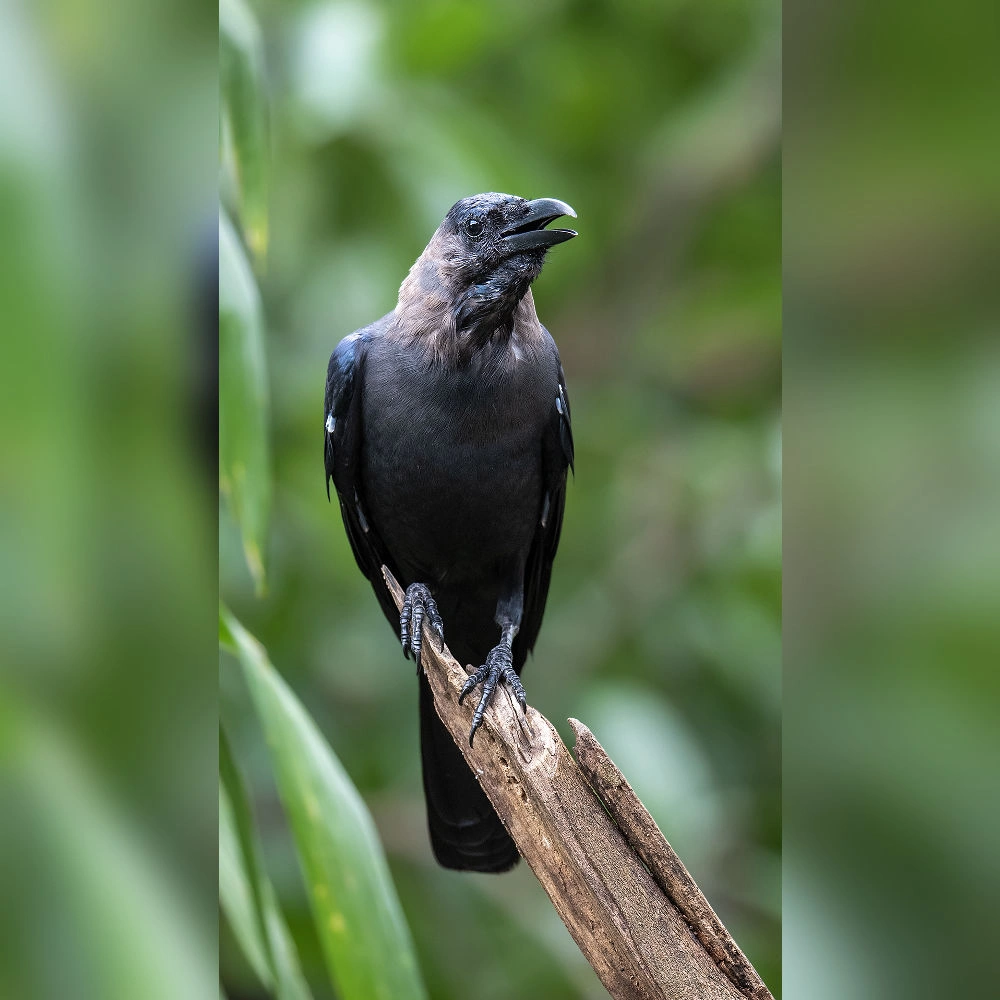
House Crow
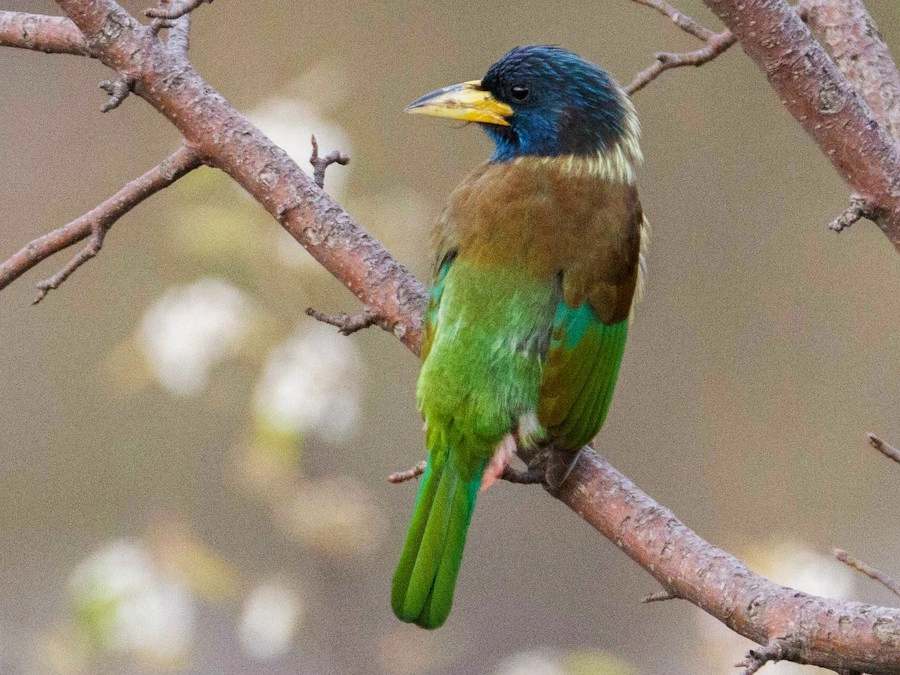
Great Barbet
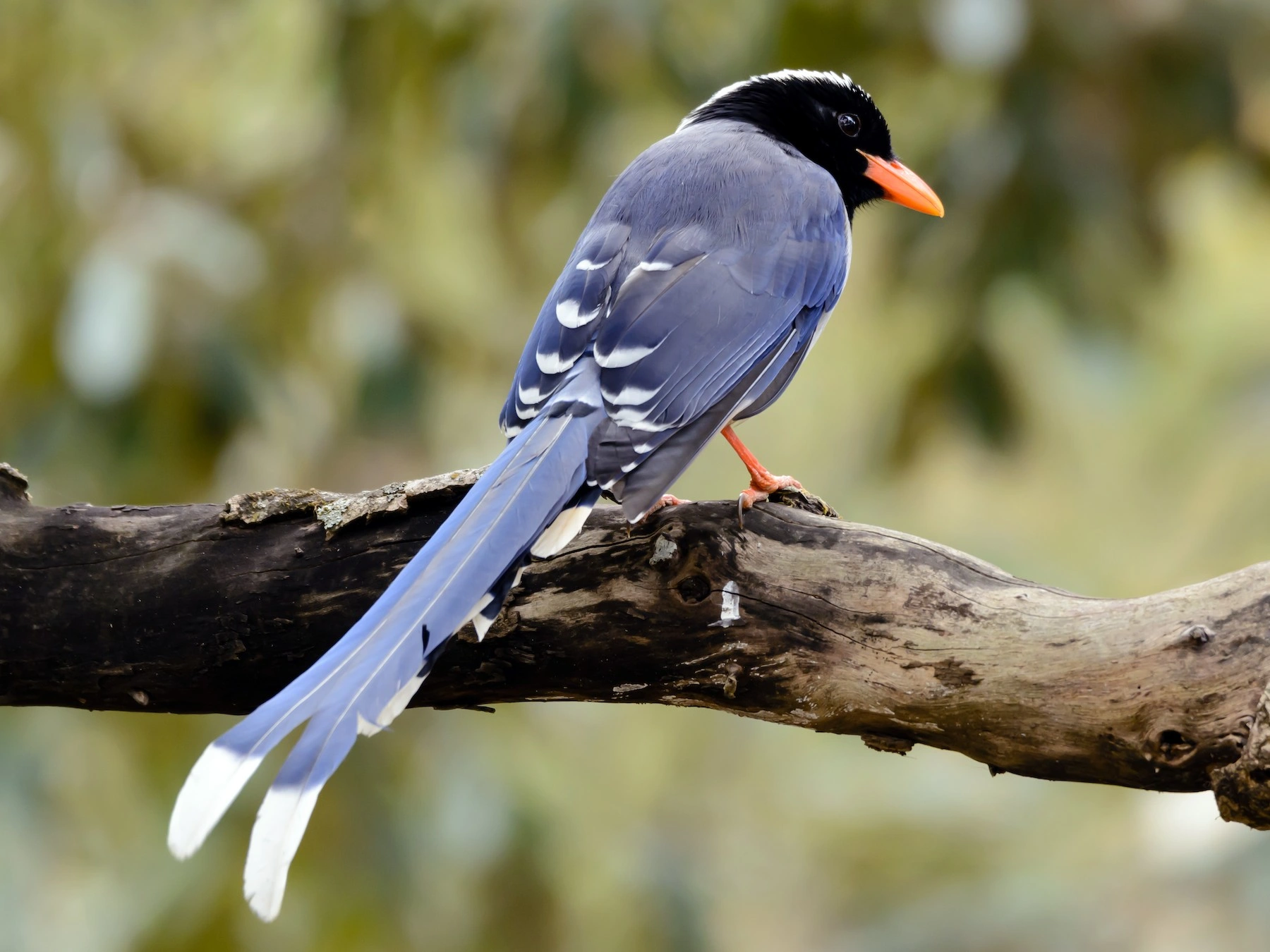
Red-Billed Blue-Magpie
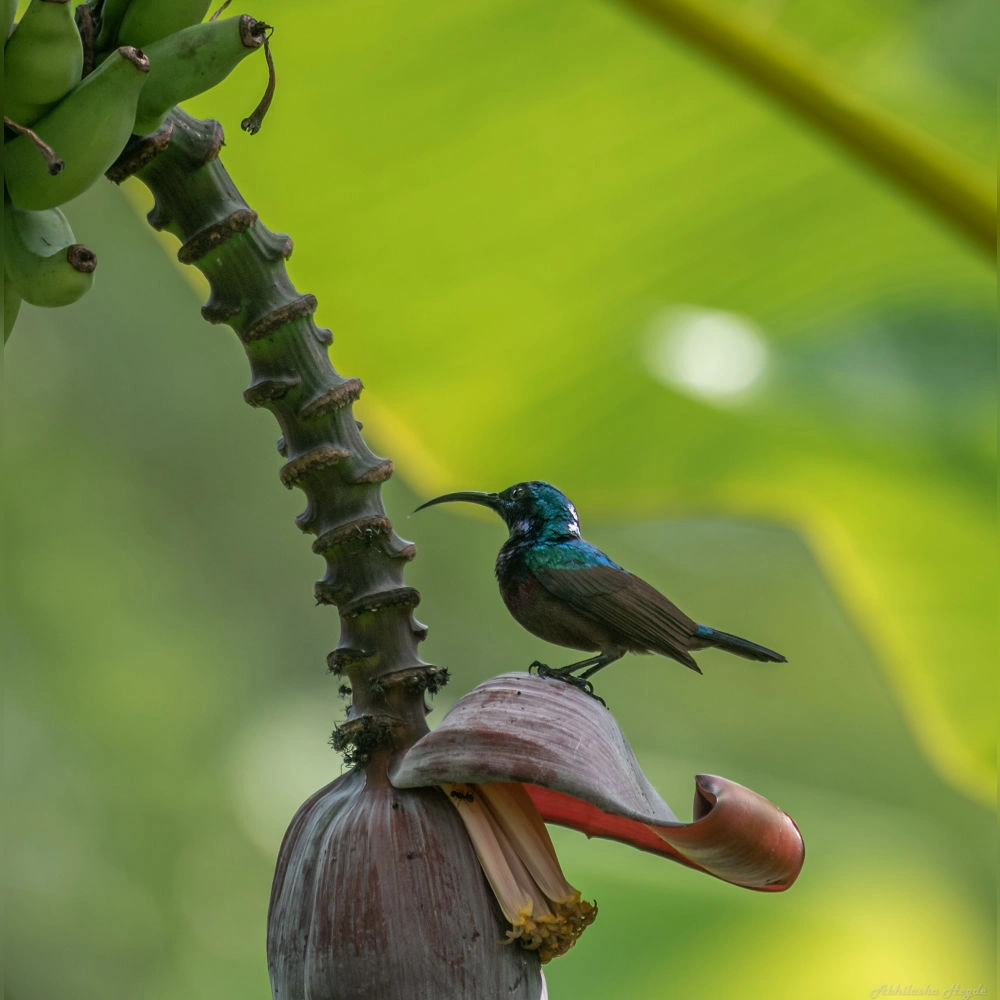
Purple Sunbird
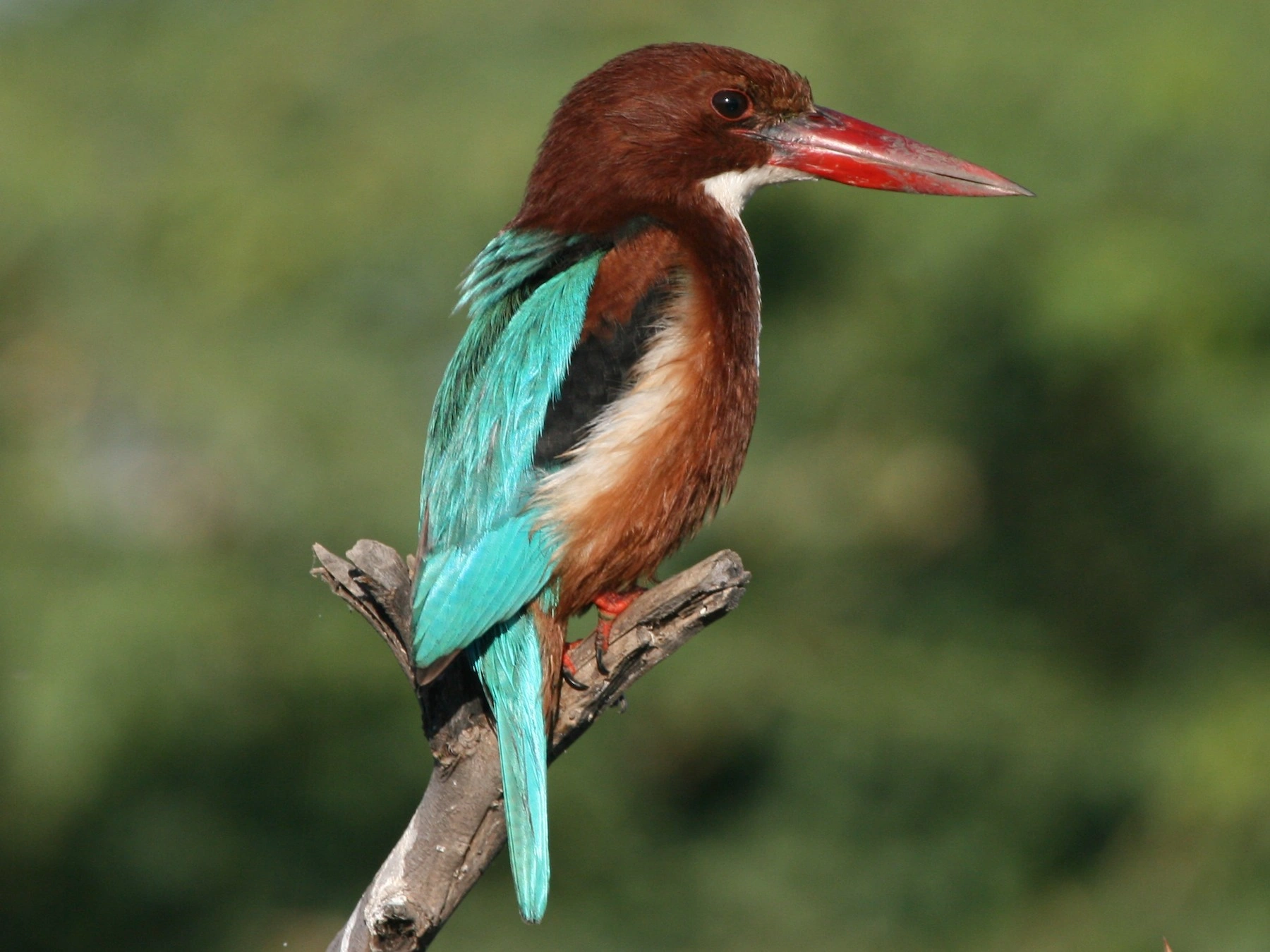
White-Throated Kingfisher
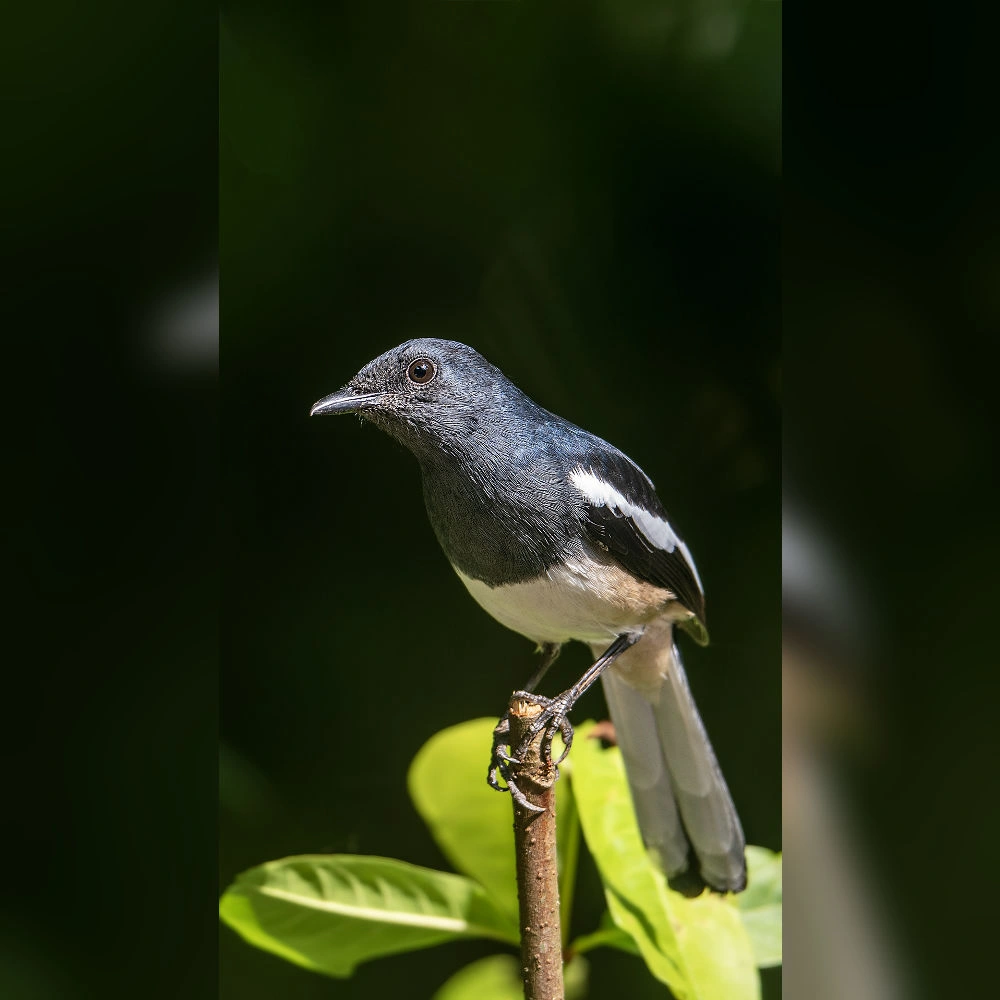
Oriental Magpie-Robin
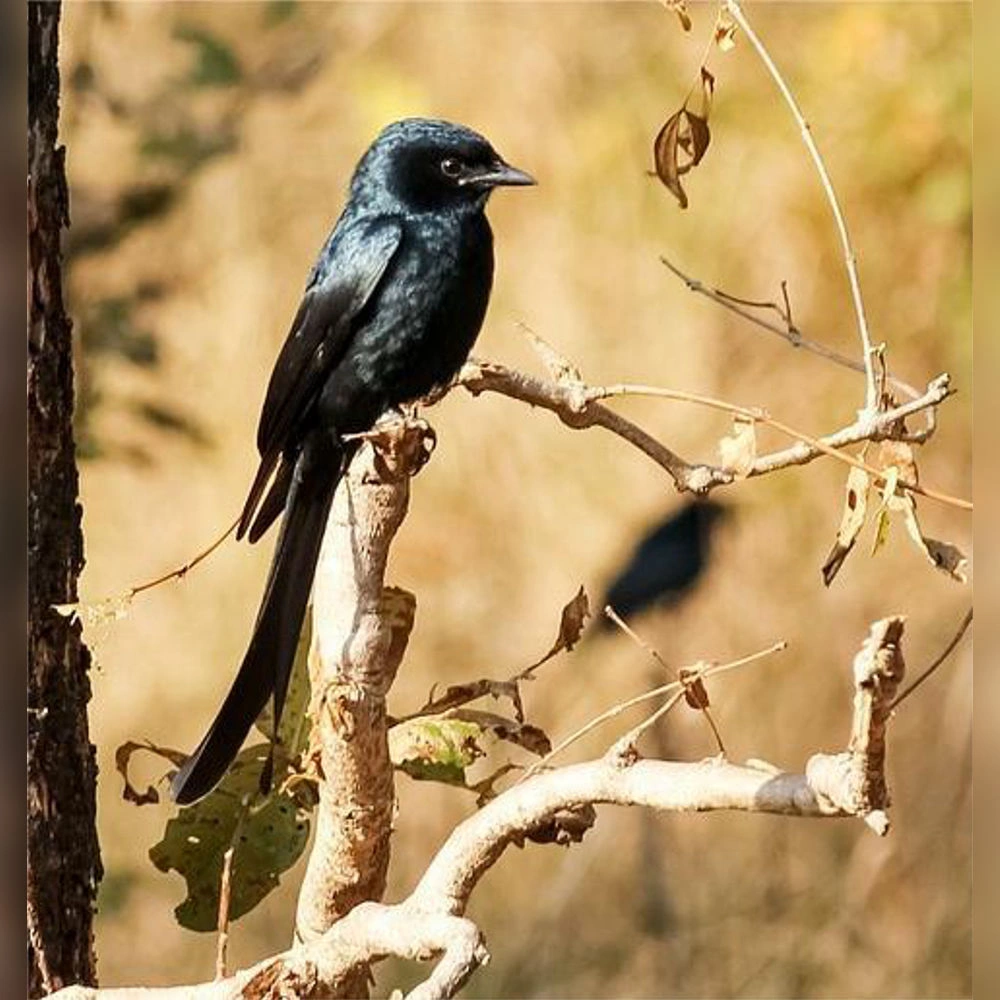
Black Drongo
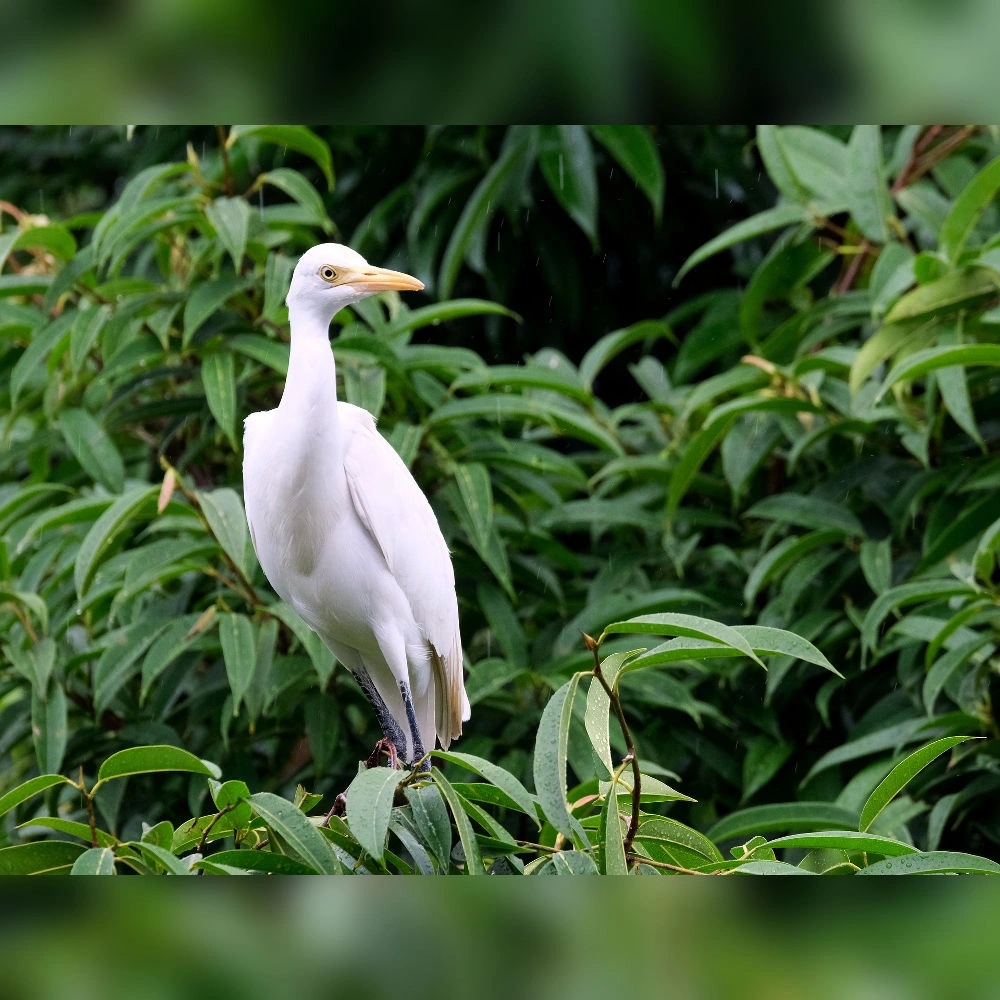
Eastern Cattle-Egret
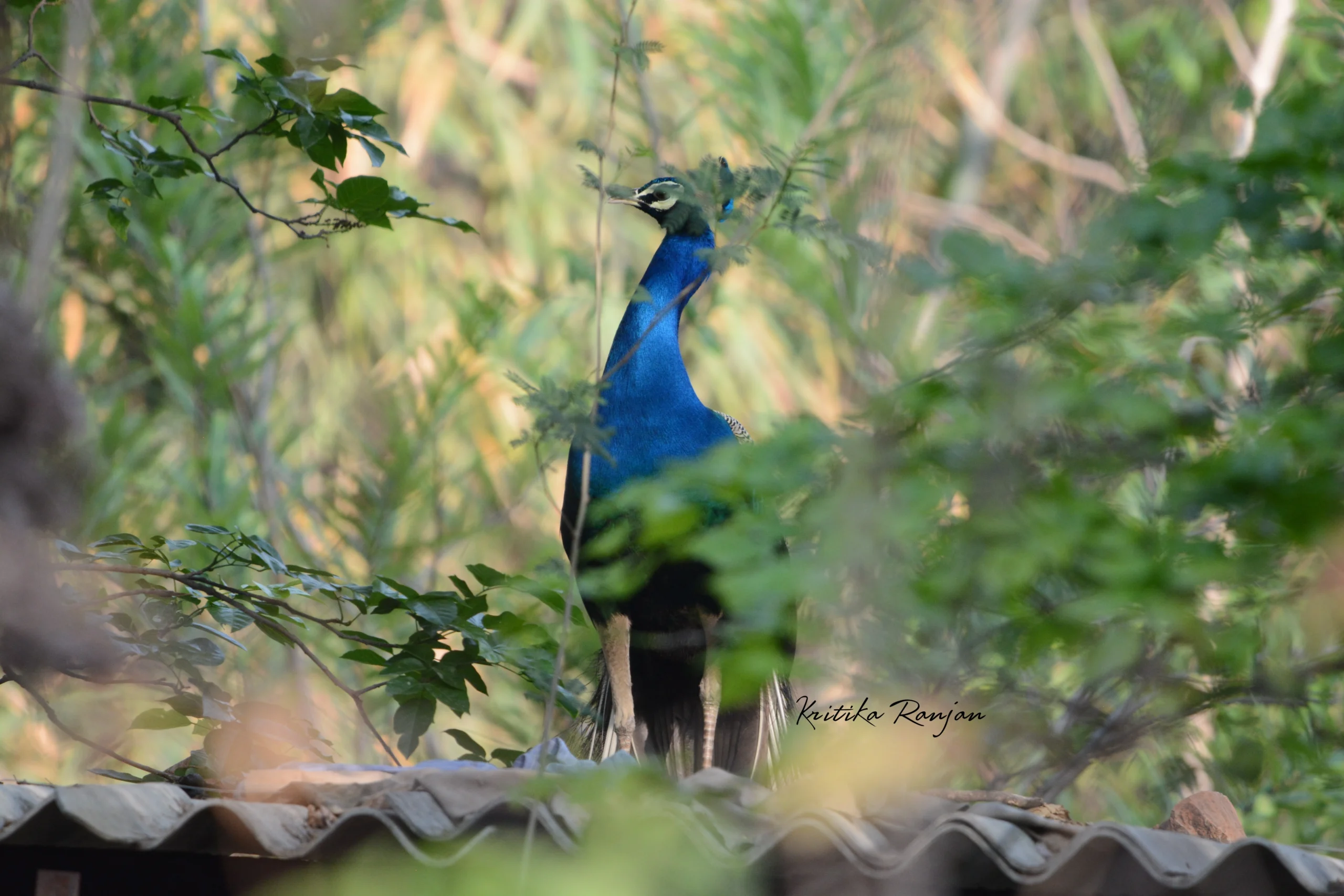
Indian Peafowl
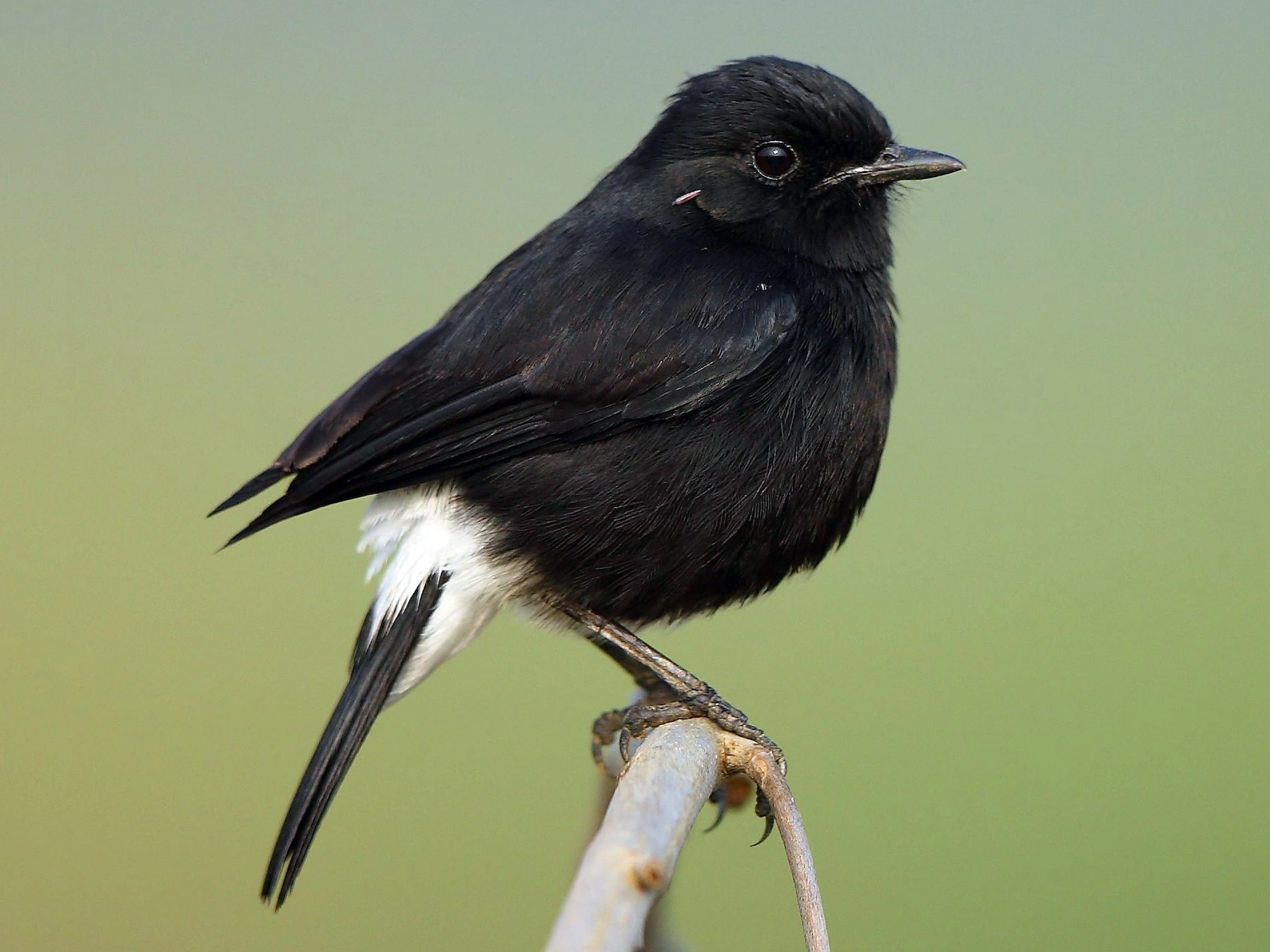
Pied Bushchat
Jungle Babbler
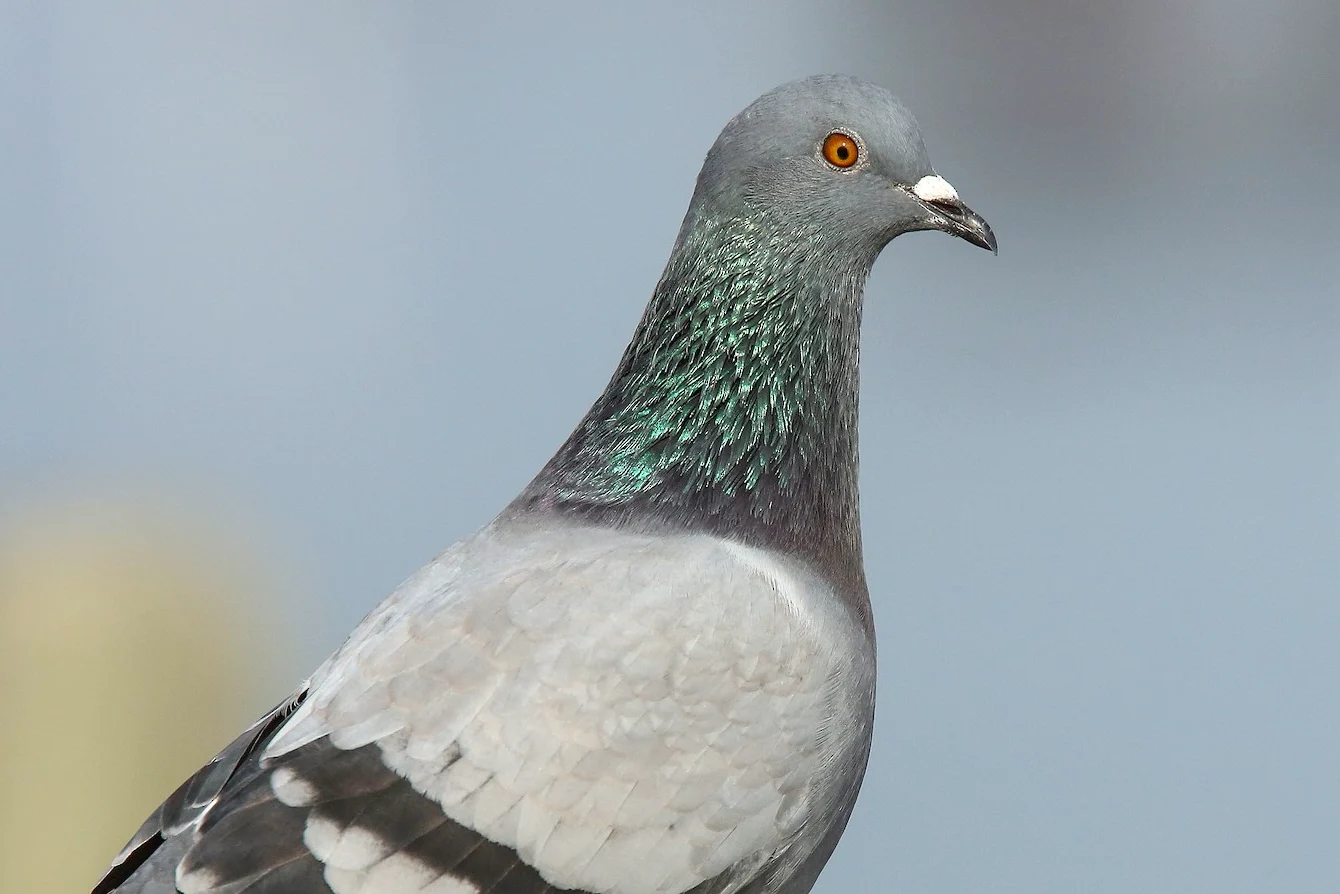
Rock Pigeon
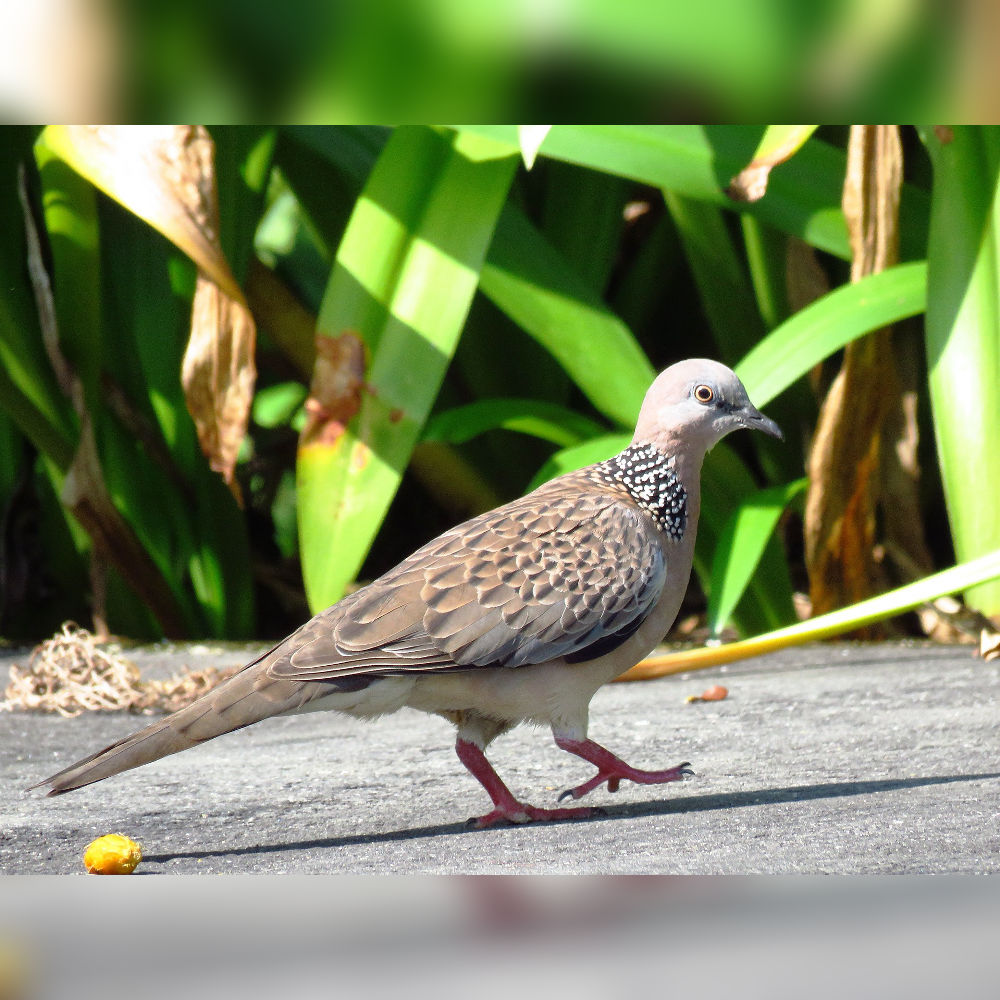
Spotted Dove
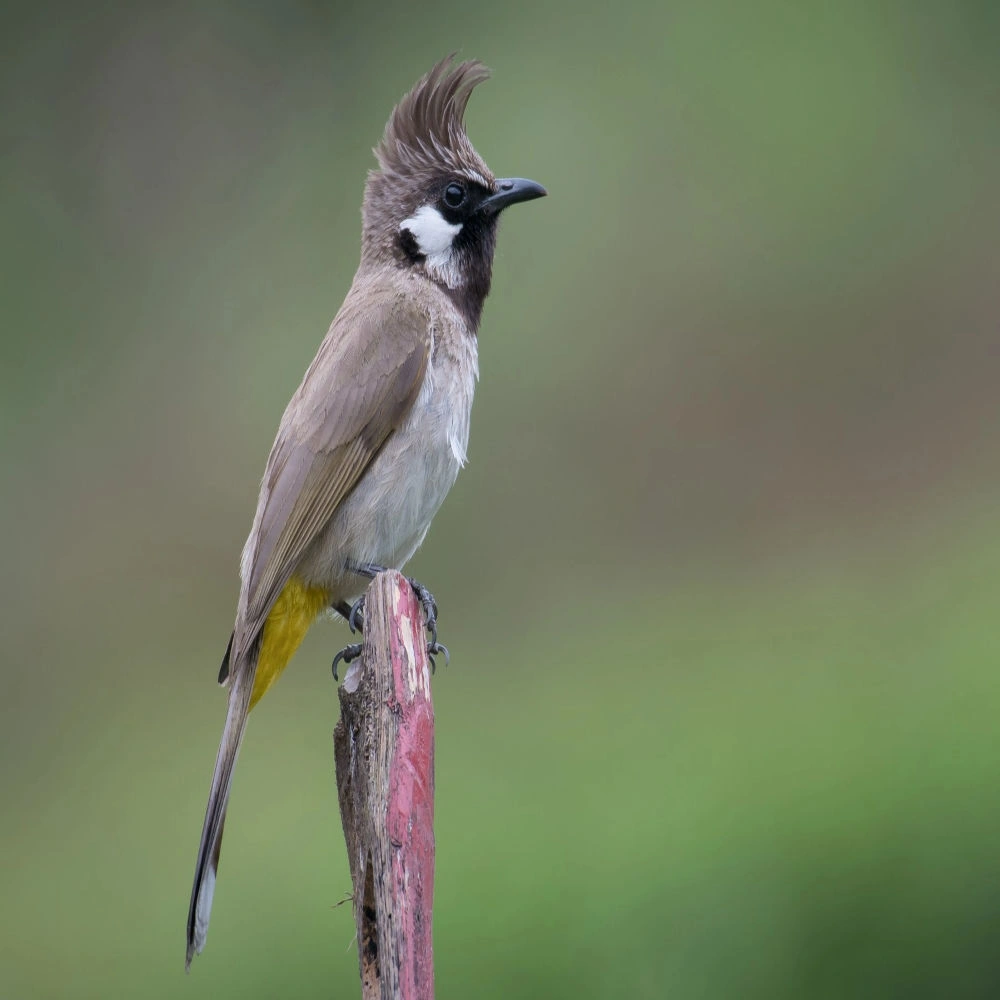
Himalayan Bulbul
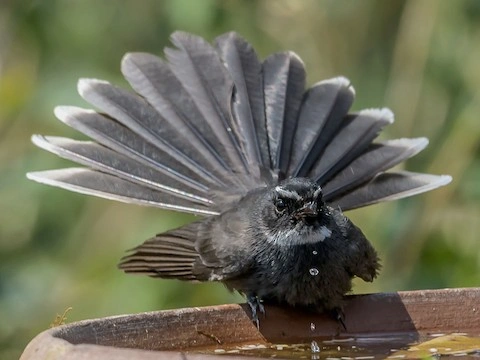
White throated Fantail

Summary of Walk

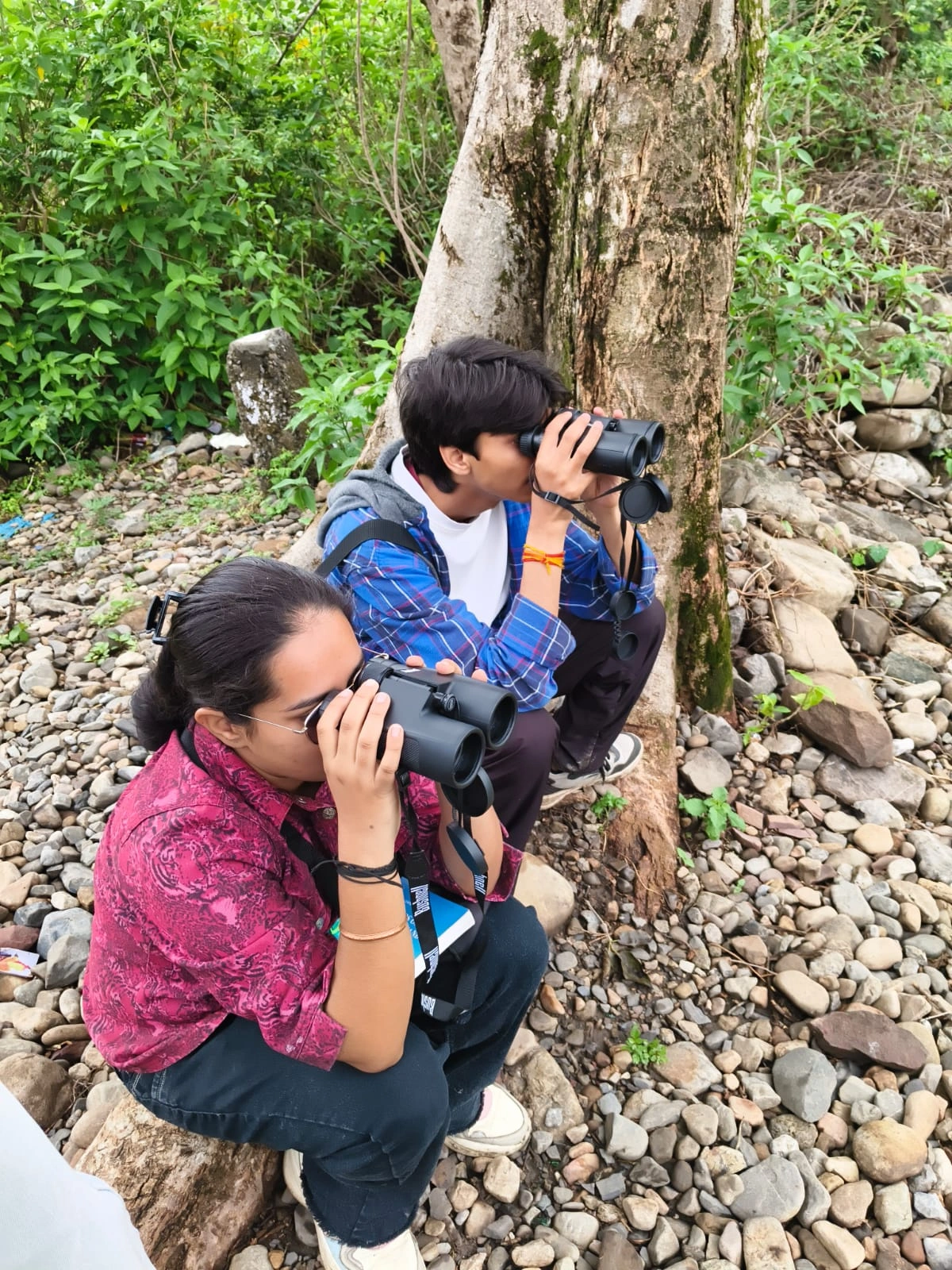
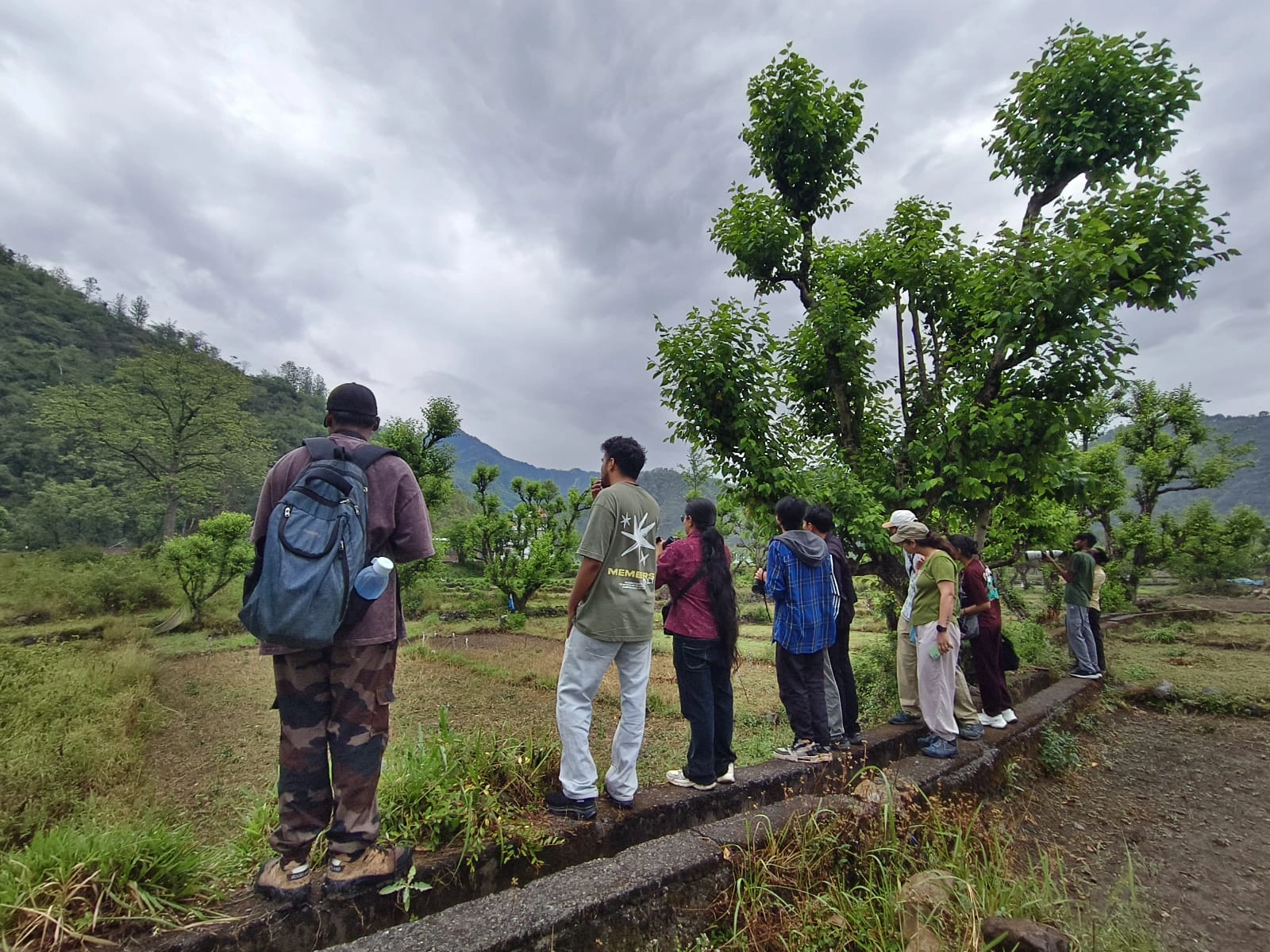
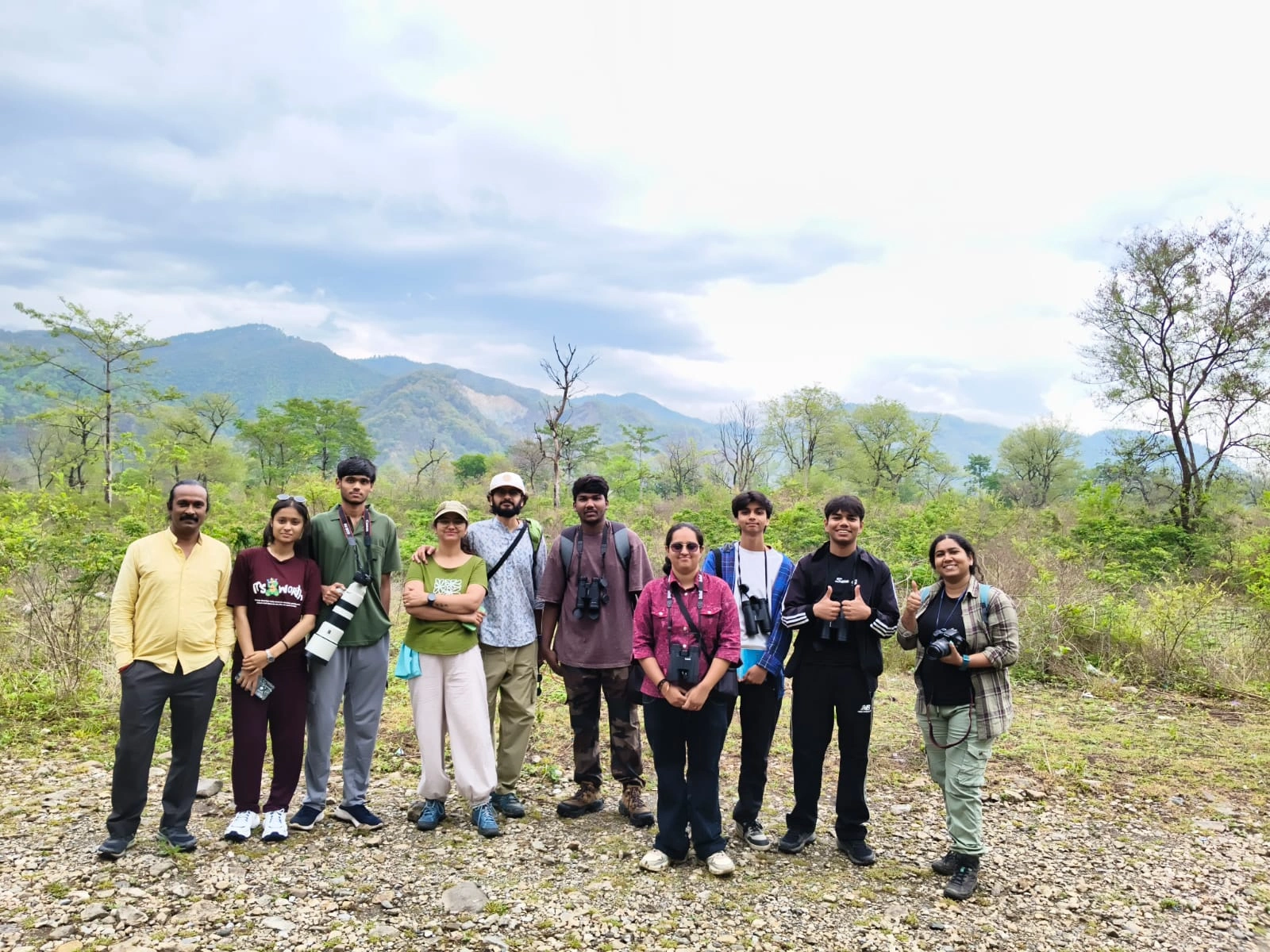
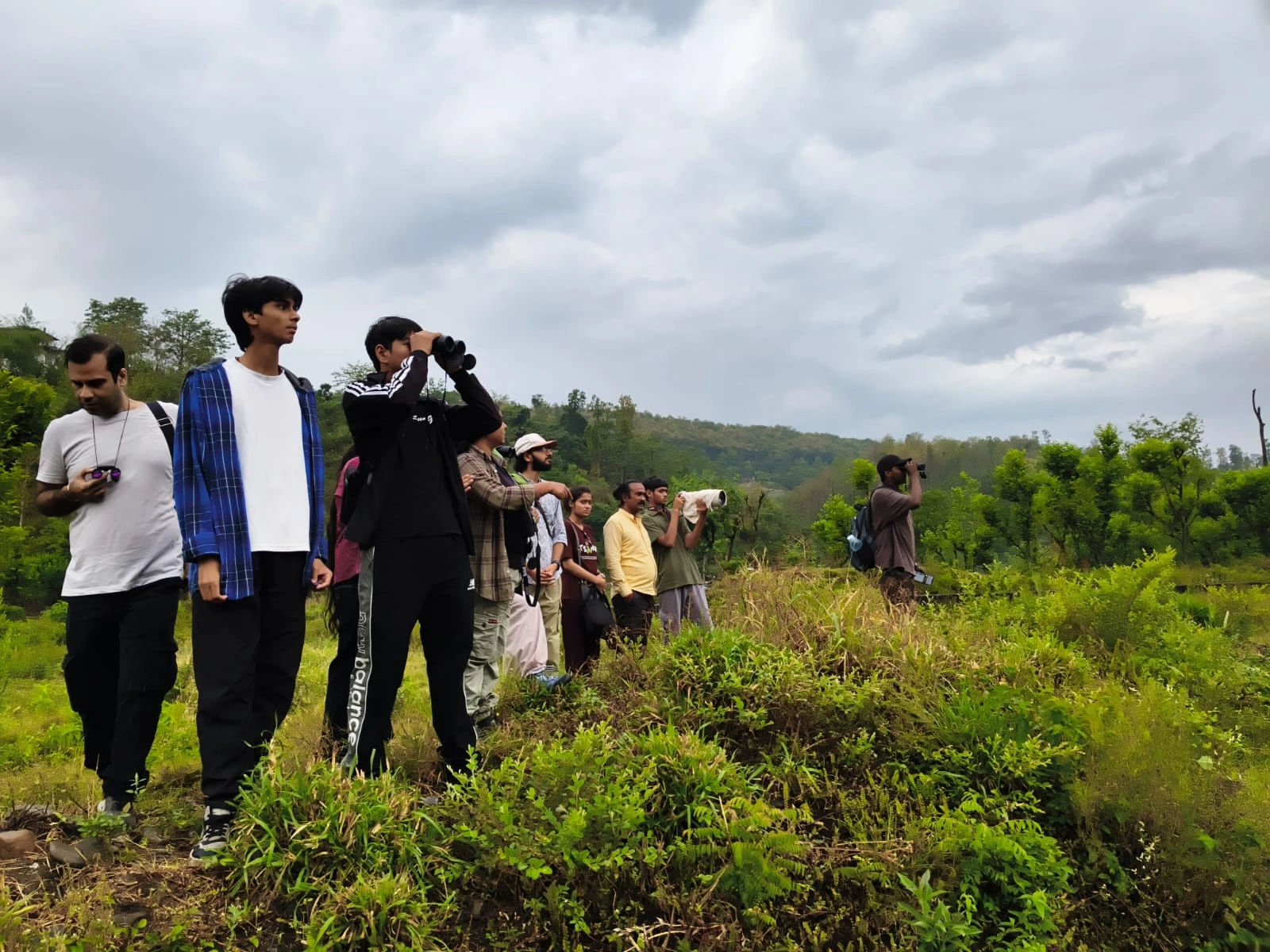
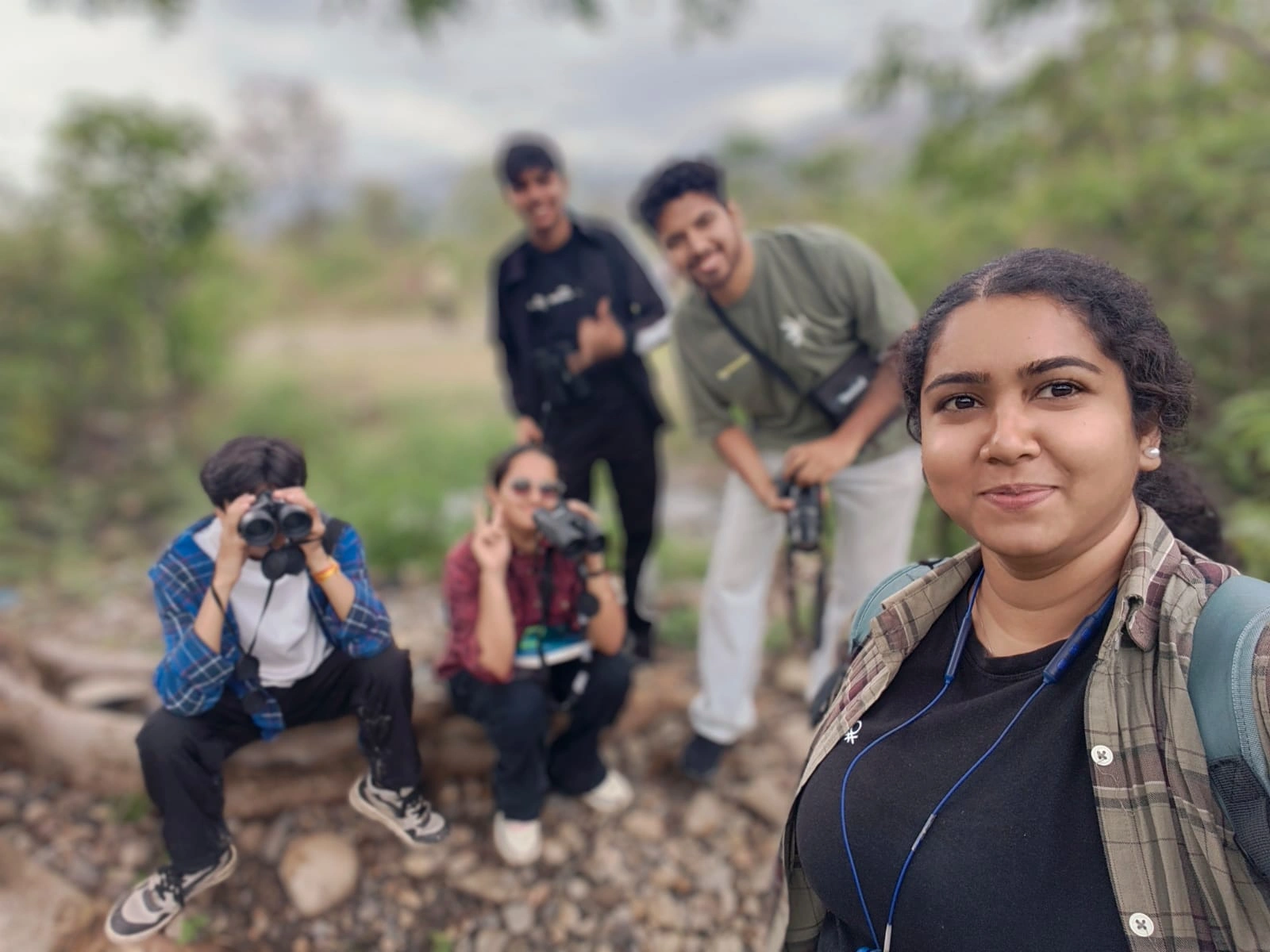
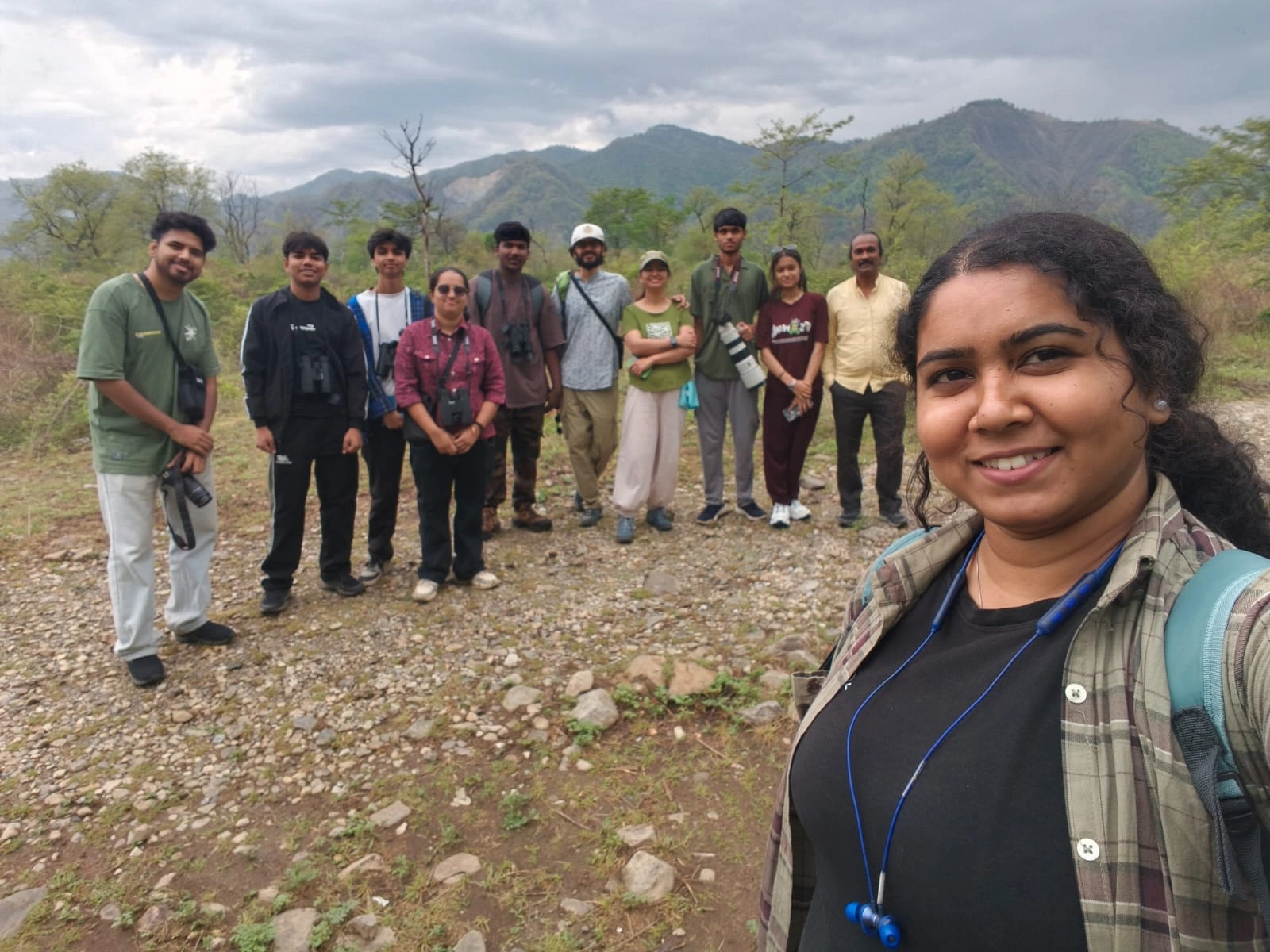
The bird walk at Maldevta/Shastradhara saw 17 participants from diverse age groups, creating a vibrant and engaging learning environment. Located in the biologically rich Himalayan foothills, the area offers a mosaic of habitats including forest edges, riverbanks, scrublands, and agricultural fields. This diversity made the walk particularly rewarding, as participants were introduced not only to bird identification but also to the broader ecological context of the region. The session emphasized essential birding skills such as listening for calls, observing behaviour, and patiently scanning habitats.
Around 20 species were recorded, with highlights including the Red-billed Blue Magpie, Golden Oriole, and White-throated Kingfisher. The striking colours and behaviours of these birds captivated participants and encouraged deeper observation. Beyond sightings, the walk fostered awareness about conservation challenges such as habitat loss and human impact. Participants left with a stronger connection to nature and a better appreciation of the Himalayan foothills as a vital biodiversity zone.
Number of Participants
0
Scroll to Top