
Loading Events

Bird Walk at Sirudavoor Lake, near Mahabalipuram, Tamil Nadu

About Sirudavoor Lake

Sirudavoor Lake is a wetland landscape near Mahabalipuram on the southeastern coast of Chennai. The lake and its surrounding open areas provide a combination of freshwater habitat, marshy edges, grassland and agricultural or scrubland patches, creating suitable conditions for a diverse range of birds. Its location within the broader coastal landscape makes it particularly interesting for observing both wetland-dependent species and birds associated with dry open habitats. The availability of shallow water and aquatic vegetation provides feeding areas for waders, waterfowl and jacanas, while nearby trees and scrub support kingfishers, bee-eaters, bulbuls and raptors.

The lake can be especially rewarding for birdwatchers because several species occupy different ecological niches within a relatively compact landscape. Jacanas can be seen associated with aquatic vegetation, while Black-winged Stilts forage along shallow margins. Species such as Asian Openbill, Oriental Darter, Little Grebe and Glossy Ibis add to the wetland diversity. Open areas around the lake support Indian Peafowl, Grey Francolin and Indian Roller, while wooded edges provide habitat for Greater Coucal and Red-whiskered Bulbul. Such wetlands are important local biodiversity sites and also provide valuable opportunities for birdwatching, environmental education and monitoring of changing wetland habitats.

Bird Guide: Praveen Pandian

He is a wildlife enthusiast, birder, and photographer with 9 years of experience documenting around 800 bird species across India, Southeast Asia, and Africa. He has extensive birding experience in Chennai, Vedanthangal, and Puducherry, and enjoys sharing bird identification tips, behaviour, and habitat insights with fellow birders. His depth of field experience and eye for detail make every walk with him both informative and engaging.

Bird walk Location

Common birds of Sirudavoor Lake

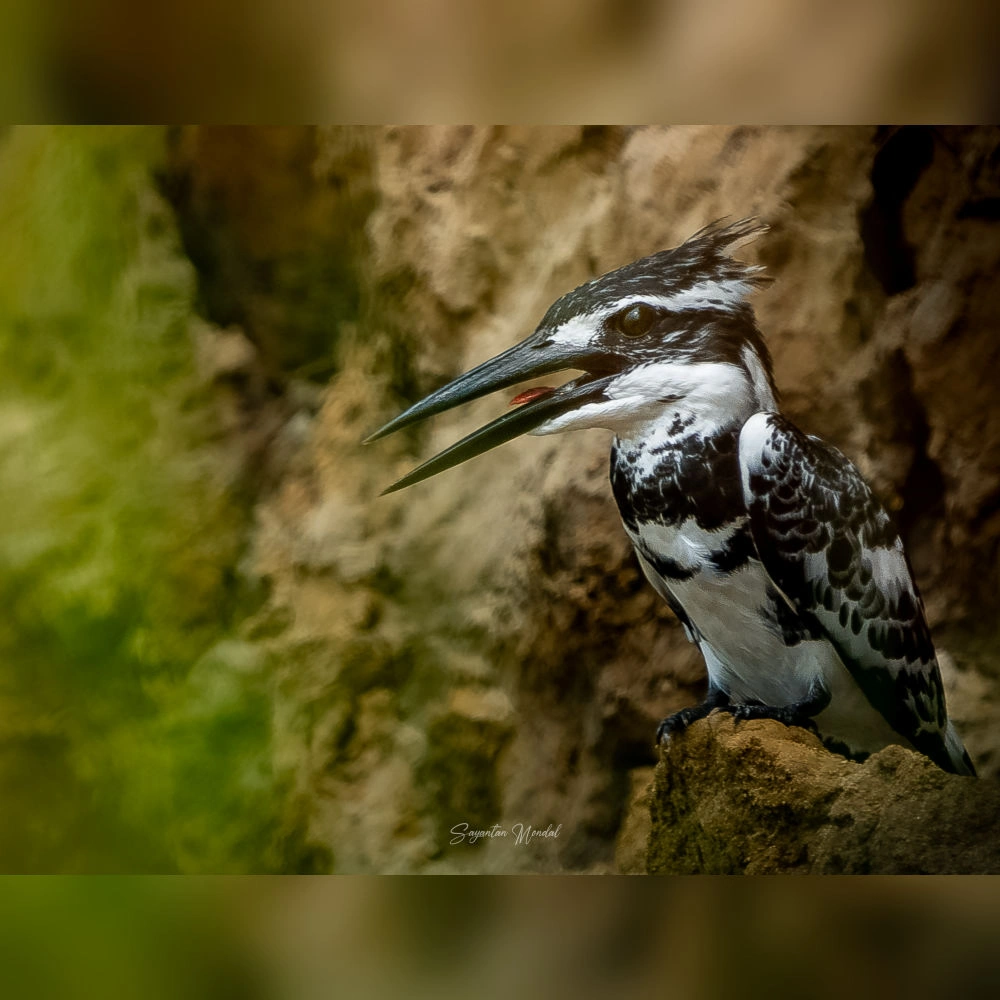
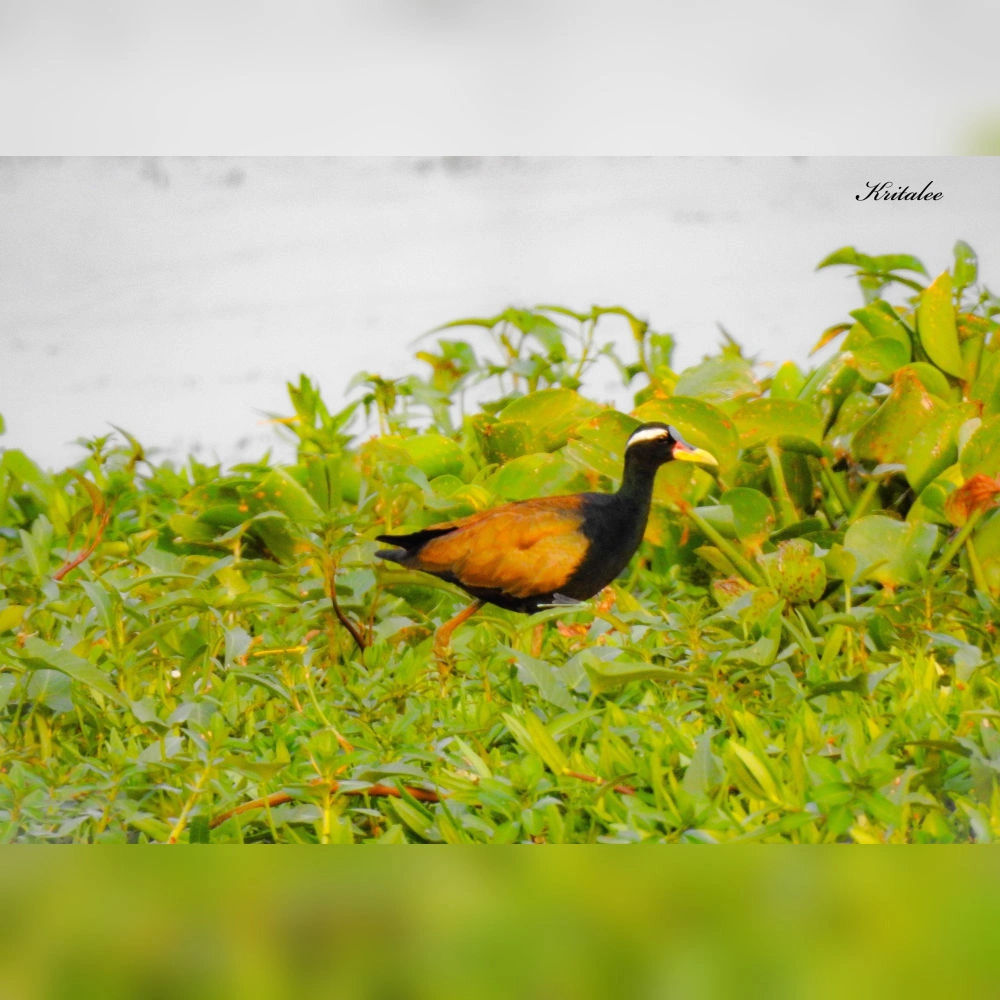
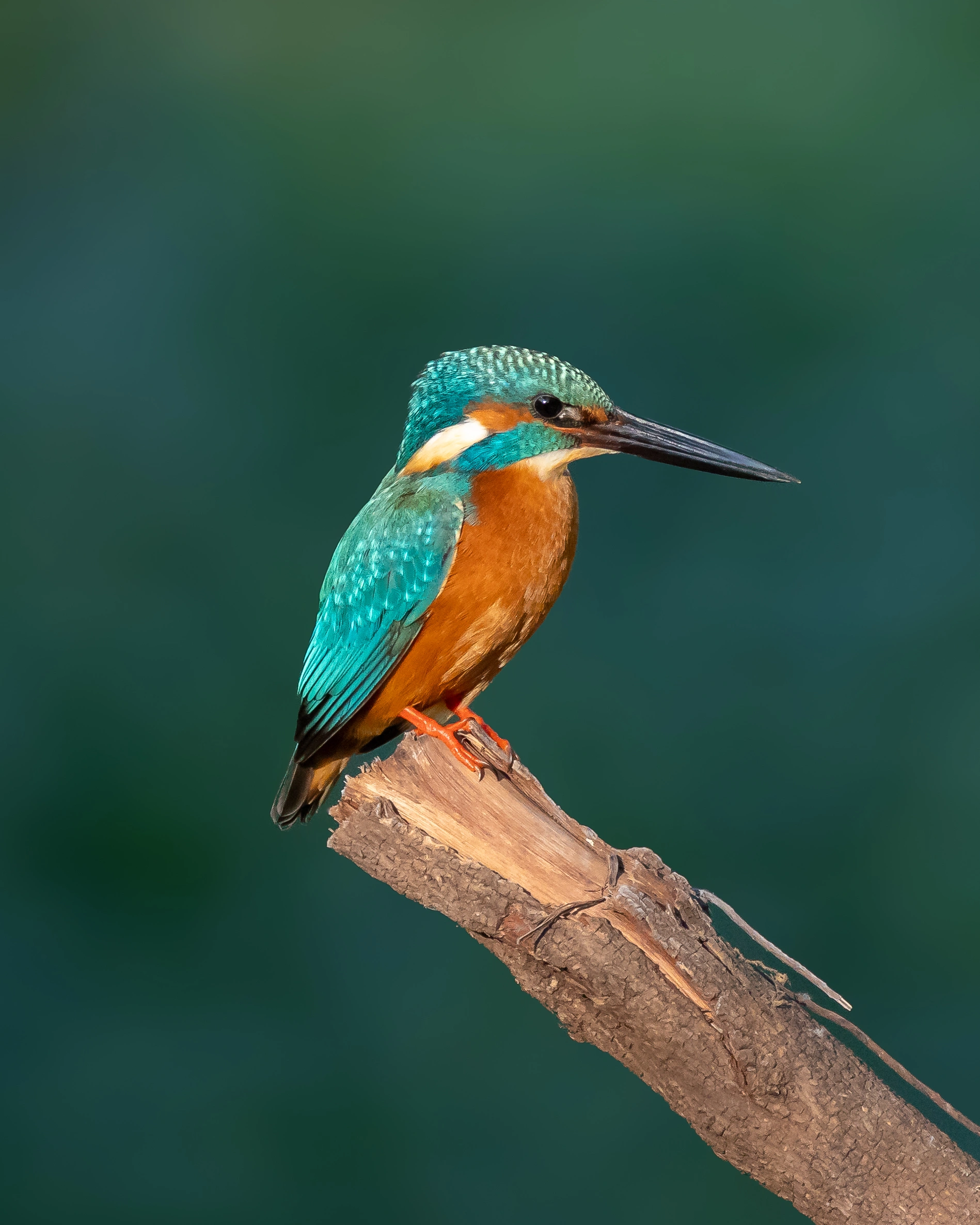
The birdlife at Sirudavoor Lake includes a strong mix of waterbirds, waders, raptors and terrestrial species. Common Kingfisher and Pied Kingfisher represent the lake’s aquatic habitats, while Bronze-winged and Pheasant-tailed Jacanas are notable wetland specialists. Fulvous Whistling-Duck, Black-winged Stilt, Little Grebe, Glossy Ibis, Asian Openbill and Oriental Darter further contribute to the diversity. Surrounding habitats support Indian Peafowl, Grey Francolin, Greater Coucal, Shikra, Indian Roller and Red-whiskered Bulbul.
Common Kingfisher
Pied Kingfisher
Bronze-winged Jacana
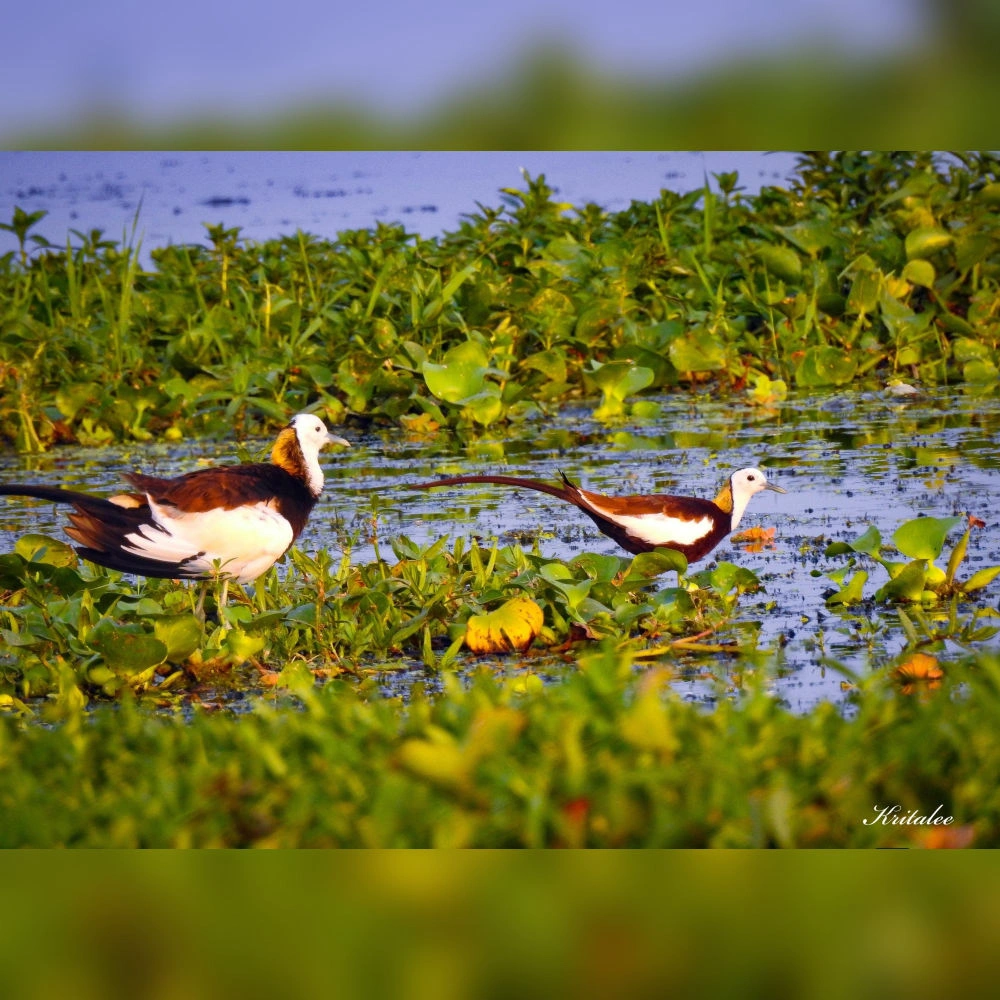
Pheasant-tailed Jacana
Fulvous Whistling-Duck

Indian Peafowl
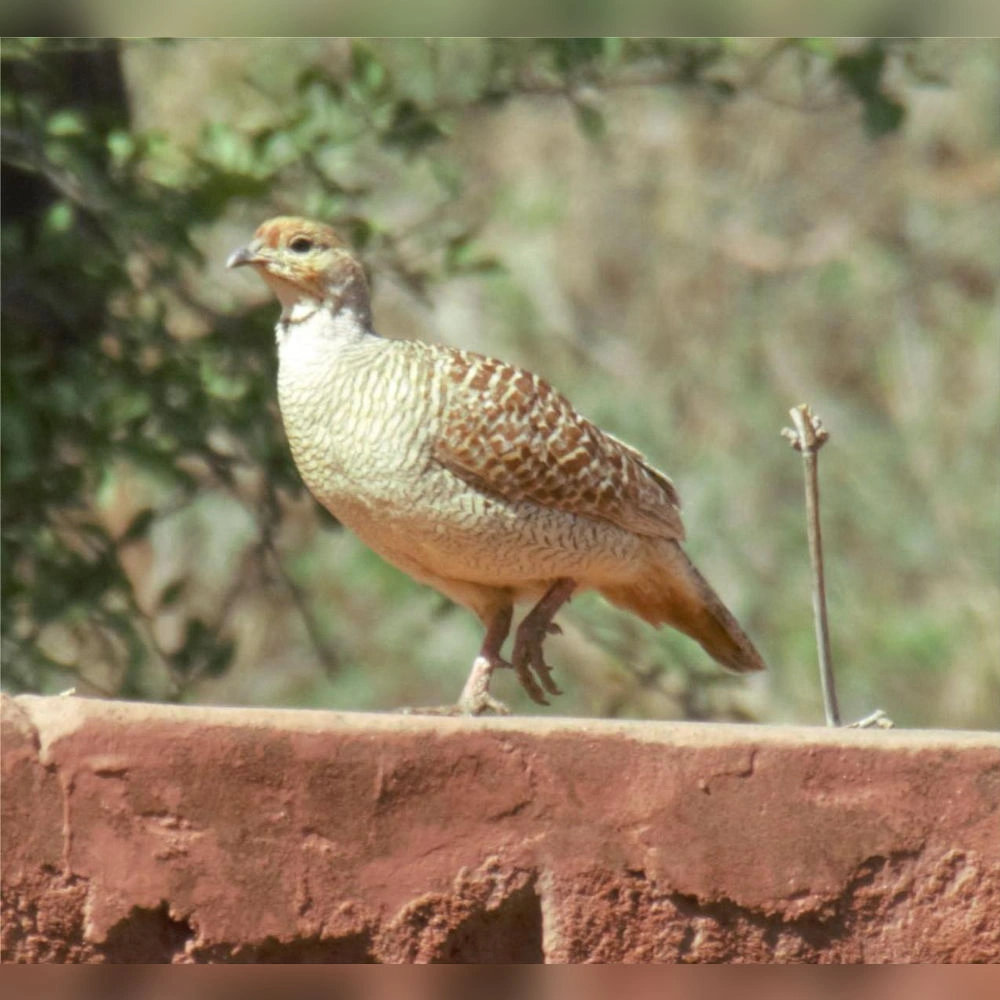
Grey Francolin
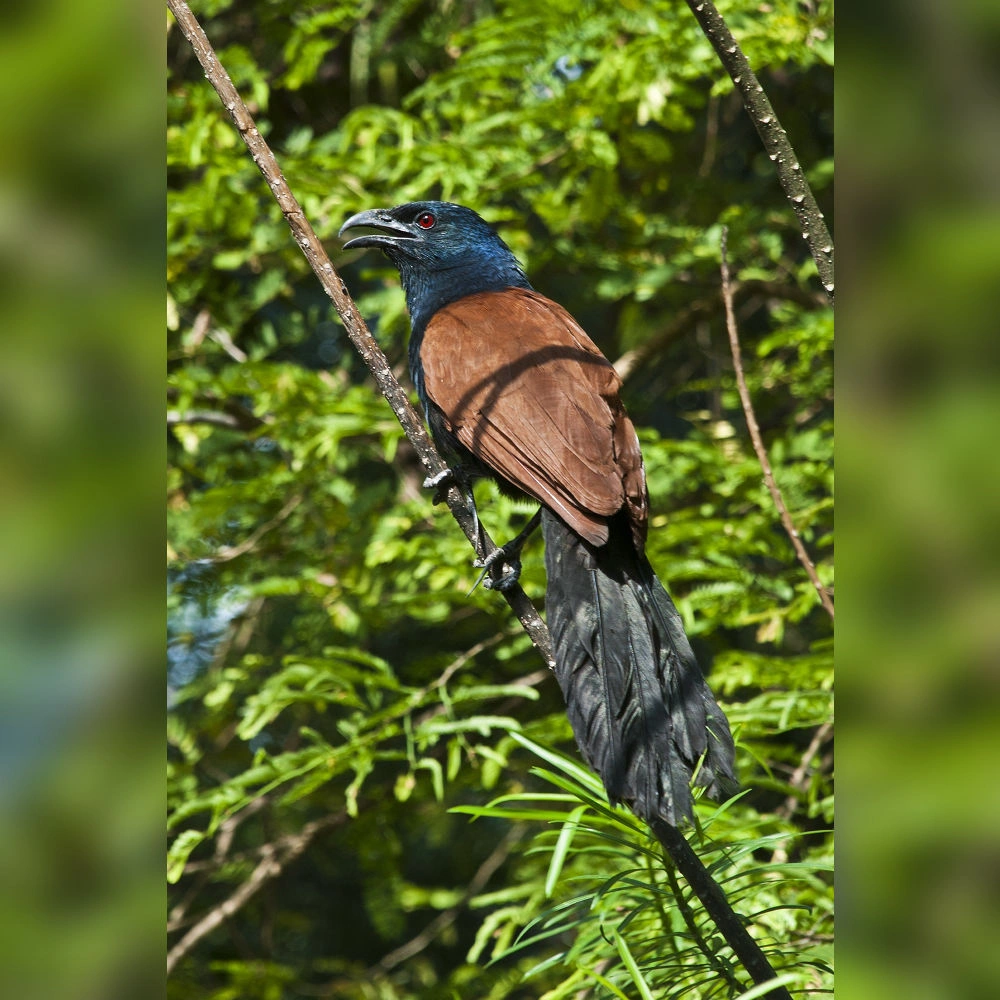
Greater Coucal
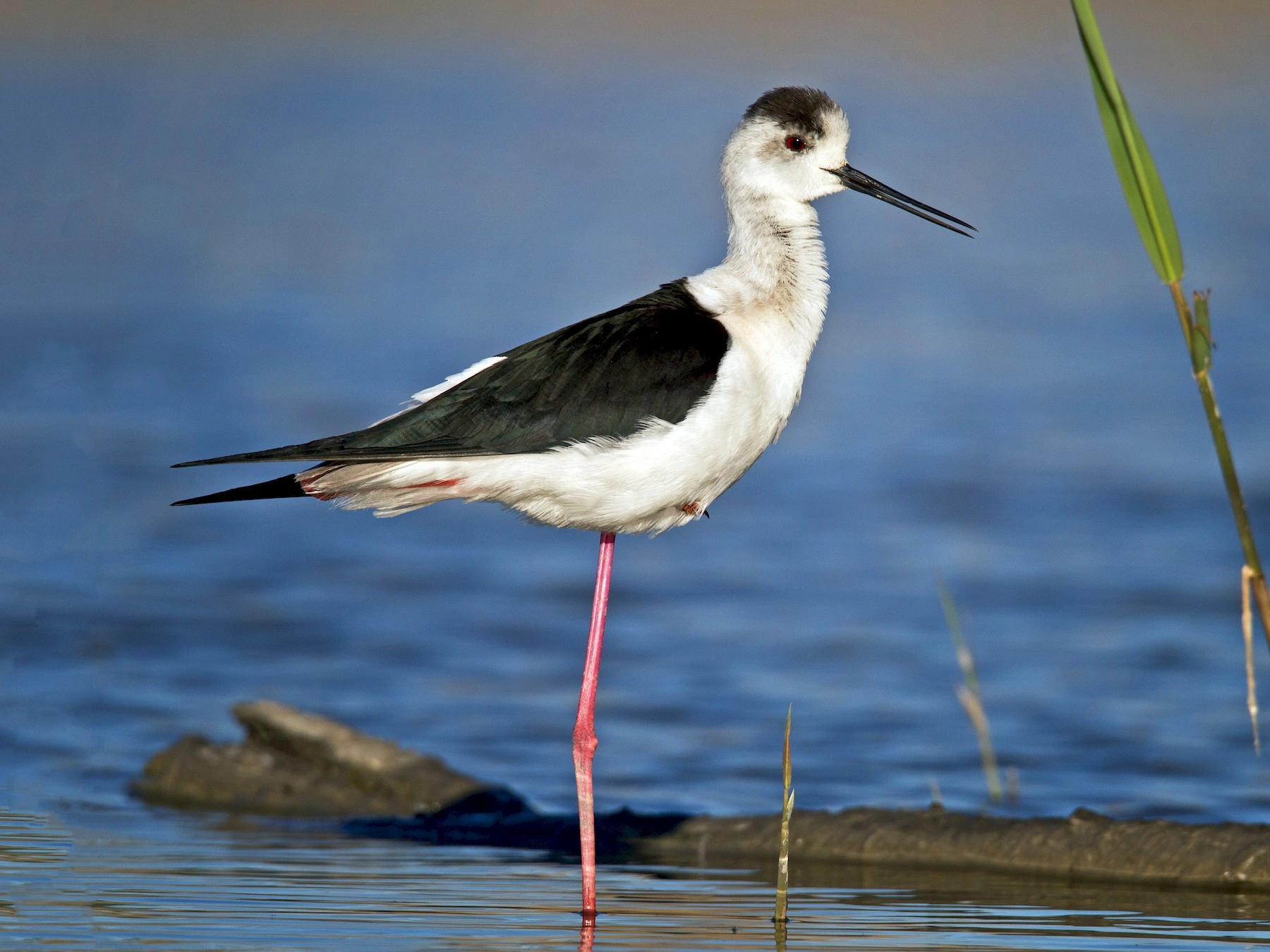
Black-winged Stilt
White-breasted Waterhen
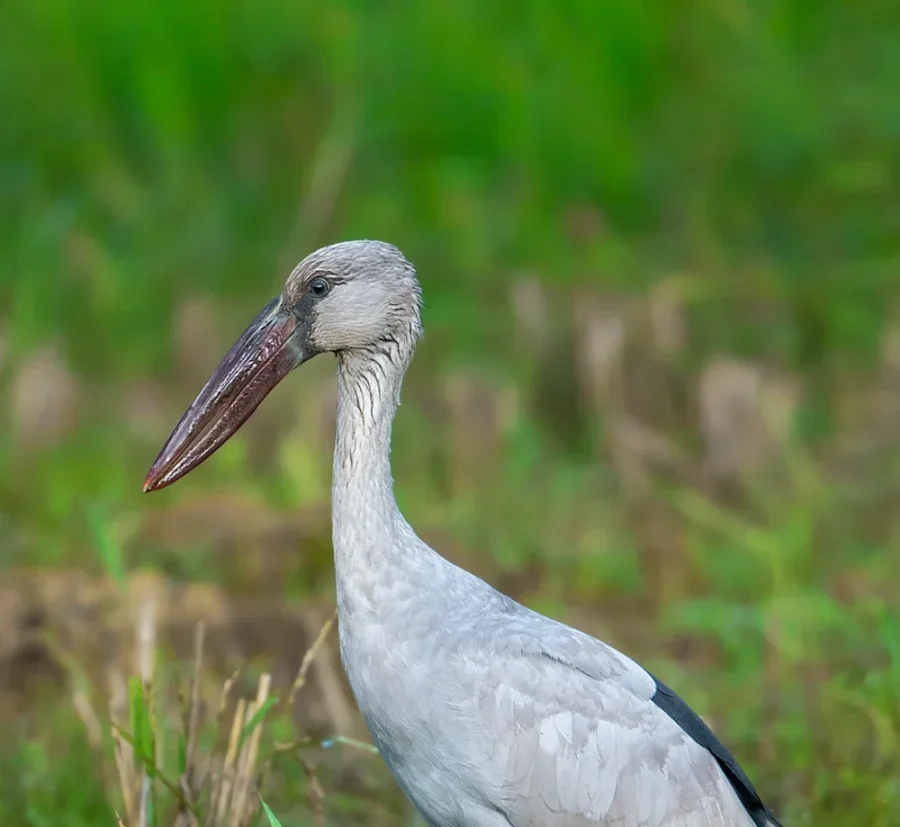
Asian Openbill
Oriental Darter
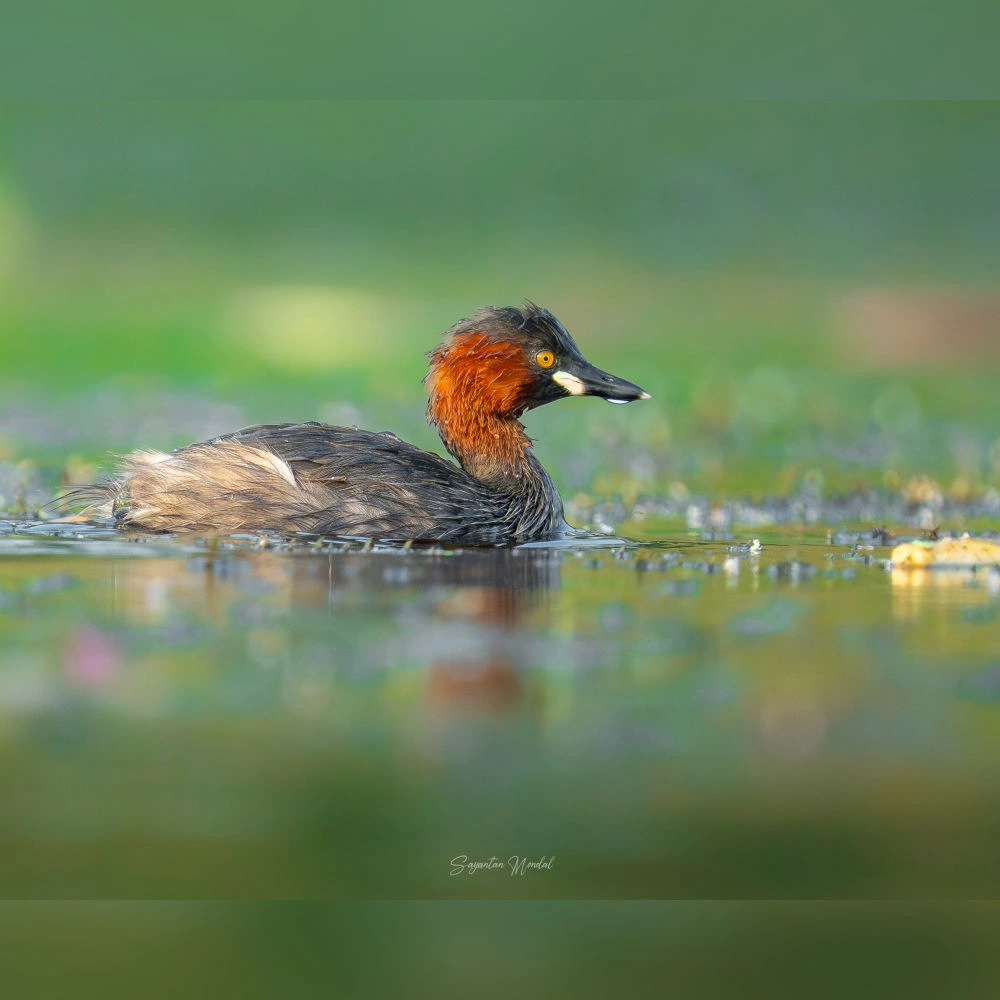
Little Grebe
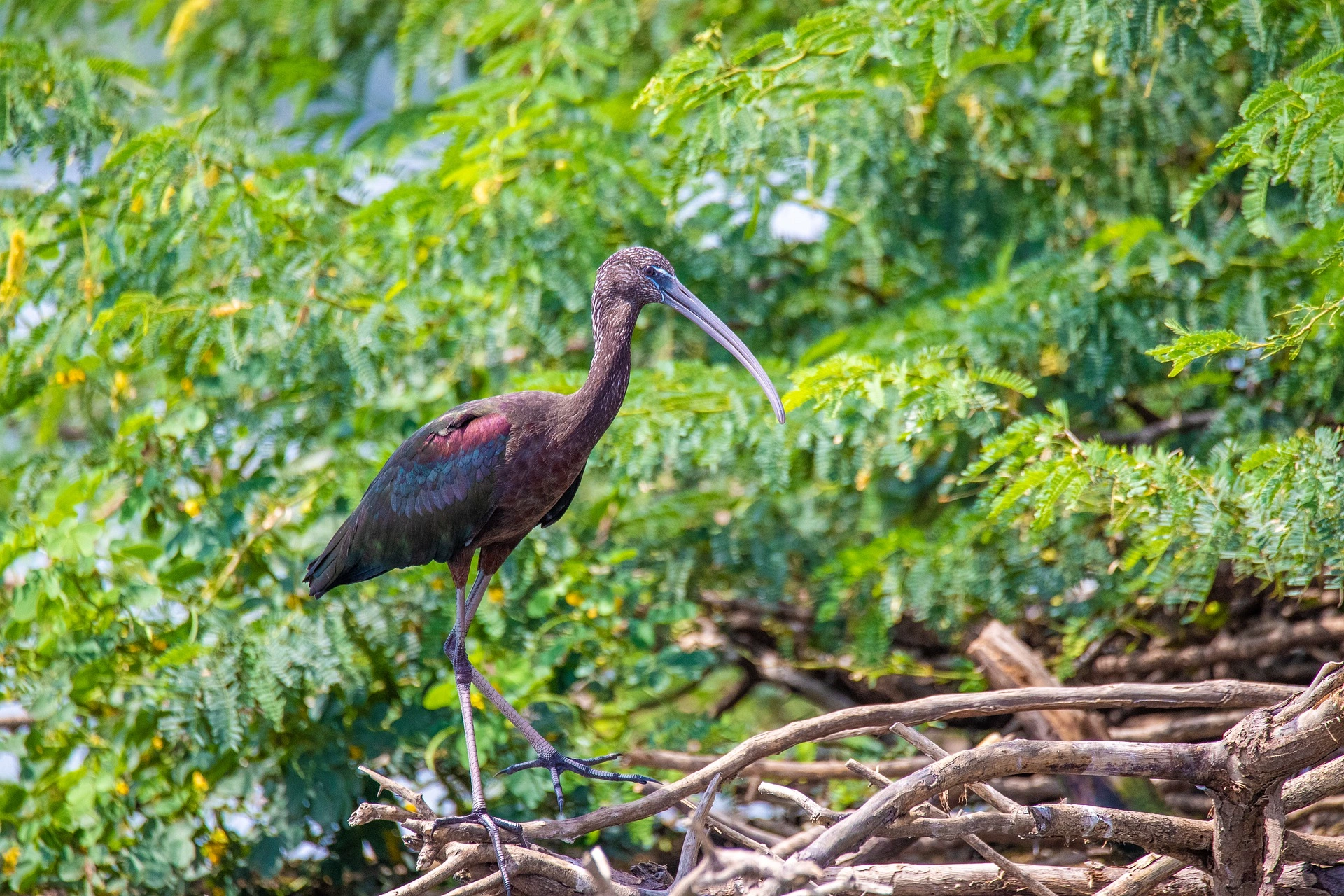
Glossy Ibis
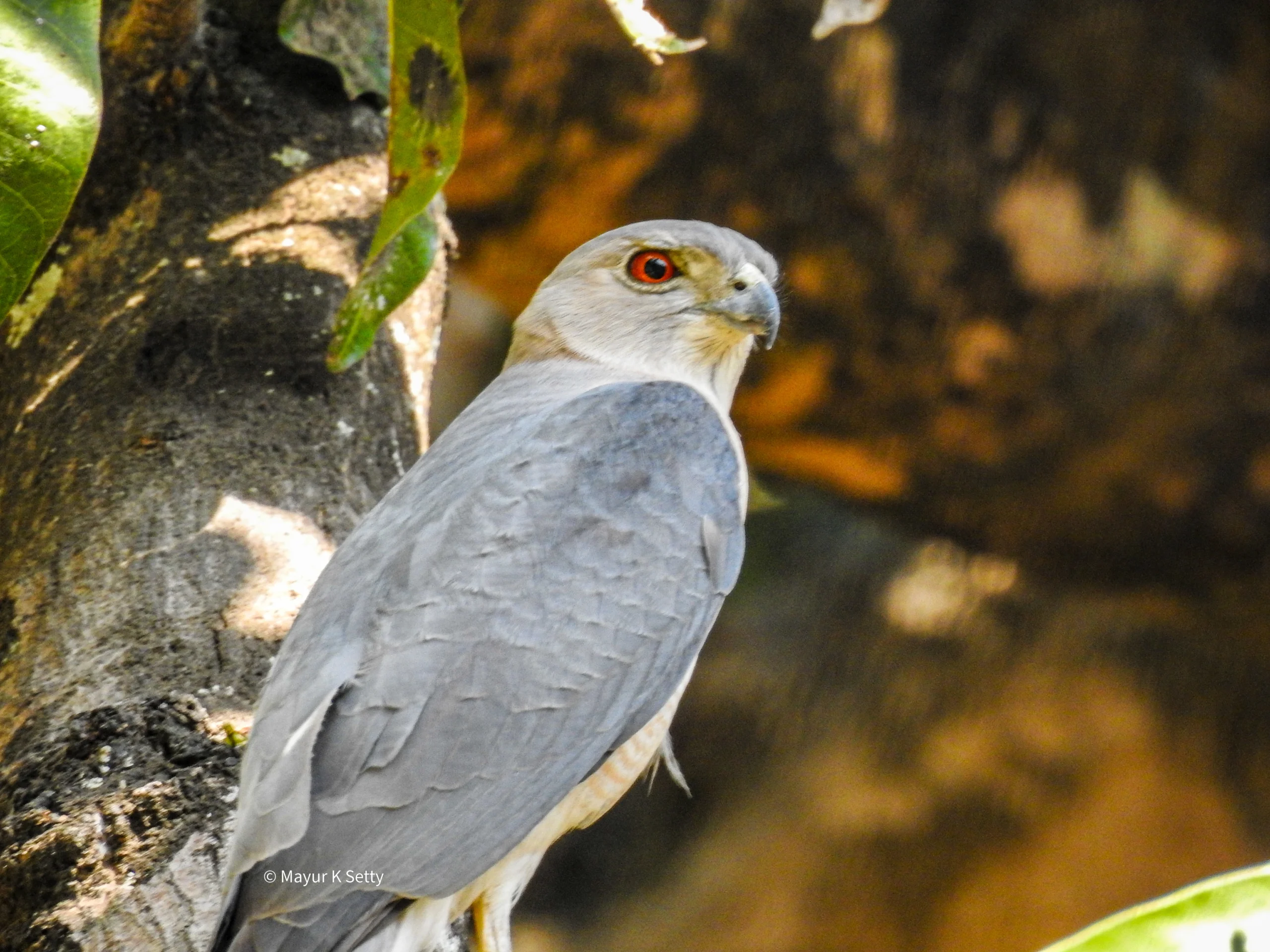
Shikra
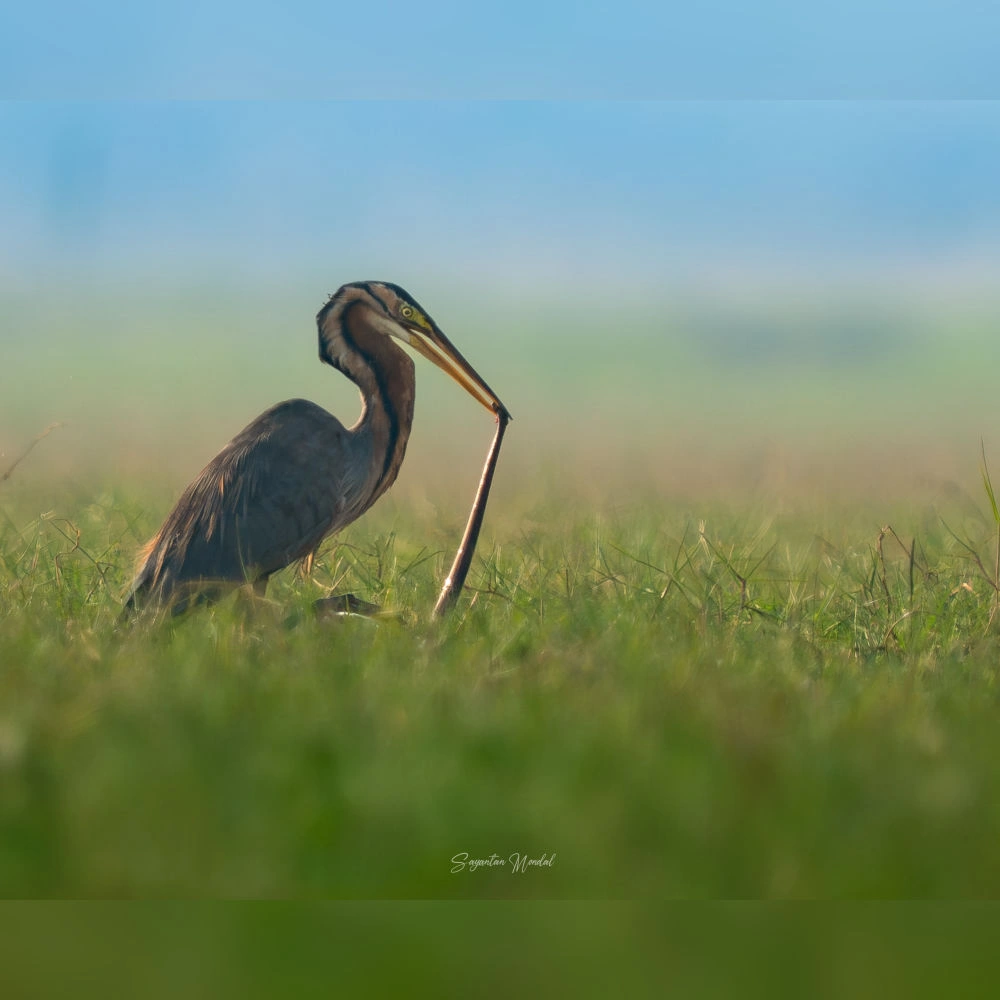
Purple Heron
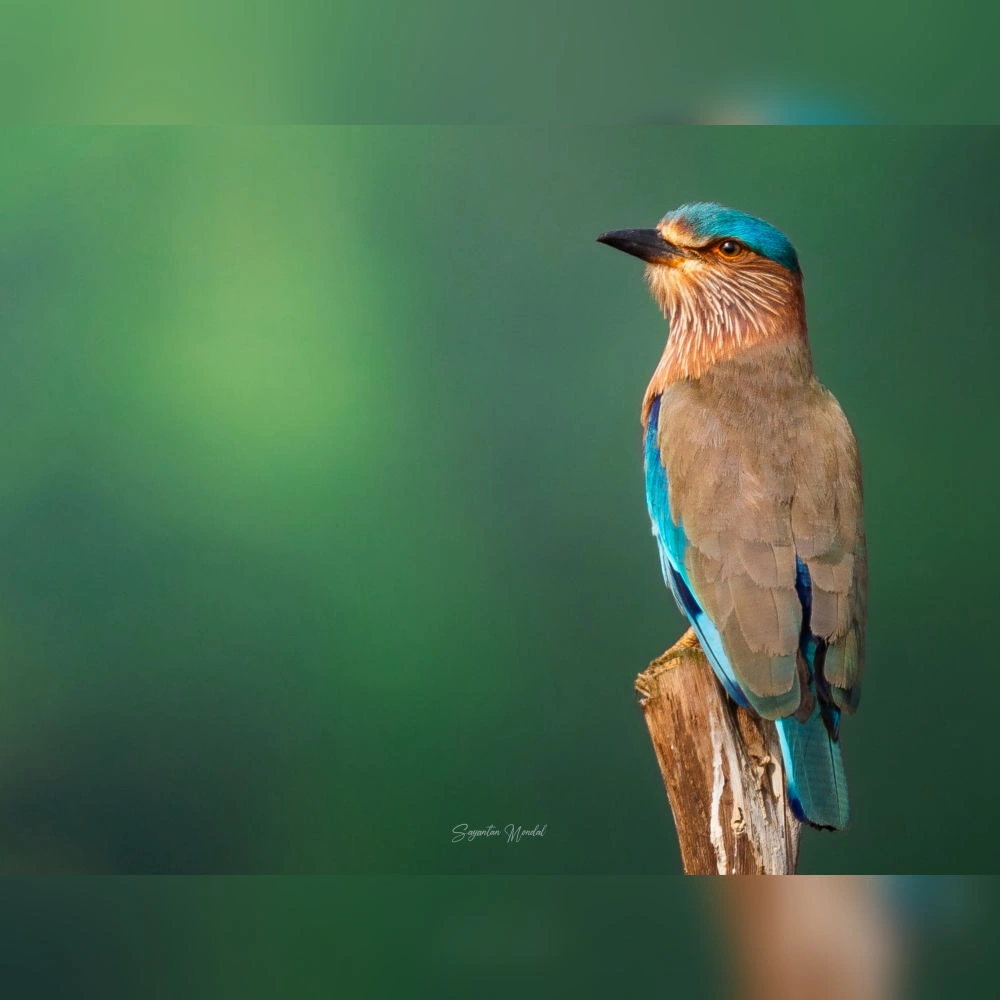
Indian Roller
Blue-tailed Bee-eater
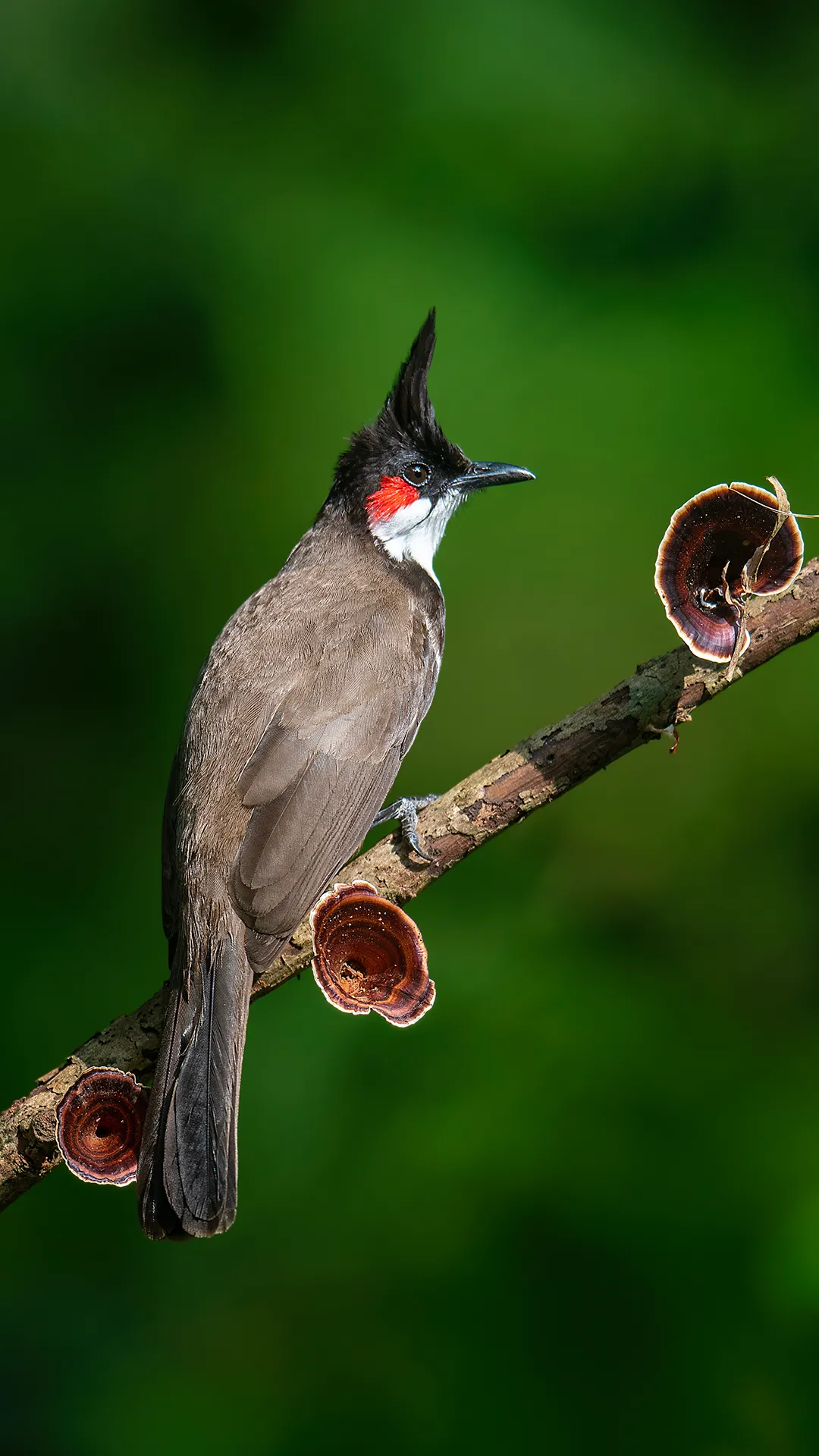
Red-whiskered Bulbul
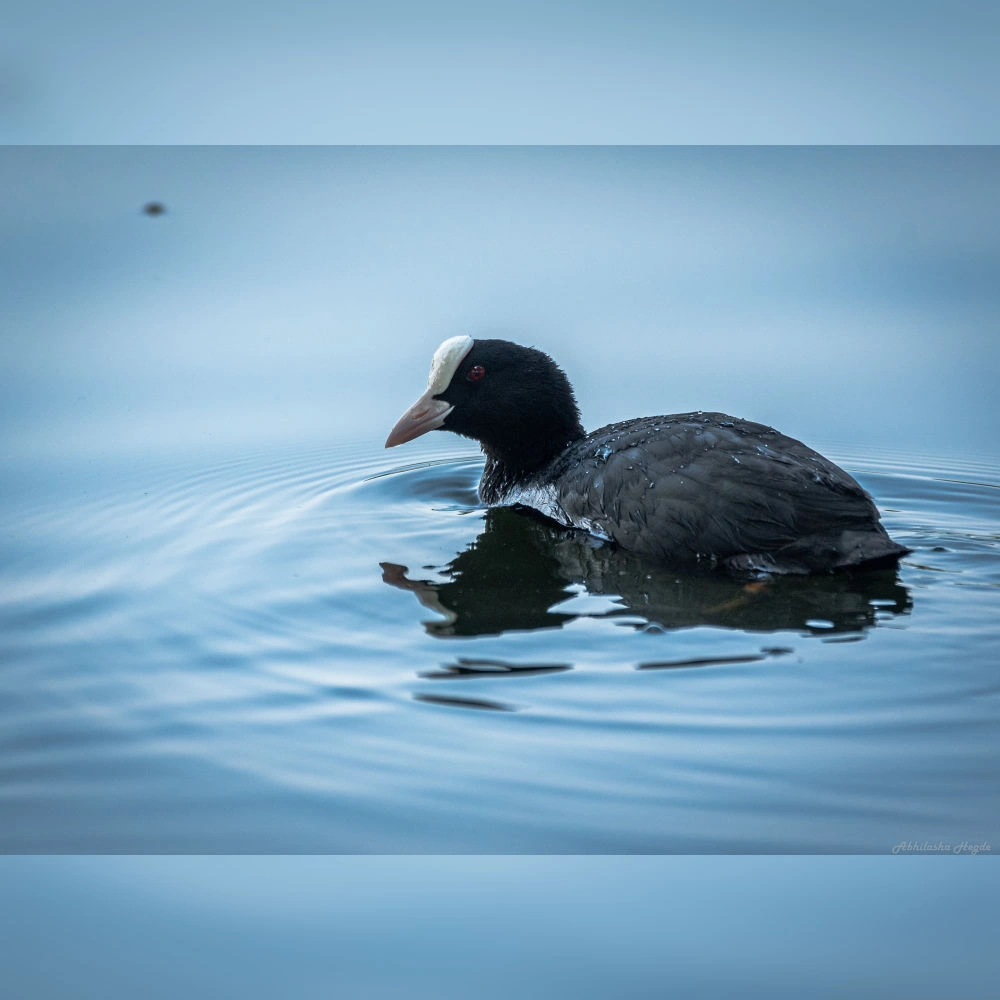
Eurasian Coot

Summary of Walk

Ataavi’s 6 September 2026 walk at Sirudavoor Lake near Mahabalipuram brought together 16 participants under the guidance of Praveen Pandian. The lake’s extensive wetland habitat, framed by open skies and reed beds, made for a particularly species-rich morning, with the group recording an impressive 45 species — among the highest counts of the entire week and a wonderful showcase of the wetland diversity found so close to this historic coastal town. The lake’s proximity to the coast adds a unique mix of resident and migratory species, and the group’s tally reflected just how rewarding the site can be at this time of year. Highlights included the Black-breasted Weaver, Indian Pied Starling, and Tricoloured Munia, alongside a memorable sighting of a Baya Weaver feeding. The group also spotted Purple Heron, Common Greenshank, Wood Sandpiper, and Bronze-winged Jacana, and enjoyed the rare treat of seeing all three local kingfisher species in a single outing. Brahminy Starling and Indian Peafowl added further colour, while Blue-tailed Bee-eaters in flight offered excellent photo opportunities across the lake at Sirudavoor, right through to the end of the walk. Praveen’s sharp eye for movement among the reeds meant the group rarely went more than a few minutes without a new sighting, keeping energy and excitement high throughout the morning. The variety of habitats packed into one site left a strong impression on everyone present.
Number of Participants
0
Scroll to Top