
Bird Walk at Siswan Forest, Chandigarh
- Chandigarh
- 26 July, 2026
- Pushkar Bali
About Siswan Forest

Bird Guide: Pushkar Bali
He is a passionate birder with over 10 years of birding experience and a keen interest in documenting rare and significant bird sightings. He has recorded six bird species for the first time in Punjab, including the Rufous-gorgeted Flycatcher, Black-throated Accentor, Greater Scaup, Falcated Duck, Pied Wheatear, and Himalayan Rubythroat, contributing valuable observations to the region's ornithological records.
Bird walk Location
Common birds of Siswan Forest

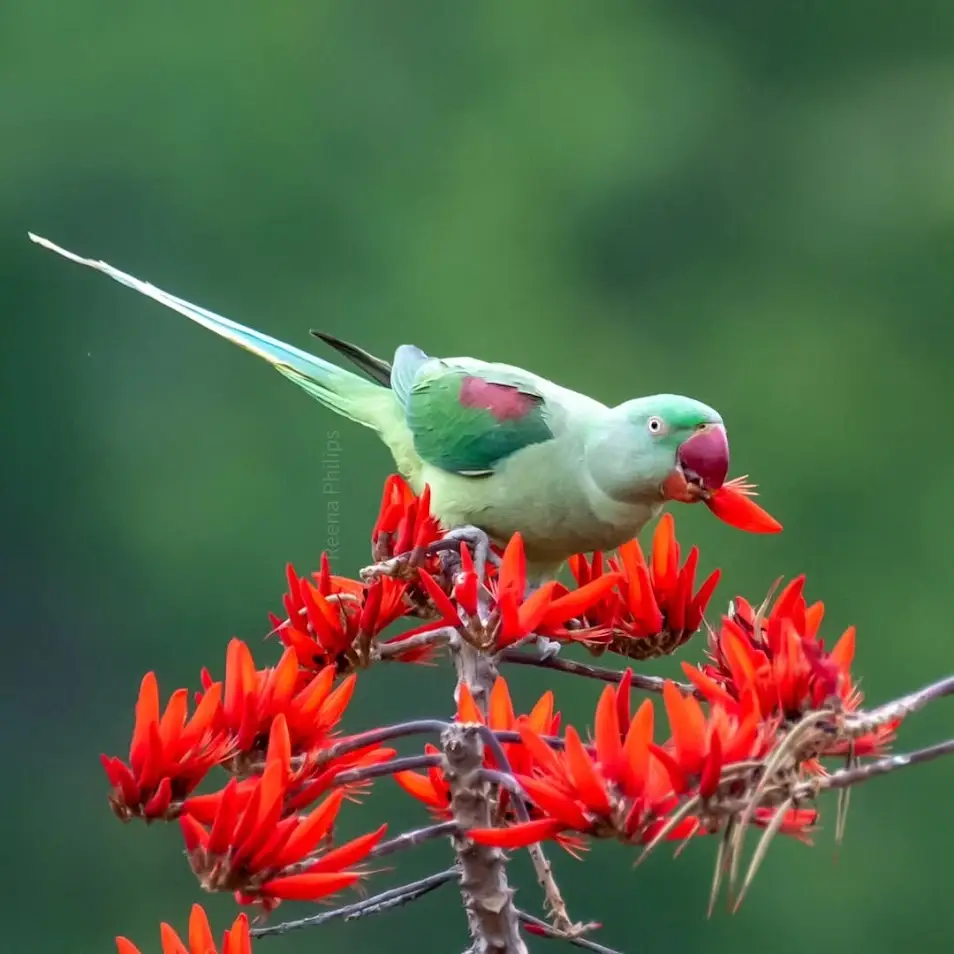
Alexandrine Parakeet

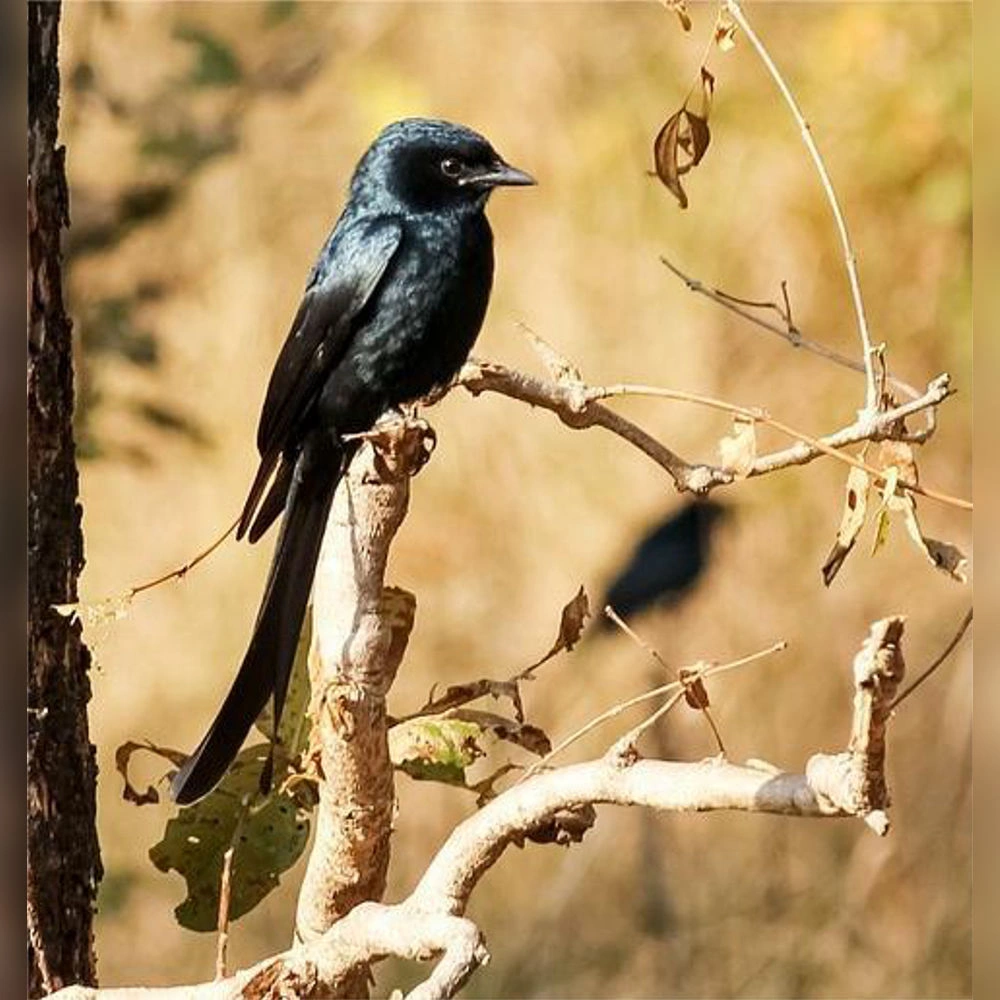
Black Drongo

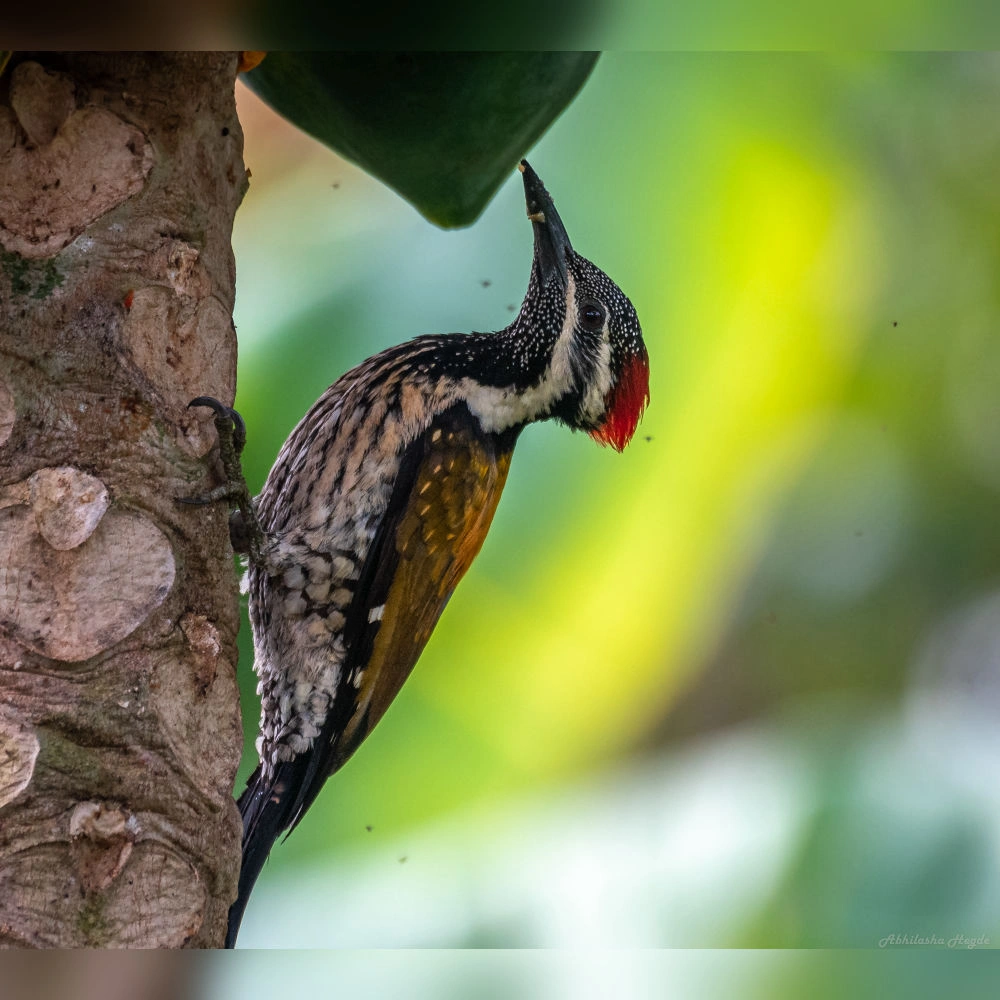
Black-rumped Flameback
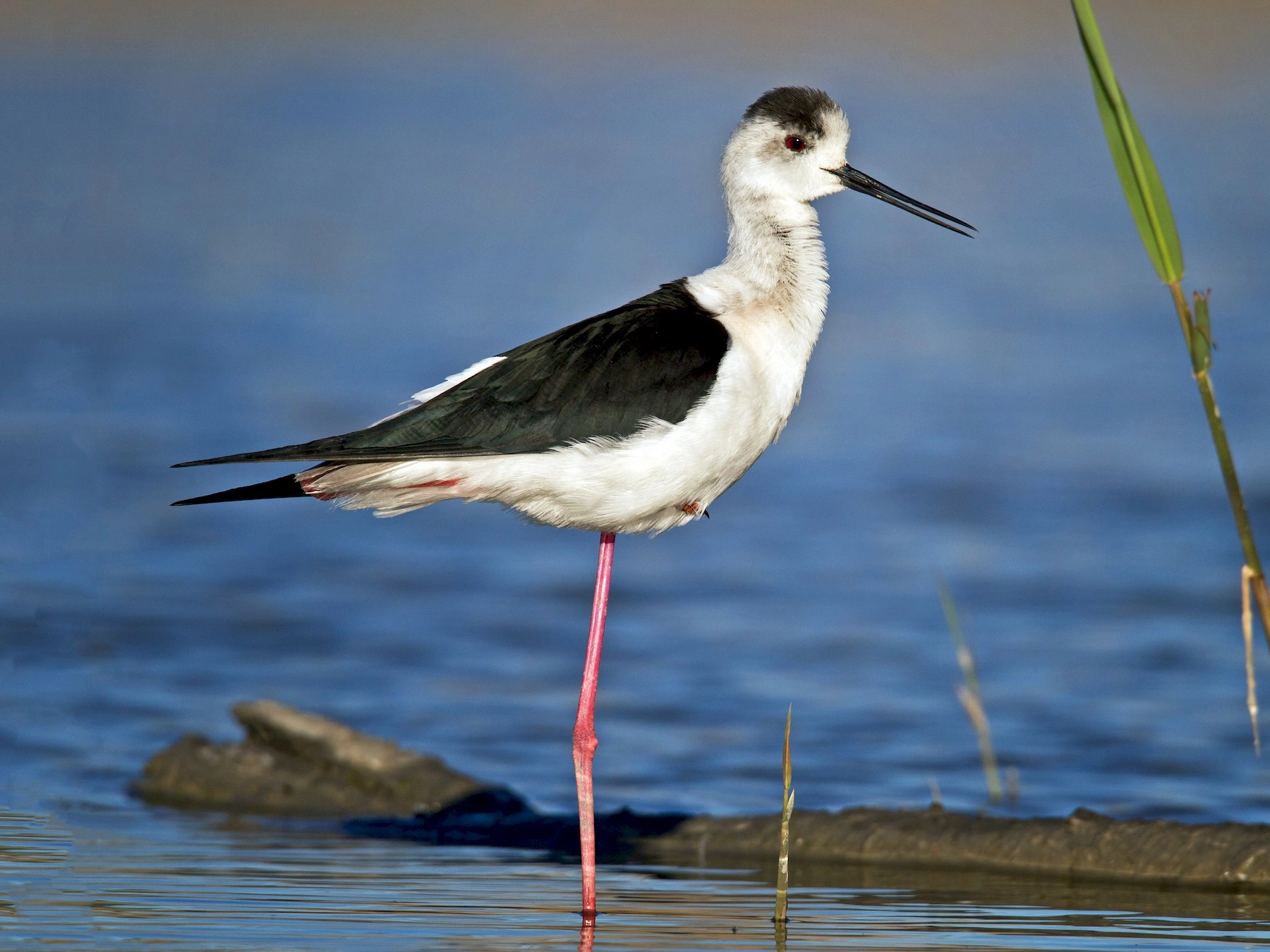
Black-winged Stilt
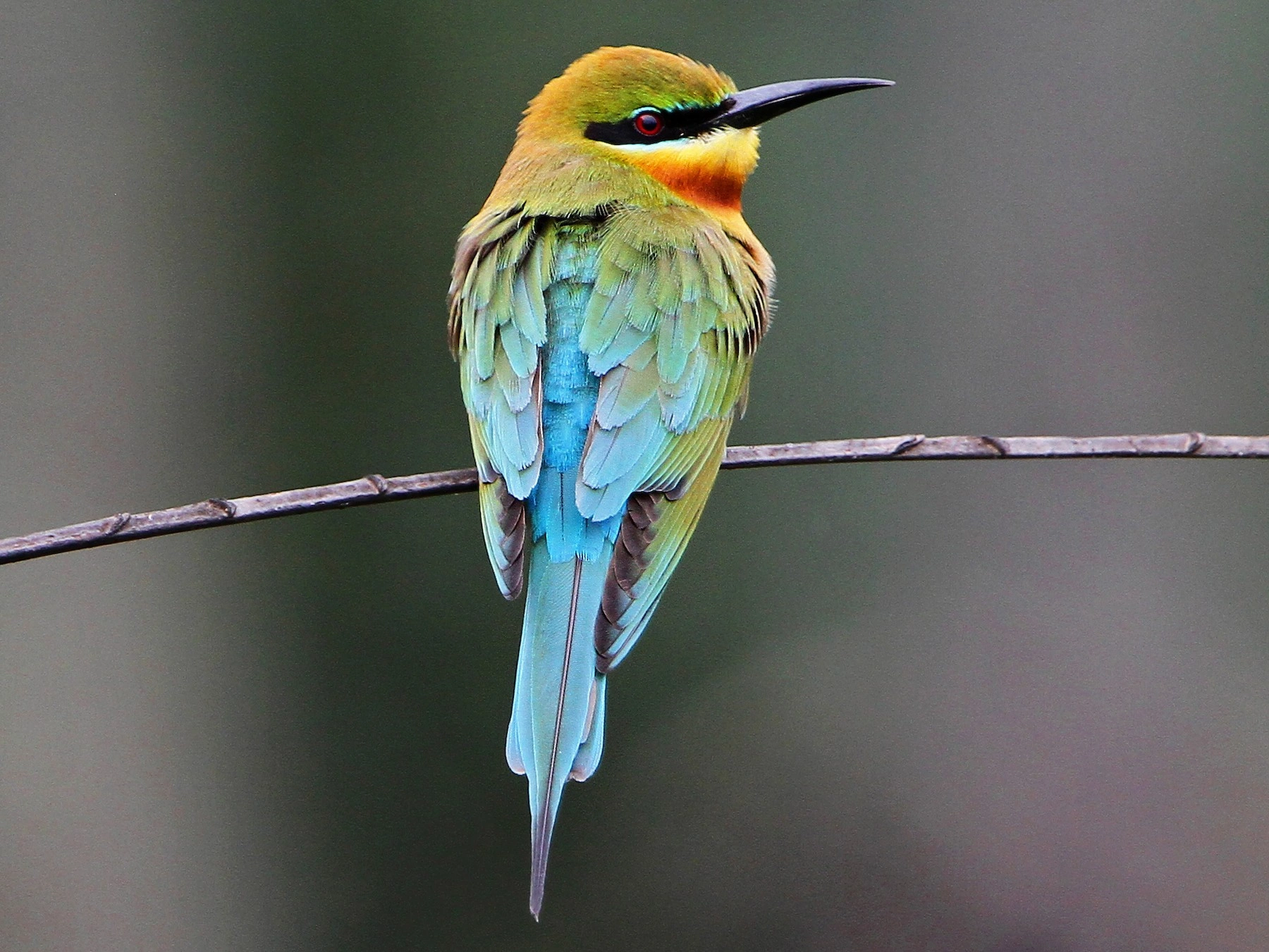
Blue-tailed Bee-eater

Brown-capped Pygmy Woodpecker
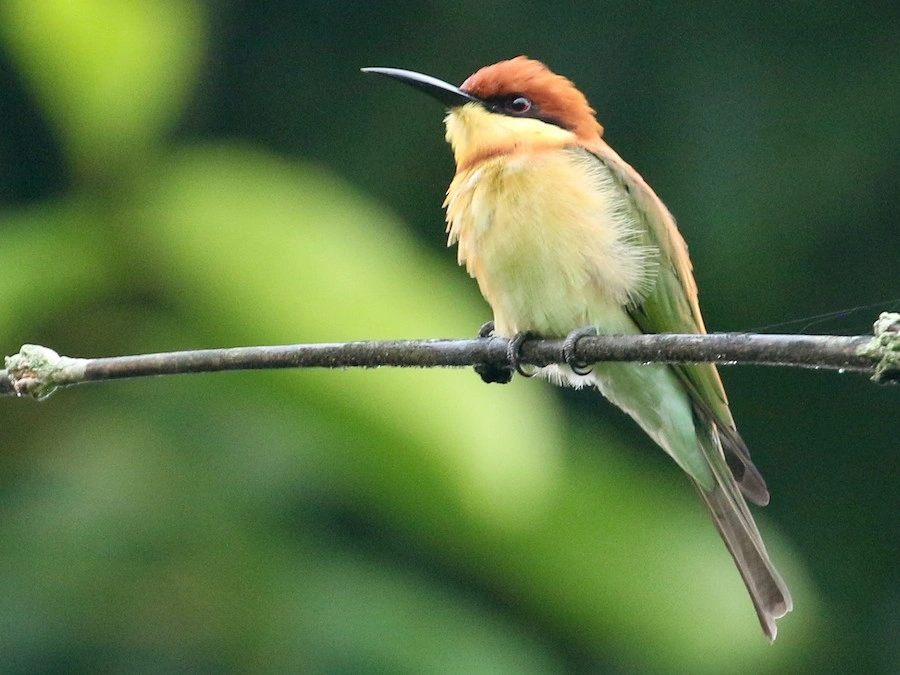
Chestnut-headed Bee-eater
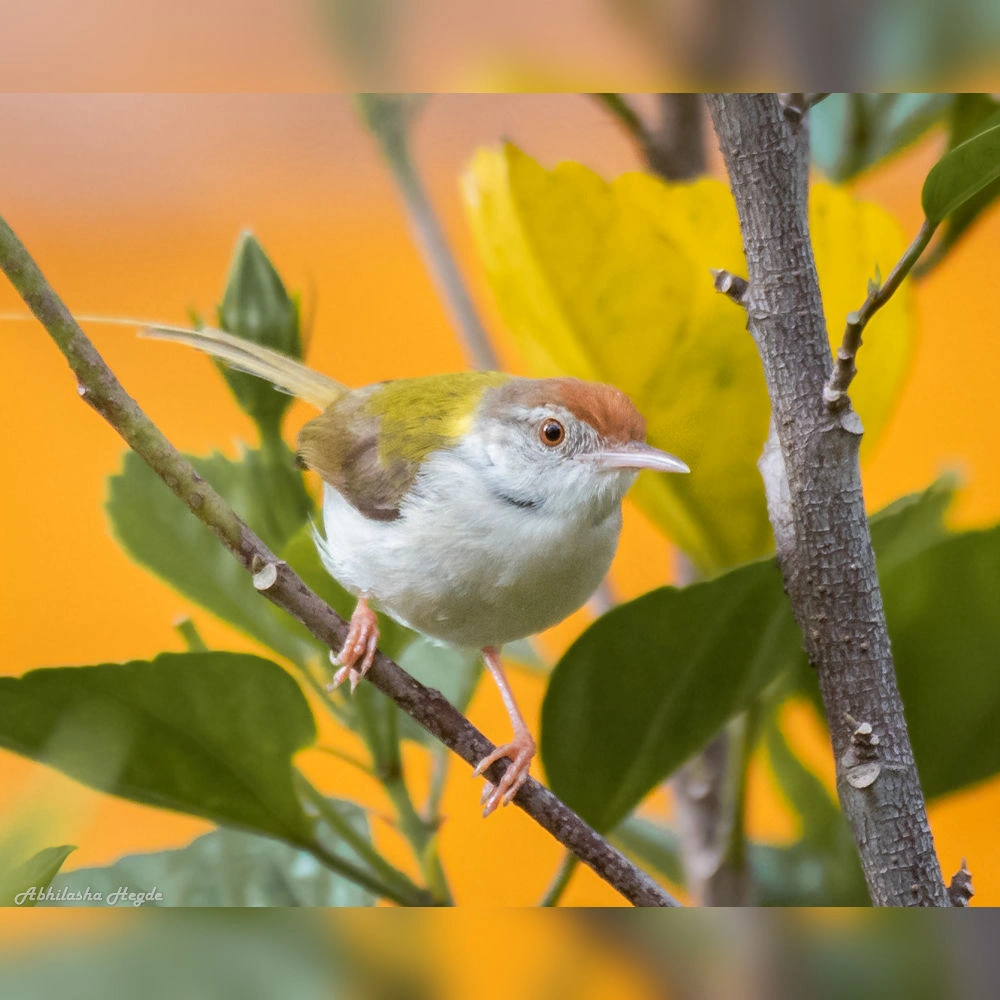
Common Tailorbird
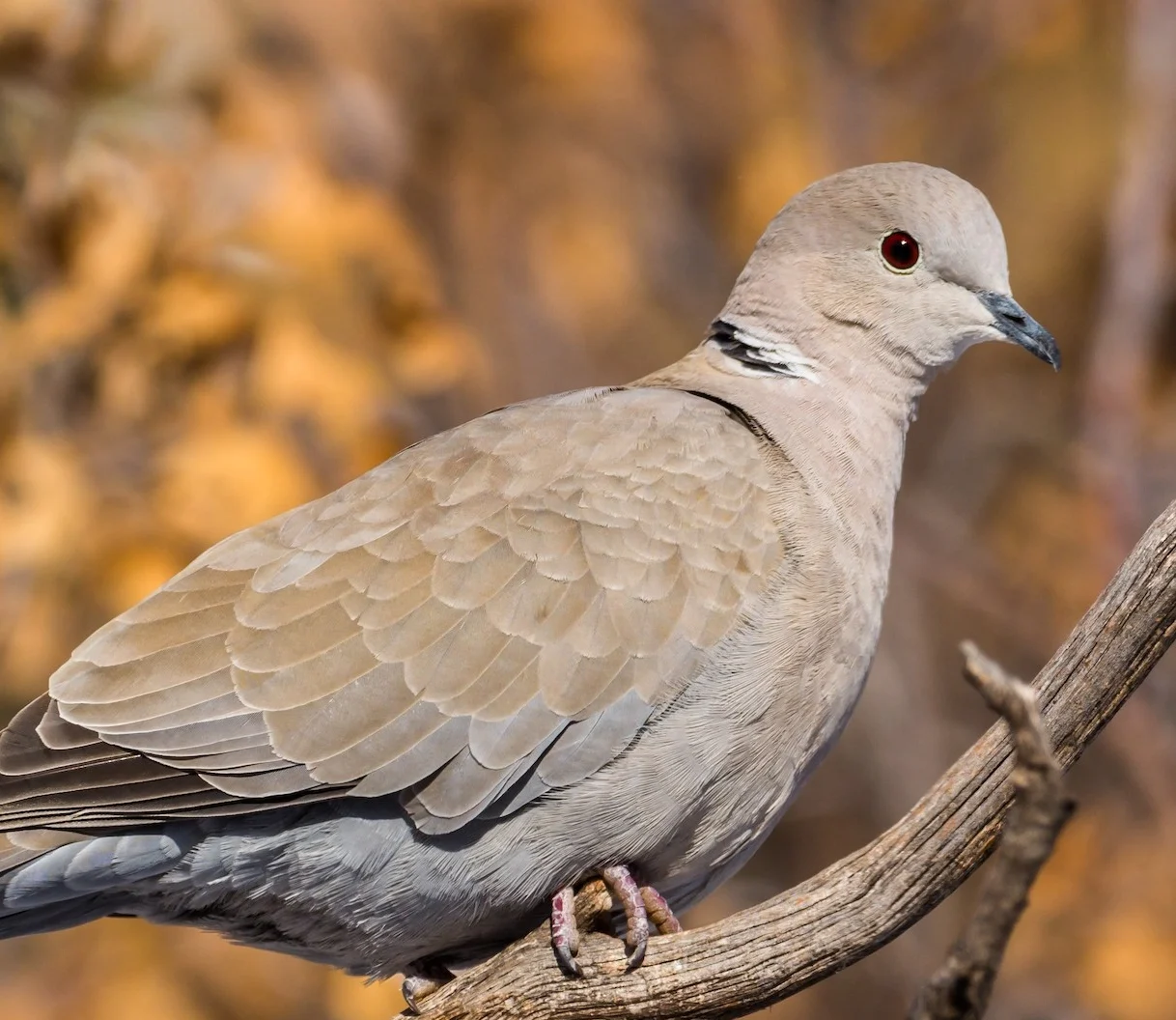
Eurasian Collared-Dove
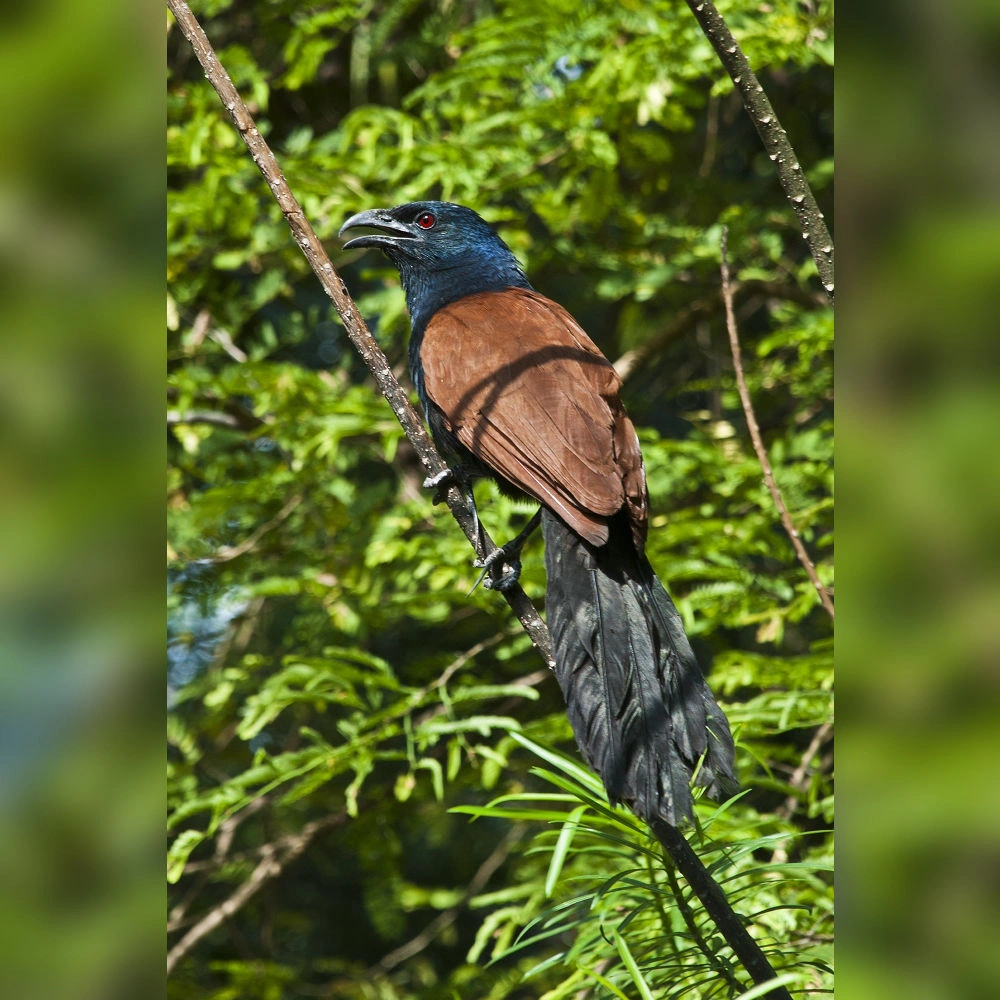
Greater Coucal
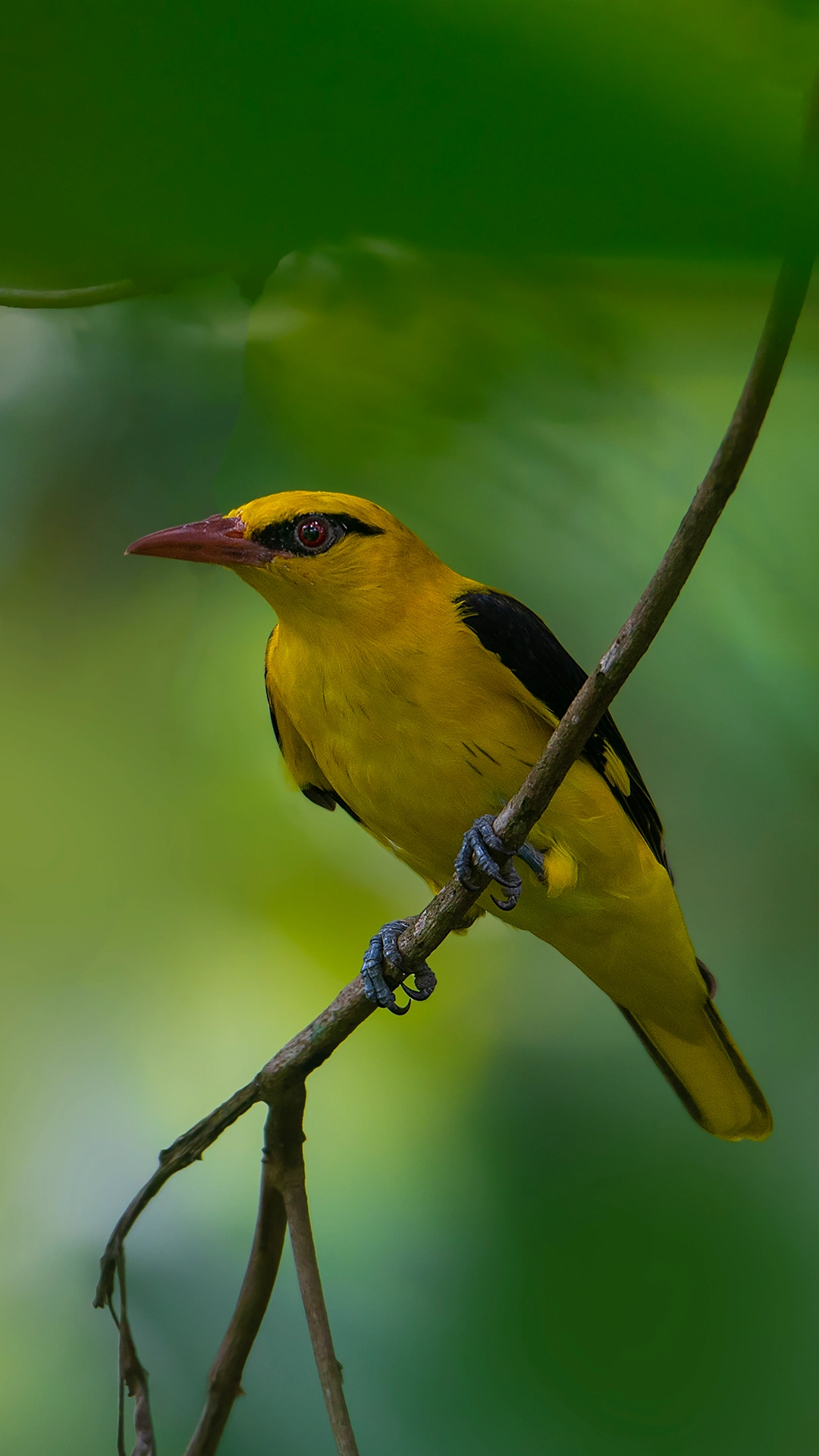
Indian Golden Oriole
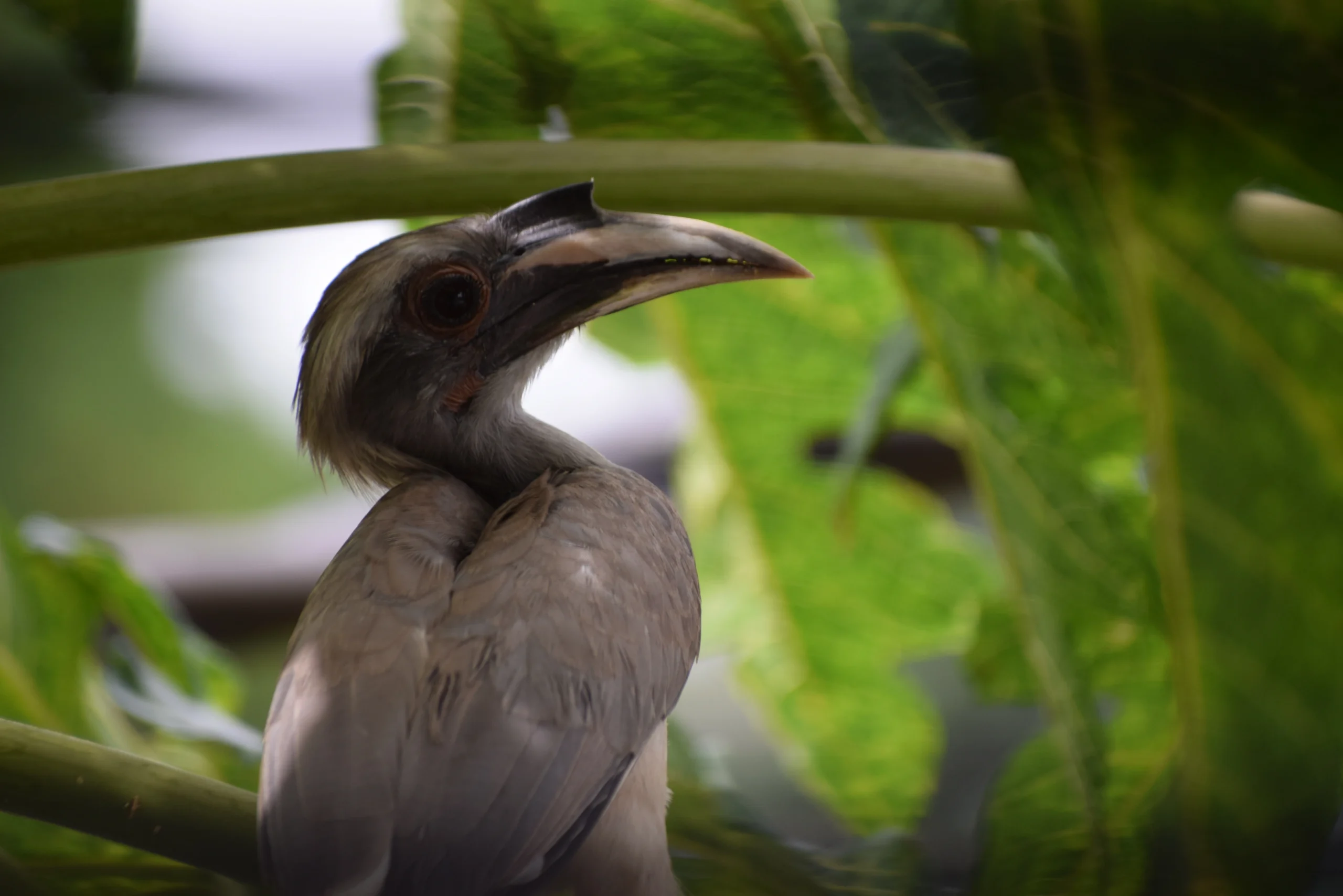
Indian Grey Hornbill
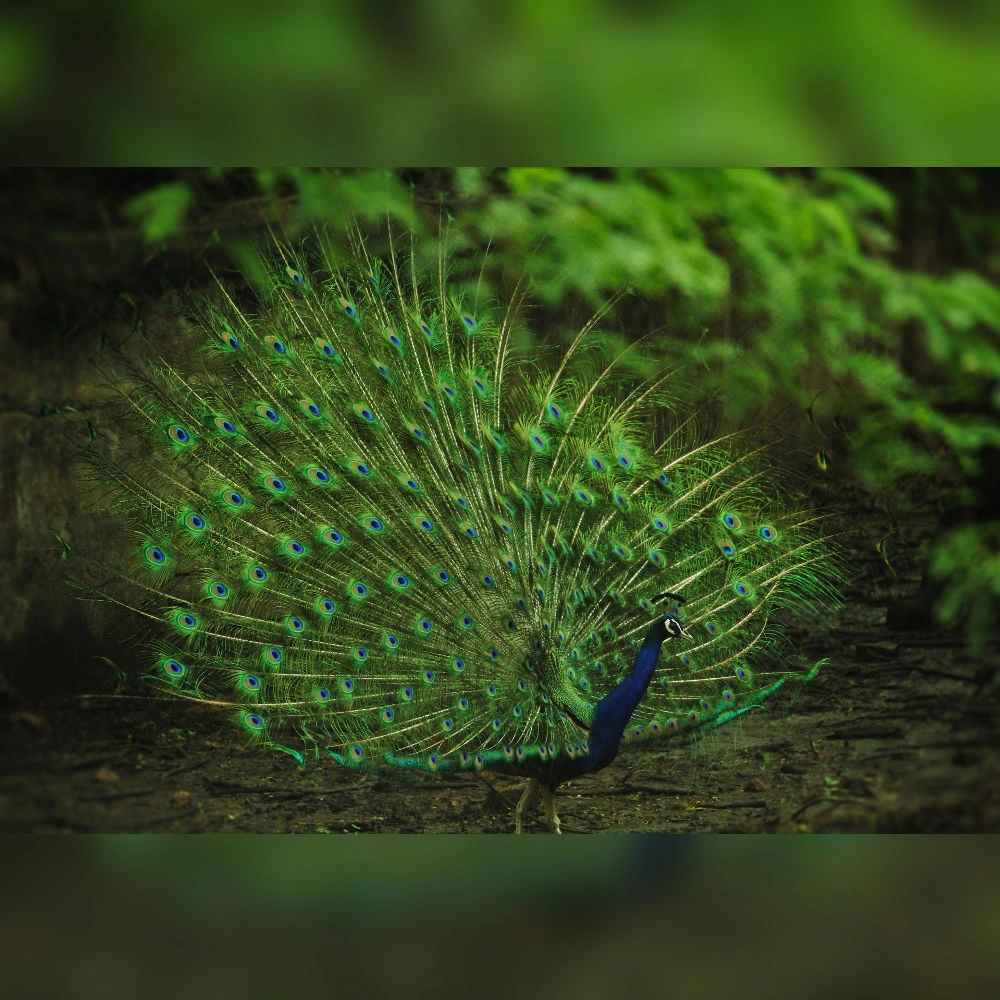
Indian Peafowl
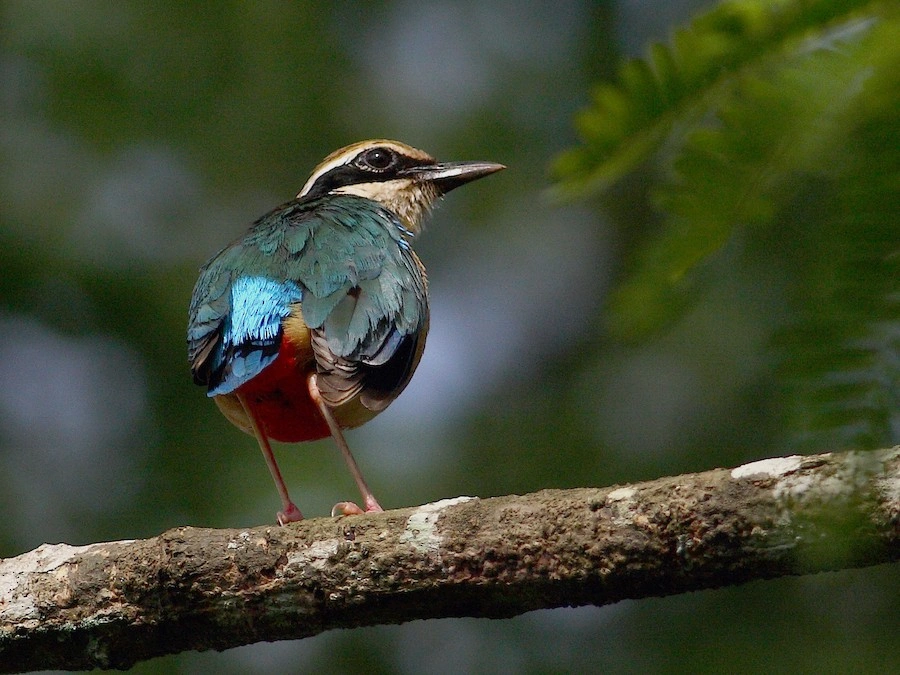
Indian Pitta
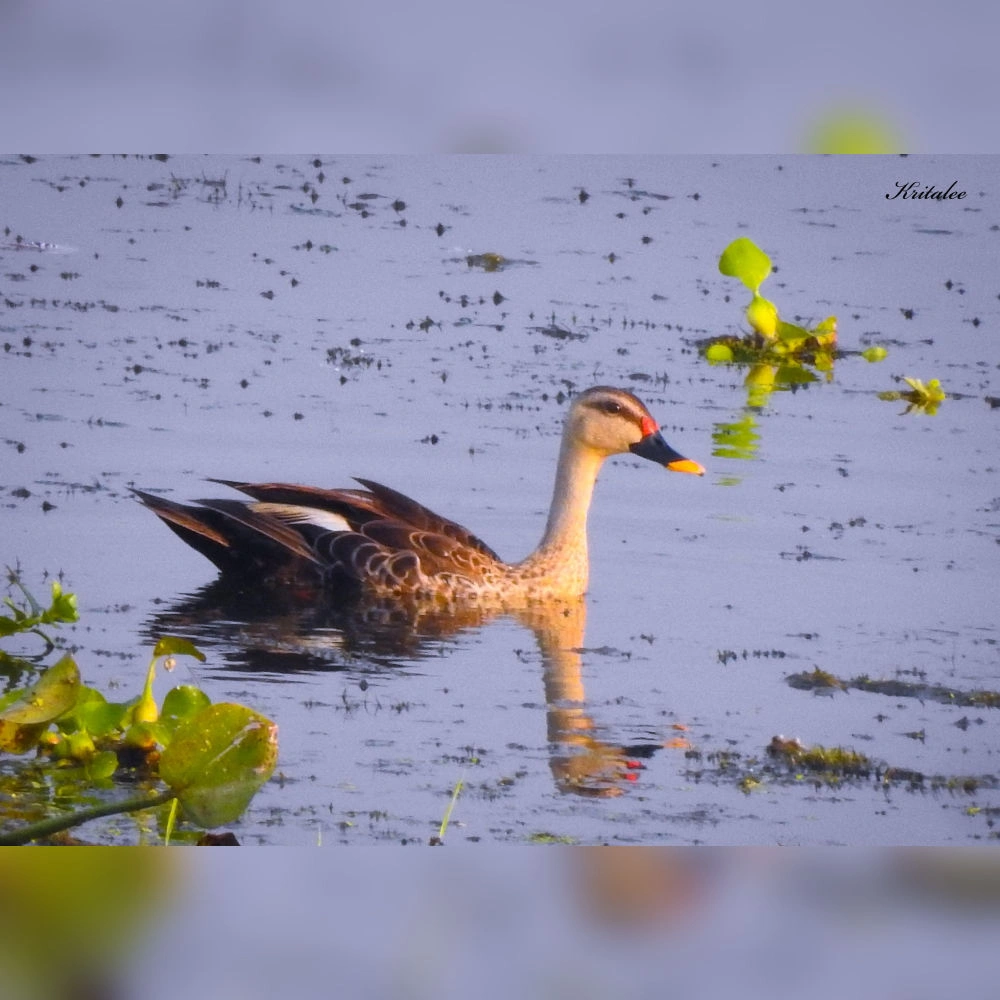
Indian Spot-billed Duck
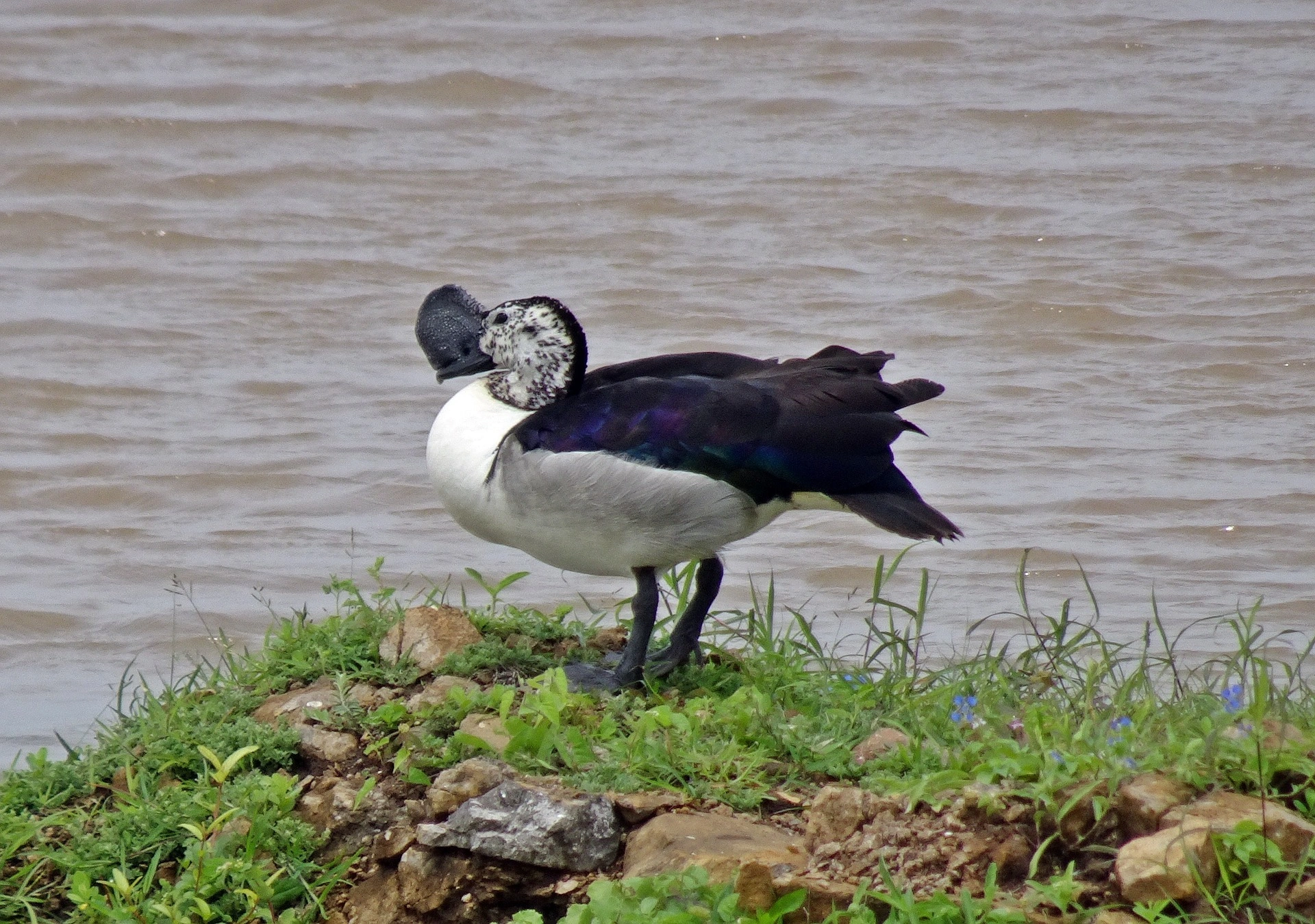
Knob-billed Duck
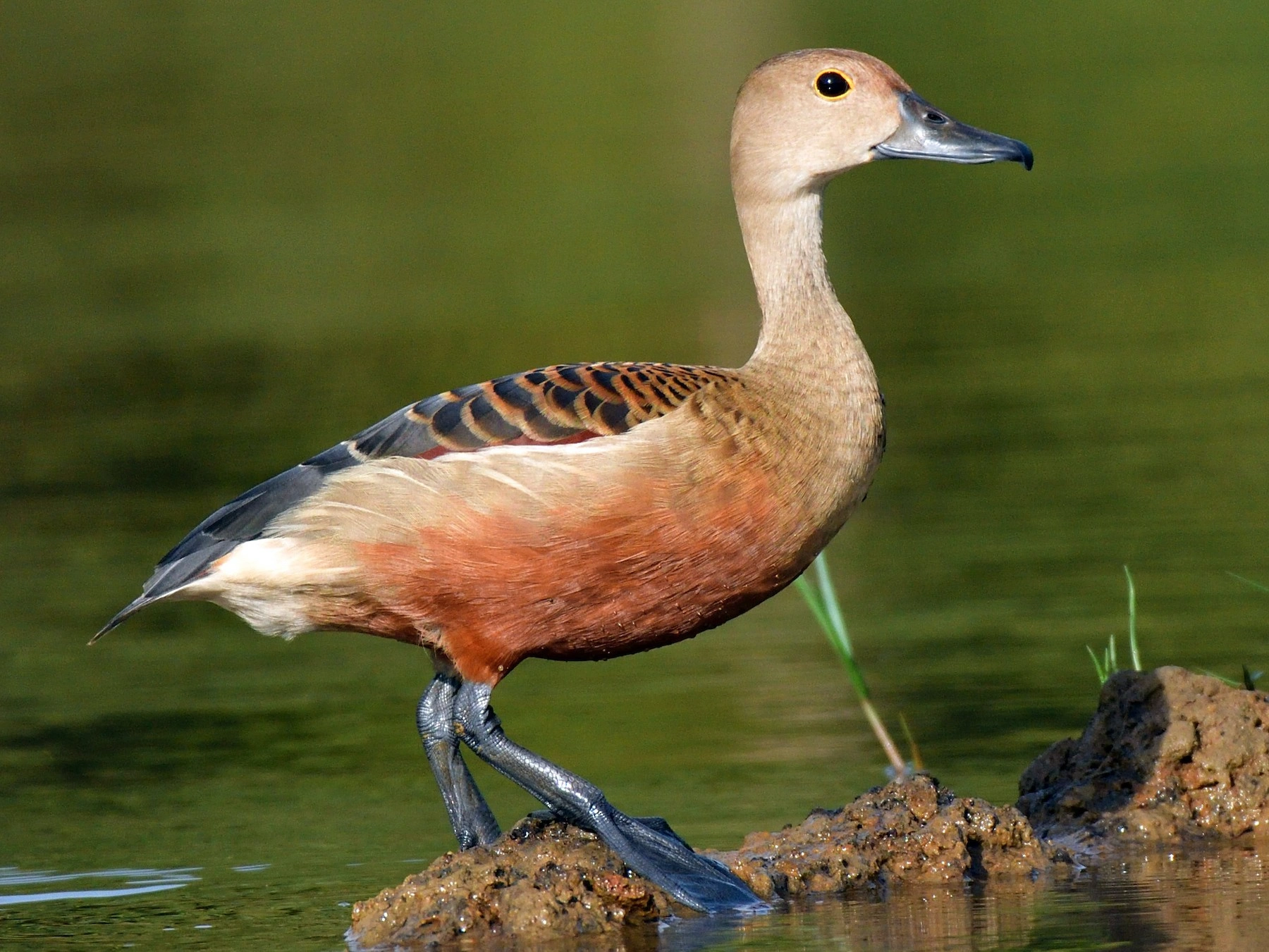
Lesser Whistling-Duck
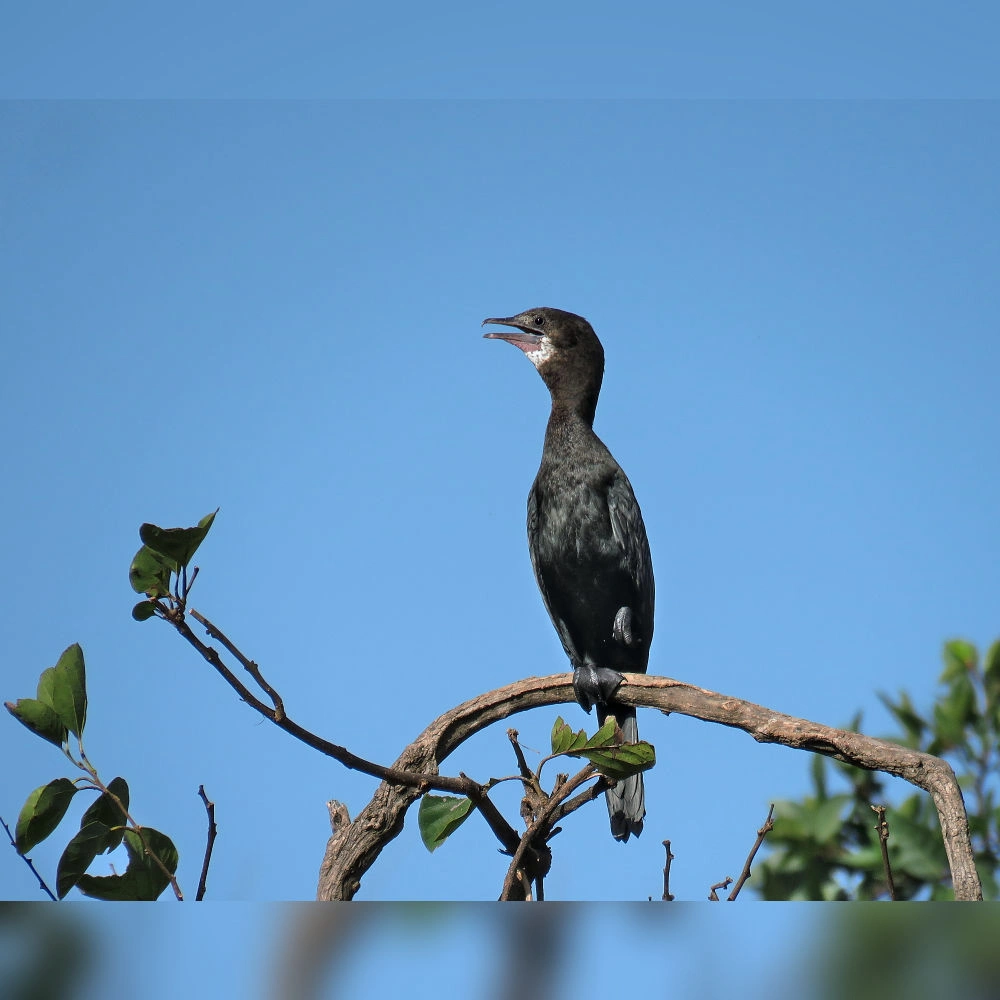
Little Cormorant
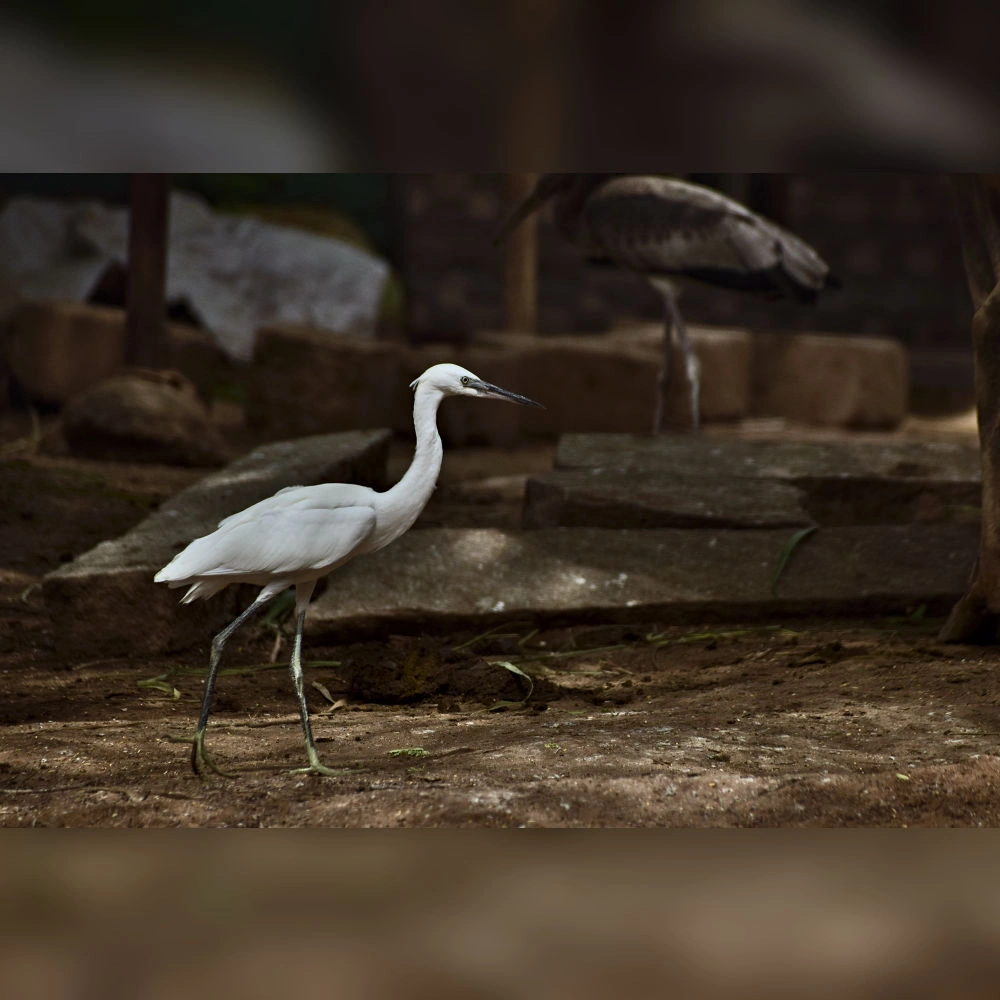
Little Egret
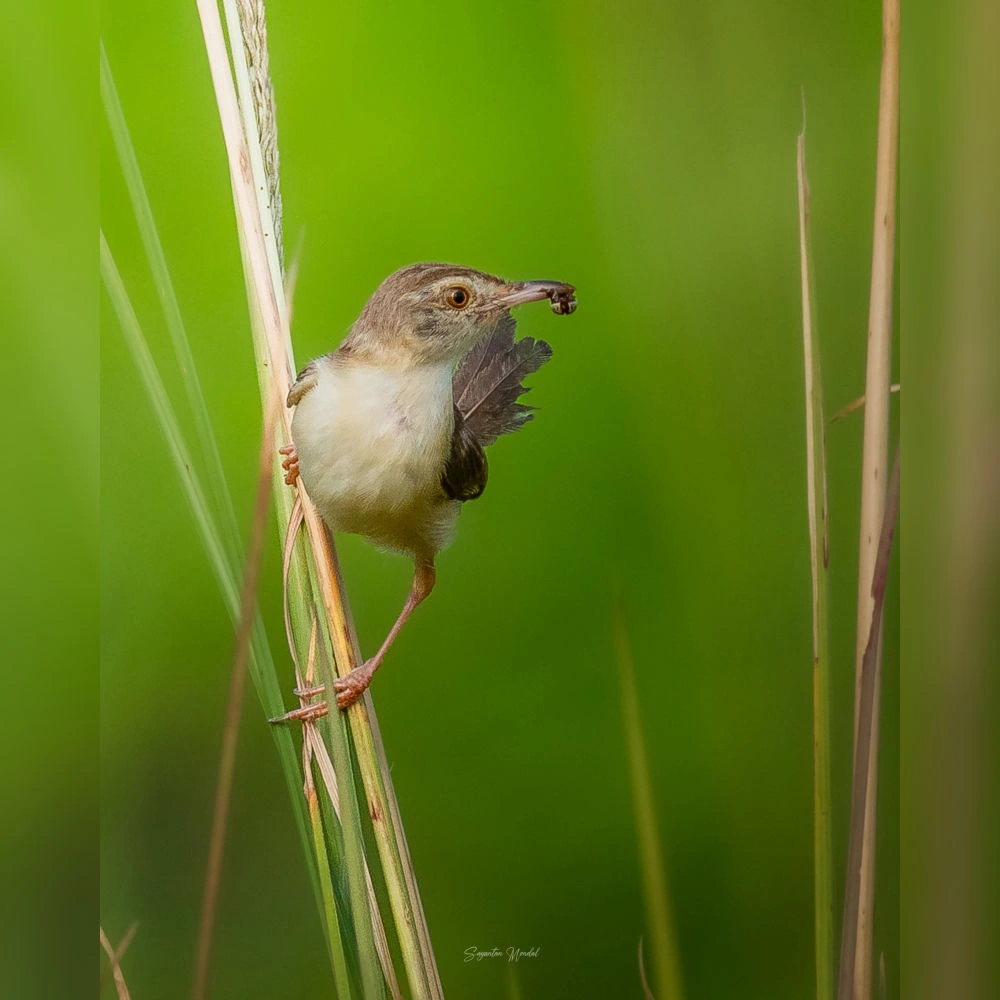

Plain Prinia
Summary of Walk
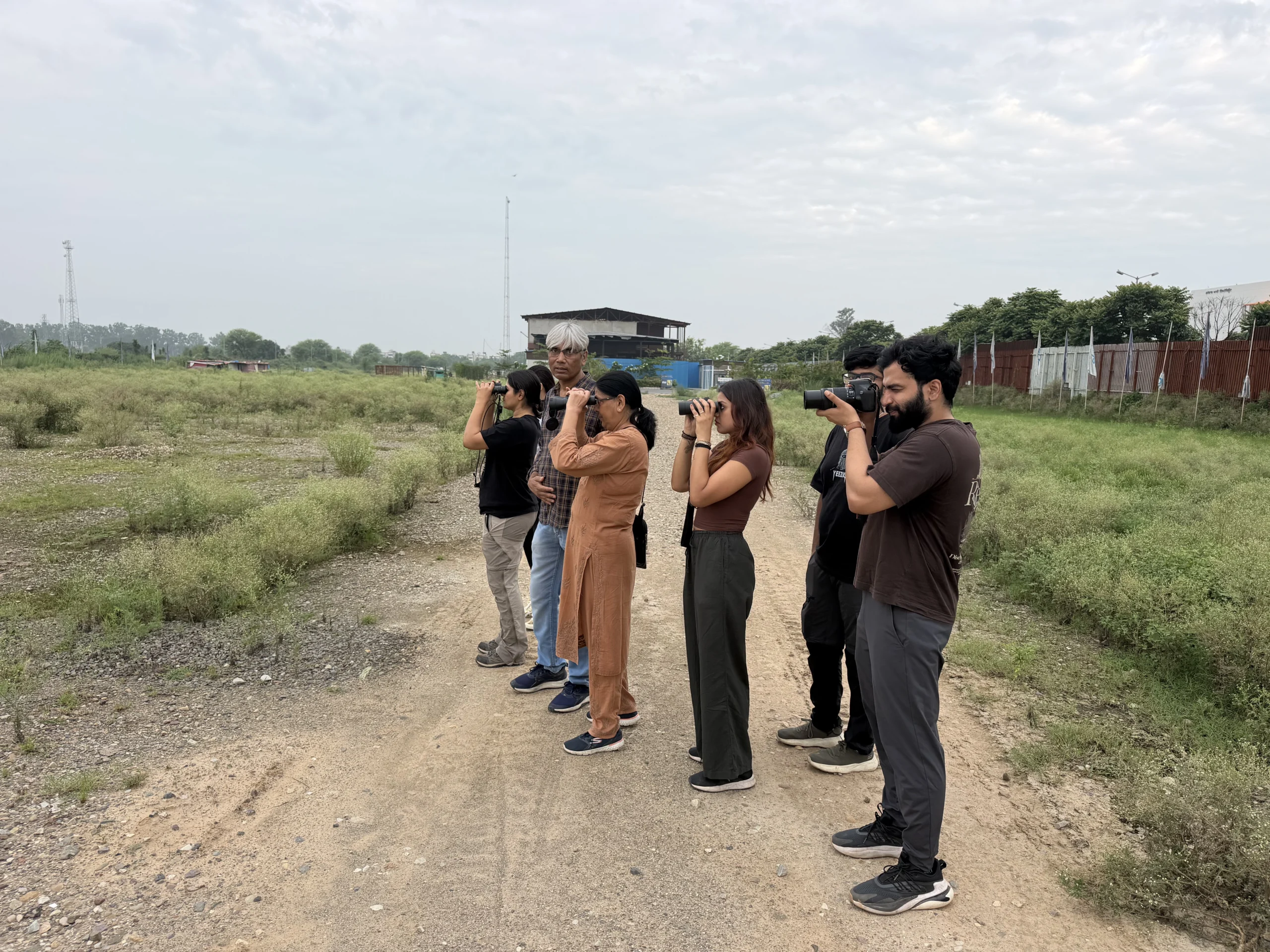
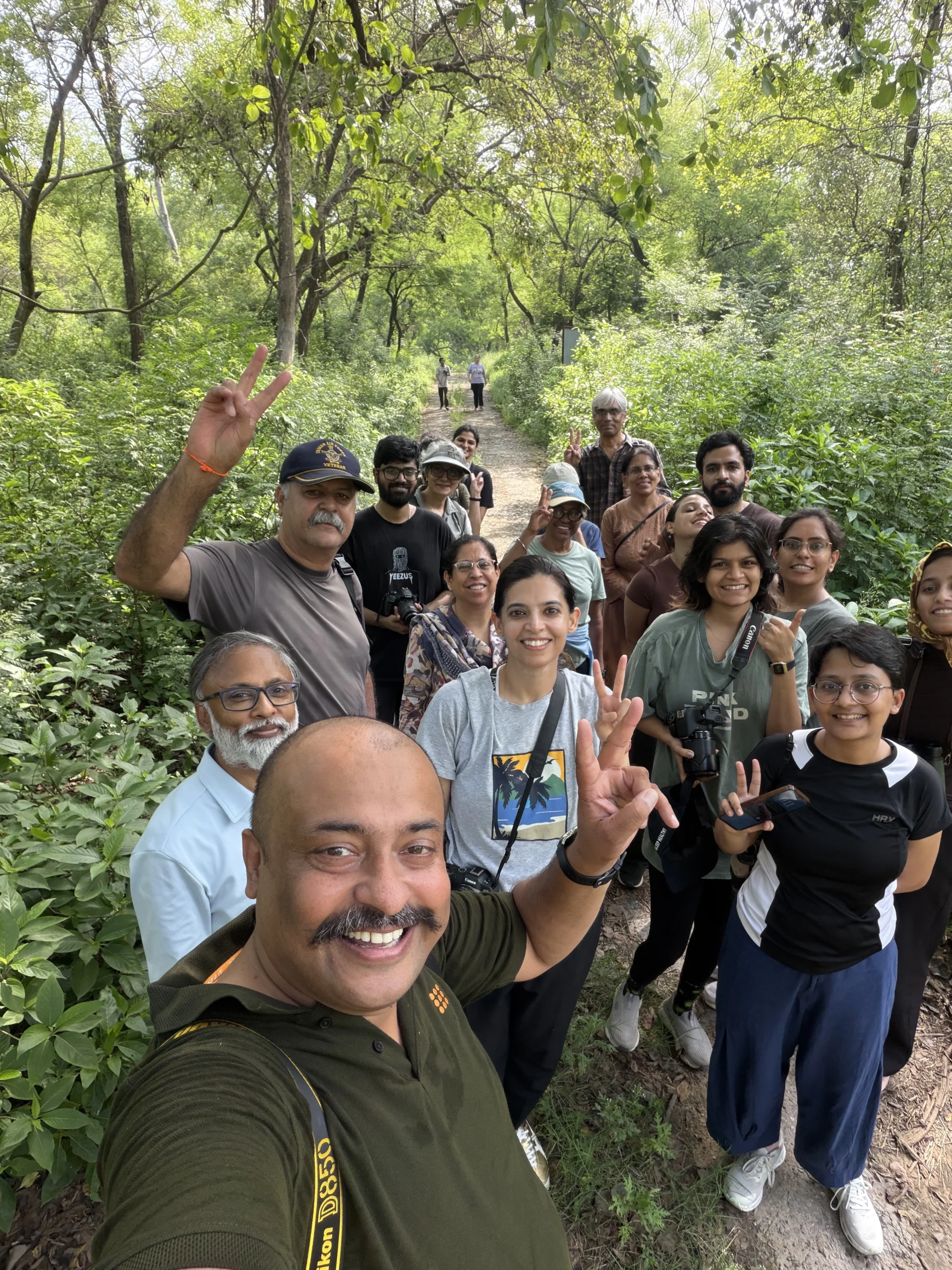
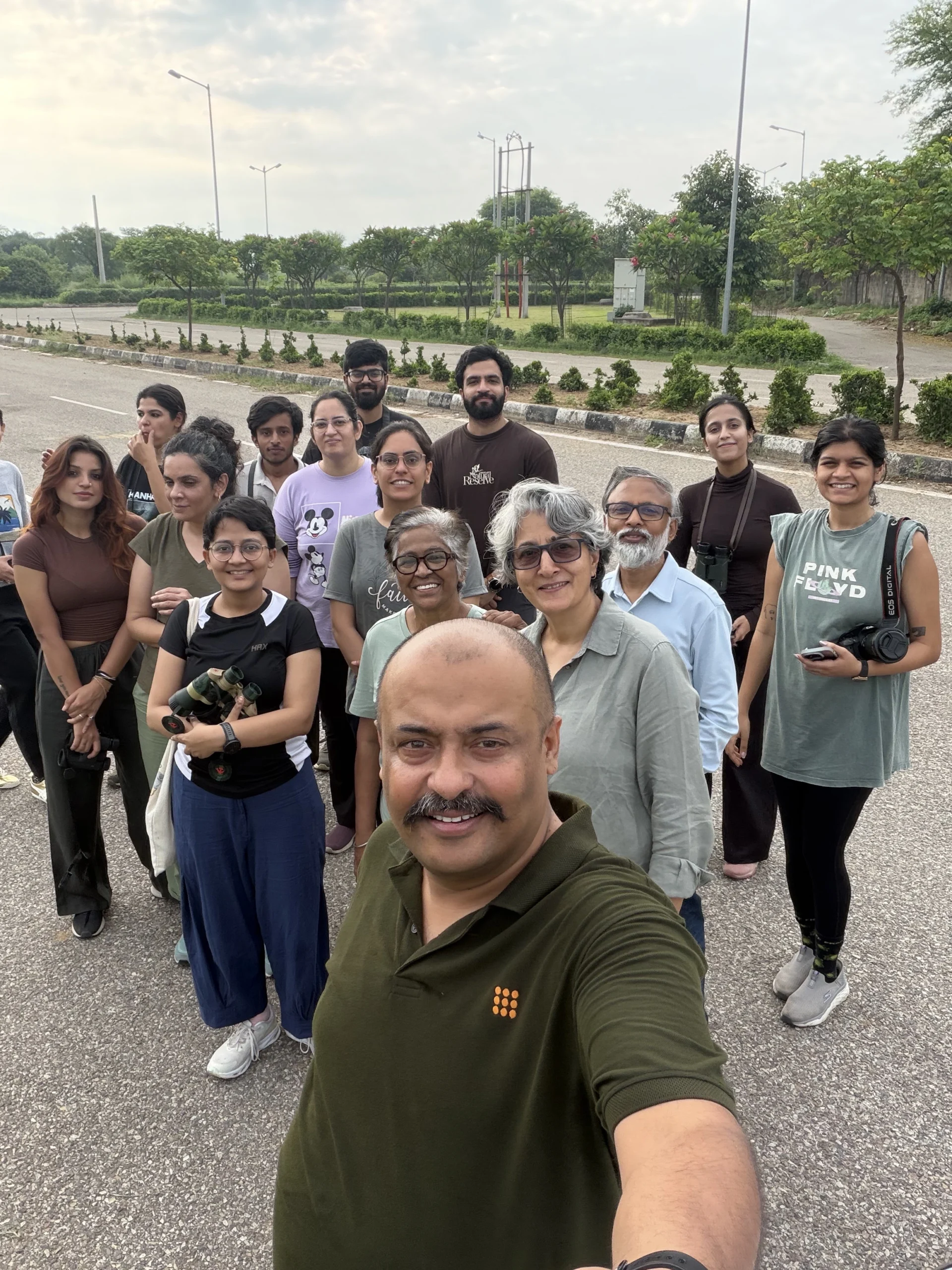
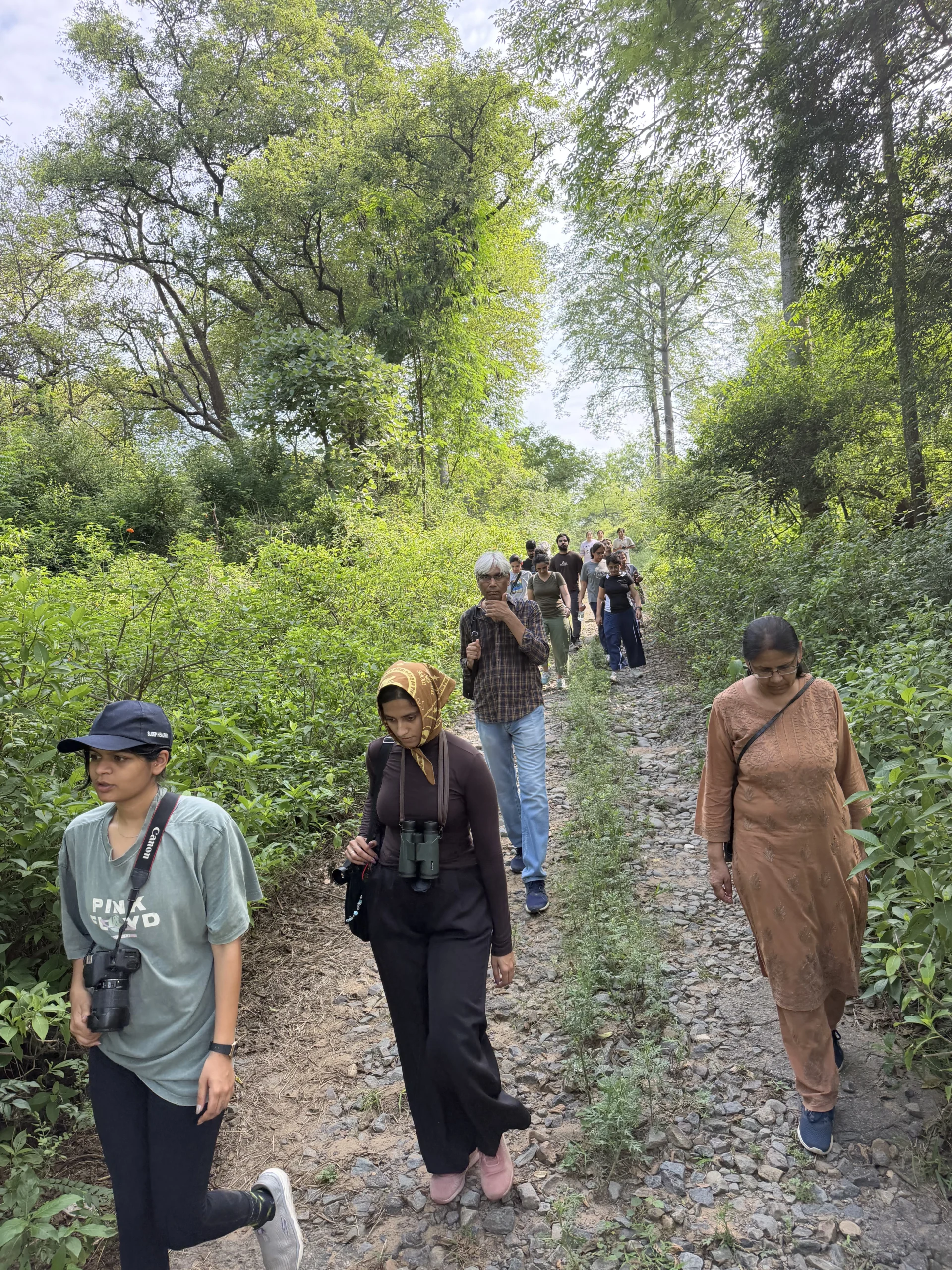
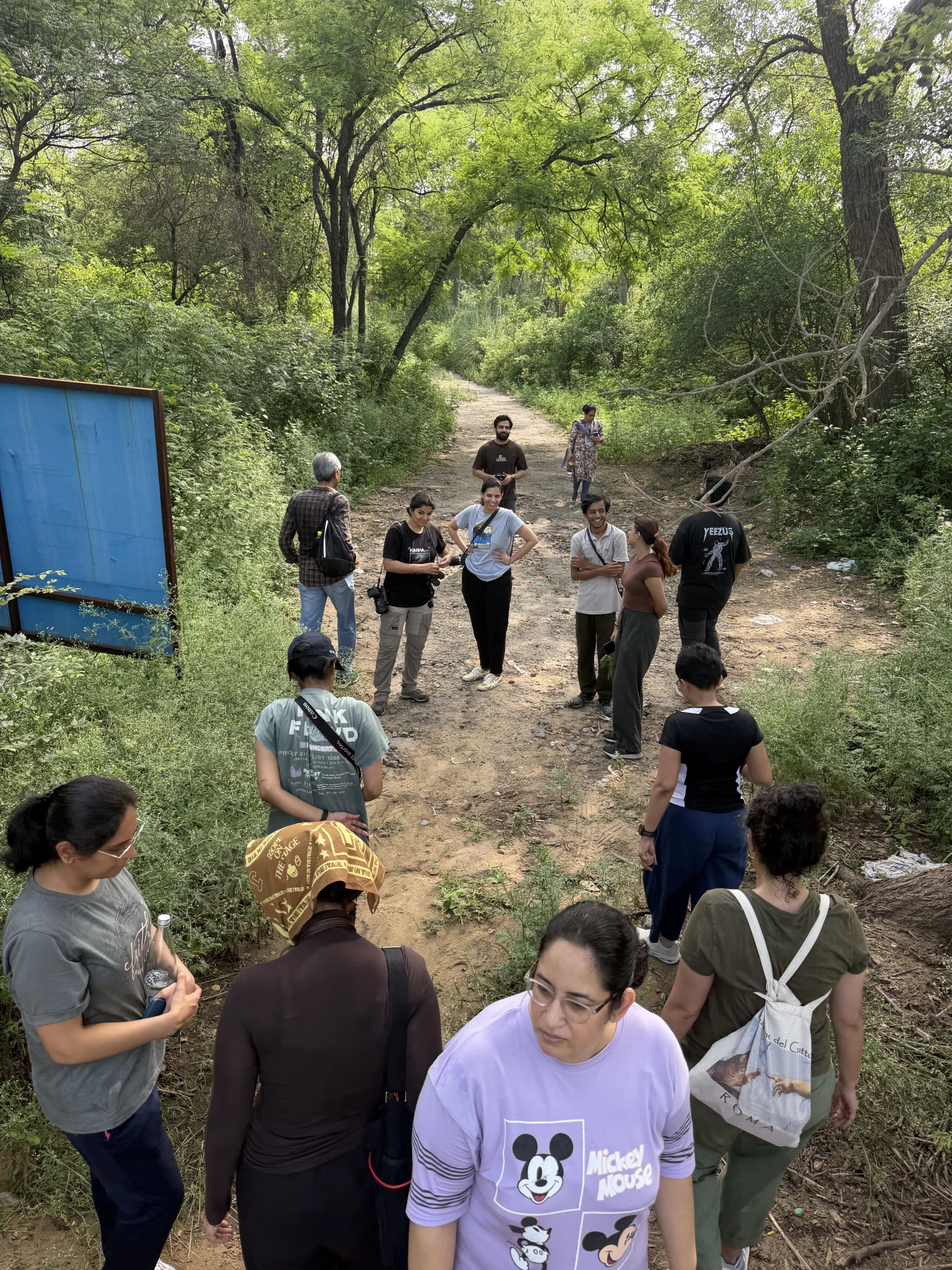
The guided bird walk at Siswan Forest, led by Pushkar Bali, brought together 21 participants for a rewarding morning of birdwatching in one of the Chandigarh region’s most scenic forest landscapes. Nestled at the foothills of the Shivalik Hills, Siswan Forest is known for its mix of woodland, scrub vegetation, and seasonal streams, making it an excellent habitat for a wide variety of resident and migratory birds. Throughout the walk, participants explored the forest trails while learning about bird identification, behaviour, and the importance of conserving native forest ecosystems. The pleasant surroundings and rich birdlife created an engaging experience for both beginners and experienced birdwatchers alike. By the end of the session, the group had recorded an impressive 43 bird species, reflecting the remarkable biodiversity supported by this thriving forest habitat.
Among the standout sightings of the morning were the beautiful Blue-throated Flycatcher, the well-camouflaged Ashy-crowned Sparrow-Lark, and the elusive Black Francolin, all of which delighted participants and became the highlights of the walk. These observations offered excellent opportunities to discuss habitat preferences, feeding behaviour, and the ecological role of forest birds within the region. Siswan Forest continues to be an important natural refuge, providing ideal conditions for birdwatching while promoting environmental awareness and appreciation for local biodiversity. The walk served as a wonderful reminder that spending a few hours in nature can deepen our understanding of wildlife and inspire greater efforts toward conserving these valuable green spaces for future generations.