

Loading Events

Bird Walk at Song River (Haridwar Road), Dehradun

About Song River, Haridwar Road

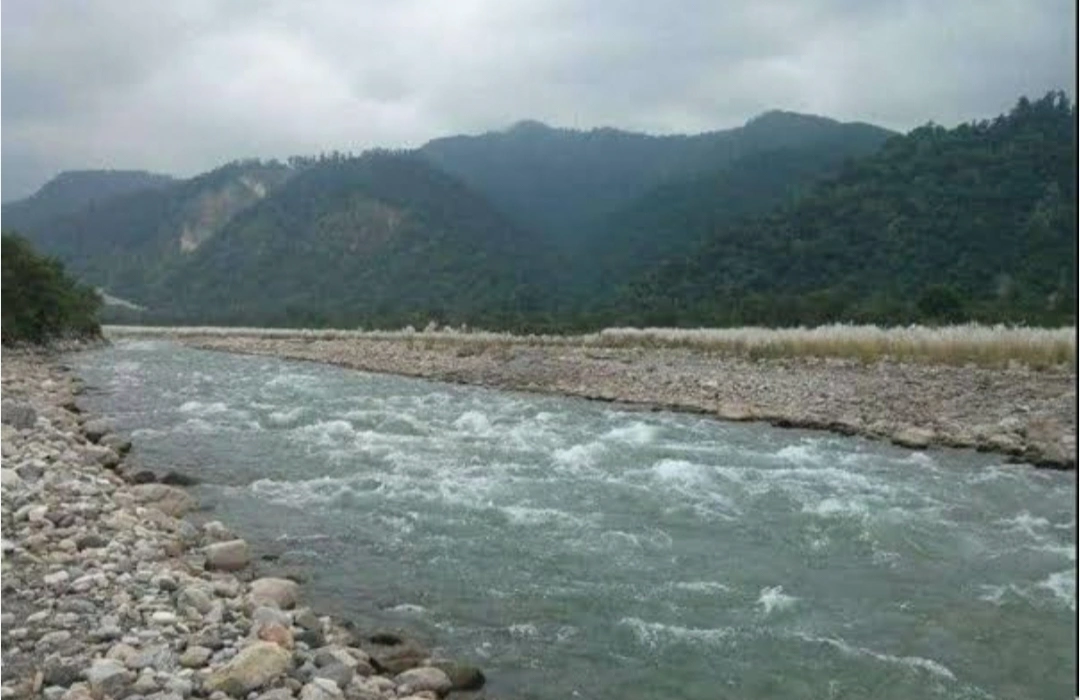
Flowing along the eastern edge of Dehradun, the Song River is a beautiful Himalayan foothill river that meanders through wide gravel beds, shallow pools, riparian forests, agricultural fields, and patches of scrub vegetation before joining the Ganges. This diverse riverine landscape supports an abundance of aquatic life, native trees, shrubs, butterflies, reptiles, and mammals, making it one of the most ecologically important natural habitats in the Doon Valley. The combination of flowing water, open riverbanks, and wooded edges creates ideal conditions for a rich variety of resident and seasonal birds.
The Song River is a favourite destination for birdwatchers and wildlife photographers, offering rewarding sightings throughout the year. Its riverbanks attract specialised riverine birds, while the surrounding forests and villages support colourful woodland and garden species. However, increasing urbanisation, sand mining, pollution, habitat degradation, and human disturbance threaten the ecological health of the river. Protecting this important river ecosystem through sustainable management and community-led conservation is essential to preserving its rich biodiversity.

Bird Guide: Dr Garima Singh

Dr. Garima Singh holds a Ph.D. from the Zoological Survey of India, specializing in avian acoustics, and an M.Phil. in avian chronobiology. With over five years of experience, her work spans ethology, zoosemiotics, and avian ecology. She combines strong research expertise with field-based insights, bringing a nuanced understanding of bird behavior and communication.
Bird walk Location

Common birds of Song River, Haridwar Road

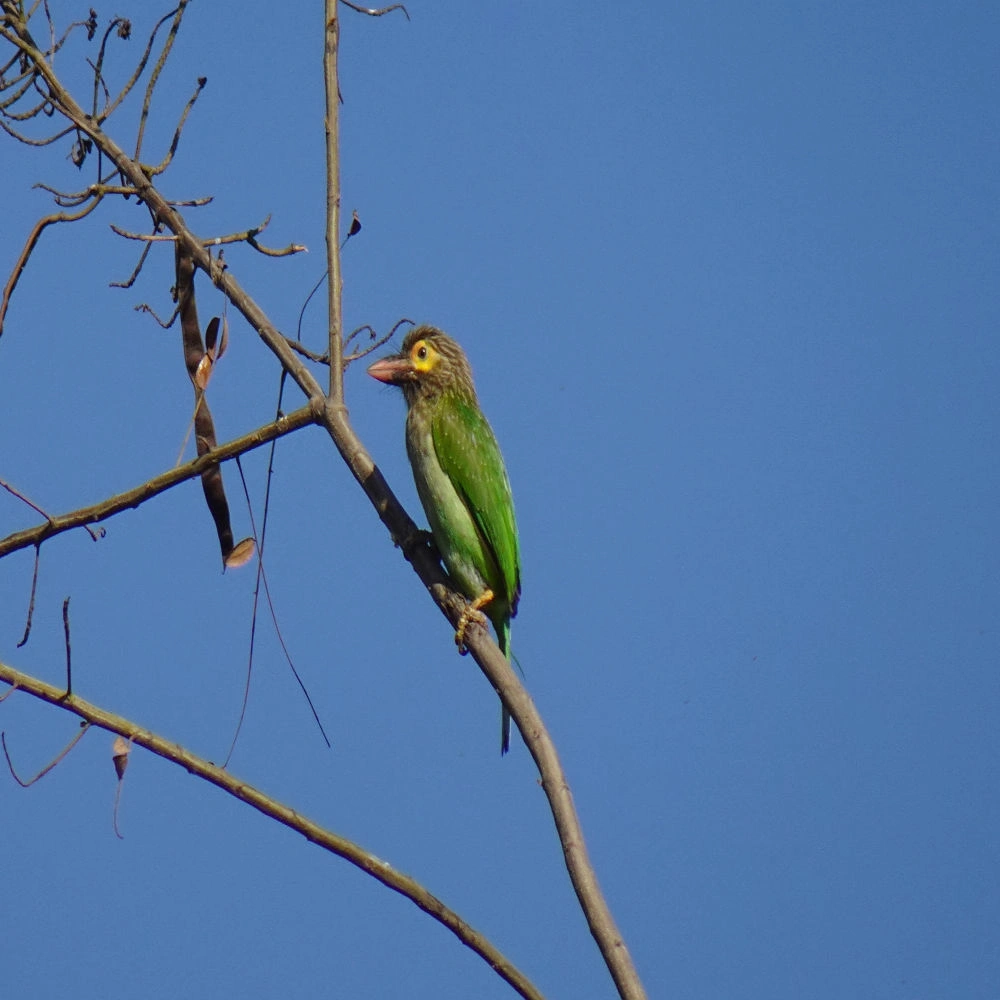
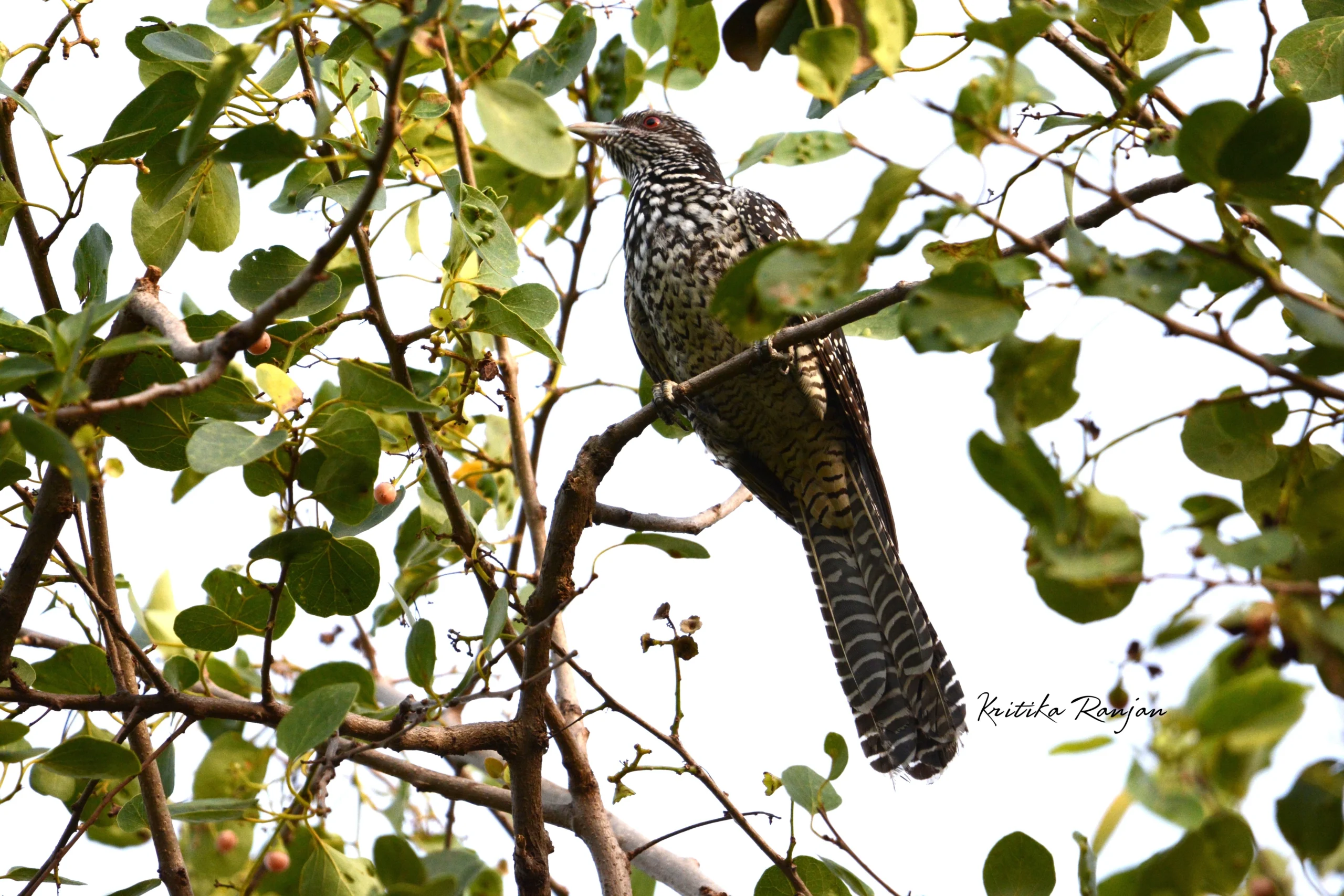
The Song River supports an excellent diversity of riverine, woodland, and urban birds, making it one of Dehradun’s most rewarding birding locations. Along the gravel banks, River Lapwings and Red-wattled Lapwings patrol the shoreline, while Indian Pond-Herons and Eastern Cattle-Egrets forage in the shallow waters. The surrounding trees are home to magnificent Oriental Pied Hornbills, Indian Grey Hornbills, Brown-headed Barbets, Rose-ringed and Plum-headed Parakeets, and White-throated Kingfishers. Birdwatchers can also enjoy familiar species such as Oriental Magpie-Robins, Purple Sunbirds, Asian Koels, Common Tailorbirds, Jungle Babblers, Red-vented Bulbuls, and Black Kites, creating a vibrant birding experience throughout the year.
Asian Koel
Black Kite
Brown-headed Barbet
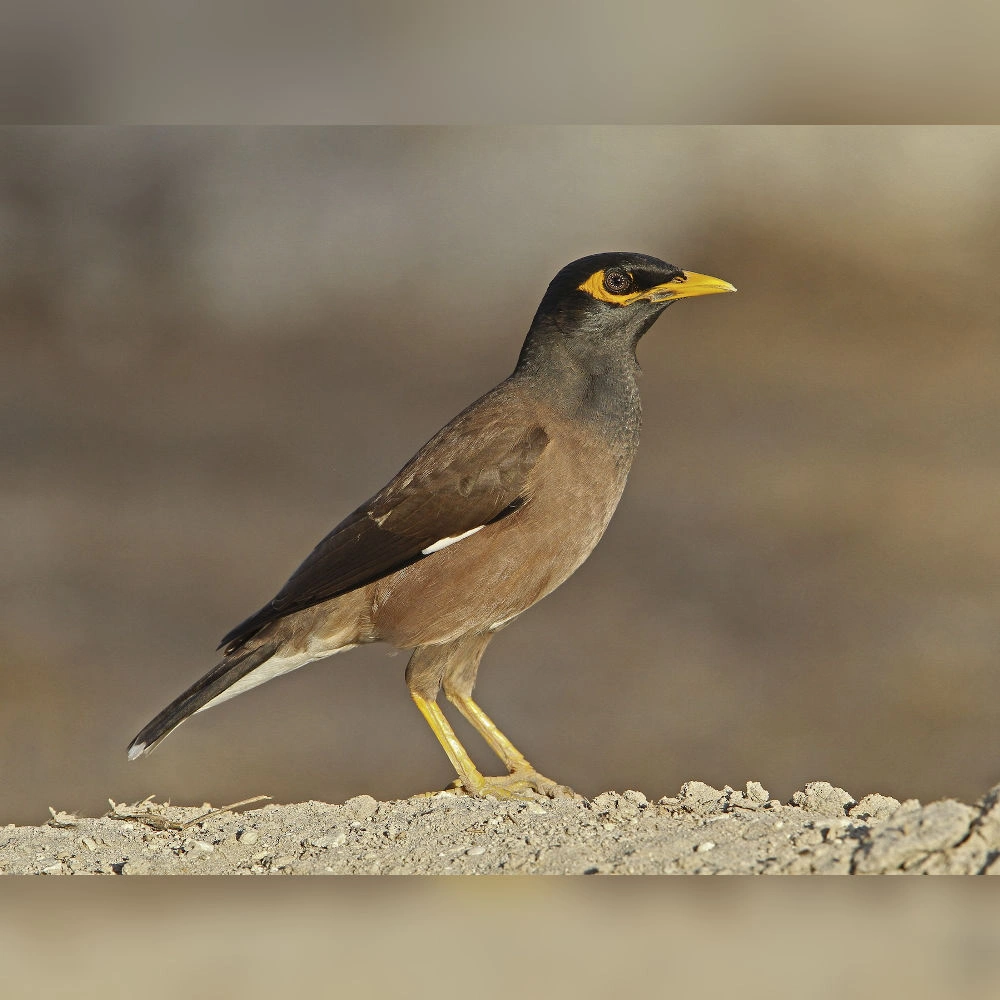
Common Myna
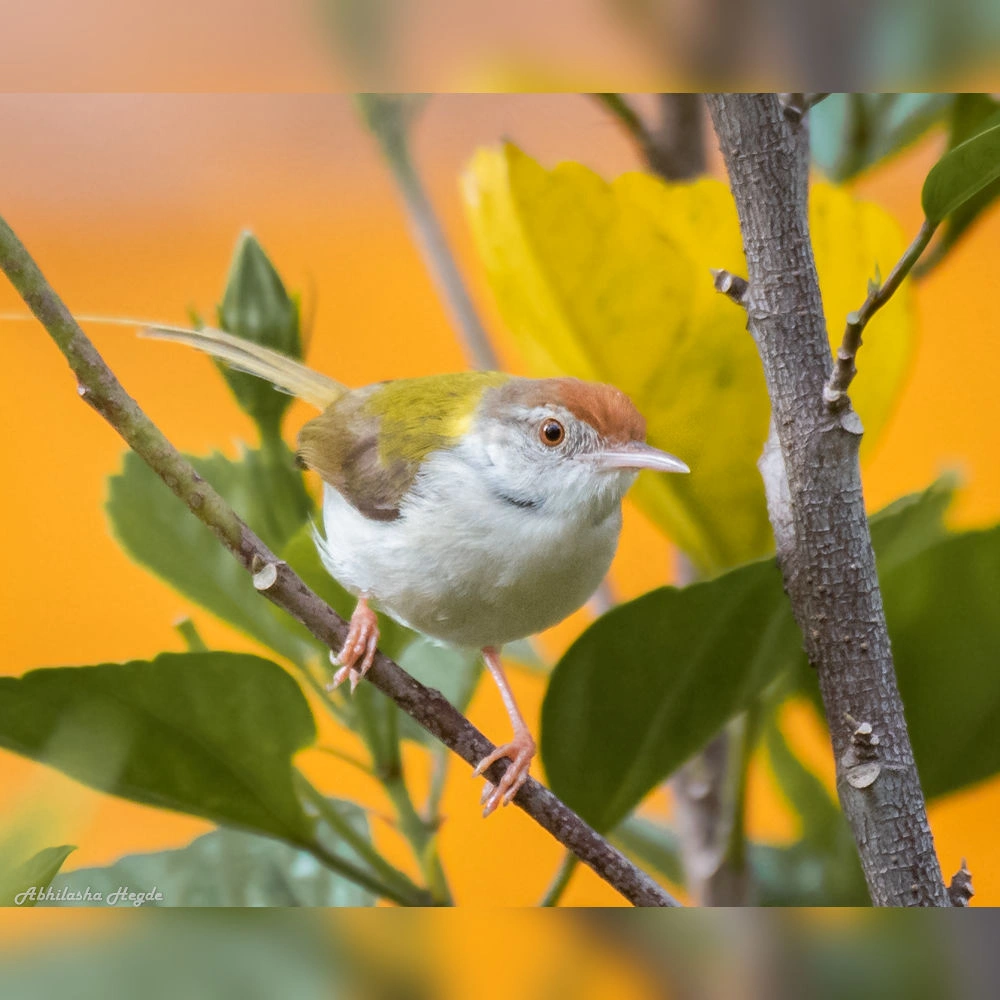
Common Tailorbird
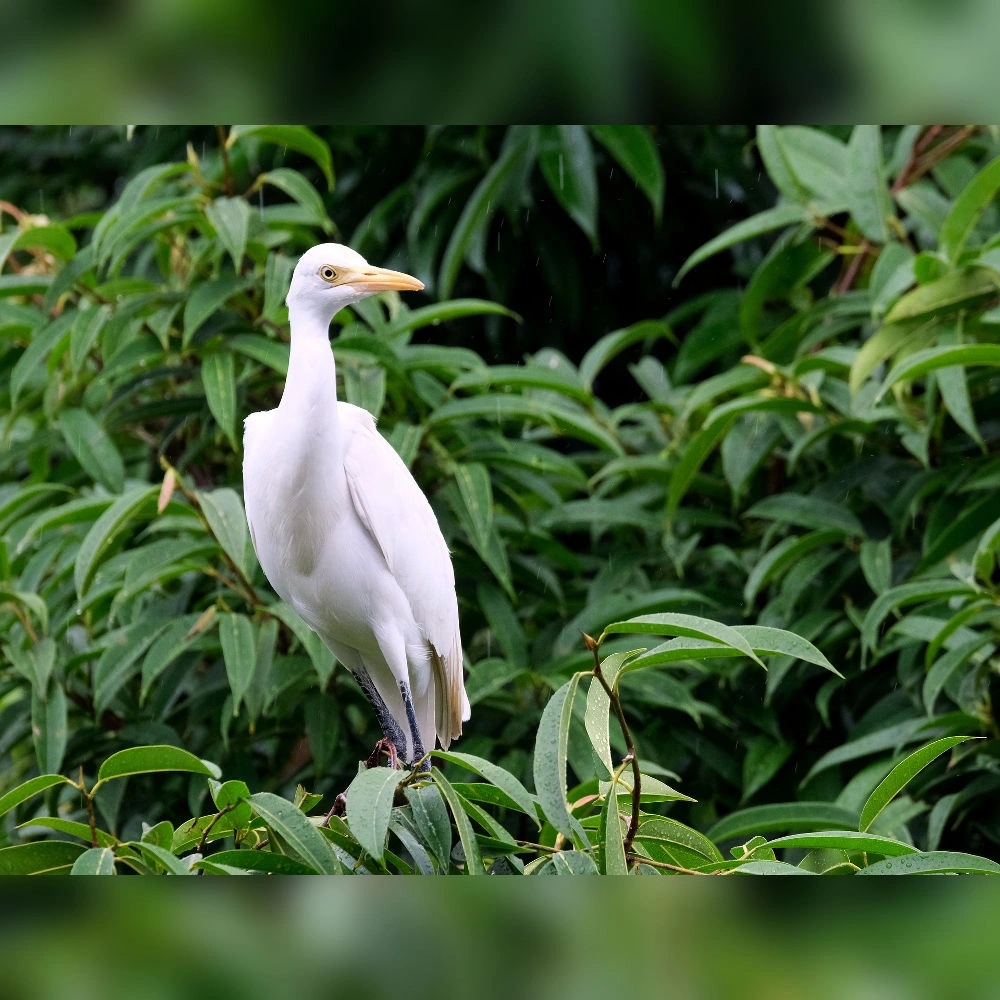
Eastern Cattle-Egret
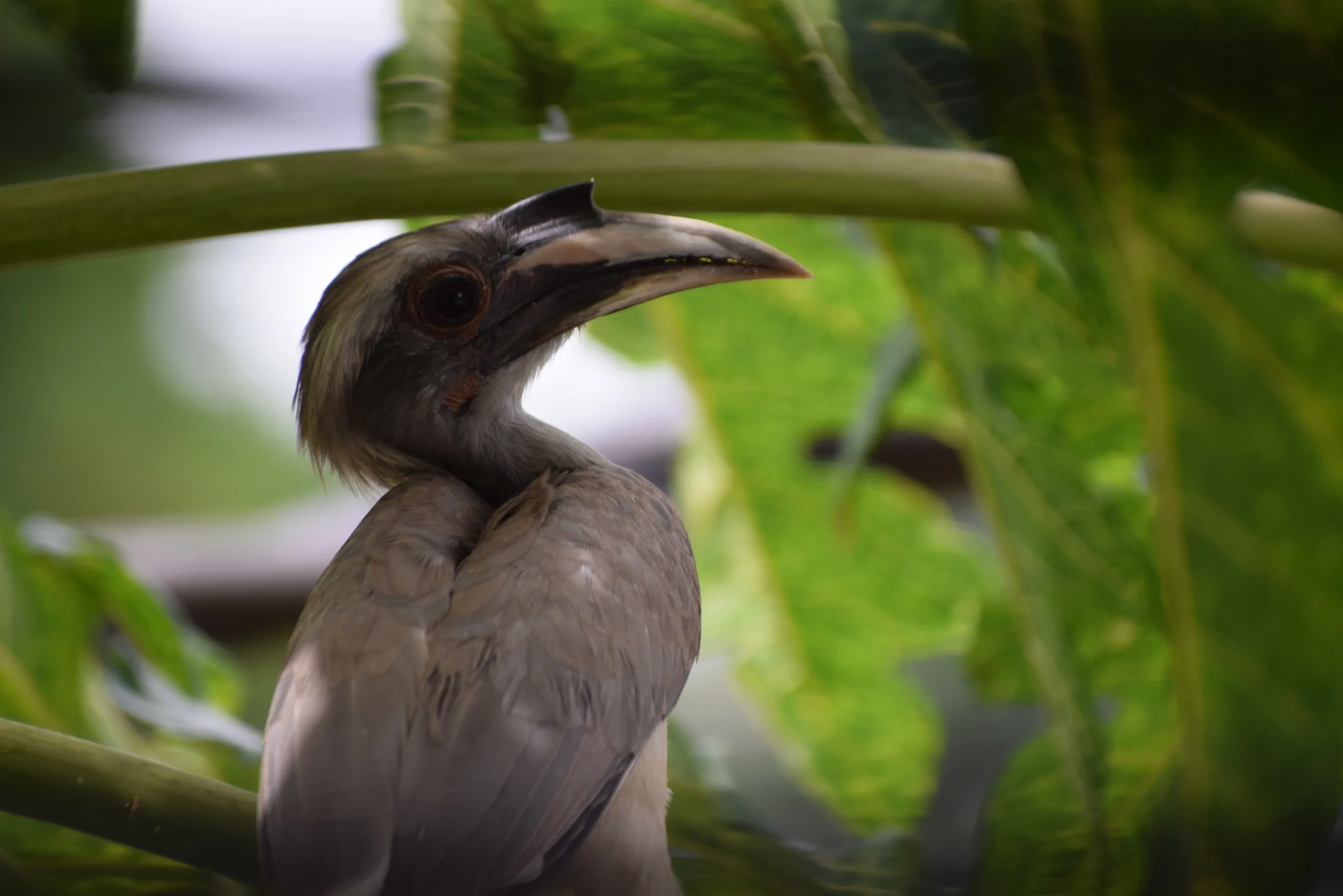
Indian Grey Hornbill
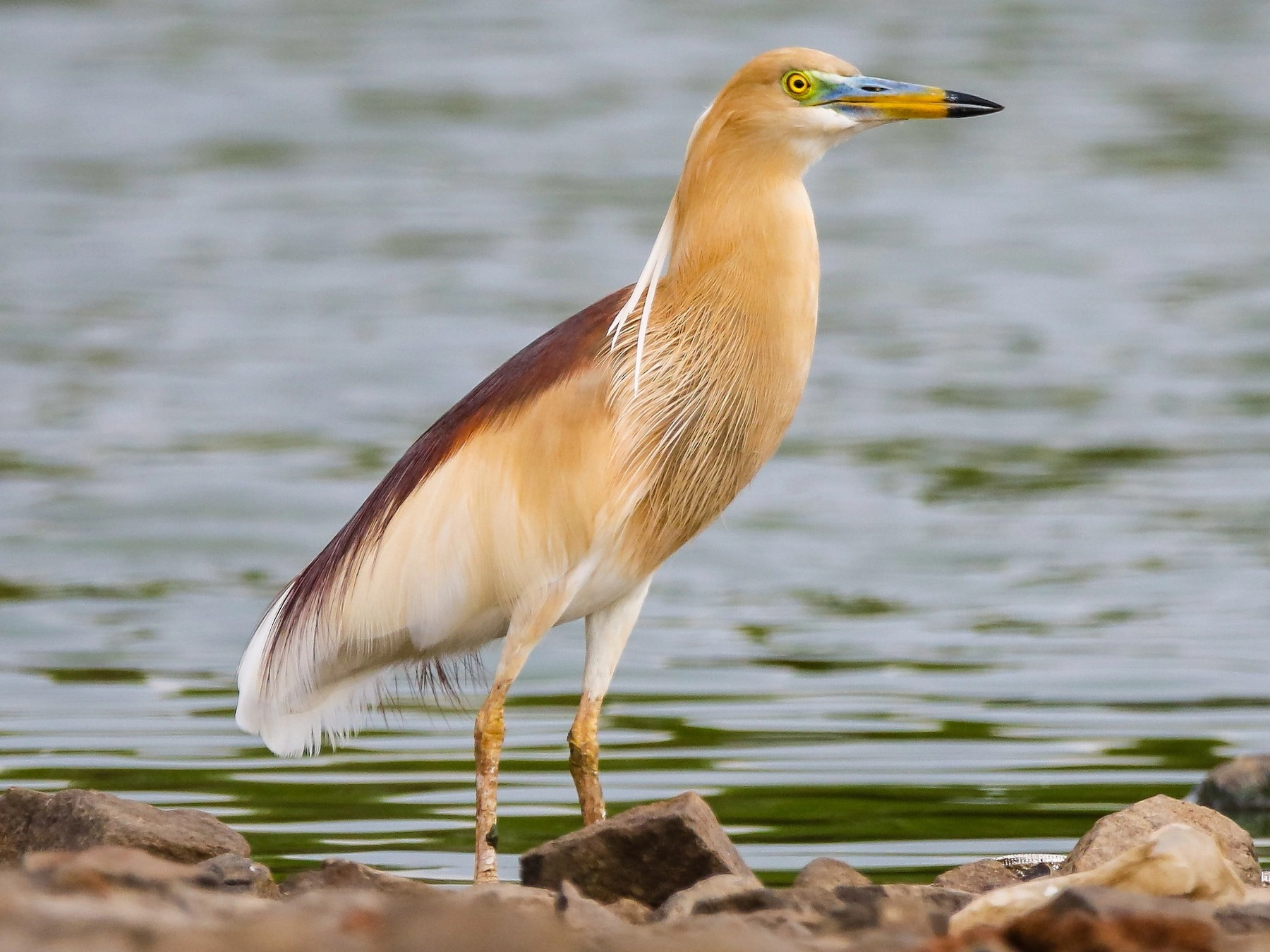
Indian Pond-Heron
Jungle Babbler
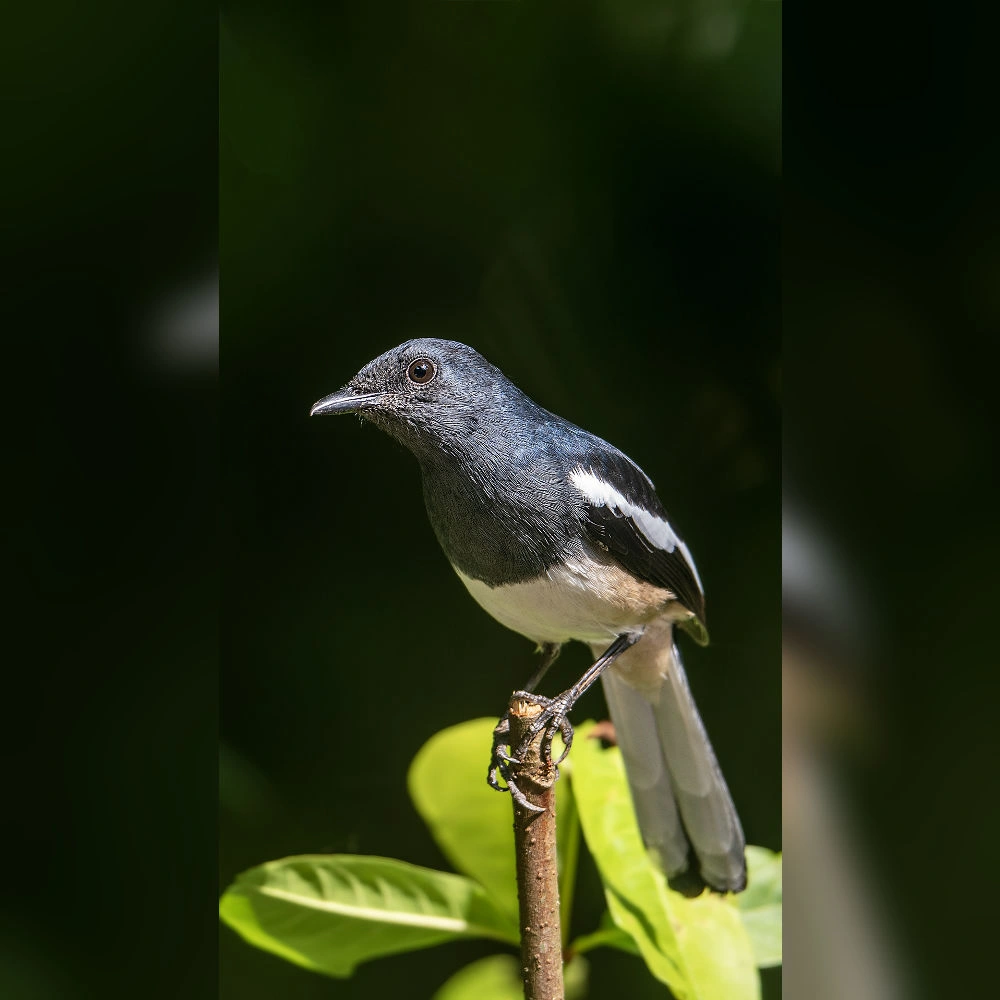
Oriental Magpie-Robin
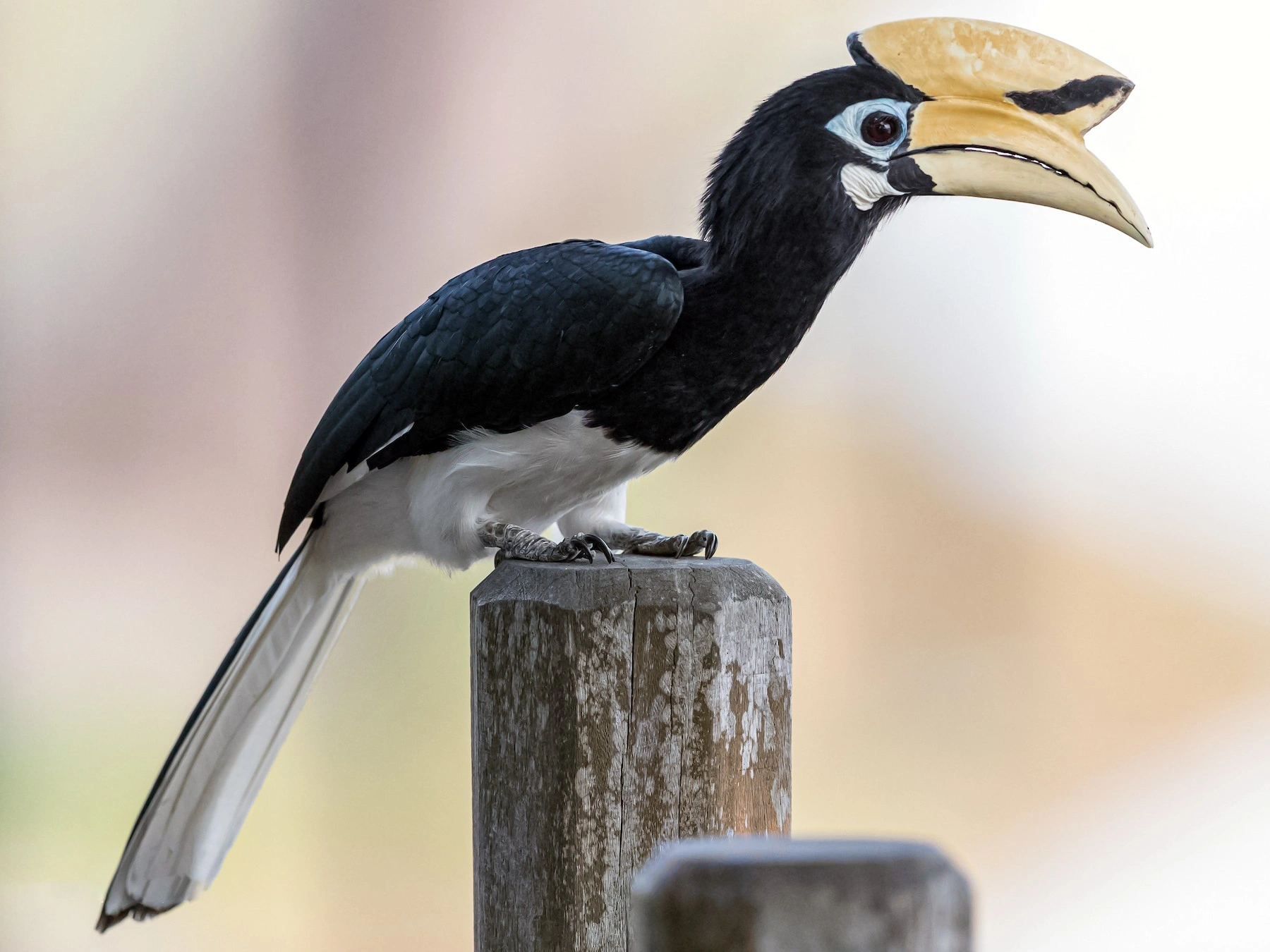
Oriental Pied Hornbill
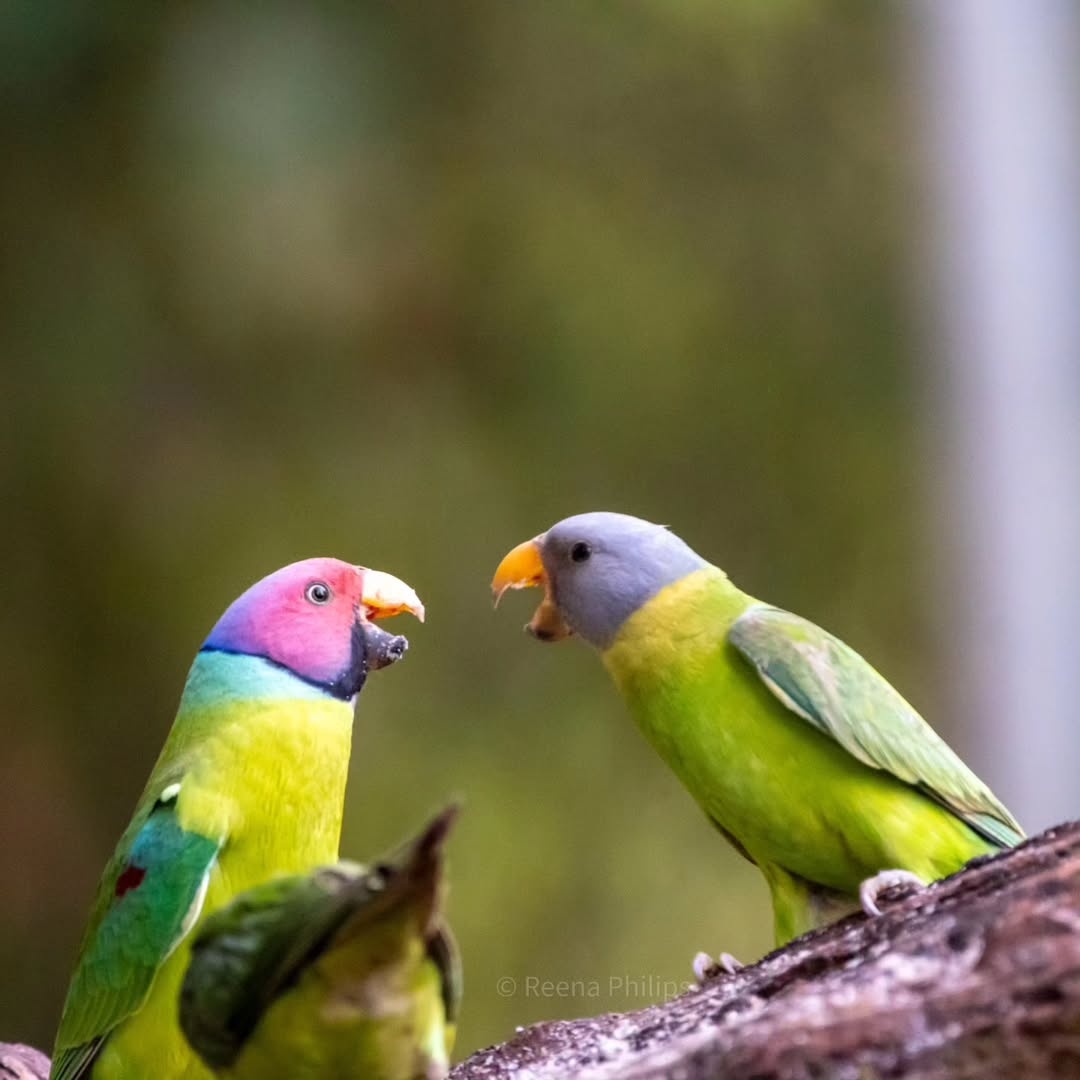
Plum-headed Parakeet
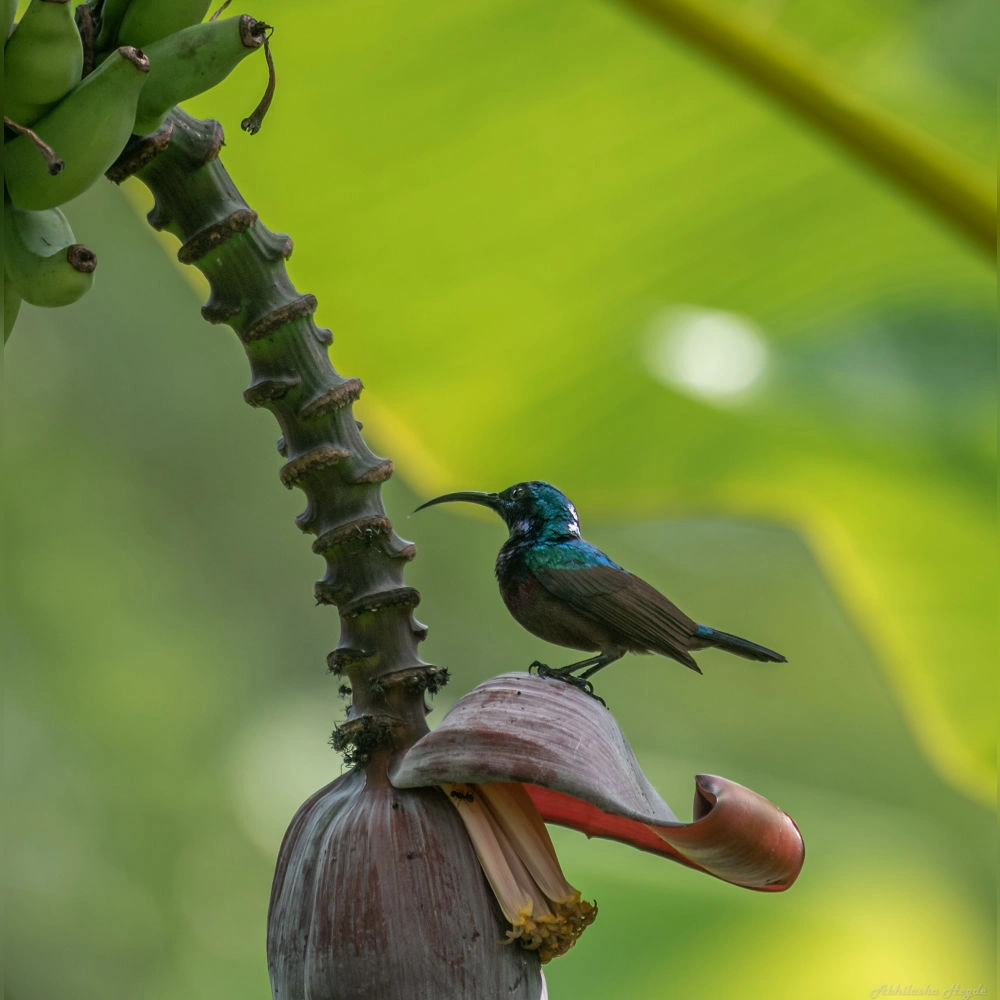
Purple Sunbird
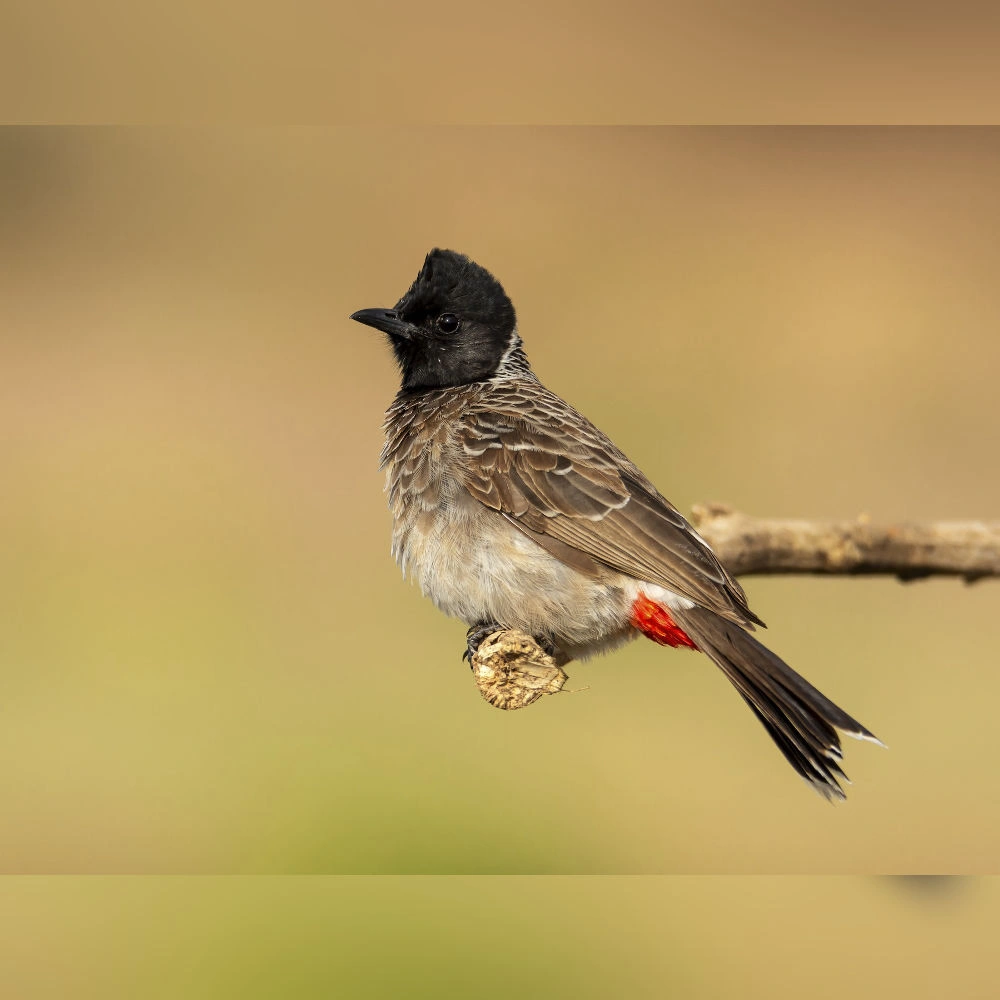
Red-vented Bulbul
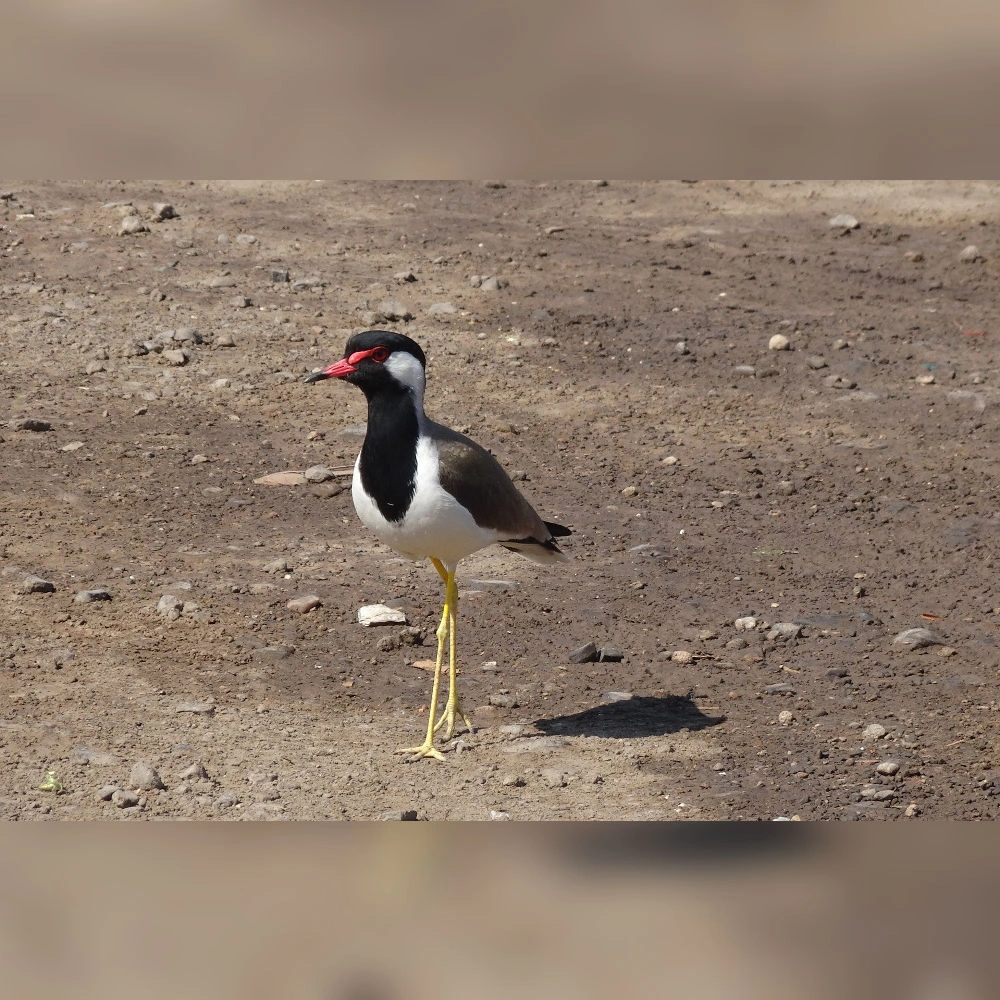
Red-wattled Lapwing
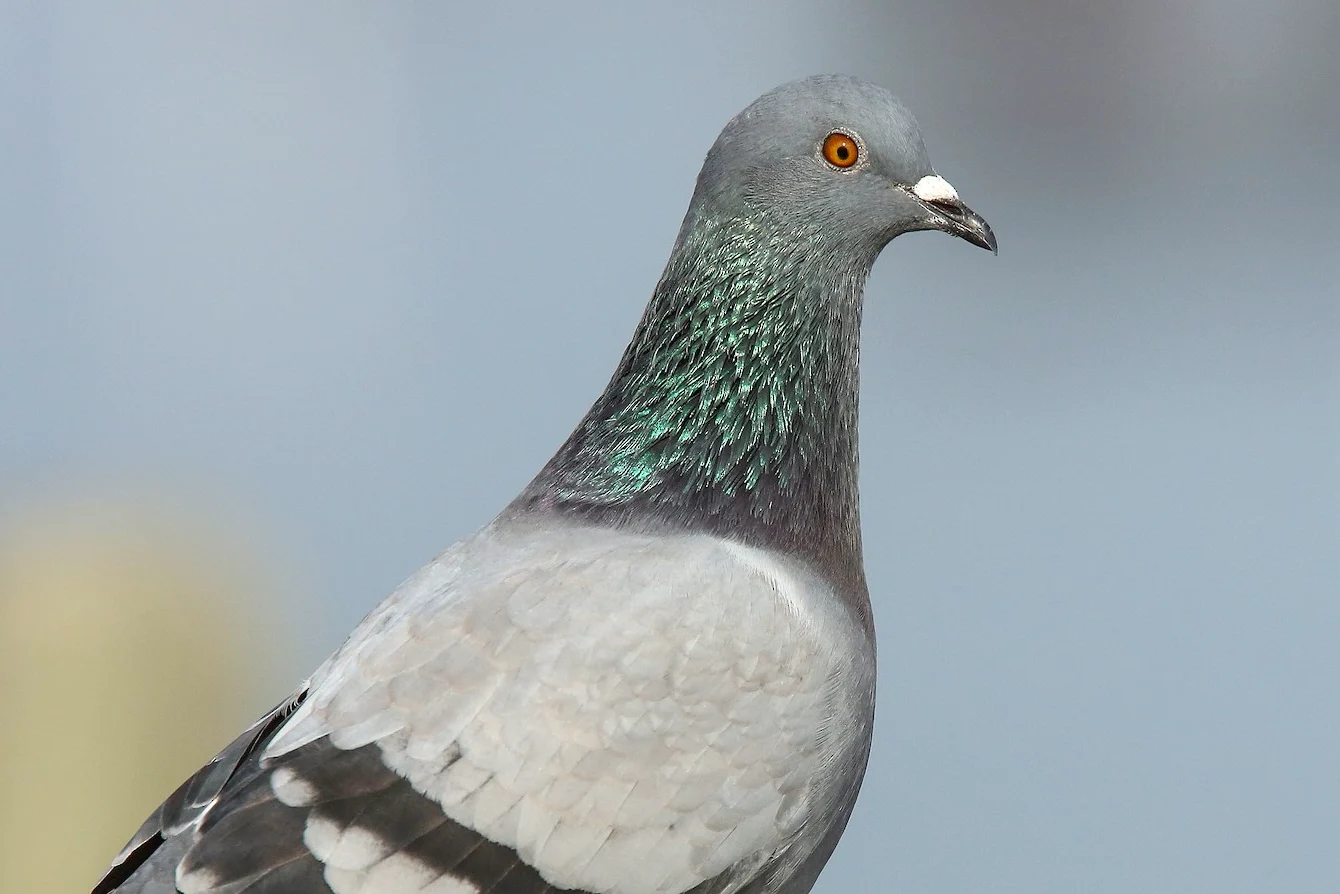
Rock Pigeon
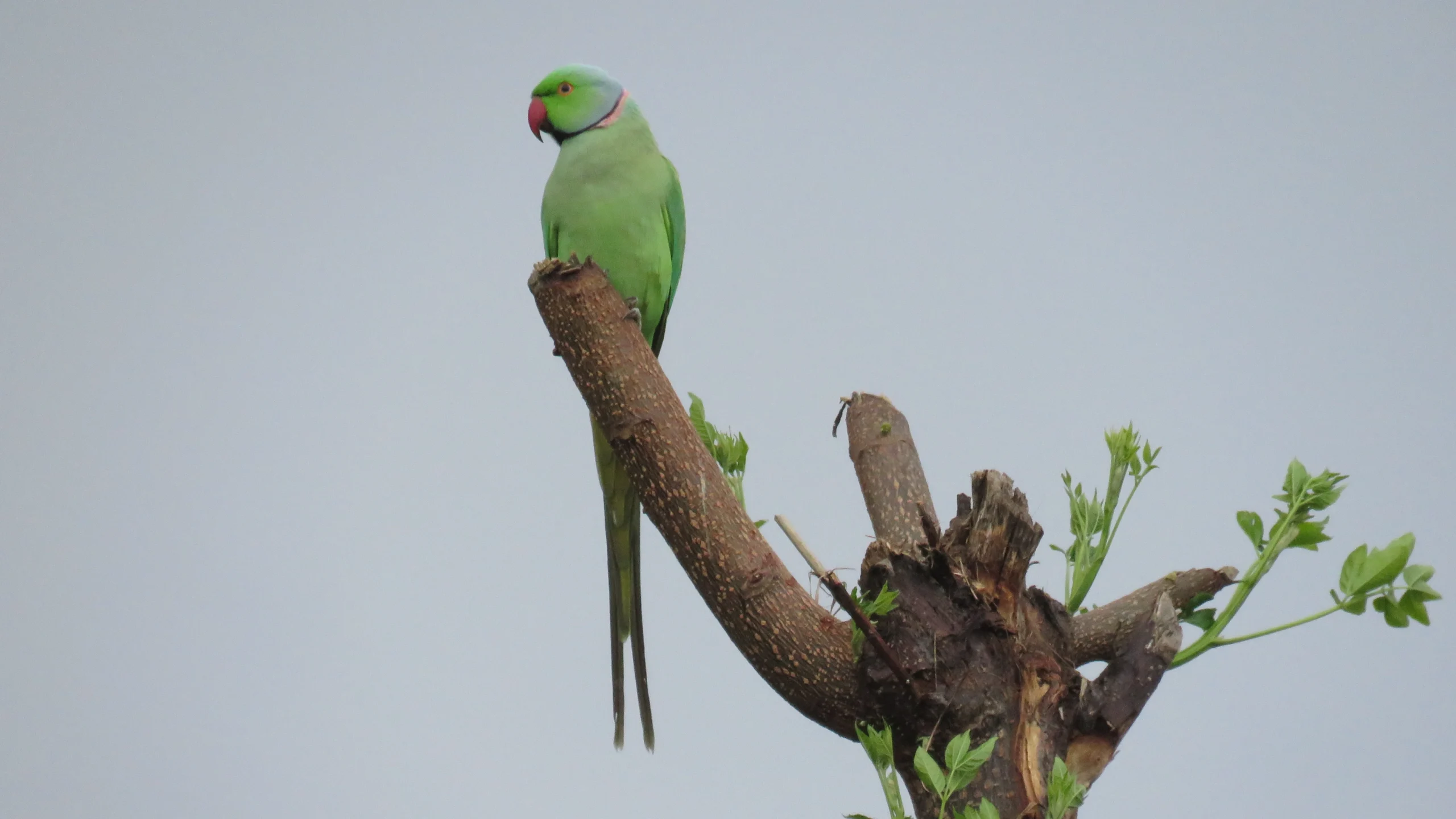
Rose-ringed Parakeet
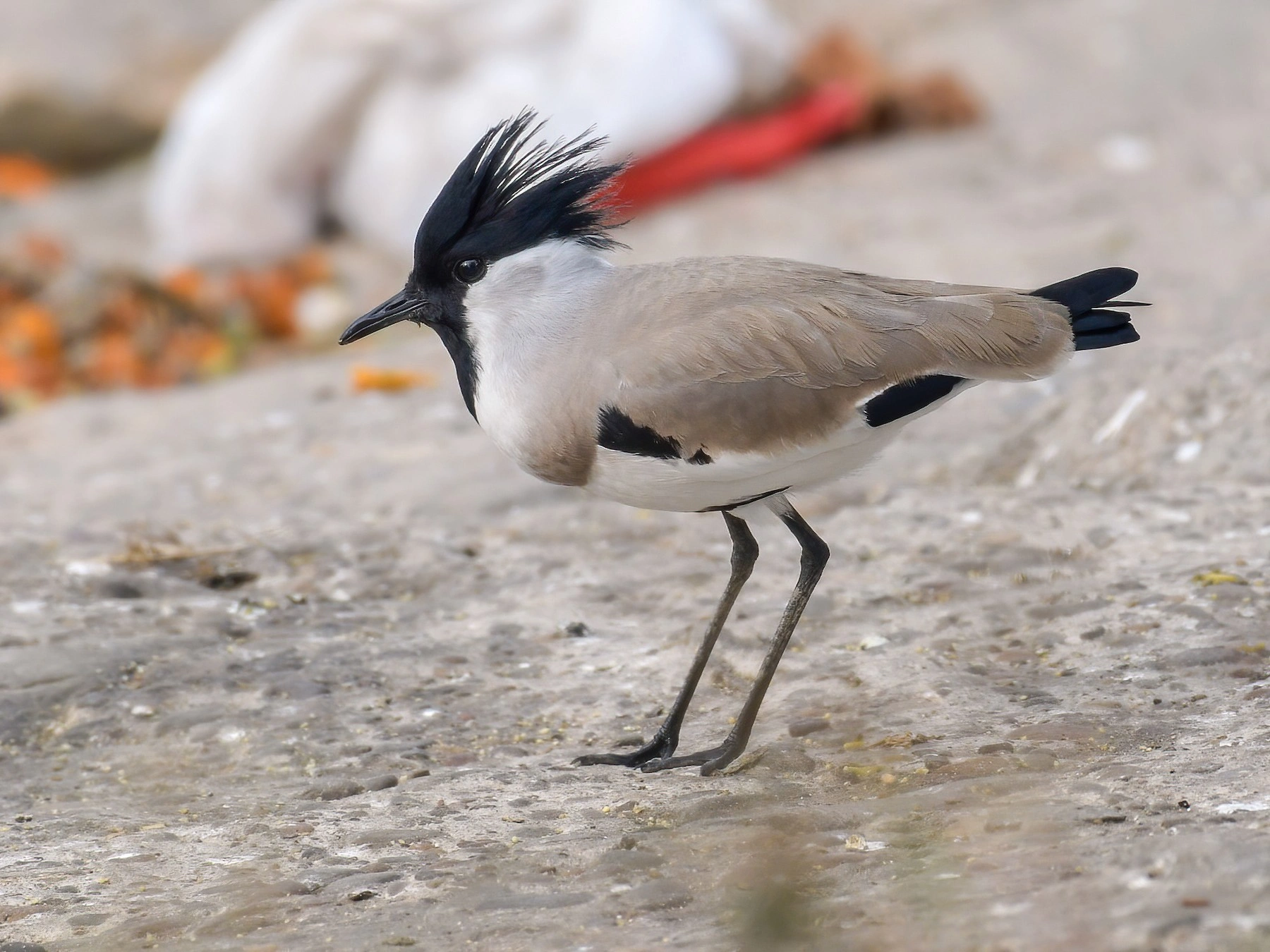
River Lapwing
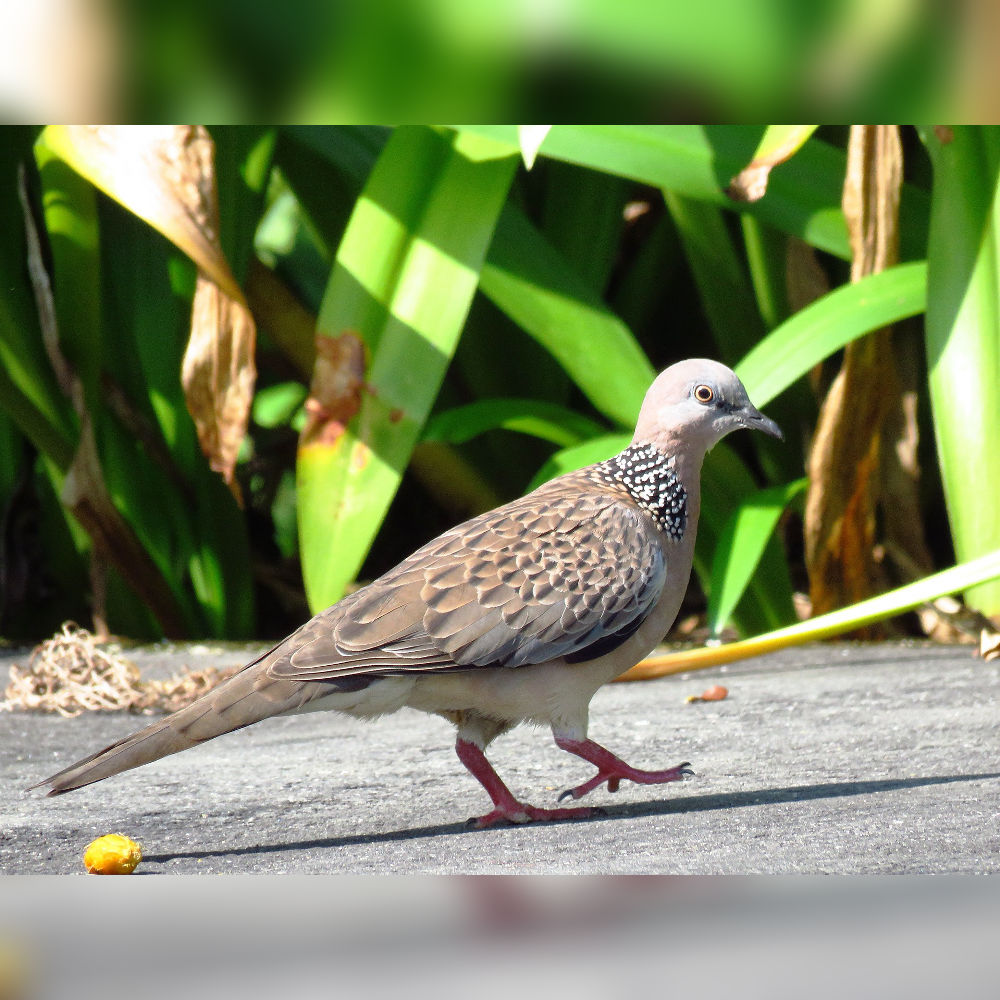
Spotted Dove
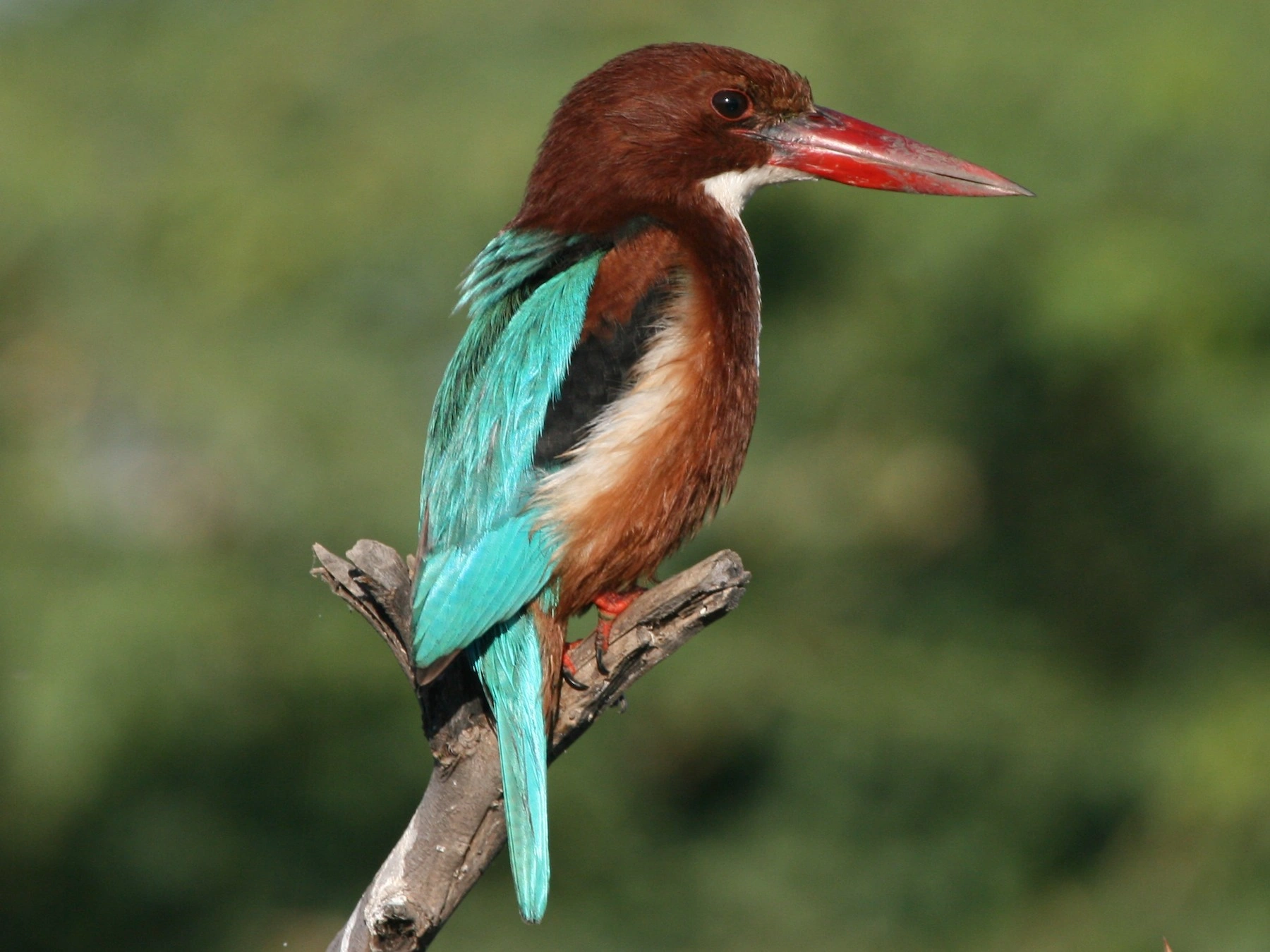
White-throated Kingfisher

Summary of Walk

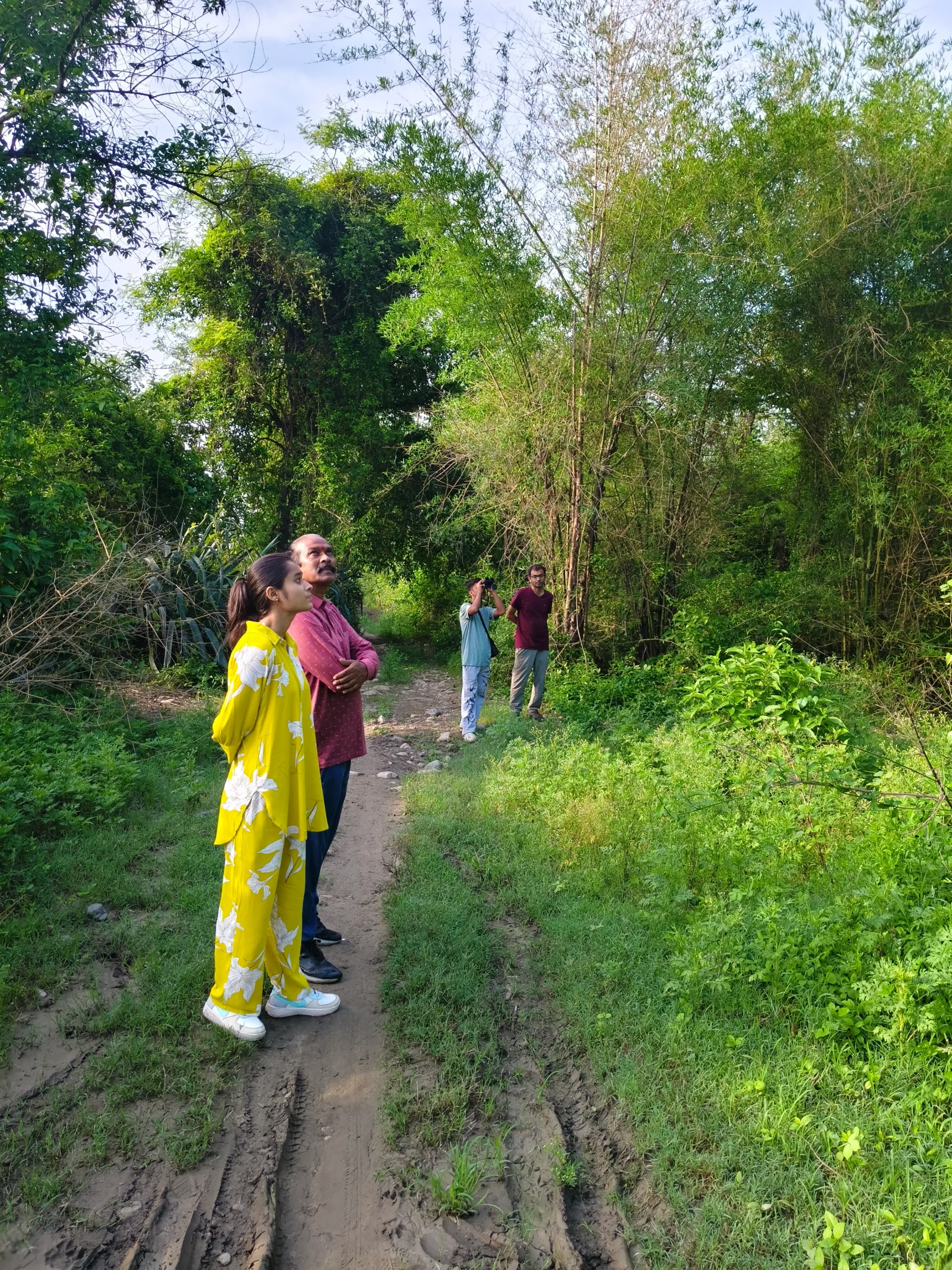
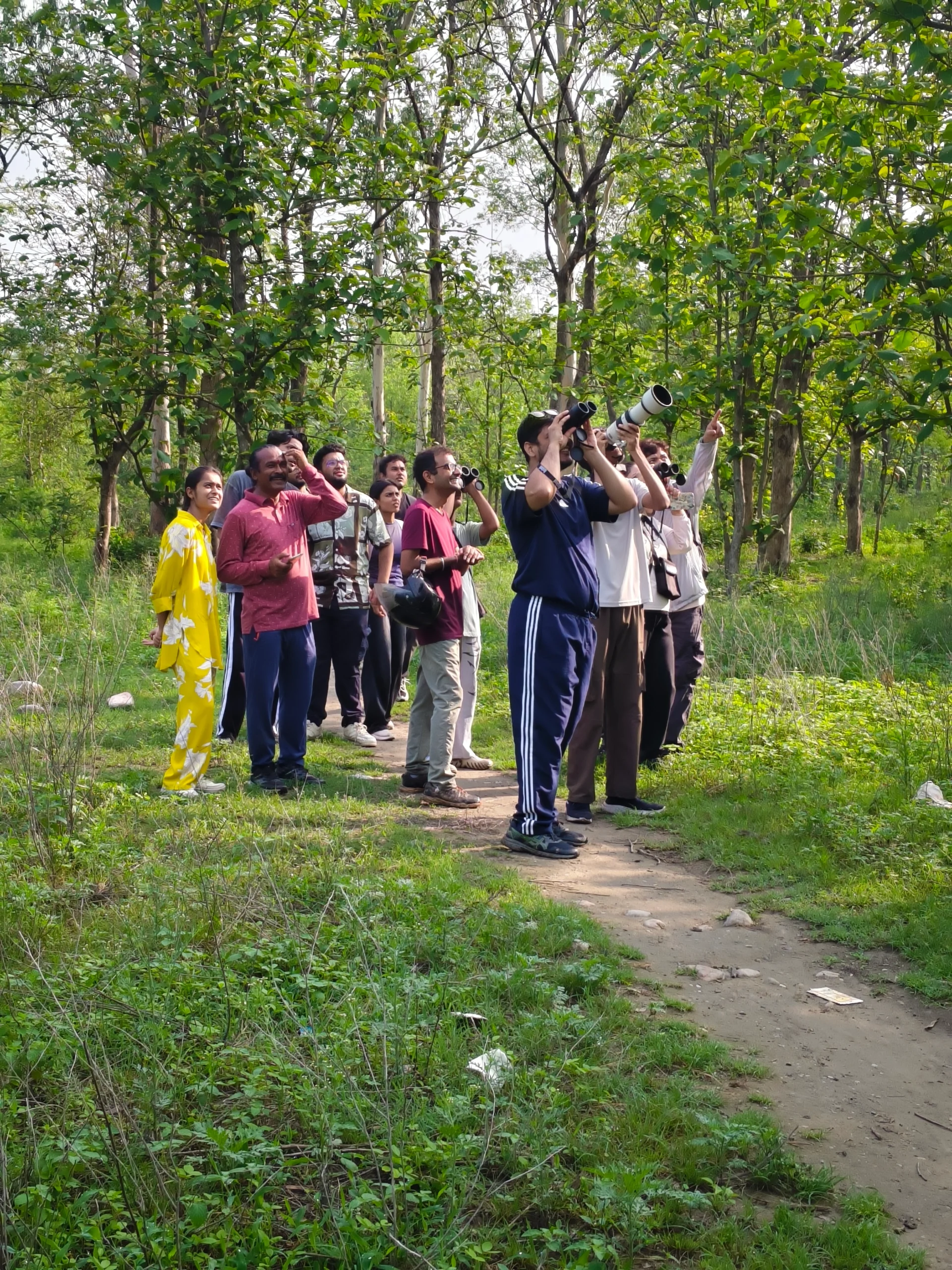
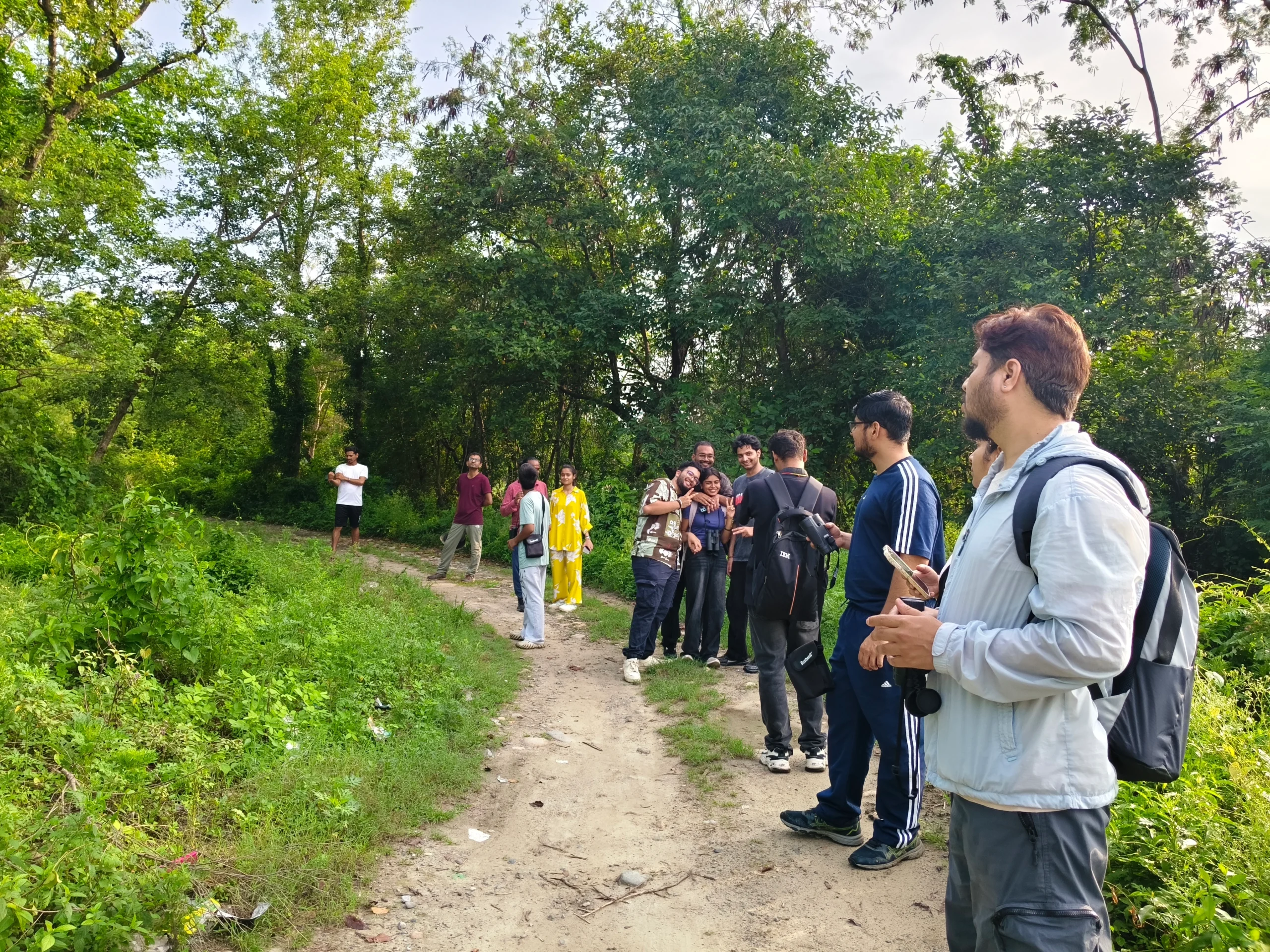
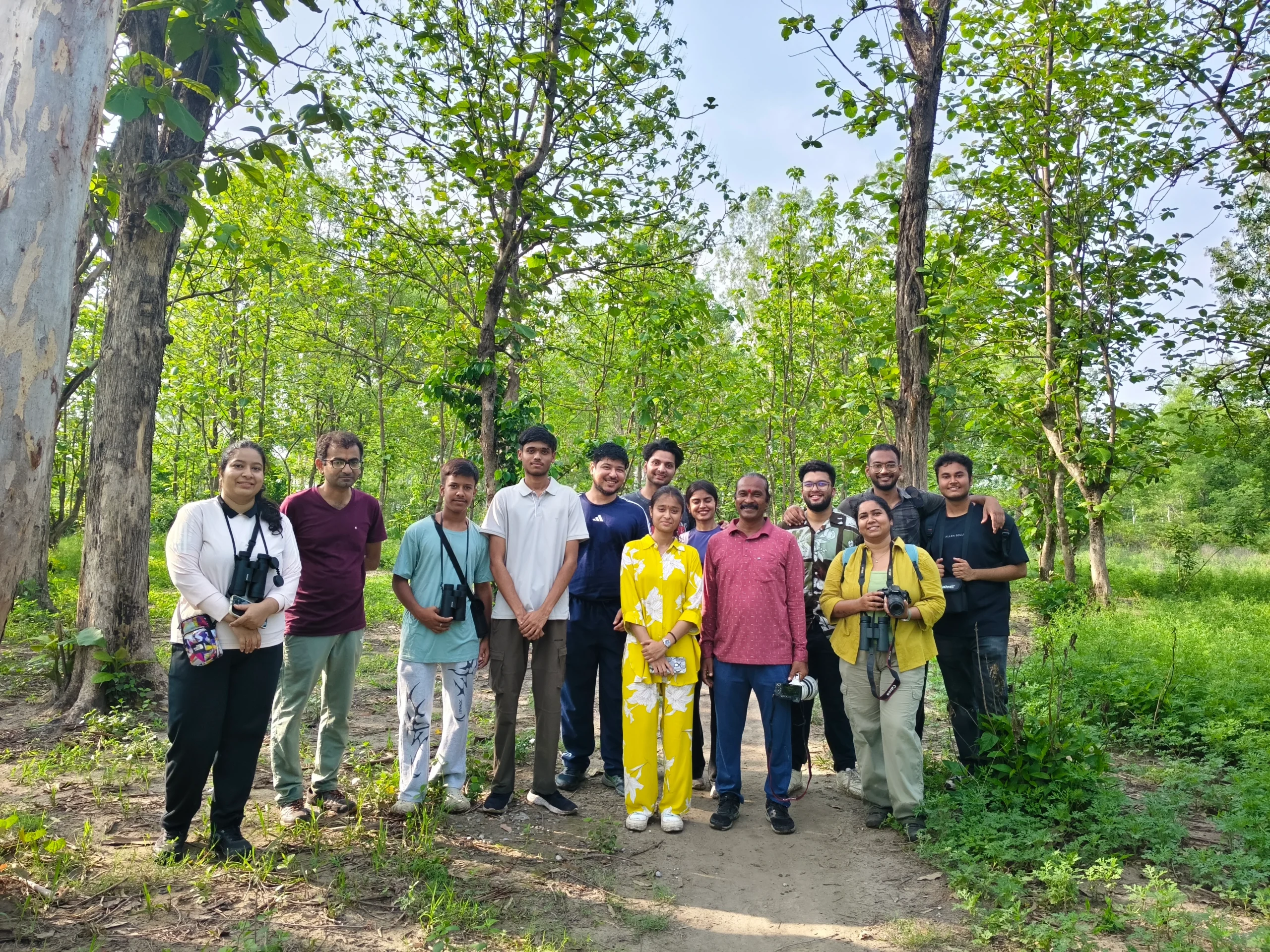
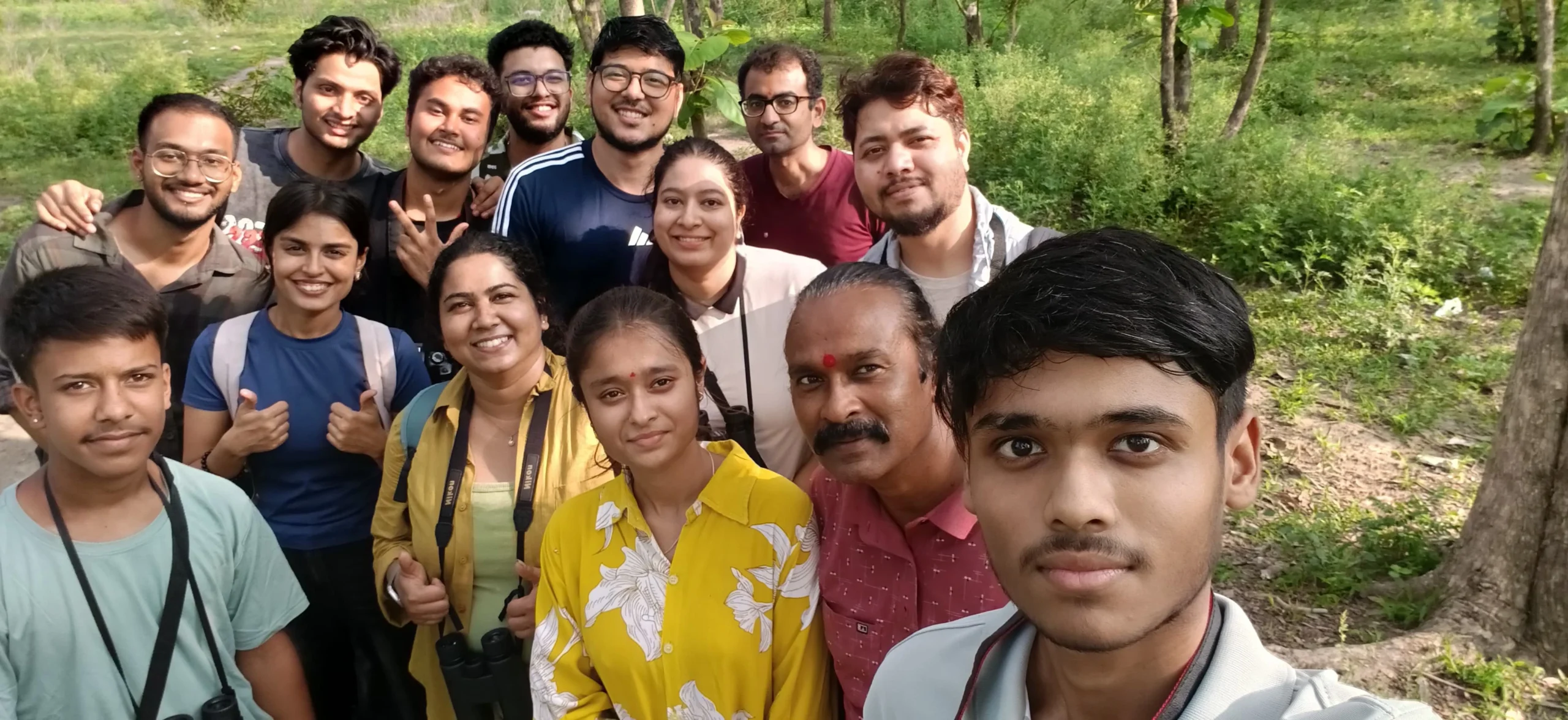
Twelve participants joined the Ataavi bird walk along the scenic Song River near Haridwar Road in Dehradun for a morning dedicated to exploring the rich birdlife of the Himalayan foothills. The riparian landscape, with its lush vegetation and diverse habitats, provided excellent opportunities to observe birds while learning about their ecology, behaviour, and conservation. Throughout the walk, participants were introduced to bird identification using field marks, calls, flight patterns, habitat preferences, and feeding behaviour. Discussions also highlighted the ecological roles of birds as pollinators, seed dispersers, insect controllers, and indicators of ecosystem health, making the experience educational as well as enjoyable.
The group recorded 17 species, with Blue-tailed Bee-eater, White-eared Bulbul, and White-throated Kingfisher emerging as standout sightings. Participants also observed several common species including Red-vented Bulbul, Green Bee-eater, Oriental Magpie Robin, Black Drongo, Purple Sunbird, and Red-wattled Lapwing, reflecting the ecological richness of the Song River corridor. The walk concluded with an interactive discussion where participants shared photographs, observations, and identification experiences while learning about citizen science, habitat conservation, and responsible birdwatching. The outing successfully inspired participants to appreciate both the beauty and ecological importance of birds within this thriving river ecosystem.
Number of Participants
0
Scroll to Top