

Bird Walk at Sultanpur National Park, Gurugram (Delhi NCR)
- Gurugram
- 21 December, 2025
- Mansi Lodhi
About Sultanpur National Park
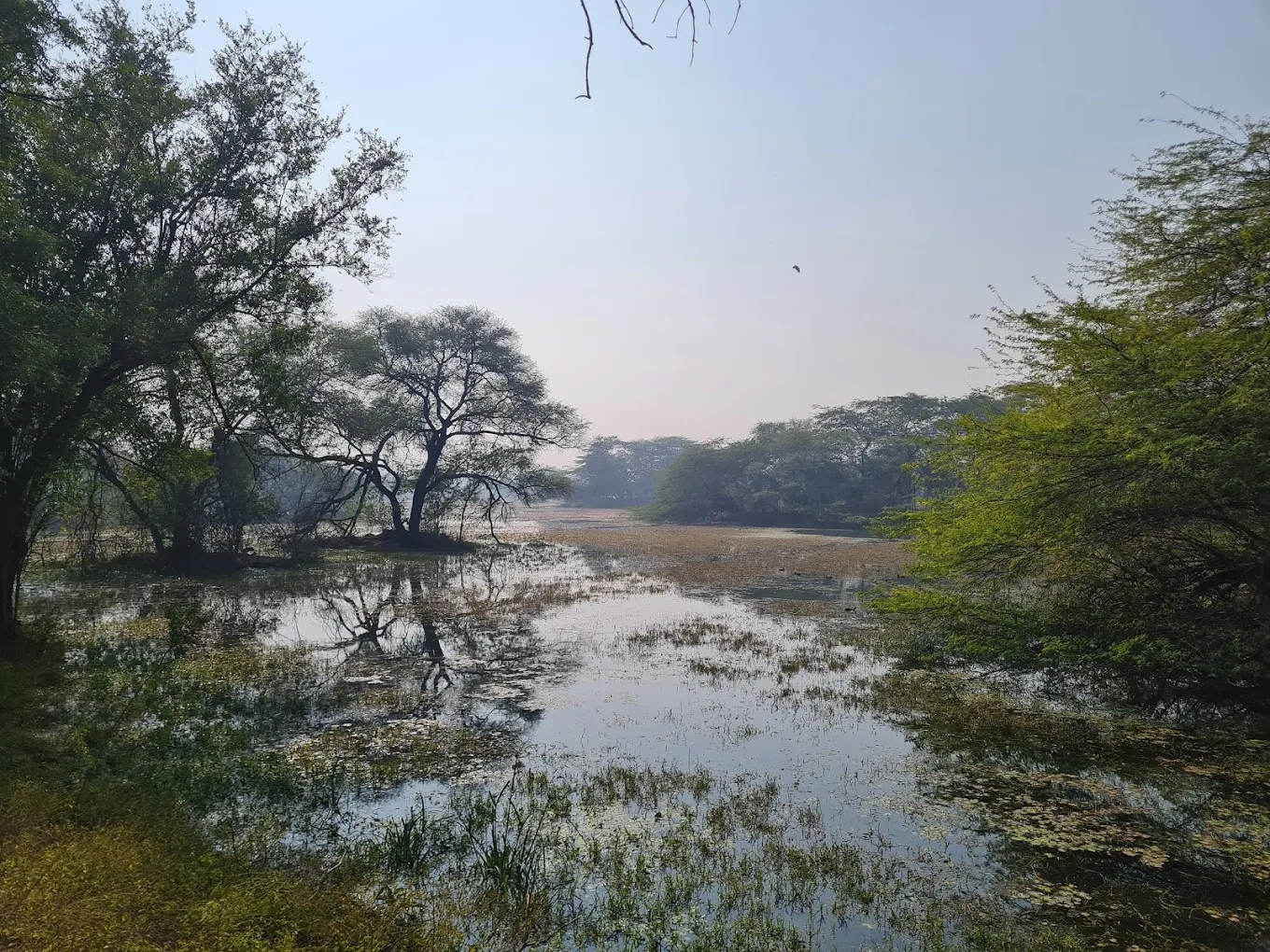
Sultanpur National Park in Gurugram is one of North India’s most important bird sanctuaries, known for its tranquil wetlands and open grasslands spread across 1.43 sq km. The park’s shallow lake, surrounded by acacia woodlands and marshy edges, provides excellent habitat for a rich variety of resident and migratory birds. During winter, the sanctuary transforms into a vibrant hub of avian life, attracting thousands of migratory species from Central Asia, Europe, and Siberia.
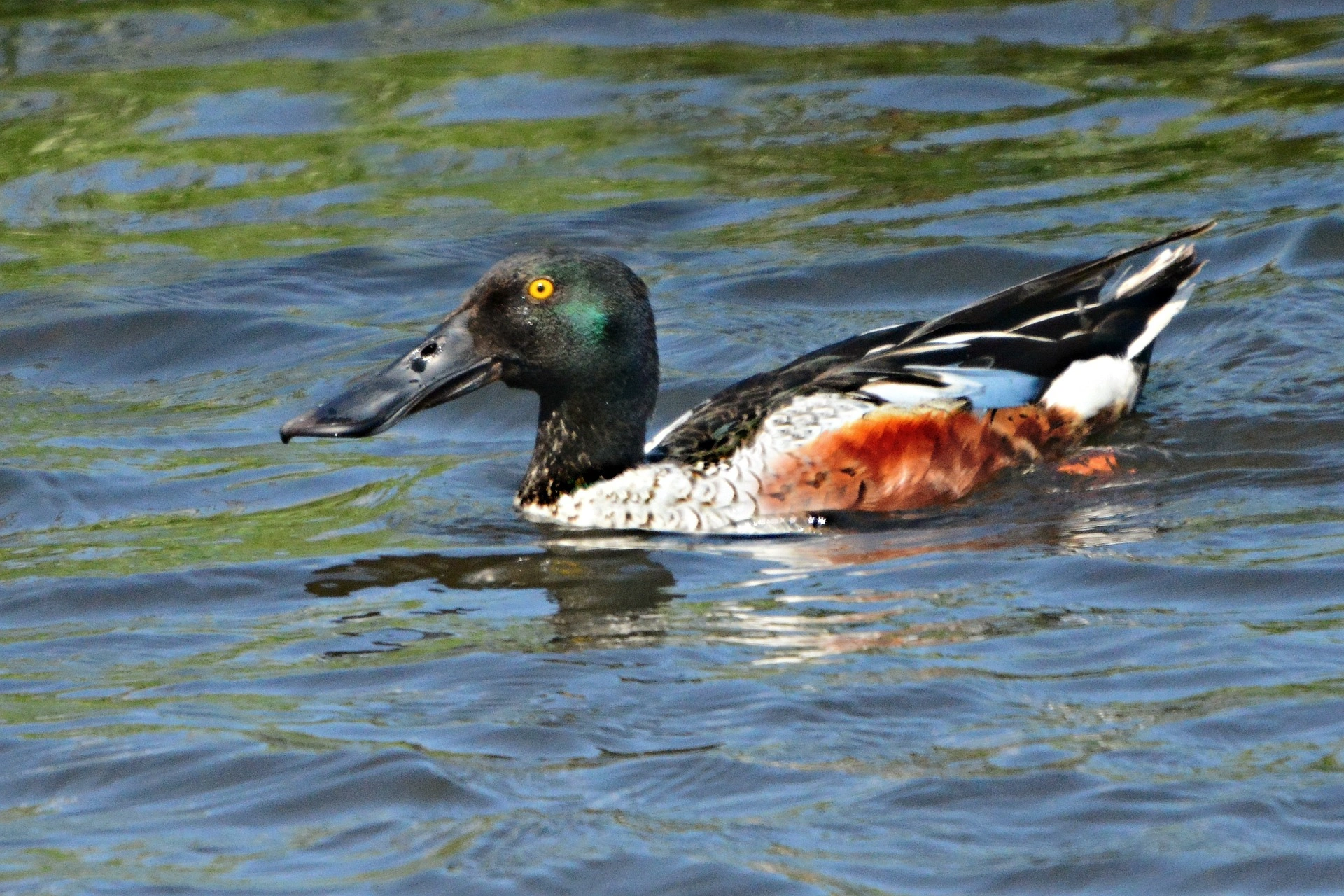
With over 366 bird species recorded, Sultanpur is a paradise for birdwatchers, photographers, and nature lovers alike. Iconic species such as Bar-headed Geese, Northern Shovelers, Eurasian Spoonbills, Painted Storks, and Lapwings are commonly seen, alongside residents like Kingfishers, Herons, Drongos, and Bulbuls. Well-maintained walking trails, watchtowers, and interpretation boards make wildlife viewing accessible, while ongoing conservation efforts help protect this precious wetland ecosystem from urban pressure and habitat degradation.
Partnered with

Bird Guide: Mansi
Nature educator and birding guide with Midori Walks, Mansi blends ecology and mindfulness to create enriching outdoor experiences in urban green spaces.
Bird walk Location
Common birds of Sultanpur National Park
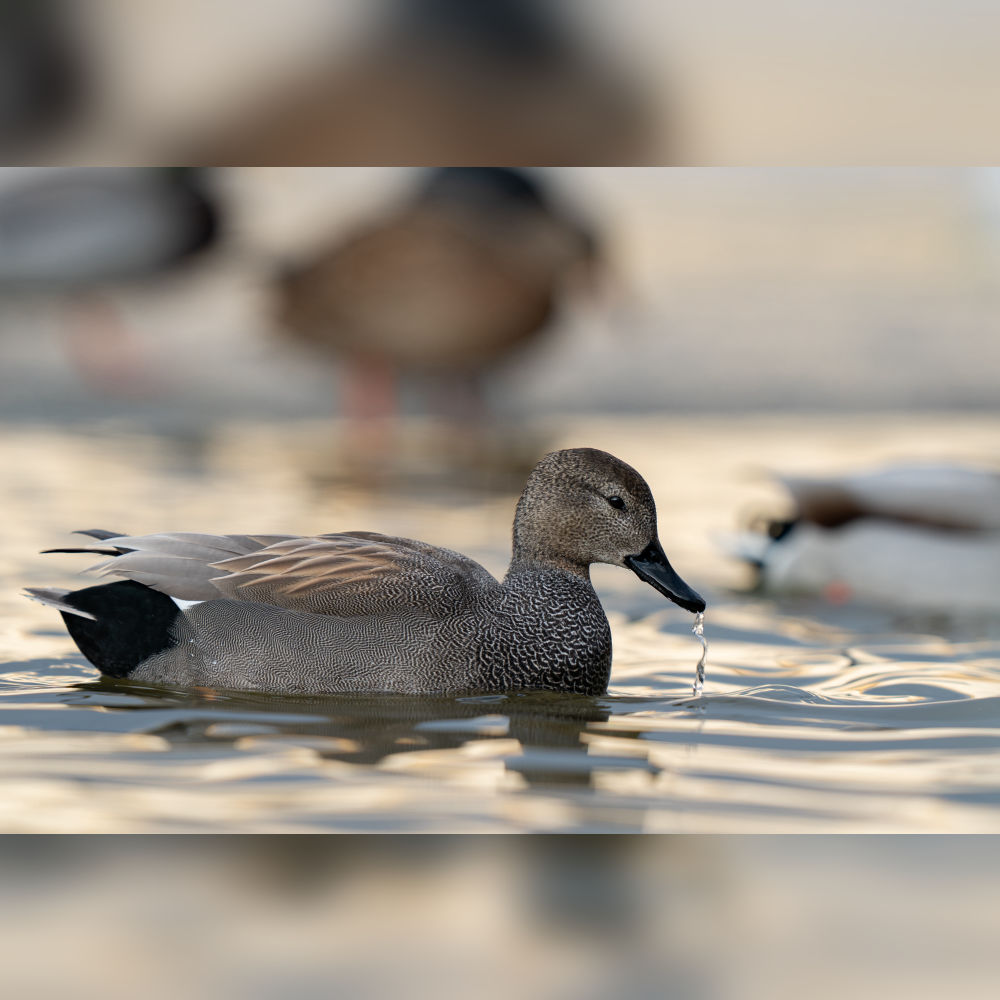
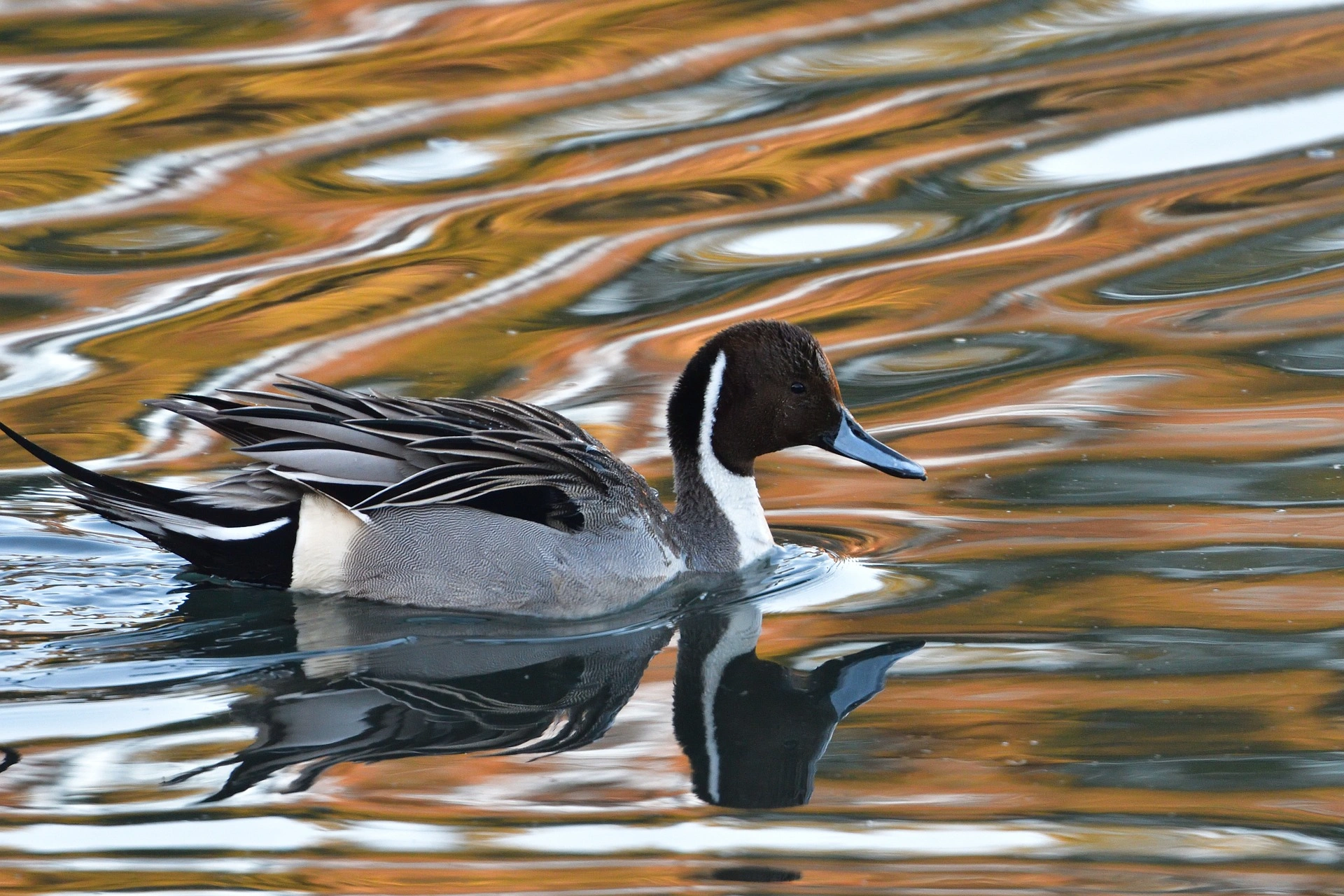
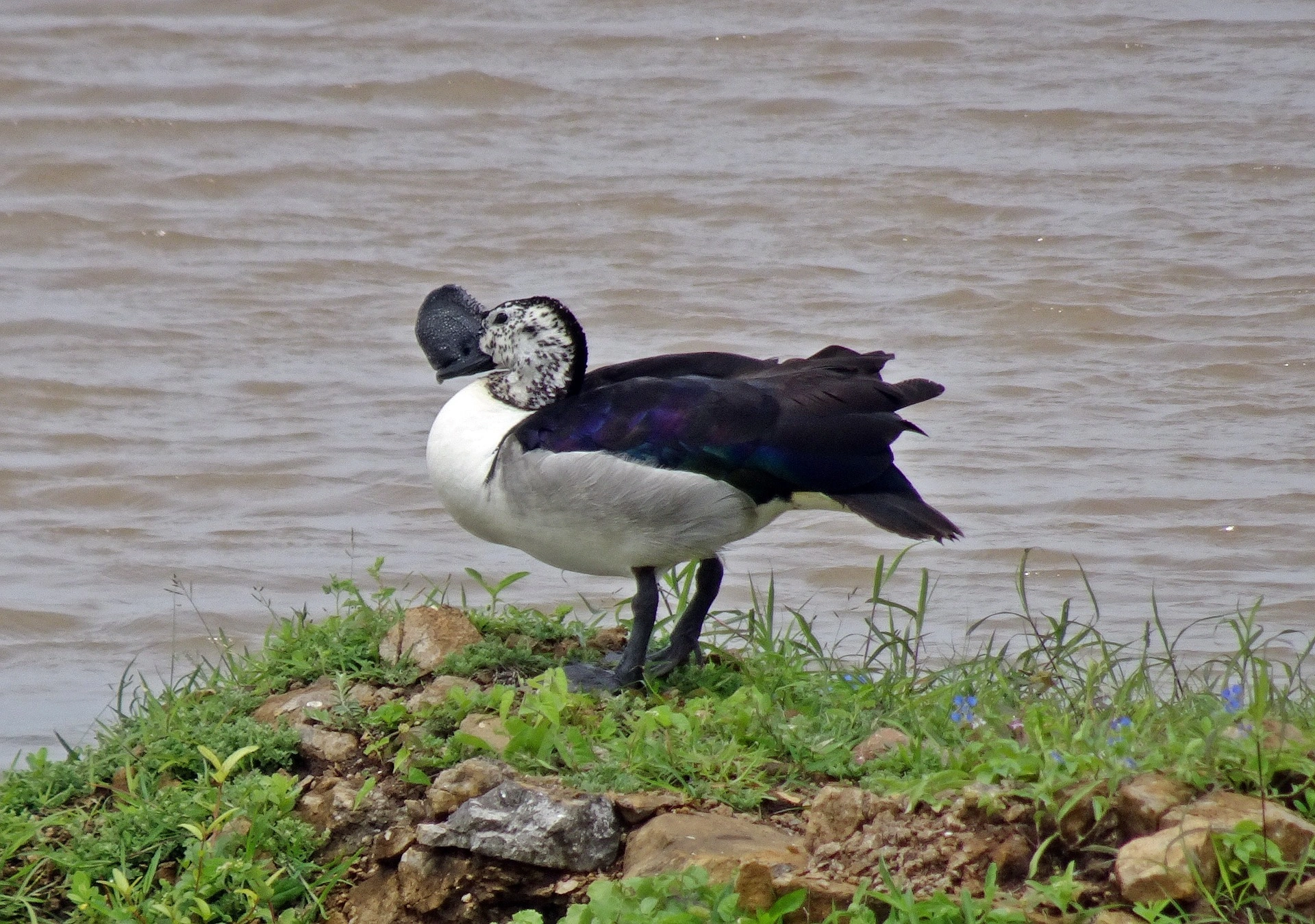
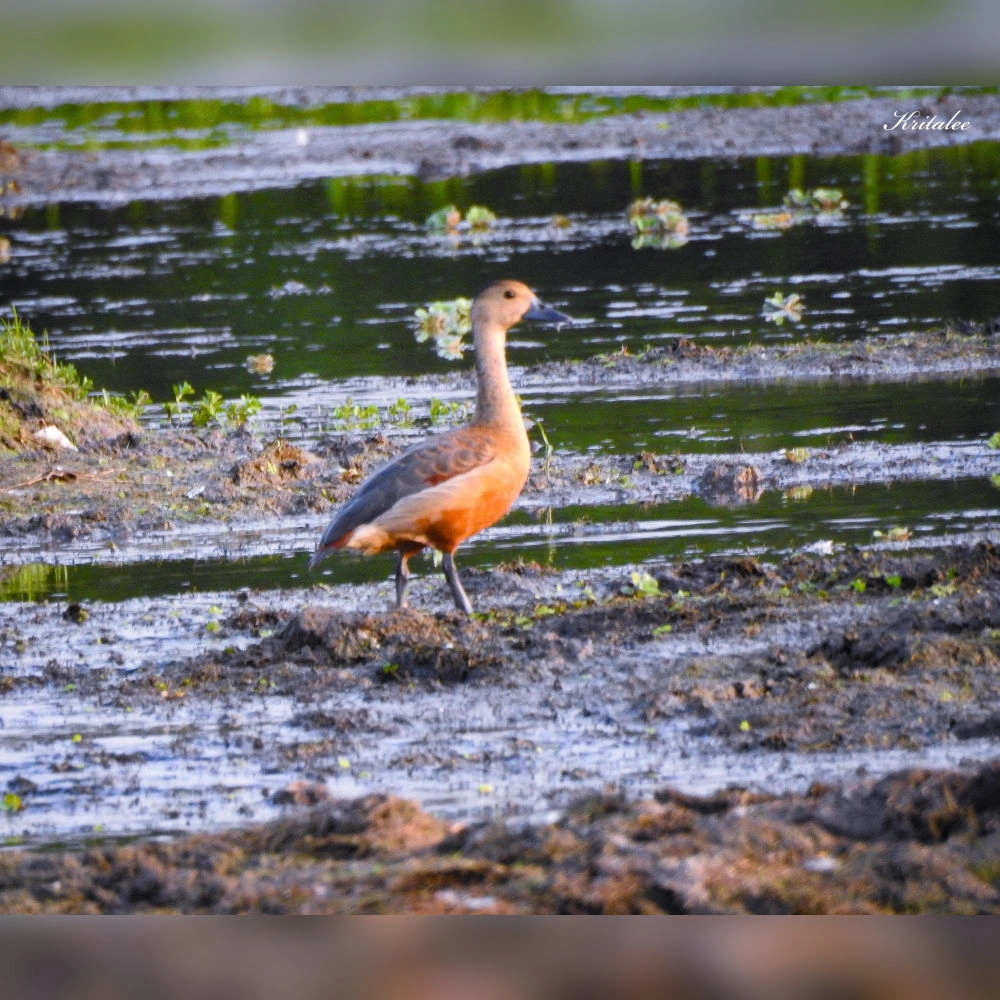
Sultanpur National Park, with 366 bird species recorded, is one of India’s richest wetland habitats, hosting an impressive variety of winter migrants and resident waterbirds. Recent sightings highlight the park’s diversity, with large flocks of Greylag Geese, Northern Shovelers, Eurasian Wigeons, Gadwalls, Northern Pintails and a mix of pochards including Red-crested, Common, Ferruginous, and Tufted Ducks. The wetlands also support striking species like the Knob-billed Duck, Lesser Whistling-Duck, Painted Stork, Indian Cormorant, and Black-headed Ibis, while grassland edges provide habitat for unique birds such as the Indian Thick-knee. Raptors like the Oriental Honey-Buzzard add excitement for birders, reflecting the park’s healthy food web.

Northern Shoveler

Gadwall

Northern Pintail
Knob-billed Duck
Lesser Whistling Duck
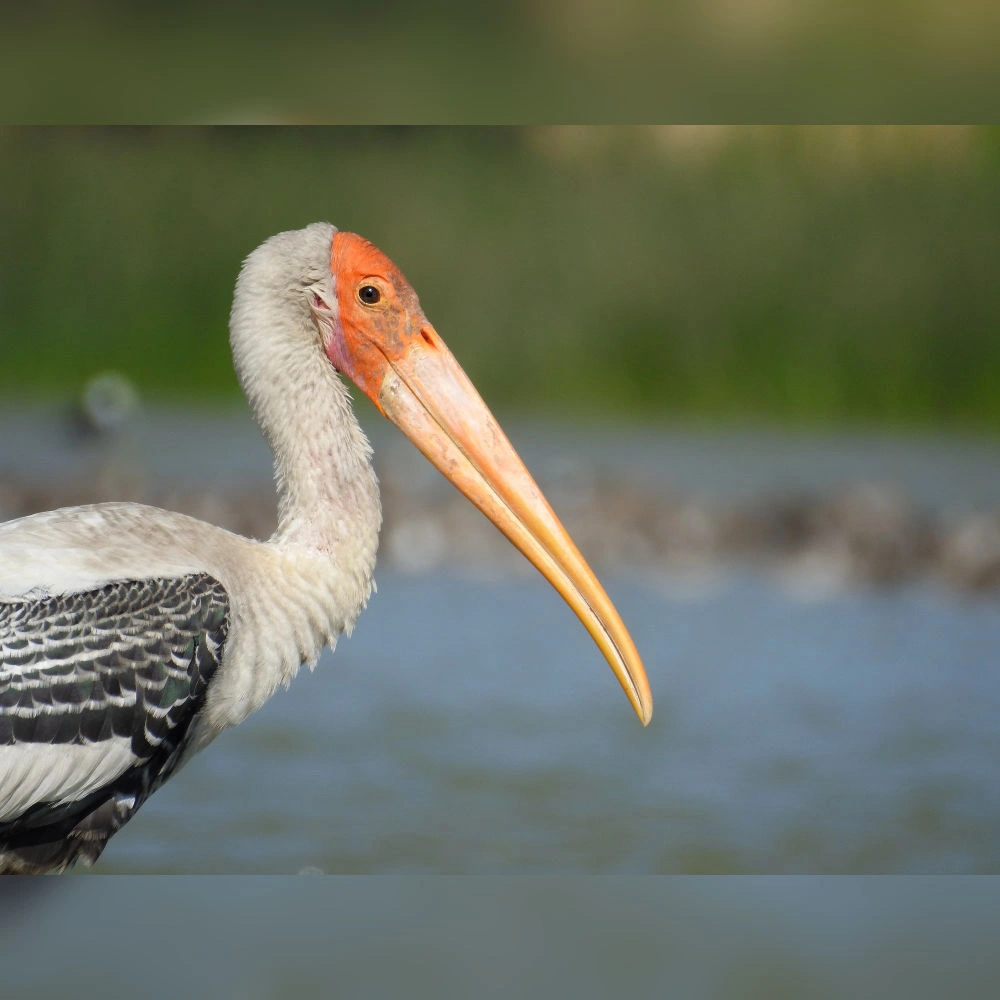
Painted Stork
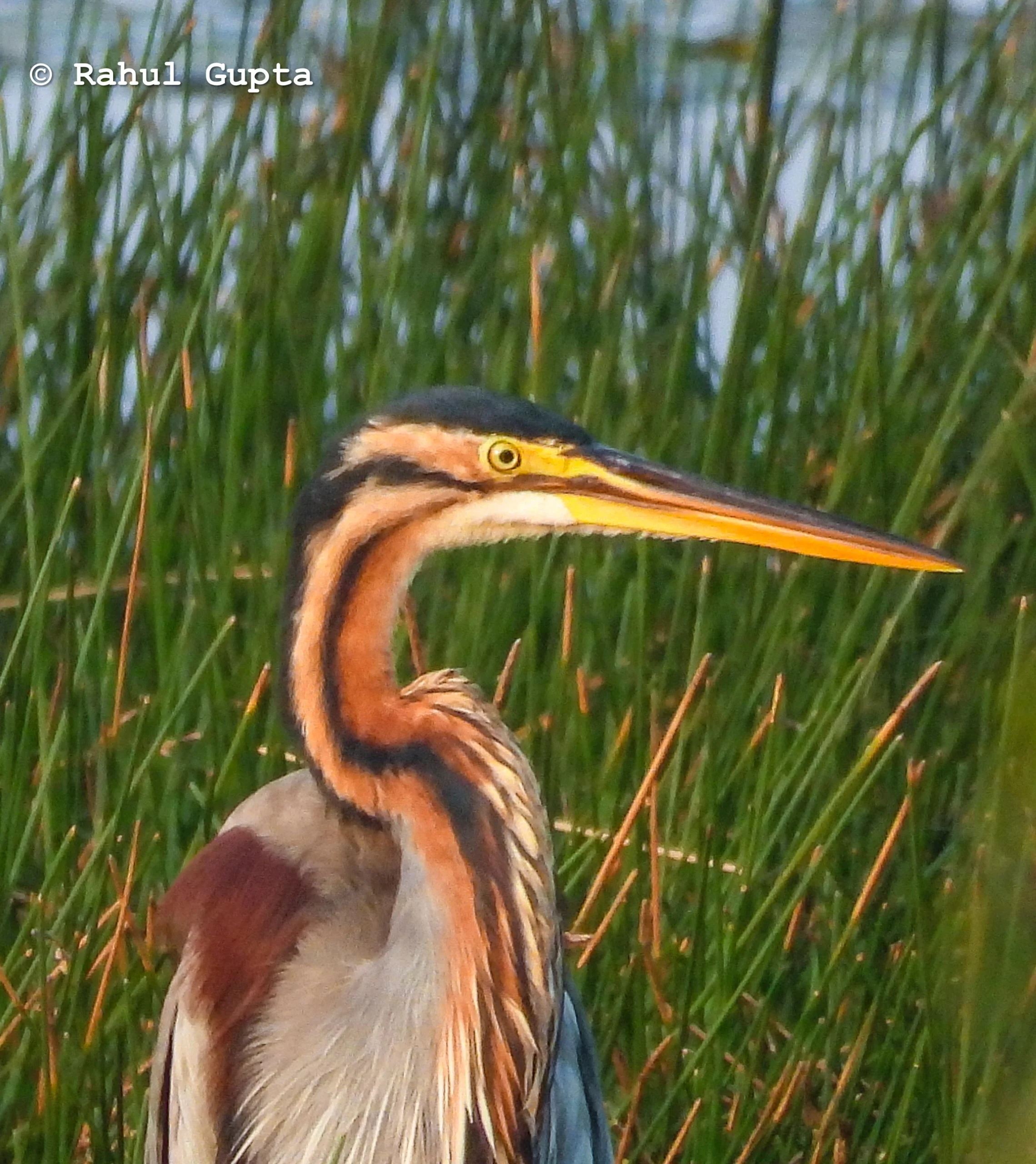
Purple Heron
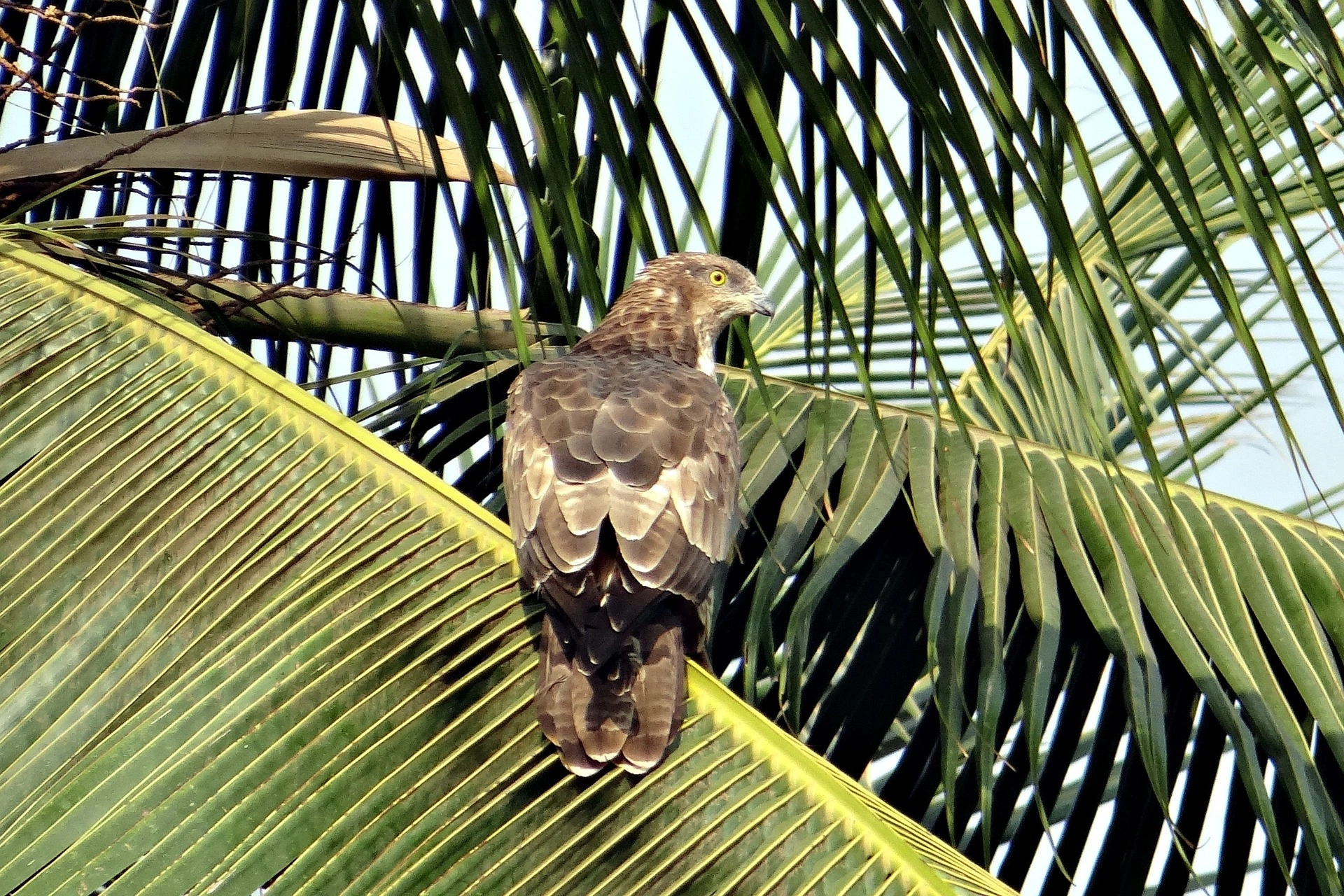
Oriental Honey Buzzard
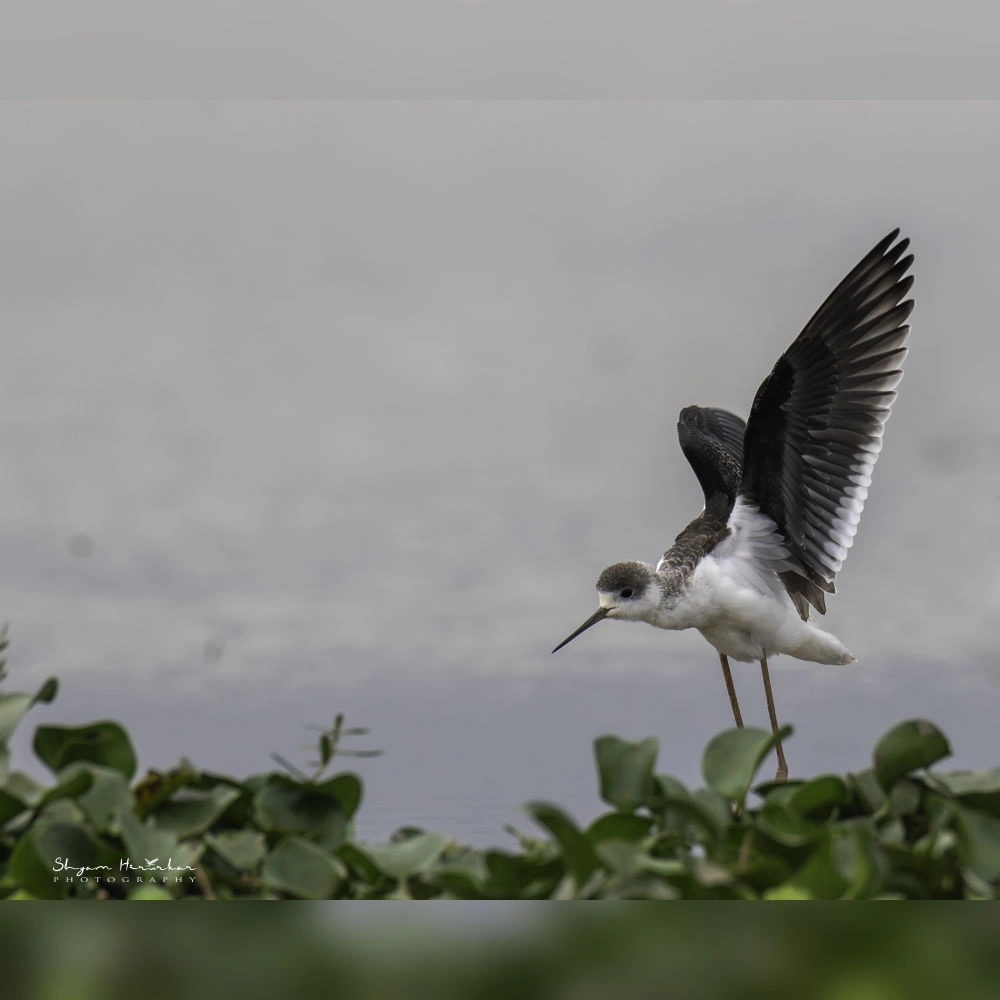
Black-winged Stilt
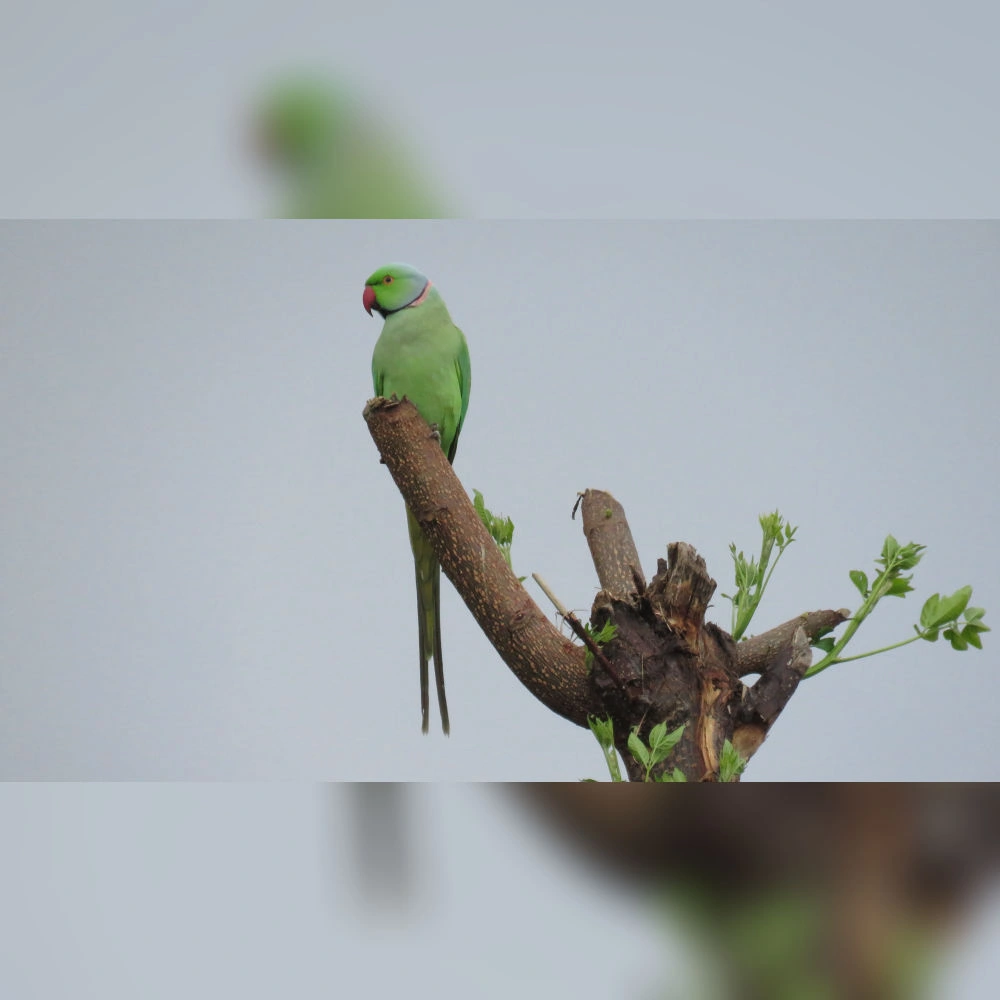
Rose-ringed Parakeet
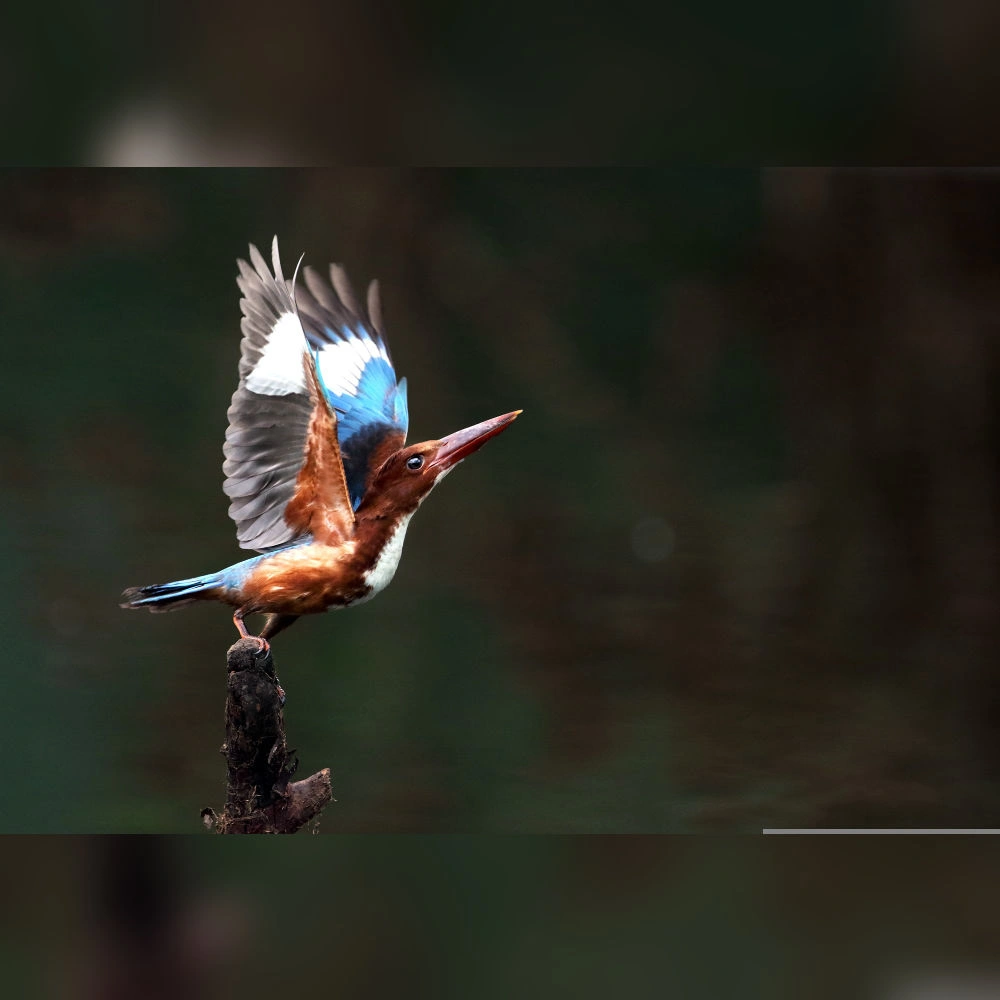
White-throated Kingfisher
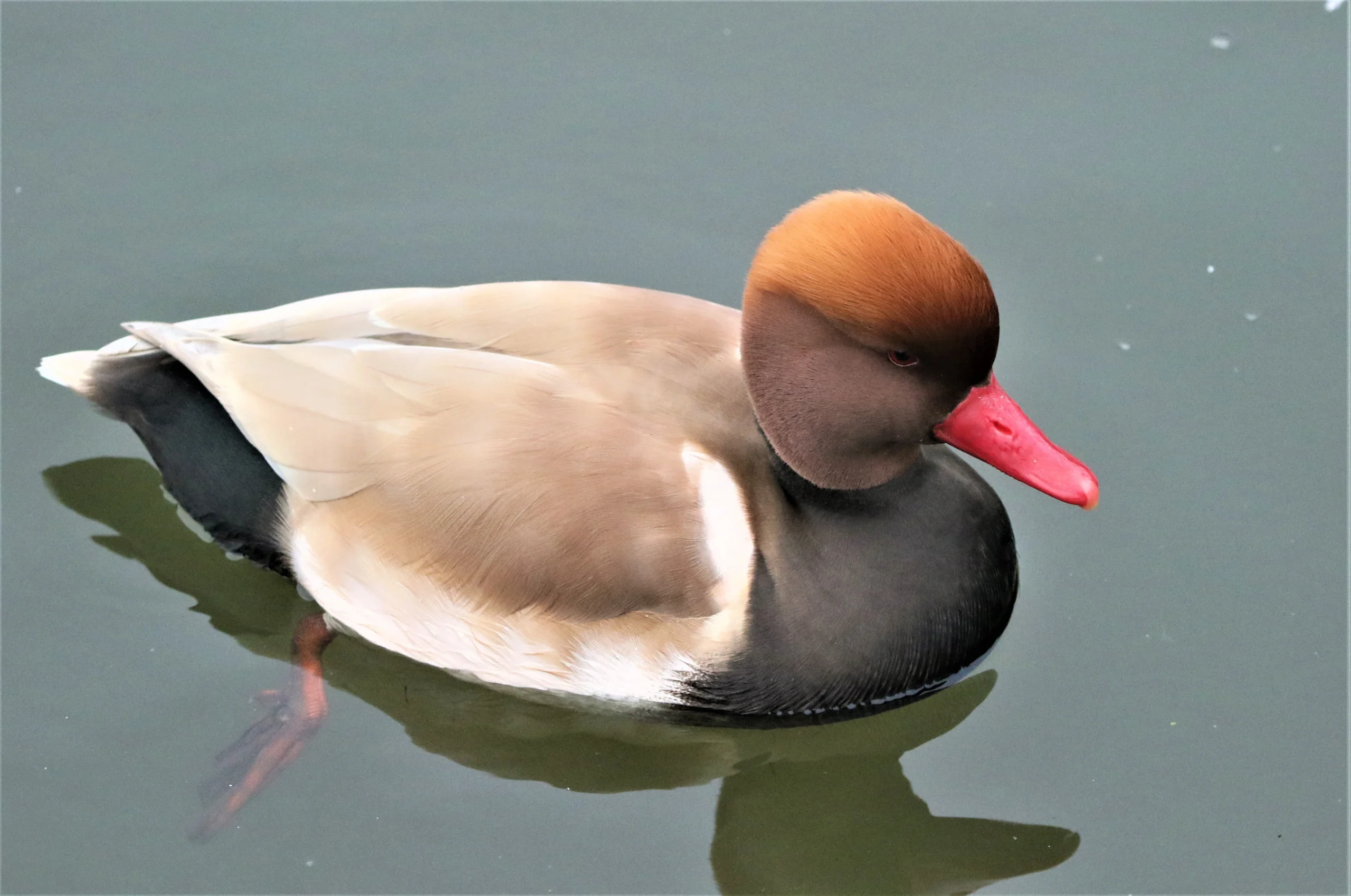
Red-crested Pochard
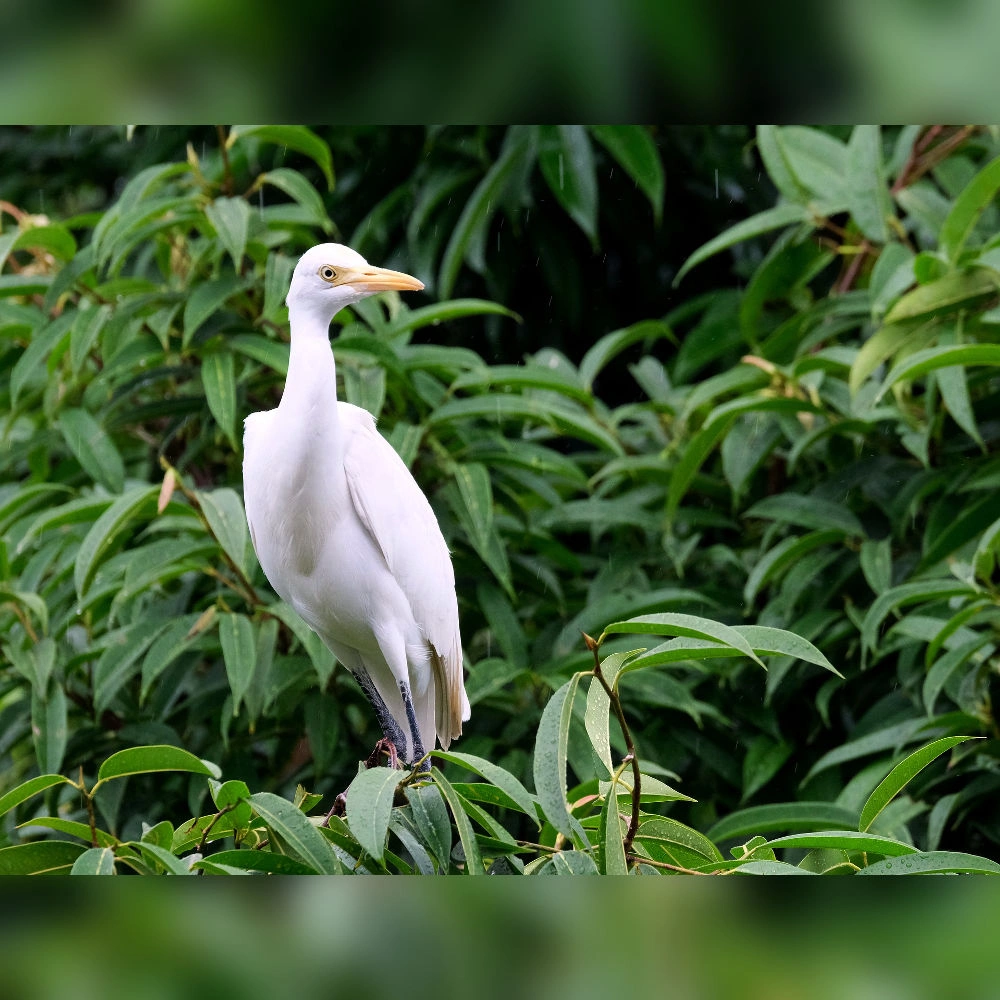
Eastern Cattle Egret
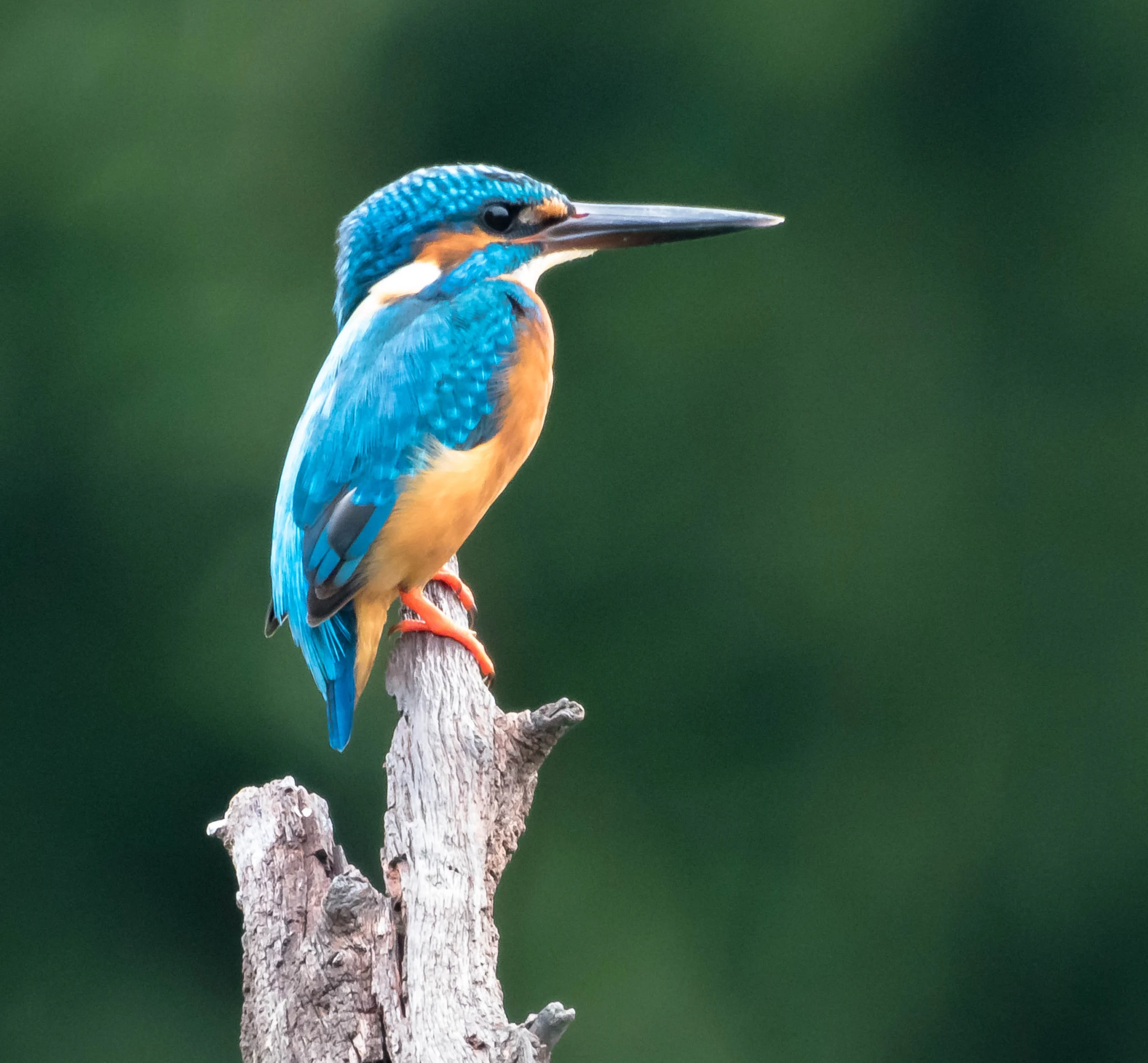
Common Kingfisher
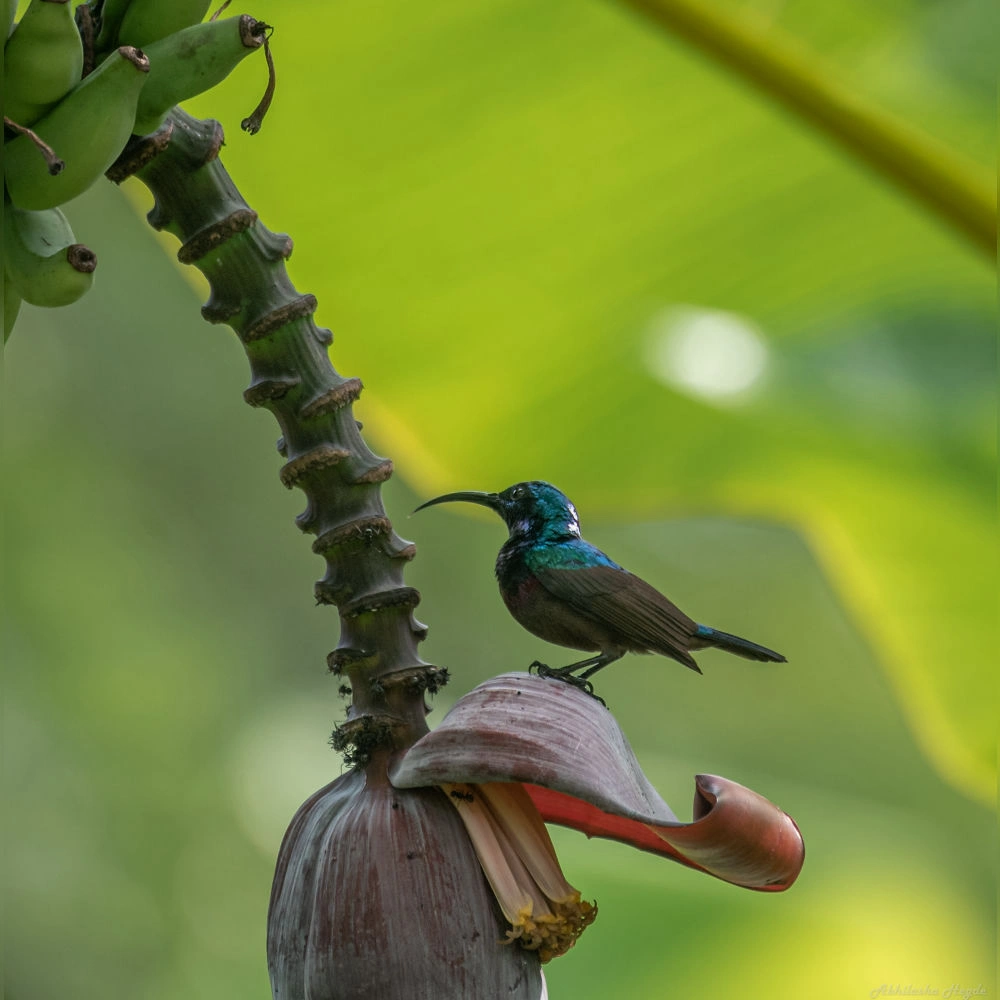
Purple Sunbird
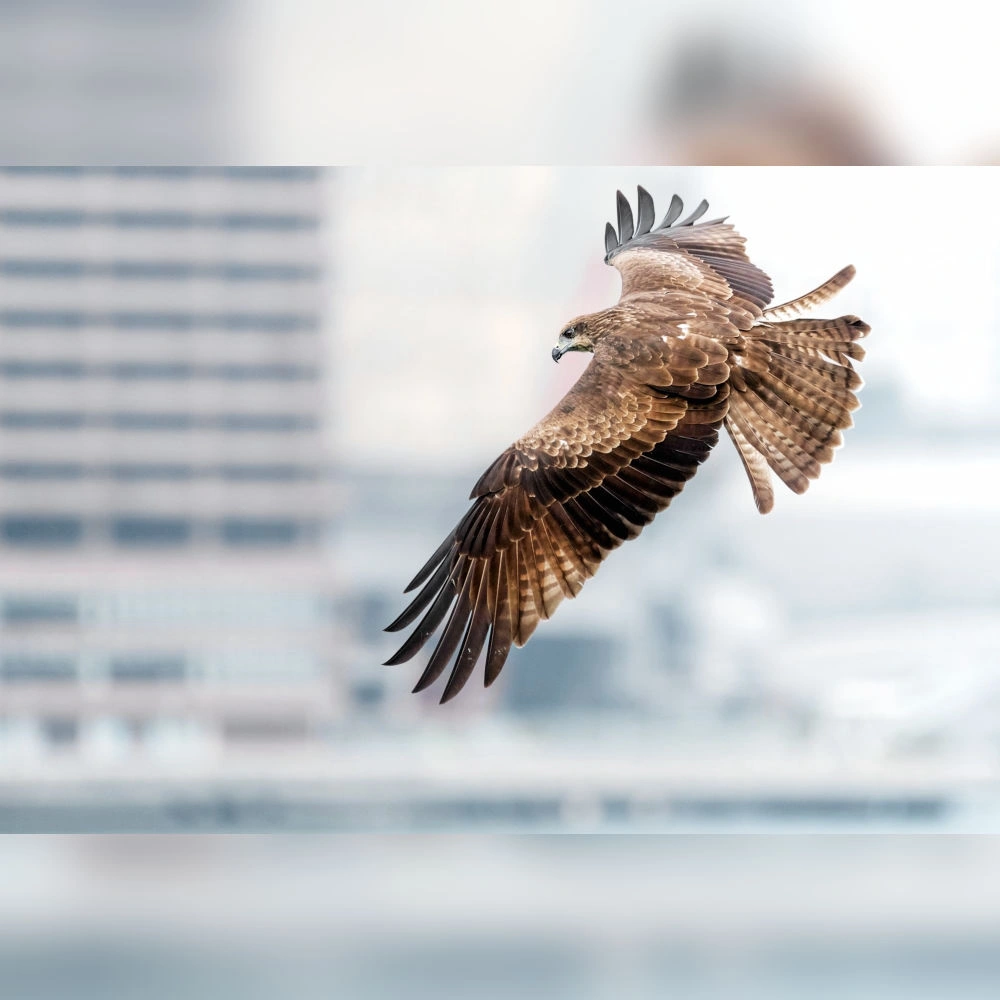
Black Kite
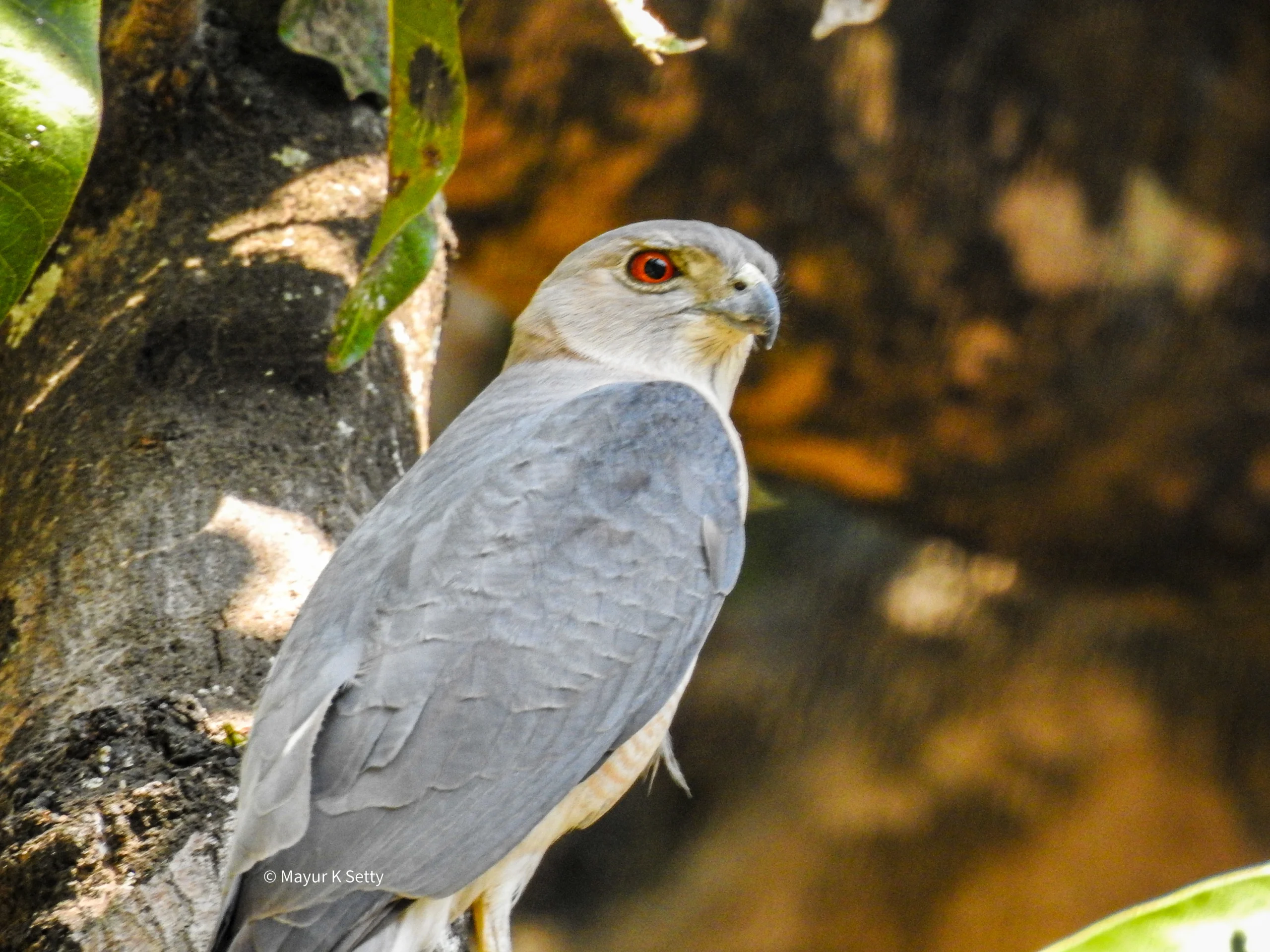
Shikra
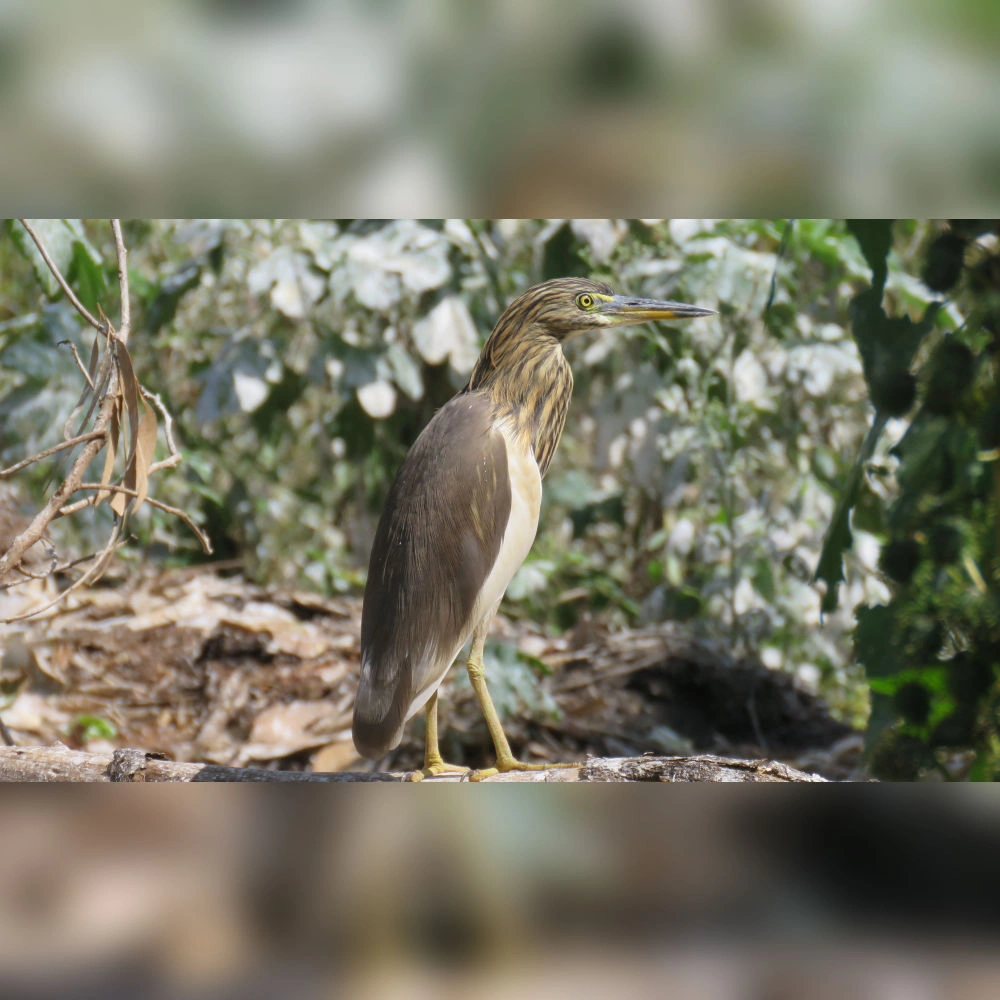
Indian Pond Heron
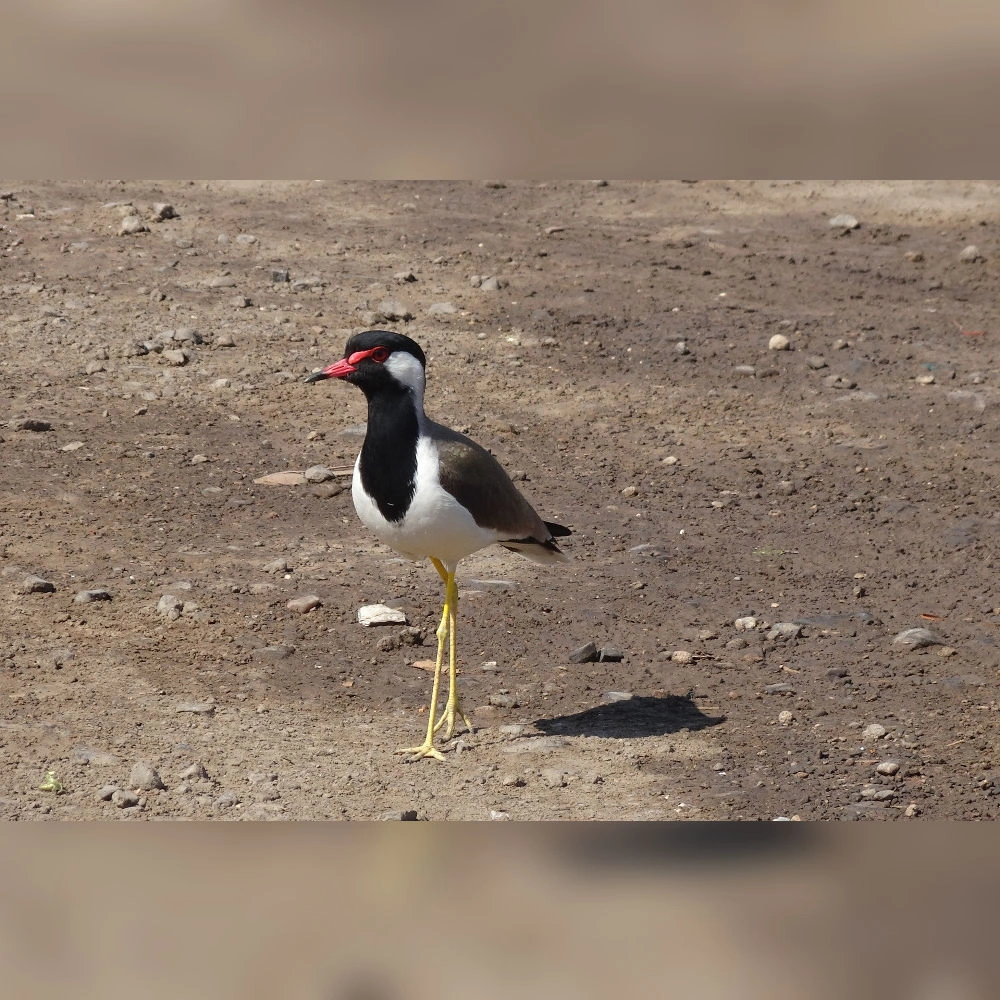
Red-wattled Lapwing
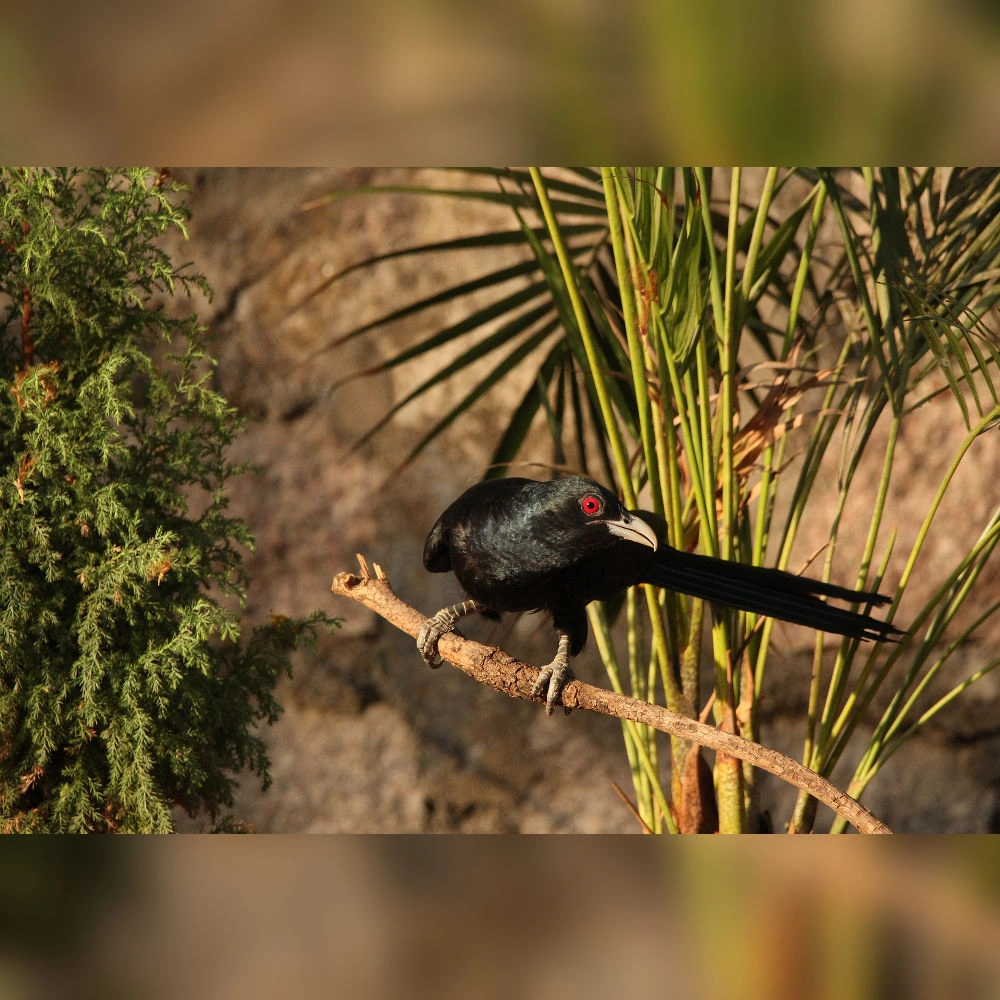

Asian Koel
Summary of Walk
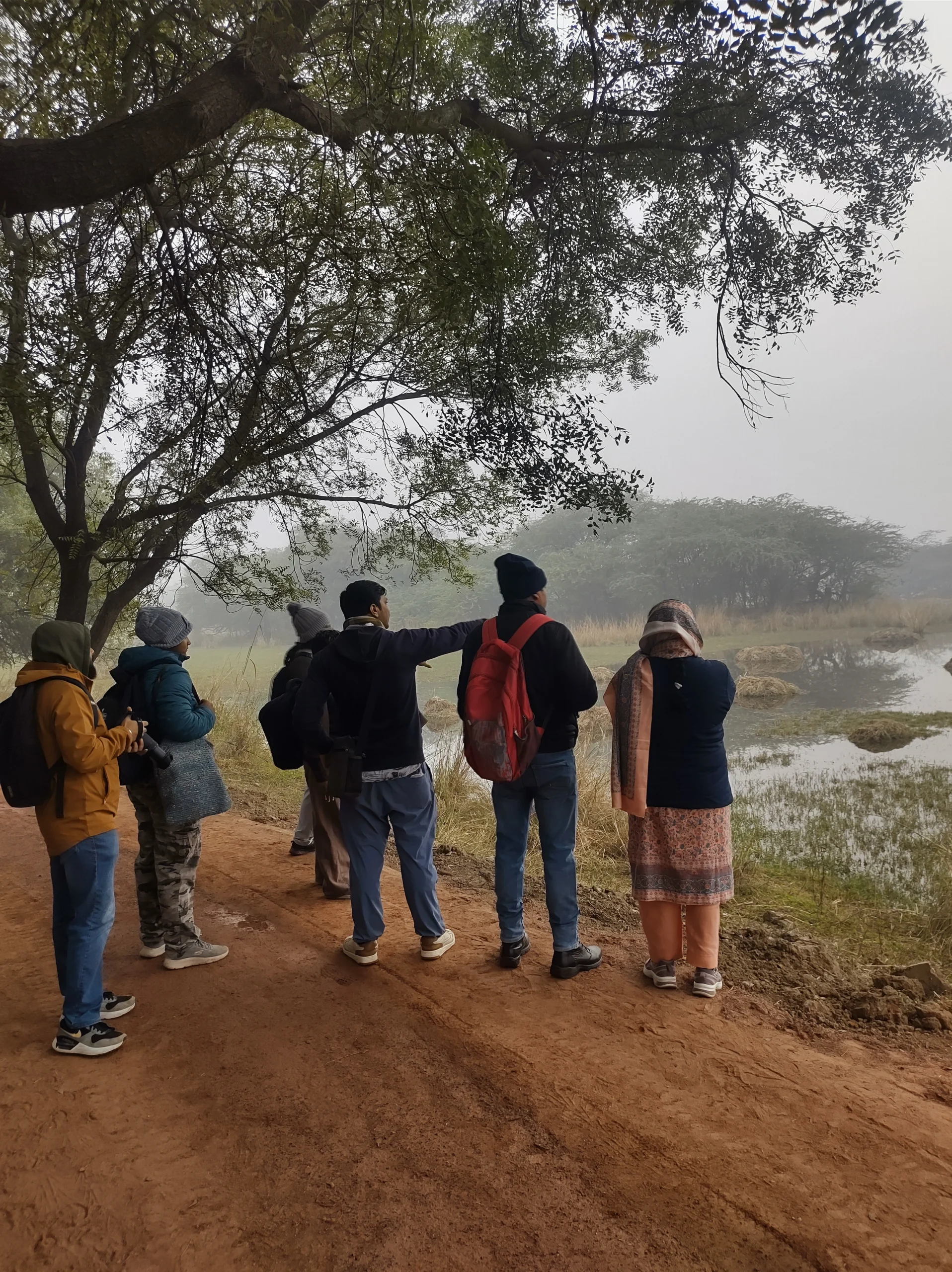
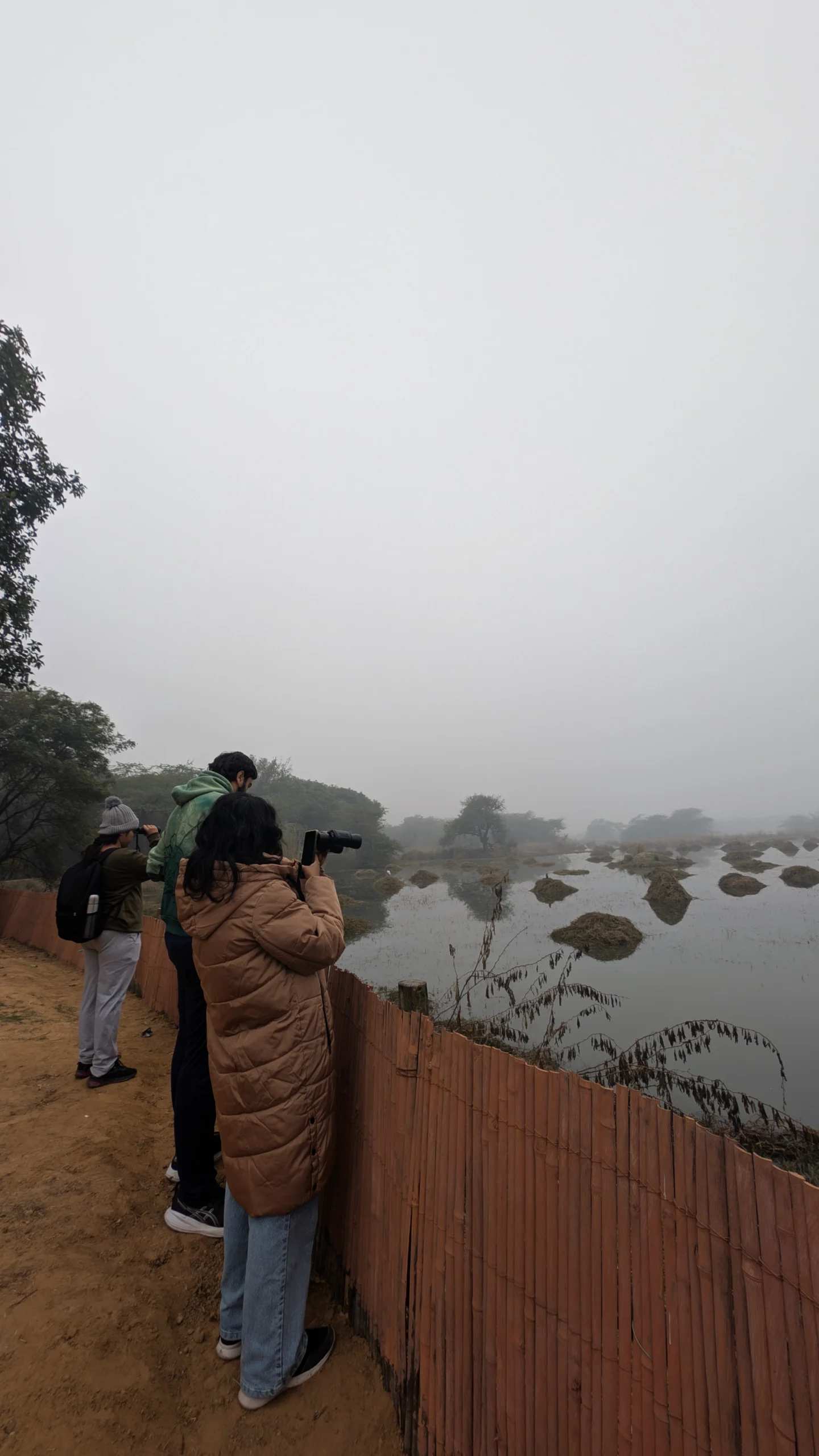
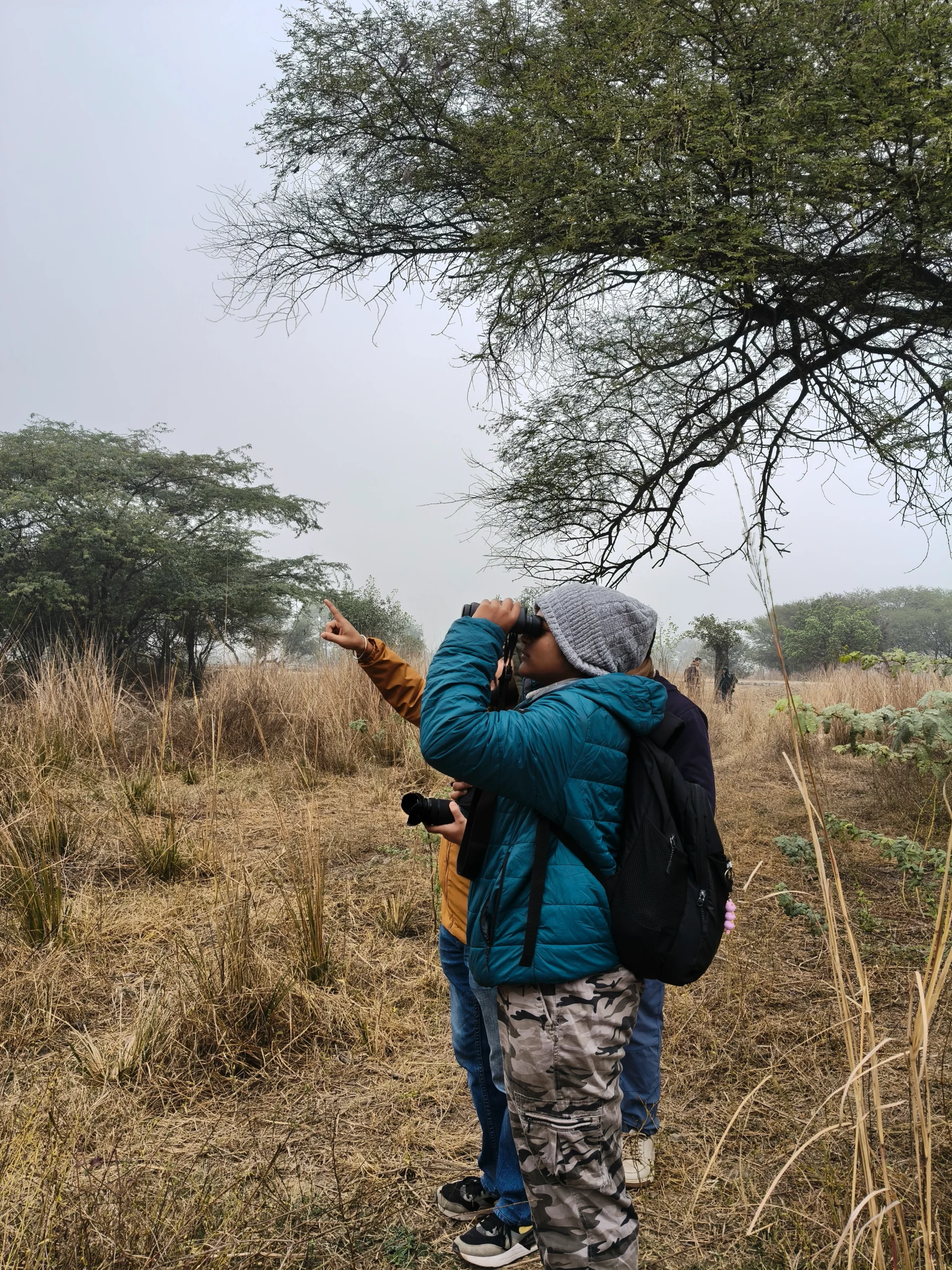
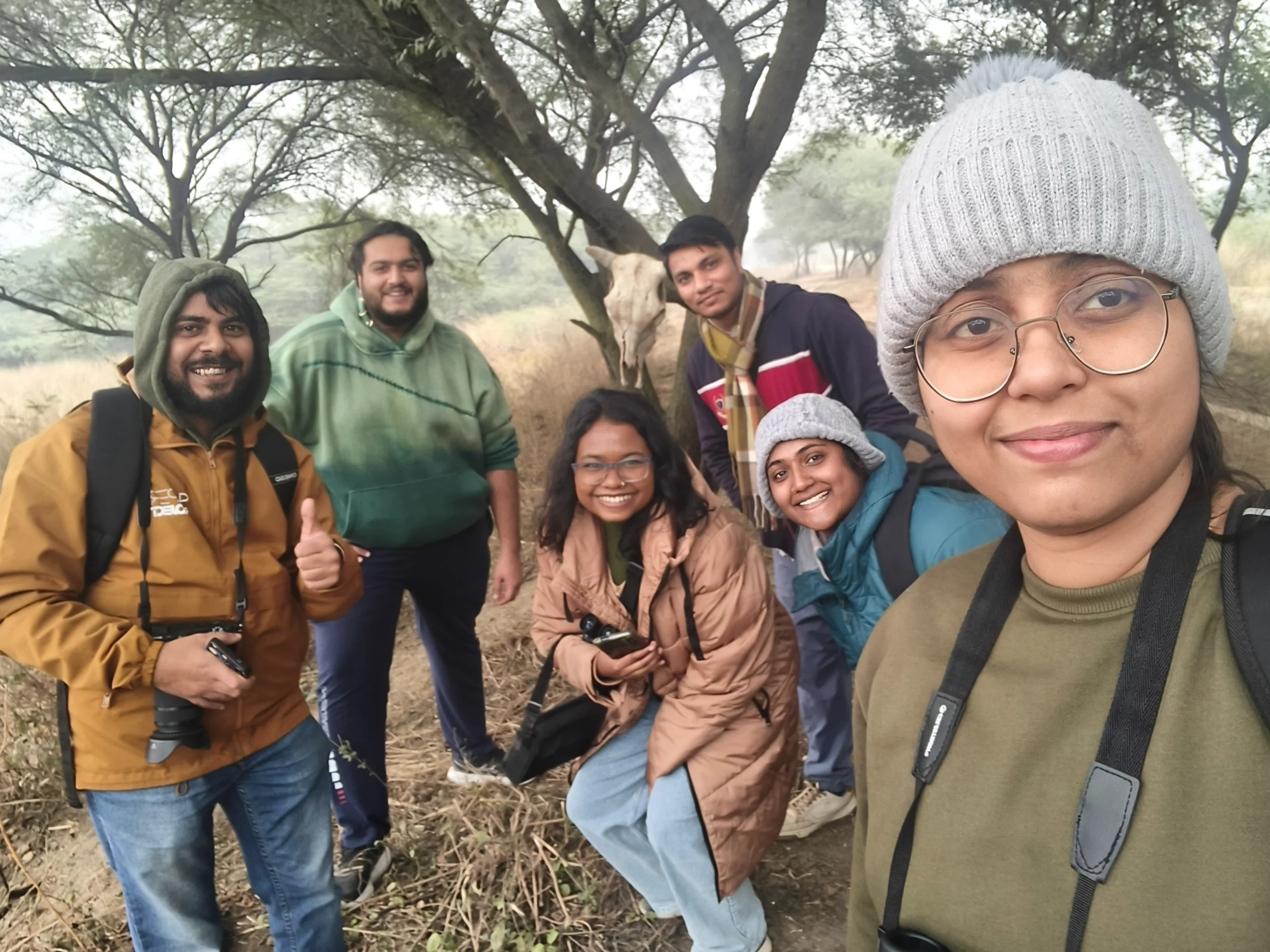
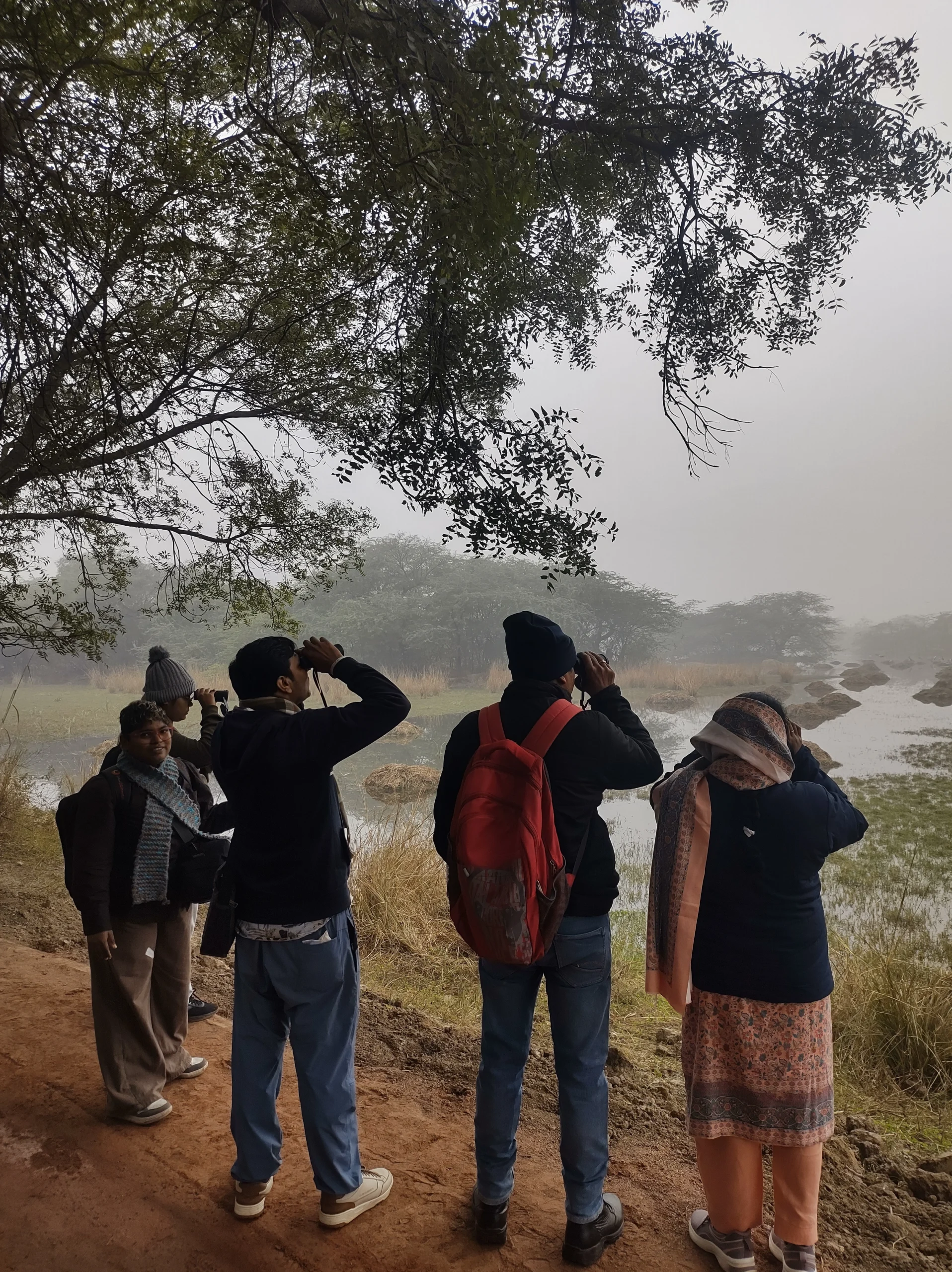
The bird walk at Sultanpur National Park, led by Mansi Lodhi, was attended by seven enthusiastic beginners during the peak winter season in the Delhi NCR region. Despite recent mist and fog discouraging outdoor activities, the group gathered early in the morning to explore the park’s serene landscape. As they entered the wetland, the experience felt like stepping into a different world—often described as a land of living dinosaurs. The Sultanpur lake revealed remarkable avian diversity, beginning with sightings of Northern Shoveler, Common Teal, and Black-winged Stilt. Parakeets, ibises, herons, gulls, and even the Indian Peafowl added to the rich checklist, while smaller birds like Hume’s Warbler and Ashy Prinia brought delight to the group.
One of the most memorable moments of the walk was observing the Painted Storks, both adults and juveniles, nesting communally on a massive tree in the middle of the lake. Participants witnessed different stages of the birds’ life cycle—courtship, chick-rearing, and adults guarding juveniles, who had begun learning to forage under supervision. After the walk, additional species including Brown-headed Barbet, Indian Robin, Oriental Magpie-Robin, Spotted Owl, Yellow-crowned Woodpecker, and even a Steppe Eagle were recorded. The experience proved deeply fulfilling, with participants choosing to stay on in the park well into the afternoon, reflecting on a wholesome and immersive introduction to birding and the wonders of Sultanpur National Park.
Number of Participants
0