

Loading Events

Bird Walk at Sunkalpalya kere, Bengaluru

About Sunkalpalya kere

In southwest Bengaluru, near Kengeri and Uttarahalli off Mysore Road, Sunkalpalya Kere is part of a twin-lake system of about 12 and 15 acres. It was once linked to Mylasandra Lake and drained into the Vrishabhavathi River. Small as it is, the lake has open water, thick reedy and weedy margins, shallow muddy edges, and grassy bunds lined with trees, all surrounded by fast-growing layouts. Fish, frogs, water snakes and dragonflies thrive in the shallows. The bunds and nearby scrub support a surprisingly large population of Indian Peafowl.
For birders, Sunkalpalya punches well above its size. Herons and egrets of almost every common kind hunt the margins. Cormorants, grebes, coots and swamphens crowd the water, and jacanas walk across the floating weeds. In winter, Wood and Green Sandpipers and other migrants arrive. The lake faces serious problems, though. Sewage from nearby layouts flows in and feeds algal blooms. Encroachment on the feeder channels has cut the lake off from Mylasandra, and construction has disrupted its outlet to the Vrishabhavathi. Rejuvenation plans propose treating sewage before it enters, reconnecting the two lakes, building a waste weir and fencing out encroachment. Done sensitively, keeping the reeds, shallow edges and bund trees, that work could make Sunkalpalya one of southwest Bengaluru’s best small wetlands for birds.

Bird Guide: Uma Vaijnath

Uma Vaijnath is a Bengaluru-based avid birdwatcher, photographer and partial ornithologist from over half a decade. After a career as a software professional, she transitioned into environmental community work and creative arts. She is a prominent figure in the Bengaluru birding community, frequently leading and organizing nature walks and birding events.

Bird walk Location

Common birds of Sunkalpalya kere

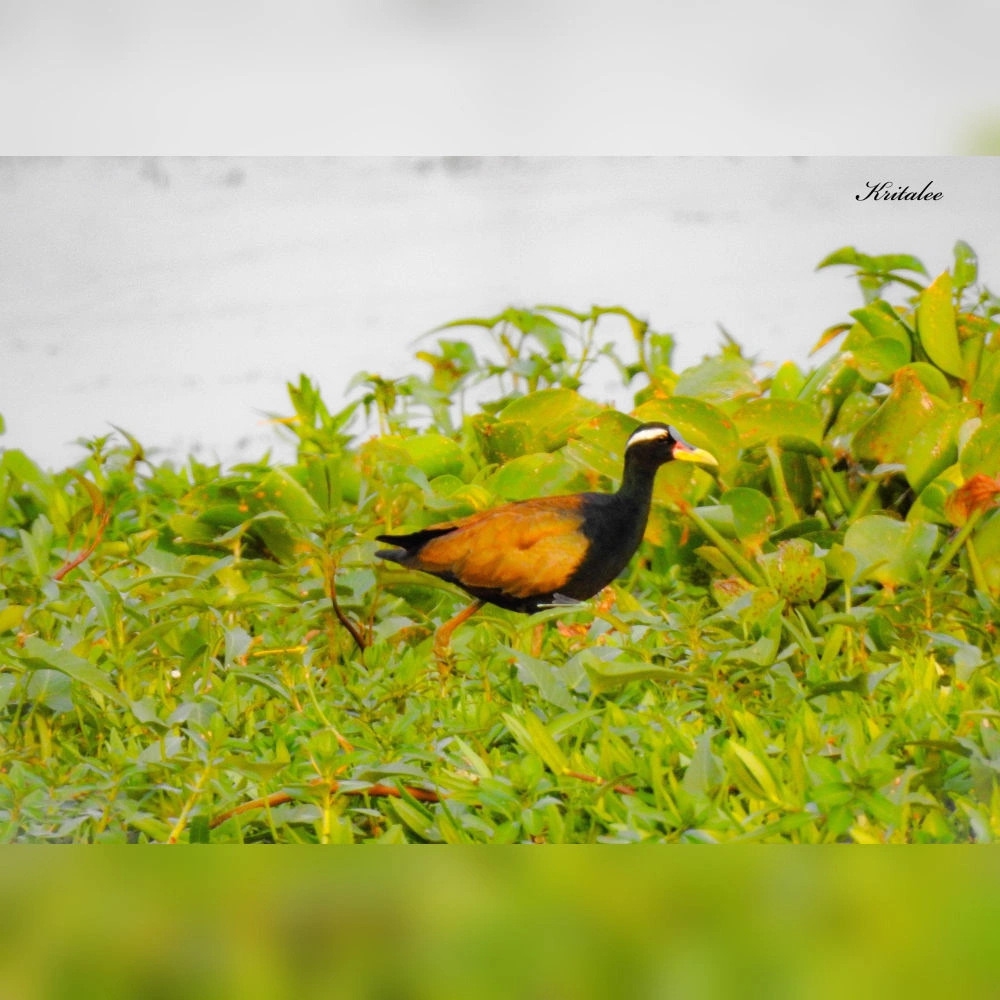
Sunkalpalya is a small lake packed with waterbirds. The glossy Bronze-winged Jacana walks across the floating weeds on very long toes. Flocks of Glossy Ibises, shining bronze and green, probe the muddy edges. The lake is a heron hotspot. The slender, snake-necked Purple Heron hides in the reeds, and the tall Gray Heron stands like a statue. Great and Little Egrets add flashes of white, Black-crowned Night Herons rest in the trees until dusk, and Indian Pond-Herons crouch at the water’s edge. Great Cormorants, sometimes in groups of twenty or more, fish beside Little Cormorants. Little Grebes and Indian Spot-billed Ducks share the open water. Gray-headed Swamphens are everywhere in the weeds, along with Eurasian Moorhens, Coots and White-breasted Waterhens. Black-winged Stilts wade on pink legs, while Wood and Green Sandpipers, migrants from the north, pick along the margins. Overhead, the Brahminy Kite circles on chestnut wings. The White-throated Kingfisher calls loudly from the bund, and dozens of Indian Peafowl strut and call around the lake.
Bronze-winged Jacana
Glossy Ibis
Purple Heron
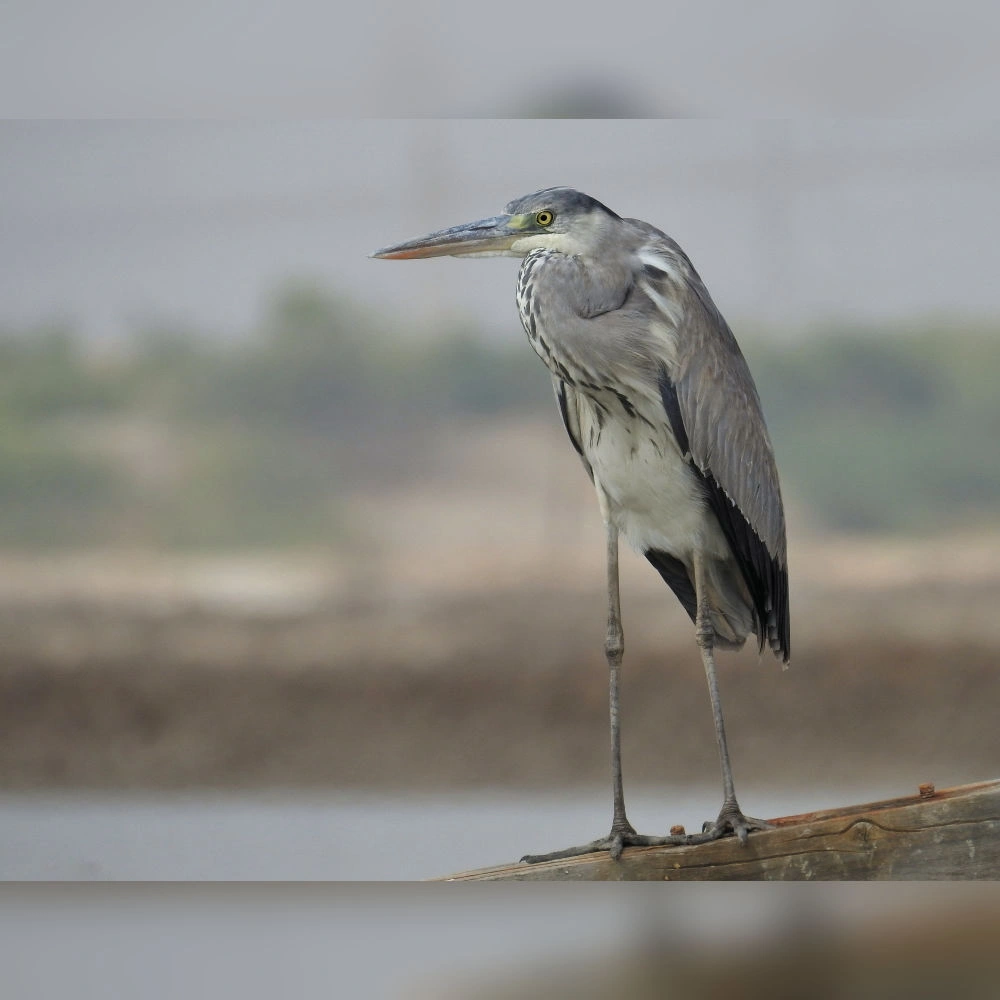
Grey Heron
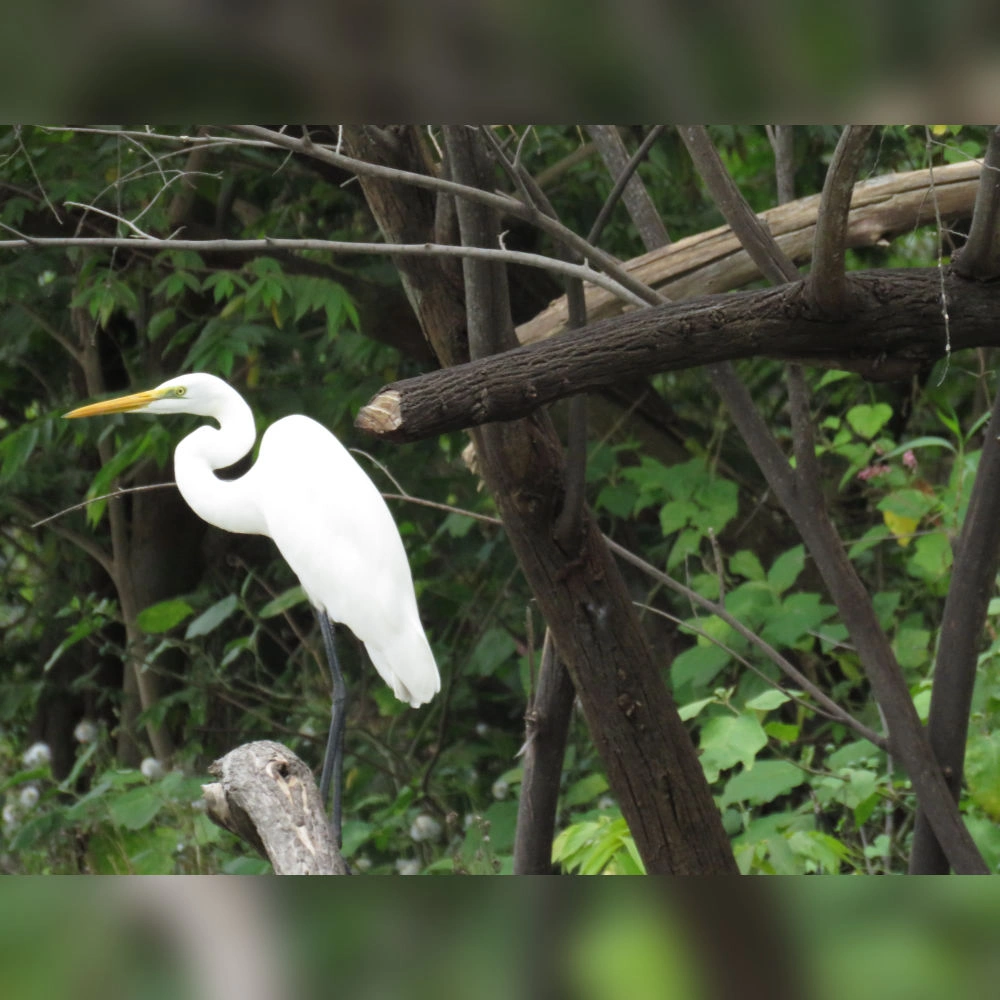
Great Egret
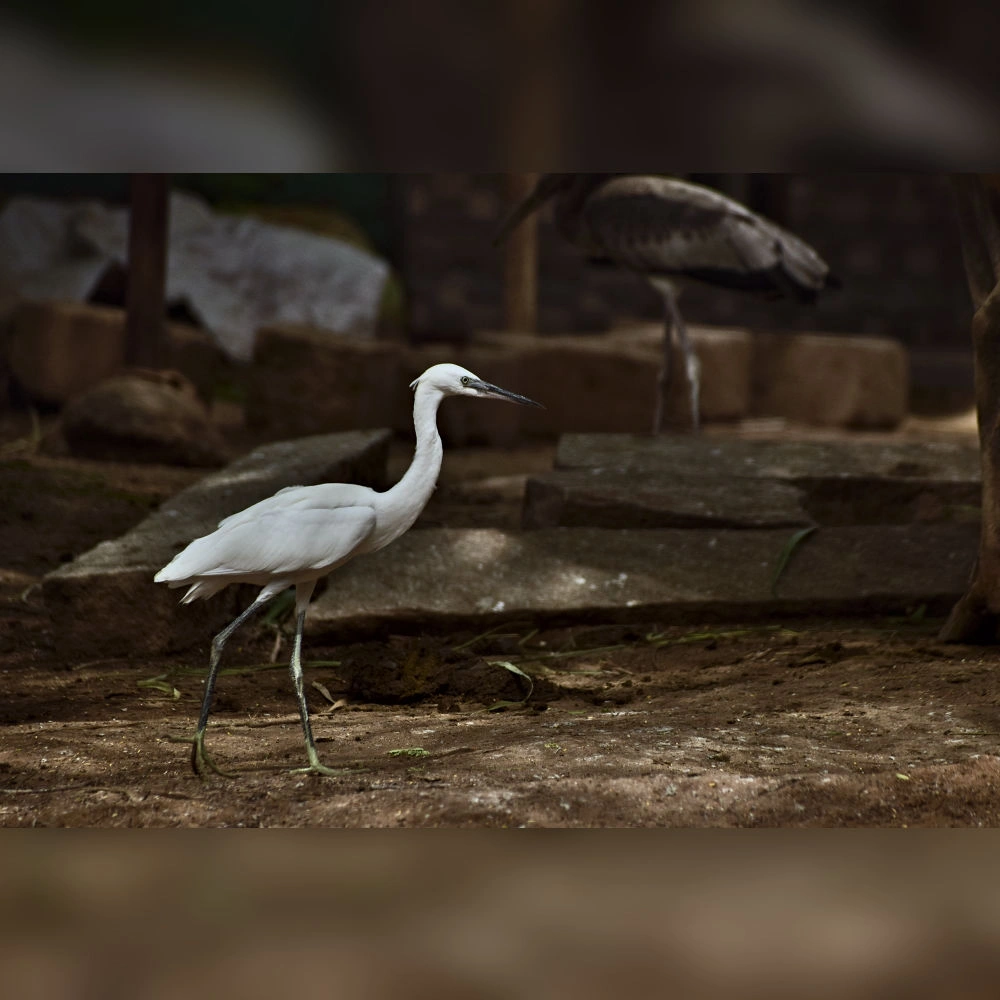
Little Egret
Black-crowned Night Heron
Indian Pond-Heron
Great Cormorant
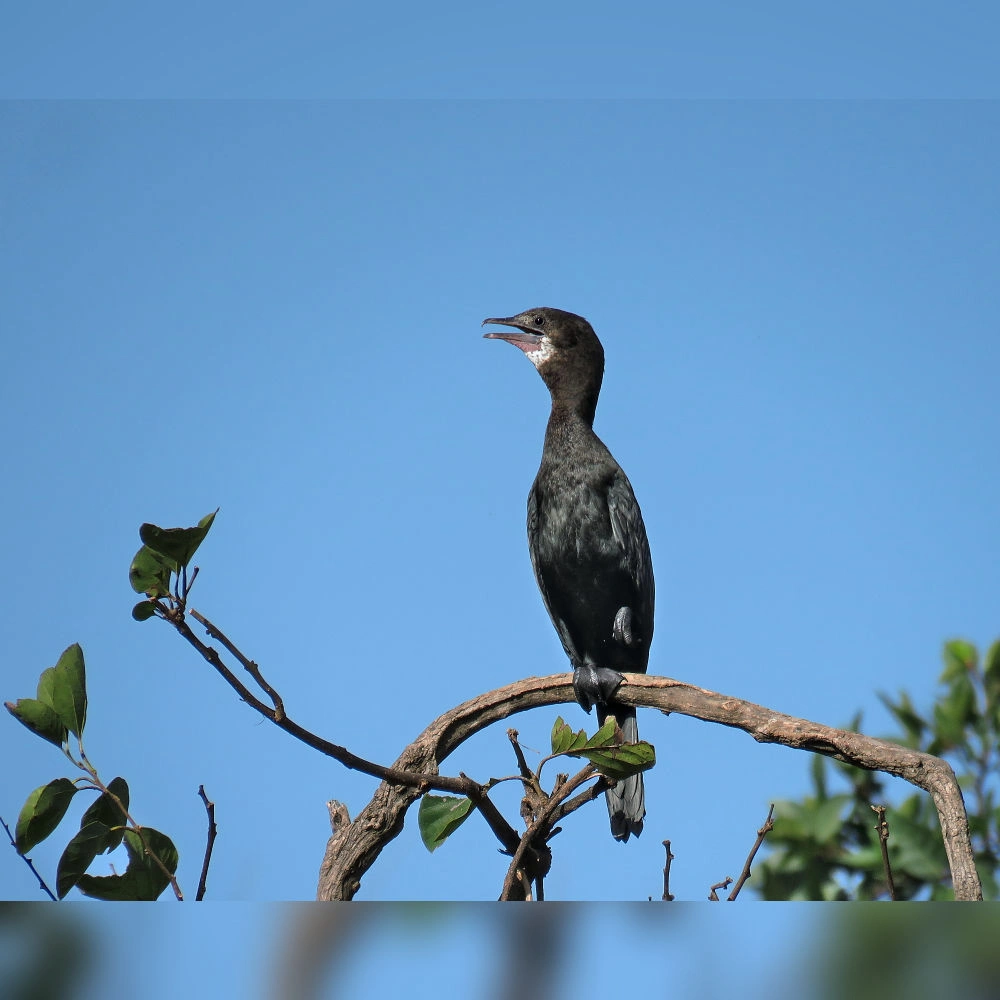
Little Cormorant
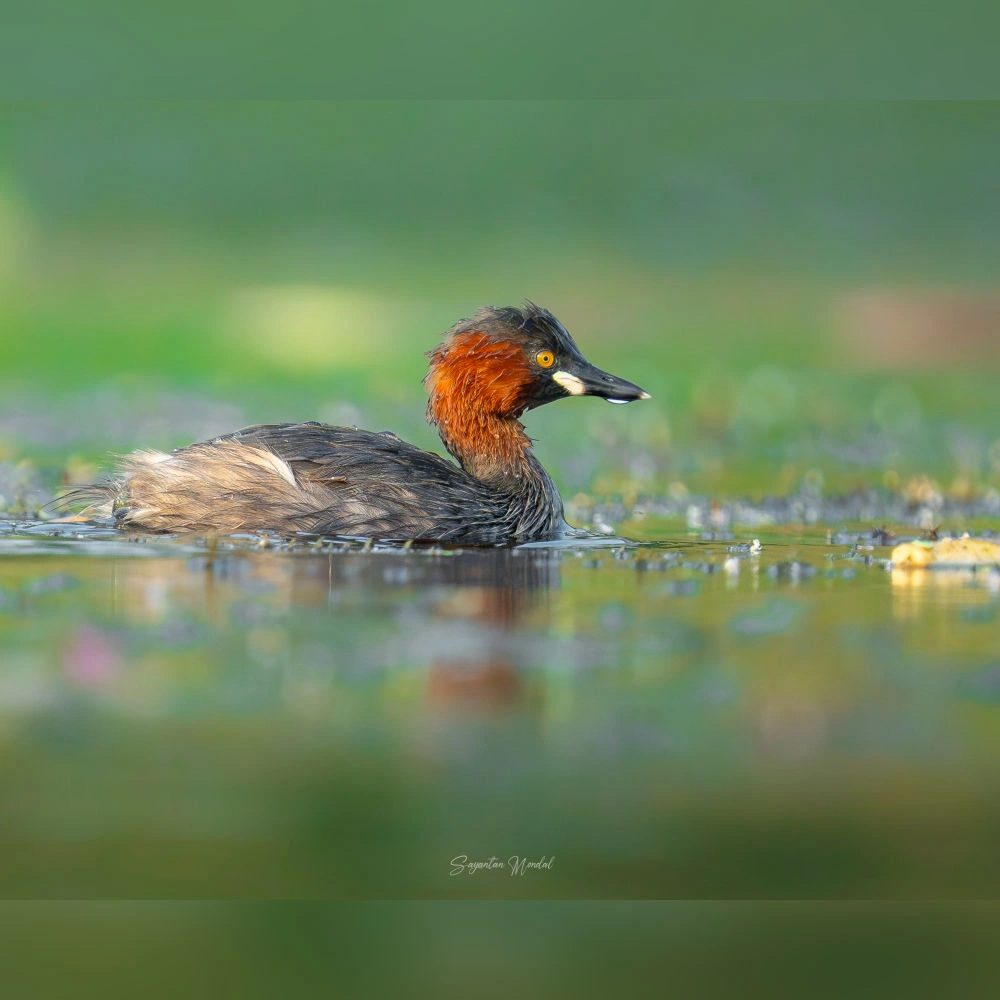
Little Grebe
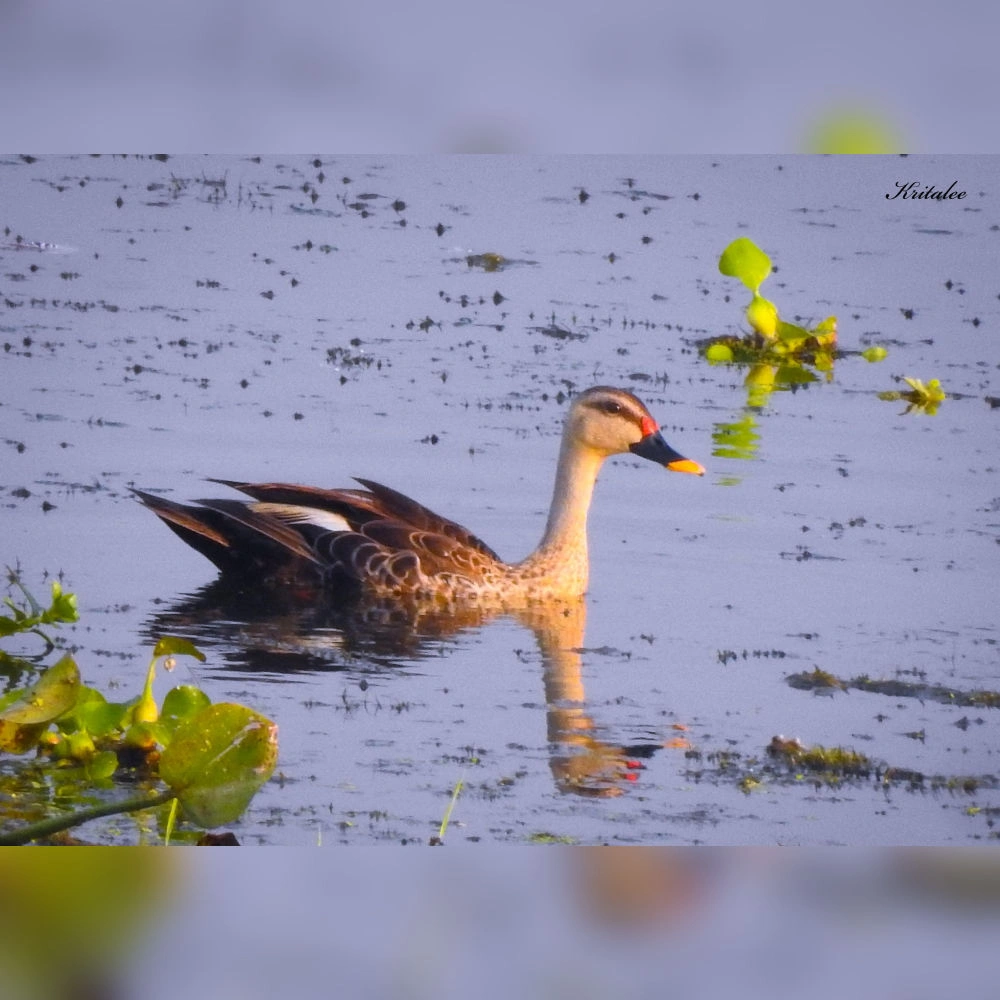
Indian Spot-billed Duck
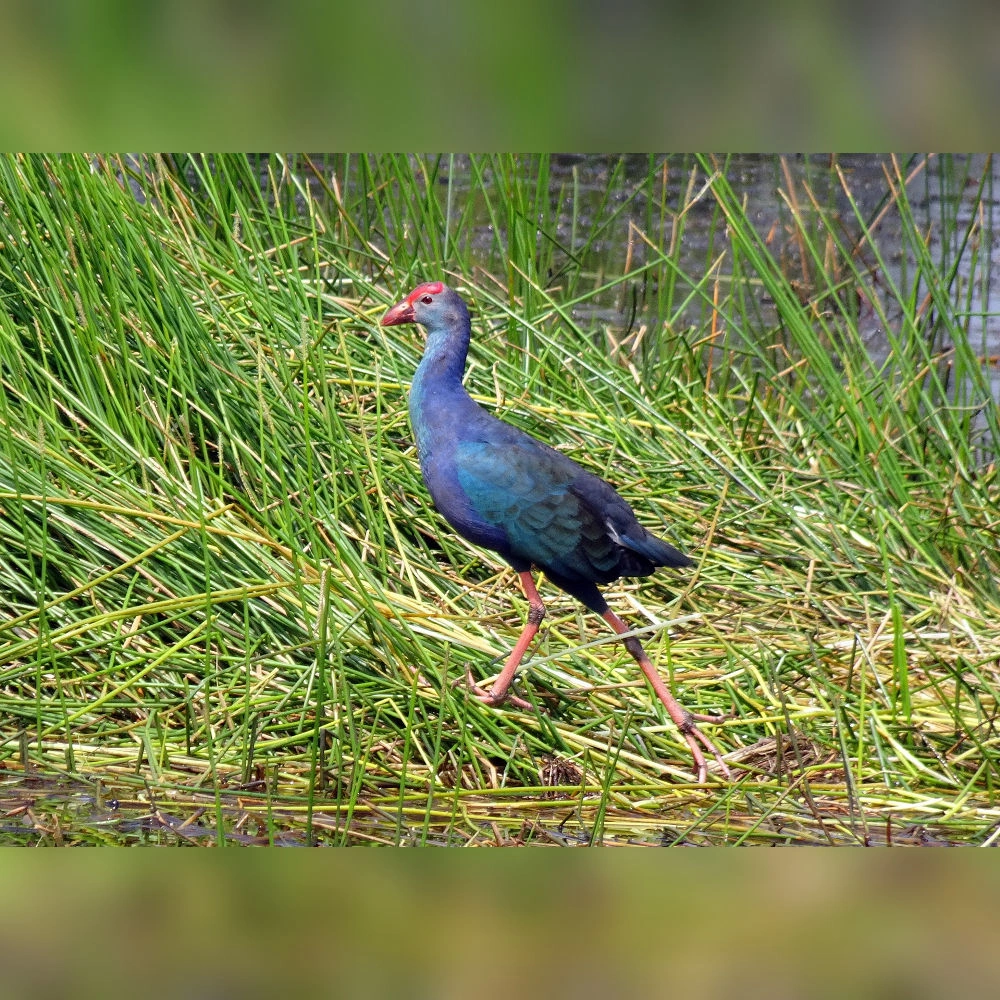
Grey-headed Swamphen
Eurasian Moorhen
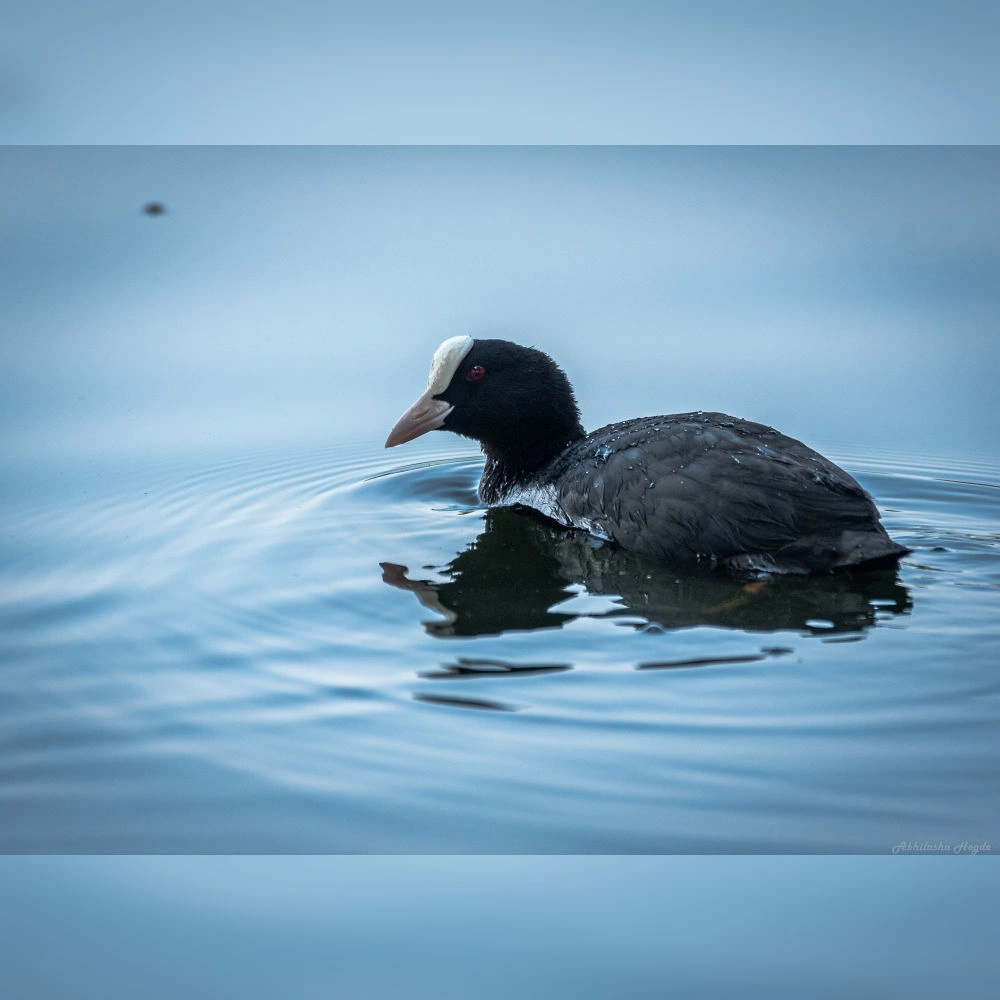
Eurasian Coot
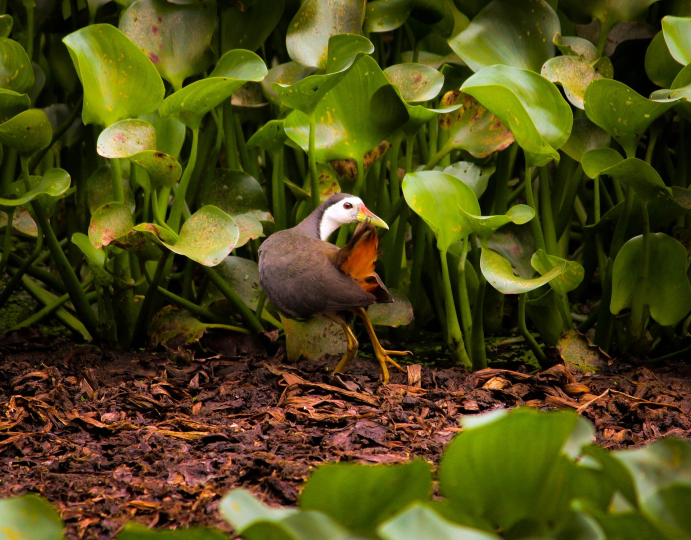
White-breasted Waterhen
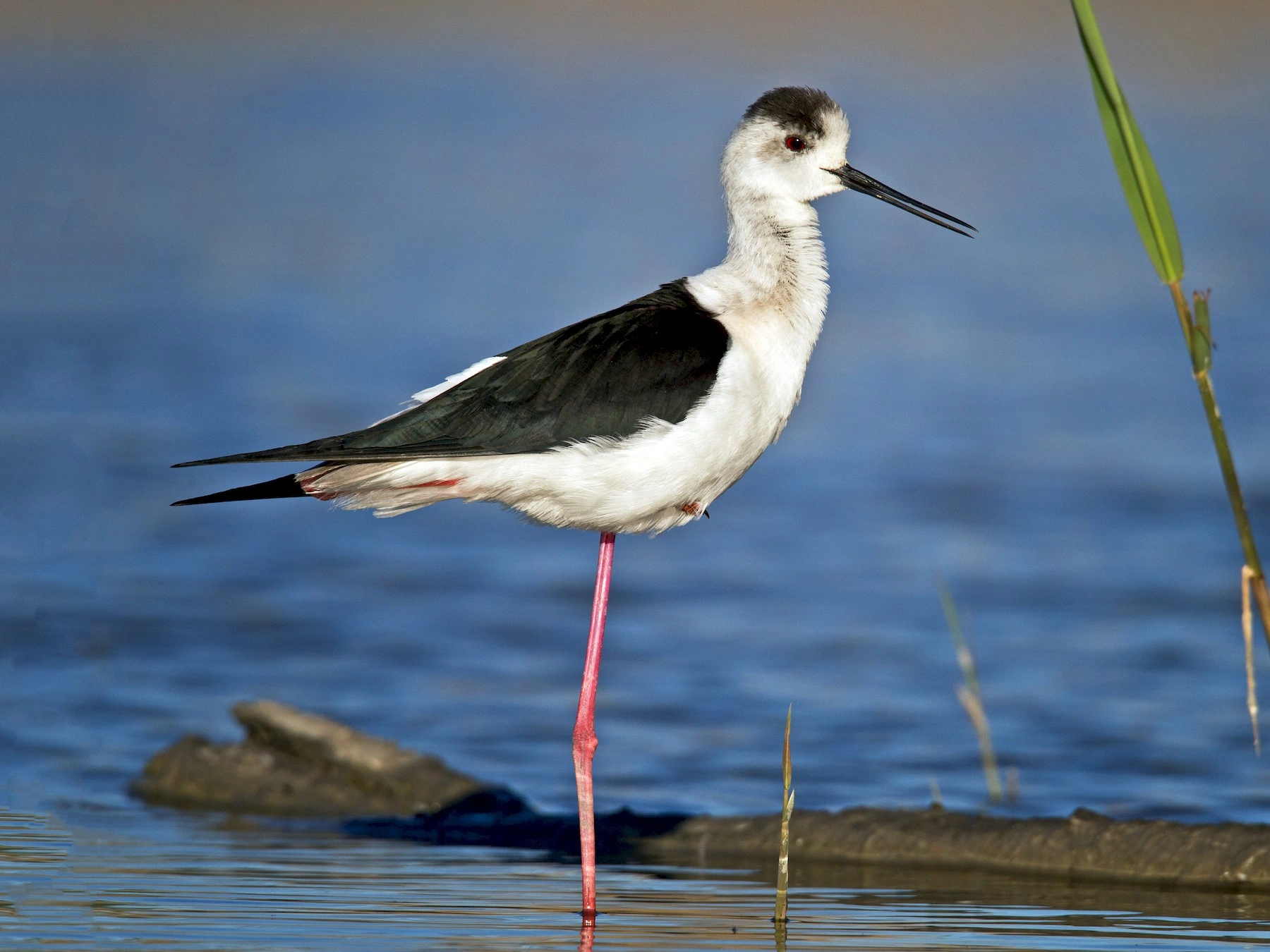
Black-winged Stilt
Wood Sandpiper
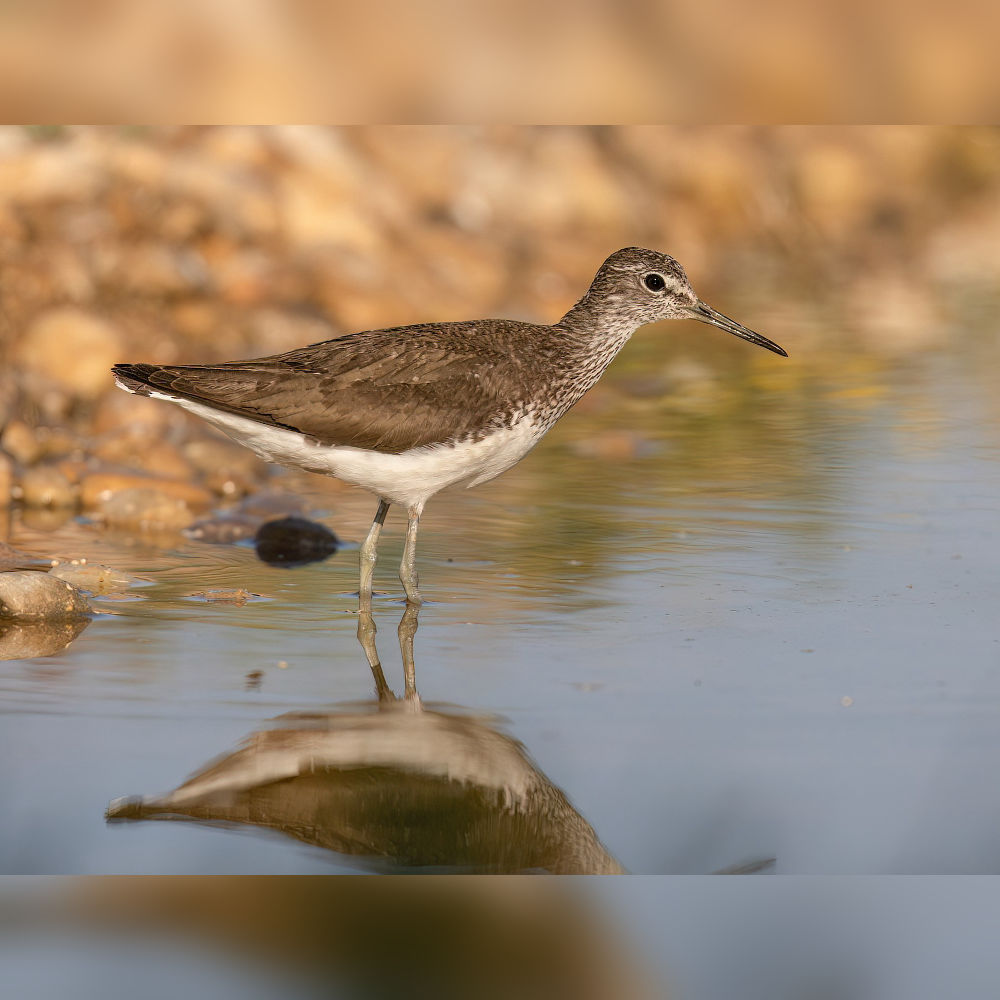
Green Sandpiper
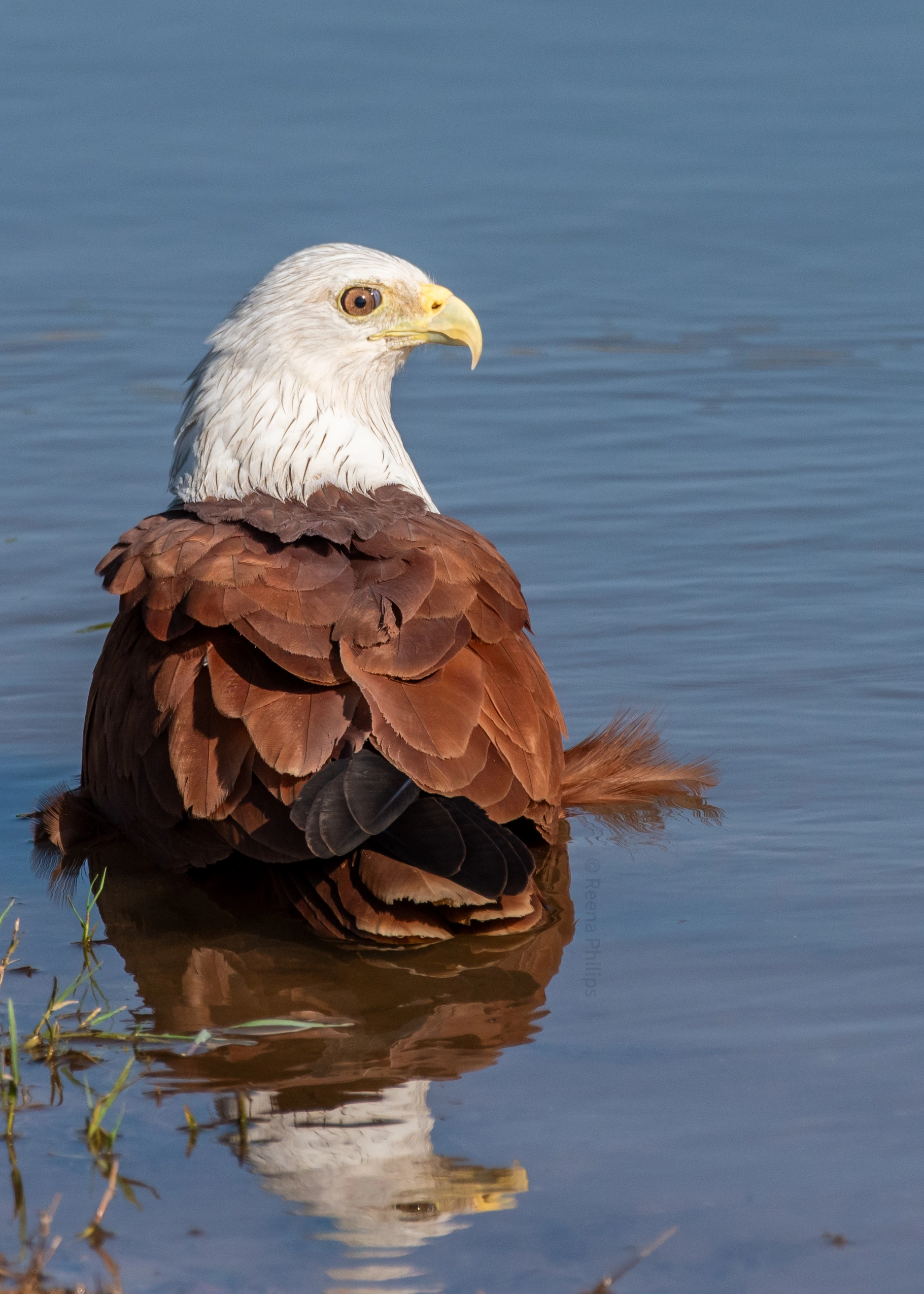
Brahminy Kite

Summary of Walk

Four birders joined guide Uma Vaijnath at Sunkalpalya Kere in Bengaluru on 17 October for a relaxed and rewarding walk around the lake, recording 31 species along the way. The small group had time to take in every corner of the lake, from the open water to the reeds and the trees along the bund, and the conversation flowed easily between birders and guide. A Painted Stork, with its pink-tinged wing feathers and long yellow bill, was one of the stars of the morning, wading elegantly through the shallows and giving everyone a perfect photo opportunity. The Spot-breasted Fantail, a lively little bird that flares its tail like a fan as it darts from branch to branch, was another delight, and its energetic display kept the group entertained. Around the lake, herons, egrets, cormorants and other wetland birds went about their morning routines, while the trees and bushes held a lively mix of resident songbirds. Uma shared tips on identification, calls and behaviour, helping each participant spot the details that separate similar-looking species, and she encouraged everyone to ask questions and share their own observations. With a compact group, the walk felt personal and relaxed, and every sighting could be enjoyed at leisure. The calm of the lake, the sound of birdsong and the steady stream of new species made the morning a pleasure, and the group left with a deeper appreciation for the lakes of Bengaluru and the birds that depend on them. It was a lovely reminder that a small group and a quiet lake can be all it takes for a memorable morning of birding.
Number of Participants
0
Scroll to Top