Loading Events

Bird Walk at Suvarnamukhi Dam Reservoir , Bangalore, Karnataka

About Suvarnamukhi Dam Reservoir

Nestled amidst the rolling countryside of southern India, Suvarnamukhi Dam Reservoir is a picturesque freshwater reservoir that serves as both an important water source and a valuable habitat for wildlife. Its expansive open waters, shallow edges, marshy fringes, grasslands, and surrounding scrub and agricultural landscapes create a diverse ecosystem that supports a rich variety of aquatic plants, fish, insects, reptiles, and birds. The changing water levels throughout the year provide ideal feeding and nesting habitats, making the reservoir a thriving refuge for biodiversity and a peaceful destination for nature lovers.
For birdwatchers, Suvarnamukhi Dam Reservoir is an excellent destination throughout the year, attracting both resident species and seasonal visitors. Waterbirds gather across the reservoir while the surrounding scrub and woodland support an array of songbirds, raptors, and colourful woodland species. Like many freshwater wetlands, however, the reservoir faces growing pressures from habitat degradation, pollution, invasive vegetation, and increasing human disturbance. Continued habitat management, responsible ecotourism, and community-led conservation are essential to preserving the reservoir’s ecological importance and ensuring it remains a haven for wildlife.

Partnered with

Bird Guide - Abhay Vijay Shankar

Passionate bird enthusiast with 2 years of experience in Bengaluru and nearby districts, skilled in field observation and dedicated to sharing knowledge and creating meaningful nature experiences.

Bird walk Location

Common birds of Suvarnamukhi Dam Reservoir

Suvarnamukhi Dam Reservoir supports an impressive blend of wetland and terrestrial birds, making it an ideal destination for birdwatchers in every season. The open waters are home to Little Cormorants, Little Grebes, Indian Spot-billed Ducks, Eurasian Coots, and the elegant Bronze-winged Jacana, while the shoreline provides feeding grounds for Indian Pond-Herons and Red-wattled Lapwings. The surrounding scrub and woodland are equally rewarding, with White-cheeked Barbets, Rose-ringed Parakeets, Asian Green Bee-eaters, Purple Sunbirds, and Pale-billed Flowerpeckers adding colour and activity to the landscape. Visitors may also encounter Indian Peafowl, Brahminy Kites, Greater Coucals, Baya Weavers, and a variety of bulbuls and small songbirds, making every visit to the reservoir a rich and memorable birdwatching experience.
Ashy Prinia
Asian Green Bee-eater
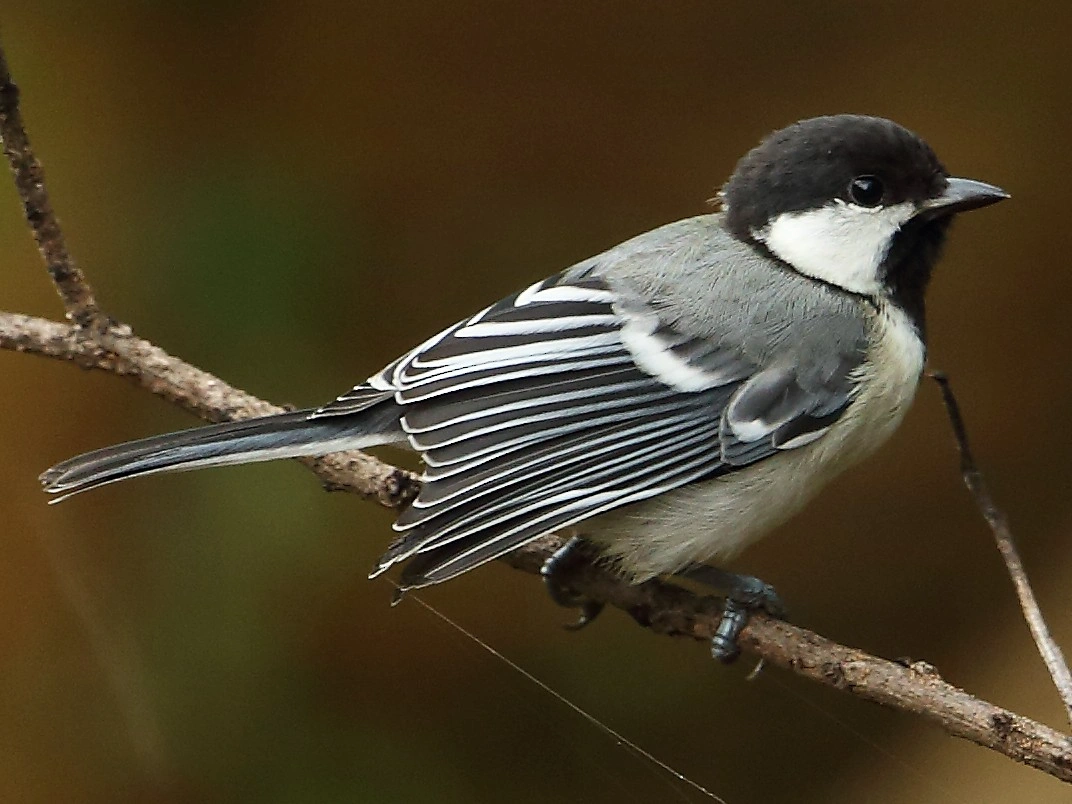
Asian Tit
Asian Koel
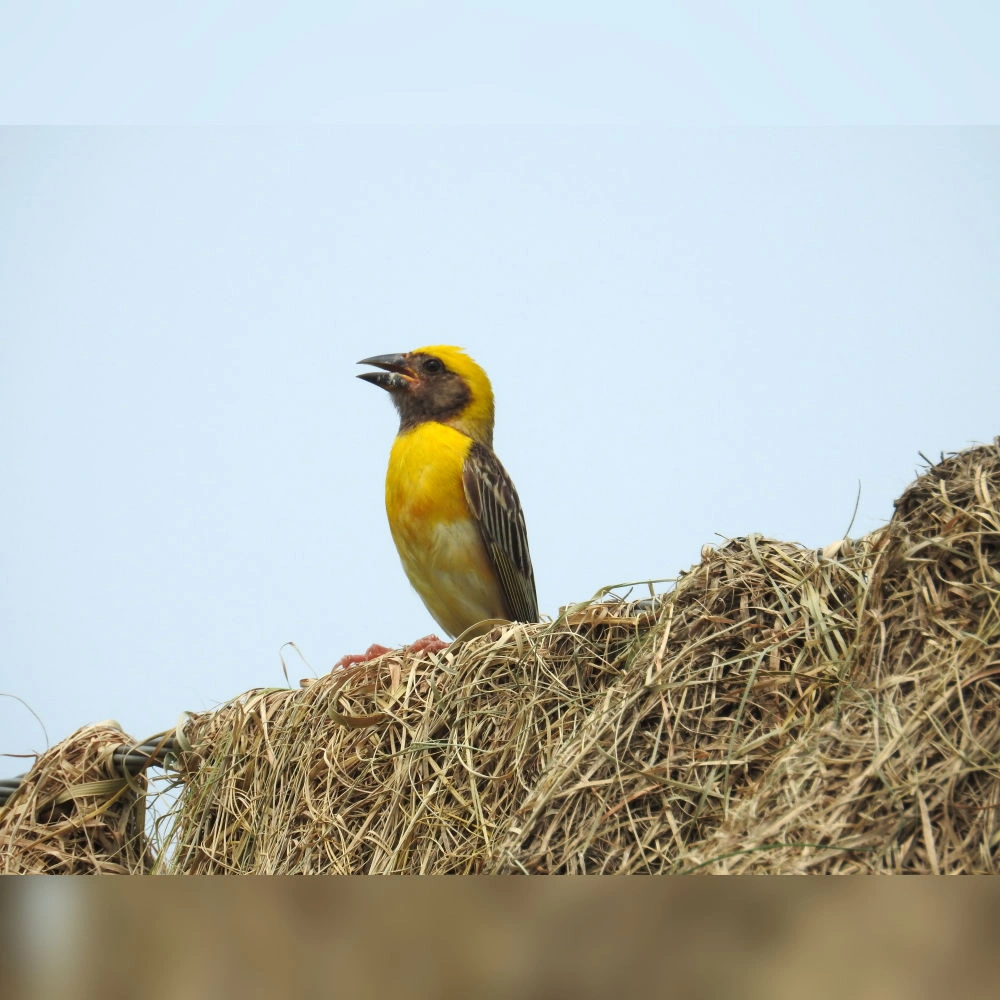
Baya Weaver
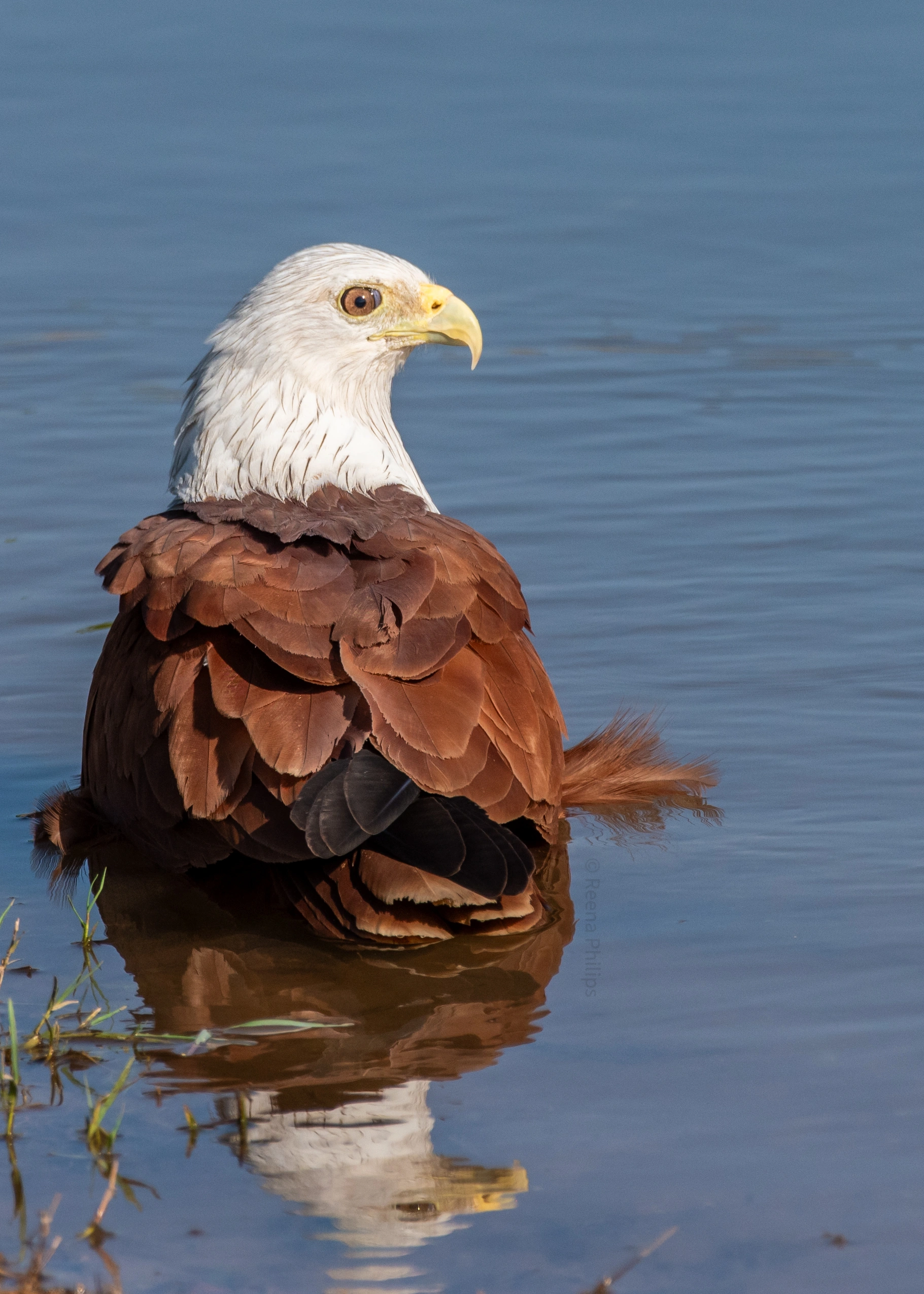
Brahminy Kite
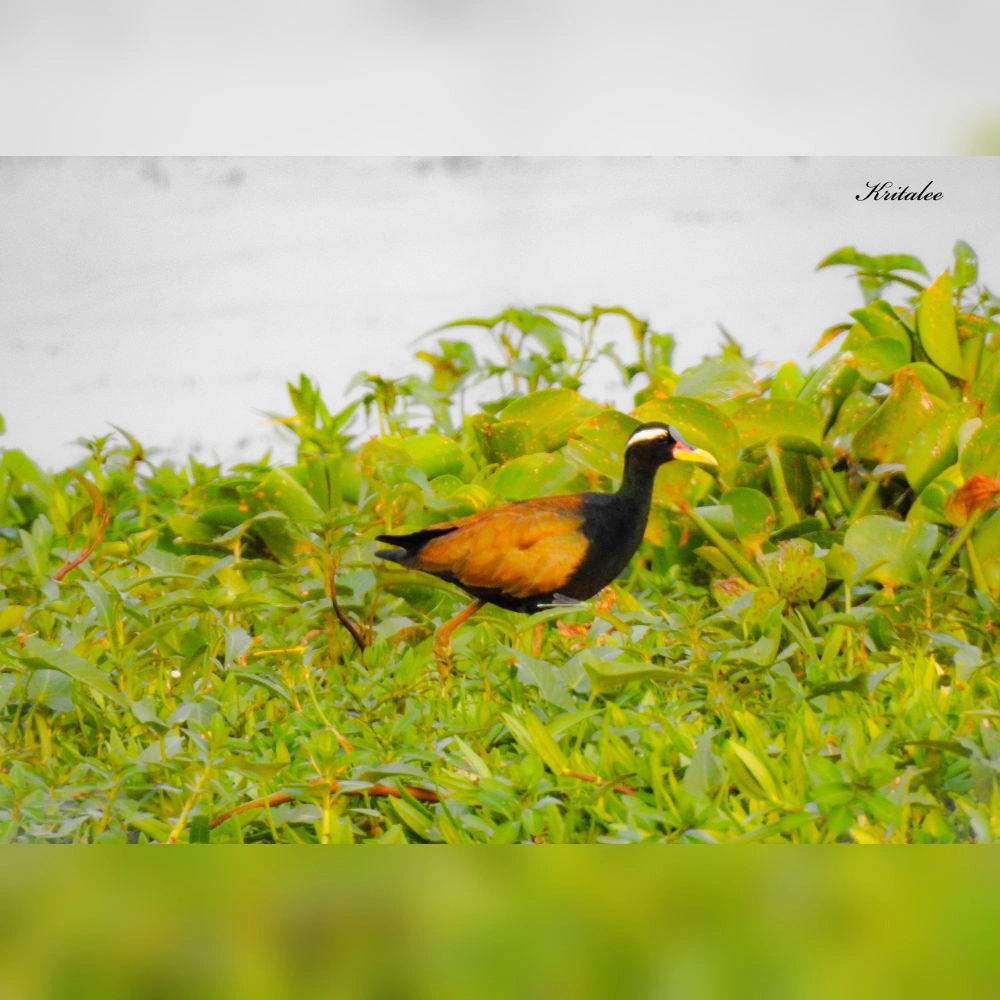
Bronze-winged Jacana
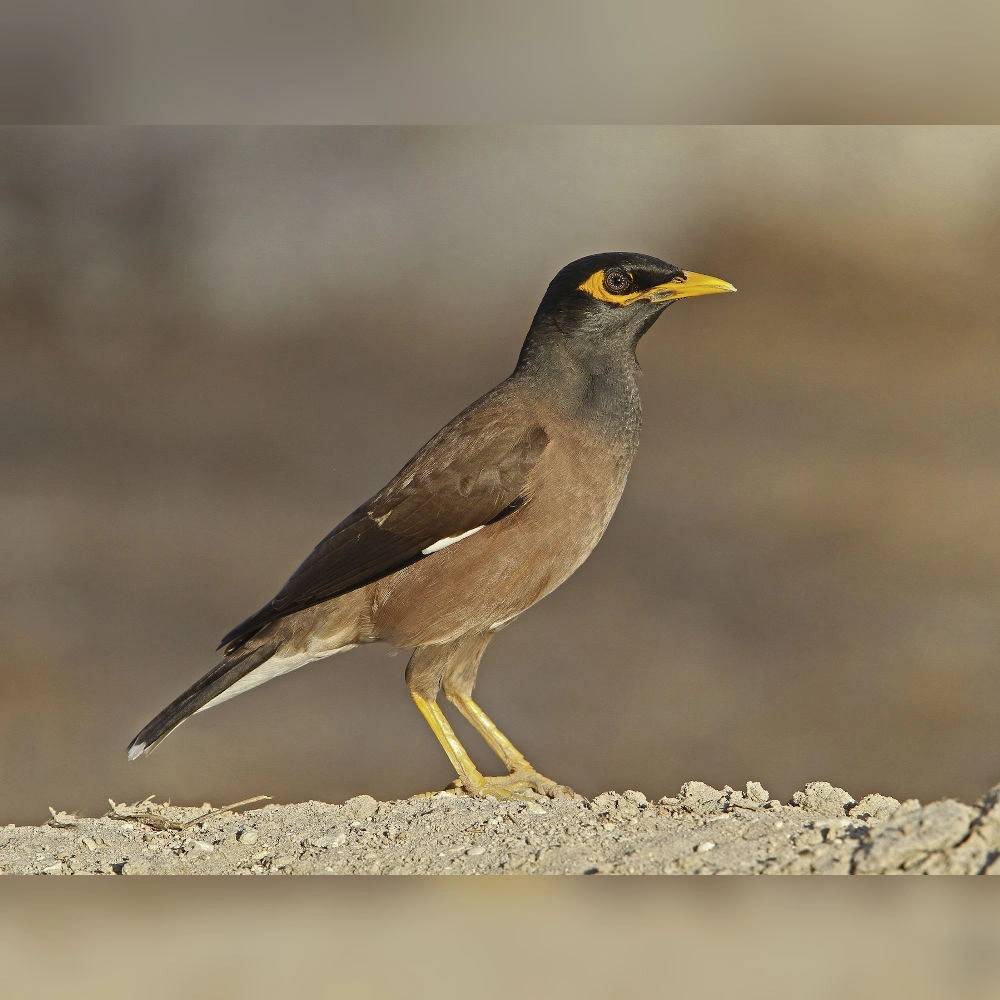
Common Myna
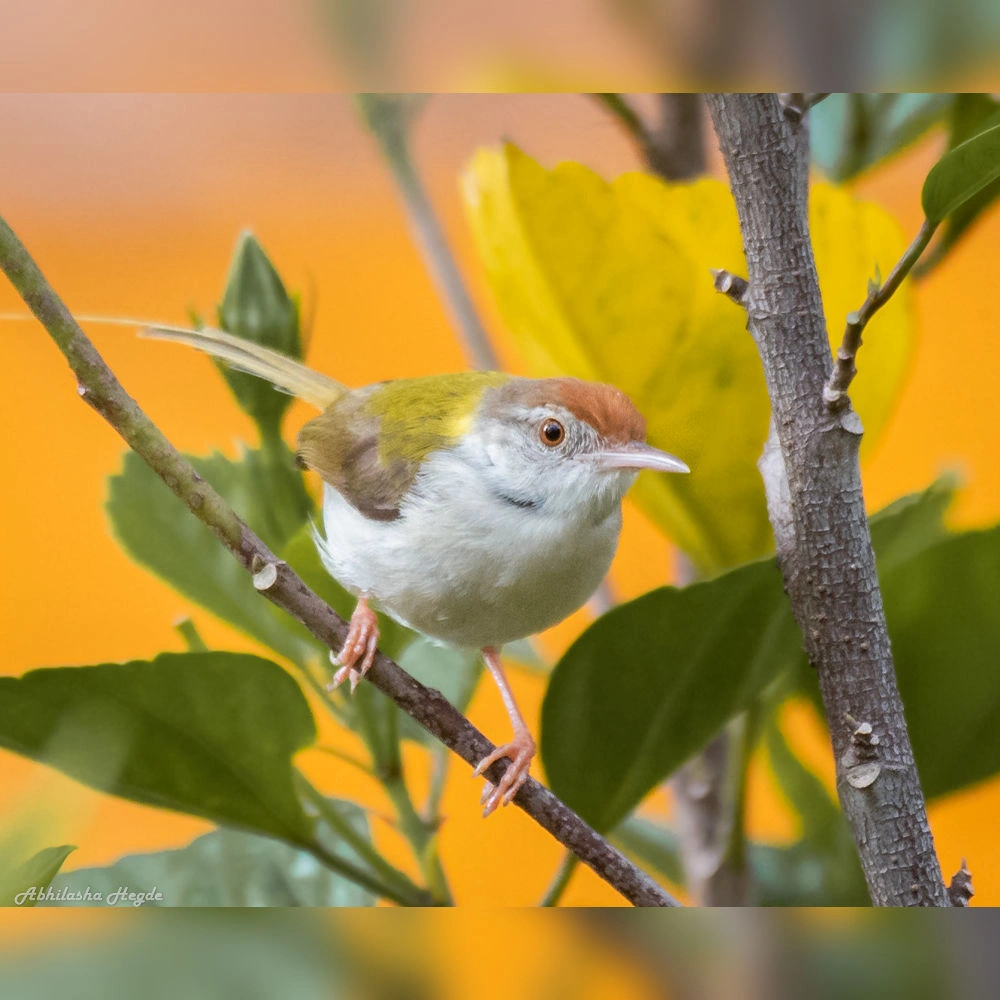
Common Tailorbird
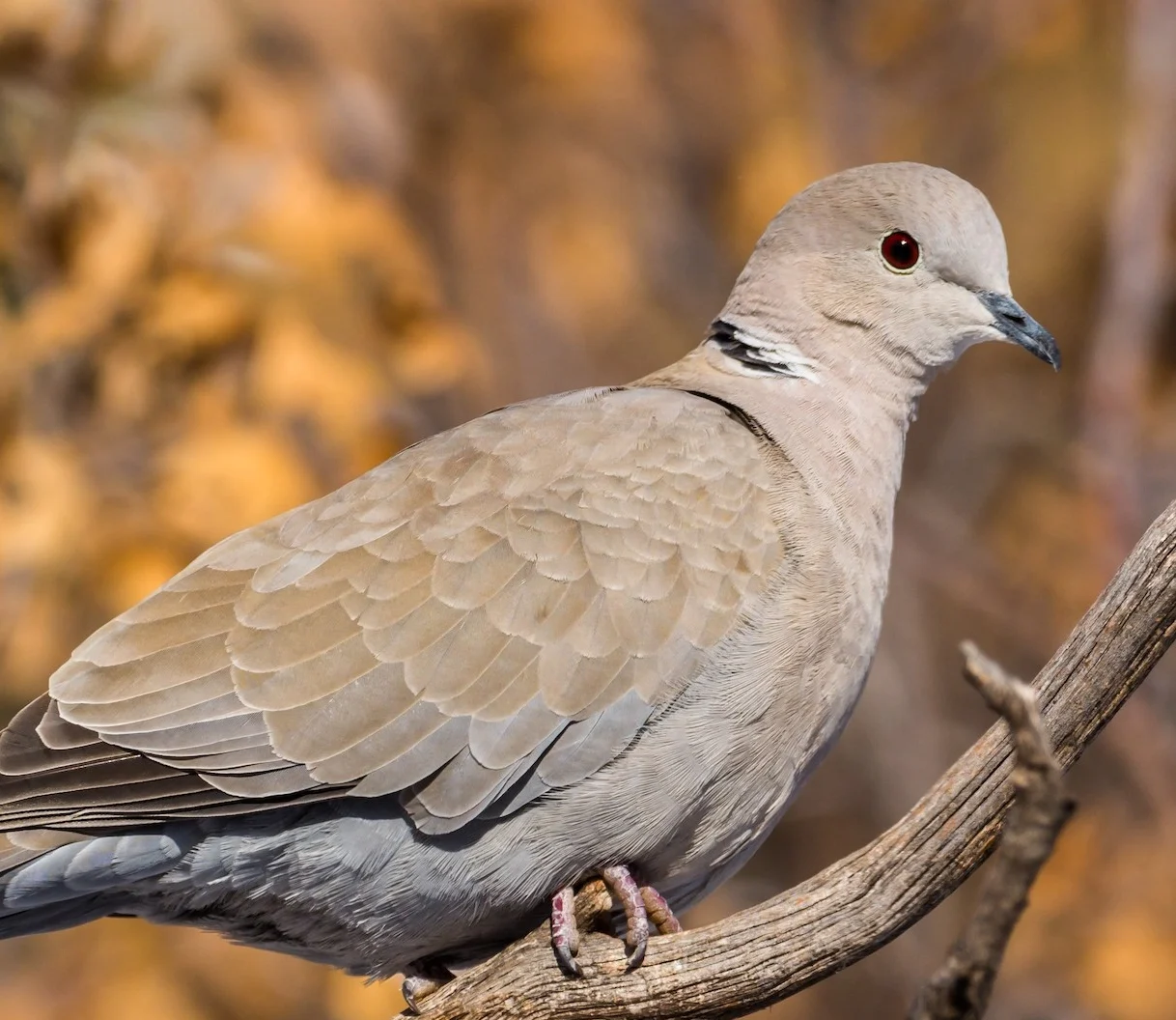
Eurasian Collared-Dove
Eurasian Coot
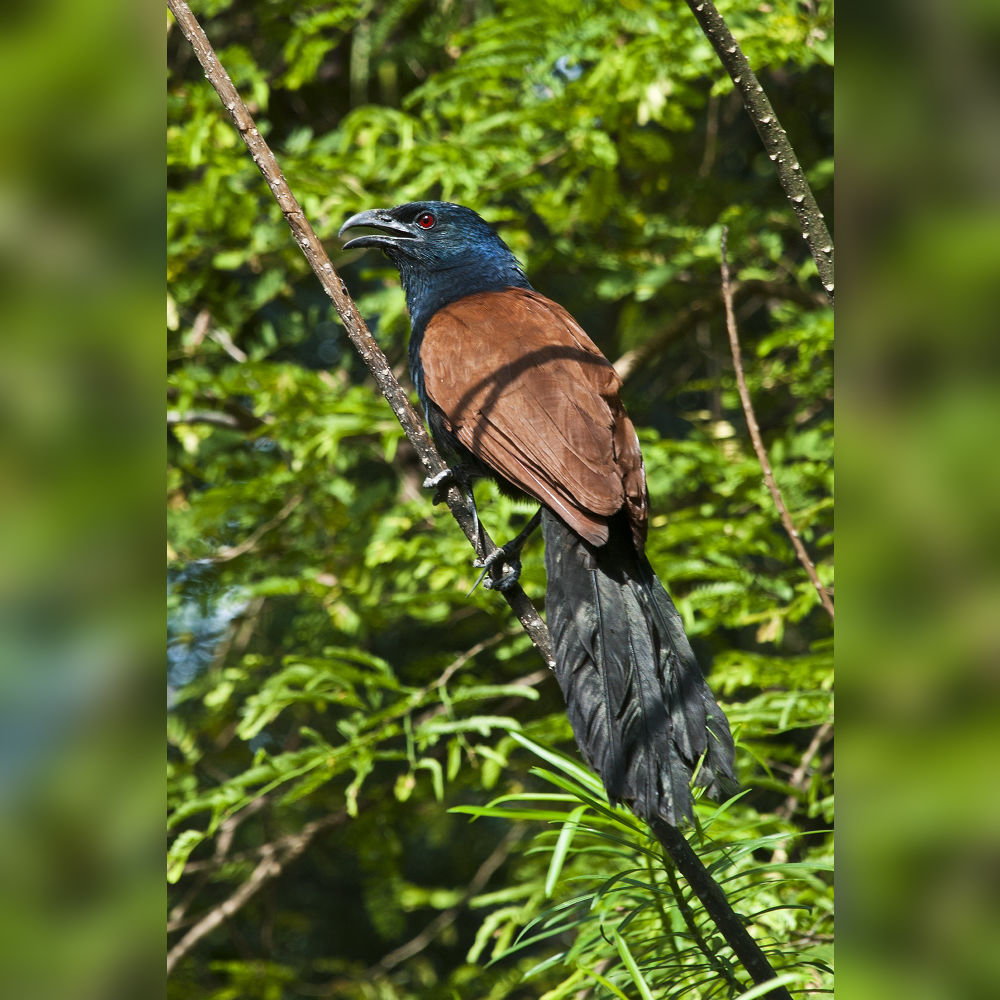
Greater Coucal
Indian Peafowl
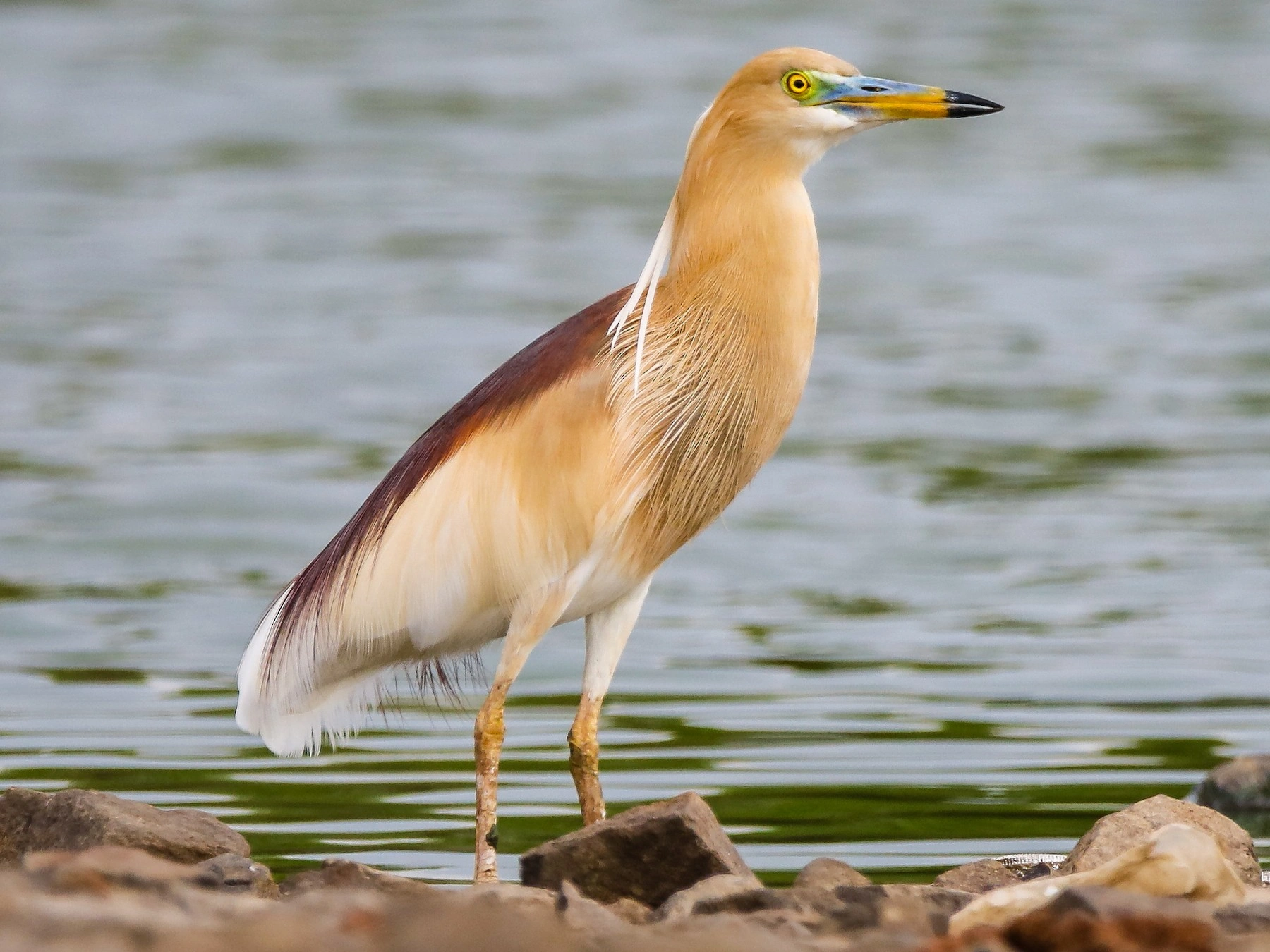
Indian Pond-Heron
Indian Spot-billed Duck
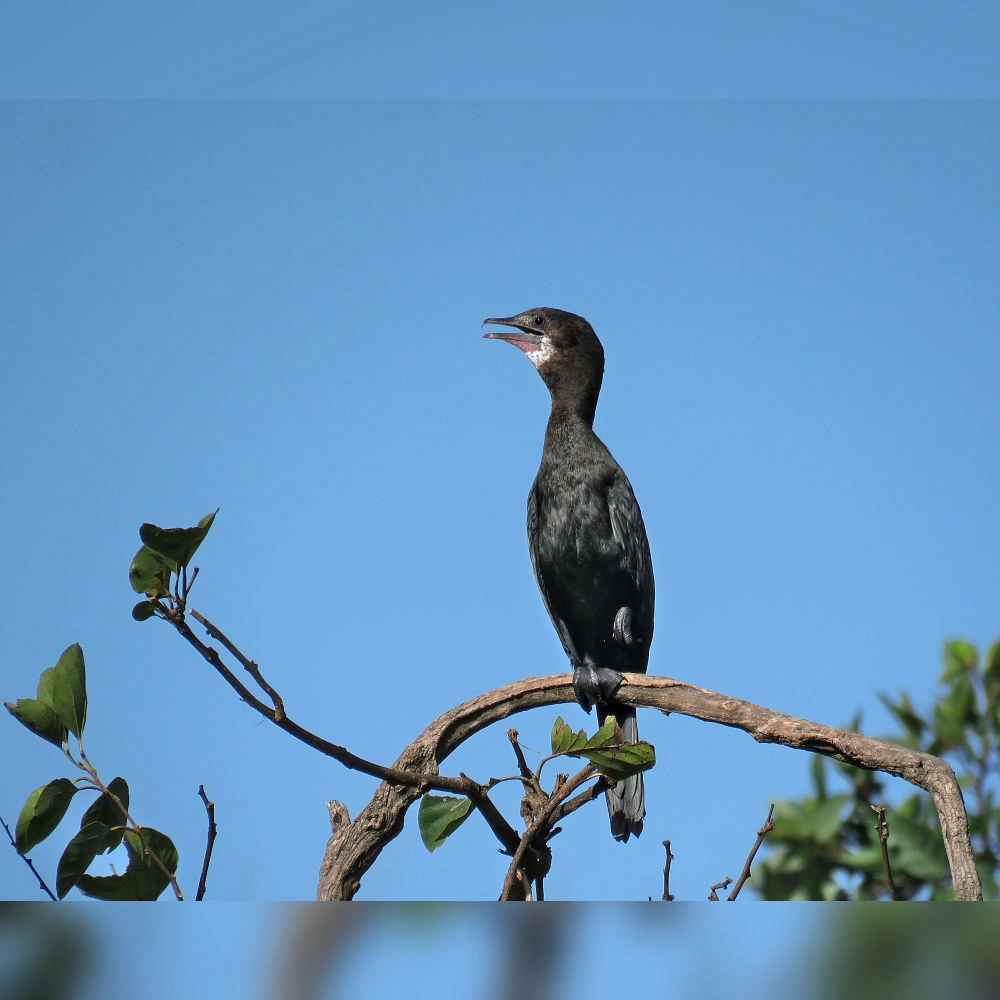
Little Cormorant
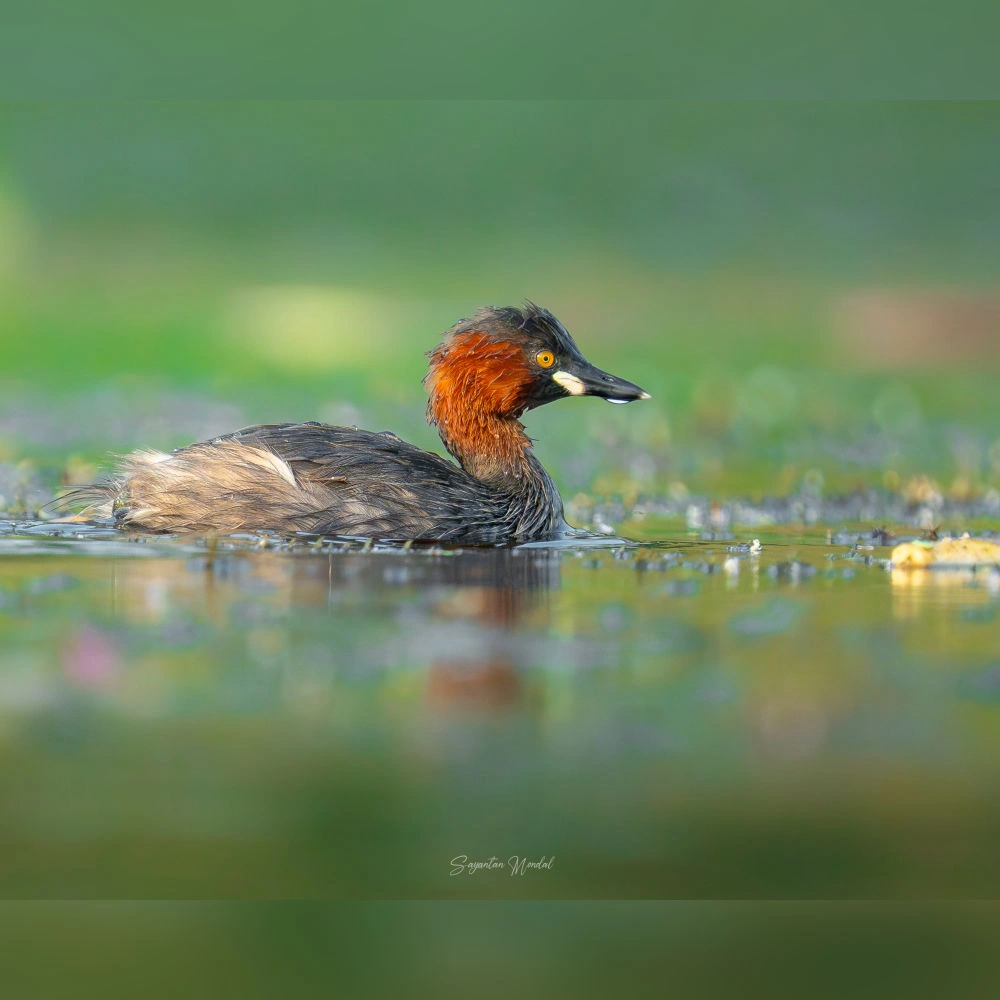
Little Grebe
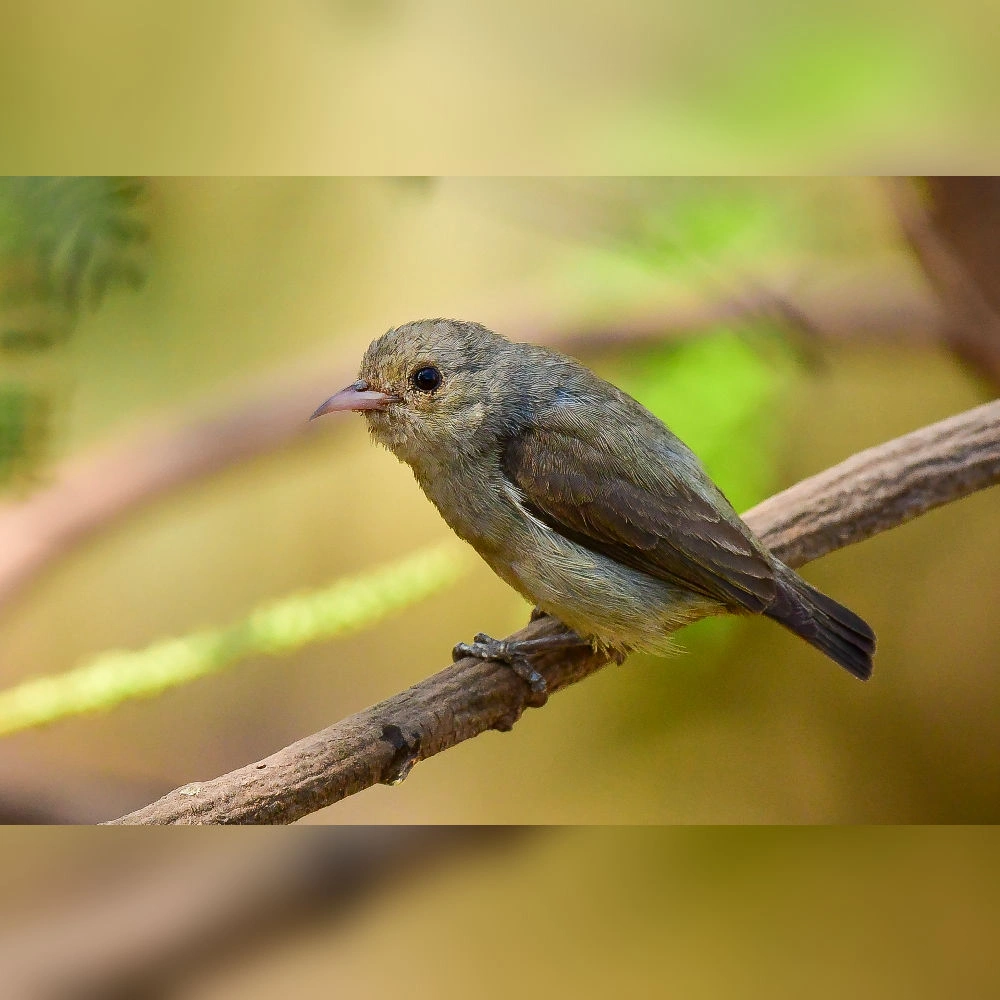
Pale-billed Flowerpecker
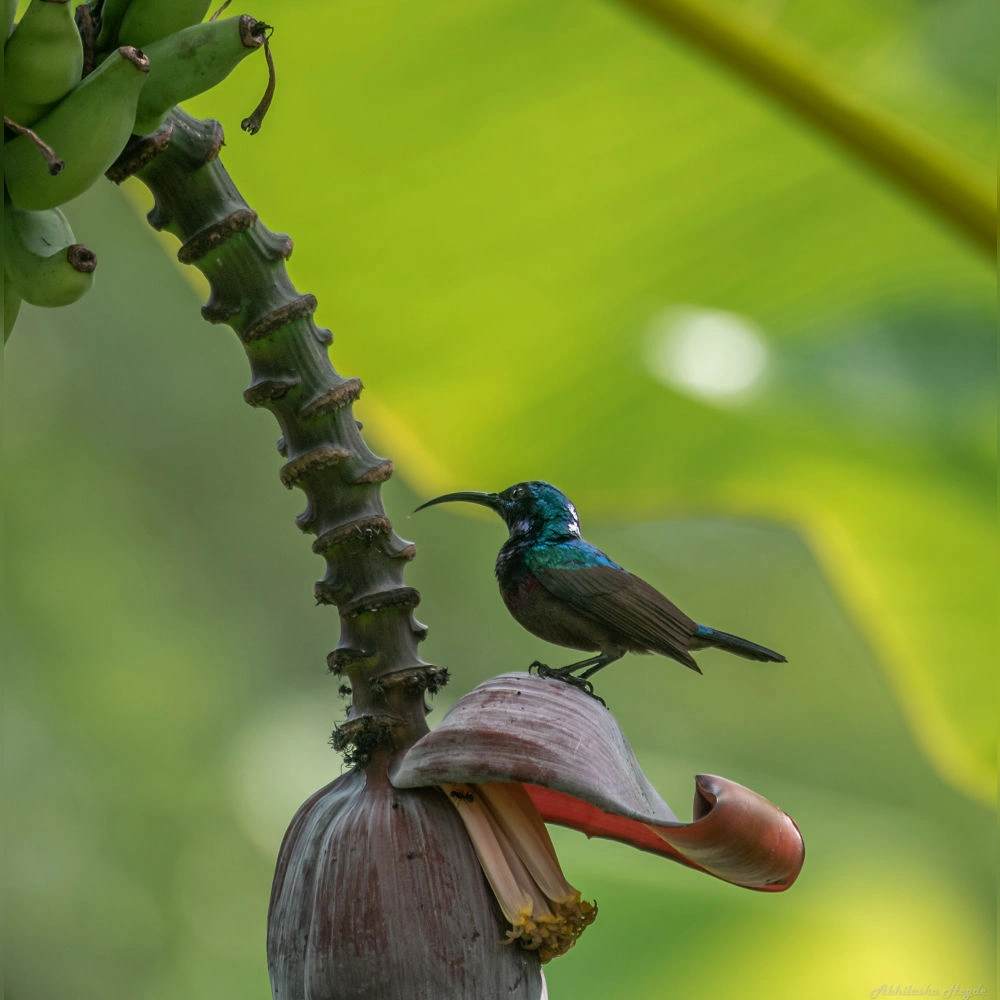
Purple Sunbird
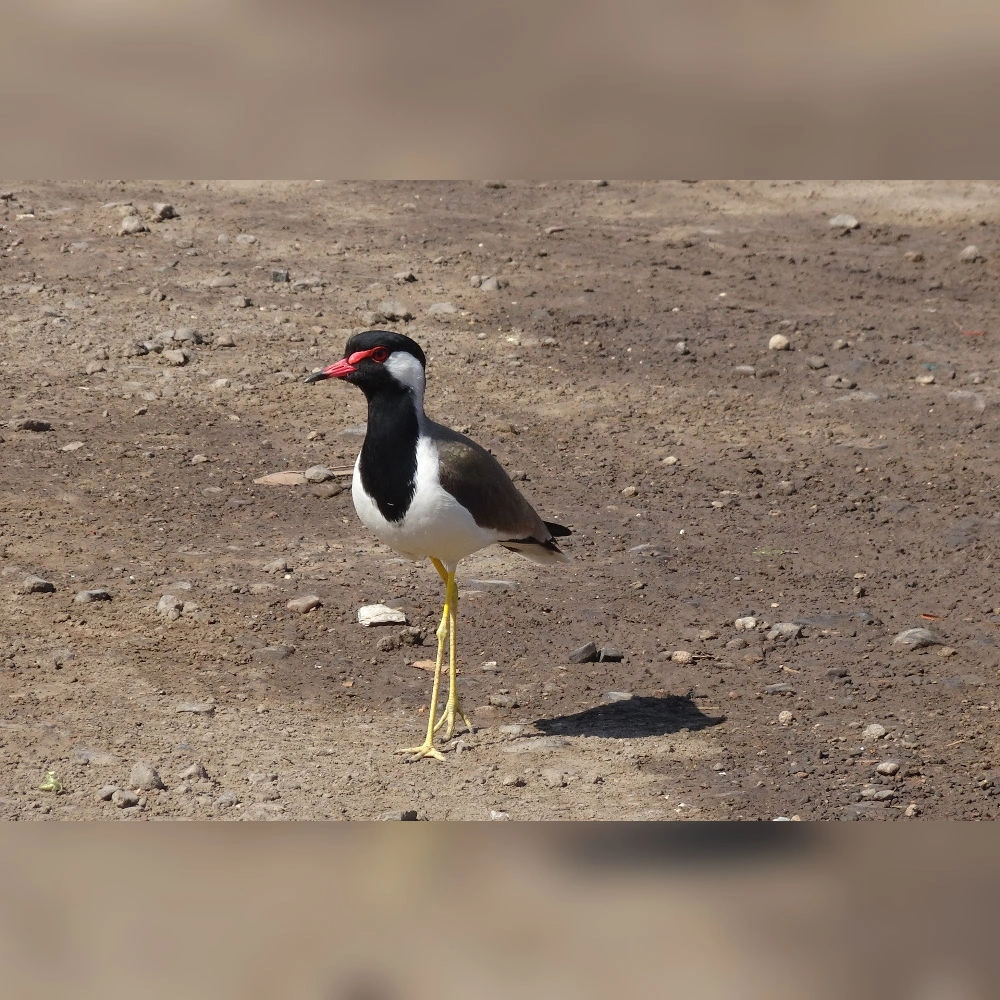
Red-wattled Lapwing

Summary of Walk

The bird walk at Suvarnamukhi Reservoir brought together 10 participants for a productive morning exploring wetland and scrub habitats. The reservoir’s varied landscape provided ideal conditions for observing both waterbirds and terrestrial species. Participants moved along the edges of the water body, taking in the diversity of birdlife while also learning about ecological interactions within wetland ecosystems. The calm surroundings and steady bird activity made the experience both engaging and educational.

A total of 38 species were recorded during the session. Highlights included flocks of Red Avadavats, Indian Spot-billed Ducks, and Little Egrets, along with sightings of Glossy Ibis, Grey Heron, and Eurasian Coot. Participants also observed Baya Weavers and Rose-ringed Parakeets, adding to the diversity of sightings. The walk focused on identifying birds using field marks, calls, and behaviour, helping participants build confidence in their birding skills. Discussions around the ecological importance of wetlands further enriched the experience. Overall, the session highlighted the significance of reservoirs like Suvarnamukhi in supporting diverse birdlife.

Number of Participants
0
Scroll to Top