
Loading Events

Bird Walk at Thane Saltpans, Thane

About Thane Saltpans

Along the banks of Thane Creek, one of the largest creeks in Asia, the Thane saltpans form a shimmering patchwork of shallow pools, earthen bunds and tidal channels between the mangroves and the city. Here, seawater is let in and left to evaporate, creating a constantly changing mosaic of water depths, salt crusts and wet mud. The saltpans lie beside mudflats and mangrove forests, and together they make up one of the Mumbai region’s most important bird habitats. Thane Creek supports over 100,000 birds in winter, and studies have recorded more than 160 bird species along it. The nearby Thane Creek Flamingo Sanctuary is famous for its pink flocks. When high tide covers the creek’s mudflats, shorebirds retreat to the saltpans to rest, since the open ground and protective channels keep them safe from predators. Avocets, godwits, stints and sandpipers crowd the pools, while flamingos, storks and herons feed in the shallows and chats and wheatears perch on the bunds.
Yet these saltpans are among Mumbai’s most threatened habitats. Since 2004, the state has moved to treat saltpan lands as developable, and recent rule changes have opened large areas for housing and infrastructure. Reclamation for housing, industry and debris dumping, along with heavy loads of sewage and effluents, threatens the creek’s wider ecosystem. Birders warn that wetlands like Thane Creek appear on conservation lists and development plans alike, and development is winning. Protecting the saltpans is essential if the migratory birds of the Central Asian Flyway are to keep returning.

Bird Guide: Ninad Barve

Ninad Barve is an 18-year-old bird guide and wildlife photographer with 3–4 years of experience. Passionate about nature and wildlife, he is dedicated to exploring, documenting and contributing to conservation efforts.

Bird walk Location

Common birds of Thane Saltpans

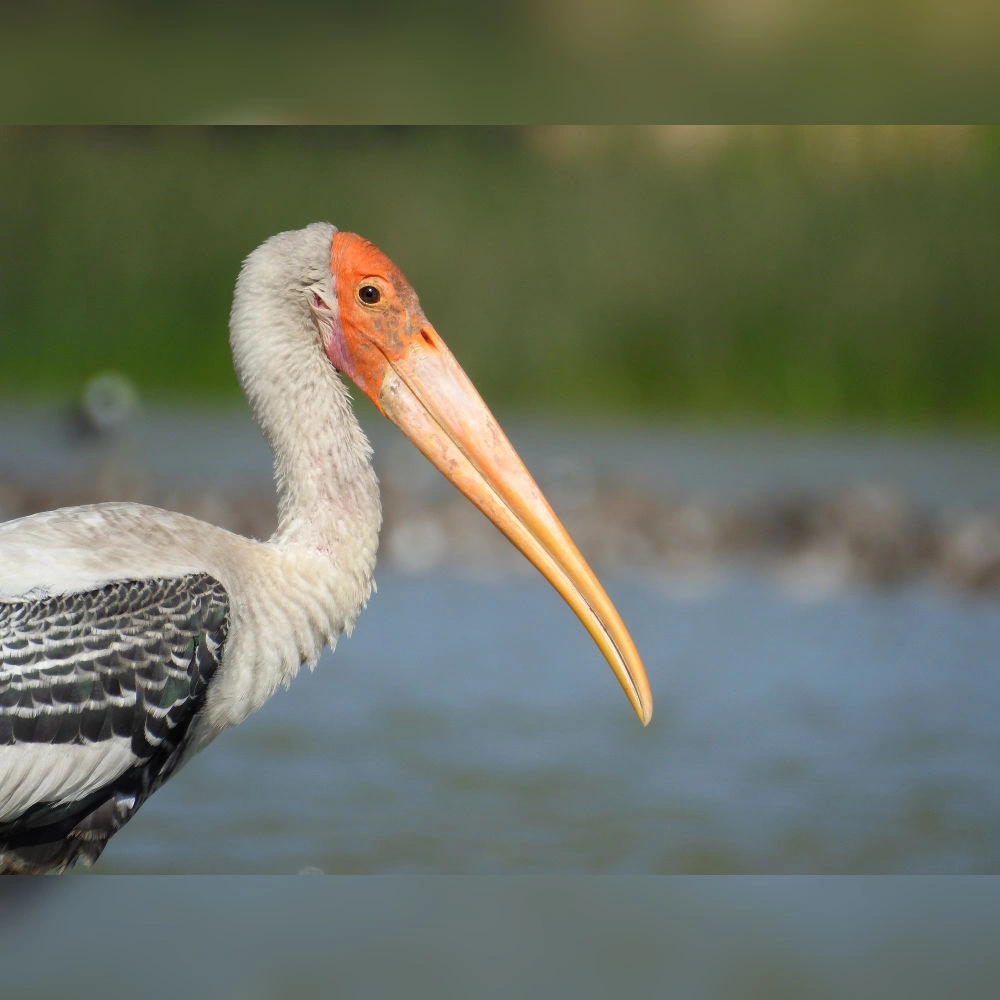
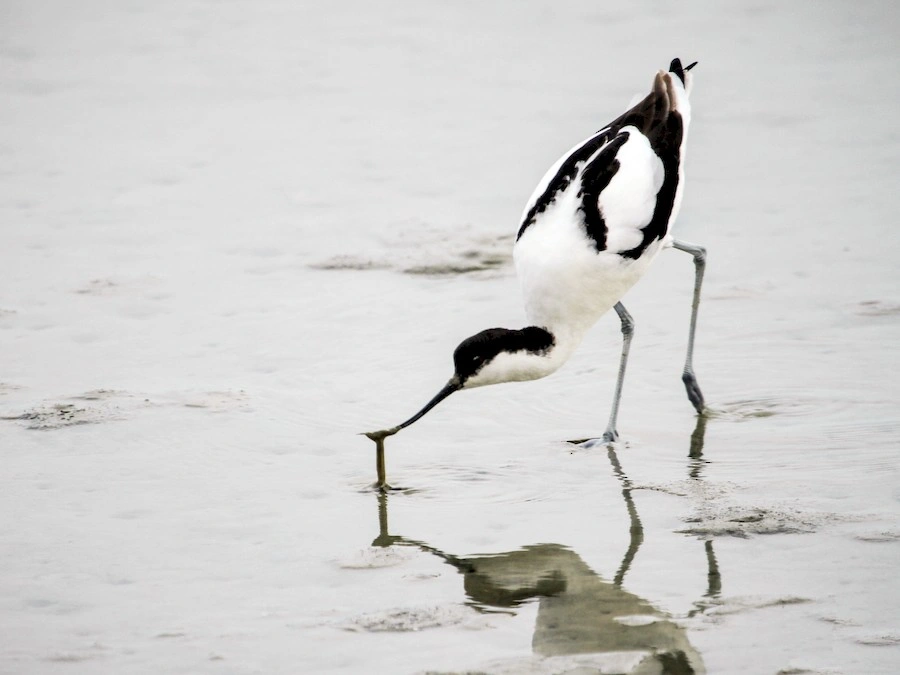
Thane’s saltpans come alive in winter with a remarkable variety of birds. Elegant Pied Avocets sweep their upturned bills through the shallows, while flocks of Black-tailed Godwits probe the mud with long, straight bills. Greater and Lesser Flamingos wade in pink-tinged groups, Painted Storks feed with heads lowered, and Black-winged Stilts stride on impossibly long pink legs. Smaller waders dash across the pools: tiny Little Stints, Kentish and Lesser Sand Plovers, Marsh Sandpipers and Common Redshanks. Along the edges, the Gray Heron and secretive Purple Heron stand watch, the Little Egret and Western Reef-Heron hunt in the shallows, and the Common Kingfisher flashes past in a streak of blue. Over the water, Brown-headed Gulls gather in noisy flocks and Gull-billed Terns hawk for prey, while the Western Marsh Harrier glides low, scattering the waders. On the bunds and bushes, Siberian Stonechats, Pied Bushchats and the pale Desert Wheatear perch in the open, adding a touch of dry-country charm to this coastal wetland.
Pied Avocet
Painted Stork
Common Kingfisher
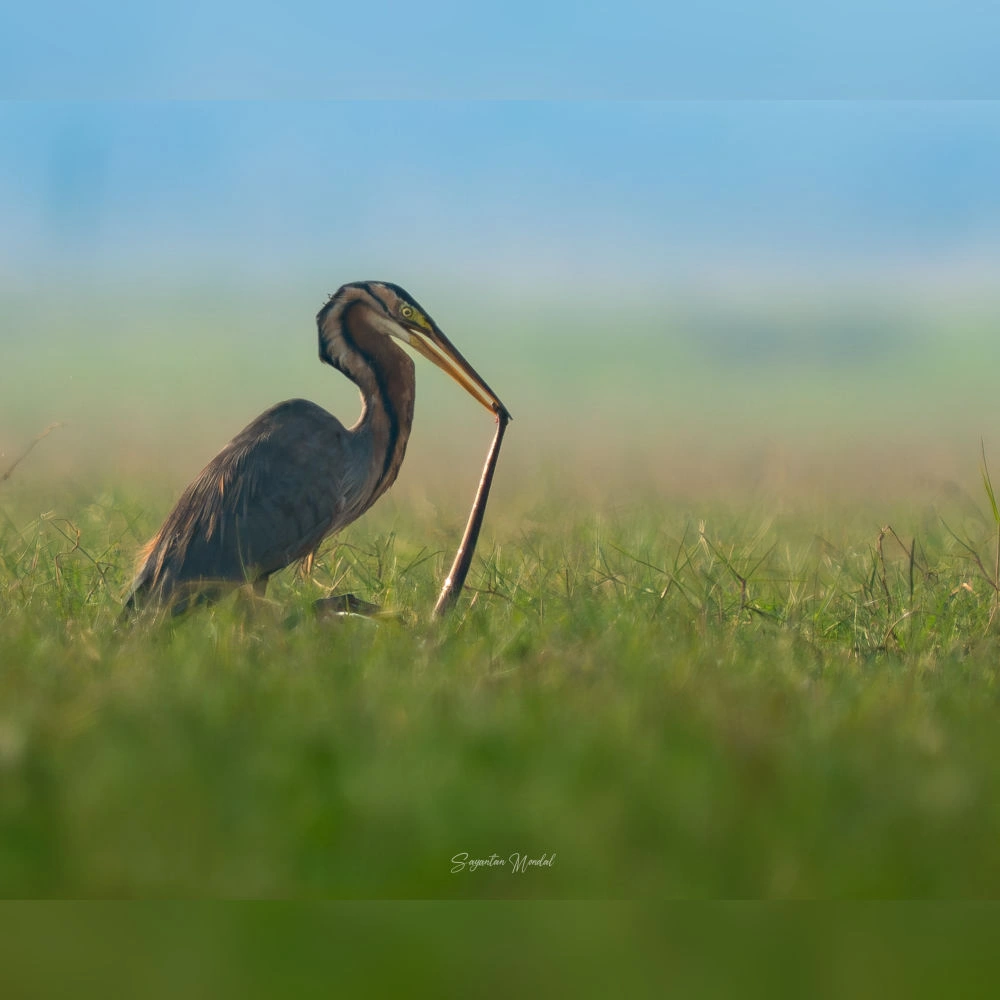
Purple Heron
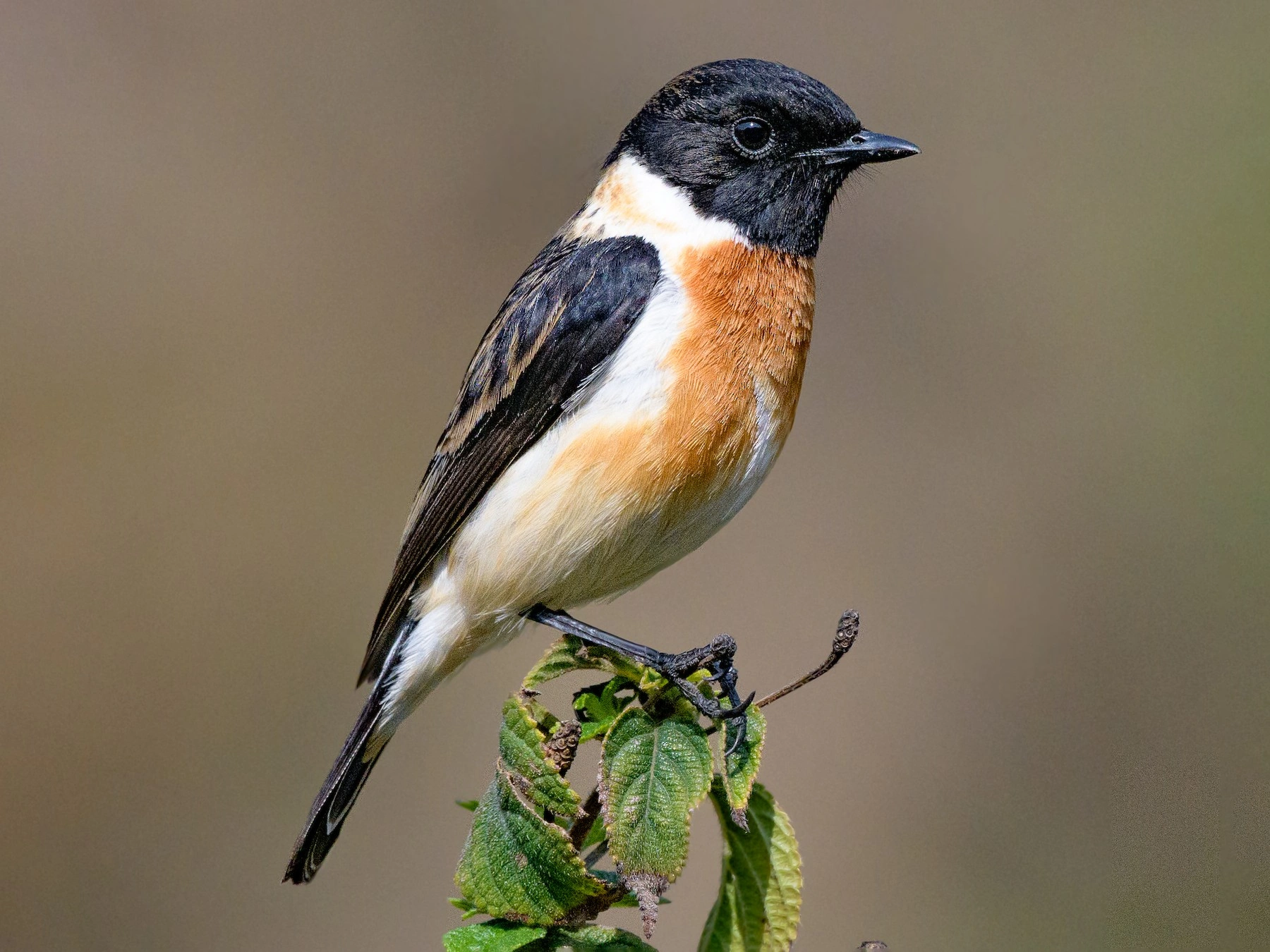
Siberian Stonechat
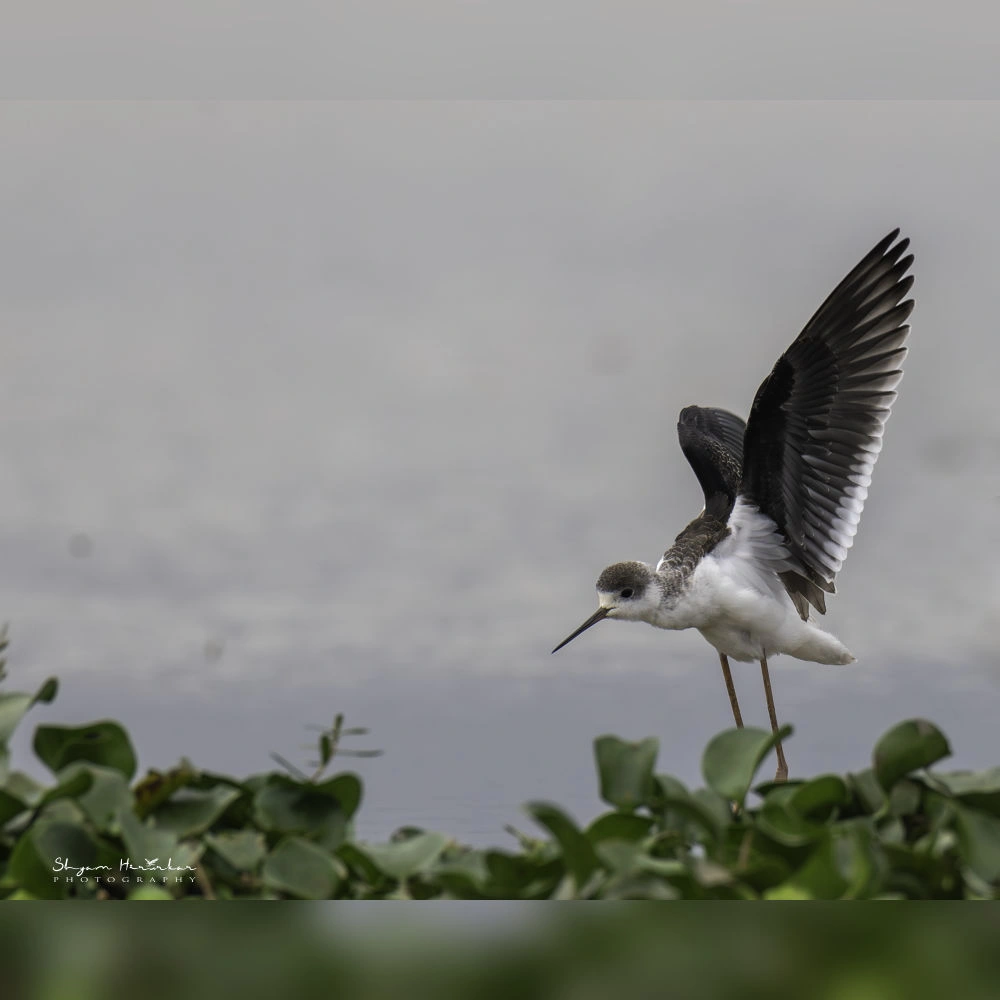
Black-winged Stilt
Grey Heron
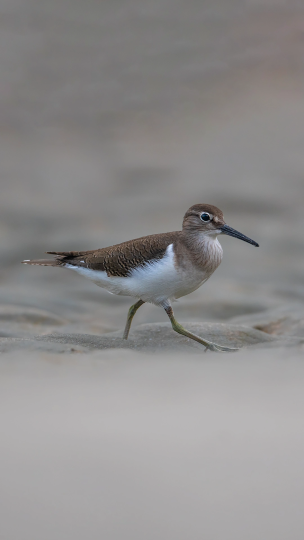
Common Sandpiper
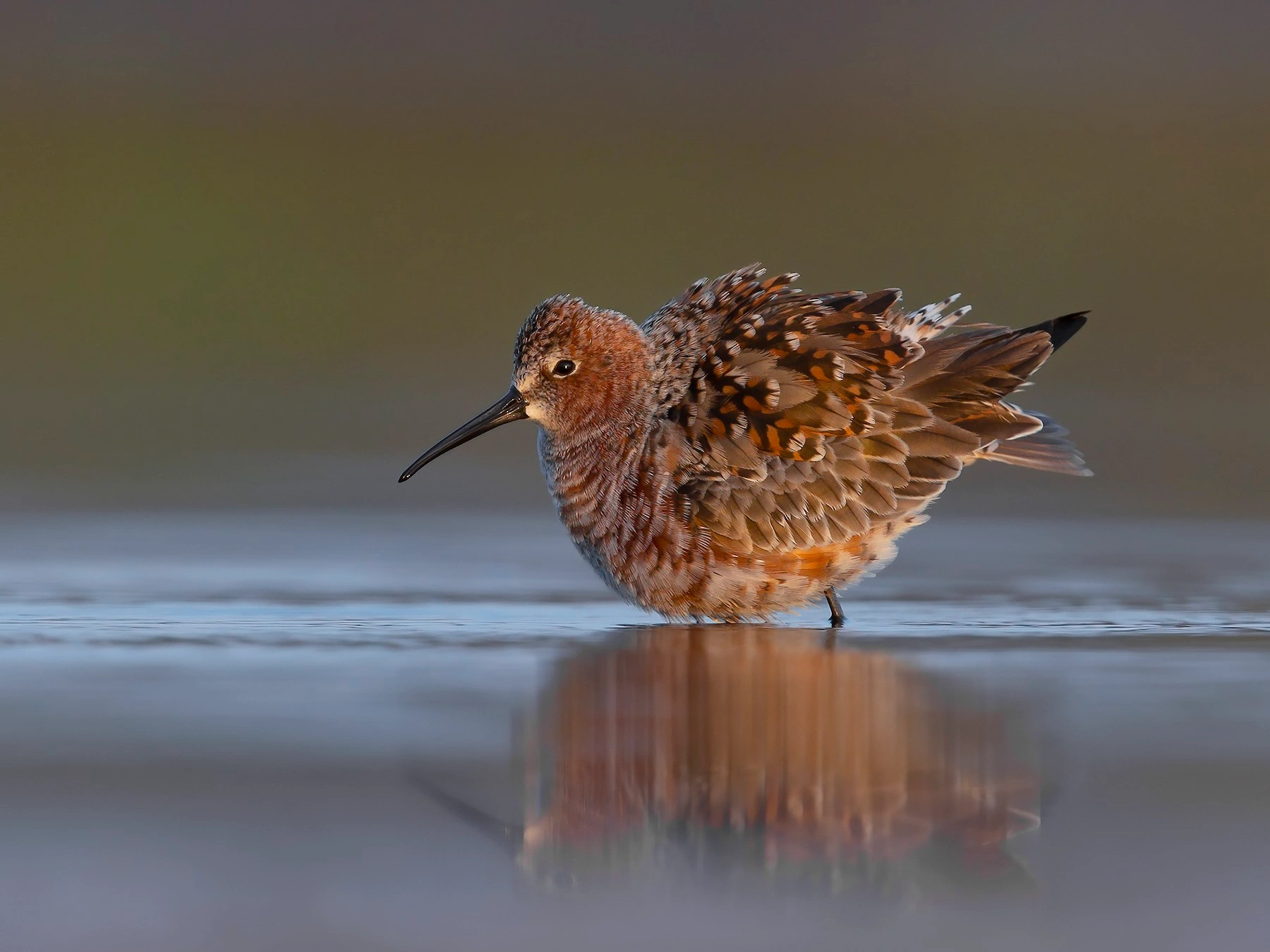
Curlew Sandpiper
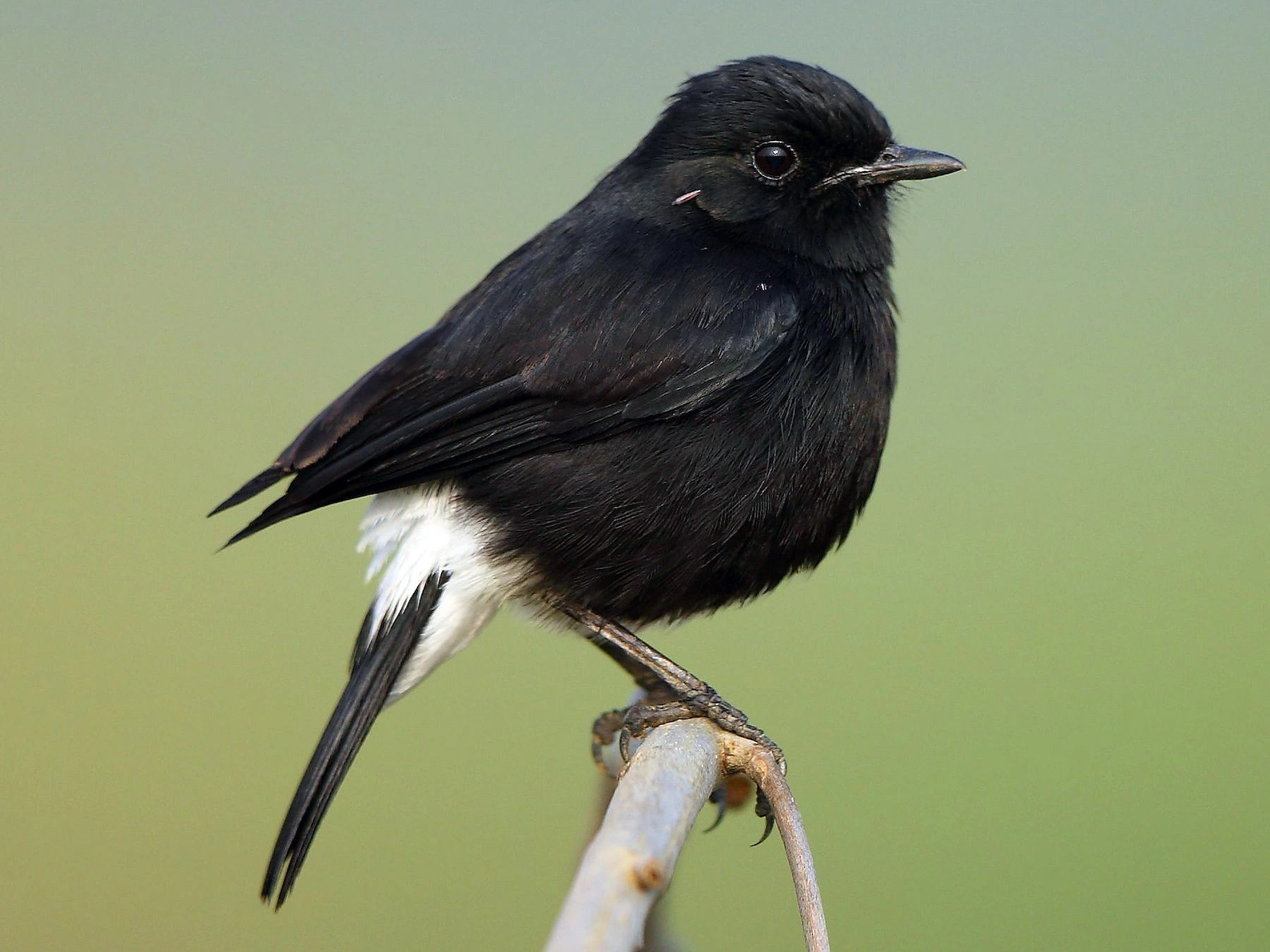
Pied Bushchat
Whiskered Tern
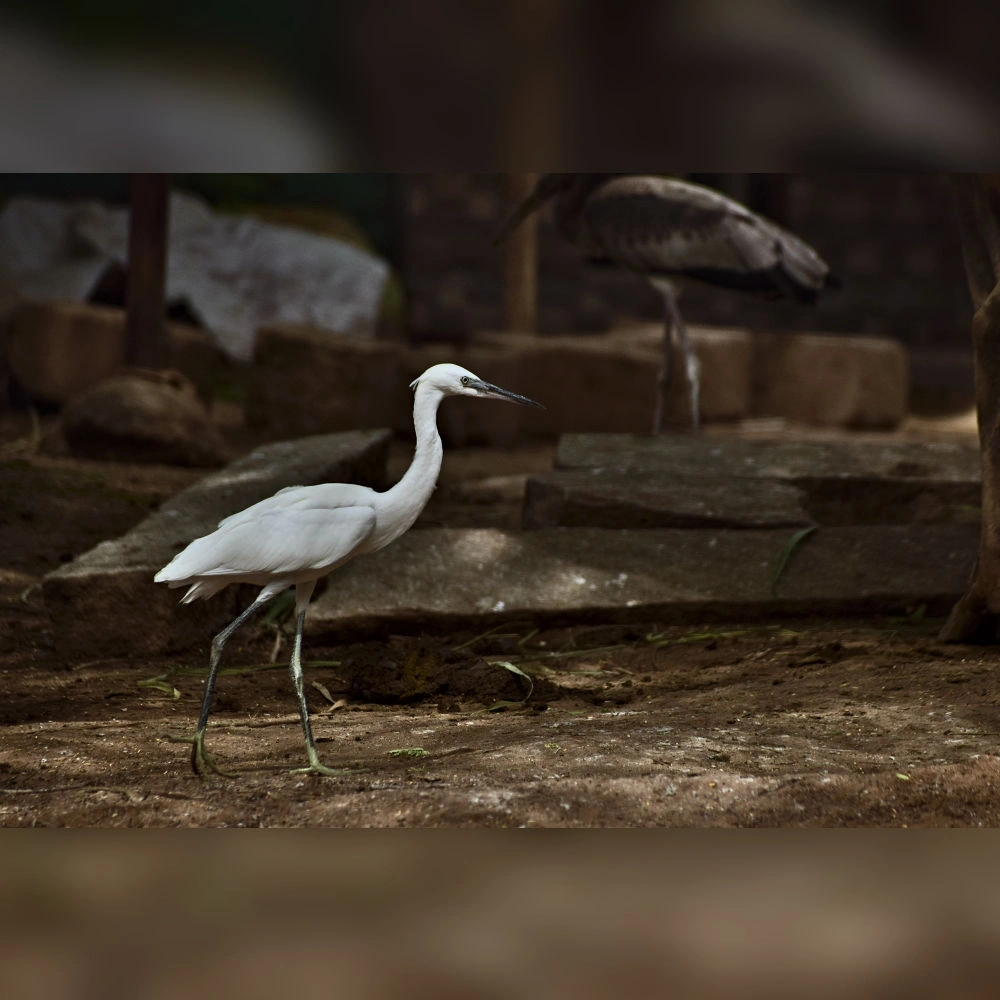
Little egret
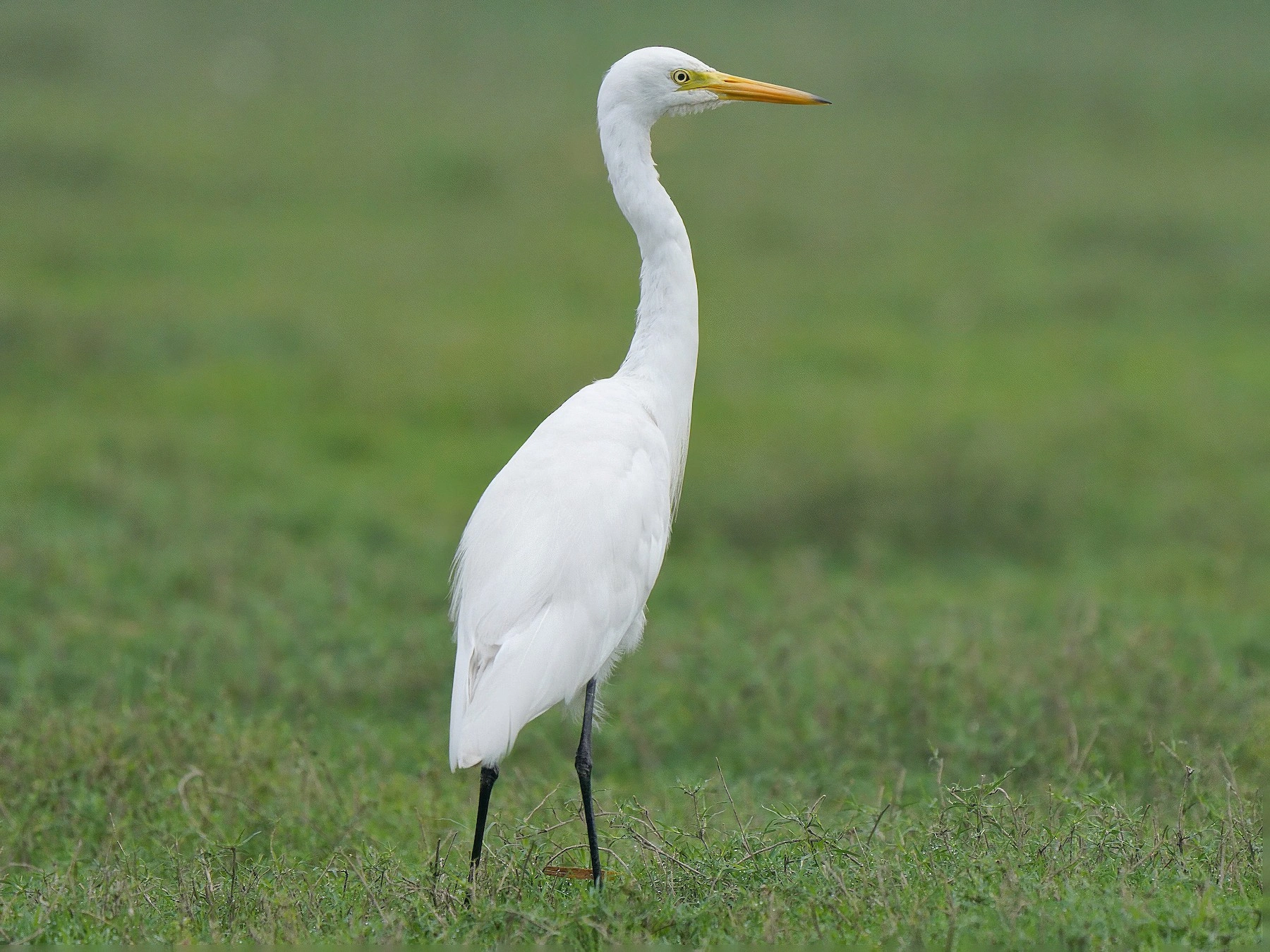
Intermediate Egret
White-throated Kingfisher
Little Stint
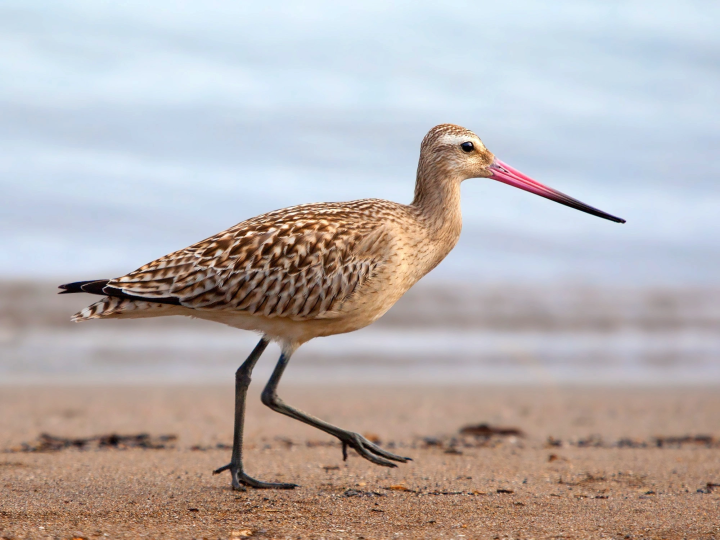
Black-tailed Godwit
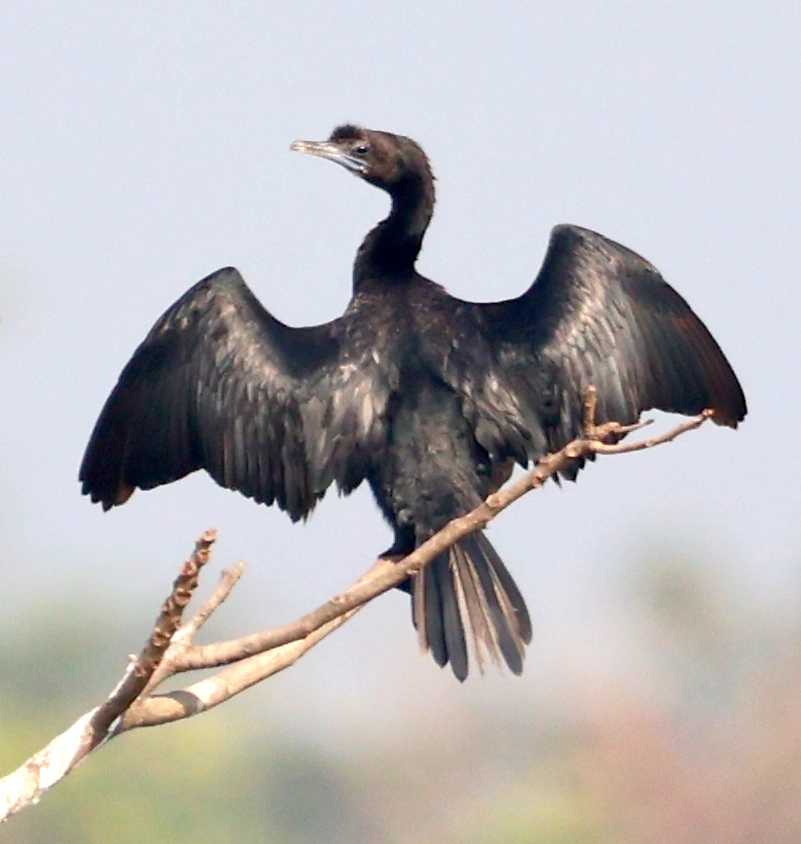
Little Cormorant
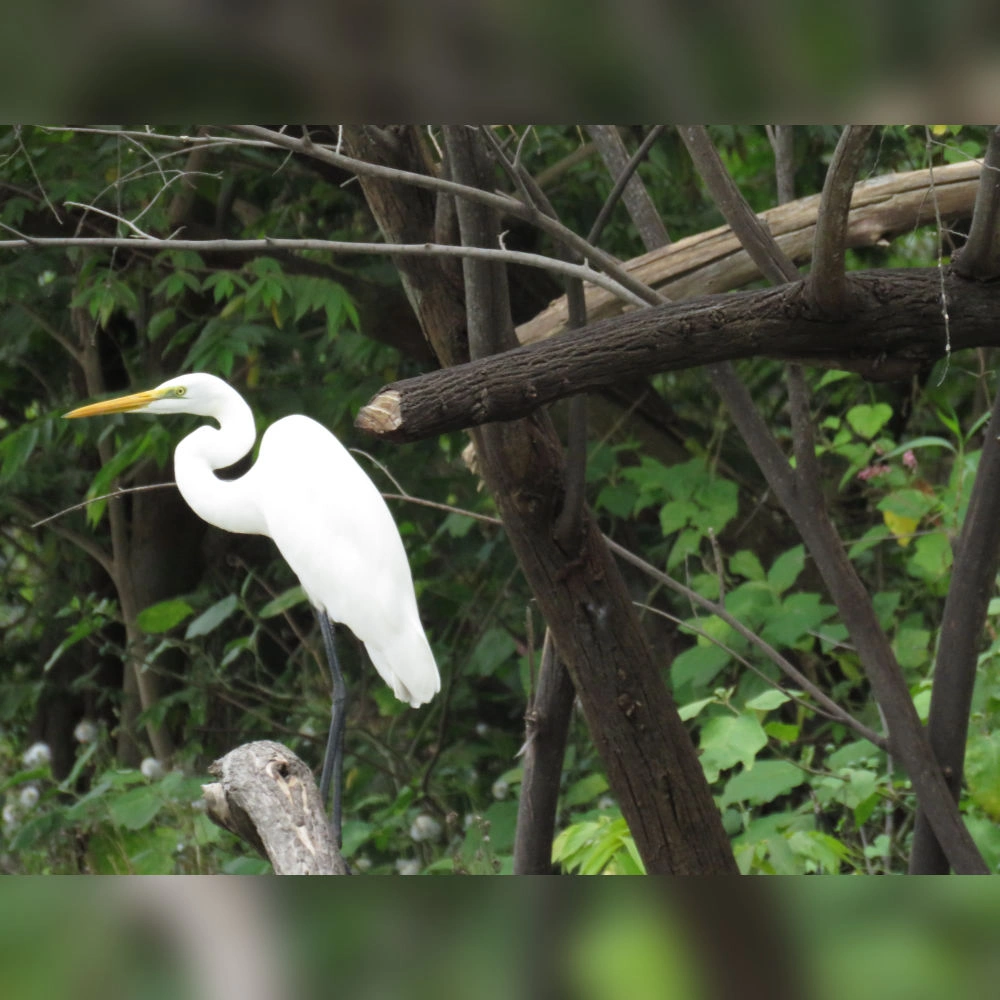
Great Egret
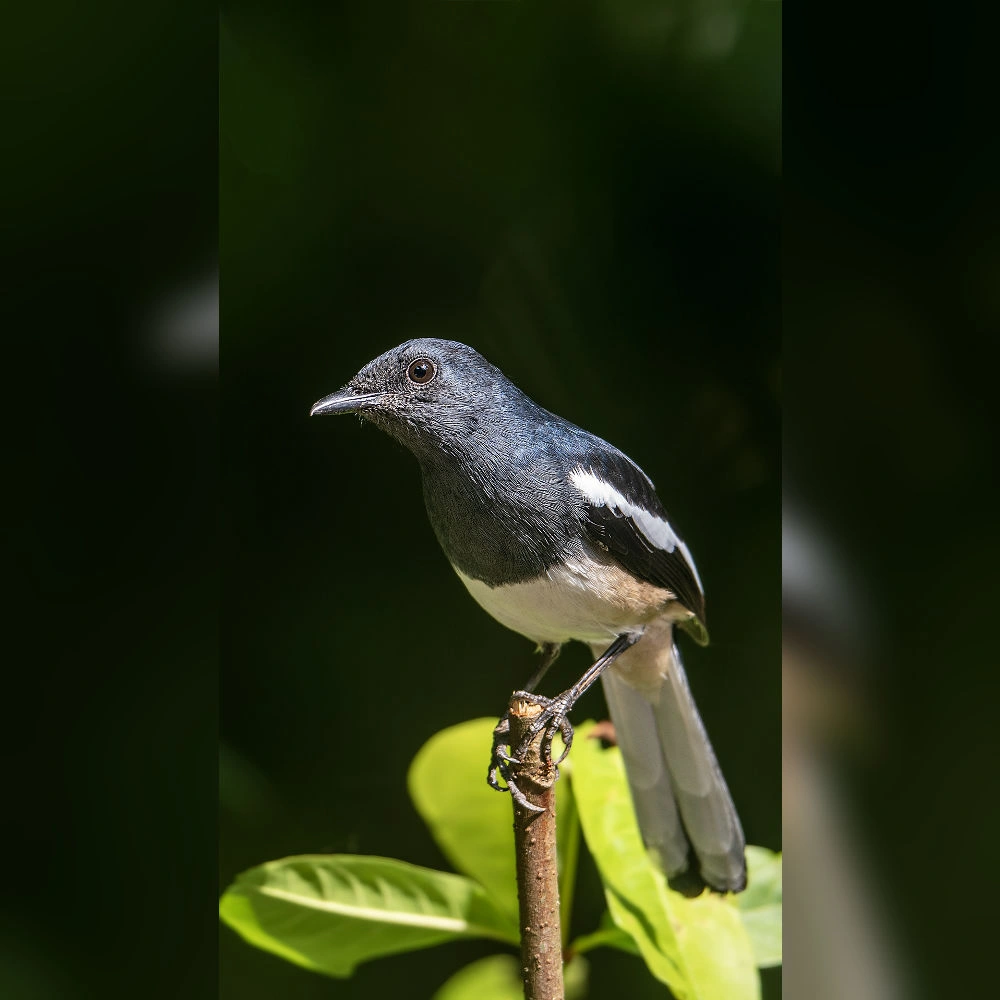
Oriental Magpie Robin
Western Reef-Heron

Summary of Walk

Birders joined guide Ninad Barve at the Thane Saltpans on 22 November for a morning in one of the Mumbai region’s most rewarding open wetland habitats. Lying along the Thane Creek, close to the famous flamingo sanctuary, the saltpans, mudflats and shallow pools attract huge numbers of waders and waterbirds every winter, making it a favourite destination for birdwatchers. The open landscape, with its wide views across the pans and the creek, makes it easy to watch birds feeding, resting and flying in large numbers. It is a favourite spot for beginners to learn waders. 

Saltpans like these are known for flamingos, stints, sandpipers, plovers, godwits, stilts and avocets, along with gulls, terns, herons and raptors such as harriers hunting over the open ground. Ninad guided the group with deep knowledge, helping participants pick out the small differences between waders, follow birds through binoculars and understand how the tides and the saltpans shape the feeding patterns of the birds. He also spoke about the importance of the creek’s wetlands for migratory birds and for the city itself. It was a lovely morning on the edge of Thane, and participants left with new species on their lists and a new appreciation of these special wetlands. 

Scroll to Top