

Bird Walk at Tughlakabad Biodiversity Park, New Delhi
- New Delhi
- 19 July, 2026
- Anjali Bhardwaj
About Tughlakabad Biodiversity Park
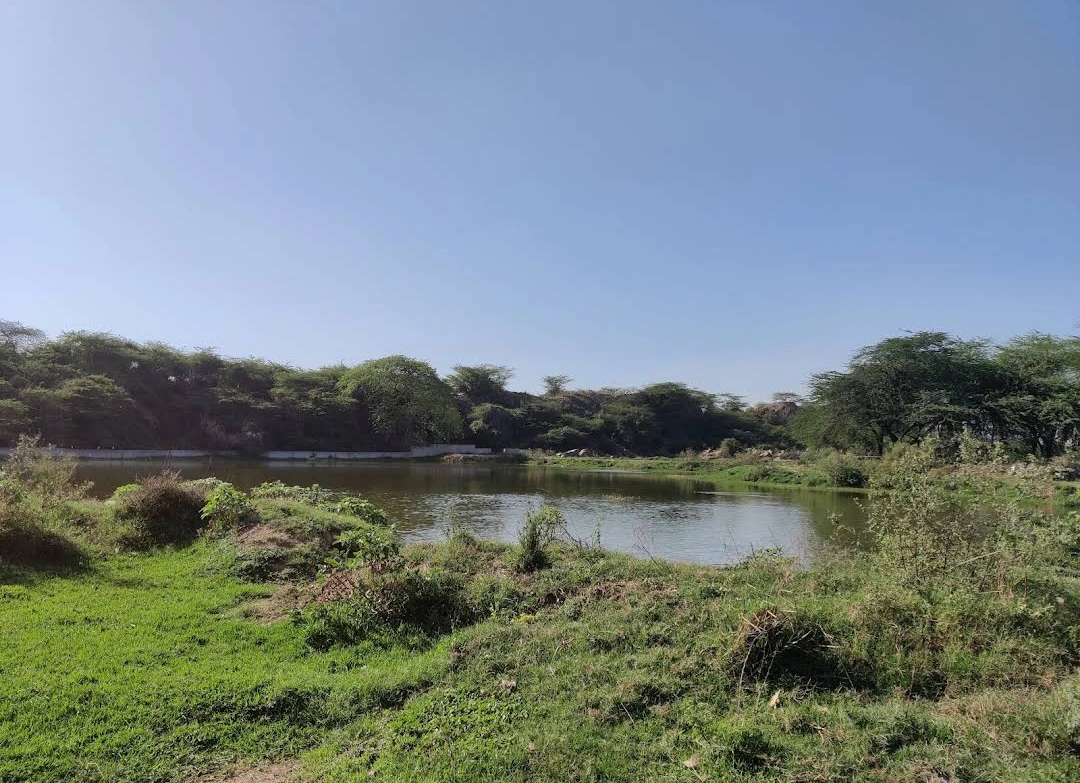
Located in the southern part of Delhi, Tughlakabad is a unique blend of historical heritage and natural landscapes, where the iconic medieval fort is surrounded by rocky Aravalli outcrops, scrub forests, grasslands, seasonal wetlands, and scattered woodlands. This mosaic of habitats supports a remarkable diversity of flora and fauna, providing refuge for butterflies, reptiles, small mammals, and an impressive variety of birds despite the surrounding urban environment. The combination of ancient ruins and thriving biodiversity makes Tughlakabad one of Delhi’s most fascinating birding destinations.
The area’s scrub forests, wetlands, and rocky terrain attract a rich assemblage of resident birds, while migratory species further enhance its diversity during the winter months. However, urban expansion, habitat fragmentation, invasive vegetation, pollution, and increasing human disturbance continue to threaten this fragile ecosystem. Conserving Tughlakabad’s natural habitats alongside its archaeological heritage is essential for protecting one of Delhi’s most important urban biodiversity hotspots.

Bird Guide: Anjali Bhardwaj
A passionate birder and researcher, I am currently a PhD scholar in biogeography at Jamia Millia Islamia with 3.5 years of experience studying urban birdlife in Delhi. My work focuses on bird occupancy, vocalisations, and their relationship with tree species,combining field birding with research to offer deeper, more insightful birding experiences.
Bird walk Location
Common birds of Tughlakabad Biodiversity Park
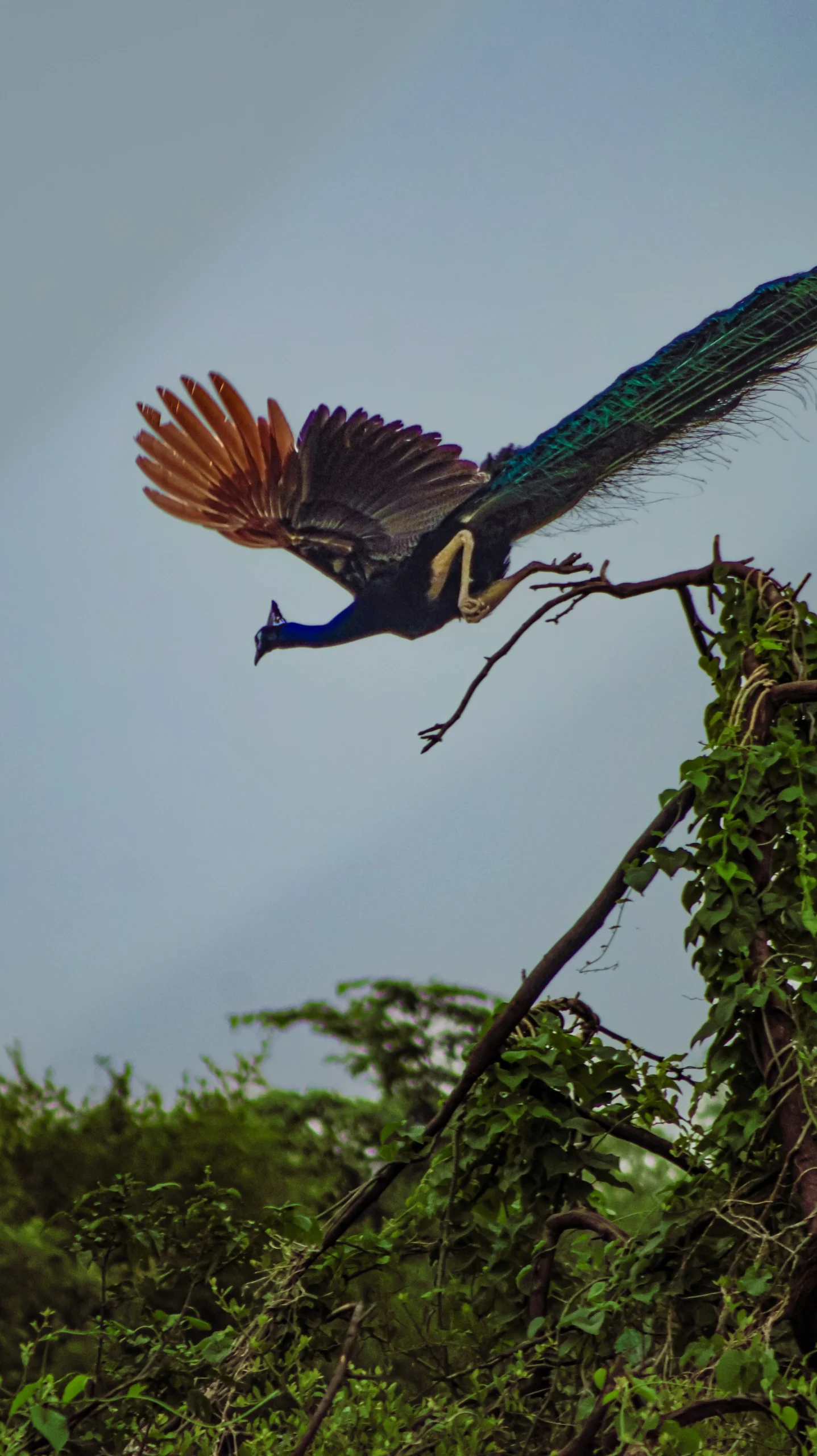
Tughlakabad offers an excellent mix of scrubland, wetland, and woodland birds, making it a favourite destination for birdwatchers in Delhi. The rocky slopes and thorn forests support Indian Peafowl, Grey Francolins, Sirkeer Malkohas, Yellow-footed Green-Pigeons, Large Grey Babblers, Yellow-eyed Babblers, and White-eared Bulbuls, while the wetlands attract Eurasian Moorhens, White-breasted Waterhens, Black-winged Stilts, Glossy Ibises, and Red-wattled Lapwings. Visitors can also spot Shikras and Black Kites soaring overhead, while White-throated Kingfishers, Asian Green Bee-eaters, Coppersmith Barbets, Rose-ringed Parakeets, Black Drongos, Rufous Treepies, bulbuls, prinias, and babblers add colour and activity to the landscape. The remarkable diversity of habitats makes Tughlakabad one of the best places in Delhi to experience both urban and wild birdlife in a single visit.

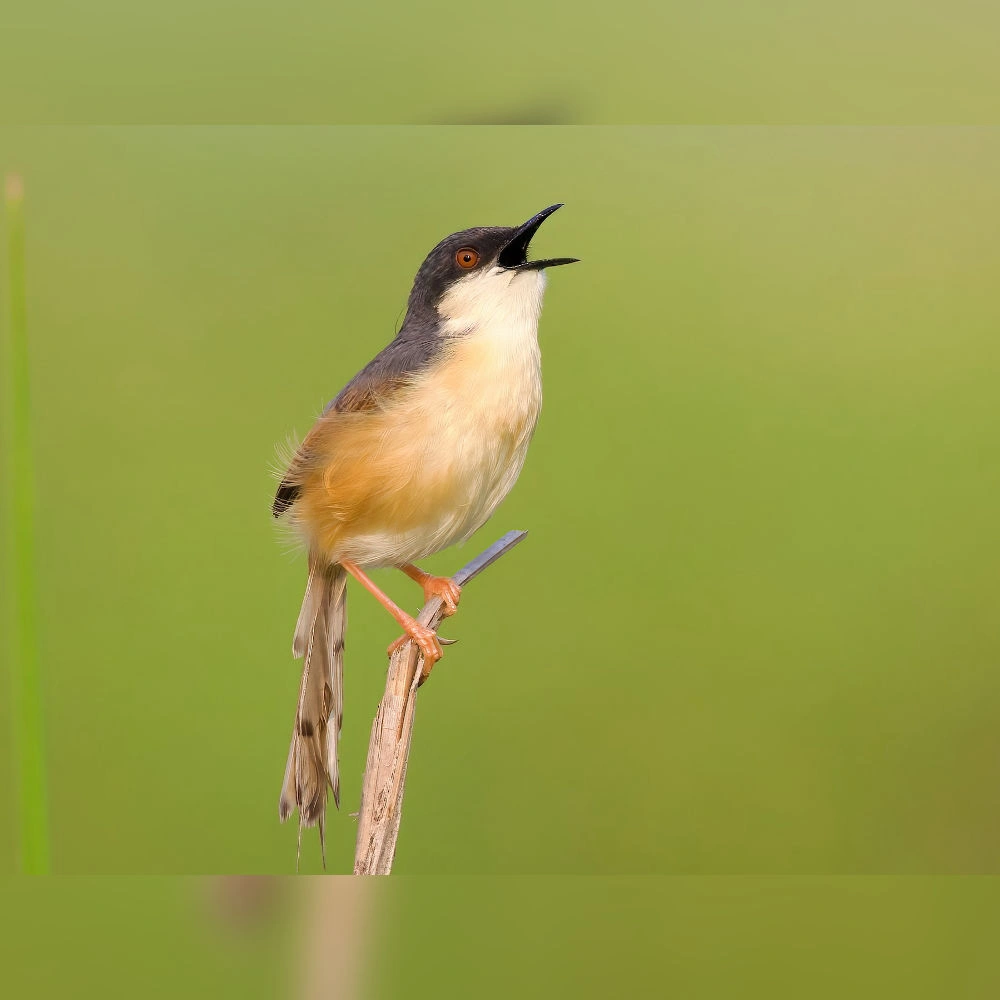
Ashy Prinia

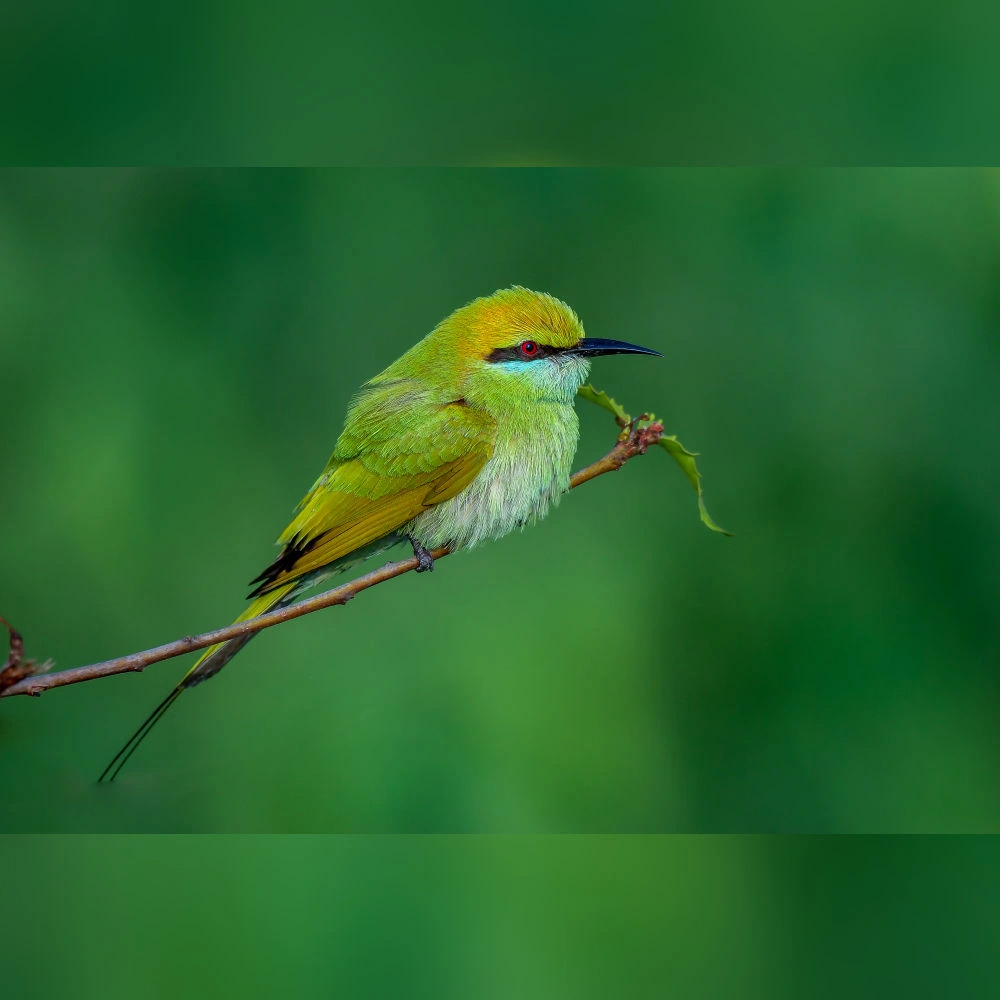
Asian Green Bee-eater

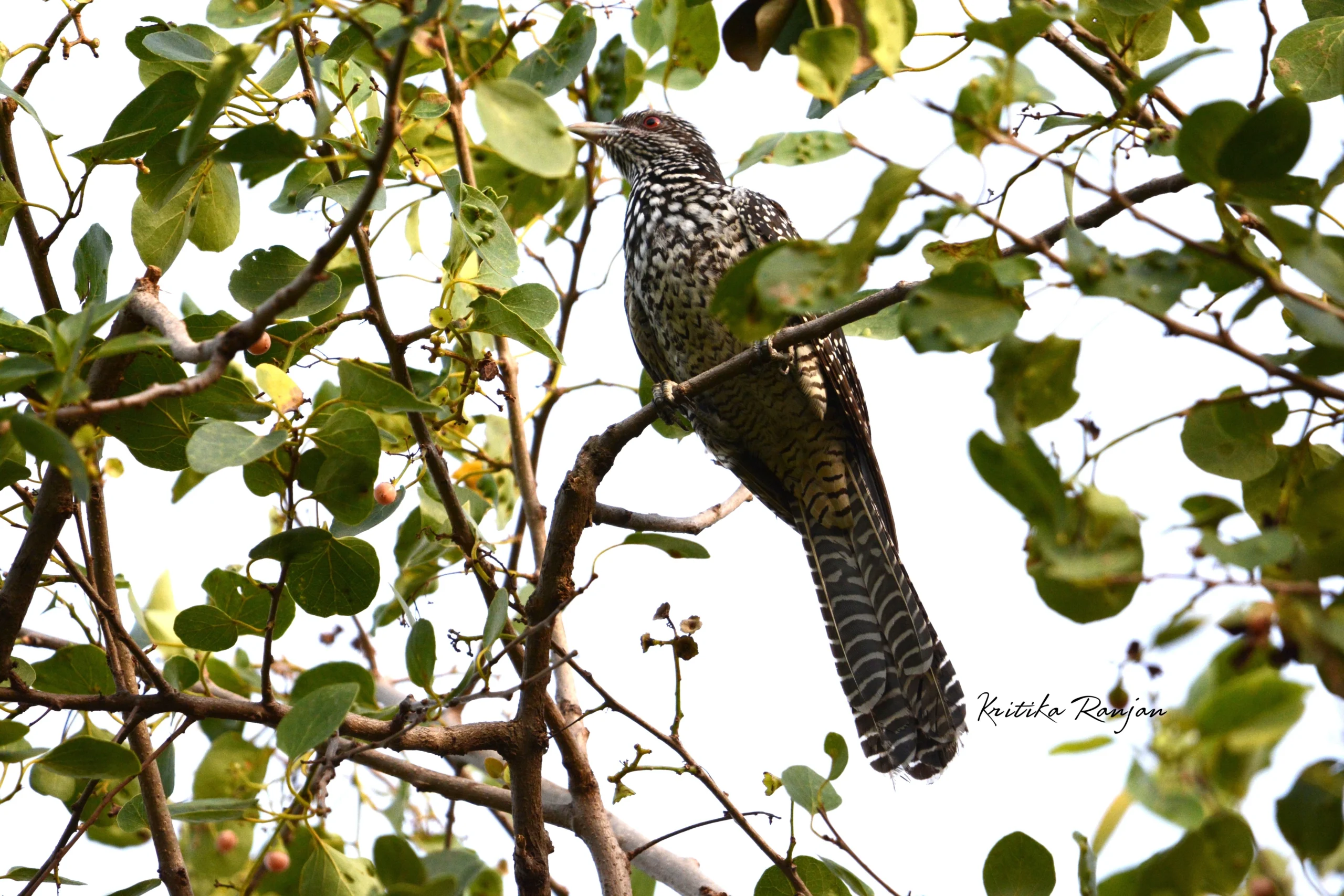
Asian Koel
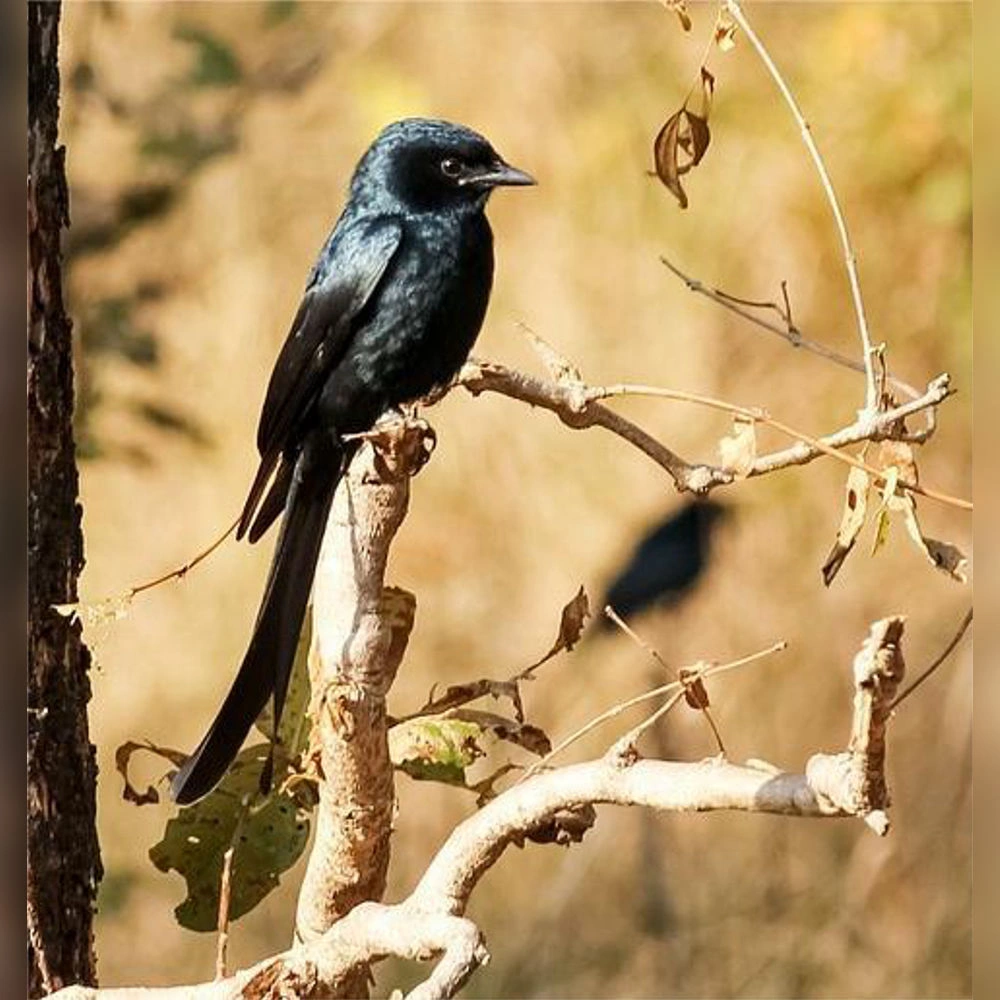
Black Drongo

Black Kite
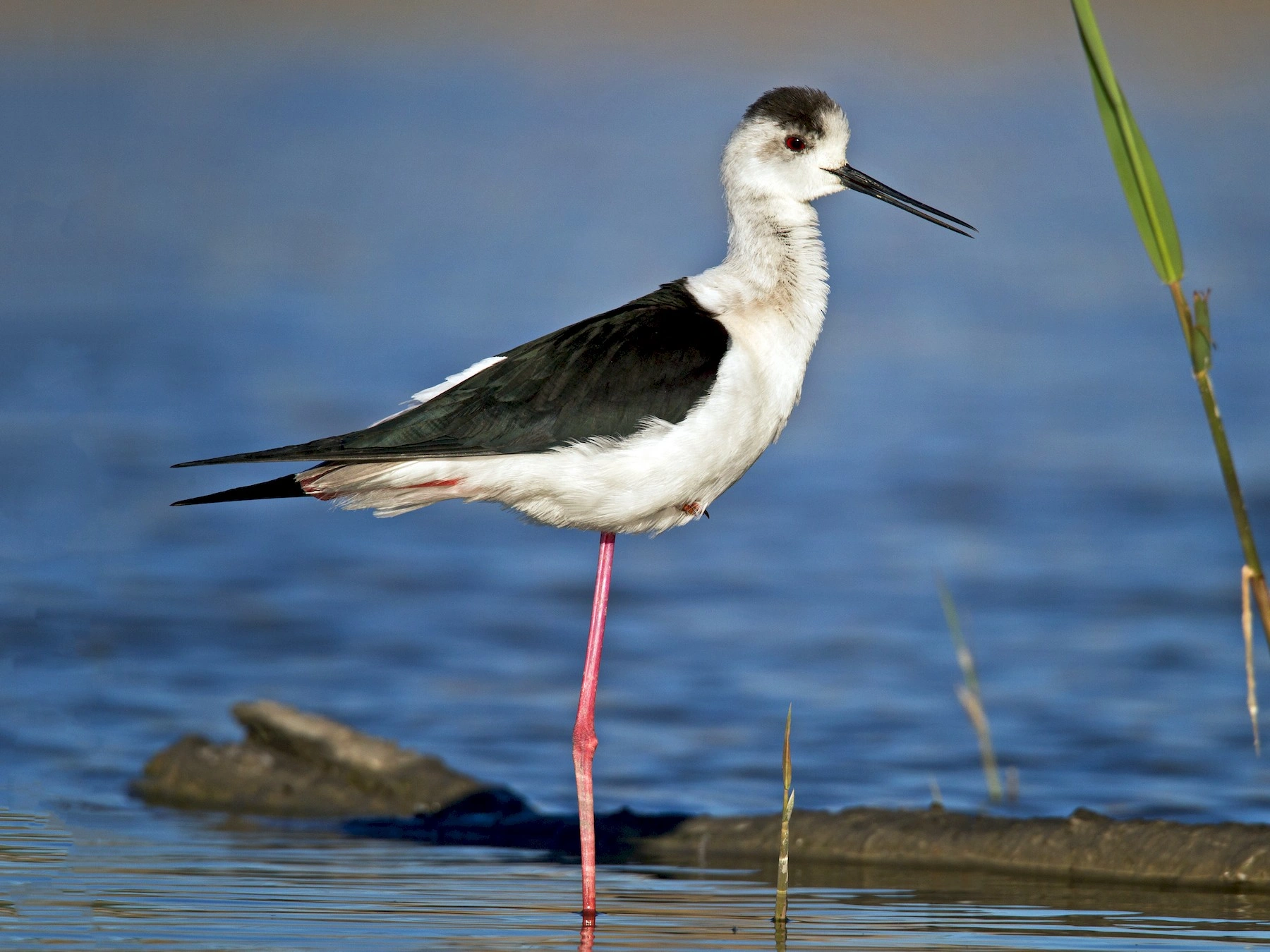
Black-winged Stilt
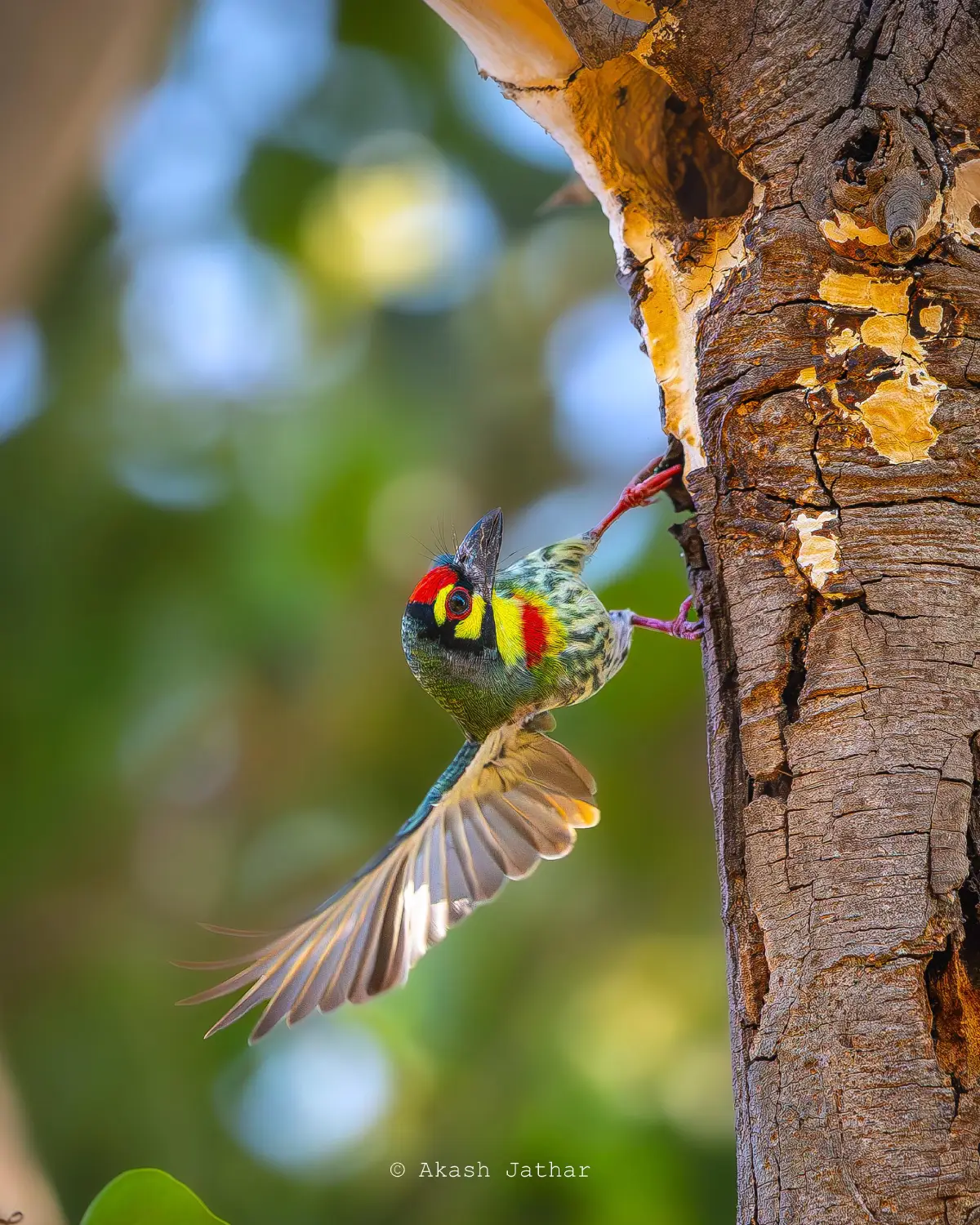
Coppersmith Barbet
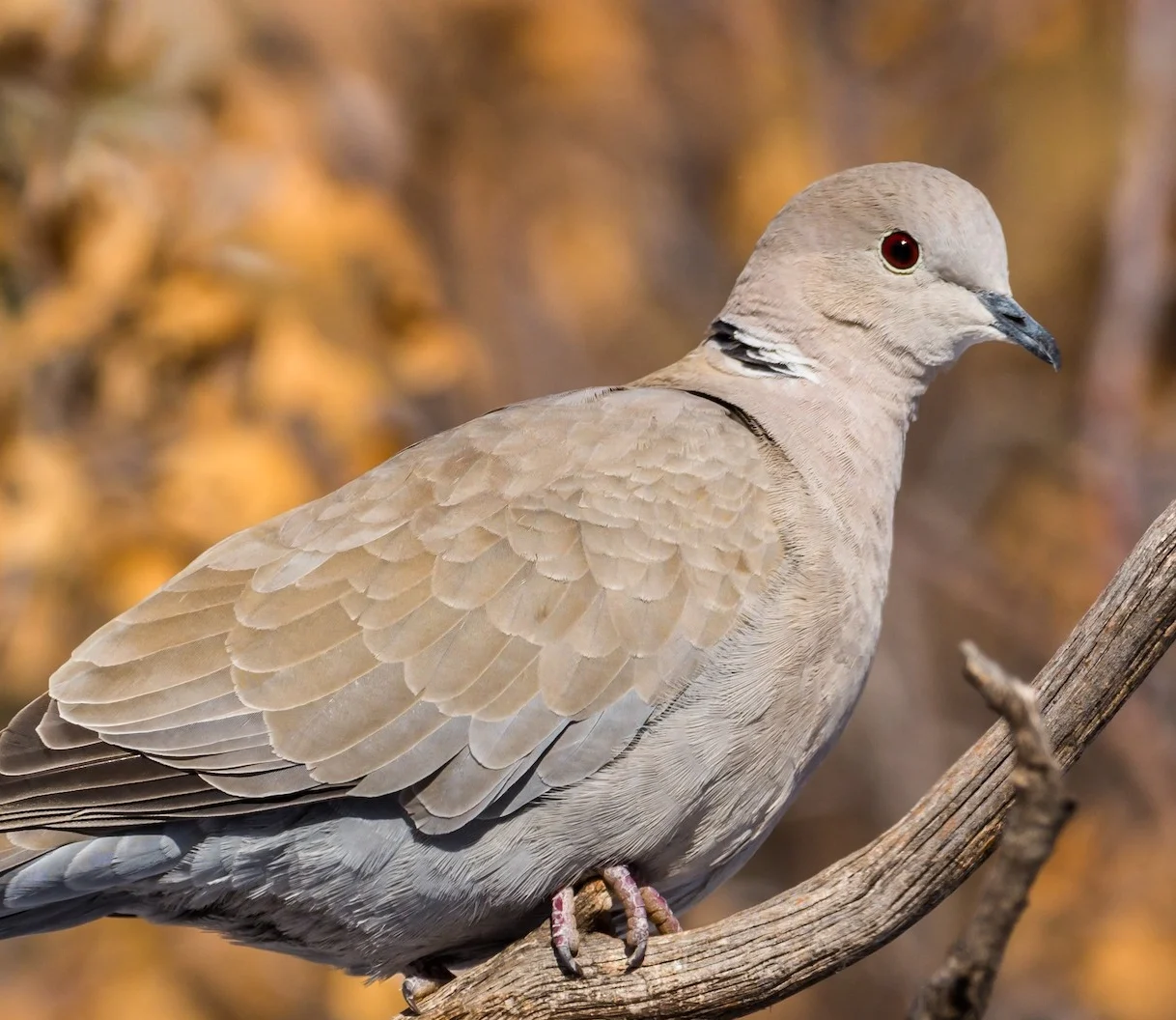
Eurasian Collared-Dove
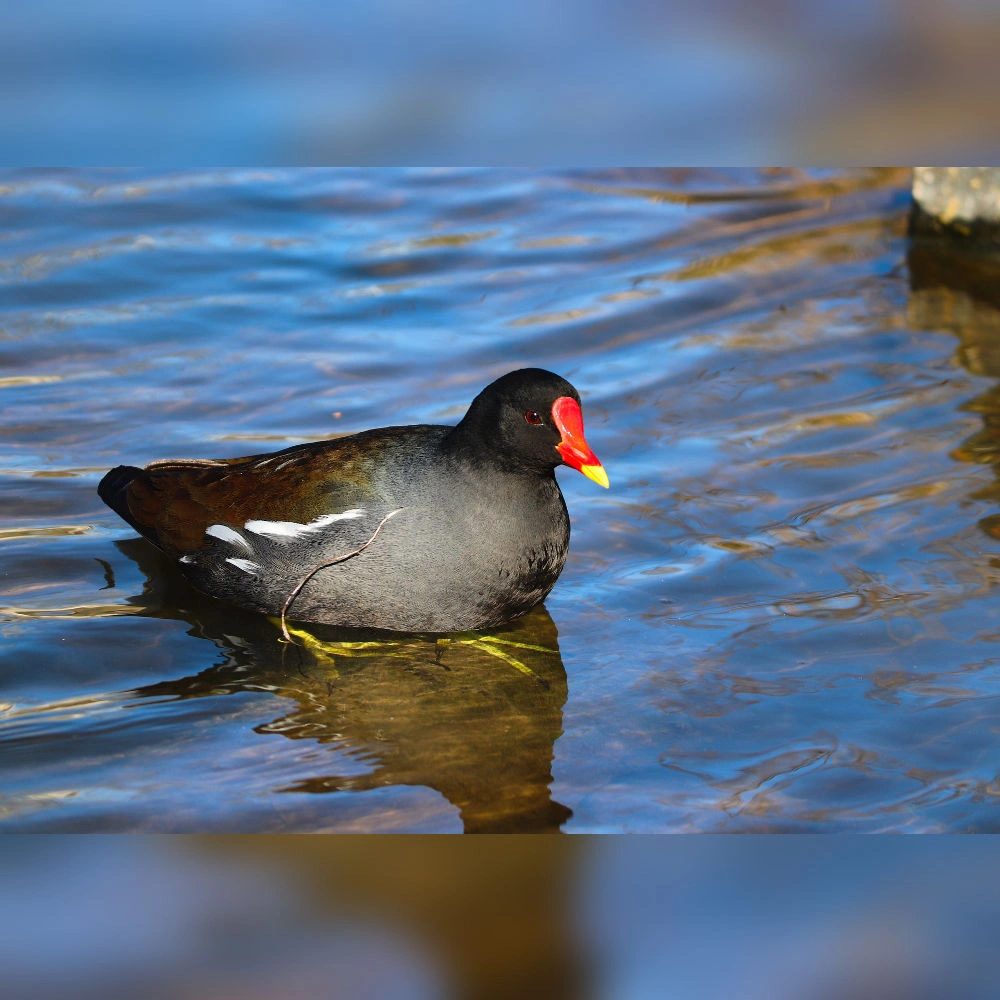
Common Moorhen

Glossy Ibis
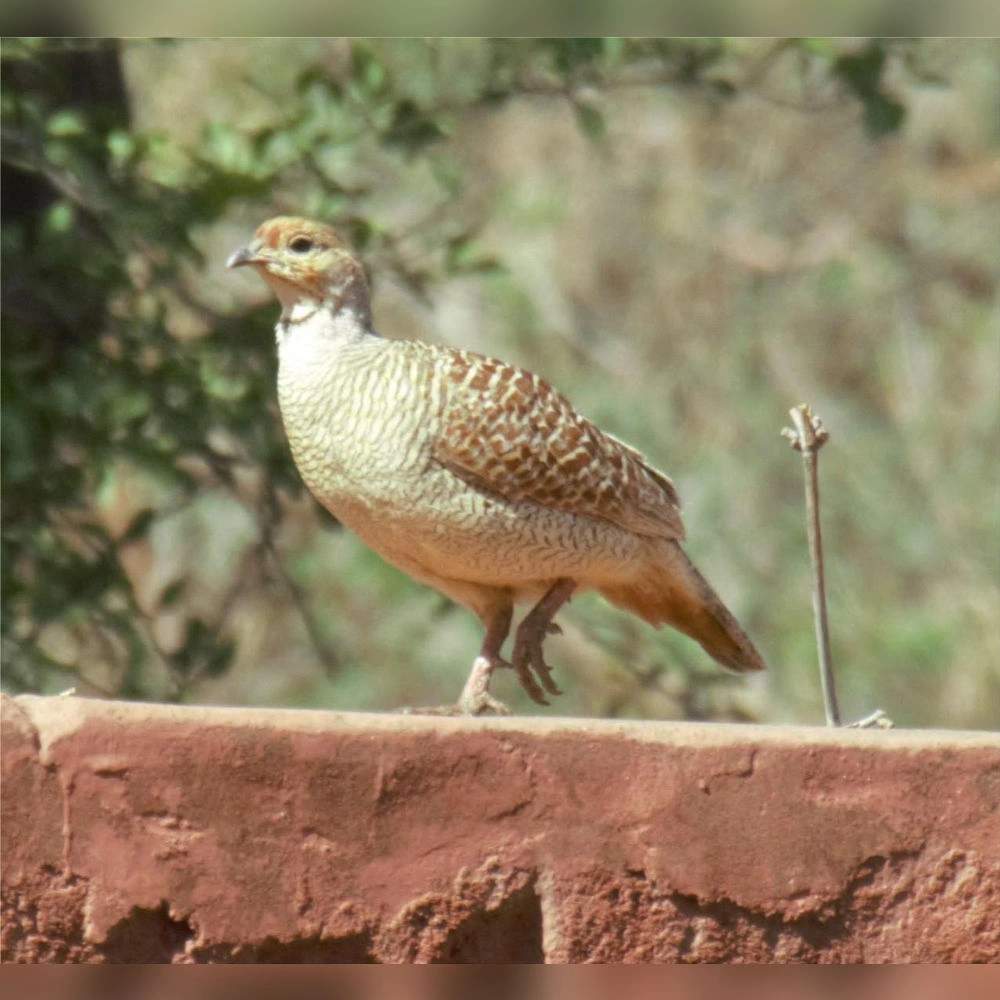
Grey Francolin
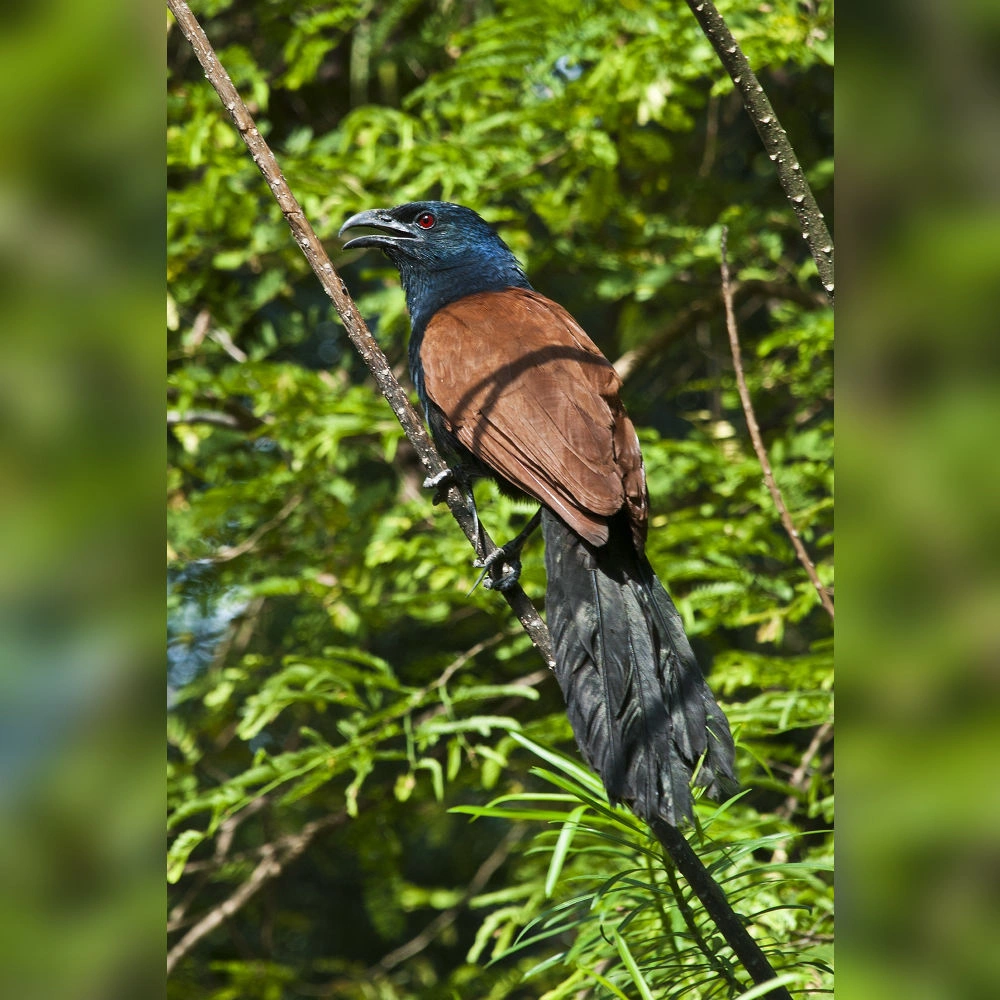
Greater Coucal
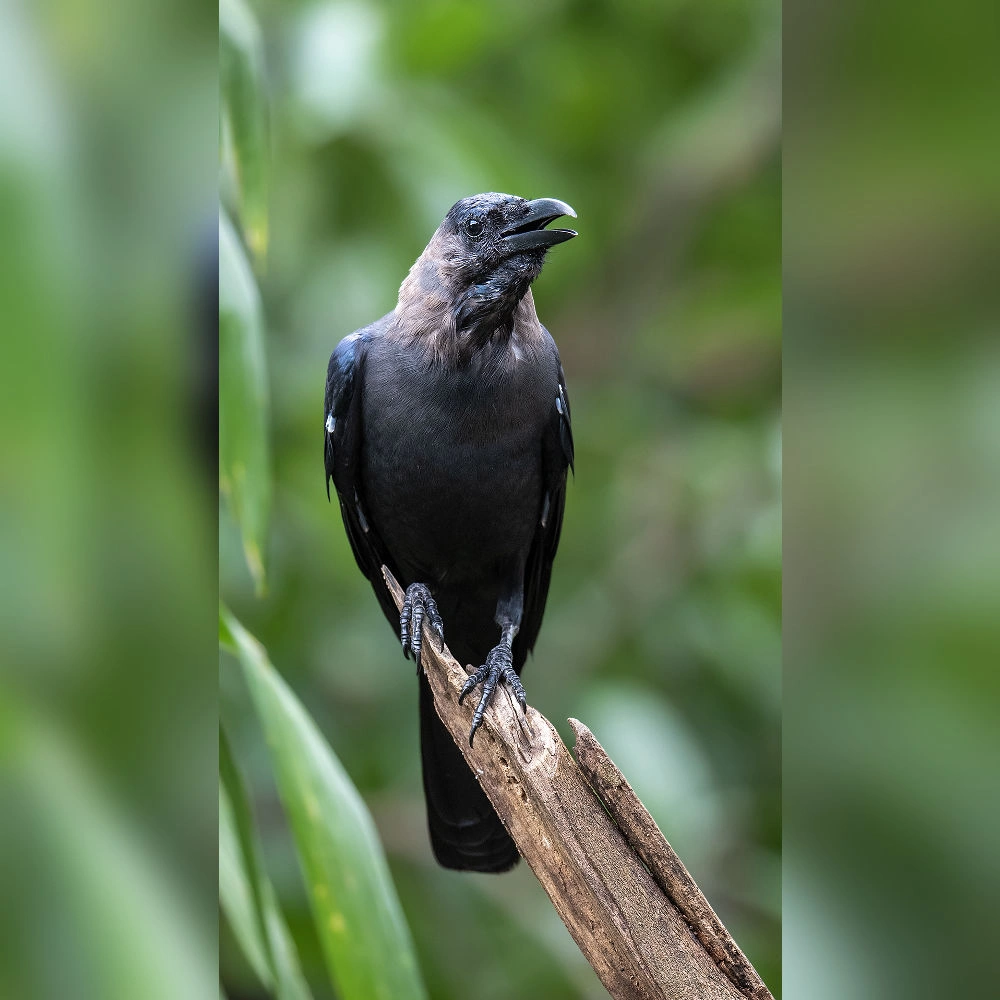
House Crow

Jungle Babbler
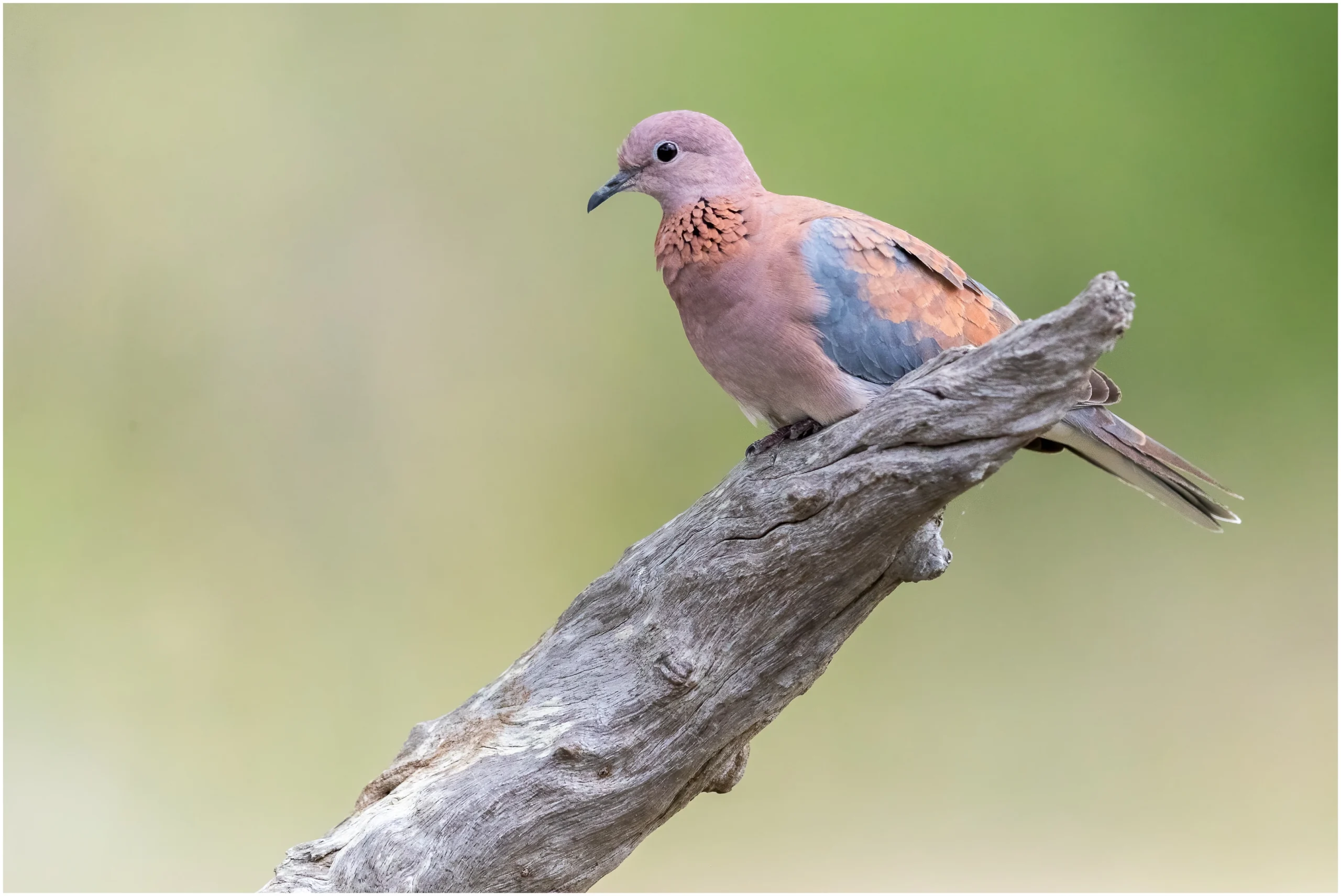
Laughing Dove
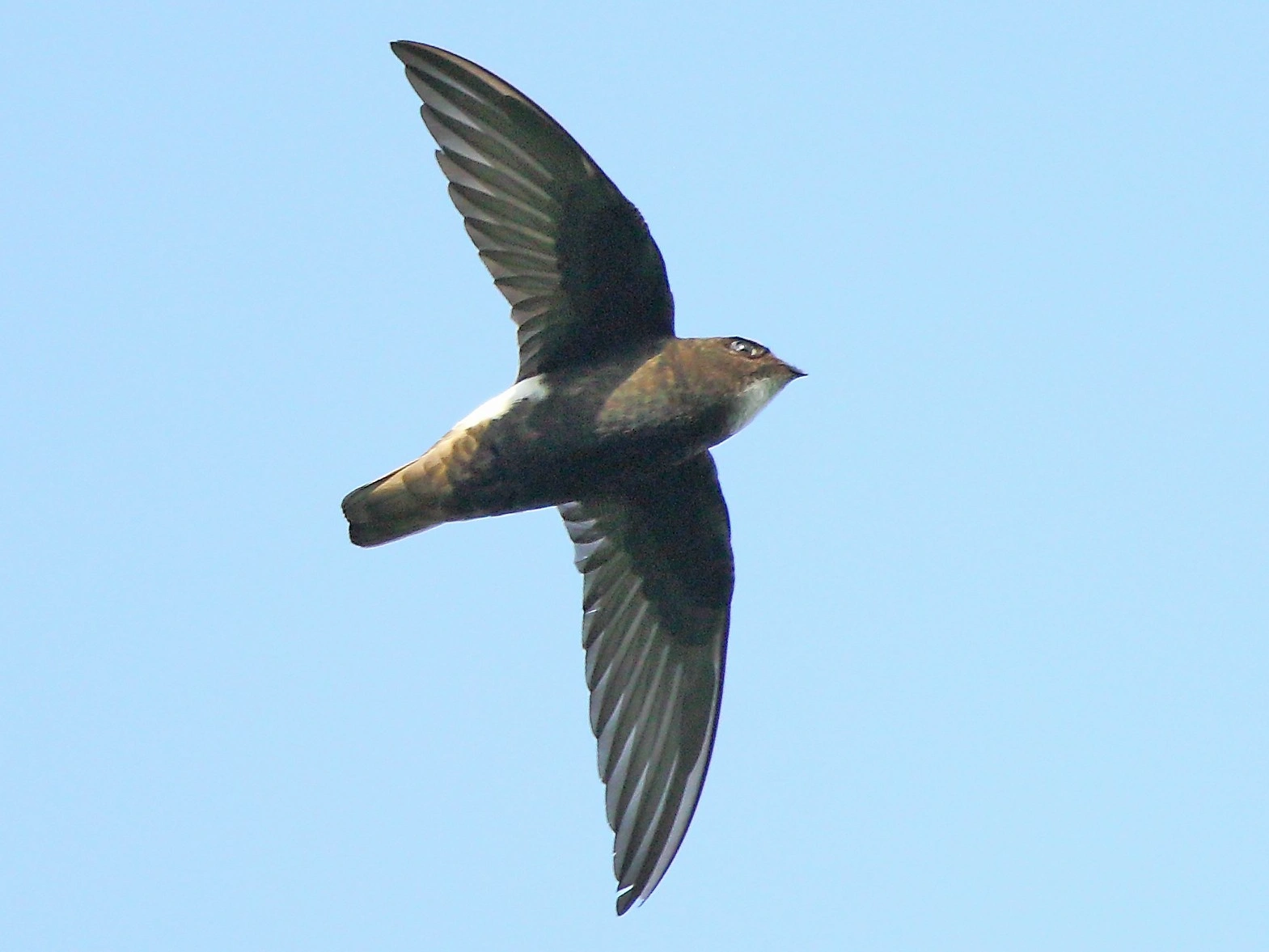
Little Swift
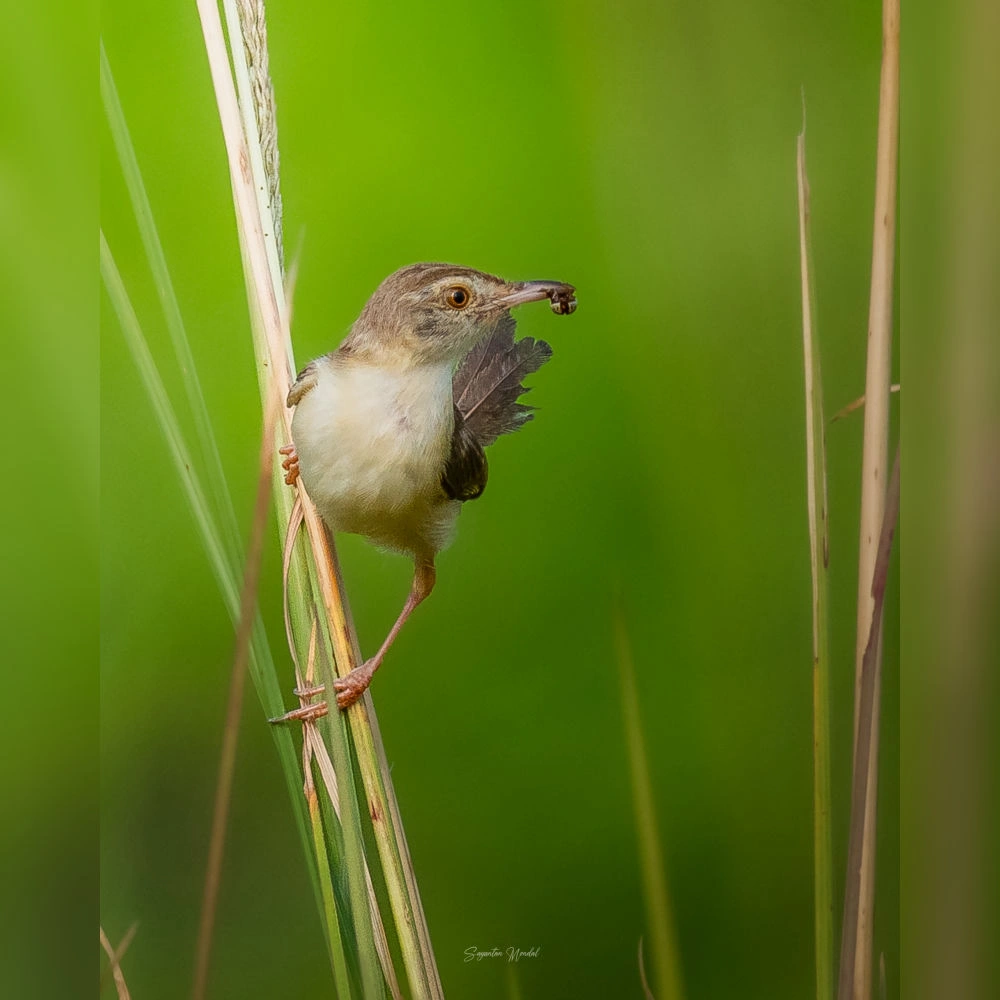
Plain Prinia
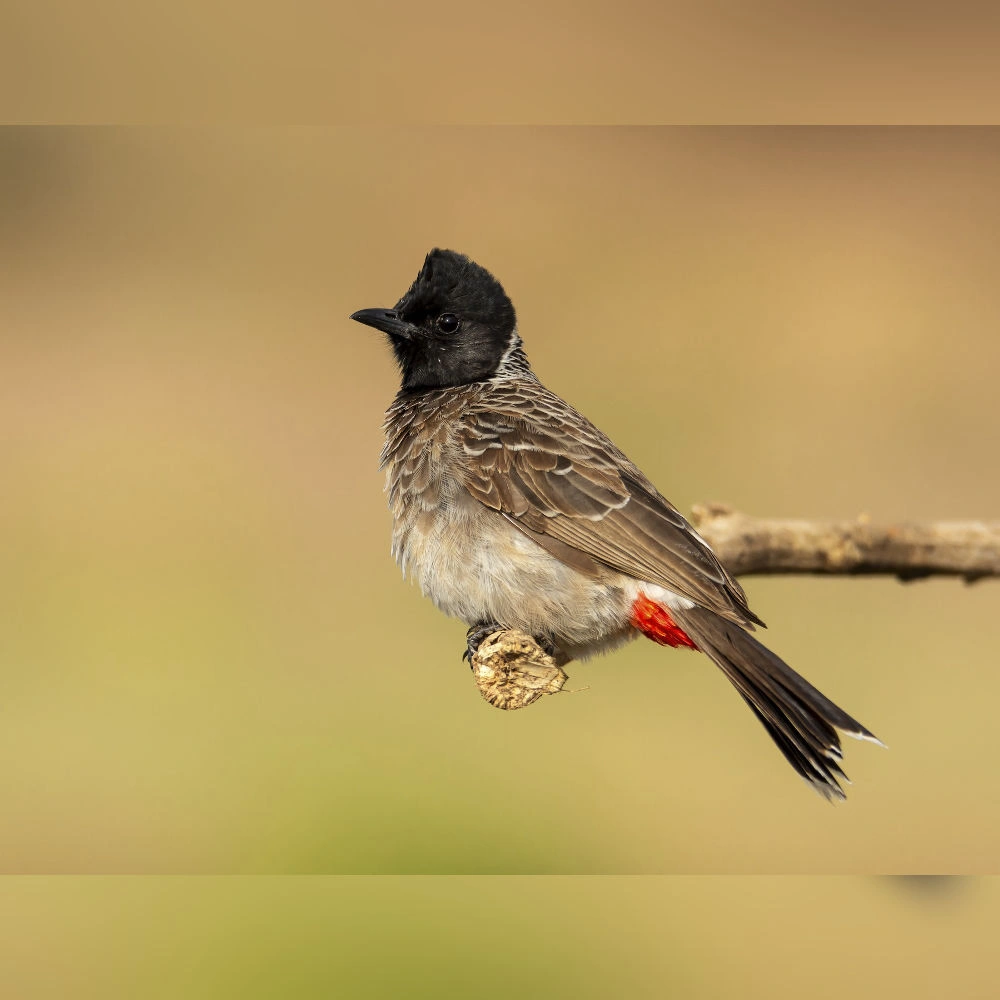
Red-vented Bulbul
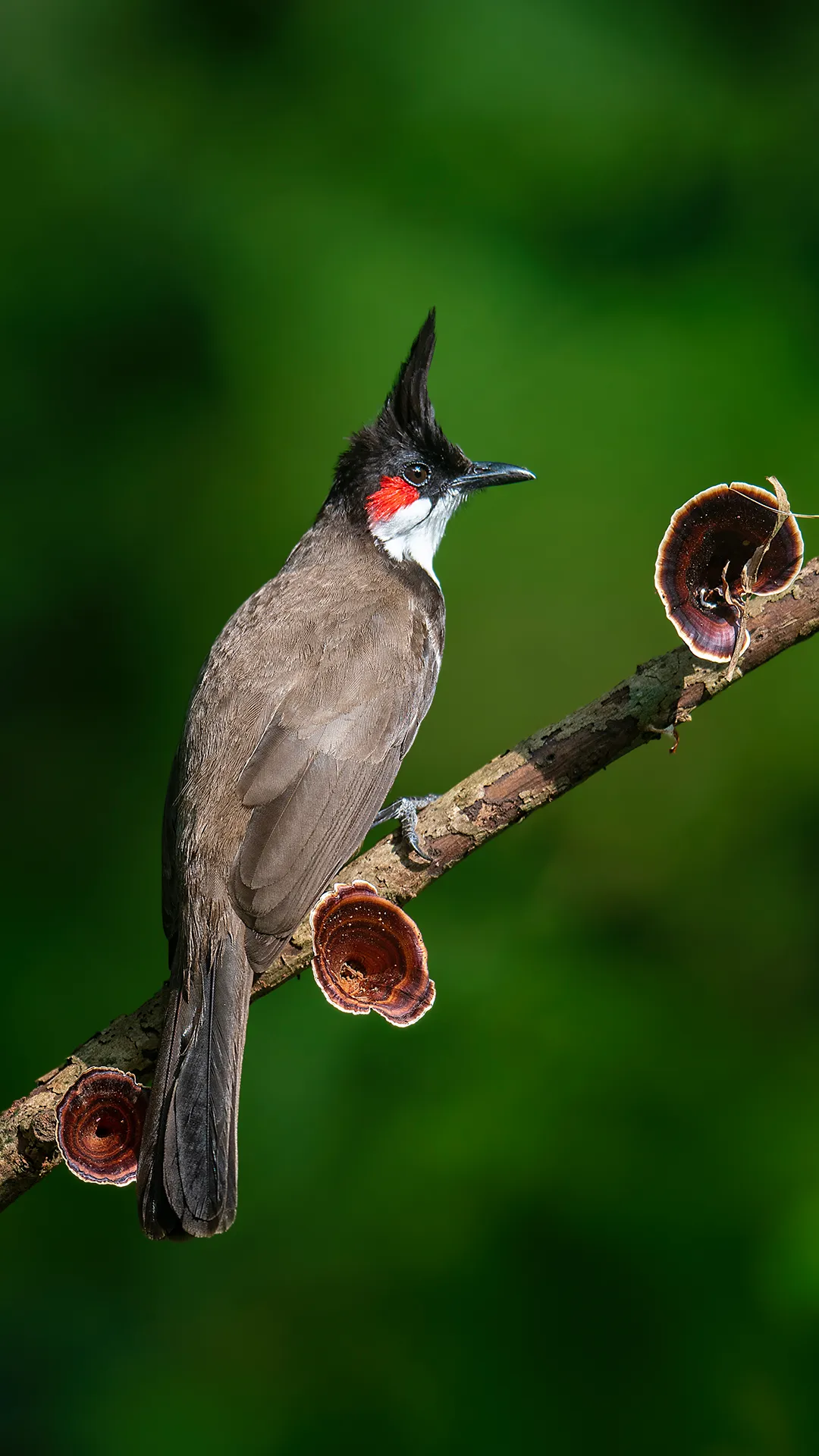
Red-whiskered Bulbul
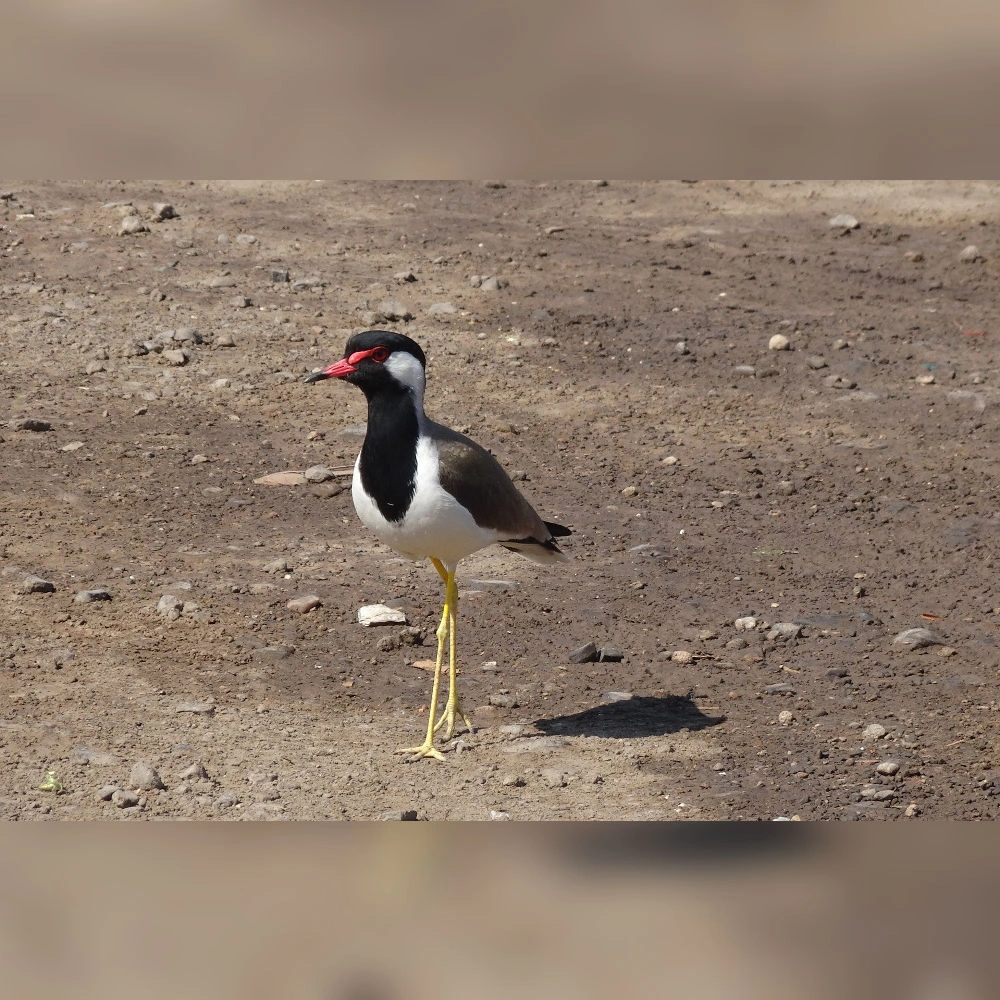

Red-wattled Lapwing
Summary of Walk
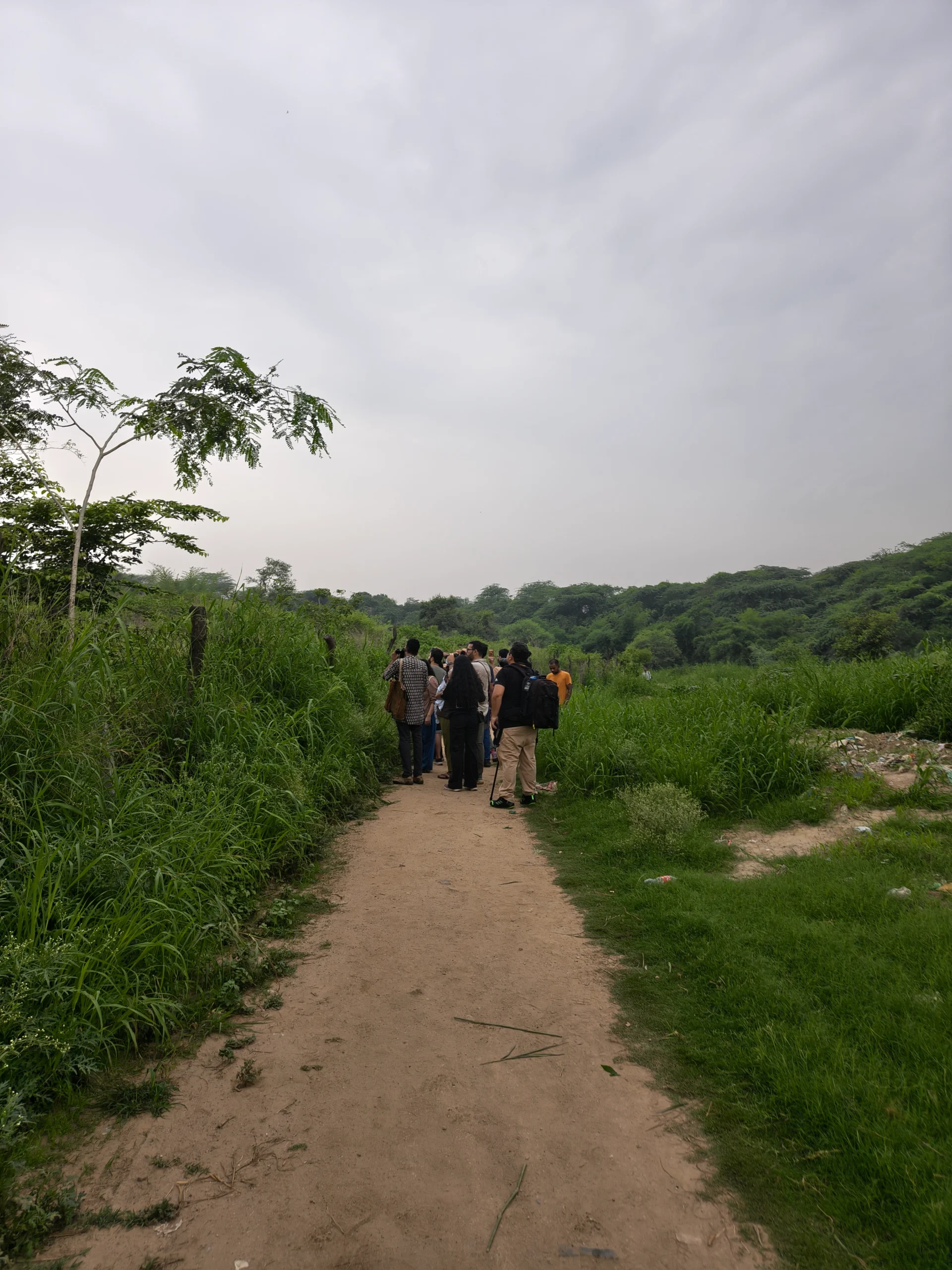
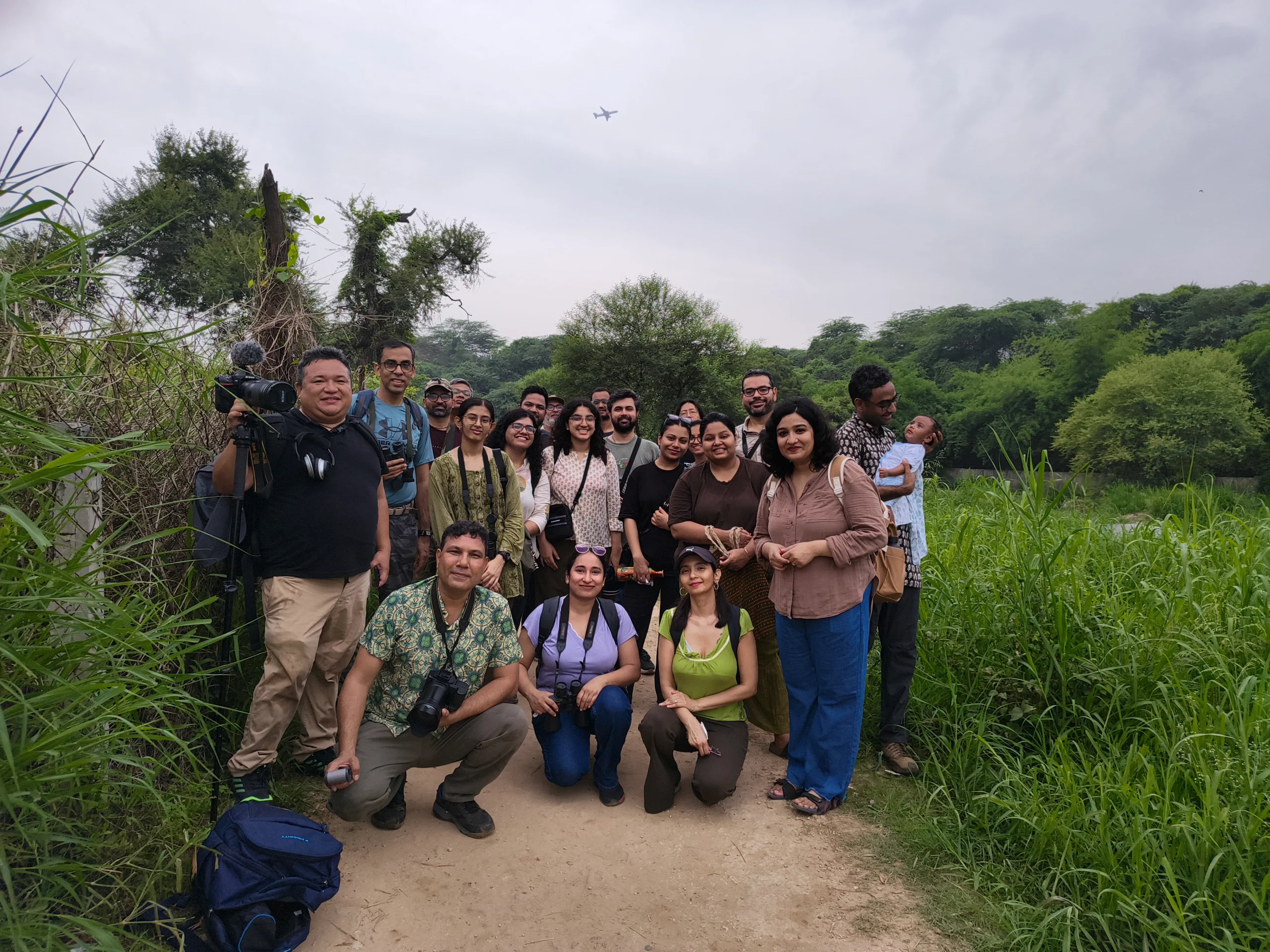
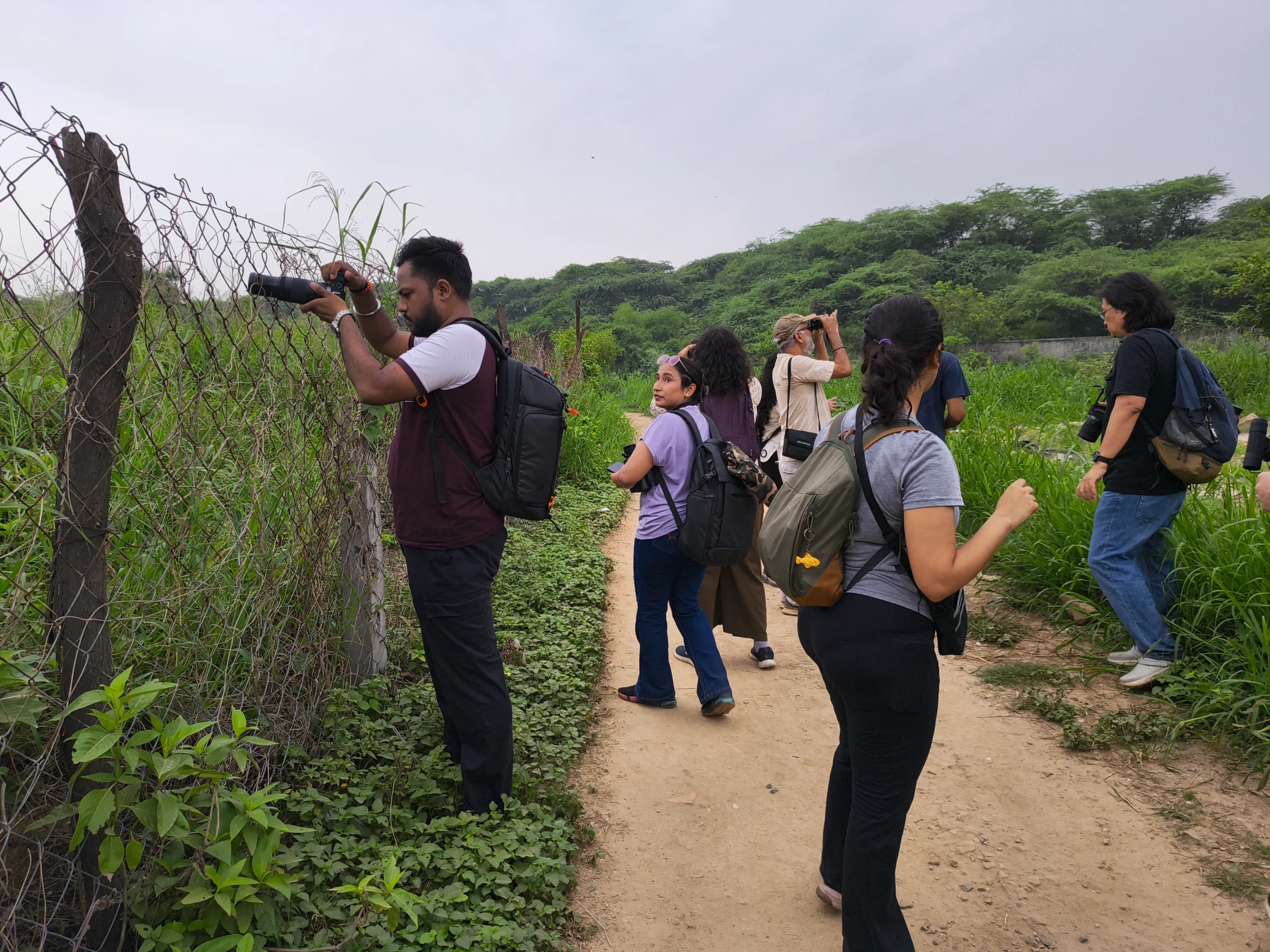
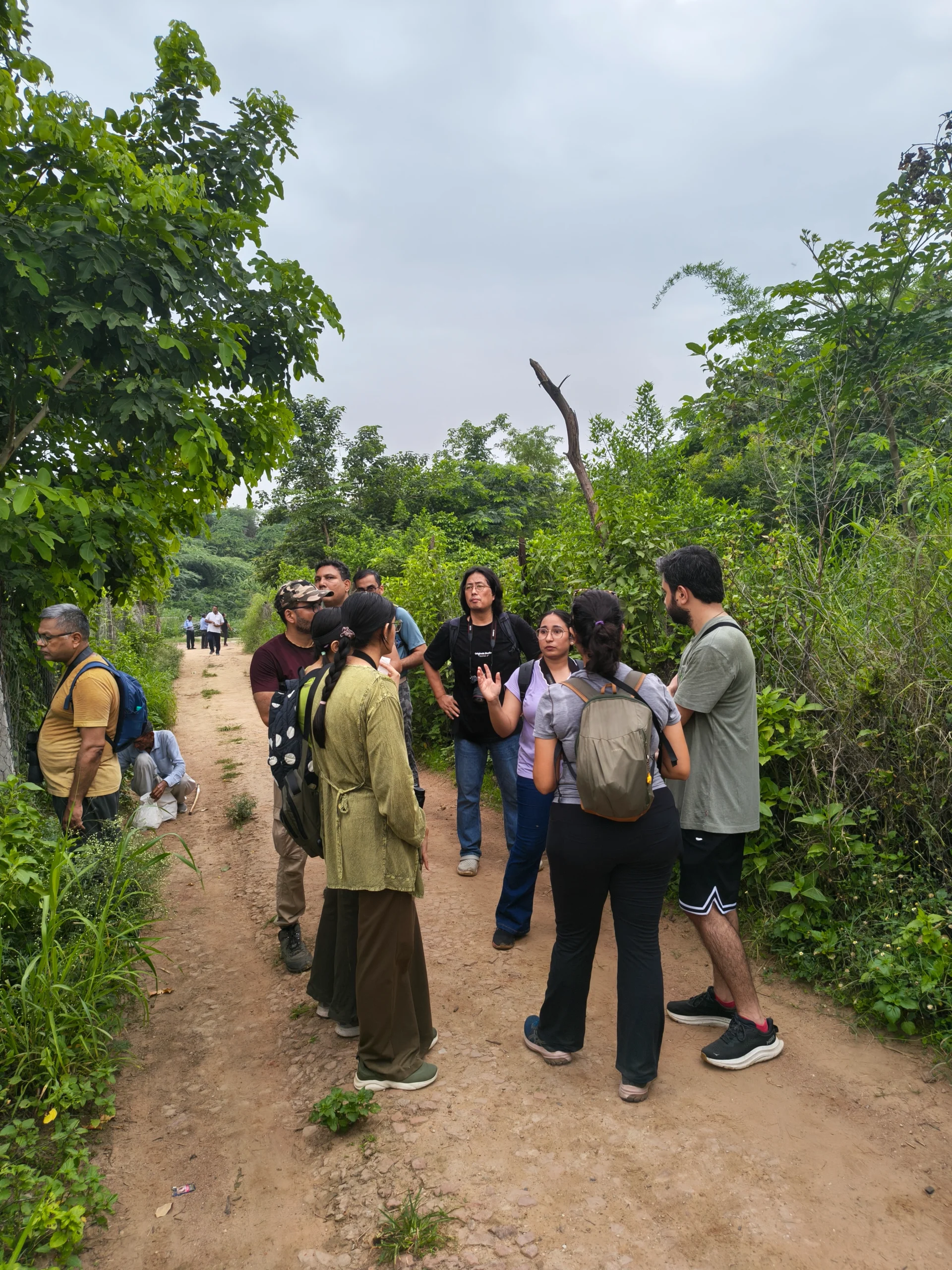
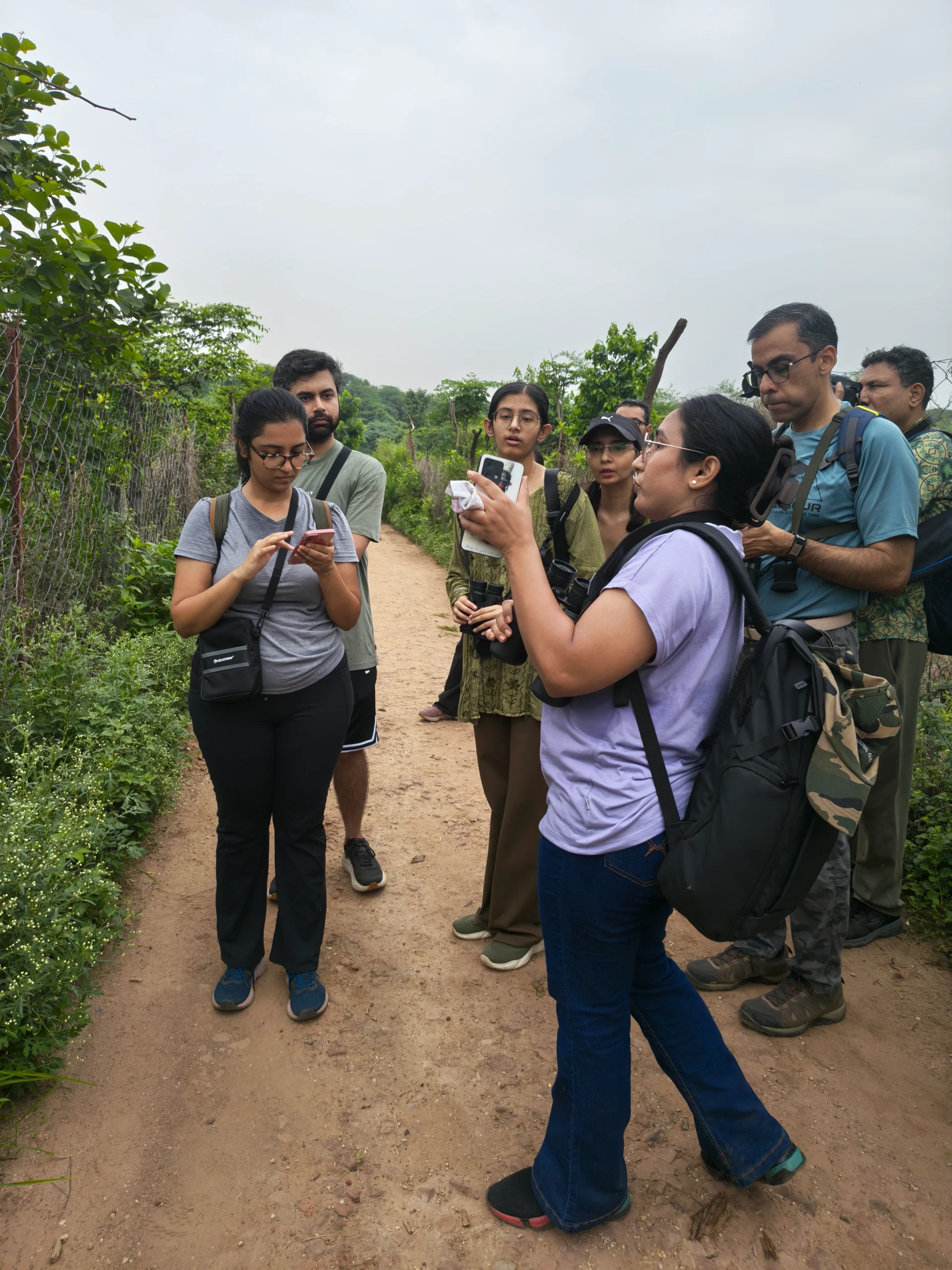
The guided bird walk at Tughlakabad Biodiversity Park brought together 21 participants, including families, children, and even a three-month-old infant, creating a vibrant morning of learning and exploration. Pleasant weather made for comfortable birdwatching as participants walked through the park’s varied habitats, discussing bird behaviour, urban biodiversity, and conservation issues. A major educational highlight was observing nesting sites of swifts, swallows, and martins around the historic Tughlakabad Fort walls, leading to engaging conversations about how birds adapt to urban landscapes. Participants also explored broader conservation topics, including water pollution, degraded wetlands, and afforestation efforts linked to infrastructure development. By the end of the walk, the group had recorded 32 bird species.
Among the memorable sightings were a Black Drongo nest, offering a close look at breeding behaviour, an Indian Cormorant surfacing dramatically after prolonged dives, and an exceptionally close encounter with a Plain Prinia. These observations sparked discussions on nesting strategies, feeding adaptations, and habitat requirements of different bird species. Tughlakabad Biodiversity Park serves as an important green space within Delhi, demonstrating how protected urban habitats can support remarkable biodiversity despite increasing development pressures. The walk successfully combined birdwatching with meaningful conversations about habitat conservation, making it both an enjoyable outdoor experience and an opportunity to better understand the ecological challenges facing urban ecosystems.
Number of Participants
0