

Loading Events

Bird Walk at Turahalli Fringes, Bengaluru

About Turahalli Fringes

Where Bengaluru’s southern suburbs run out along Kanakapura Road, the edges of Turahalli Forest keep a piece of wild Deccan country alive. Often called the city’s last surviving forest, Turahalli covers around 590 acres on a granite ridge about 20 km from the city centre. Its fringes are a mosaic of dry deciduous patches, eucalyptus stands, thorny scrub, open grassland, exposed rock and bordering farmland. Figs, lianas and wild shrubs such as fragrant Pavetta grow among the boulders, and white orchids bloom after the August rains. Spotted deer, wild boar, jackals, hares and mongooses live here, and leopards have been recorded in the forest.
The edges between forest, scrub and fields are often the most productive places for birders. On a single morning walk you can see 30 to 50 species. Indian Peafowl display and breed in the scrub, raptors ride the thermals over the ridge, and owls, including eagle-owls, roost among the rocks. Bee-eaters, prinias, bushchats, munias and larks work the open ground. But Turahalli sits right in the path of the city’s growth. Forest fires, garbage dumping, encroachment, clearing for crops and poaching all take their toll. In 2021, a plan to turn a large part of the forest into a landscaped “tree park” sparked big public protests. Residents argued that walkways and concrete would break up the habitat and drive away sensitive species. Keeping the fringes wild, undisturbed and free of dumping is essential for Turahalli’s birds.

Bird Guide: Uma Vaijnath

Uma Vaijnath is a Bengaluru-based avid birdwatcher, photographer and partial ornithologist from over half a decade. After a career as a software professional, she transitioned into environmental community work and creative arts. She is a prominent figure in the Bengaluru birding community, frequently leading and organizing nature walks and birding events.

Bird walk Location

Common birds of Turahalli Fringes

One of the best wildlife shows around Bengaluru happens every evening at Turahalli’s fringes. As the sun sets, around 200 Asian Green Bee-eaters gather on the power lines, calling non-stop. Then they rise together as a swirling cloud, circle the sky and drop into the honge trees to roost. Sometimes a Shikra dashes in and scatters the whole flock at once. As dusk deepens, Indian Nightjars start their tapping calls from the scrub. The Common Hawk-Cuckoo, the famous “brain-fever bird”, calls with rising urgency. By day the fringes are just as lively. Jerdon’s Bushlark sings above the open ground, while Pied Bushchats and Indian Robins perch on rocks and bushes. Plain and Ashy Prinias flit through the grass, and Indian Silverbills feed in small, tidy flocks. In the woodland edge, the Tickell’s Blue Flycatcher sings sweetly, the Spot-breasted Fantail fans its tail, and the tiny Pale-billed Flowerpecker visits mistletoe. White-cheeked and Coppersmith Barbets call from the canopy, alongside the Common Iora and Asian Tit. Yellow-billed Babblers, Red-whiskered and White-browed Bulbuls, Gray Francolins and Indian Peafowl round out a remarkable mix of forest and scrub birds.
Asian Green Bee-eater
Indian Nightjar
Common Hawk-Cuckoo
Tickell's Blue Flycatcher
Spot-breasted Fantail

Pale-billed Flowerpecker
White-cheeked Barbet
Coppersmith Barbet
Common Iora
Asian Tit
Yellow-billed Babbler
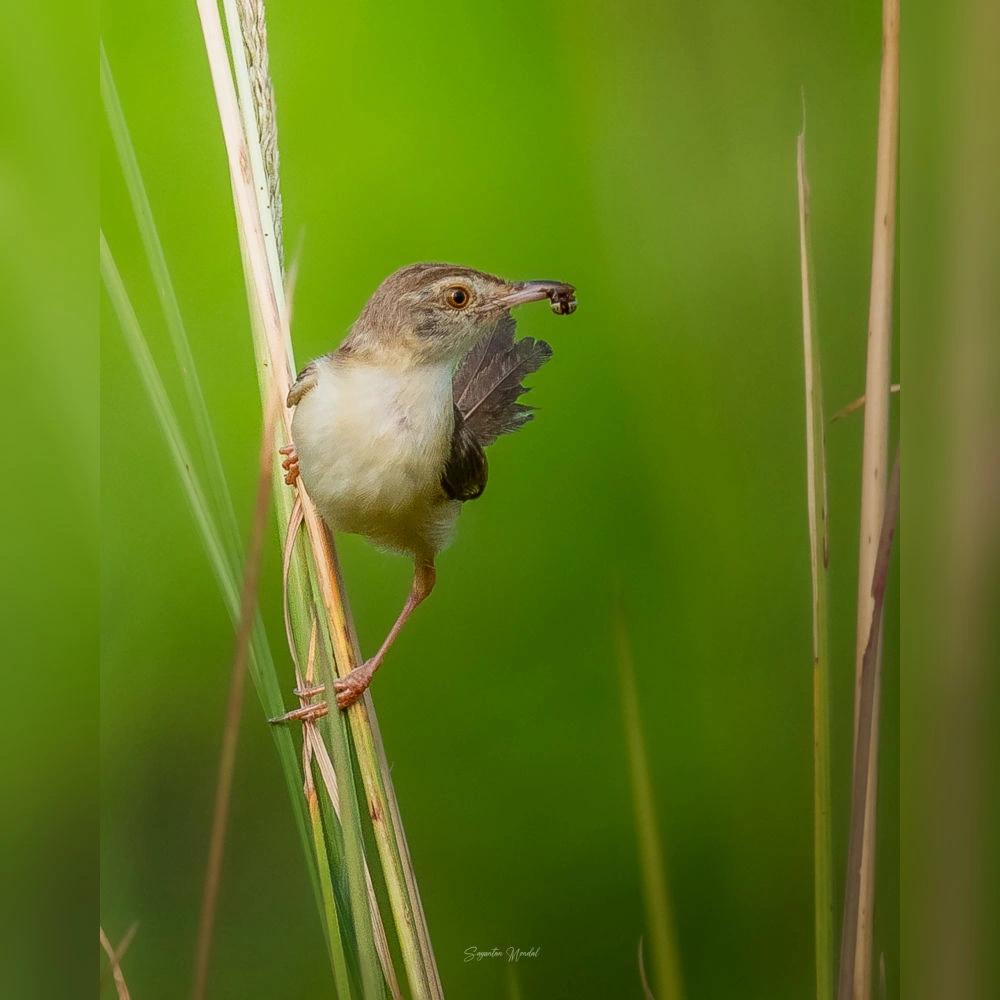
Plain Prinia
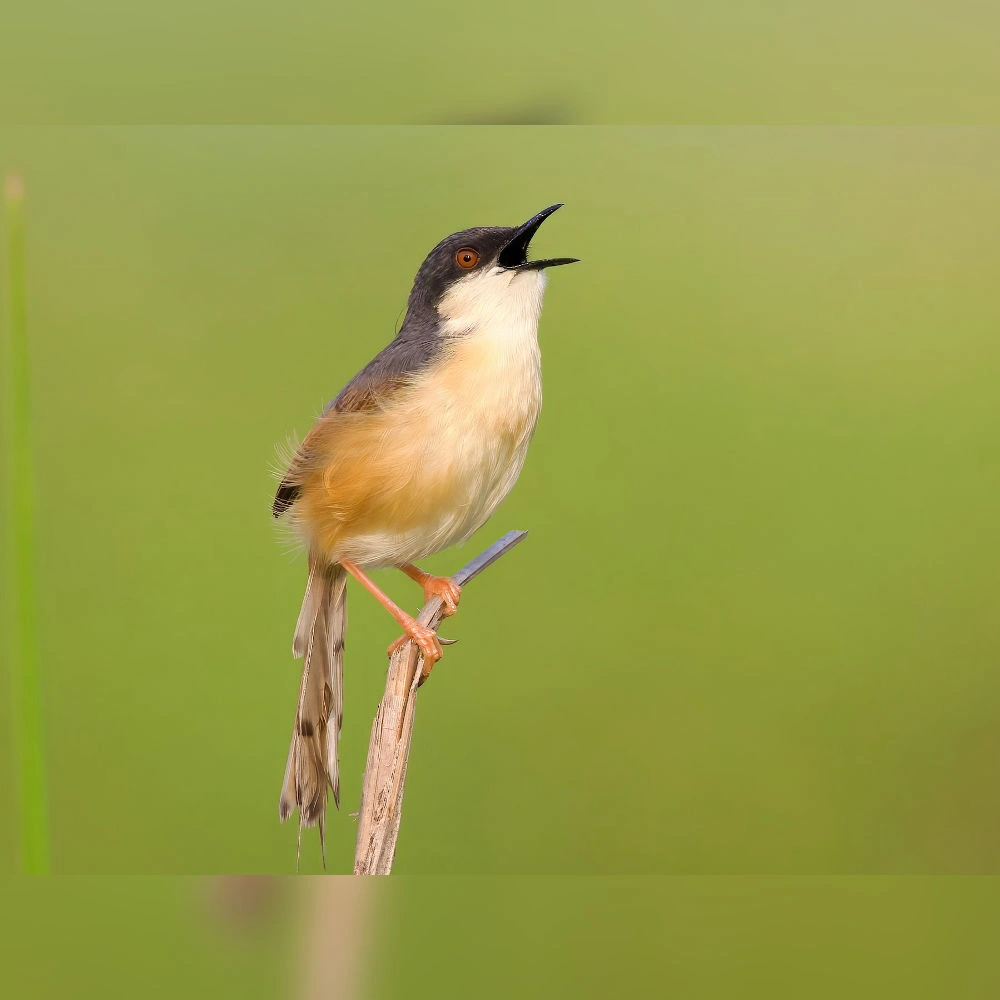
Ashy Prinia
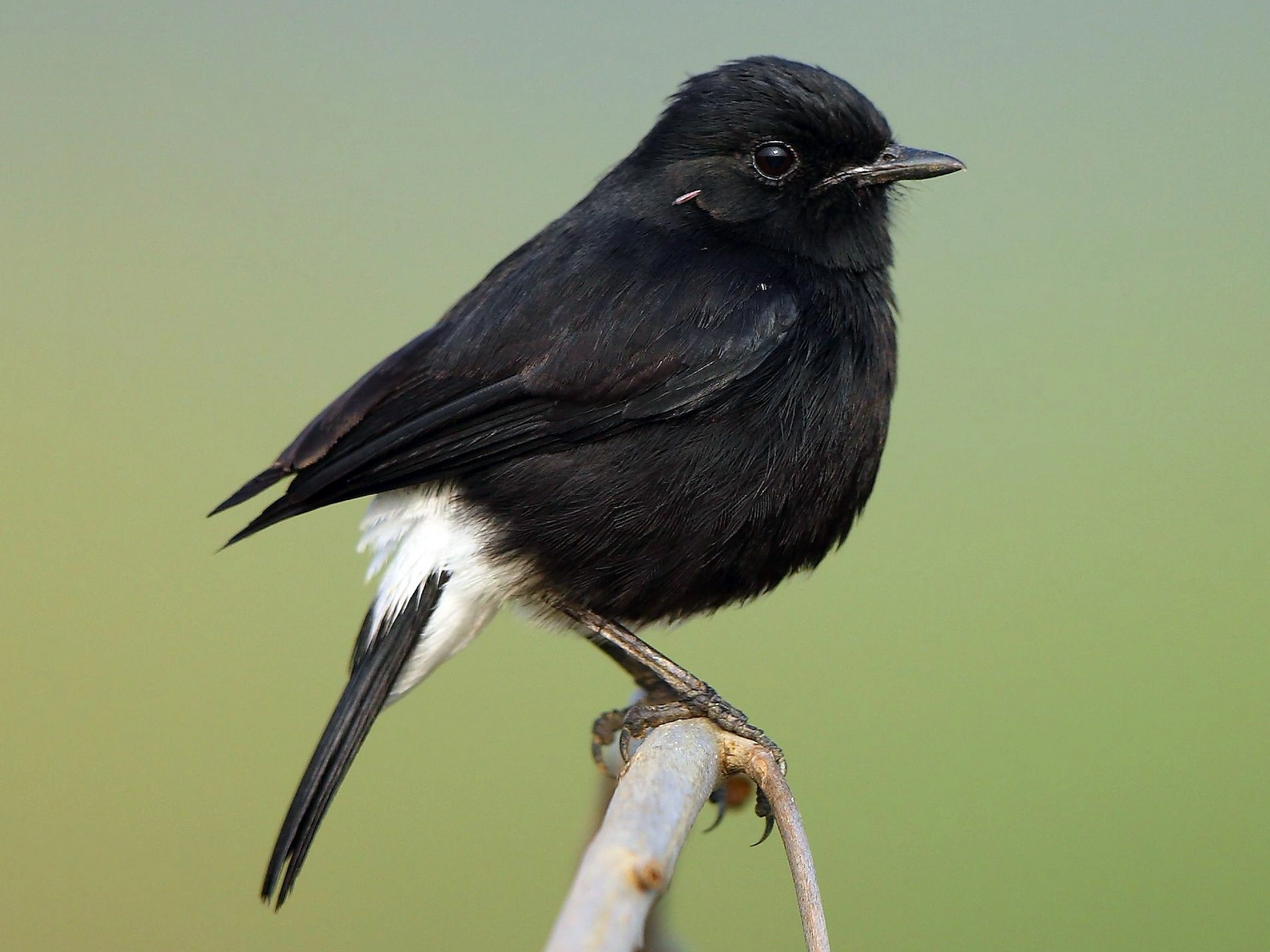
Pied Bushchat
Indian Robin
Red-whiskered Bulbul
White-browed Bulbul
Purple-rumped Sunbird
Indian Silverbill
Indian Peafowl

Summary of Walk

Ten birders joined guide Uma Vaijnath at the fringes of Turahalli Forest in Bengaluru on 10 October for an evening walk that built toward a spectacular finish, recording 38 species along the way. The open scrub and woodland edges here offer a lovely variety of birds, and the group began with the Blue-faced Malkoha, a favourite with its pale green face and long, graceful tail, and the Jungle Bush-Quail, a shy ground-dweller that is always a treat to find. But it was the bee-eaters that stole the evening. Hundreds of them filled the sky and the wires as they gathered, and the highlight of the walk was watching them come down to dust bathe, a delightful behaviour that few people ever have the chance to see up close. Participants stood and watched in fascination as the birds fluttered and rolled in the dust before settling in for the night. As the light faded, two nocturnal stars made their appearance: a Barn Owl, ghostly pale in the dusk, and an Indian Nightjar, perfectly camouflaged and glowing in the beam of the lights. Uma shared stories about the roosting and bathing habits of bee-eaters and the secrets of dusk birds, turning each sighting into a small lesson in natural history. The mix of daytime and nocturnal species gave the group a wonderful sense of the habitat’s full range, and the closing scene of the bee-eaters in the dying light left everyone with a feeling of wonder. It was a beautiful reminder that some of the best birding comes at the edge of the day.
Number of Participants
0
Scroll to Top