

Loading Events

Bird Walk at Yelahanka lake, Bengaluru

About Yelahanka Lake

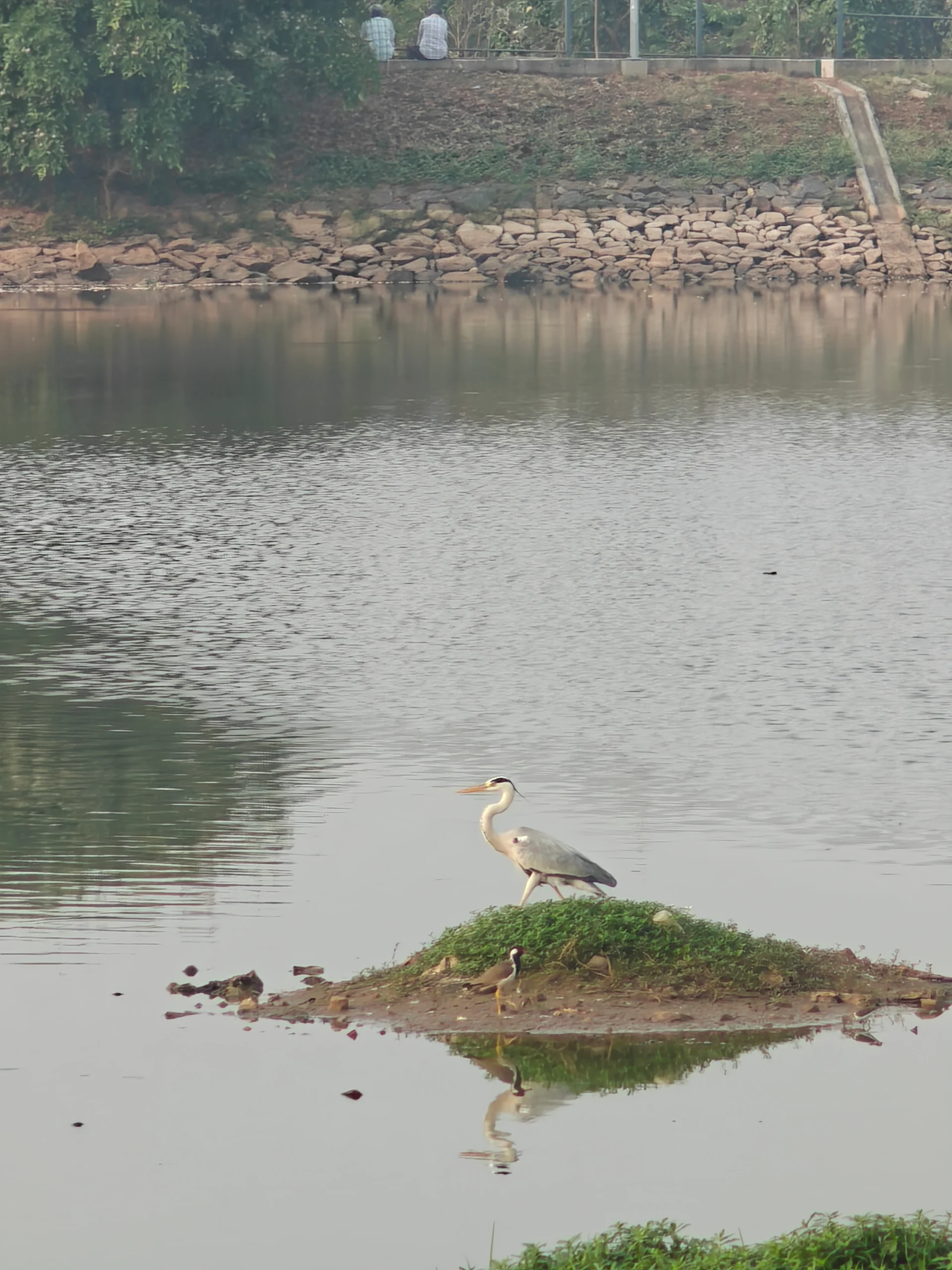
Yelahanka Lake is a prominent urban wetland in northern Bengaluru, surrounded by a mix of residential areas, roads, open spaces, and patches of vegetation. The lake consists of open water, shallow margins, marshy sections, and aquatic vegetation, with the extent of these habitats changing with seasonal rainfall and water levels. The shoreline and surrounding green areas add further habitat diversity, creating a natural space within a rapidly developing urban landscape.
As part of Bengaluru’s network of lakes, Yelahanka Lake plays an important role in retaining wetland habitat within the city. Its ecological character depends on maintaining water quality, healthy shoreline vegetation, and natural seasonal water levels. Urban expansion, pollution, waste accumulation, encroachment, and changes in drainage can place pressure on the wetland. Protecting the lake and its surrounding habitat is important for maintaining its ecological value and ensuring that it continues to function as a green and natural space within Yelahanka.

Bird Guide: Gurprasad K R

He is a passionate nature lover, birding photographer, and conservation advocate, with over a decade of experience observing and documenting birds. Deeply connected to nature and community, he finds joy and inspiration in birds, insects, and butterflies, and is driven to share this wonder to inspire others to connect with the natural world.
Bird walk Location

Common birds of Yelahanka Lake

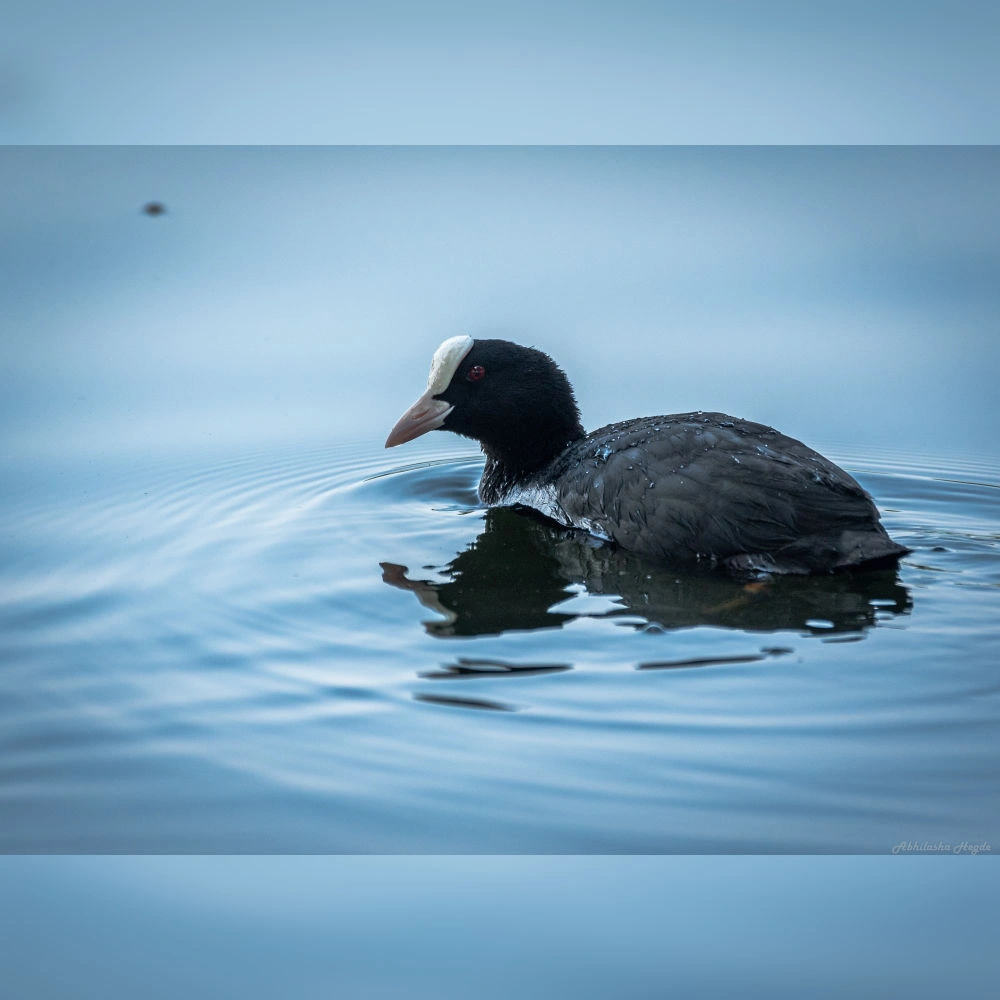
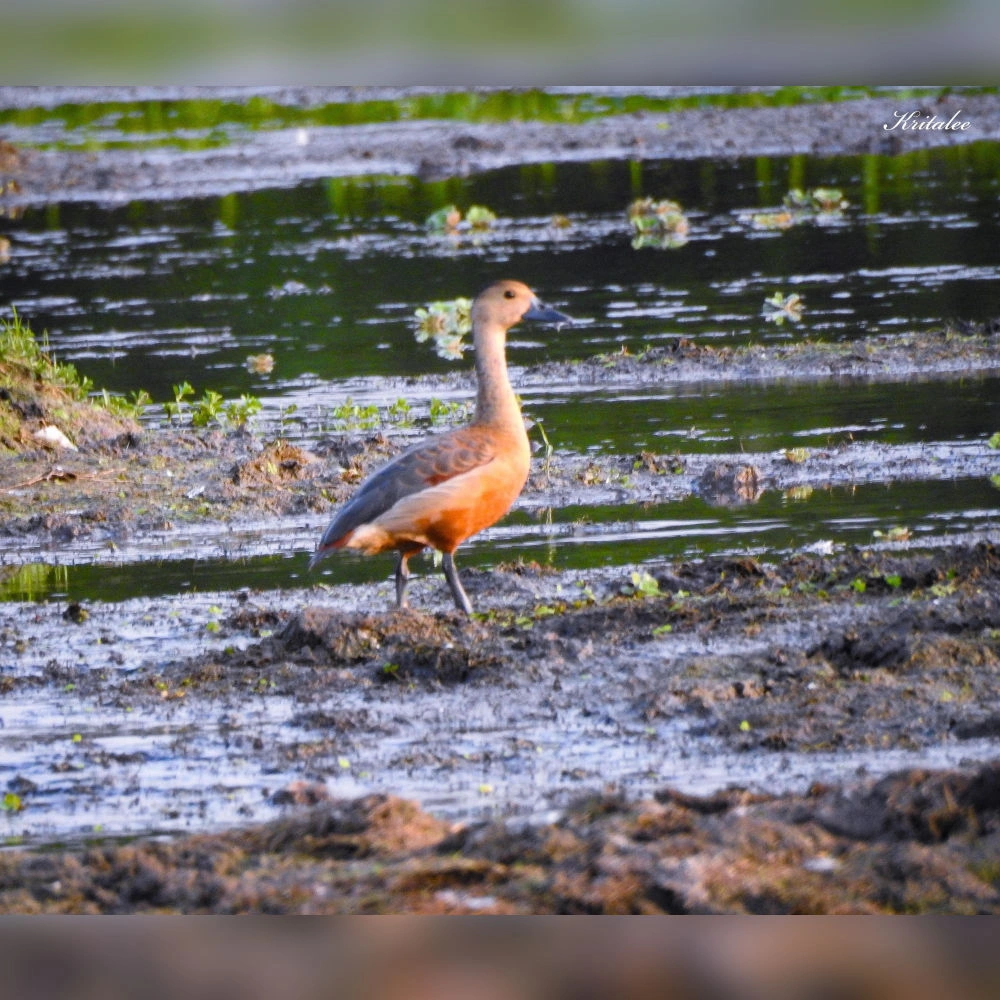
Yelahanka Lake supports a variety of wetland and water-associated birds, with kingfishers, waterhens, kites, ducks, herons, egrets, and other waterbirds forming an important part of the bird community. Common wetland species include Indian Spot-billed Duck, Lesser Whistling-Duck, Eurasian Coot, White-breasted Waterhen, Grey-headed Swamphen, Little Grebe, Little Cormorant, Indian Pond-Heron, Little Egret, and Great Egret. The shallow edges and open areas around the lake also provide suitable habitat for Black-winged Stilt and Red-wattled Lapwing.

Kingfishers such as Common Kingfisher and White-throated Kingfisher add colour and activity around the water, while Black Kite and Brahminy Kite represent the site’s raptors. Other birds associated with the surrounding vegetation include Asian Green Bee-eater, Asian Koel, Greater Coucal, and Red-vented Bulbul. Together, these species reflect the range of habitats available around Yelahanka Lake and its importance as an urban birdwatching site.

Lesser Whistling Duck
Eurasian Coot
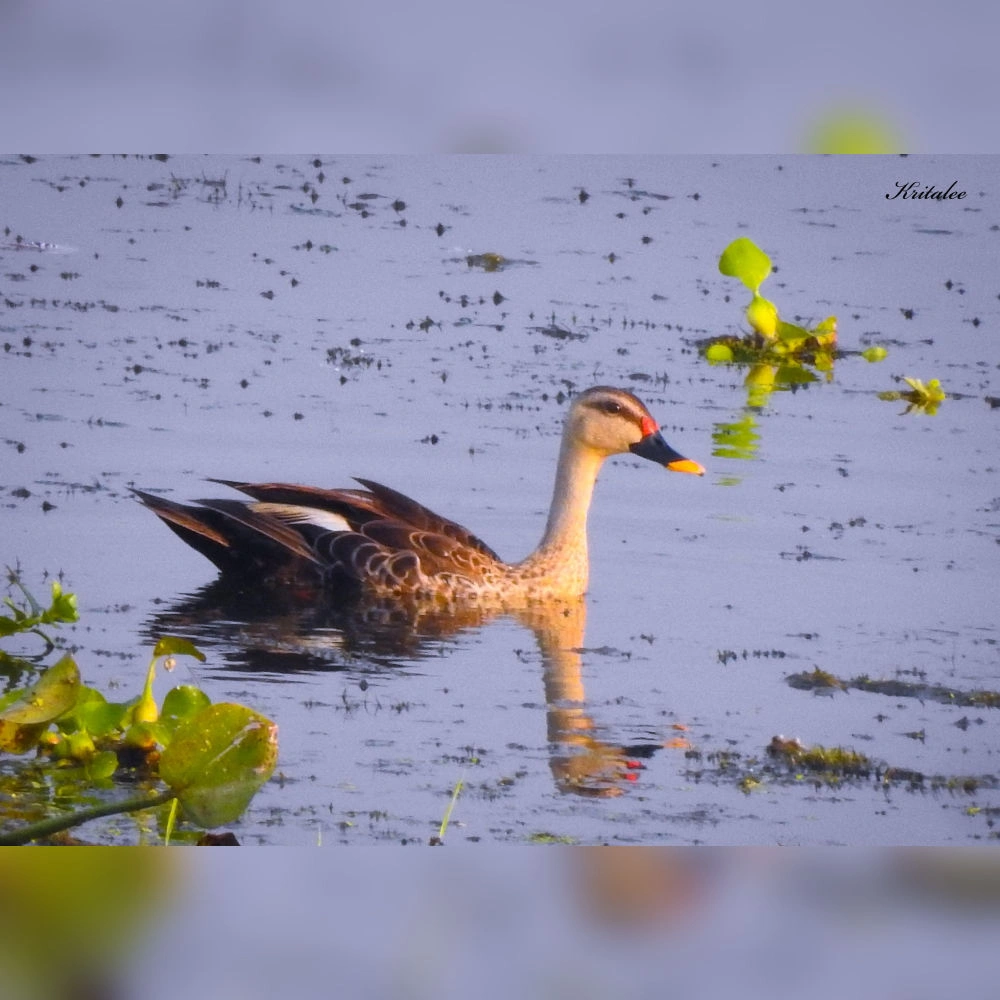
Indian Spot-billed Duck
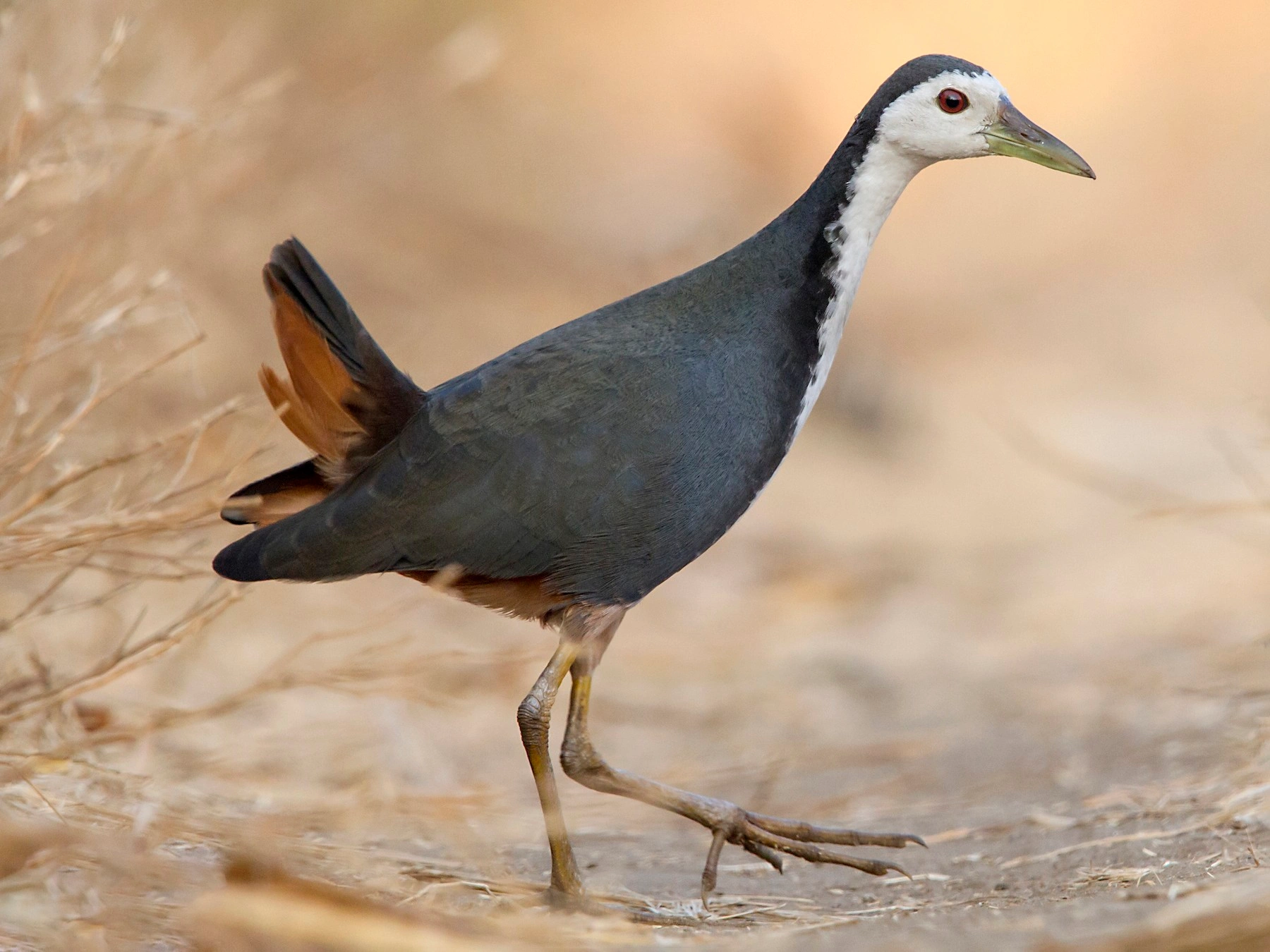
White-breasted Waterhen
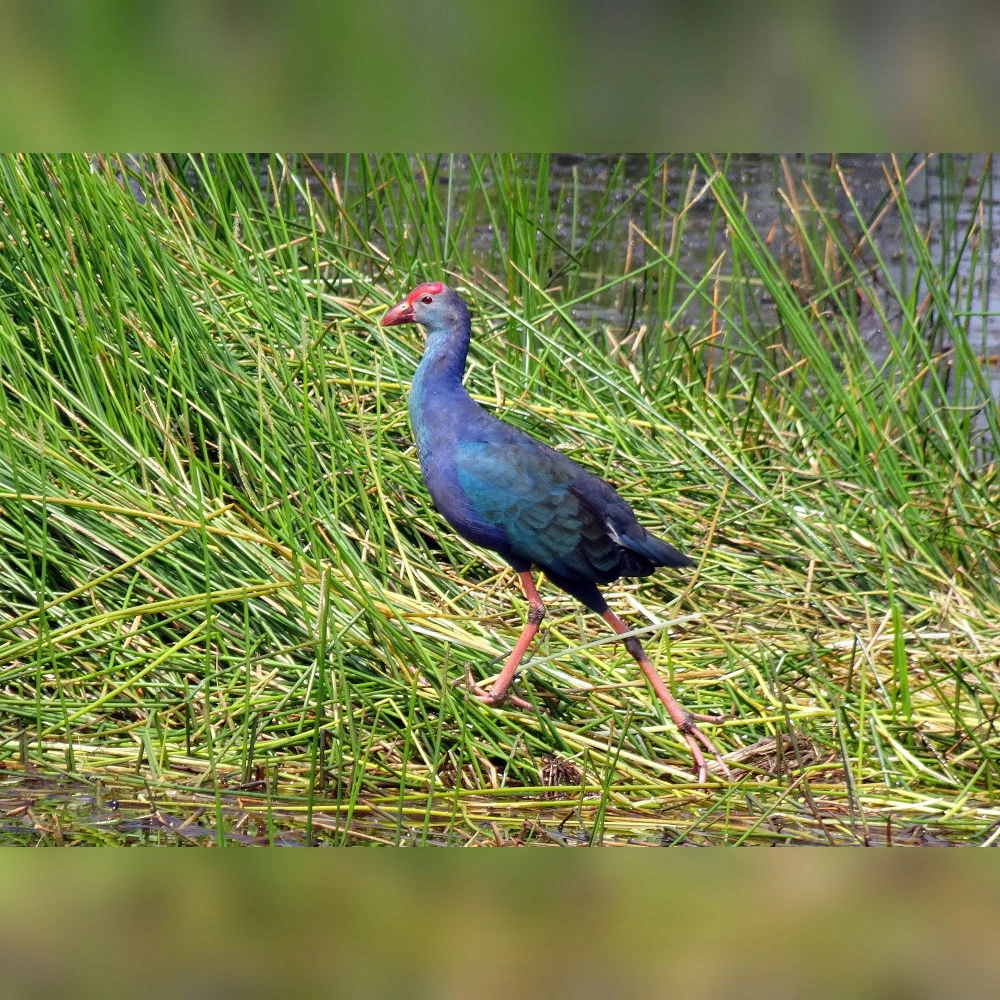
Grey-headed Swamphen
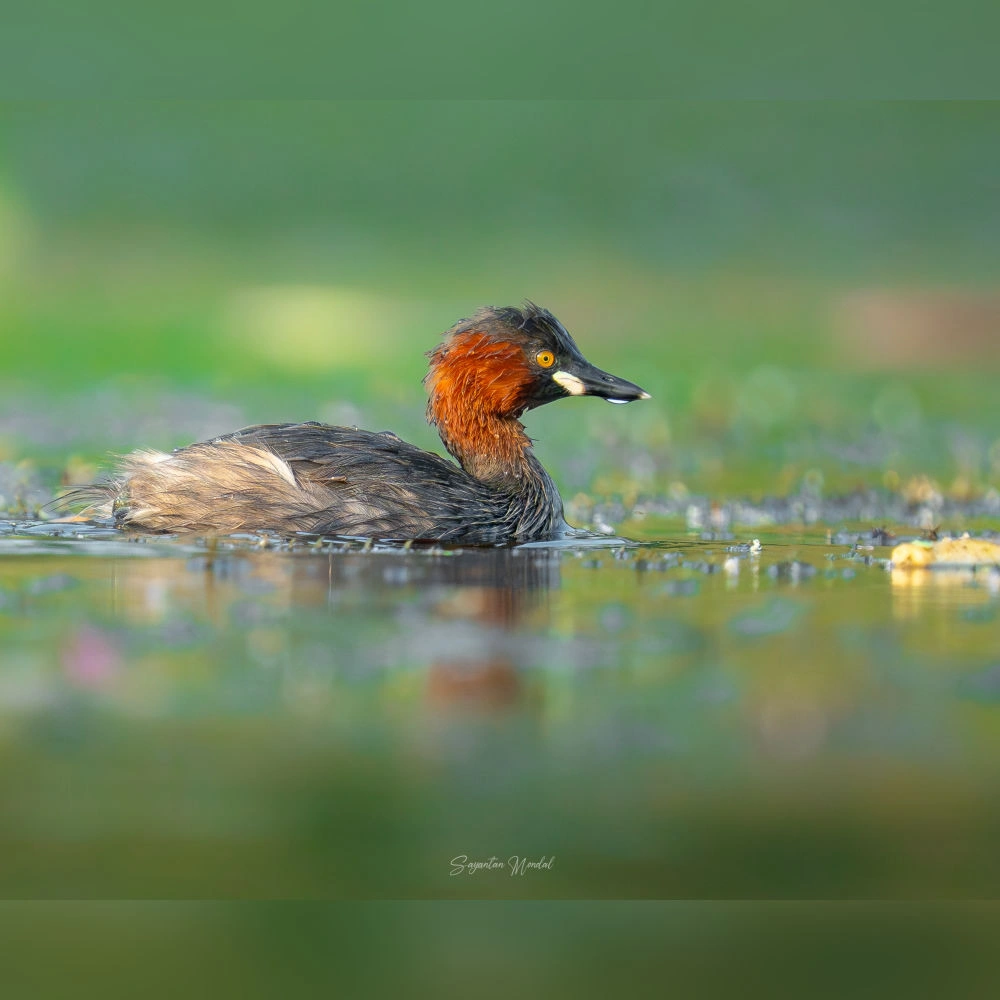
Little Grebe
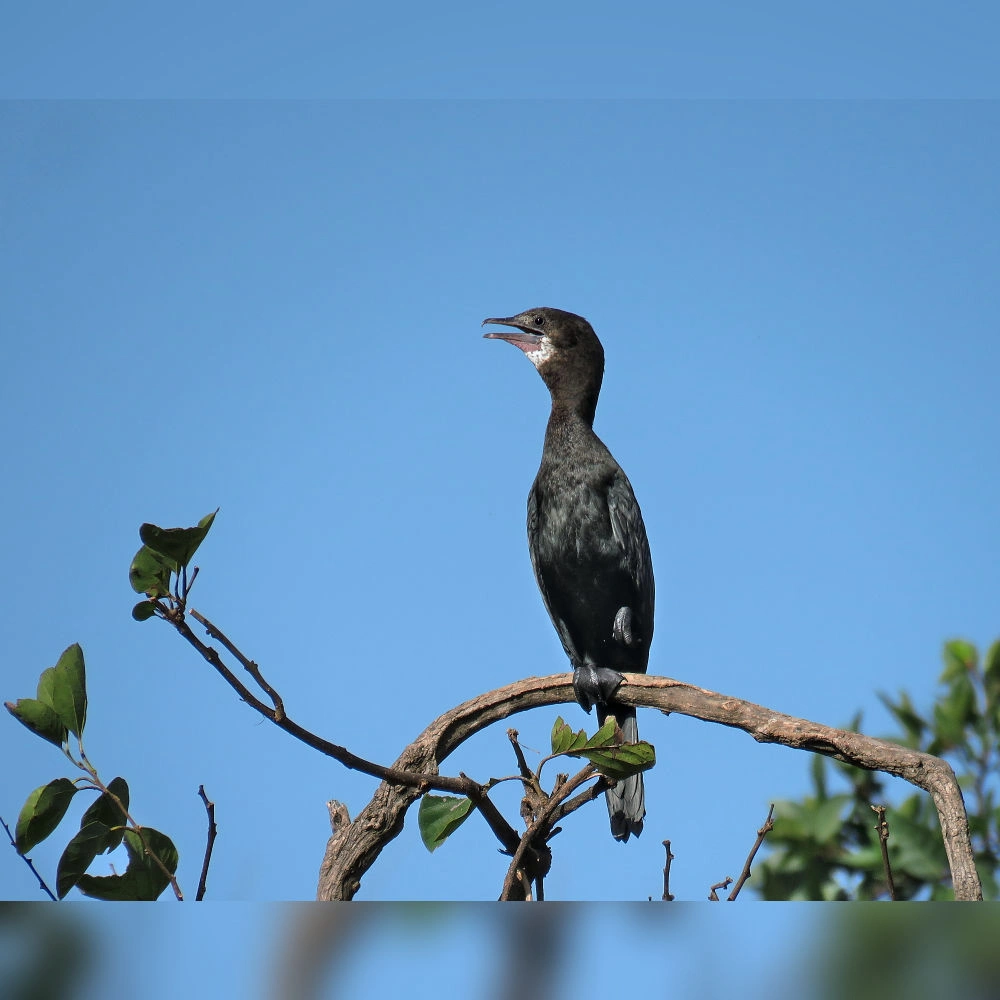
Little Cormorant
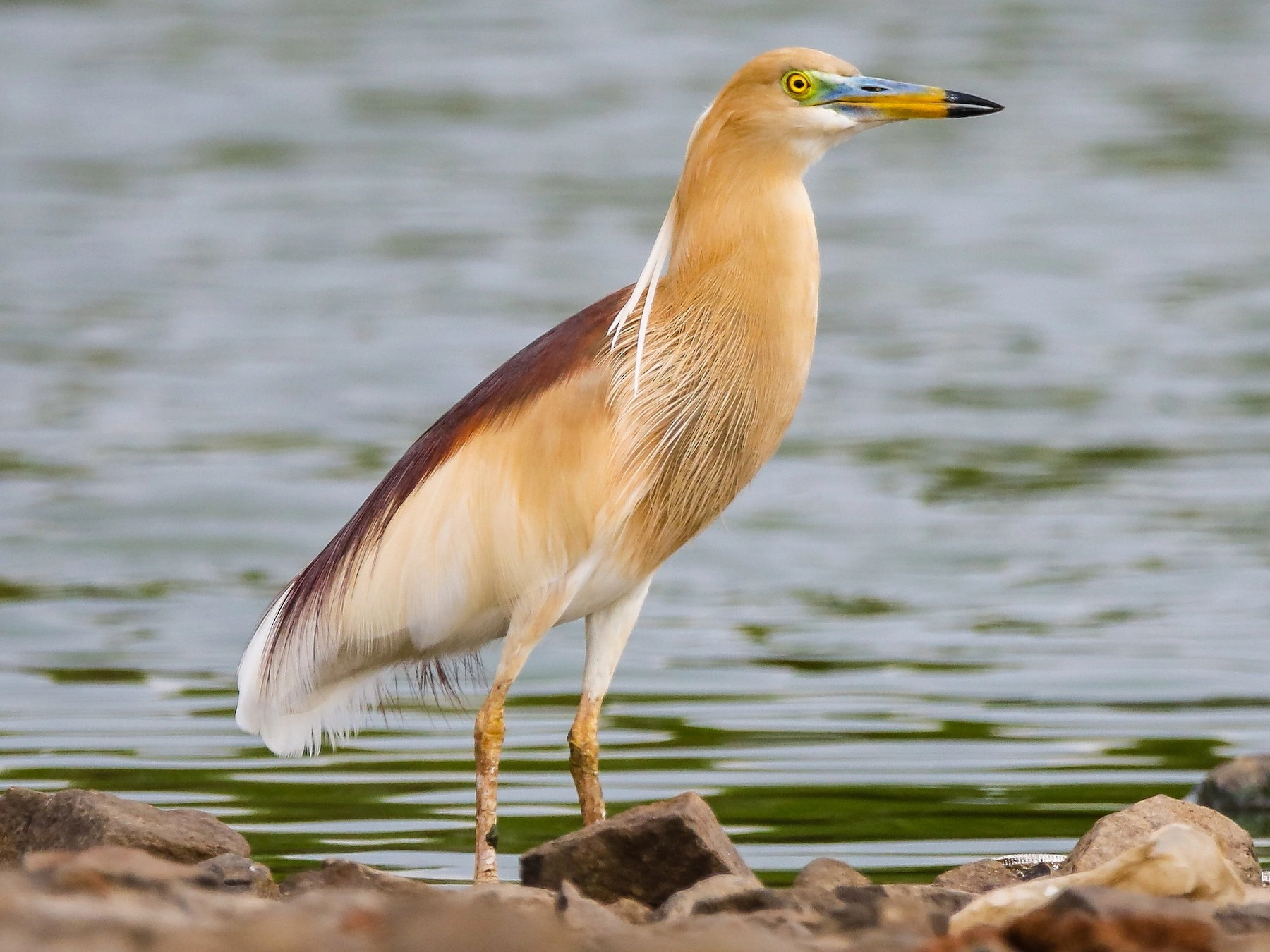
Indian Pond-Heron
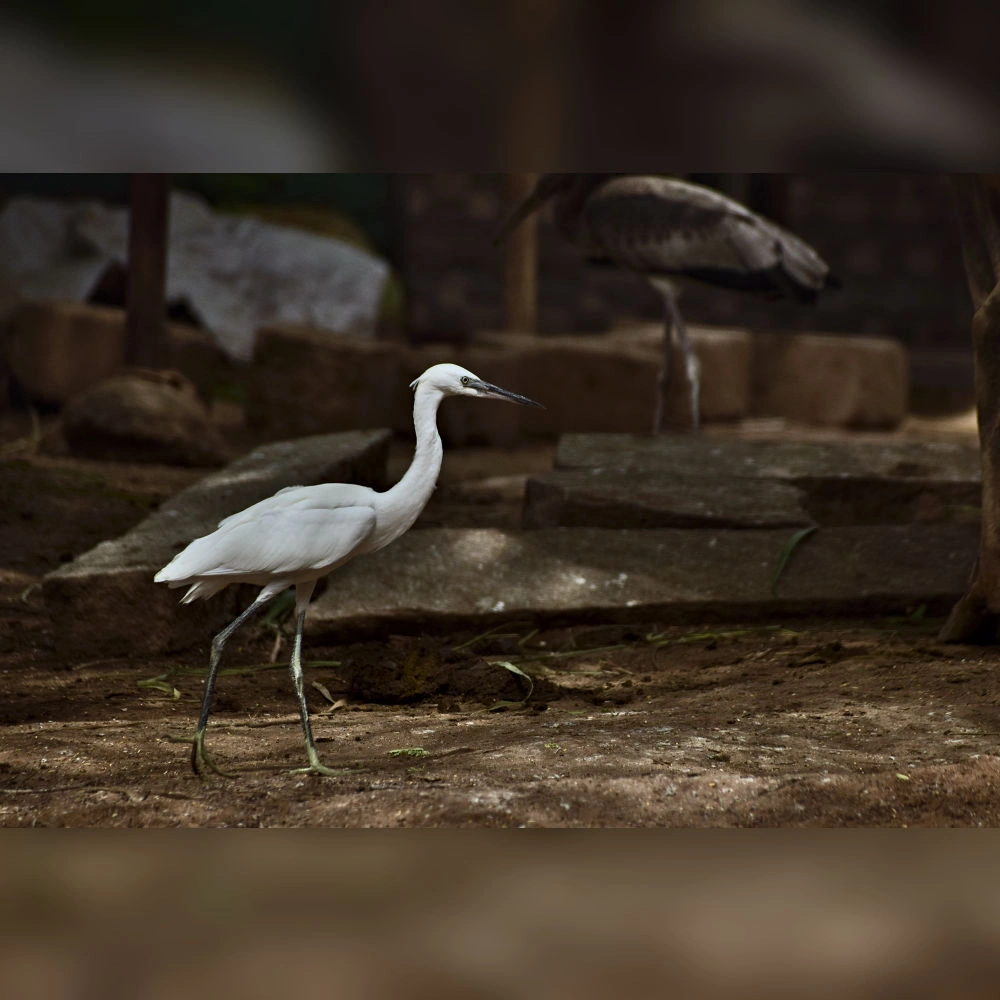
Little Egret
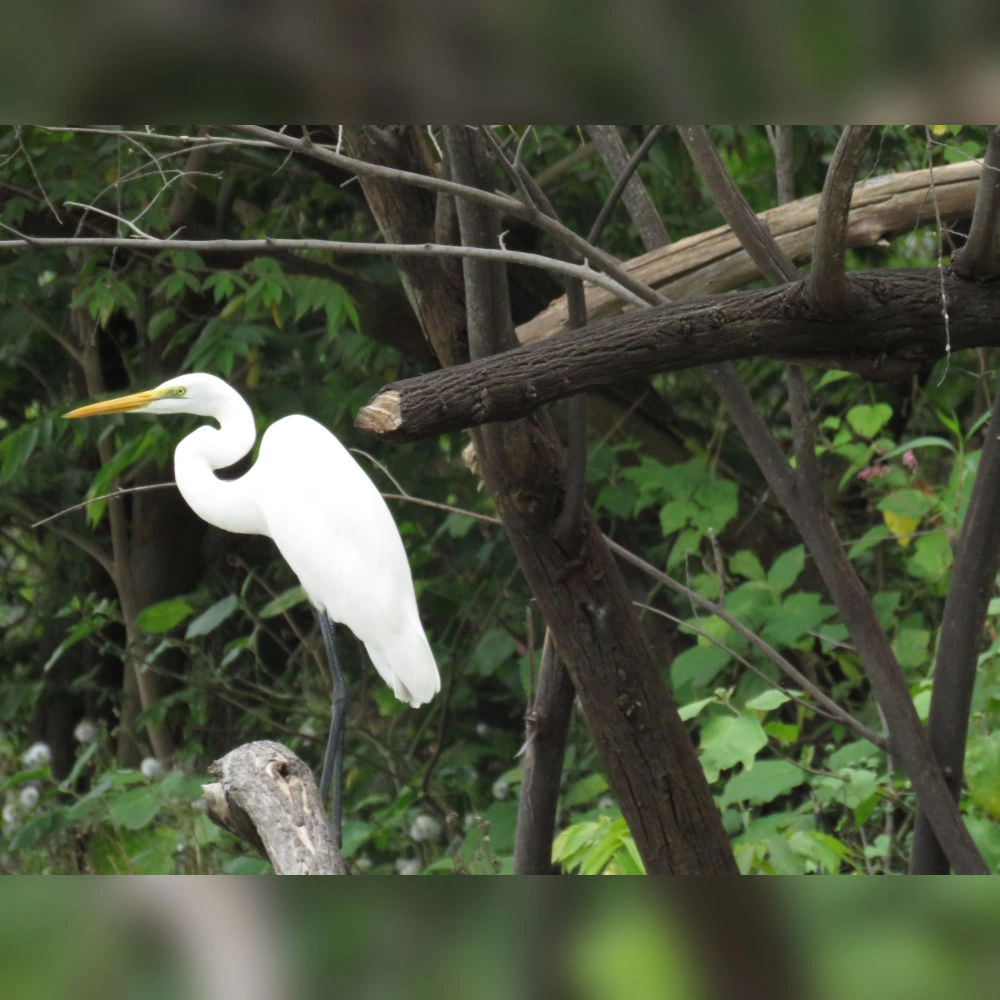
Great Egret
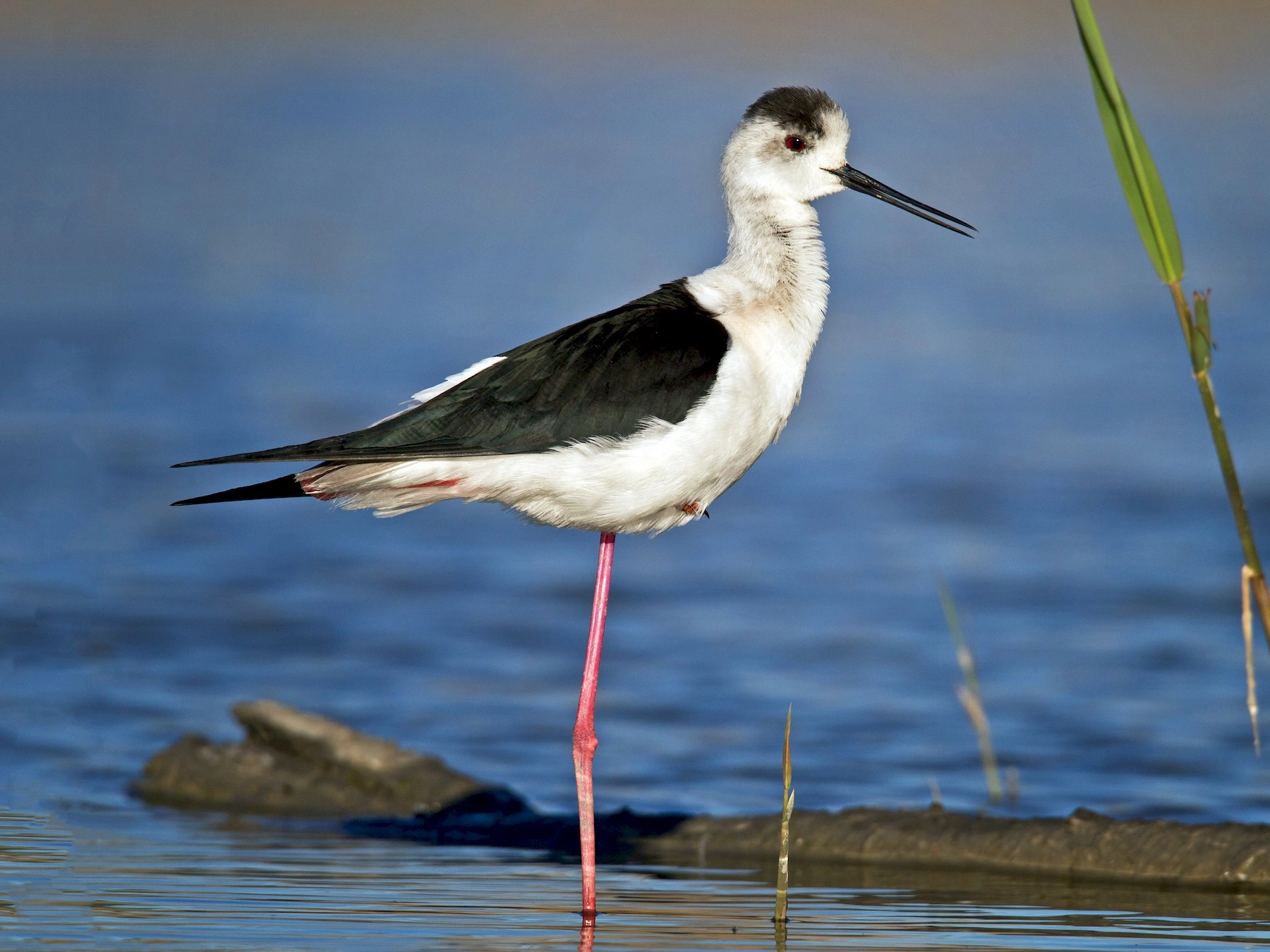
Black-winged Stilt
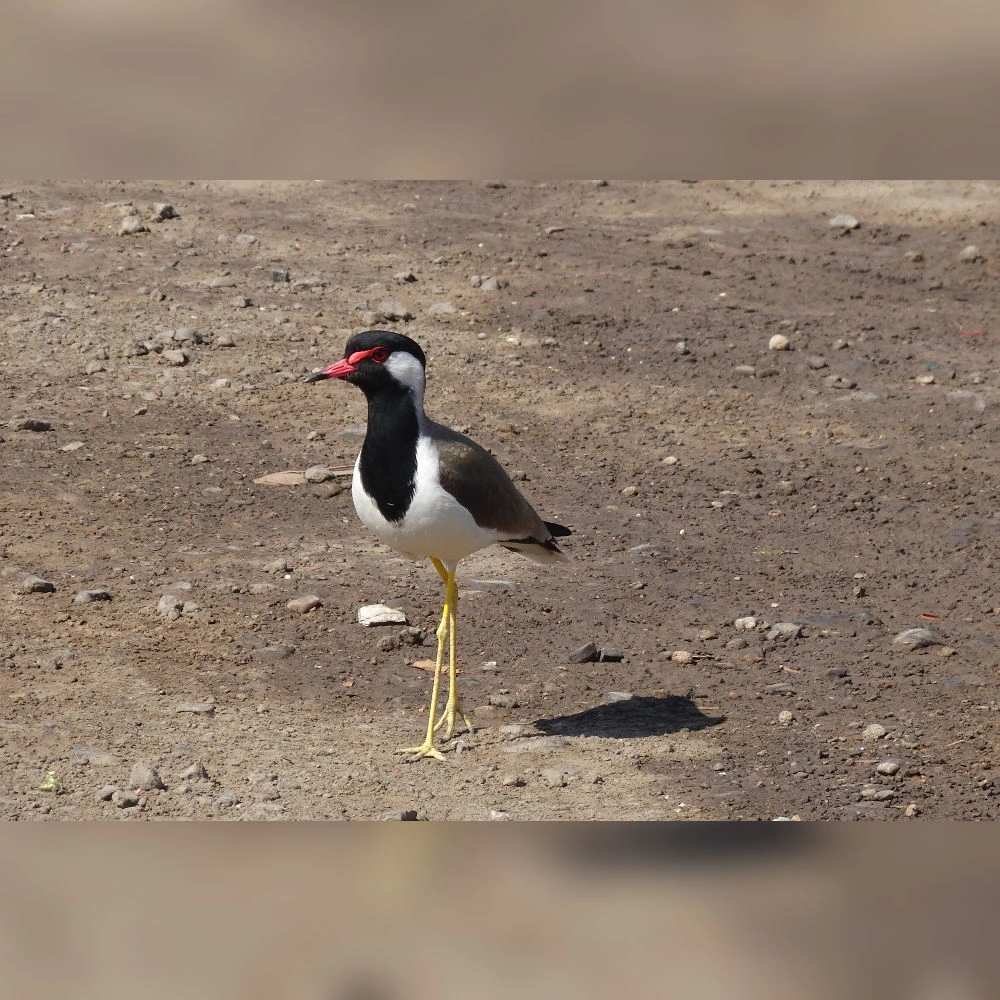
Red-wattled Lapwing
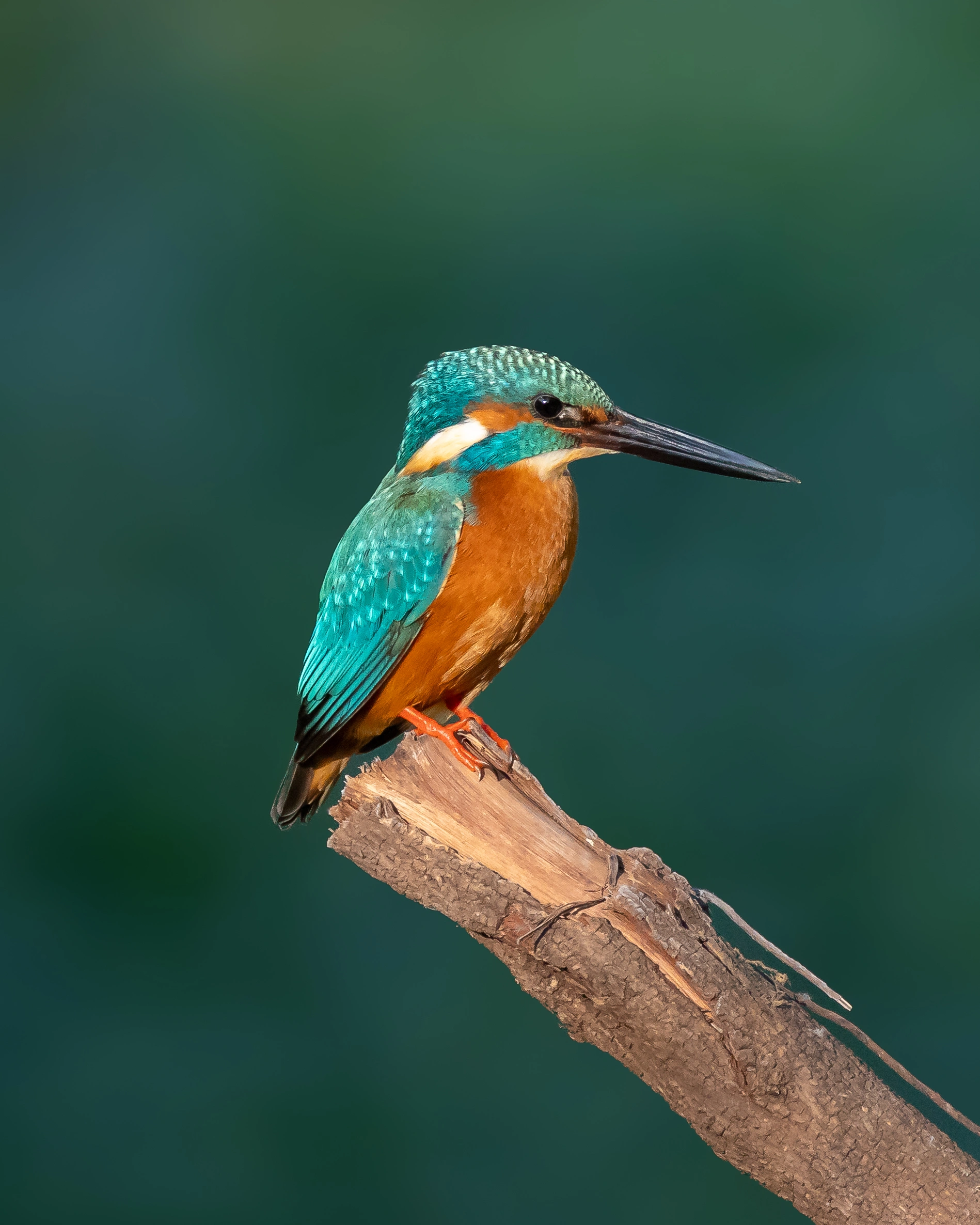
Common Kingfisher
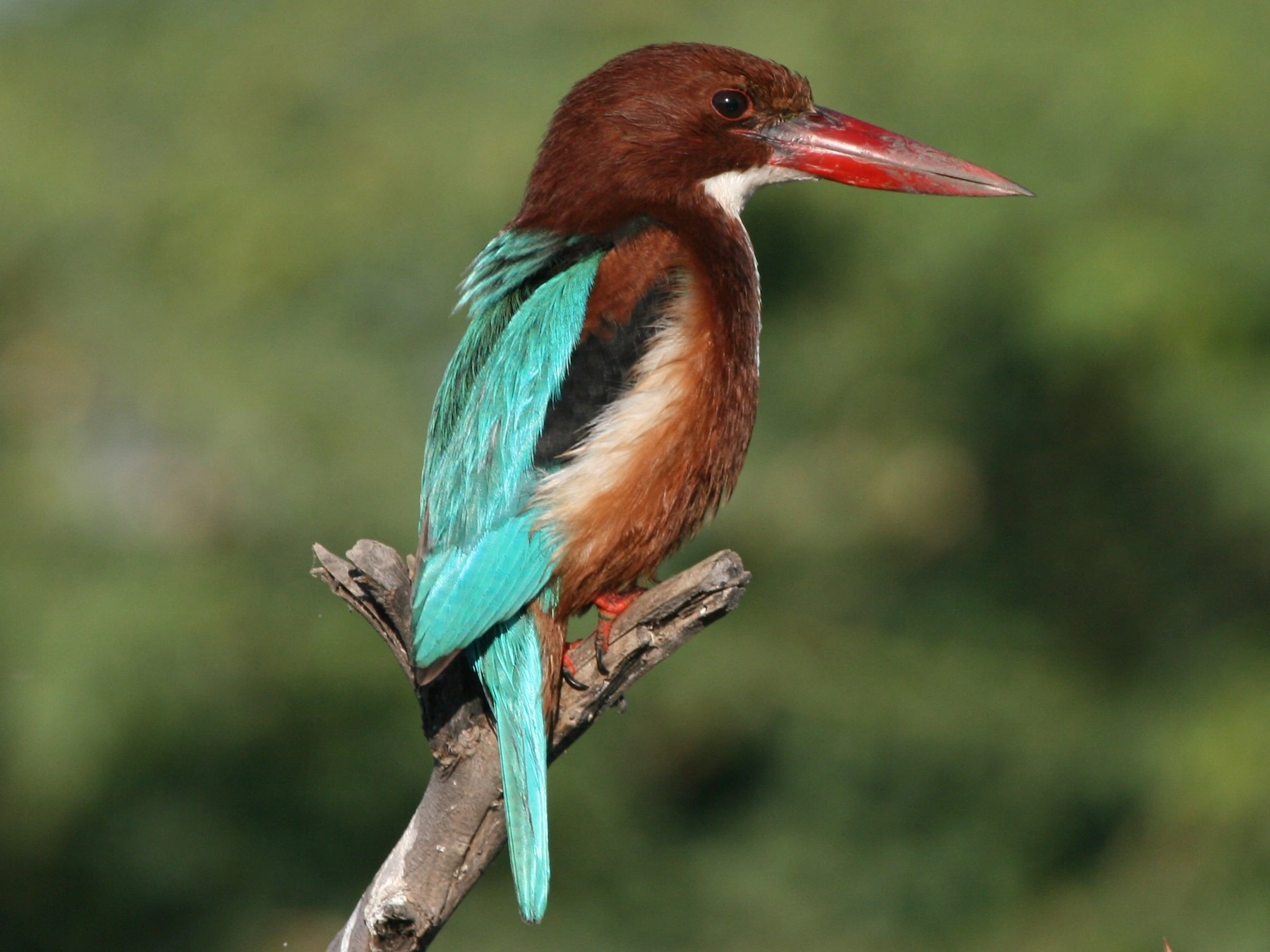
White-throated Kingfisher
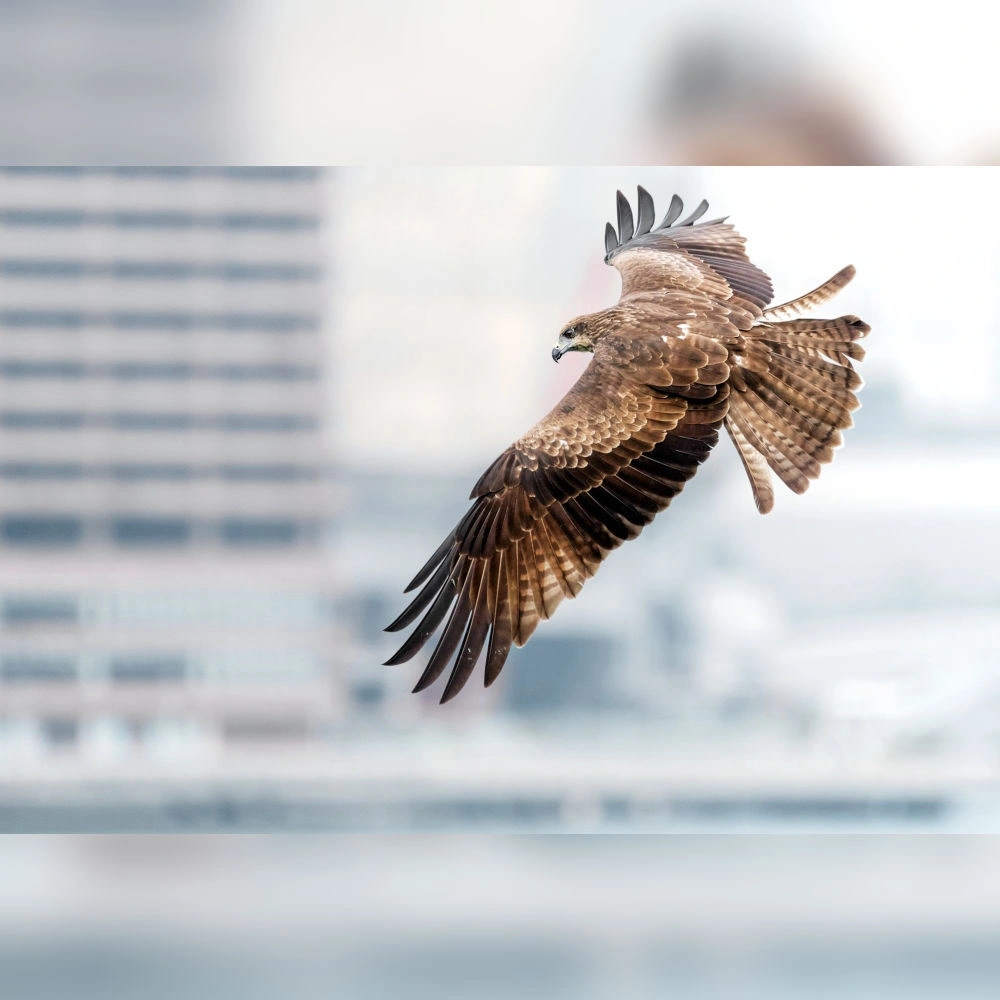
Black Kite
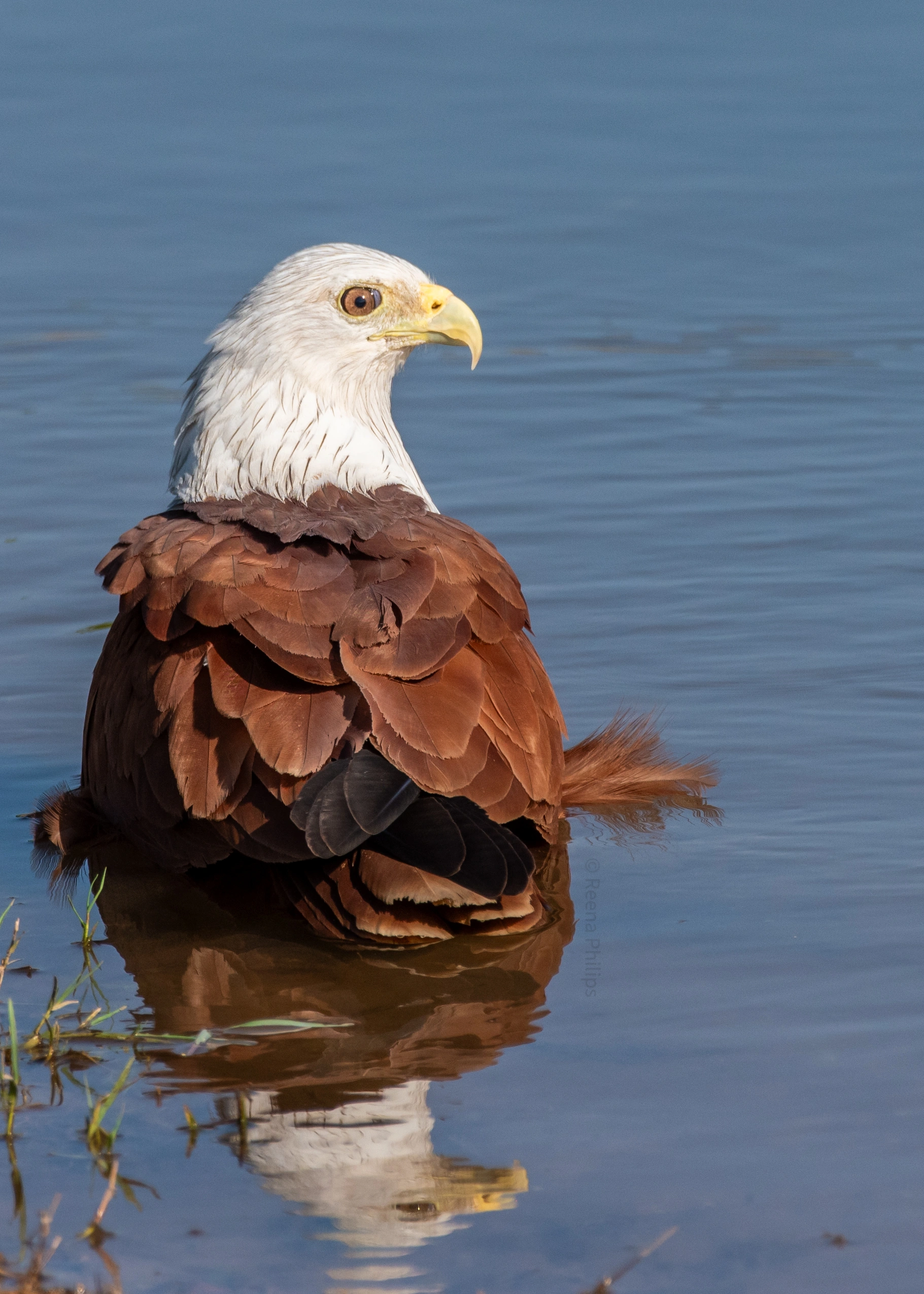
Brahminy Kite
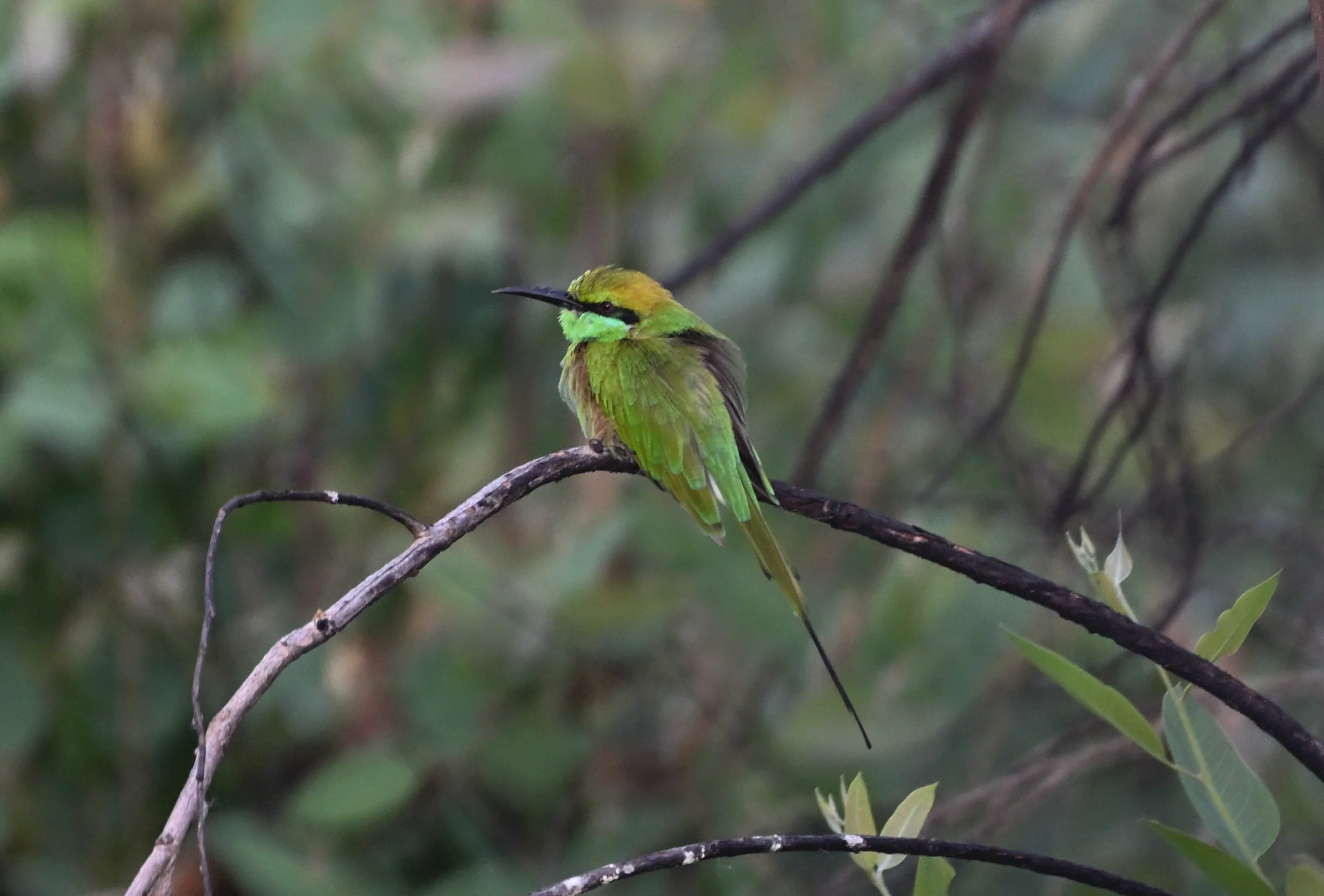
Asian Green Bee-eater
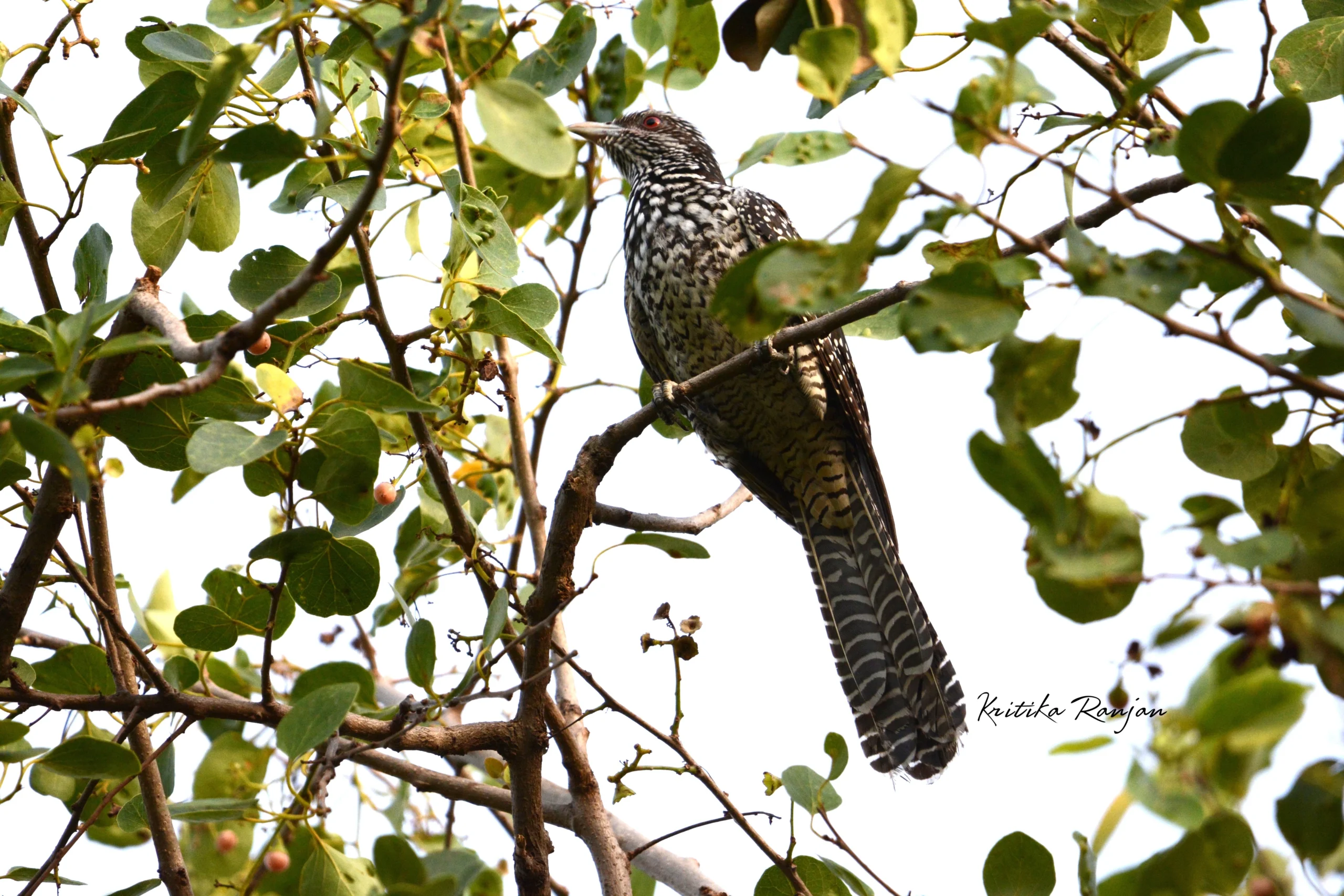
Asian Koel
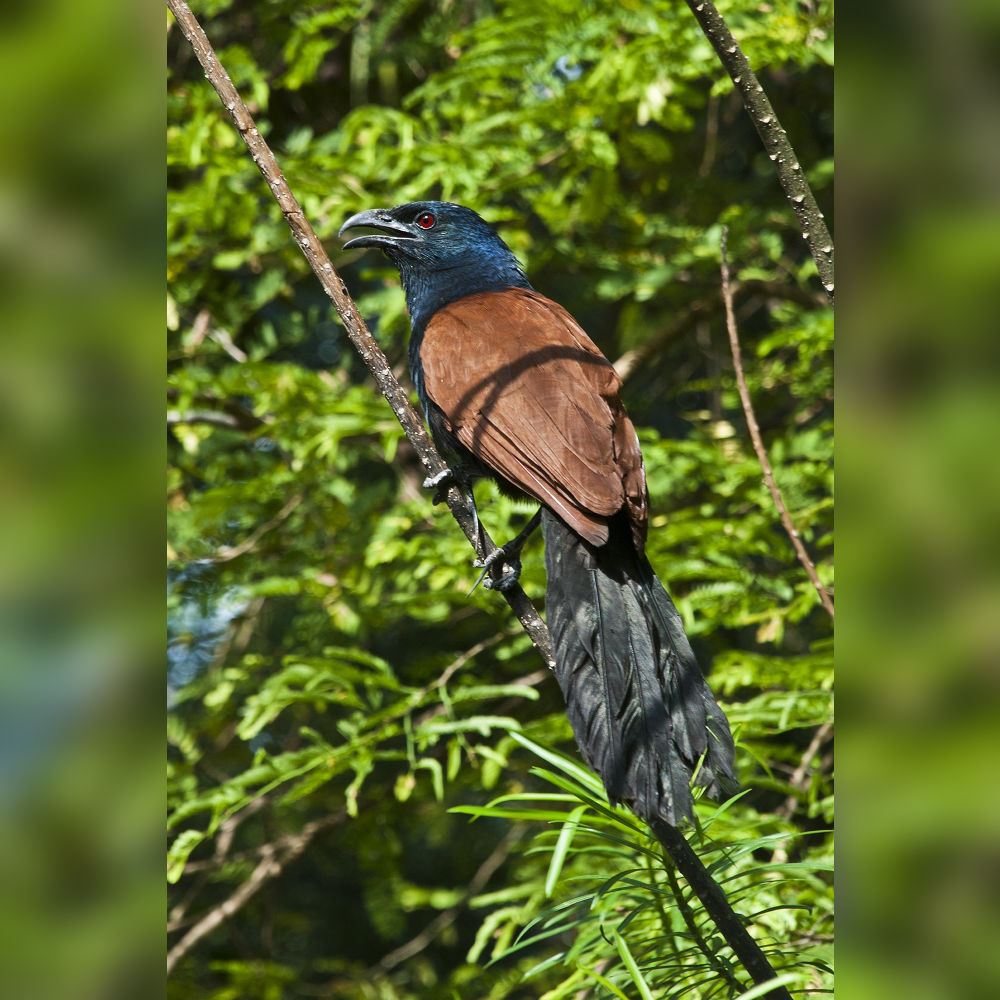
Greater Coucal
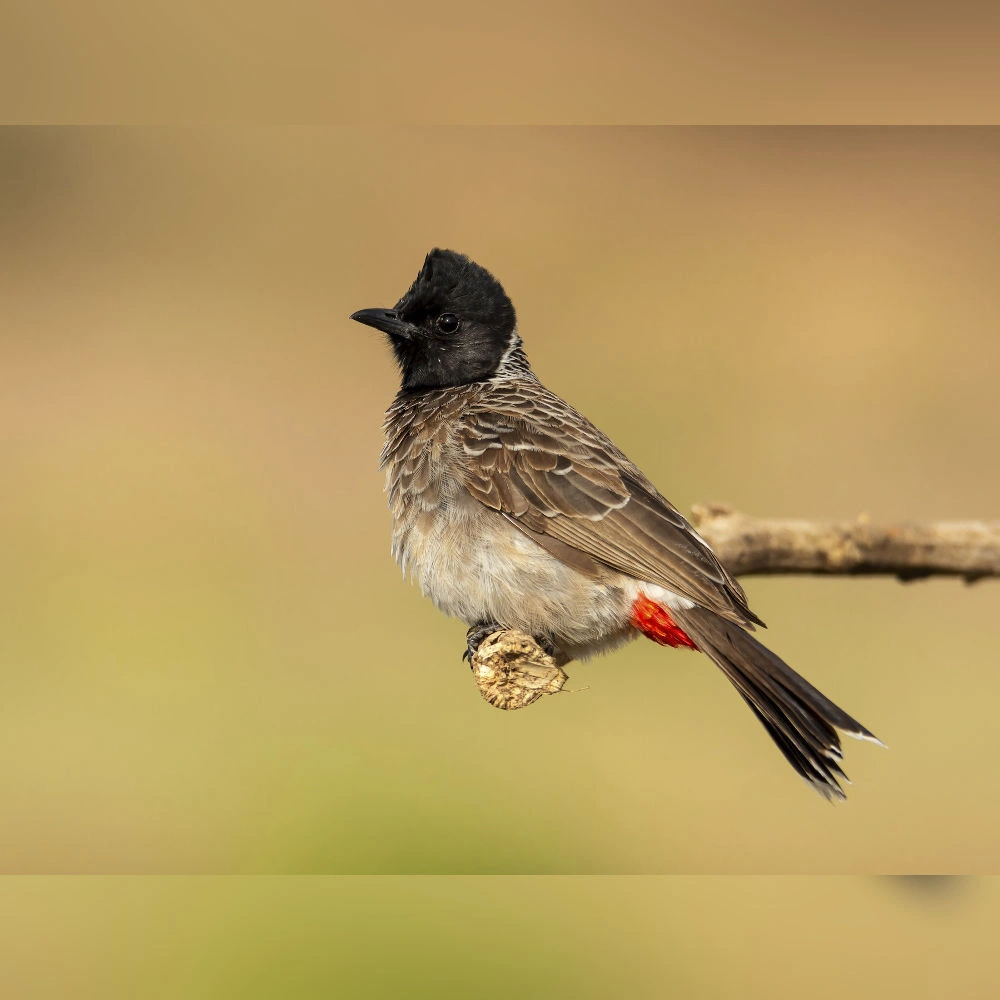
Red-vented Bulbul

Summary of Walk

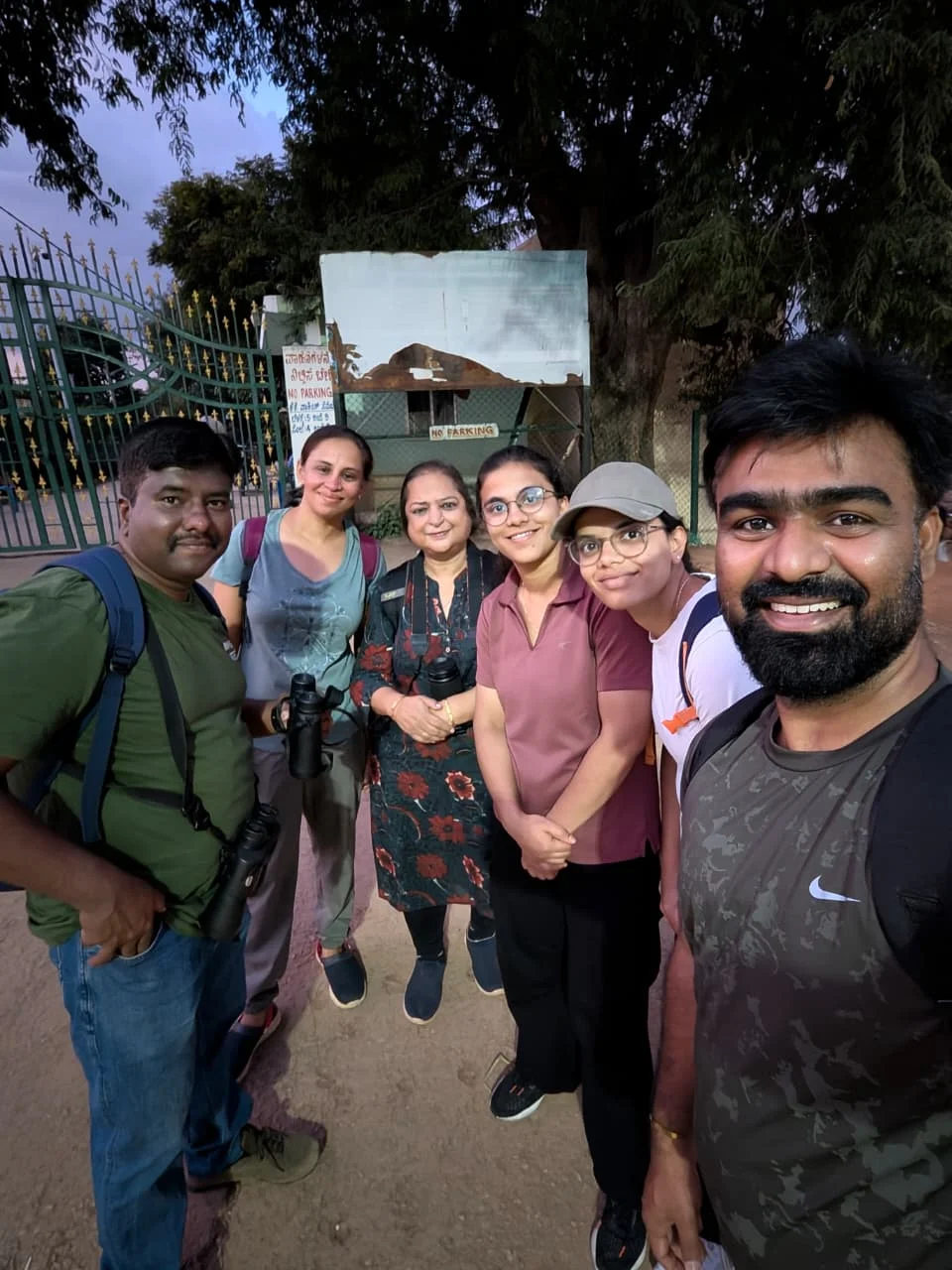
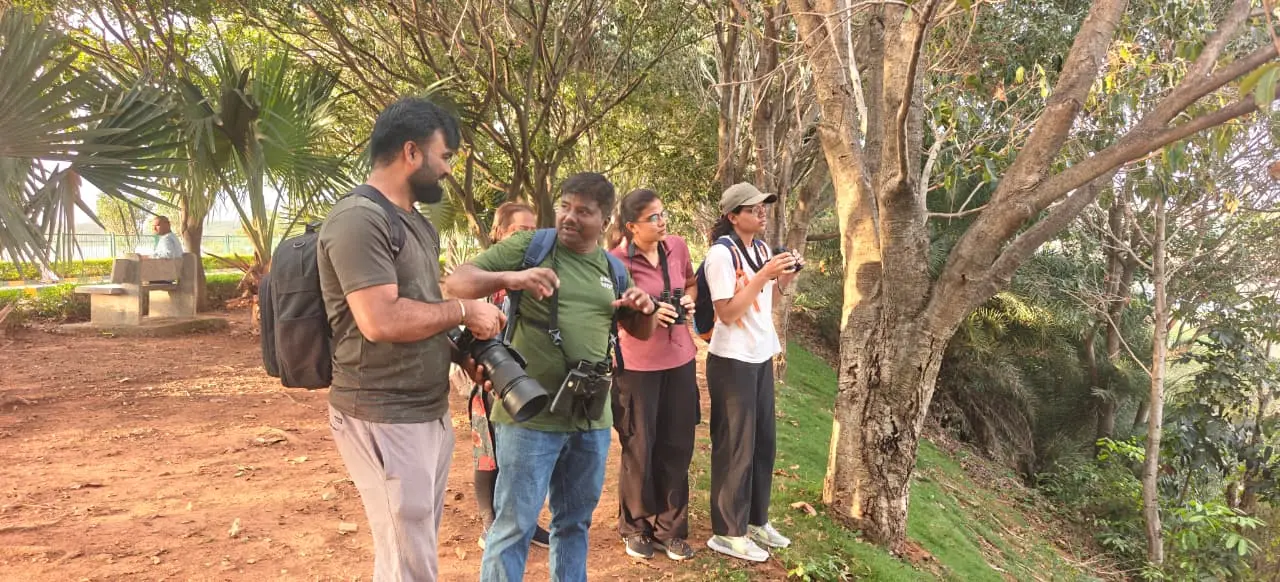
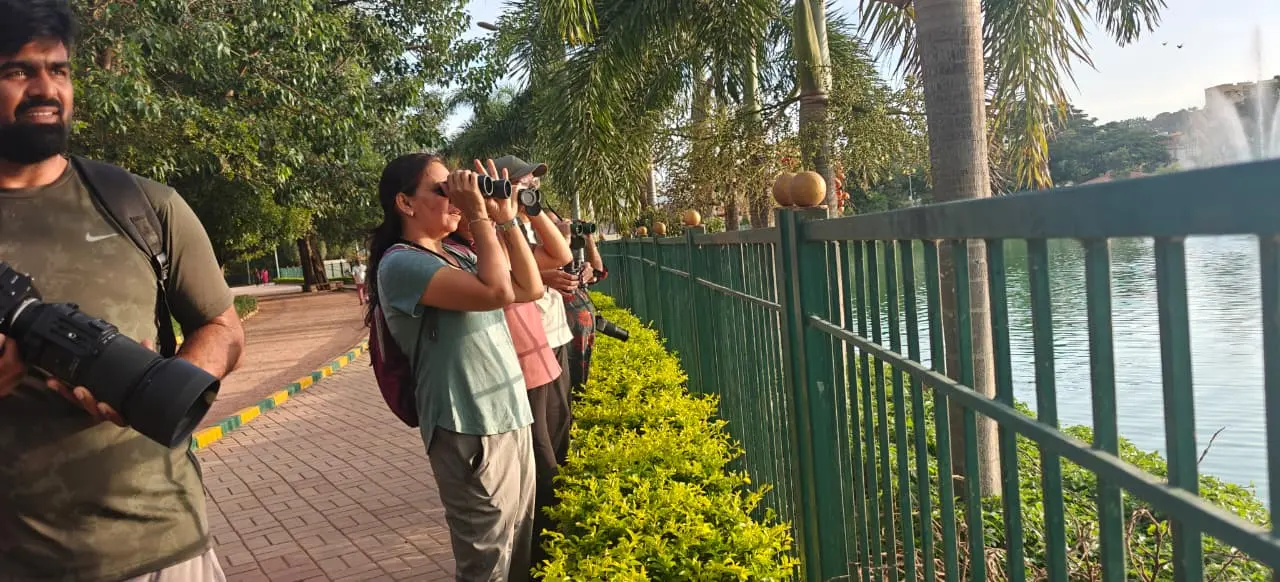
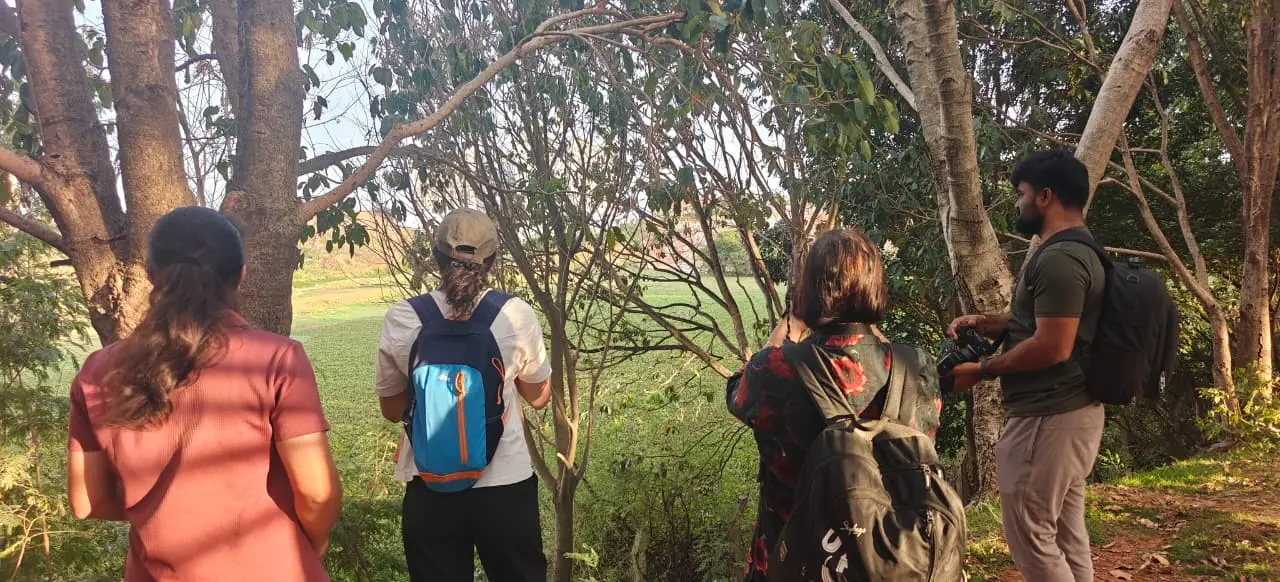
Six participants joined guide Guru Prasad for a delightful evening walk around Yelahanka Lake in Bengaluru, timed to coincide with a stunning sunset that painted the water in warm colours as the birding wound down. The lake was buzzing with activity throughout the walk, giving the small group plenty to watch as light levels shifted through the evening. Sightings included River Terns and Whiskered Terns working the open water, along with Jacanas picking their way across the floating vegetation and Purple Swamphens moving through the reeds. The combination of abundant bird activity and a gorgeous sunset backdrop made for a particularly atmospheric outing, and the intimate group size meant everyone got unhurried views of the terns and waterbirds that make Yelahanka Lake such a rewarding evening birding spot.
Number of Participants
0
Scroll to Top