


Bird Walk at Zilmili Lake, Gondia (MH)
- Gondia
- 30 November, 2025
- Nitesh Yadav
About Zilmili Lake
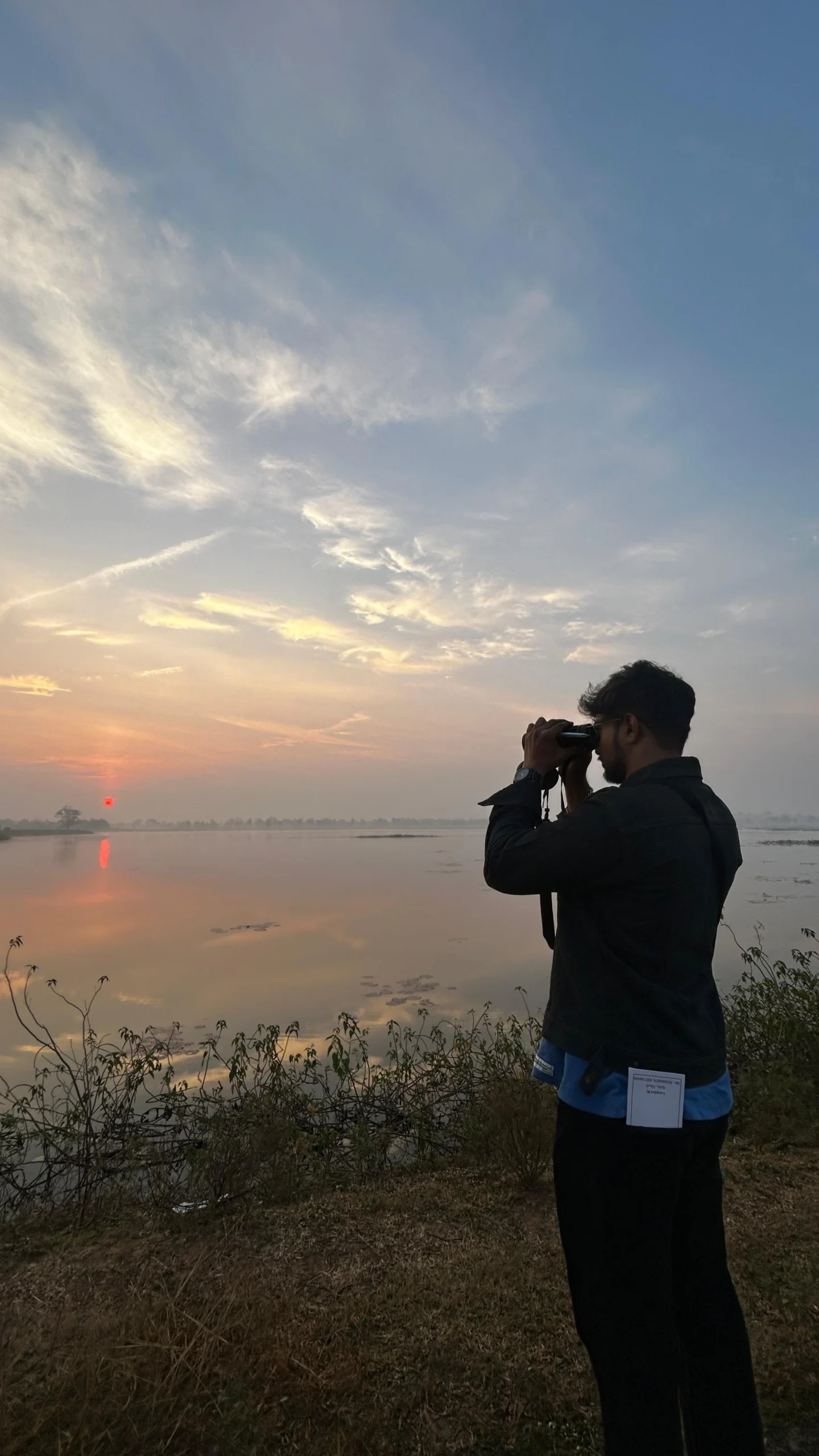
Zilmili Lake, located in Gondia district of Maharashtra, is a serene freshwater ecosystem surrounded by mixed agricultural lands and patches of natural vegetation. The lake serves as an important refuge for numerous resident and migratory bird species, particularly during the winter months when flocks of waterfowl arrive to feed and rest. Its shallow waters and extensive reed beds create an ideal habitat for species such as herons, egrets, cormorants, storks, and various ducks. The tranquil surroundings and easy accessibility also make Zilmili Lake a popular spot for local birdwatchers and nature enthusiasts, contributing to increasing awareness about the importance of wetland conservation in the region.
Beyond its ecological role, Zilmili Lake supports the livelihoods of local communities through fishing and small-scale agriculture. However, the lake faces growing pressure from encroachment, pollution, and siltation, which threaten its biodiversity and water quality. Conservation efforts focusing on habitat restoration, community participation, and sustainable management are essential to preserve this valuable ecosystem. With its scenic beauty and ecological significance, Zilmili Lake holds great potential to become a model site for wetland conservation and eco-tourism in eastern Maharashtra.
Partnered with

Bird Guide - Nitesh Yadav
Nitesh Yadav, from Gondia, Maharashtra, is an engineer-turned-naturalist who discovered his passion for wildlife and nature during his years in the corporate sector. His growing interest in birds, animals, and forests inspired him to shift careers, leading him to work at Kanha National Park, where he now shares the wonders of the natural world with visitors and enthusiasts.
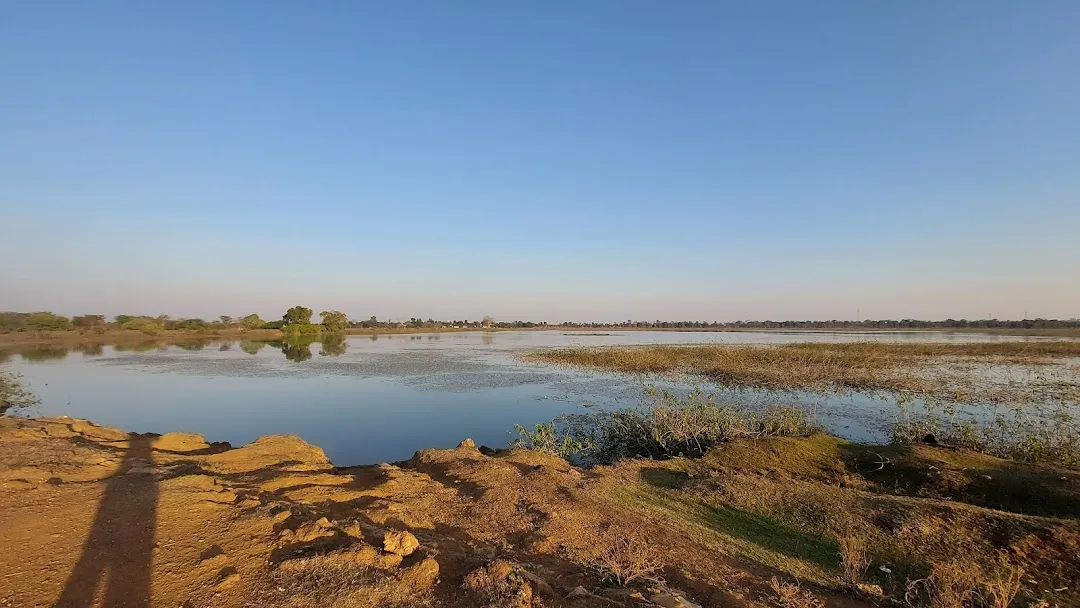
Bird walk Location
Common birds of Zilmili Lake
Zilmili Lake in Gondia is a thriving habitat for a wide variety of bird species that depend on its open waters, reed beds, and surrounding grasslands. The lake is frequently visited by wading birds such as the White-breasted Waterhen, Little Ringed Plover, Yellow-wattled Lapwing, Red-wattled Lapwing, and Common Snipe, which forage along the muddy edges. The presence of Little Cormorants, Black-crowned Night Herons, Indian Pond-Herons, Eastern Cattle Egrets, Great Egrets, and Purple Herons highlights the wetland’s rich aquatic ecosystem, offering abundant feeding opportunities. During early mornings and evenings, these birds can be seen actively hunting fish, frogs, and insects, adding vibrancy and life to the lake’s calm waters.
In the surrounding wooded and open areas, a variety of woodland and aerial insectivores can be observed, including the Shikra, Indian Gray Hornbill, Asian Green Bee-eater, and Indian Roller. Colorful and energetic Common, White-throated, and Pied Kingfishers are often seen perched along the water’s edge, diving skillfully for small fish. The Black Drongo and Red-vented Bulbul, common across rural Maharashtra, add to the diversity of the lake’s avifauna, often seen darting among shrubs and trees. Together, these species illustrate the ecological richness of Zilmili Lake, making it not only a refuge for birds but also an excellent location for birdwatching and environmental education in the Gondia region.

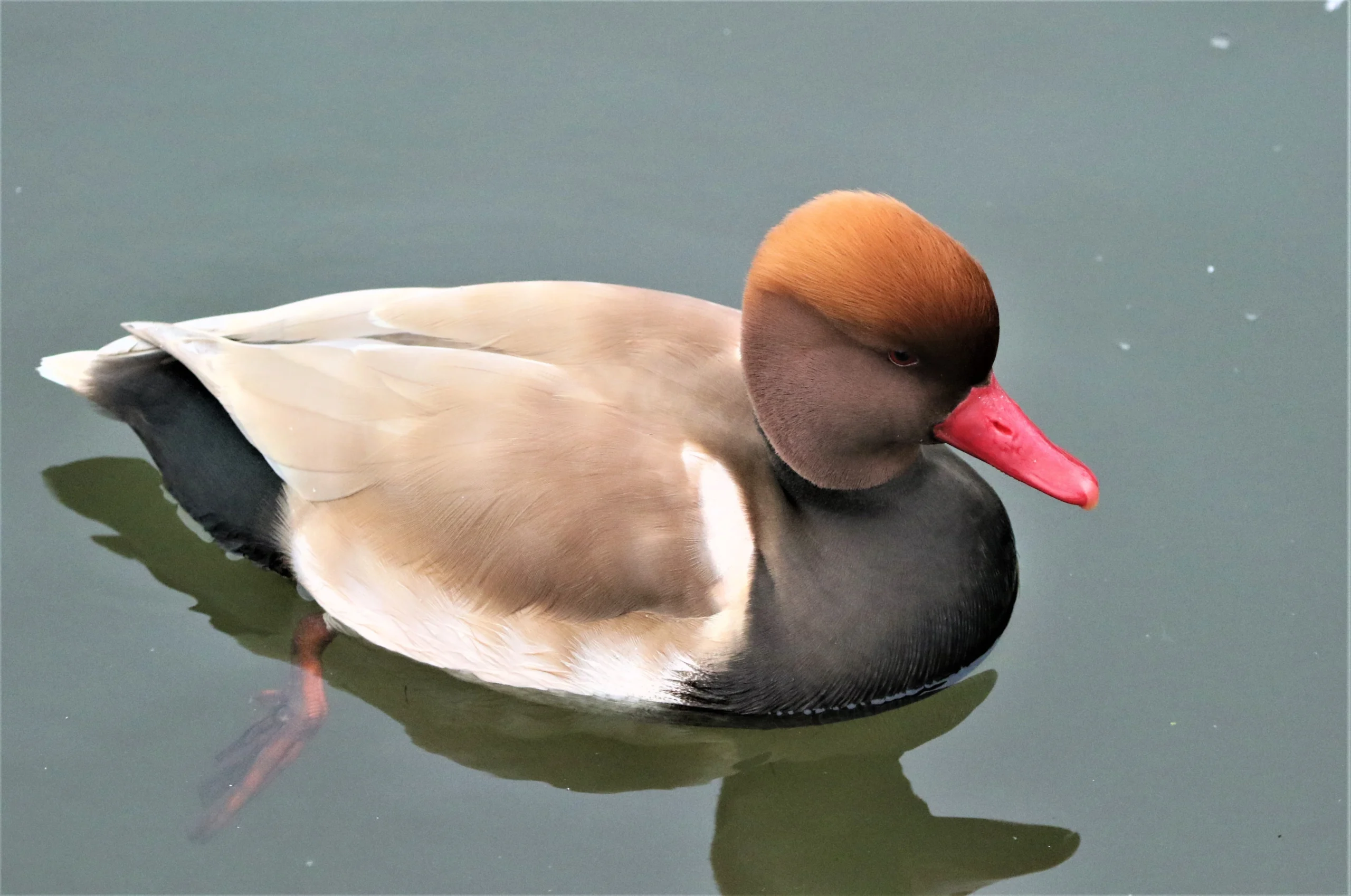
Red-crested Pochard

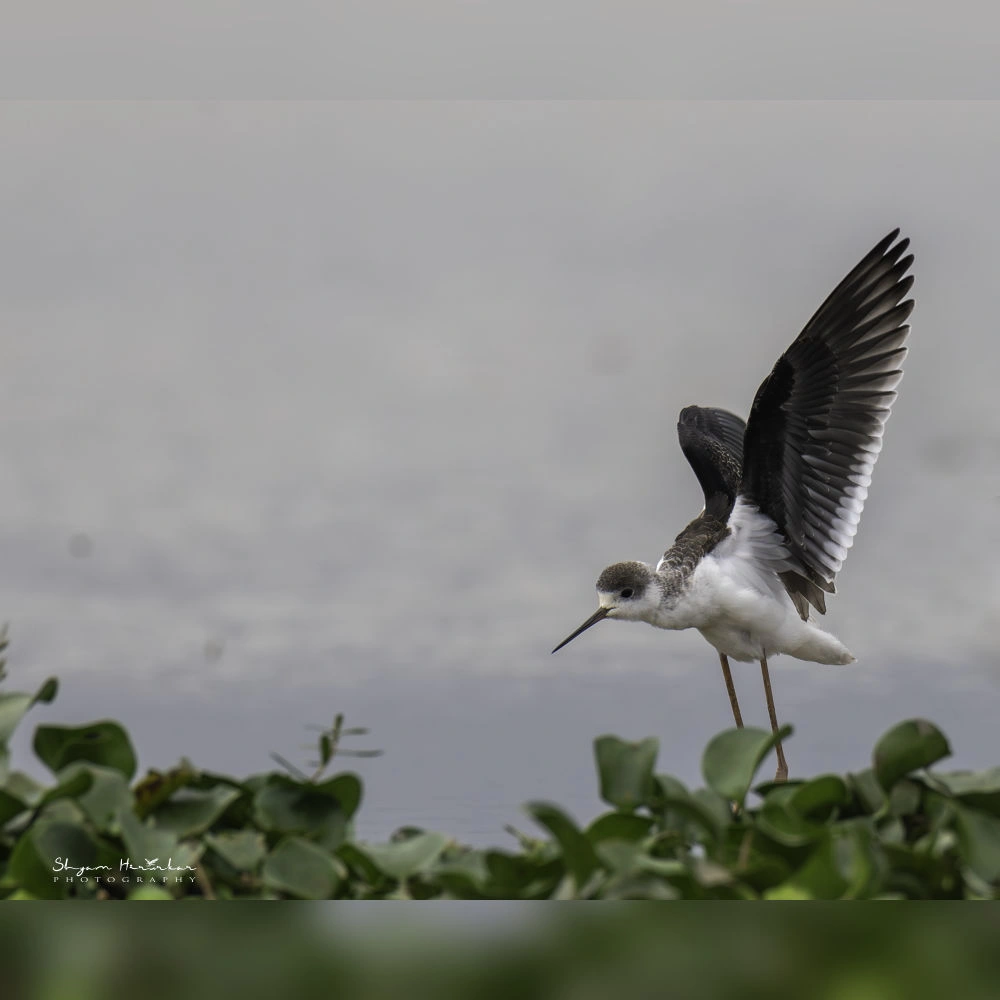
Black-winged Stilt
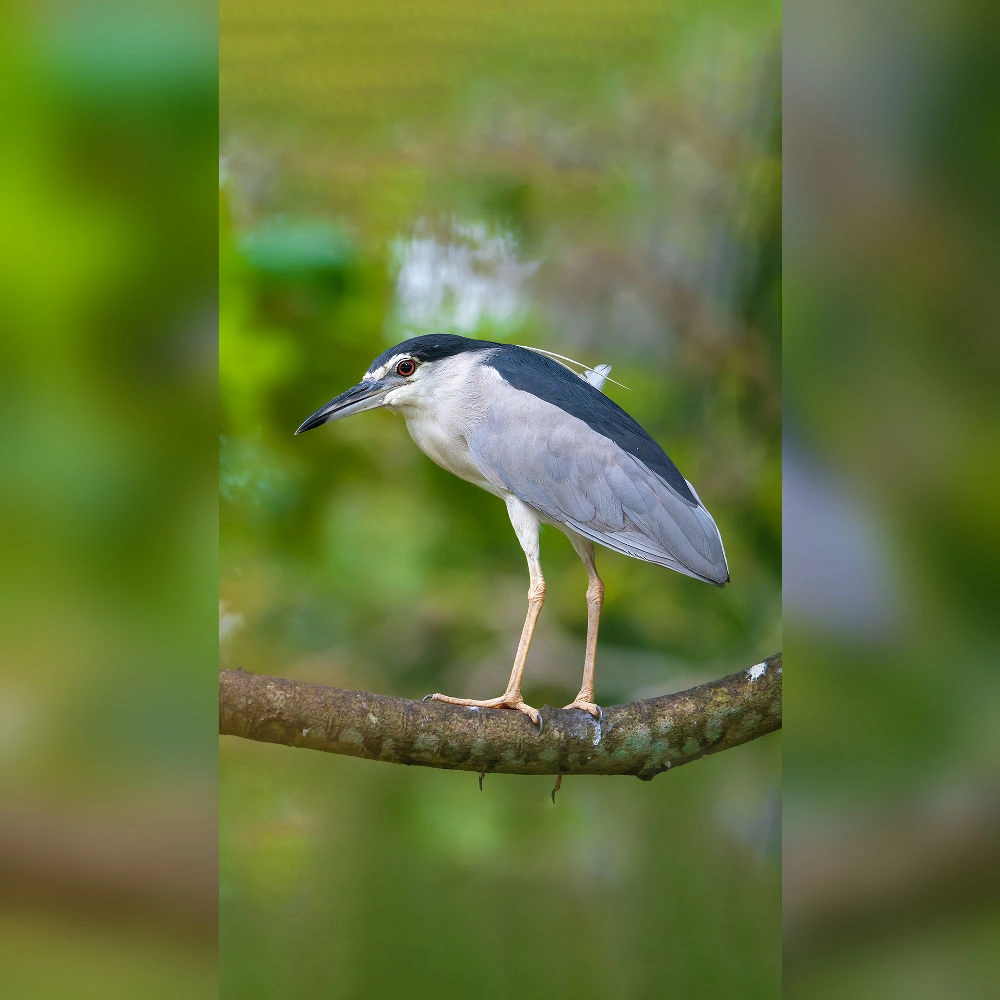
Black-crowned Night Heron
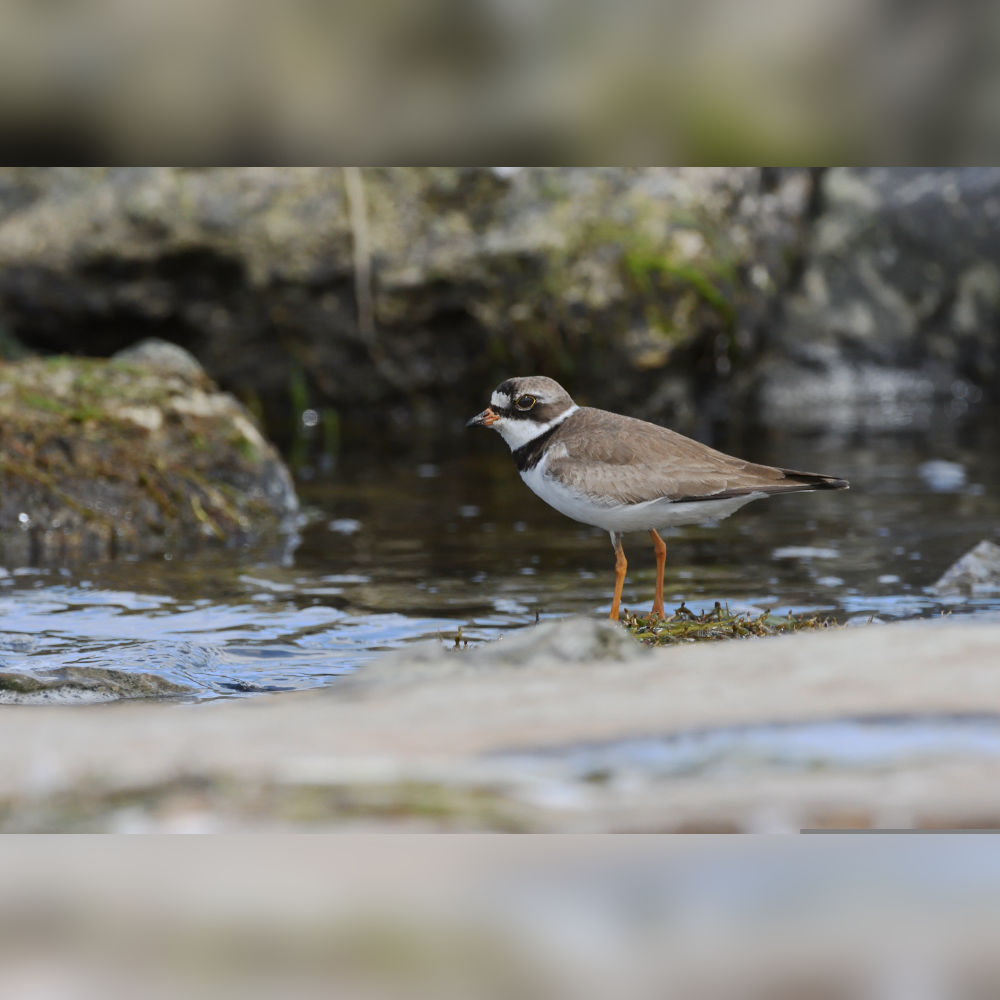
Little-ringed Plover
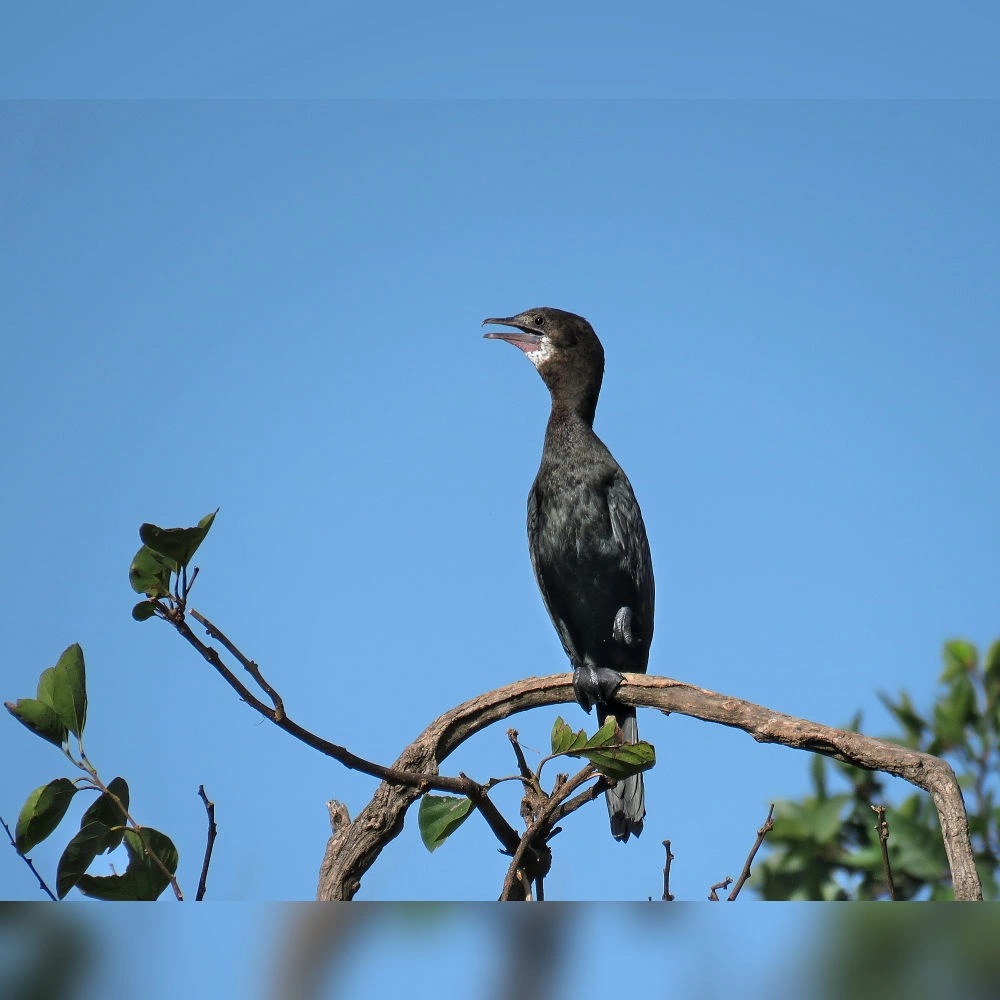
Little Cormorant
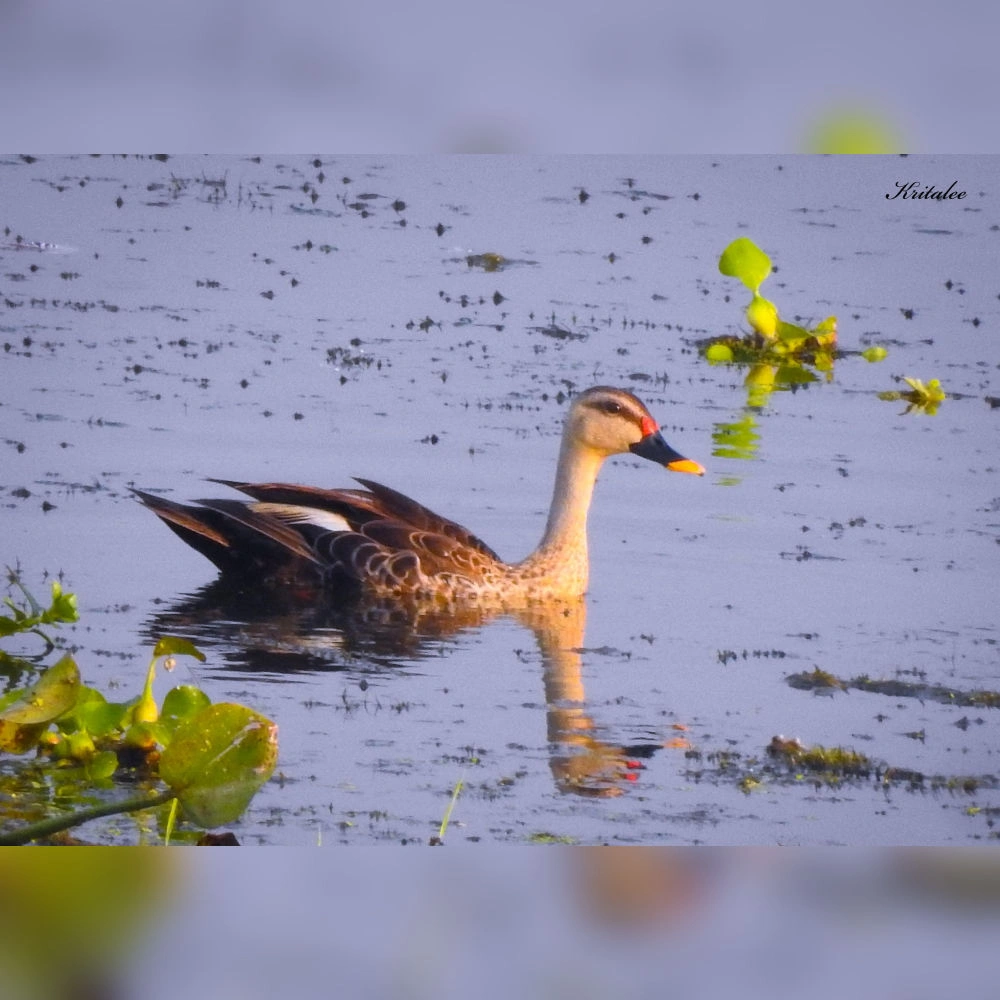
Indian Spot-billed Duck
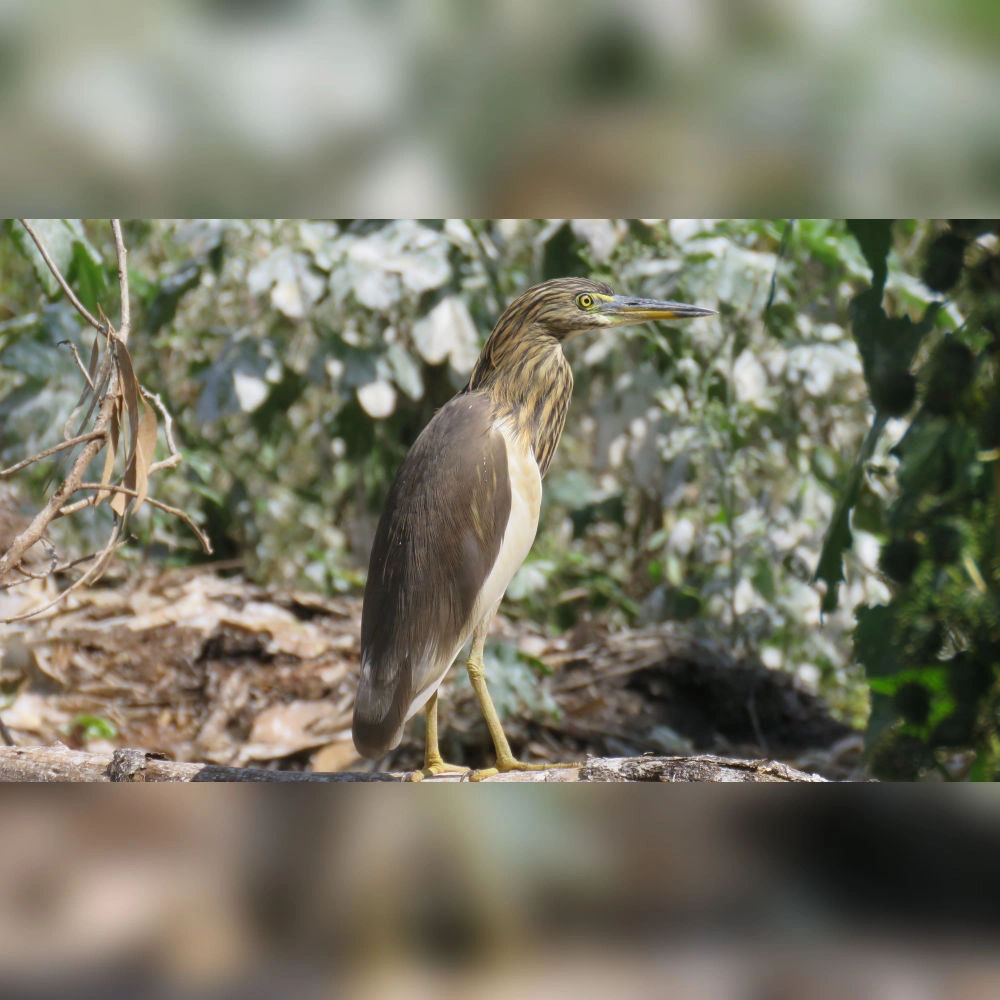
Indian Pond Heron
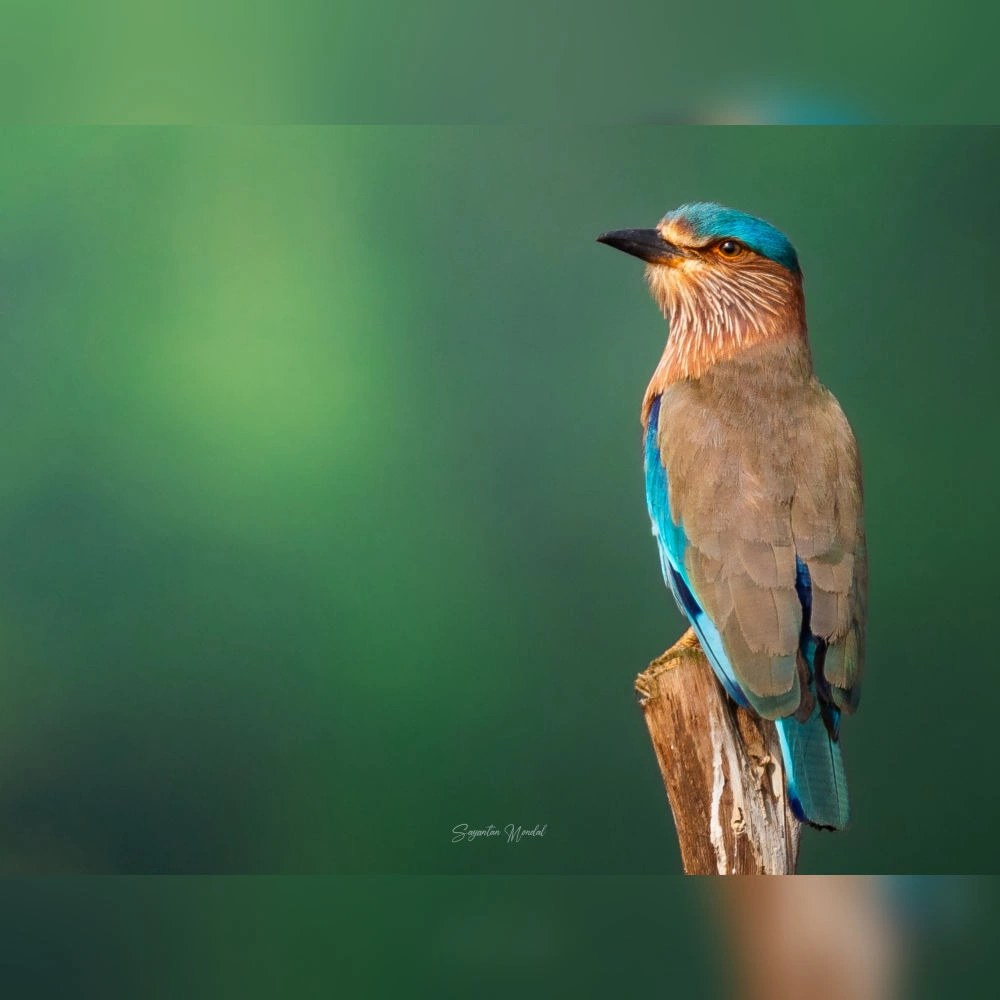
Indian Roller
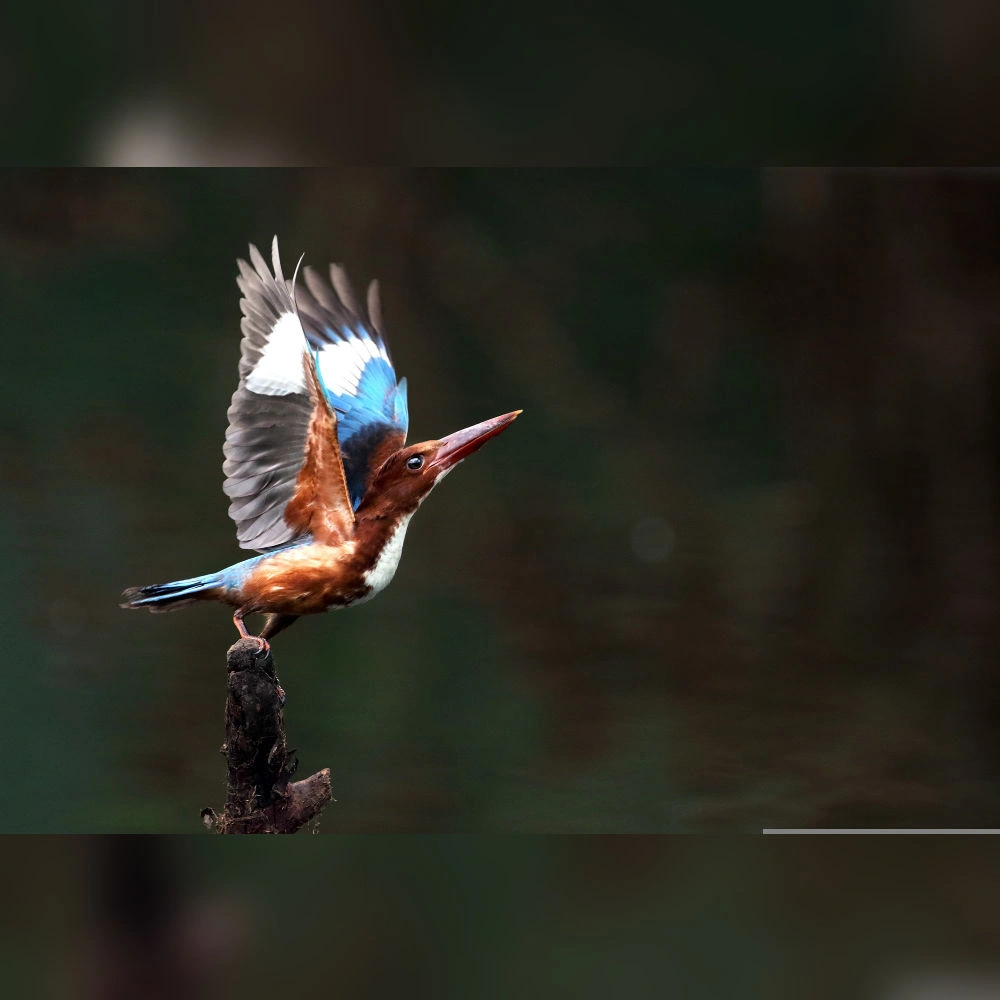
White-throated Kingfisher
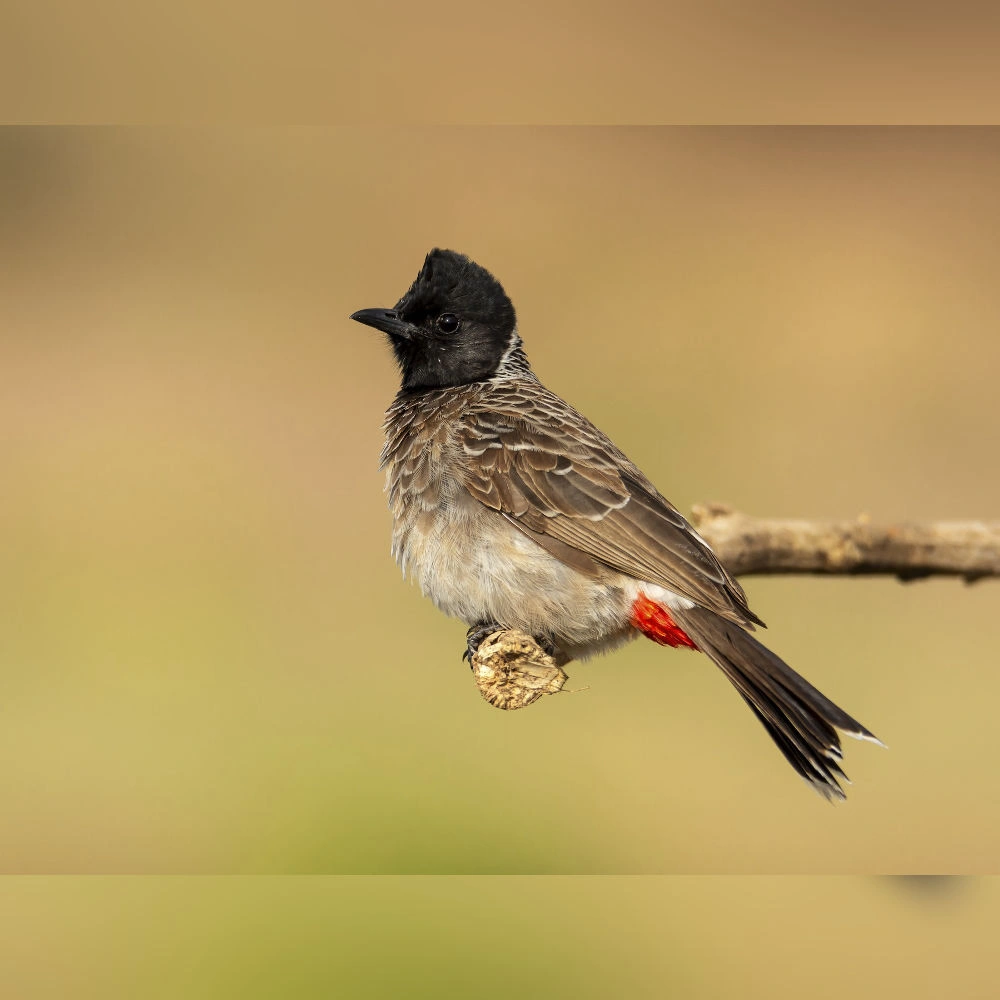
Red-vented Bulbul
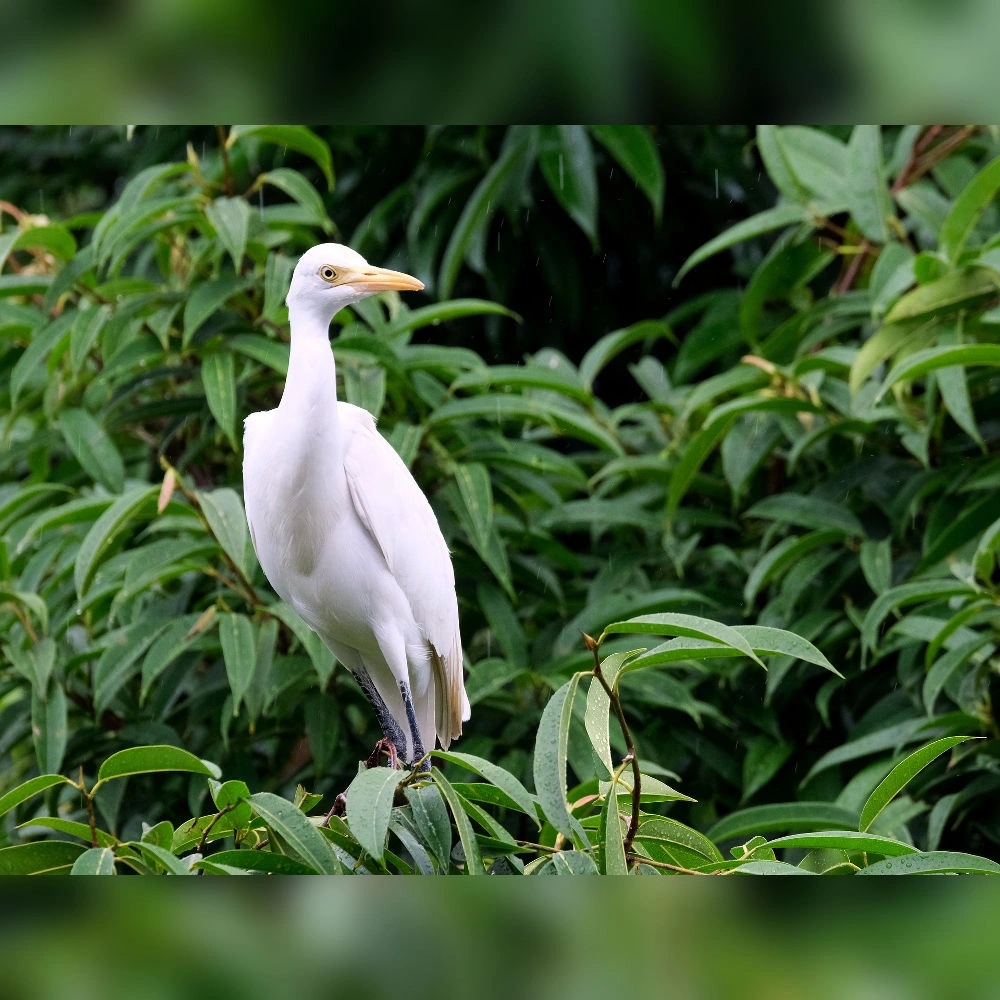
Eastern Cattle Egret
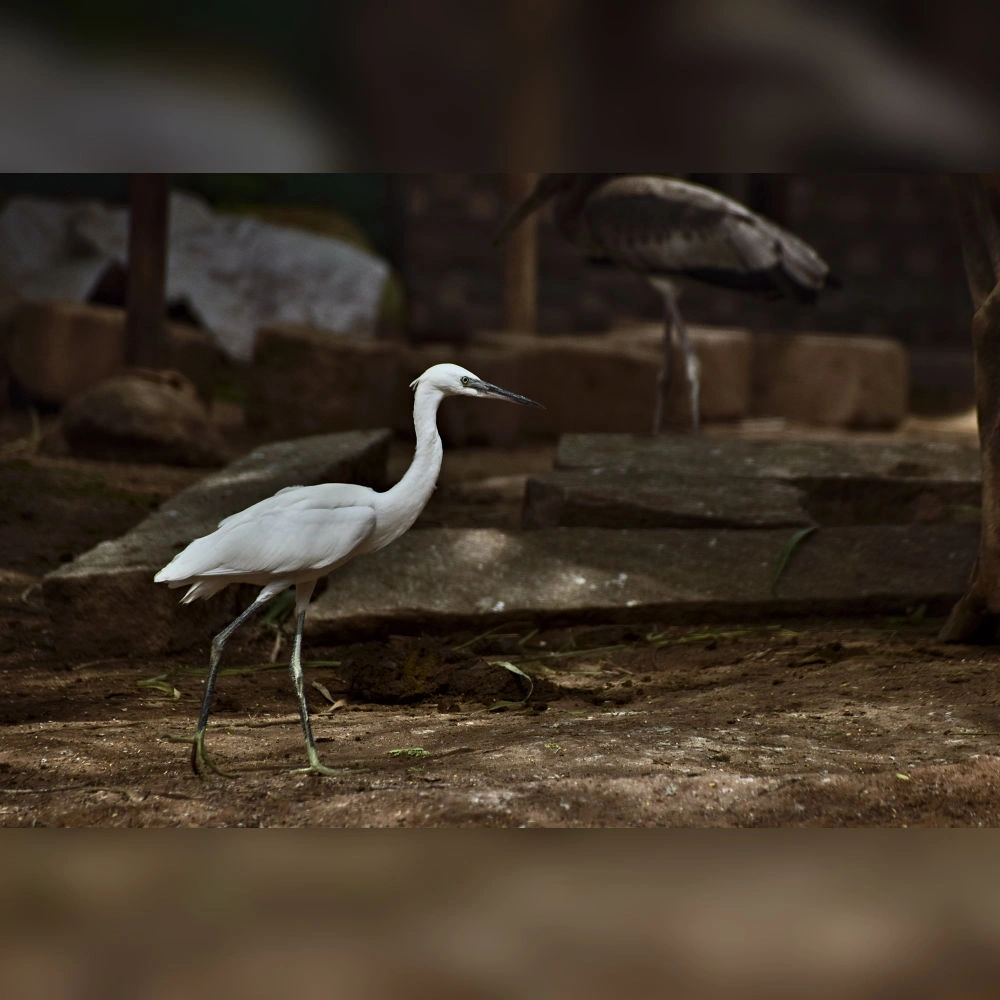
Little Egret
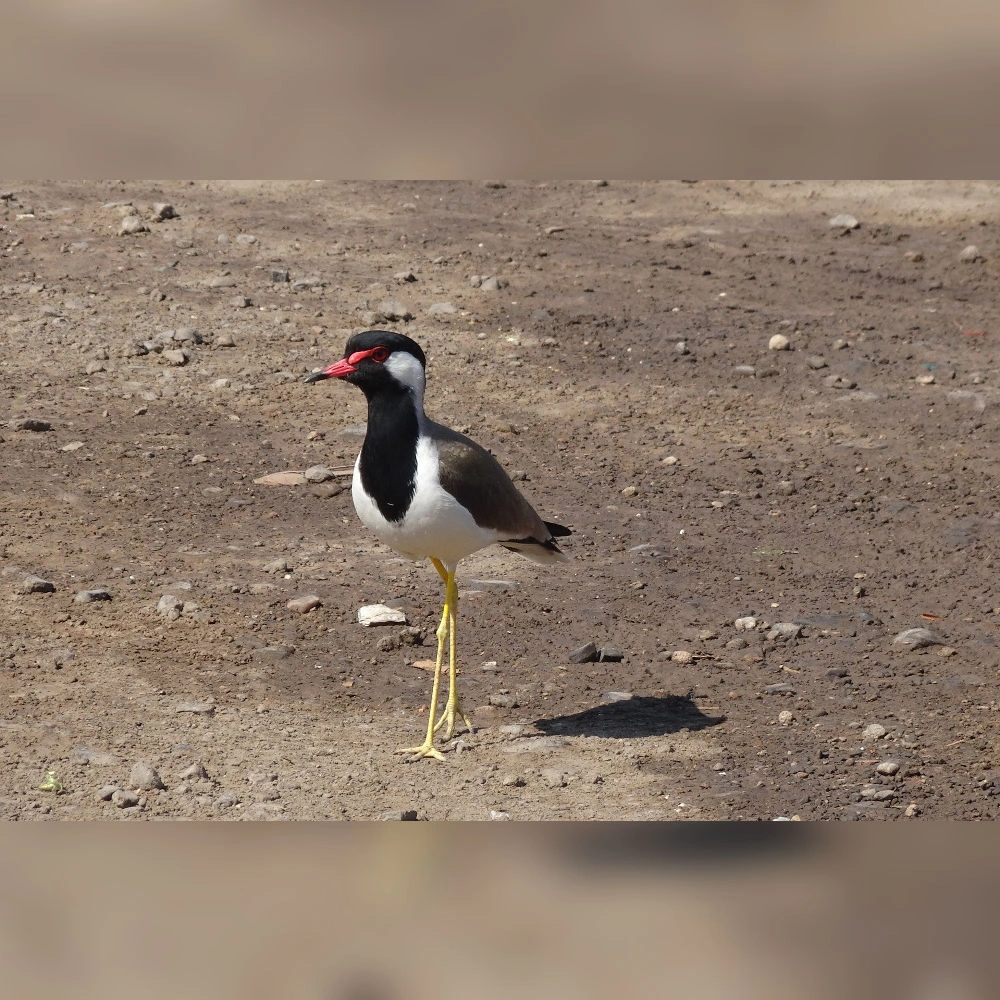
Red-wattled Lapwing
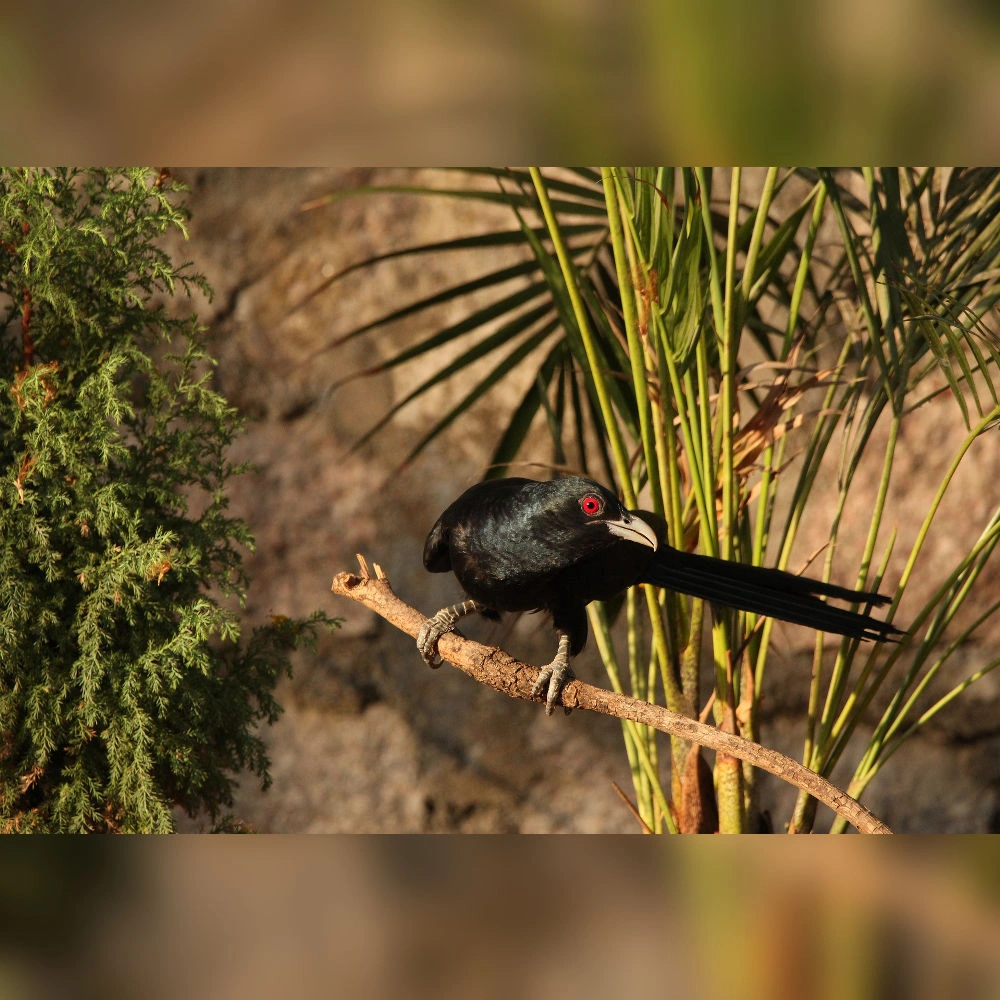
Asian Koel
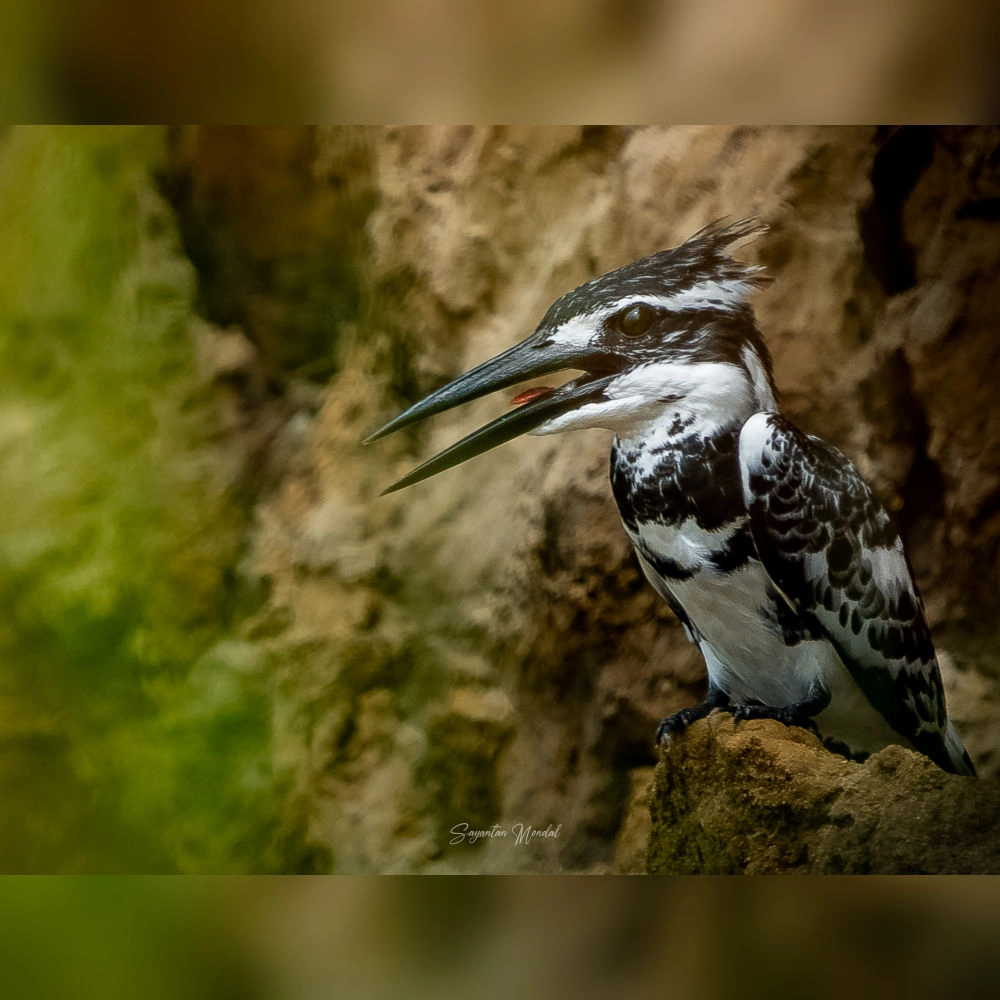
Pied Kingfisher
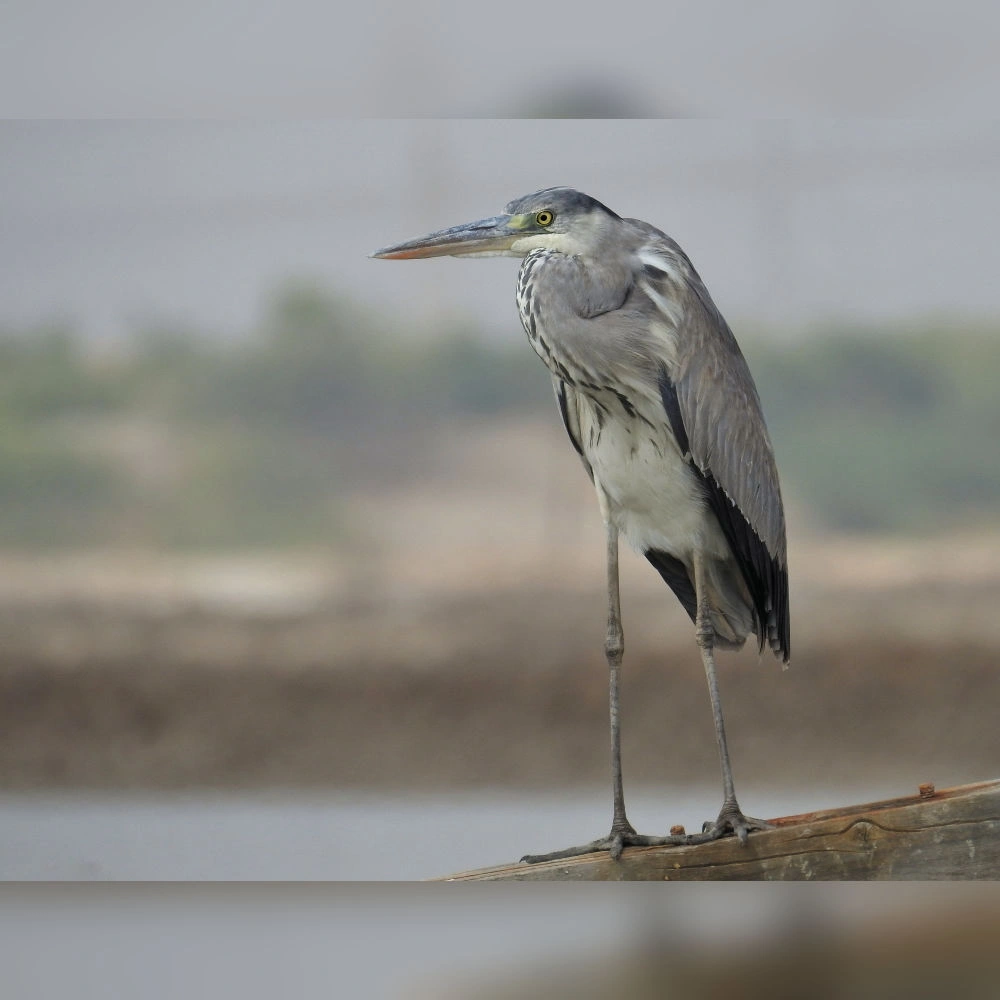
Grey Heron
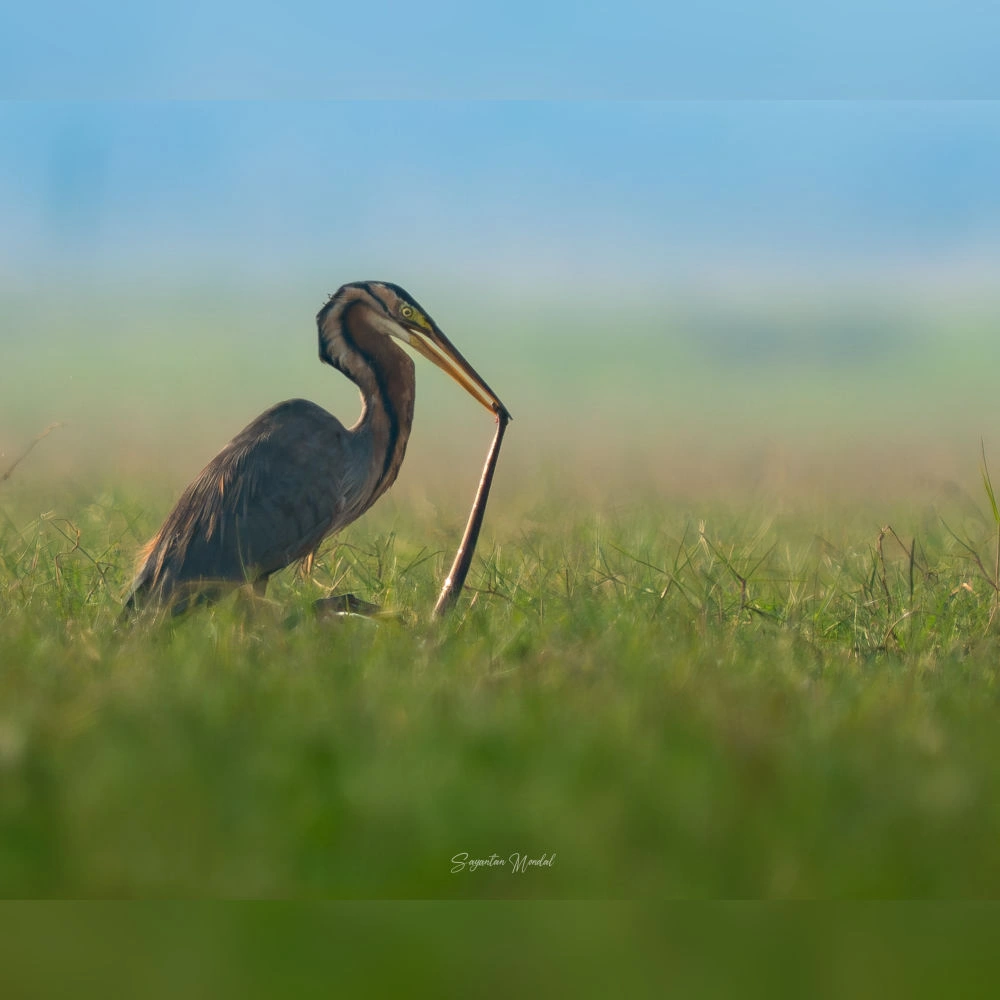
Purple Heron

House Sparrow
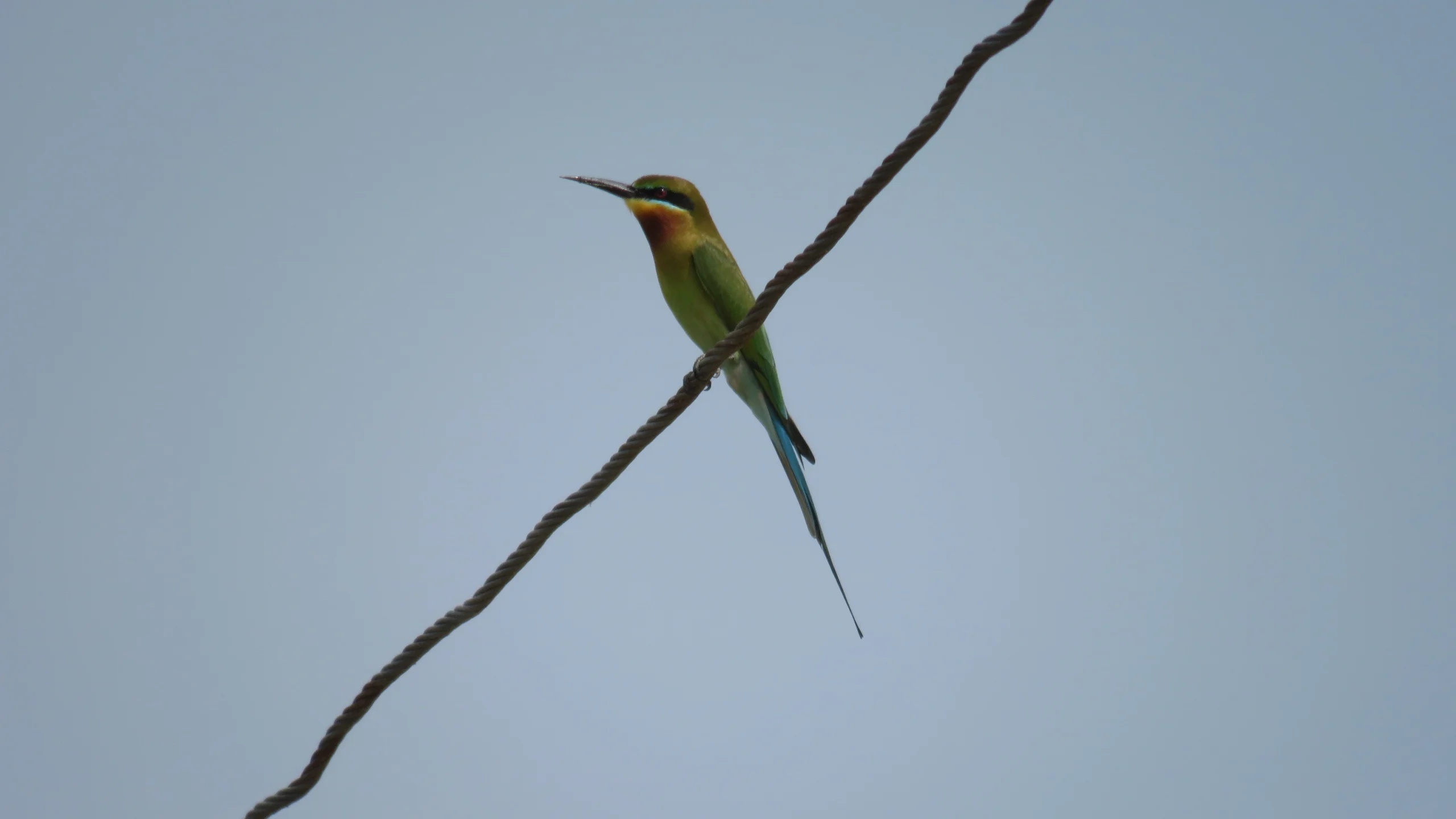
Blue-tailed Bee-eater
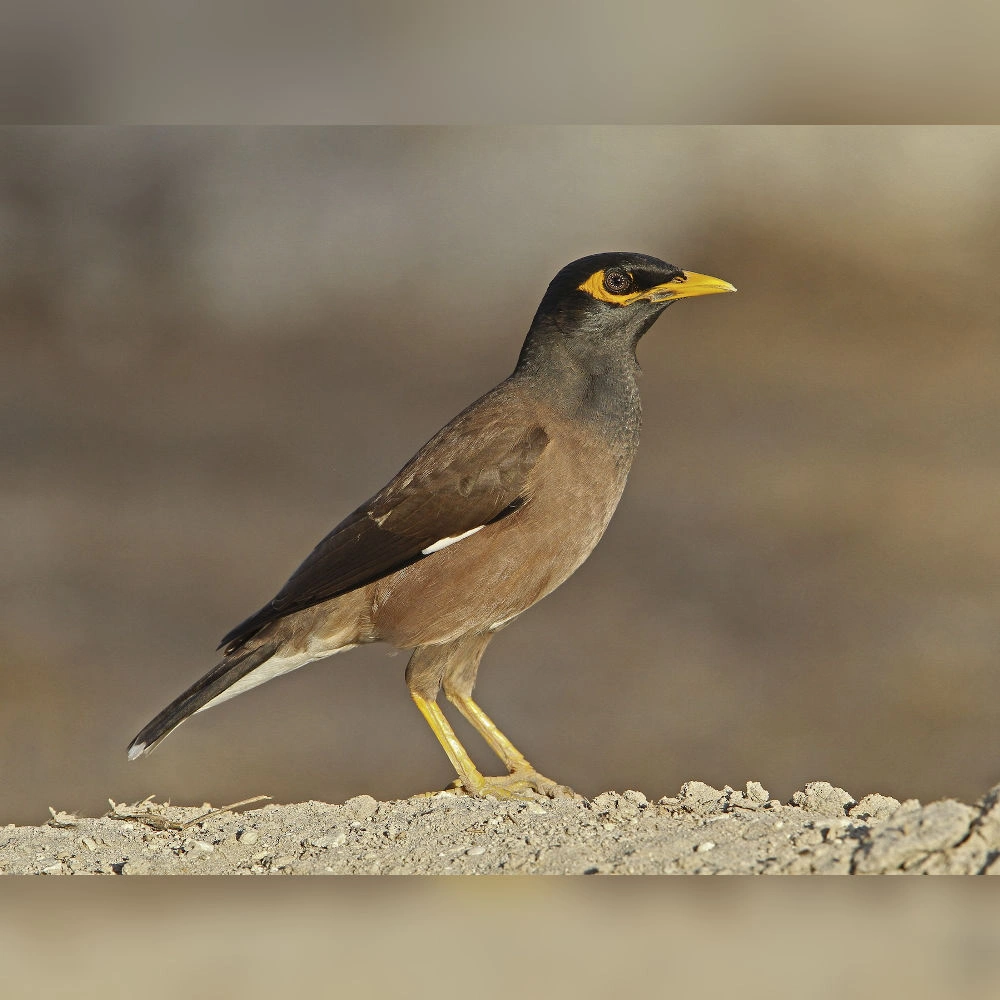

Common Myna
Summary of Walk
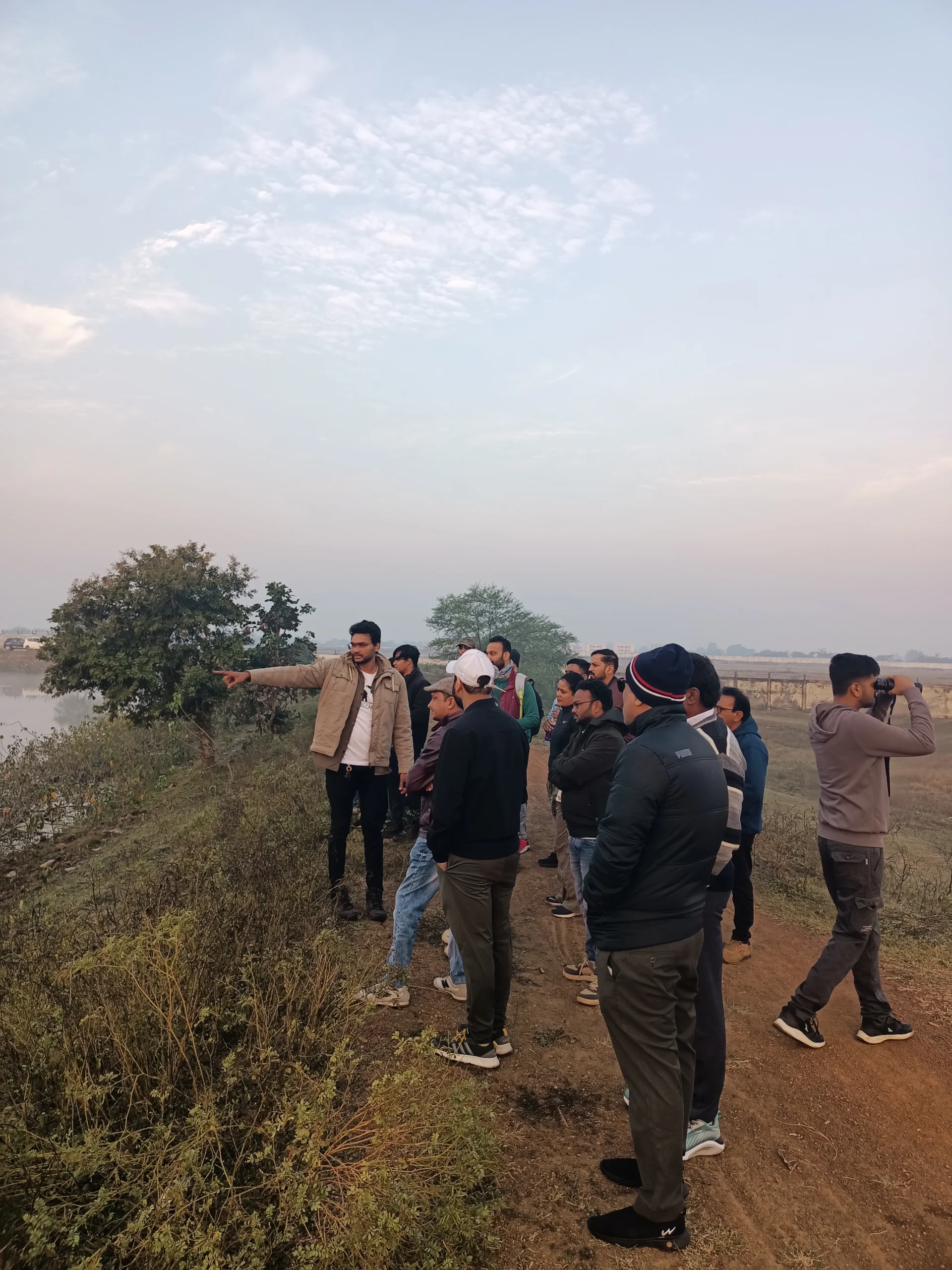
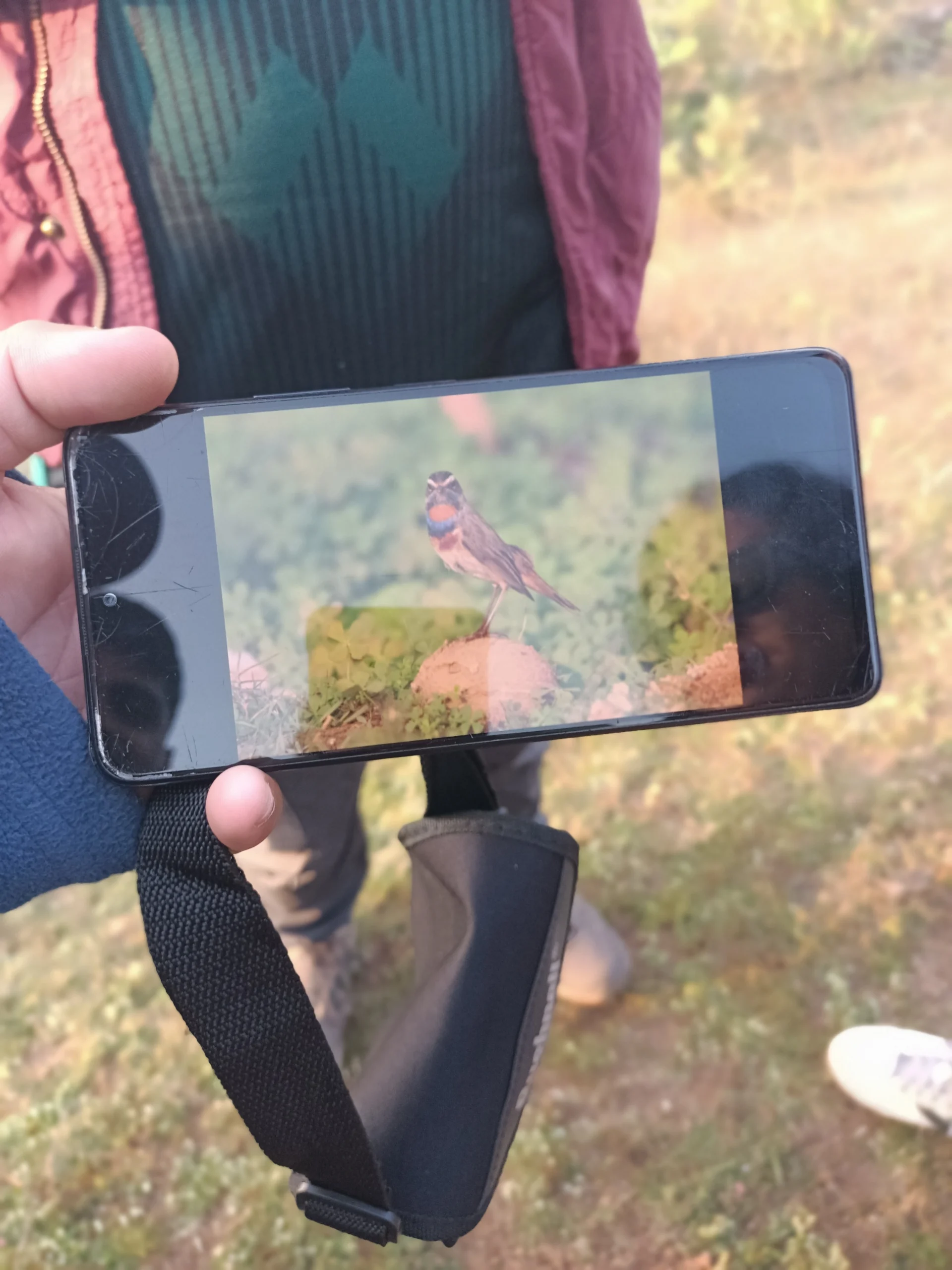
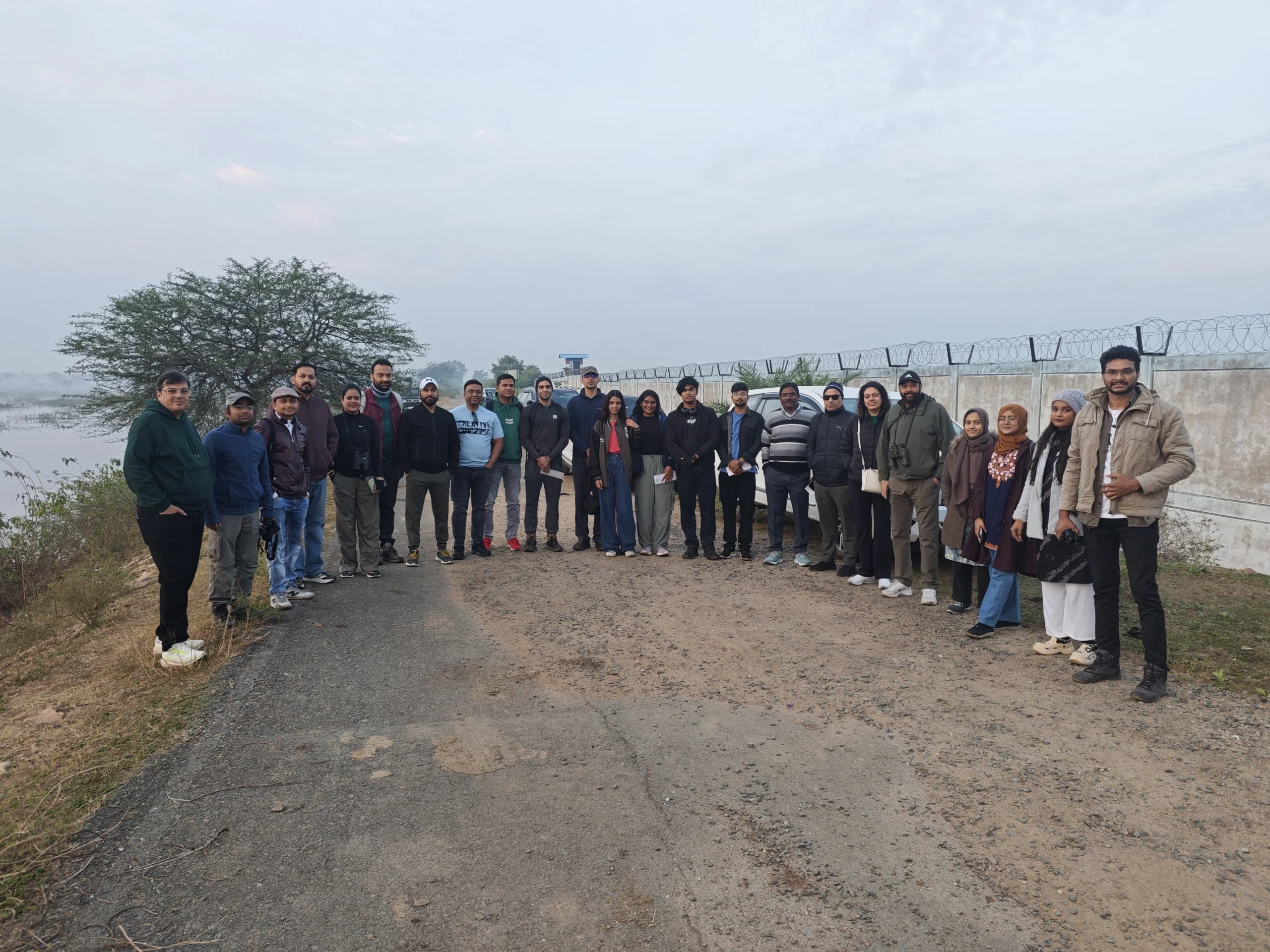
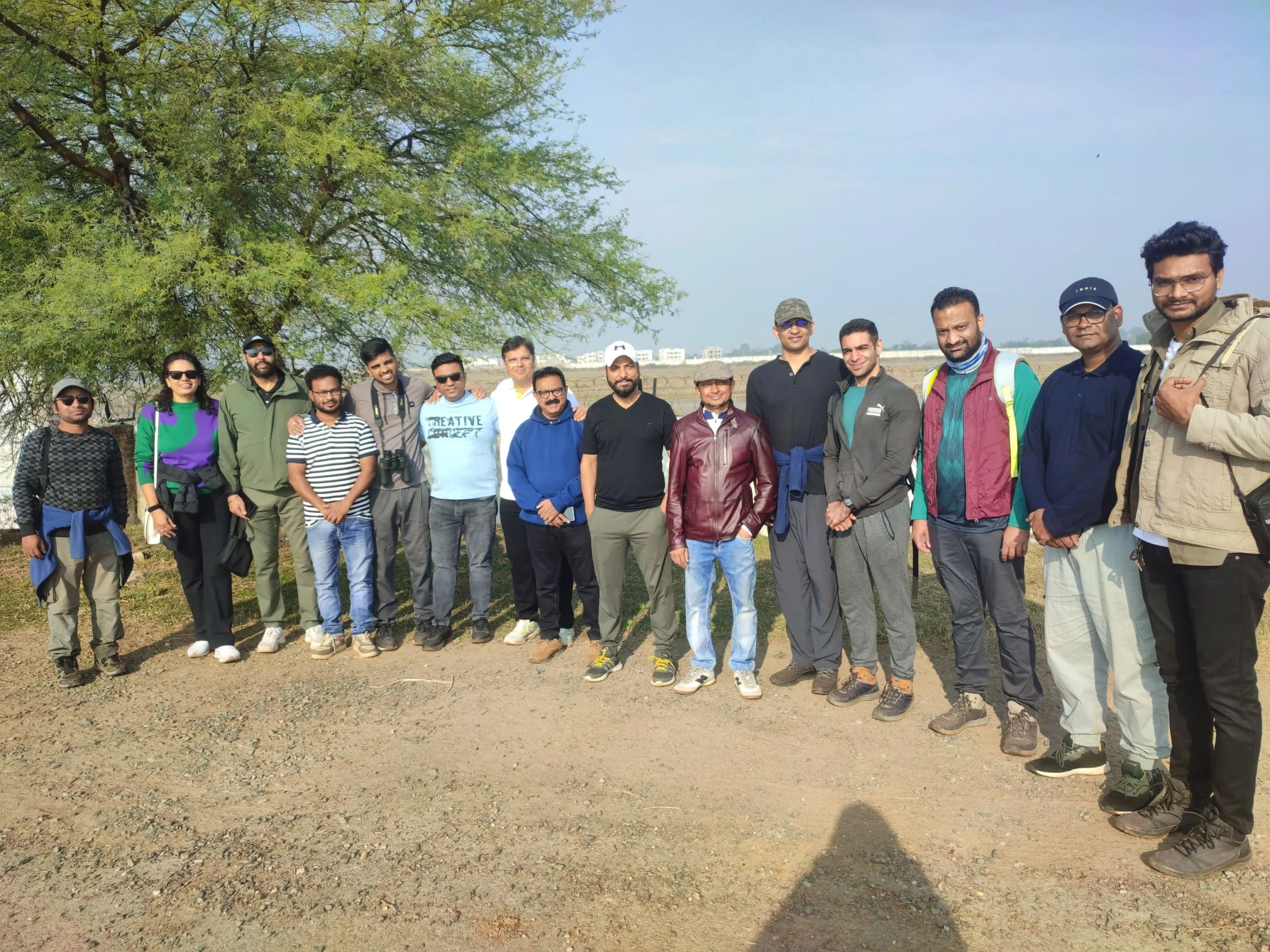
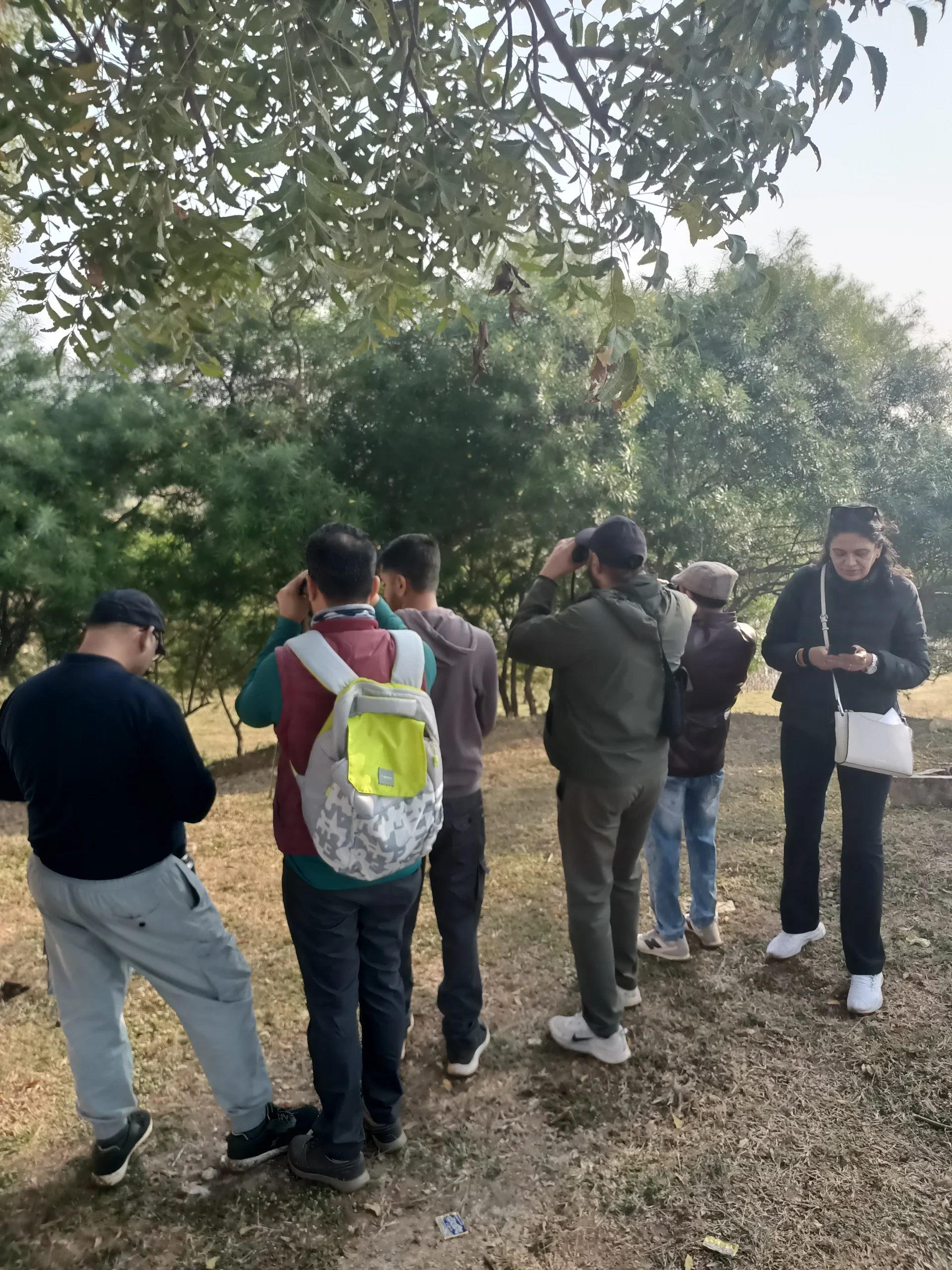
At Zilmili Lake, 20 enthusiastic participants gathered around Nitesh Yadav, whose sharp eye helped them spot nearly 90 species in just two hours. Winter’s arrival had filled the lake with migrants — Gadwall, Red-crested Pochard, Cotton Pygmy Goose, Siberian Stonechat, Bluethroat, and Black Redstart — each one adding movement to the cool morning air. Resident favourites such as Red Avadavat, Brahminy Starling, Rosy Starlings, Long-tailed Shrike, and Spotted Owlet also made the list.
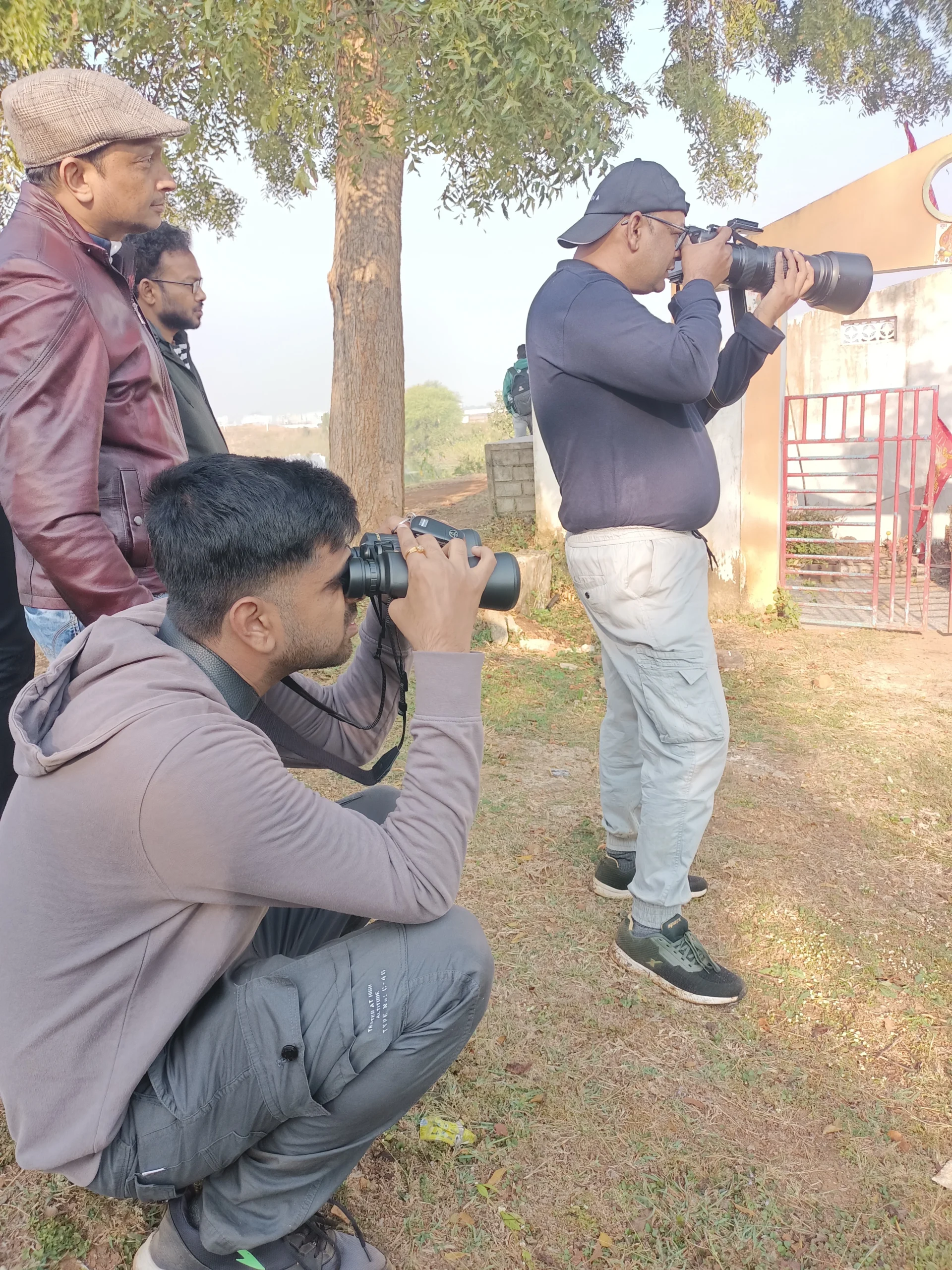
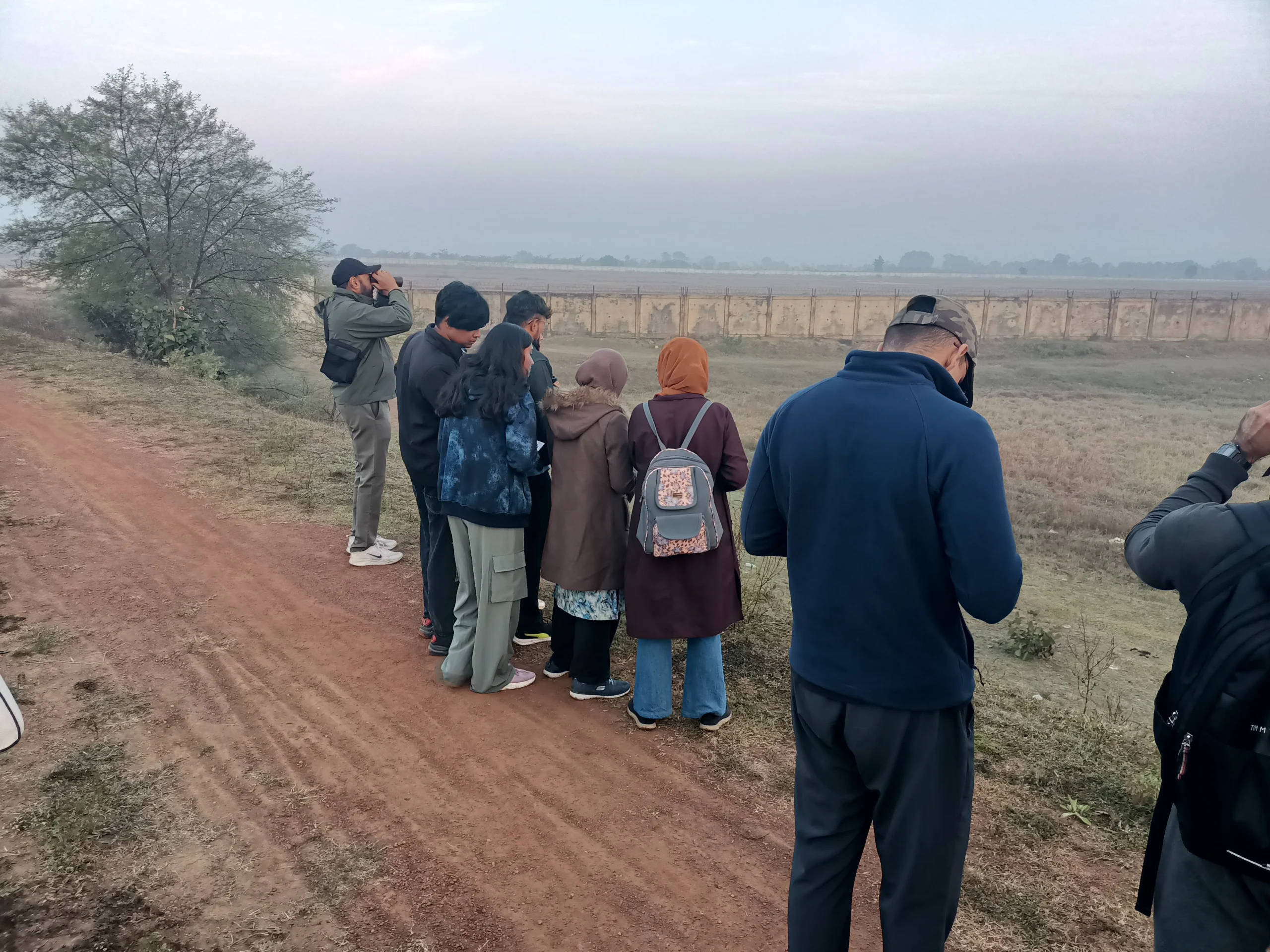
The rapid pace of sightings kept the group animated, their notebooks and cameras buzzing with activity. Nitesh wove species names with insights, helping the group appreciate both the migrants’ long journeys and the steady presence of resident birds. The lake felt alive — a seasonal crossroads where every flutter carried a story.
Number of Participants
0